- Tel: +86 311 82620404
- Cell: 86 -13739710551
- Email: sales@potentia.cn

Comprehensive Guide to Axles: Definition, Applications, and Innovations
Understanding Axles: The Backbone of Modern Transportation and Industry
Axles might seem like one of those unassuming components tucked away in vehicles or machinery, but in reality, they’re pivotal to the entire globe’s transportation systems and industrial equipment. From the hefty freight trucks rolling across continents to the precision machines in factories, axles support weight, enable motion, and ensure mechanical integrity. Getting a grip on what axles are and why they matter is not just engineering jargon—it’s unlocking a foundation of reliability, safety, and efficiency that keeps economies moving and societies connected.
Global Context: Why Axles Are So Relevant
According to the International Organization for Standardization (ISO) and data compiled by the World Bank, the global transportation industry accounted for nearly 28% of CO2 emissions in 2022. Vehicles, trains, and heavy machinery all depend on well-manufactured axles to carry loads safely over vast distances without fail. Yet, as demand for greener, more efficient transport grows, engineers and manufacturers face the challenge of designing axles that last longer, weigh less, and integrate with innovative propulsion systems—like electric drivetrains.
Oddly enough, despite being such a traditional technology, the humble axle reflects the crossroad of global sustainability and economic development. Problems like frequent axle failures can hamper supply chains, impact infrastructure, and even put lives at risk, which is why improving axle quality and durability is a global endeavor.
Defining Axles: The Heart of Vehicle Motion
Simply put, an axle is a central shaft for rotating wheels or gears. But there’s so much more beneath the surface. Axles transmit power from a vehicle’s engine to the wheels, bear the weight of the vehicle and cargo, and help maintain alignment and stability. Without a reliable axle, you’d have no efficient wheel rotation or safe load carrying.
Beyond vehicles, axles also feature in industrial machinery, supporting rotating components and facilitating motion. This connectivity to both transportation and industry underscores the axle’s essential role in modern infrastructure and humanitarian logistics, especially in delivering aid to disaster-hit regions where reliable transport can save lives.
Core Components and Key Factors
Durability
Axles have to withstand enormous stress and harsh road conditions. High durability means less downtime and fewer maintenance costs. Typically, forged steel or alloy materials are chosen to resist fatigue and wear.
Load Capacity
This is crucial—axles must support everything from light passenger vehicles to heavy mining equipment. Calculations involve understanding axle load to avoid overstressing the shaft, which can lead to catastrophic failures.
Corrosion Resistance
In certain industries and climates, corrosion can be a silent axle killer. Protective coatings or stainless steel alloys help axles endure salty roads, moisture, or industrial chemicals.
Precision and Alignment
Manufacturing axles within tight tolerances ensures smooth vehicle dynamics, reducing vibration and uneven tire wear. This is critical for safety, efficiency, and passenger comfort.
Scalability and Customization
Different vehicles and machinery require axles tailored to specific lengths, diameters, and bearing types. Manufacturers often offer customizable options to meet diverse industrial needs.
Mini Takeaway
When buying or designing axles, durability, load capacity, corrosion resistance, and precision all matter deeply. These factors combine to define axle performance and lifespan.
Global Applications and Real-World Use Cases
From hazy factories in Southeast Asia to the rugged terrains of African mining sites, axles play starring roles worldwide. In freight transport across Europe, high-quality axles reduce breakdowns and increase fuel efficiency. In post-disaster relief efforts—think earthquakes or floods in South America—reliable axles in trucks and aid vehicles can literally be the difference between delayed help and timely assistance.
Moreover, urban transit systems rely on axle technology for smooth metro and tram operations. The automotive industry, of course, remains a massive consumer and innovator for axle design, particularly with growing EV production in regions like North America and China.
Advantages and Long-Term Value of High-Quality Axles
- Cost Efficiency: Investing upfront in better axles pays off with repairs and replacements deferred, reducing total ownership costs.
- Sustainability: Longer-lasting axles mean less material waste, and lighter designs contribute to fuel savings and lower emissions.
- Safety: Robust axles minimize risks of mechanical failures that can cause accidents.
- Social Impact: Reliable transport enables critical services — from healthcare access to food distribution.
Frankly, there’s a trust factor here. Drivers and industrial operators rely on these components to do their jobs, which means quality axles build not just machines but confidence.
Future Trends and Innovations in Axle Technology
We’re seeing exciting advancements around lighter yet stronger materials like carbon fiber composites and high-strength steel alloys. Digital sensors embedded in axles now offer predictive maintenance by detecting early signs of wear or imbalance, cutting unexpected downtime.
Electric vehicles are another frontier; their unique torque characteristics demand axles that can handle instant power surges and regenerative braking stresses differently from traditional combustion engines.
Green manufacturing processes and recycling initiatives also point toward more sustainable axle production. Oddly enough, smarter, more connected axles could soon be part of the Internet of Things (IoT) ecosystems in smart factories and fleets.
Challenges and Solutions
One ongoing challenge is balancing cost with performance—premium alloys and coatings can be expensive, but skimping risks failure. Manufacturing tolerances must shrink to meet tighter vehicle specs, requiring advanced machining and quality control.
Innovative solutions include modular axle designs that simplify repairs and allow for easier upgrading, plus using AI-based inspection tools to catch defects before parts leave the factory line.
Product Specification Table: Standard vs. Heavy-Duty Truck Axles
| Feature | Standard Truck Axle | Heavy-Duty Truck Axle |
|---|---|---|
| Material | Steel Alloy | High-Strength Forged Steel |
| Max Load Capacity | 9,000 lbs (approx. 4,080 kg) | 25,000 lbs (approx. 11,340 kg) |
| Corrosion Protection | Standard Coating | Enhanced Zinc Plating + Sealants |
| Typical Lifespan | 300,000 miles | 800,000 miles |
Vendor Comparison Table: Leading Axle Manufacturers
| Manufacturer | Material Technology | Customization Options | Global Reach | Typical Lead Time |
|---|---|---|---|---|
| AxlePro Industries | Advanced Forged Steel Alloy | Highly Customizable Length/Diameter | North America, Europe, Asia | 4-6 weeks |
| Global Axle Solutions | Carbon Steel with Corrosion Resistant Coating | Standard Sizes with Limited Customization | Europe, Middle East, Africa | 3-5 weeks |
| EverAxis Manufacturing | High-Strength Alloy with Digital Sensor Integration | Custom Smart Axles Available | Global (Including Australia & Americas) | 6-8 weeks |
Frequently Asked Questions About Axles
- What materials are best for axles used in heavy machinery?
- Heavy machinery axles usually require forged high-strength steel or specialized alloys that can endure high loads and resist fatigue. Such materials balance durability and toughness while coping with harsh operating conditions.
- How often should axles be inspected in commercial vehicles?
- Inspection intervals depend on usage, but generally, commercial vehicles benefit from axle checks every 12,000 to 15,000 miles or during routine maintenance to spot wear and prevent failures.
- Can axle failures be prevented with routine maintenance?
- Absolutely. Proper lubrication, alignment checks, and replacing worn-out bearings can significantly extend axle life and prevent catastrophic failure.
- Are eco-friendly axle materials available?
- Yes, manufacturers are now exploring recyclable composites and refined alloys produced through greener processes to reduce environmental impact while maintaining strength.
- How do axle specifications differ between passenger cars and industrial trucks?
- Passenger car axles are typically lighter with lower load capacities and focus on smooth ride quality, while industrial truck axles are heavy-duty, designed for larger loads and durability under harsh conditions.
Conclusion and Call to Action
To wrap it all up, axles might not get glamorous attention, but their role is huge—they keep massive freight moving, aid humanitarian efforts, and drive innovation in transportation technologies. Investing in the right axle means investing in safety, sustainability, and reliability for the long haul.
If you’re sourcing axles or looking to learn more about high-quality components, do visit our website: https://www.manufacturing-base.com. There, you’ll find resources, vendor details, and expert advice tailored to your needs.
It’s one thing to know what an axle is, but appreciating how it powers so much of our world puts it in a different light. Next time you hop into a truck or ride a train, spare a moment for this quietly hardworking component...
References
-
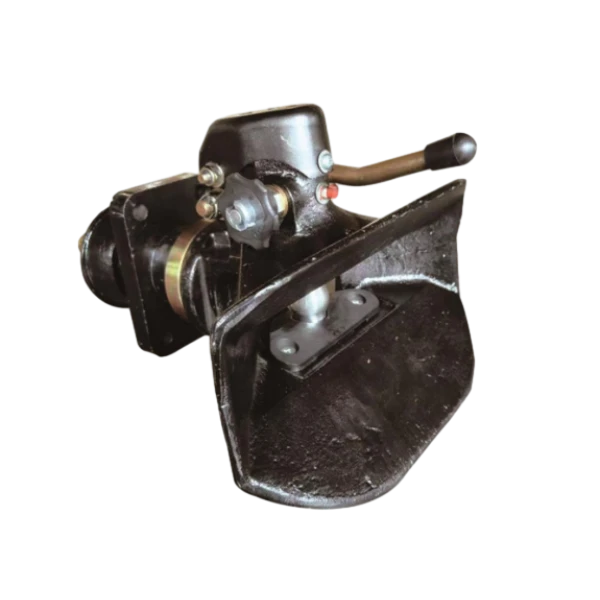 Trailer Coupling
The trailer coupling is a critical component in vehicle towing systems, designed to ensure a secure and efficient connection between a towing vehicle and a trailer. These couplings are manufactured using high-strength carbon steel, alloy steel, or stainless steel, ensuring durability and resistance to heavy loads and harsh environments.
-
 Drawbar Eyes
Drawbar eyes are essential components in towing and hauling applications, providing a strong and secure attachment point between the trailer and the towing vehicle. They are designed to endure extreme pulling forces, making them suitable for heavy-duty applications.
-
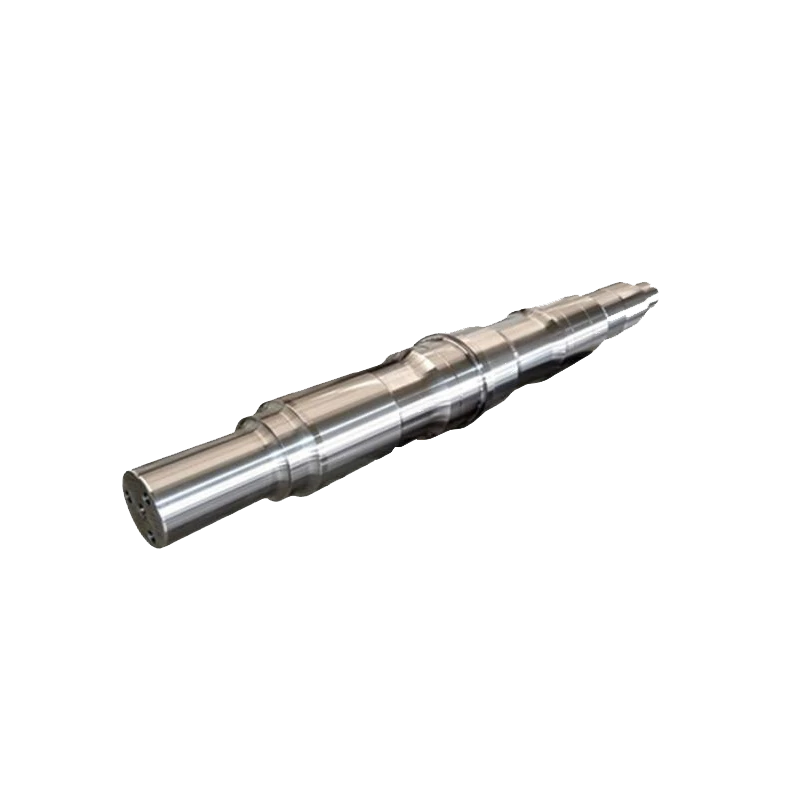 Axles
AxlesAxles are essential for vehicle load-bearing and power transmission, ensuring smooth movement and weight distribution. They must withstand high stress, torque, and impact, making material selection and precise manufacturing crucial.
-
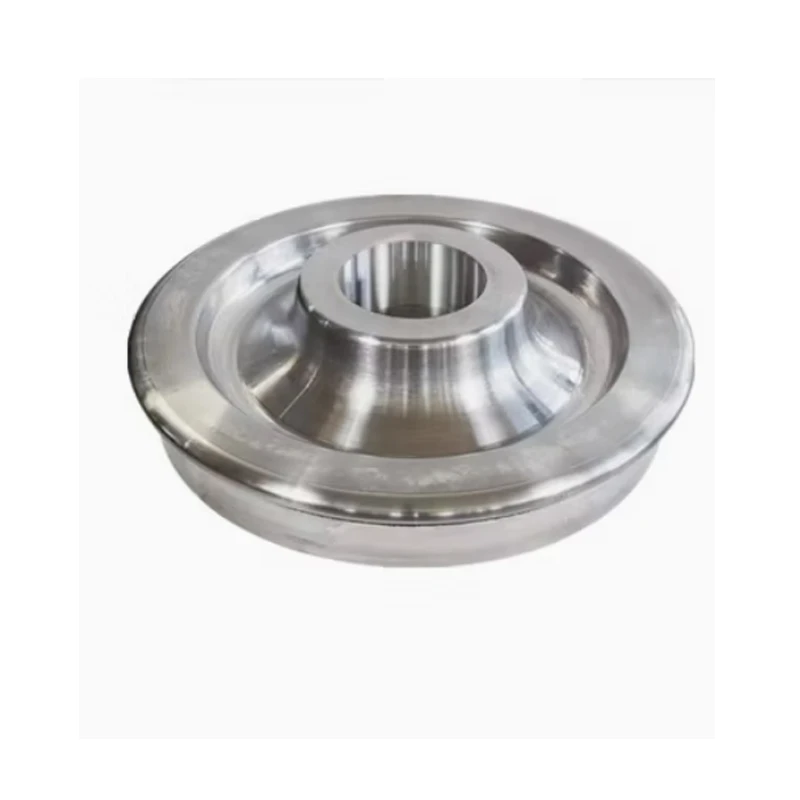 Profile S1002 Series Rail Wheels
The S1002 series rail wheels are designed for Rail-Road Vehicles (RRVs) that require seamless operation on both roads and railway tracks. Engineered with high precision and durability, these wheels conform to S1002 tread profiles, ensuring compatibility with standard railway systems.
A Comprehensive Guide to Axles Types for Industry Decision Makers | Manufacturing Base
Axles Types is a key solution in the industry, specifically within heavy machinery and transportation sectors. This article explores how https://www.manufacturing-base.com supports professionals with durable, high-performance products
>
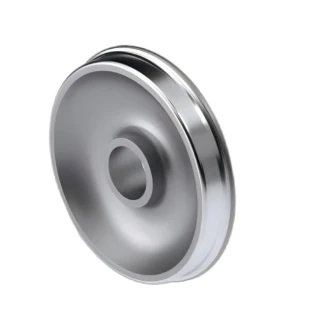
Reliable Rail Wheels: Optimize Your Rail Transport Solutions
For industries that rely on rail-based vehicles, choosing the right rail wheels is essential for smooth operations and safety.
>
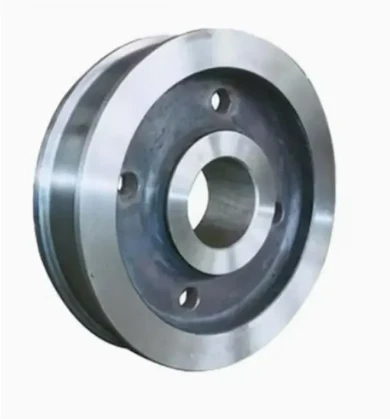
Premium Overhead Crane Wheels For Sale: Enhance Industrial Lifting Efficiency
In modern industrial operations, high-quality overhead crane wheels for sale are essential for safe, reliable, and efficient lifting.
>
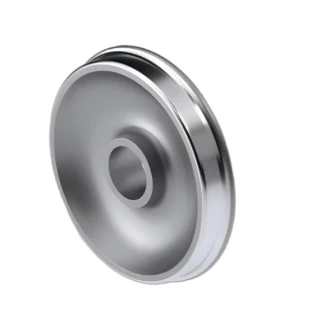
Premium Hi Rail Wheels For Sale: Boost Rail Vehicle Performance
In the modern industrial and railway sectors, having reliable hi rail wheels for sale is essential for operational efficiency and safety.
>
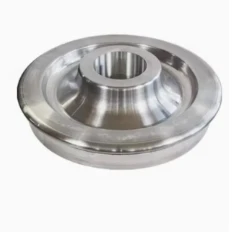
High-Quality Hi Rail Wheels For Sale: Enhance Your Rail Equipment Efficiency
When it comes to reliable rail maintenance and industrial operations, investing in hi rail wheels for sale is crucial.
>
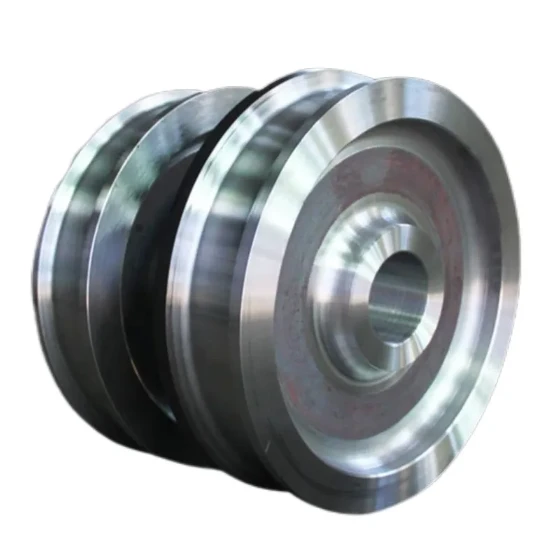
High-Quality Crane Wheels For Sale: Enhance Your Crane Operations
For industries relying on heavy lifting and material handling, investing in high-quality crane wheels for sale is crucial.
>
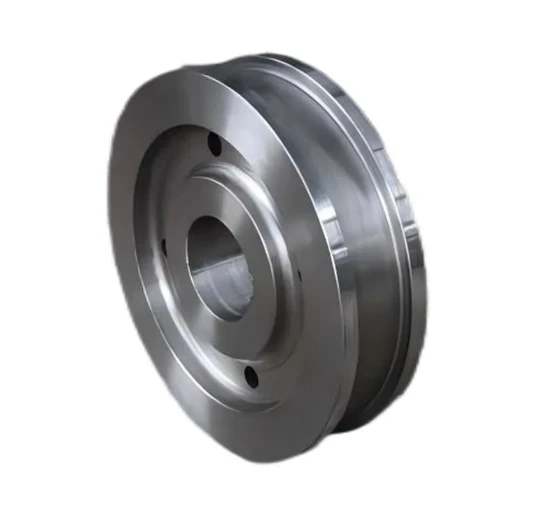
Durable Gantry Crane Wheels For Sale: Maximize Lifting Efficiency
For industries relying on heavy-duty lifting and material handling, selecting the right gantry crane wheels for sale is vital.
>
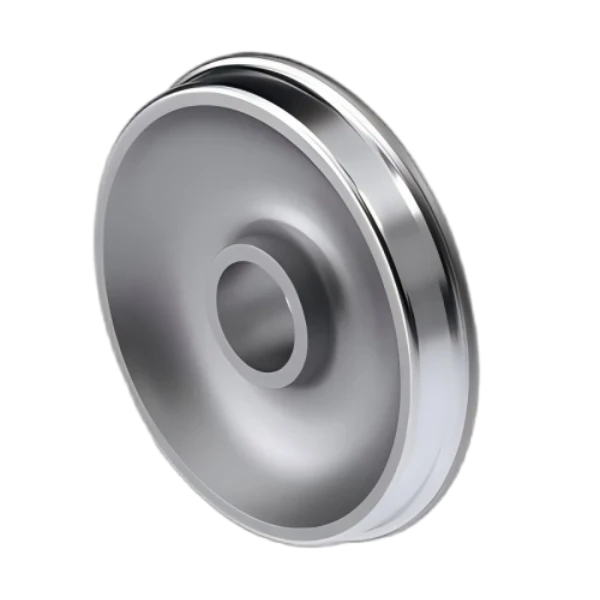
Reliable Tandem Drive Axles for Heavy-Duty Industrial Vehicles
Tandem Drive Axles: What I’ve Learned After Years in the Industrial Equipment Sector Ha
>

Reliable Semi Trailer Axles for Heavy-Duty Trailers | Expert Insight
Understanding semi trailer axles: The Backbone of Heavy Hauling Having spent more than a deca
>
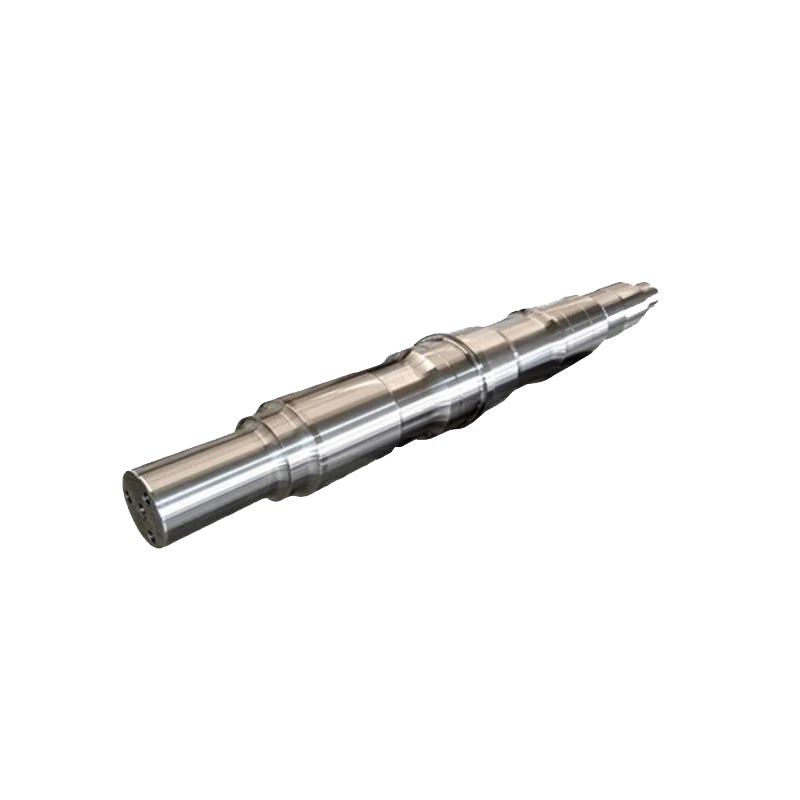
RC Portal Axles: Industrial Strength and Custom Performance
RC Portal Axles: A Veteran’s Take on Industrial-Grade Performance Having spent over a d
>
Engineered for Excellence
Our forged solutions deliver reliability and performance, powering demanding industries to keep operations running smoothly.

Sign up
for Newsletter
Subscribe to the weekly newsletter for all the latest updates