- Tel: +86 311 82620404
- Cell: 86 -13739710551
- Email: sales@potentia.cn

Braked Trailer Axles: Specs, Vendors & Insights from Industry Experience
Braked Trailer Axles: What I’ve Learned Over the Years
After spending a good chunk of my career around heavy machinery and industrial equipment, I’ve realized there’s something quietly fascinating about braked trailer axles. These components often get overlooked, but they really are the unsung heroes when it comes to trailer safety and durability.
You’d think an axle is just a simple rod that holds the wheels, right? Well, frankly, it’s a bit more intricate—especially when brakes come into the picture. Integrating braking mechanisms with axles demands careful engineering, because it affects everything from load handling to shock absorption.
In real terms, braked trailer axles combine several key elements: the axle beam, spindle assemblies, brake systems (often drum or disc brakes), bearings, and seals. Every component needs to be robust. Almost every industrial trailer I’ve come across uses axles with drum brakes—probably because they’re proven under heavy loads and are relatively easy to maintain. Disc brakes? Those are catching on, especially in applications where heat dissipation matters, like long downhill hauls.
Honestly, the choice between drum and disc brakes on a trailer axle comes down to the operating environment. Many engineers I’ve chatted with swear by disc brakes for their responsiveness and less frequent adjustments, but the more classic drum brakes still dominate due to cost-effectiveness and reliability.
Material selection is another angle that fascinates me. Most trailer axles are forged or pressed steel—it’s about balancing strength and weight. A lightweight axle might sound appealing for fuel economy, but it must never compromise on toughness. Rust and corrosion resistance also matter, especially for trailers operating in humid or salty conditions.
Testing axles isn't just about the static load—they undergo dynamic stress tests too. Shock loads, vibrations, twisting—all simulate real-world bumps and potholes. At one plant I visited, I noticed technicians spending hours checking for microscopic cracks and fatigue points before the axles ever left the factory.
Now, customization is often essential. Not all trailers are made equal, and some need specialized axles to handle extreme weight, uneven loads, or specific braking regulations in certain countries. One customer I worked with required reinforced axles with integrated electric drum brakes for a heavy-duty logging trailer — it was quite the challenge but ultimately rewarding.
To give you a clearer picture, here’s a brief spec breakdown of a typical braked trailer axle:
| Specification | Details |
|---|---|
| Load Capacity | 5,000–12,000 lbs (per axle) |
| Brake Type | Drum or Disc |
| Material | Forged Steel Beam, Cast Iron Components |
| Spindle Diameter | 1.5” to 2.5” |
| Brake Actuation | Hydraulic, Electric, or Pneumatic |
| Bearing Type | Tapered Roller Bearings |
So, with options abound, how do you choose a reliable supplier? Here’s a quick comparison of a few well-known vendors in the braked trailer axle space:
| Feature | Vendor A | Vendor B | Vendor C |
|---|---|---|---|
| Load Range (lbs) | 3,500–10,000 | 5,000–12,000 | 4,000–11,000 |
| Brake Options | Drum & Disc | Drum Only | Drum & Electric |
| Custom Designs | Available | Limited | Available |
| Typical Applications | General Utility, RV Trailers | Heavy Construction | Logging, Agricultural |
| Warranty | 3 Years | 5 Years | 2 Years |
Of course, the “best” choice depends a lot on what your priorities are—cost, durability, customization, or specific brake configurations. In my experience, vendors who provide full test documentation and customization support really stand out. It’s one thing to buy an axle, it’s another to get technical backing and peace of mind.
To be candid, braked trailer axles aren’t the flashiest component on a trailer, but if you care about safety and longevity, they probably deserve more attention than they usually get. I suppose it’s like good shoes or a reliable watch — the quiet performer that you only think about when something goes wrong.
If you’re looking to explore options or want to know more about specs and suppliers, I recommend starting with trusted industrial sources and test data. And if you value safety as much as I do, stick with vendors who stand behind their products for the long haul.
Happy hauling out there, and remember – the right axle brakes can make all the difference!
References:
- Industrial Axle Manufacturers Association, 2023 Technical Manual
- "Trailer Brake Systems," Journal of Heavy Machinery Engineering, 2022
- Field notes, various trailer and equipment plants, 2018–2023
-
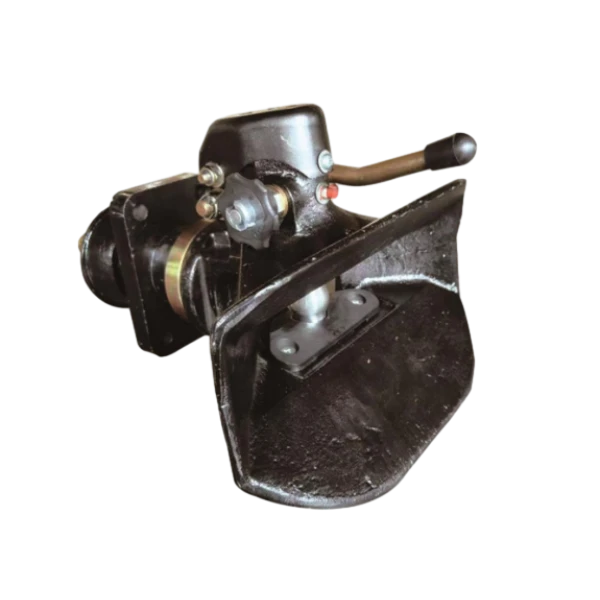 Trailer Coupling
The trailer coupling is a critical component in vehicle towing systems, designed to ensure a secure and efficient connection between a towing vehicle and a trailer. These couplings are manufactured using high-strength carbon steel, alloy steel, or stainless steel, ensuring durability and resistance to heavy loads and harsh environments.
-
 Drawbar Eyes
Drawbar eyes are essential components in towing and hauling applications, providing a strong and secure attachment point between the trailer and the towing vehicle. They are designed to endure extreme pulling forces, making them suitable for heavy-duty applications.
-
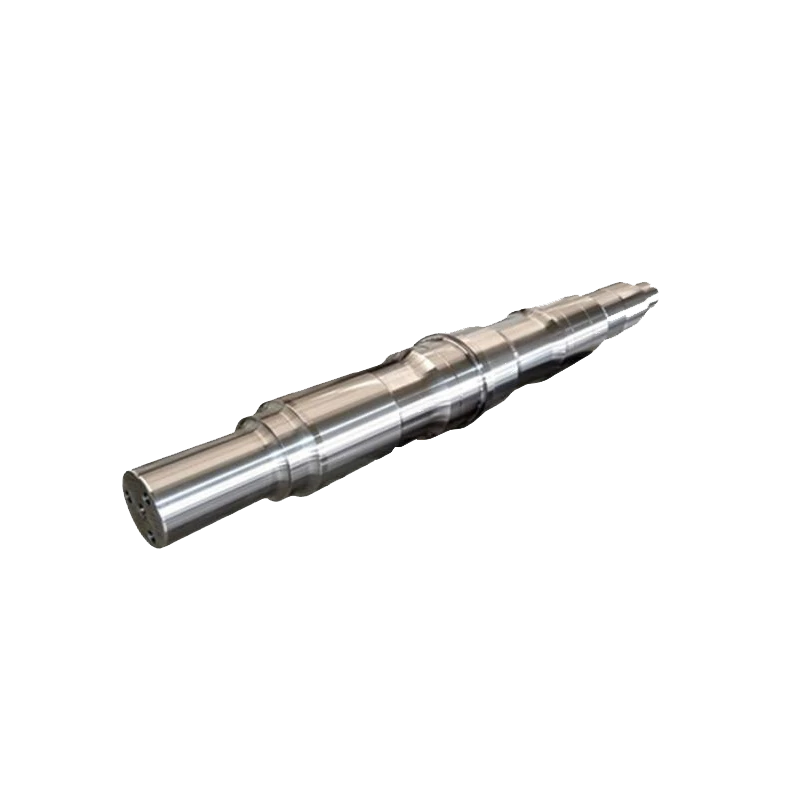 Axles
AxlesAxles are essential for vehicle load-bearing and power transmission, ensuring smooth movement and weight distribution. They must withstand high stress, torque, and impact, making material selection and precise manufacturing crucial.
-
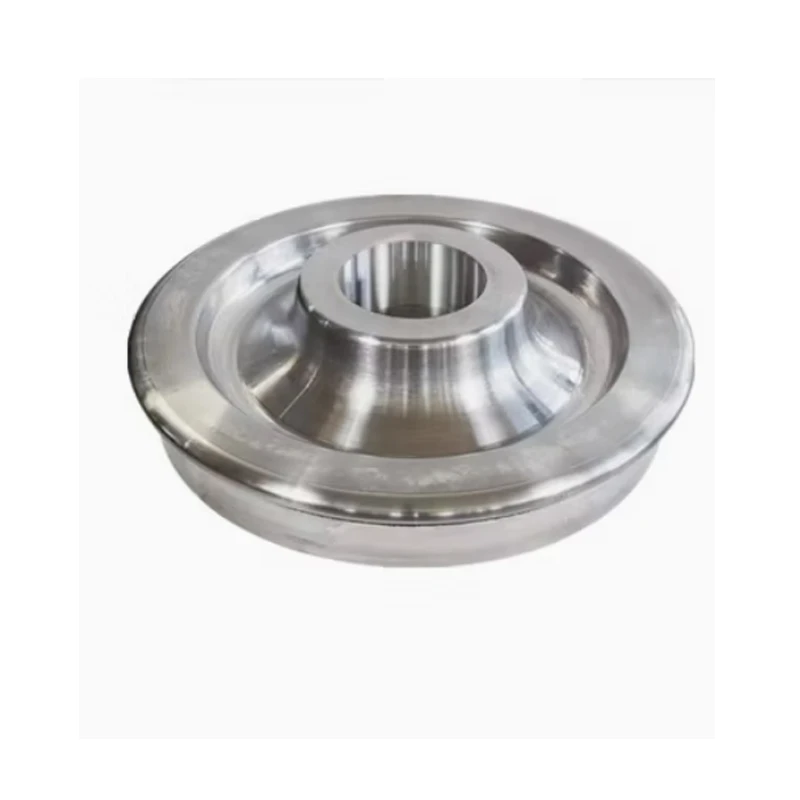 Profile S1002 Series Rail Wheels
The S1002 series rail wheels are designed for Rail-Road Vehicles (RRVs) that require seamless operation on both roads and railway tracks. Engineered with high precision and durability, these wheels conform to S1002 tread profiles, ensuring compatibility with standard railway systems.
A Comprehensive Guide to Axles Types for Industry Decision Makers | Manufacturing Base
Axles Types is a key solution in the industry, specifically within heavy machinery and transportation sectors. This article explores how https://www.manufacturing-base.com supports professionals with durable, high-performance products
>
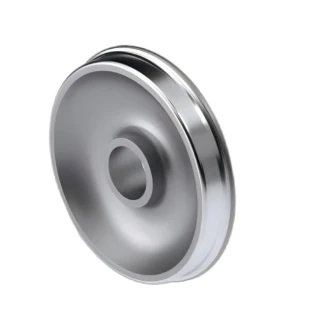
Reliable Rail Wheels: Optimize Your Rail Transport Solutions
For industries that rely on rail-based vehicles, choosing the right rail wheels is essential for smooth operations and safety.
>
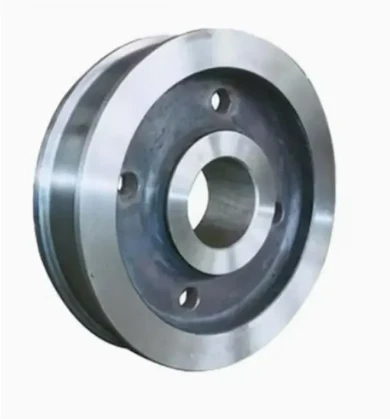
Premium Overhead Crane Wheels For Sale: Enhance Industrial Lifting Efficiency
In modern industrial operations, high-quality overhead crane wheels for sale are essential for safe, reliable, and efficient lifting.
>
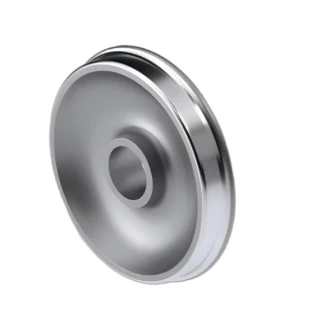
Premium Hi Rail Wheels For Sale: Boost Rail Vehicle Performance
In the modern industrial and railway sectors, having reliable hi rail wheels for sale is essential for operational efficiency and safety.
>
High-Quality Hi Rail Wheels For Sale: Enhance Your Rail Equipment Efficiency
When it comes to reliable rail maintenance and industrial operations, investing in hi rail wheels for sale is crucial.
>
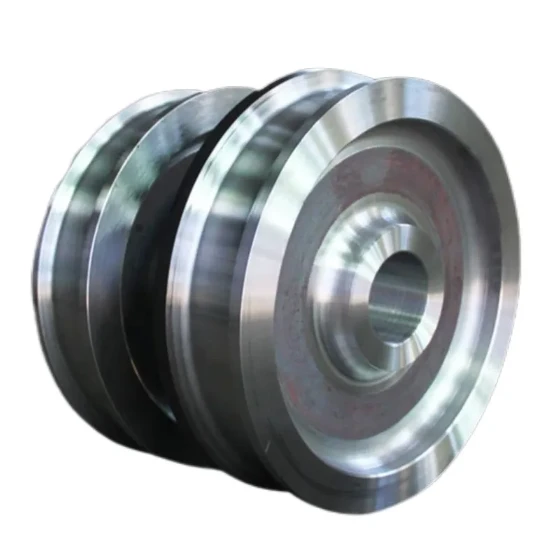
High-Quality Crane Wheels For Sale: Enhance Your Crane Operations
For industries relying on heavy lifting and material handling, investing in high-quality crane wheels for sale is crucial.
>
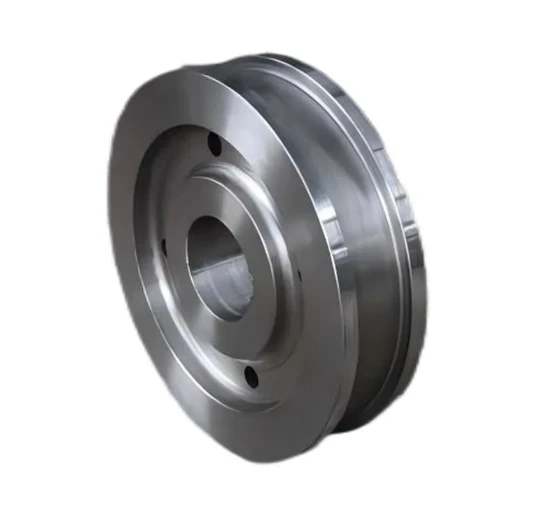
Durable Gantry Crane Wheels For Sale: Maximize Lifting Efficiency
For industries relying on heavy-duty lifting and material handling, selecting the right gantry crane wheels for sale is vital.
>
Reliable Tandem Drive Axles for Heavy-Duty Industrial Vehicles
Tandem Drive Axles: What I’ve Learned After Years in the Industrial Equipment Sector Ha
>

Reliable Semi Trailer Axles for Heavy-Duty Trailers | Expert Insight
Understanding semi trailer axles: The Backbone of Heavy Hauling Having spent more than a deca
>
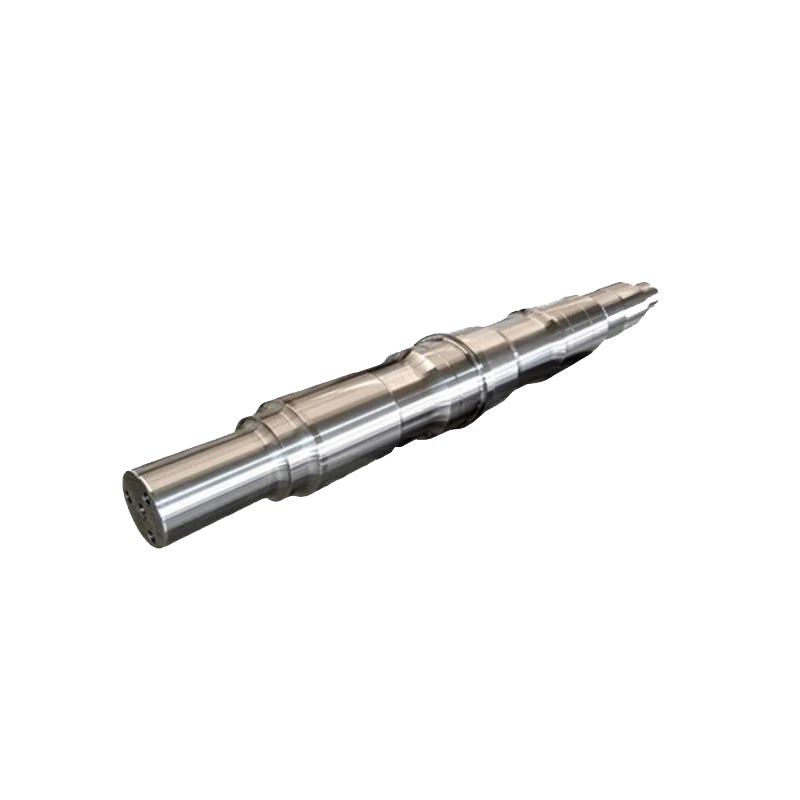
RC Portal Axles: Industrial Strength and Custom Performance
RC Portal Axles: A Veteran’s Take on Industrial-Grade Performance Having spent over a d
>
Engineered for Excellence
Our forged solutions deliver reliability and performance, powering demanding industries to keep operations running smoothly.

Sign up
for Newsletter
Subscribe to the weekly newsletter for all the latest updates