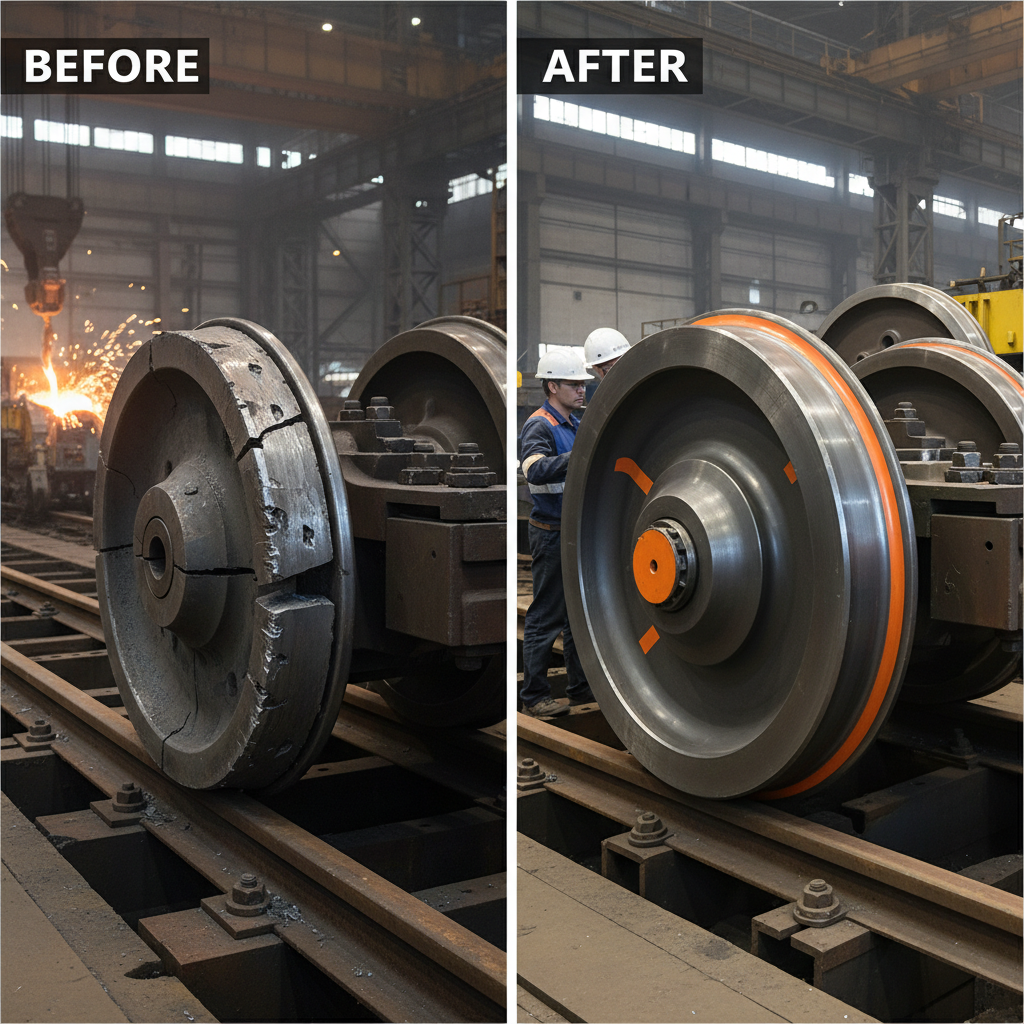
Mine cart wheels, seemingly simple components, play a crucial role in a vast range of industries, extending far beyond recreational amusement parks. From historical mining operations that fueled industrial revolutions to modern logistics solutions in challenging terrains, the design and functionality of these wheels directly impact efficiency, safety, and cost-effectiveness. Understanding their principles and applications is paramount for engineers, logistics professionals, and anyone involved in resource extraction and material handling.
The global demand for efficient and reliable material transport is constantly growing, driven by expanding infrastructure projects, increasing mining activities, and the need for sustainable logistical solutions. The United Nations estimates that global trade volume will continue to rise, placing immense pressure on transportation networks. Consequently, advancements in mine cart wheel technology – focusing on durability, load capacity, and reduced maintenance – are becoming increasingly critical. This demand extends beyond traditional mining to sectors like construction, agriculture, and even disaster relief.
Challenges in remote areas, coupled with stricter safety regulations and a growing emphasis on sustainability, necessitate innovative approaches to mine cart wheel design and material science. The future of these components lies in smart materials, automated maintenance systems, and optimized wheel profiles that minimize energy consumption and environmental impact.
The Significance of Mine Cart Wheels
The seemingly simple mine cart wheel is a foundational element in numerous industrial processes. Its significance stems from its ability to facilitate the efficient and safe transport of materials in often harsh and challenging environments. Without robust and reliable wheels, operations in mining, construction, and logistics would be significantly hampered.
Beyond purely functional considerations, the evolution of mine cart wheels reflects advancements in material science, engineering design, and manufacturing techniques. From early wooden designs to modern steel and composite constructions, each iteration has aimed to improve load capacity, durability, and overall performance.
Defining Mine Cart Wheels
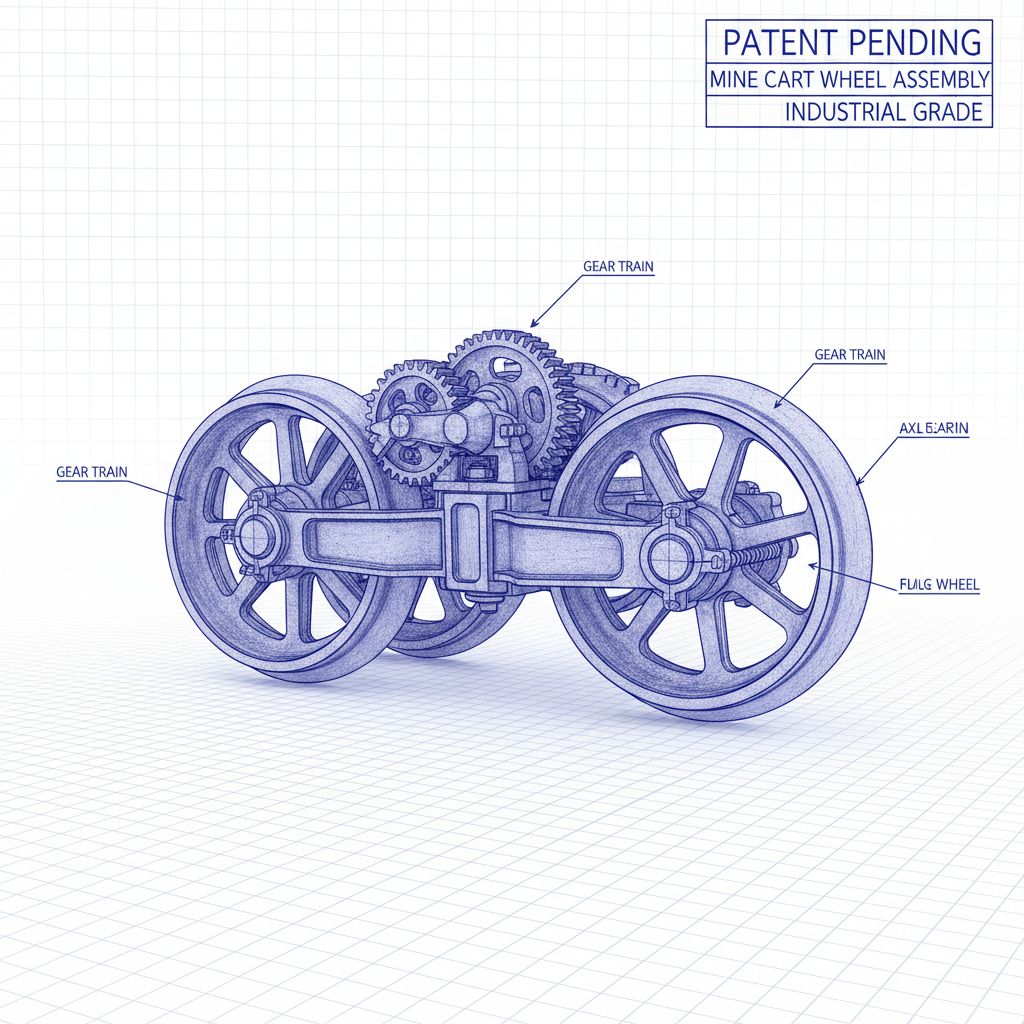
Mine cart wheels are specialized wheels designed to support and guide mine carts along rail systems, primarily used for transporting ore, waste rock, and other materials within mining operations. They typically consist of a wheel body (often made of steel or cast iron), flanges to keep the cart on the rails, and bearings to allow for smooth rotation.
The connection to modern industry extends beyond mining; similar wheel designs are found in amusement park rides, material handling equipment in factories, and even specialized agricultural applications. These applications all benefit from the principles of constrained movement and efficient load transfer that define mine cart wheel technology.
In humanitarian contexts, adapting mine cart wheel principles to simple, robust transport systems can provide crucial logistical support in disaster zones or remote communities where conventional vehicles are impractical. These adapted systems allow for the movement of essential supplies and materials over difficult terrain.
Core Components and Key Factors
Several core components and factors dictate the performance and longevity of mine cart wheels. First, Material Selection is critical. Steel alloys are common due to their strength and durability, but specific alloys are chosen based on the type of material being transported and the environmental conditions.
Wheel Profile directly impacts tracking performance and reduces wear. The flange height and angle are carefully engineered to ensure the cart stays securely on the rails, even under heavy loads and uneven track conditions.
Bearing Design plays a vital role in minimizing friction and ensuring smooth rolling. Tapered roller bearings are often preferred for their ability to handle high radial and axial loads. Load Capacity is a fundamental consideration, determined by the wheel's material, size, and design. Finally, Durability and Wear Resistance are paramount, especially in abrasive mining environments. Regular inspection and maintenance are crucial for extending the wheel’s lifespan.
Applications Across Industries
The applications of mine cart wheel technology extend far beyond traditional mining operations. In the Construction Industry, adapted mine cart wheel systems are used for transporting materials on temporary rail lines during large-scale projects, such as tunnel construction and infrastructure development.
Industrial Logistics utilizes similar principles in automated guided vehicle (AGV) systems, where wheels are precisely engineered for efficient and reliable material flow within factories and warehouses. Even in Amusement Parks, the core technology behind roller coaster wheels shares similarities with mine cart wheel designs, prioritizing safety, durability, and smooth operation.
In remote industrial zones, where road access is limited, mine cart wheel-based transport systems can provide a cost-effective and reliable solution for moving raw materials and finished products. In post-disaster relief operations, simplified versions of these systems can be rapidly deployed to transport essential supplies to affected areas.
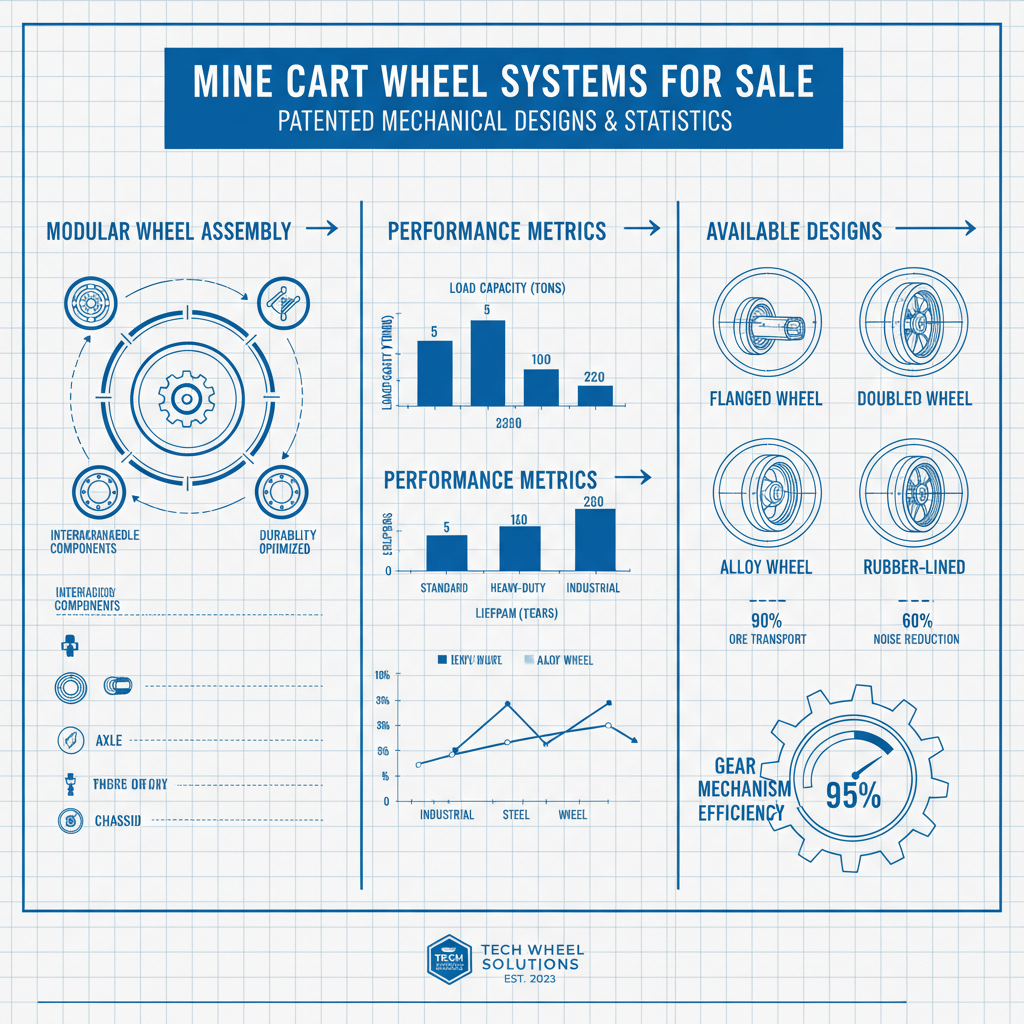
Mine Cart Wheel Performance Metrics
Advantages and Long-Term Value
The advantages of utilizing robust and well-designed mine cart wheels are numerous. Cost Efficiency is a primary benefit, stemming from reduced maintenance requirements, extended lifespan, and minimized downtime. A well-maintained wheel system translates directly to lower operational expenses.
Enhanced Safety is paramount, as reliable wheels prevent derailments and ensure the safe transport of materials and personnel. Increased Productivity results from smoother operation, higher load capacities, and faster transport times. The long-term value lies in the sustained operational efficiency and reduced risk that these wheels provide.
Future Trends and Innovations
Several emerging trends are shaping the future of mine cart wheel technology. Smart Materials, such as self-lubricating alloys and composite materials, offer the potential for increased durability and reduced friction. Digital Monitoring and predictive maintenance systems, utilizing sensors and data analytics, will enable proactive identification of wear and tear, minimizing downtime and extending wheel lifespan.
The integration of Automation in rail systems will require increasingly sophisticated wheel designs capable of handling higher speeds and dynamic loads. Furthermore, a growing emphasis on Sustainability is driving the development of eco-friendly materials and manufacturing processes, reducing the environmental impact of mine cart wheel production and disposal.
Challenges and Potential Solutions
A primary challenge is the harsh operating environment in many mining applications, leading to accelerated wear and tear. Abrasive materials and corrosive chemicals can significantly reduce wheel lifespan. Another challenge is the complexity of track maintenance, which can impact wheel performance and safety.
Potential solutions include the development of advanced coatings that provide enhanced wear resistance, the implementation of regular track inspection and maintenance programs, and the adoption of remote monitoring systems that detect track irregularities and potential wheel damage. Modular wheel designs that allow for easy replacement of worn components also offer a cost-effective solution.
Furthermore, investing in research and development to explore alternative materials and innovative wheel designs will be crucial for overcoming these challenges and ensuring the continued efficiency and safety of mine cart wheel systems.
Summary of Challenges and Solutions Related to Mine Cart Wheel Performance
| Challenge |
Impact on Operations |
Proposed Solution |
Implementation Cost (1-10) |
| Abrasive Wear |
Reduced wheel lifespan, increased maintenance |
Advanced surface coatings (e.g., tungsten carbide) |
7 |
| Corrosion |
Weakened wheel structure, potential failures |
Corrosion-resistant alloys (e.g., stainless steel) |
8 |
| Track Irregularities |
Increased friction, uneven wear, derailment risk |
Regular track inspection and maintenance |
6 |
| Bearing Failure |
Reduced efficiency, increased noise, potential downtime |
Automated bearing lubrication systems |
5 |
| High Load Capacity Requirements |
Wheel deformation, structural stress |
Optimized wheel design and material selection |
9 |
| Lack of Real-Time Monitoring |
Delayed detection of wear, unplanned downtime |
Implementation of sensor-based monitoring systems |
7 |
FAQS
The most common materials used are high-strength steel alloys, offering a balance of durability, wear resistance, and cost-effectiveness. Cast iron is also frequently used, particularly for the wheel body, due to its ability to dampen vibrations. Increasingly, manufacturers are exploring composite materials and specialized coatings to enhance performance in harsh environments, improving resistance to corrosion and abrasion. The choice of material ultimately depends on the specific application and the type of load and environment the wheel will endure.
Regular inspection is crucial for ensuring safe and efficient operation. Mine cart wheels should be inspected at least monthly, or more frequently in high-usage or abrasive environments. Inspections should include a visual check for cracks, wear on the flanges and tread, and bearing condition. Detailed inspections, including non-destructive testing methods, should be conducted annually or as dictated by operating conditions. Maintaining a thorough inspection log is essential for tracking wear patterns and proactively addressing potential issues.
The lifespan of a mine cart wheel varies significantly depending on operating conditions, load capacity, and maintenance practices. Under ideal conditions, a well-maintained steel wheel can last for 5-10 years. However, in abrasive environments or with heavy loads, the lifespan may be reduced to 2-5 years. Regular inspections, prompt repairs, and the use of high-quality materials are essential for maximizing wheel lifespan and minimizing downtime.
Determining the correct load capacity requires a comprehensive assessment of your operating conditions. Consider the weight of the mine cart itself, the maximum weight of the material being transported, and any dynamic loads that may be encountered during operation. Consult with a qualified engineer to perform a load analysis and select wheels with a sufficient safety factor. Exceeding the wheel’s load capacity can lead to premature failure and potential safety hazards.
Several emerging technologies are poised to revolutionize mine cart wheel design. Smart materials, like self-lubricating alloys, offer reduced friction and wear. Sensor-based monitoring systems provide real-time data on wheel condition, enabling predictive maintenance. Additionally, advanced modeling and simulation techniques are allowing engineers to optimize wheel designs for specific applications, maximizing efficiency and durability. These technologies are driving a shift towards more reliable, sustainable, and cost-effective wheel solutions.
Flange lubricators significantly reduce friction between the wheel flange and the rail, minimizing wear and tear on both components. This leads to smoother operation, reduced noise levels, and extended wheel lifespan. Lubrication also lowers energy consumption and reduces the risk of derailment. Automated lubrication systems ensure consistent and optimal lubrication, further enhancing performance and reducing maintenance requirements. Choosing the correct lubricant for your specific environment is vital for maximum benefit.
Conclusion
Mine cart wheels, though often overlooked, are fundamental to efficient and safe material handling across a multitude of industries. Their design, material composition, and maintenance directly impact operational costs, safety protocols, and overall productivity. Understanding the core components, emerging technologies, and potential challenges surrounding these wheels is crucial for optimizing performance and ensuring long-term reliability.
Looking ahead, continued innovation in materials science, sensor technology, and automation will drive further advancements in mine cart wheel design. Investing in research and development, coupled with a proactive approach to maintenance and monitoring, will be essential for maximizing the lifespan and efficiency of these vital components. To learn more about our range of high-quality mine cart wheels and customized solutions, visit our website: www.manufacturing-base.com.