In the demanding world of heavy-duty logistics and specialized hauling, finding a reliable pusher axle for sale is more than just a procurement task; it is a strategic investment in load distribution and road safety. A pusher axle, typically installed ahead of the drive axles, allows fleet operators to increase the gross vehicle weight (GVW) while maintaining compliance with strict axle-load regulations. By shifting a portion of the payload away from the primary drive wheels, these systems prevent premature tire wear and reduce the risk of structural chassis failure during long-haul operations.
The global demand for high-performance axle systems has surged as infrastructure projects across Asia, Africa, and North America require the transport of increasingly massive prefabricated components. Whether it is for heavy-haul trailers or specialized industrial vehicles, the integration of a pusher axle ensures that the vehicle remains stable and maneuverable under extreme stress. The ability to engage or disengage the axle depending on the load is a critical feature that optimizes fuel efficiency and reduces operational costs during empty return trips.
For procurement managers and fleet owners, navigating the market for a pusher axle for sale requires an understanding of metallurgy, load-bearing physics, and regional transport laws. Selecting an axle that balances durability with weight efficiency is the key to maximizing uptime. This guide explores the technical nuances, global applications, and future trends of pusher axle technology to help you make an informed decision for your heavy-duty equipment.
The Technical Fundamentals of Pusher Axles
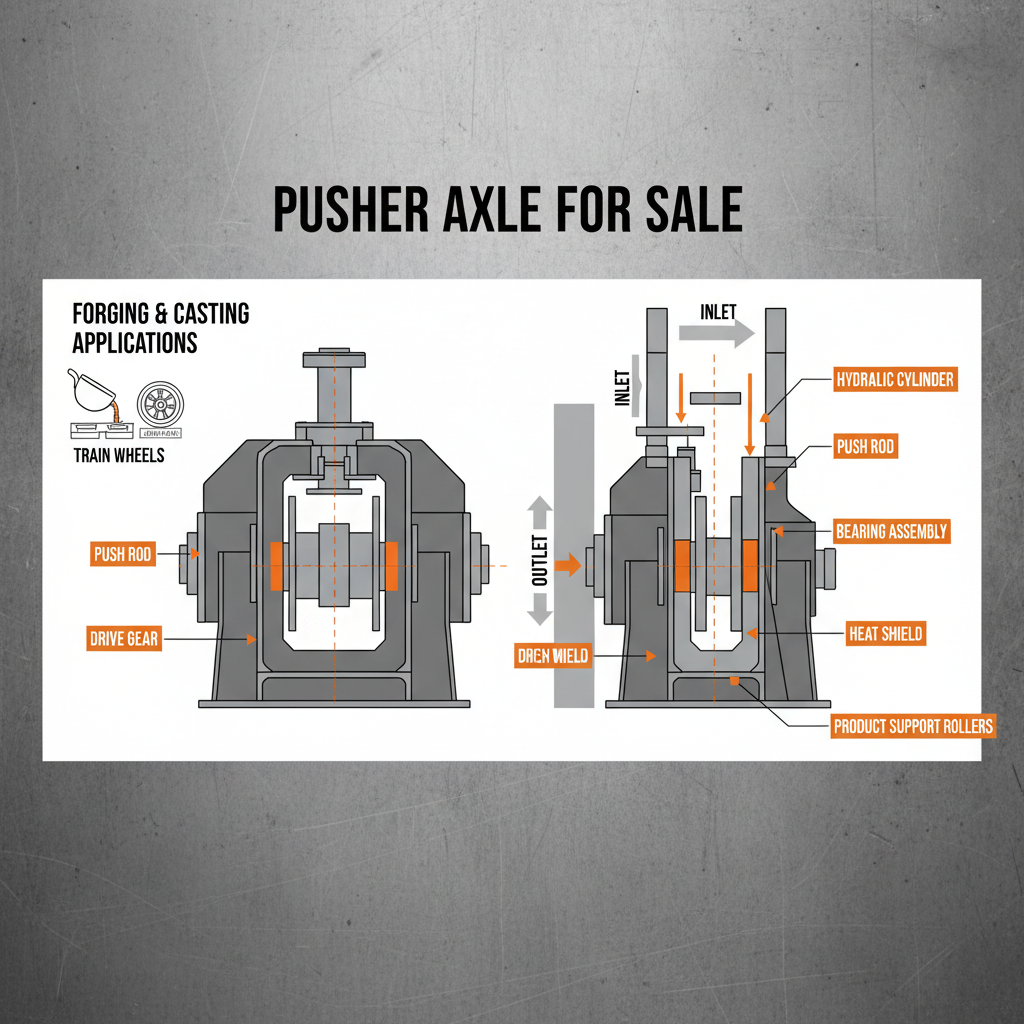
At its core, a pusher axle is a non-driven axle located in front of the drive wheels, designed to support additional weight without providing propulsion. When searching for a pusher axle for sale, it is essential to distinguish between liftable and fixed configurations. Liftable axles utilize pneumatic or hydraulic cylinders to raise the wheels off the ground when the vehicle is unladen, which significantly reduces rolling resistance and tire scrubbing during tight turns.
The primary mechanical goal is to distribute the vertical load across more points of contact with the road surface. This reduces the pressure (PSI) exerted by each single tire, thereby extending the lifespan of the road infrastructure and the vehicle's own rubber. By effectively "pushing" the load balance forward, these axles prevent the drive wheels from becoming overloaded, which is a common cause of transmission failure and axle snap in heavy-haul trucking.
Global Market Demand and Regulatory Compliance
The global market for heavy-duty transport is heavily influenced by ISO standards and national transport ministries. In regions like the European Union and North America, axle weight limits are strictly enforced to prevent pavement degradation. This regulatory environment has created a consistent demand for a high-quality pusher axle for sale, as companies seek to maximize their payload capacity without incurring heavy fines or risking vehicle impoundment.
Statistically, the shift toward "super-loads" in the mining and construction sectors has pushed the industry toward multi-axle configurations. In emerging economies, where road quality may be inconsistent, the addition of a pusher axle provides a critical safety margin. It ensures that the vehicle does not exceed the bearing capacity of bridges or rural roads, making it an essential component for humanitarian aid convoys and remote industrial development projects.
Furthermore, the integration of these axles is often a prerequisite for obtaining special hauling permits. Logistics firms that invest in modular and adaptable axle systems find they can bid on a wider variety of contracts, from transporting wind turbine blades to moving heavy mining machinery. This versatility transforms the pusher axle from a mere spare part into a strategic asset for business growth.
Core Components and Material Engineering
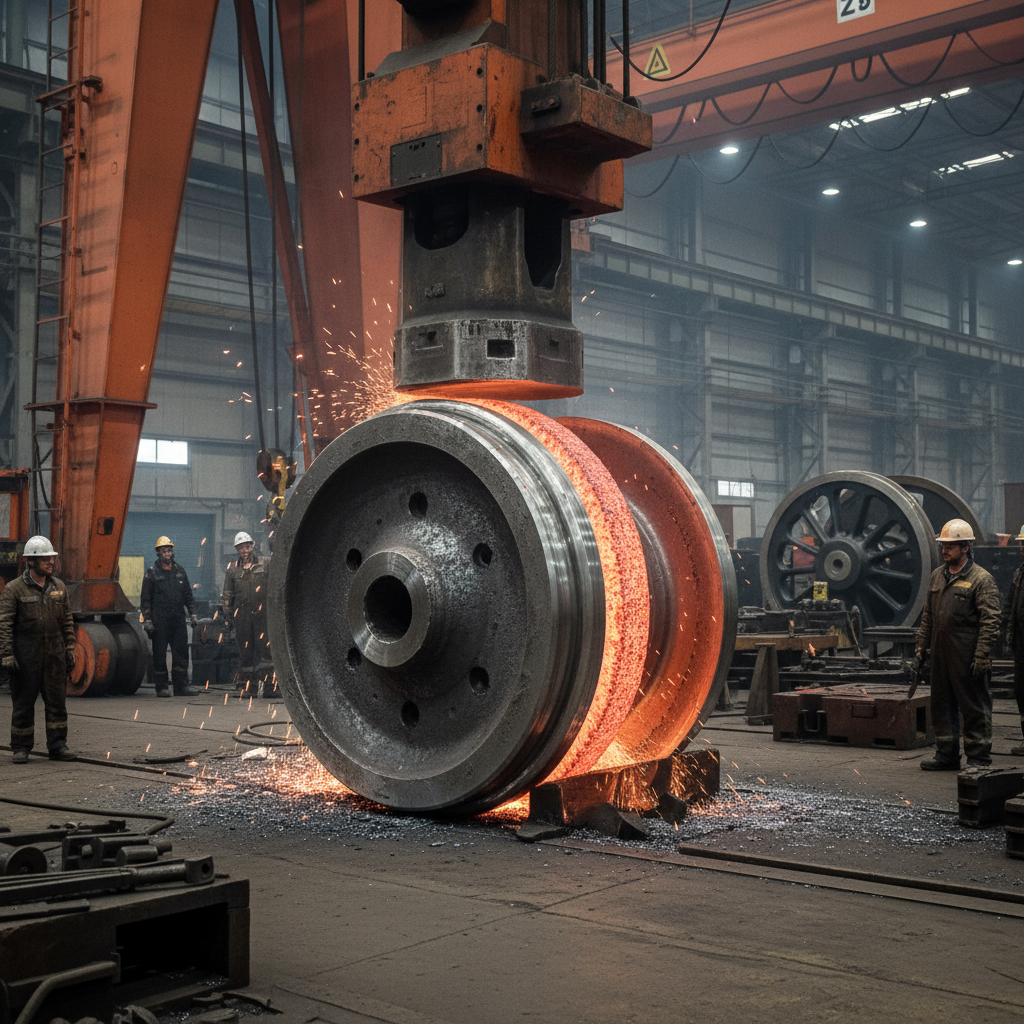
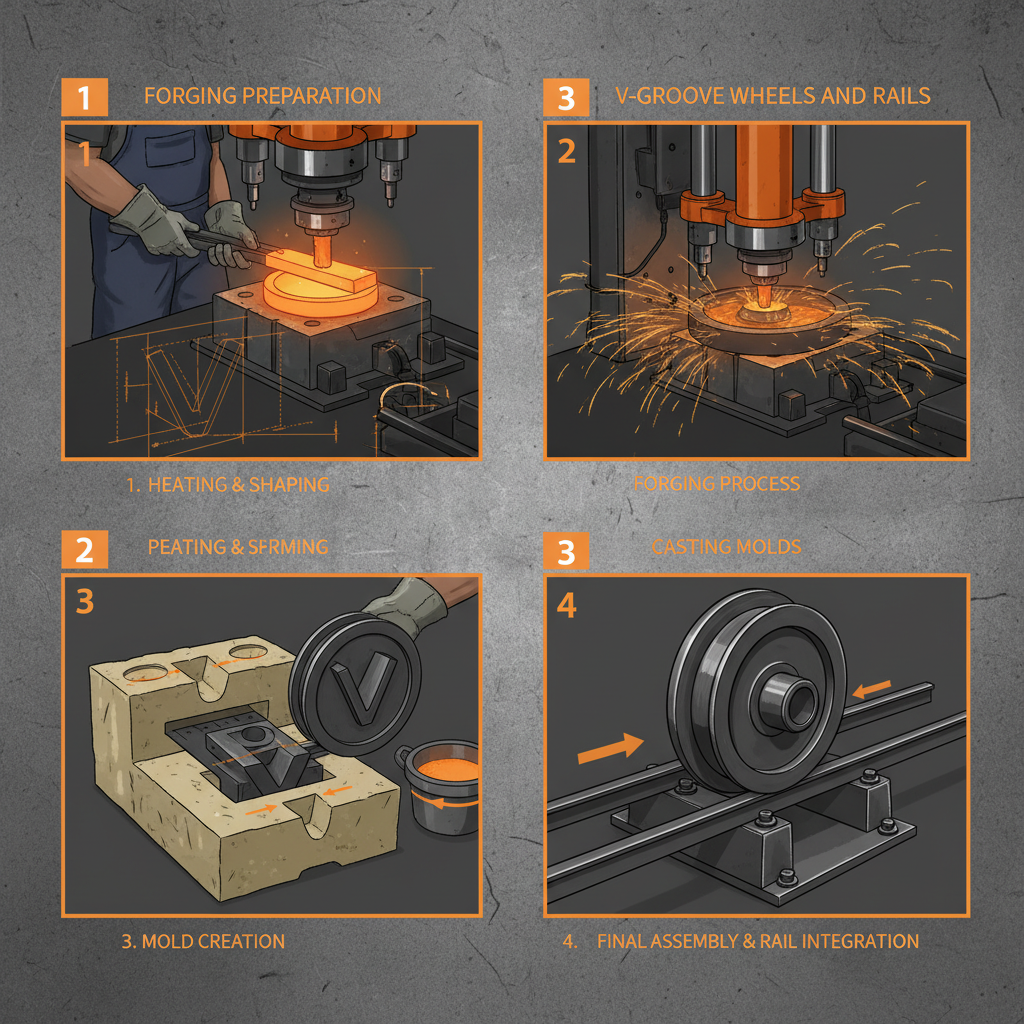
The durability of a pusher axle for sale depends heavily on the grade of steel used in the forging process. Most high-end axles utilize alloyed chromium-molybdenum steel, which provides an optimal balance of tensile strength and flexibility. This prevents the axle from cracking under the dynamic loads encountered when traversing uneven terrain.
Beyond the main beam, the bearing assemblies and hubs are critical failure points. Premium axles feature precision-ground surfaces and heat-treated bearings to minimize friction. When browsing for a pusher axle for sale, buyers should look for integrated sealing systems that prevent contaminants like dust, salt, and water from entering the hub, which is vital for operations in coastal or desert environments.
The suspension integration—whether using leaf springs, air bags, or hydraulic dampers—determines how the axle interacts with the chassis. Modern systems often incorporate automatic load-sensing valves that adjust the pressure in the air springs, ensuring that the pusher axle for sale maintains a consistent contact patch with the road regardless of the load variance.
Performance Metrics and Load Distribution Analysis
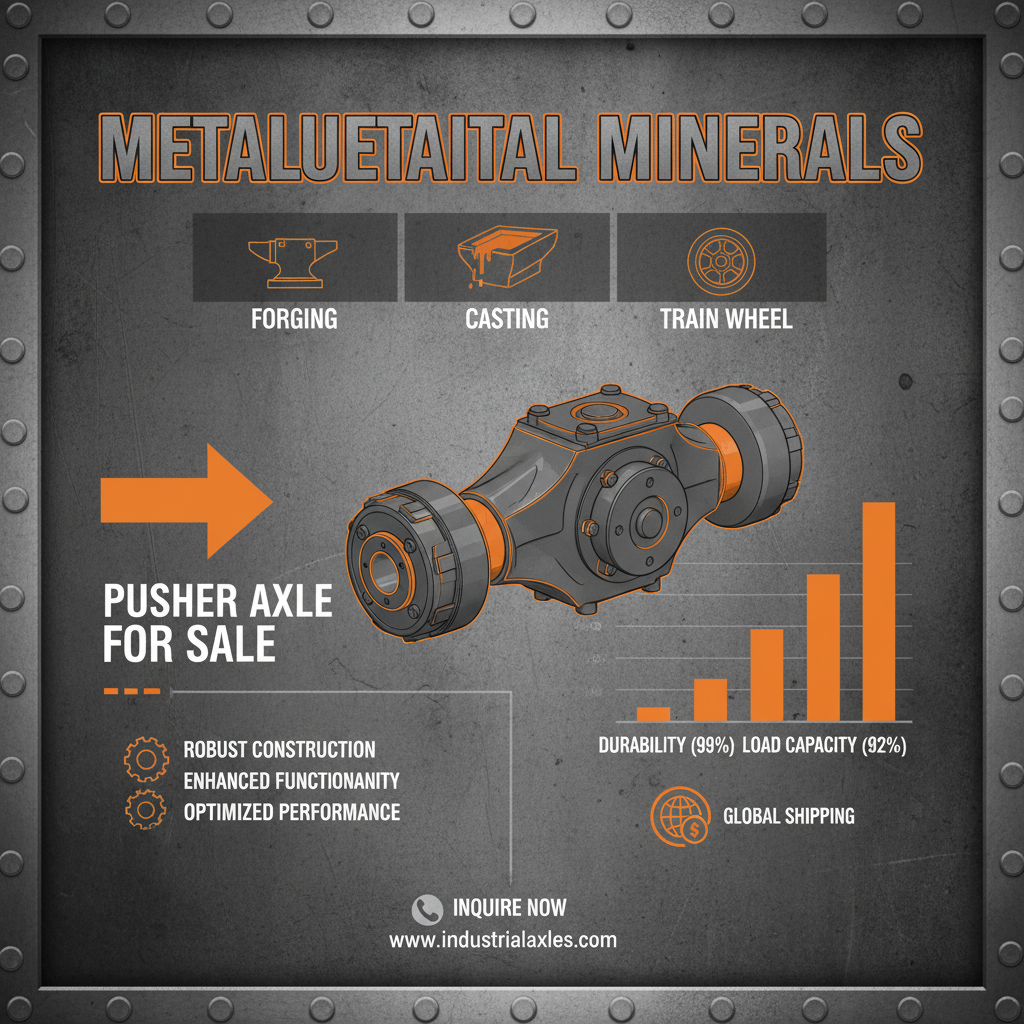
Evaluating the efficiency of a pusher axle involves analyzing the "Load Distribution Ratio." A well-implemented system can reduce the load on the primary drive axle by as much as 15-25%, which dramatically lowers the thermal stress on tires during long climbs. When comparing a pusher axle for sale across different brands, the key metric is the static versus dynamic load capacity.
Dynamic load refers to the force exerted when the vehicle hits a bump or brakes suddenly. Axles that are over-engineered for dynamic loads offer a higher safety factor, reducing the likelihood of catastrophic failure during emergency maneuvers. This is particularly important for vehicles transporting hazardous materials or high-value industrial equipment.
Load Efficiency Comparison of Pusher Axle Systems
Industrial Applications and Use Cases
In the realm of mining and quarrying, the use of a pusher axle for sale is nearly universal for heavy dump trucks. These vehicles often operate in environments where the ground is unstable. By distributing the weight of several tons of ore across an additional axle, the vehicle prevents "sinking" into soft soil and reduces the wear on the primary drivetrain, which is expensive to repair in remote sites.
Another critical application is found in the transportation of oversized wind turbine components. The extreme length of these loads creates immense leverage forces on the chassis. A pusher axle provides the necessary stability to prevent the trailer from bowing or twisting, ensuring that the cargo reaches its destination without structural damage. This makes the search for a specialized pusher axle for sale a priority for specialized logistics firms.
Long-term Value and Operational Efficiency
The long-term value of investing in a premium pusher axle for sale manifests in the reduction of Total Cost of Ownership (TCO). While a cheaper axle might save money upfront, it often leads to higher tire replacement costs and more frequent downtime. High-quality axles reduce "tire scrubbing"—the friction caused when tires slide sideways during turns—which can save a fleet operator thousands of dollars in rubber costs annually.
From a safety perspective, the psychological peace of mind for the driver is invaluable. Knowing that the vehicle is balanced and compliant with weight laws reduces driver stress and fatigue. A stable vehicle is less likely to experience blowouts or braking failures, which translates to lower insurance premiums and a better safety record for the company.
Furthermore, the sustainability aspect cannot be ignored. By optimizing load distribution, vehicles operate more efficiently, slightly reducing the fuel consumption per ton of cargo moved. In an era where carbon footprints are under scrutiny, the marginal gains provided by an efficient pusher axle for sale contribute to a greener logistics chain.
Future Innovations in Axle Manufacturing
The future of the pusher axle for sale market is leaning heavily toward "Smart Axles." These systems incorporate embedded sensors that monitor real-time load weight and tire pressure, transmitting the data to the driver's dashboard. This allows for the precise engagement of the pusher axle only when the weight threshold is crossed, maximizing fuel efficiency.
Material science is also evolving, with the introduction of carbon-fiber reinforced composites for certain non-structural housing components. These materials reduce the "dead weight" of the axle itself, allowing for even more payload capacity. We are also seeing the rise of automated steering pusher axles, which can pivot slightly during turns to eliminate tire wear entirely.
As automation and electric heavy-duty trucks become more common, the pusher axle will likely integrate with electronic braking systems (EBS) to provide more controlled deceleration of heavy loads. The synergy between mechanical forging and digital control will define the next generation of axle technology.
Comparative Analysis of Pusher Axle Specifications by Material and Type
| Axle Type |
Primary Material |
Load Rating (Tons) |
Durability Score (1-10) |
| Standard Fixed |
Carbon Steel |
8 - 12 |
6 |
| Pneumatic Lift |
Alloy Steel |
10 - 15 |
8 |
| Heavy Duty Forged |
Cr-Mo Steel |
15 - 25 |
10 |
| Lightweight Alloy |
Aluminum Alloy |
6 - 10 |
7 |
| Smart Adaptive |
High-Tensile Steel |
12 - 20 |
9 |
| Modular Custom |
Mixed Forge |
20 - 40 |
9 |
FAQS
A pusher axle is located in front of the drive axles, which helps distribute the load forward and reduces the stress on the drive wheels. In contrast, a tag axle is located behind the drive wheels. The choice usually depends on the vehicle's weight distribution and the specific steering requirements of the trailer.
You should consider three main factors: your maximum gross vehicle weight (GVW), the terrain you typically operate in (highway vs. off-road), and your local regulatory axle-load limits. For heavy off-road use, forged Cr-Mo steel axles are recommended; for highway logistics, pneumatic lift axles offer the best fuel efficiency.
Yes, pusher axles can often be retrofitted, but it requires significant chassis modification. You must ensure the frame is reinforced to handle the new load points and that the braking system is integrated to maintain safety and legal compliance.
If it is a fixed axle, yes, due to increased rolling resistance and weight. However, if you purchase a liftable pusher axle for sale, you can raise the axle when the vehicle is empty, effectively eliminating the extra friction and minimizing the impact on fuel economy.
Depending on the operating environment, bearings should typically be inspected every 10,000 to 25,000 miles. In high-dust mining environments, this interval should be shortened. Using high-quality sealed hubs can extend this interval significantly.
Look for ISO 9001 certification for the manufacturer and compliance with regional safety standards (such as DOT in the US or ECE in Europe). Ensure the axle comes with a load-test certificate to verify its maximum bearing capacity.
Conclusion
Selecting the right pusher axle for sale is a critical decision that impacts the safety, legality, and profitability of any heavy-haul operation. From the metallurgy of the axle beam to the sophistication of lift mechanisms, every detail contributes to the vehicle's ability to handle extreme loads while protecting the road infrastructure. By focusing on high-grade materials and adaptive technologies, fleet owners can significantly reduce maintenance costs and increase their operational versatility.
As the industry moves toward smarter, more sustainable transport solutions, the integration of sensor-driven and lightweight axles will become the norm. We recommend that operators conduct a thorough load analysis of their typical hauls before investing in a new axle system to ensure an optimal match between capacity and efficiency. For those looking to upgrade their fleet with professional-grade components, visit our website: www.manufacturing-base.com