- Tel: +86 311 82620404
- Cell: 86 -13739710551
- Email: sales@potentia.cn

Understanding Light Rail Wheels: Durable Solutions for Modern Urban Transit
Understanding Light Rail Wheels: The Backbone of Urban Transit
Light rail wheels might not be the flashiest topic in urban infrastructure, but they are fundamental to the smooth operation of trams, streetcars, and modern light rail transit systems around the world. Globally, light rail wheels empower millions of commuters daily, quietly ensuring efficient, safe, and sustainable travel. Why does this matter? Because the quality, design, and maintenance of these wheels directly impact system reliability, user comfort, and even environmental outcomes.
As cities worldwide embrace greener transport options, light rail systems have surged in popularity. The wheels, which might seem simple on the outside, are a marvel of industrial engineering that balances durability, noise reduction, and energy efficiency. Understanding them better opens up insights into urban mobility challenges and the opportunities these wheels create for cities aiming at a sustainable future.
The Global Footprint of Light Rail Wheels
According to the International Association of Public Transport (UITP) and data synthesis from the United Nations and ISO standards, over 30 countries operate light rail systems serving hundreds of millions of people yearly. Growth has been notably rapid in Asia and Europe, while North America is seeing a renaissance in its streetcar systems. Light rail wheels, as a critical component, must keep pace with the increasing demands of speed, passenger loads, and environmental regulations.
But here's the catch: many cities struggle with aging infrastructure — wheels that wear unevenly, cause noise pollution, or require costly maintenance can undermine entire transit systems' operator confidence and rider satisfaction.
Quality light rail wheels address these challenges by offering longevity and reliability while contributing to lower lifecycle costs — a crucial advantage, given that transit agencies often operate under tight budgets.
Mini takeaway: Investing in cutting-edge light rail wheels can profoundly influence urban transit’s sustainability and cost-effectiveness.
What Exactly Are Light Rail Wheels?
Simply put, light rail wheels are the rolling elements attached to the bogies (wheel assemblies) of light rail vehicles. They are designed to roll on steel rails, allowing smooth movement of trams and light metro trains. Unlike the heavy rail wheels found on freight trains, these wheels are optimized for lighter vehicles, tighter turns, and higher acceleration and braking rates.
In the larger scope of industrial design, light rail wheels blend metallurgy, dynamics, and noise engineering. They're not just steel discs; they’re often crafted with special alloys and shaped with precision to combat wear. This is especially critical for urban environments where wheel noise and vibration reduction contribute to passenger comfort and lower community noise pollution.
Core Factors that Define Effective Light Rail Wheels
1. Durability
Given the constant rolling and braking actions, wheels must resist metal fatigue, chipping, and surface wear. Advanced alloys and heat treatments help extend wheel life, sometimes up to several hundred thousand kilometers depending on usage.
2. Noise and Vibration Control
Urban areas demand quieter transit solutions. Light rail wheels are often designed with specialized profiles or dampening features that mitigate noise caused by wheel-rail interaction—a win for passengers and nearby residents.
3. Maintenance Ease
Wheel designs that enable quick inspection and replacement reduce downtime. Some wheels include modular designs allowing for easy flat spot correction or reprofiling, contributing to lower operational disruptions.
4. Cost Efficiency
While initial manufacturing costs vary, the total lifecycle cost—including maintenance, downtime, and noise mitigation—often defines a wheel’s value. Durable and quiet wheels save money long term.
5. Environmental Compatibility
New materials and coatings improve corrosion resistance, while manufacturing practices increasingly focus on sustainability, reducing emissions and waste.
Mini takeaway: Each aspect of light rail wheel design addresses specific urban transit challenges—durability, noise, cost, and more.
Worldwide Applications and Real-World Use Cases
Light rail wheels thrive in diverse environments. In dense European cities such as Amsterdam or Vienna, wheels cope with tight corners and frequent stops without sacrificing smooth rides. Asian metros in cities like Seoul and Singapore rely on high-volume use wheels engineered for fast acceleration.
In the United States, cities like Portland and Dallas use light rail wheels tailored for mixed traffic conditions, including street-running sections. Meanwhile, in developing regions, durable yet cost-effective wheels are pivotal in expanding transit access without breaking budgets.
On a humanitarian note, post-disaster urban recovery efforts have leveraged rapid transport restoration using reliable light rail wheels to boost mobility and economic activity quickly. Similarly, remote industrial zones deploying light rail transit for worker shuttles depend on robust wheels hardened against extreme environments.
For related components, check out our detailed light rail wheels offering and learn how integrated solutions help transit operators worldwide.
Advantages and the Long Term Value of Quality Light Rail Wheels
- Cost savings: Longer lifespan means fewer replacements, reducing capital expenditures and operational interruptions.
- Eco-friendliness: Improved materials and noise reduction contribute to greener cities.
- Passenger comfort: Smoother rides inspire rider loyalty and confidence in public transit.
- Safety: Stronger wheels reduce derailment risks and increase braking reliability.
- Social benefits: Reliable transit links support societal mobility, job access, and urban vitality.
Honestly, it feels like investing in high-quality light rail wheels is one of those under-the-radar moves many cities overlook until problems arise. But forward-looking transit planners are catching on fast.
Looking Ahead: Innovations and Emerging Trends
R&D labs and manufacturers are diving into composite materials that offer higher strength-to-weight ratios, reducing wheel wear and energy consumption. Noise dampening continues to be a priority, with embedded sensors and smart diagnostics pacing their way into wheel assemblies for real-time monitoring—a glimpse of the IoT riding on rails.
Meanwhile, sustainability efforts promote recyclable steel sources and cleaner production methods that align with global ISO standards for environmental management. Plus, digital transformation means transit agencies can sync maintenance schedules with in-service data, optimizing uptime.
Product Specification Table: A Typical Modern Light Rail Wheel
| Specification | Value / Description |
|---|---|
| Material | High-grade manganese steel alloy |
| Diameter | 660 mm (±5 mm tolerance) |
| Profile | Conical tread with flange |
| Weight | ~115 kg |
| Max Load Capacity | 22 tons per wheel |
| Noise Dampening Features | Rubber or resin inserts, optimized flange shape |
Vendor Comparison: Leading Light Rail Wheel Manufacturers
| Vendor | Material Quality | Customization Options | Pricing | Global Presence |
|---|---|---|---|---|
| MetroWheels Inc. | Premium manganese steel | High (profile & coatings) | Mid-high | Europe, Asia, N.America |
| RailTech Solutions | Standard alloy steel | Moderate (size & hardness) | Competitive | Asia, Middle East |
| UrbanRail Components | Advanced composites (hybrid) | High (materials & shape) | Premium | Global |
Common Challenges and Innovative Solutions
Perhaps unsurprisingly, the thing about light rail wheels is they're subject to constant stress and environmental exposure. Cavitation, metal cracking, and uneven wear remain challenges that manufacturers are trying to combat with heat treatment innovations and superior alloy blends.
Another sticking point is adapting wheels to various track conditions and climates. Solutions like modular wheel sets that can swap out profiles for different city layouts or climate-adaptive coatings are gaining momentum.
Then there is the human element — keeping maintenance crews trained in advanced diagnostics and handling newer smart wheel technologies isn’t trivial but essential for the future.
FAQ: Light Rail Wheels
- What materials are best suited for durable light rail wheels?
- High-grade manganese steel alloy is typically preferred due to its hardness and resistance to wear, providing longevity in urban transit environments.
- How often should light rail wheels be inspected or replaced?
- Inspection intervals vary but generally occur every 50,000 to 100,000 kilometers, with replacements as needed based on wear, flat spots, or cracks.
- Can light rail wheels be customized for specific city track geometries?
- Yes. Vendors typically offer customizable profiles and hardness grades tailored to a city’s infrastructure and operational demands.
- Do modern light rail wheels help reduce noise pollution?
- Absolutely. Many wheels incorporate noise dampening inserts and optimized flange designs, significantly cutting urban track noise.
- Are there environmentally friendly options for manufacturing light rail wheels?
- Increasingly, manufacturers are adopting recycled steel and greener production processes aligned with ISO environmental standards.
Wrapping It Up: Why Light Rail Wheels Matter for Sustainable Transit
In the grand scheme of urban transport, it’s funny how something as small as a wheel packs such a punch. Durable, quiet, and designed for tight city corners and heavy usage, light rail wheels are truly unsung heroes of public transit’s future. As cities push for smarter and greener systems, investing in better wheels is more than wise — it’s necessary.
If you’re involved in transit infrastructure, rolling stock design, or urban planning, I’d suggest diving deeper into light rail wheels for comprehensive options and industry insights. A small tweak today could save a world of headaches and dollar signs tomorrow.
Stay curious and keep an eye on those rails.
References
-
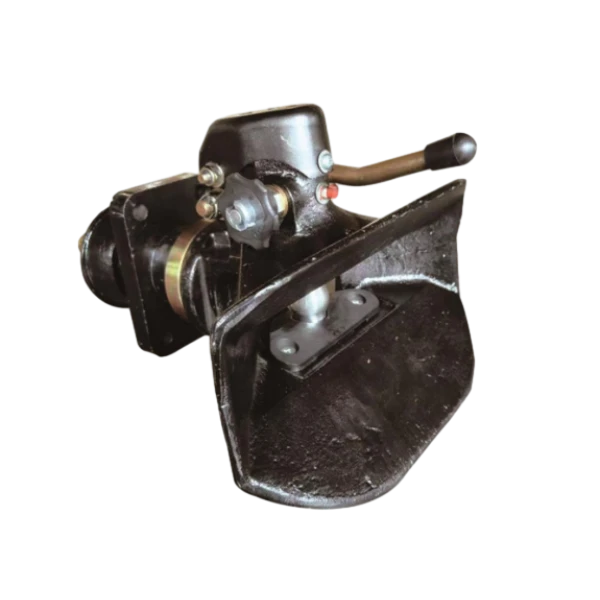 Trailer Coupling
The trailer coupling is a critical component in vehicle towing systems, designed to ensure a secure and efficient connection between a towing vehicle and a trailer. These couplings are manufactured using high-strength carbon steel, alloy steel, or stainless steel, ensuring durability and resistance to heavy loads and harsh environments.
-
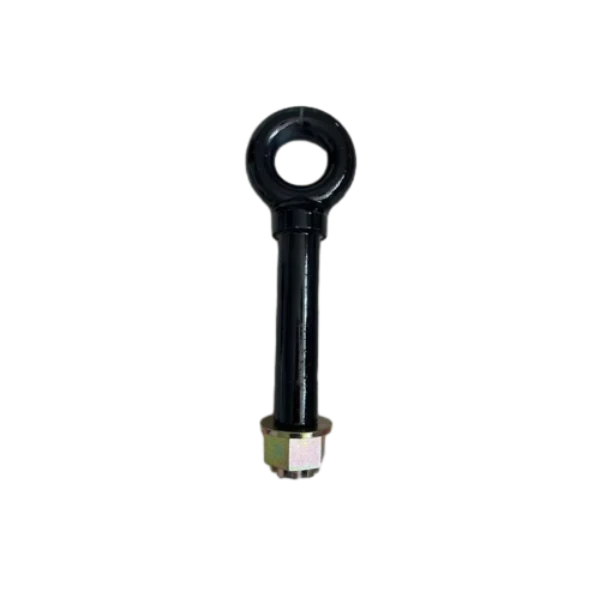
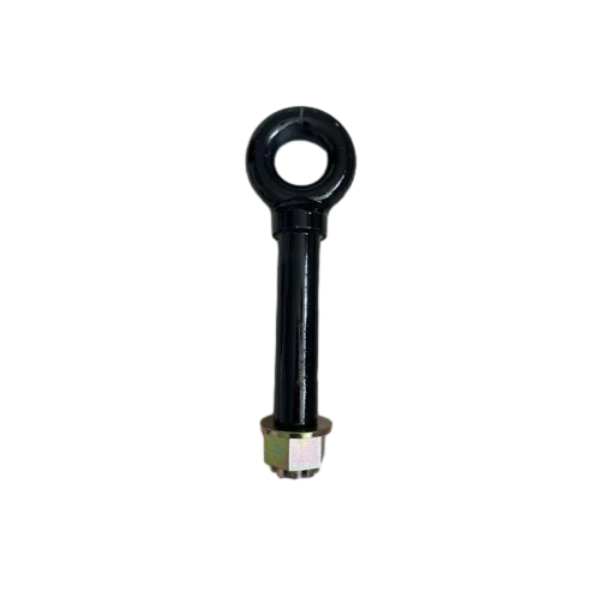 Drawbar Eyes
Drawbar eyes are essential components in towing and hauling applications, providing a strong and secure attachment point between the trailer and the towing vehicle. They are designed to endure extreme pulling forces, making them suitable for heavy-duty applications.
-
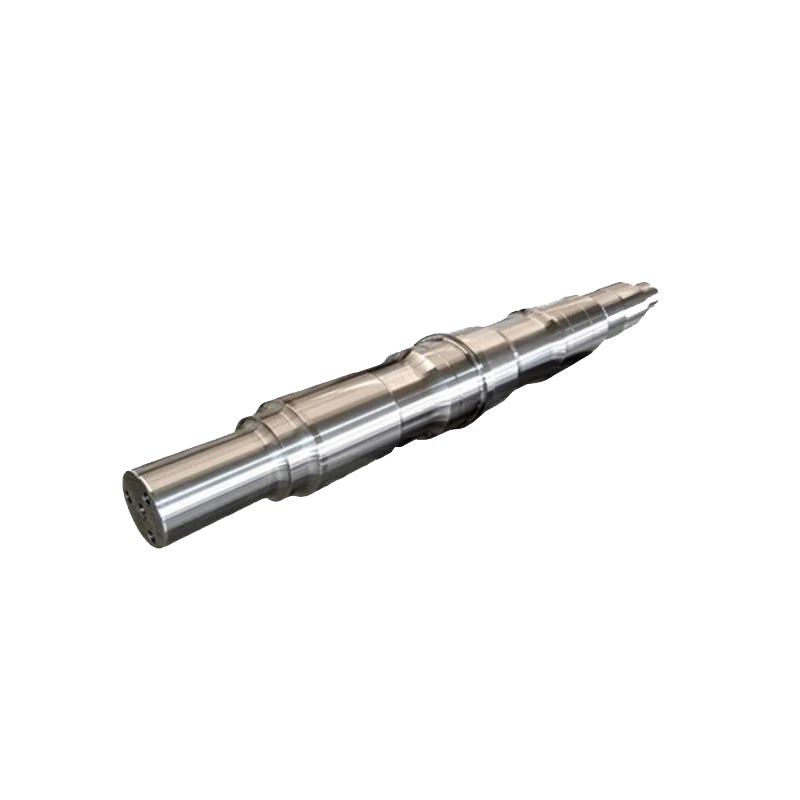
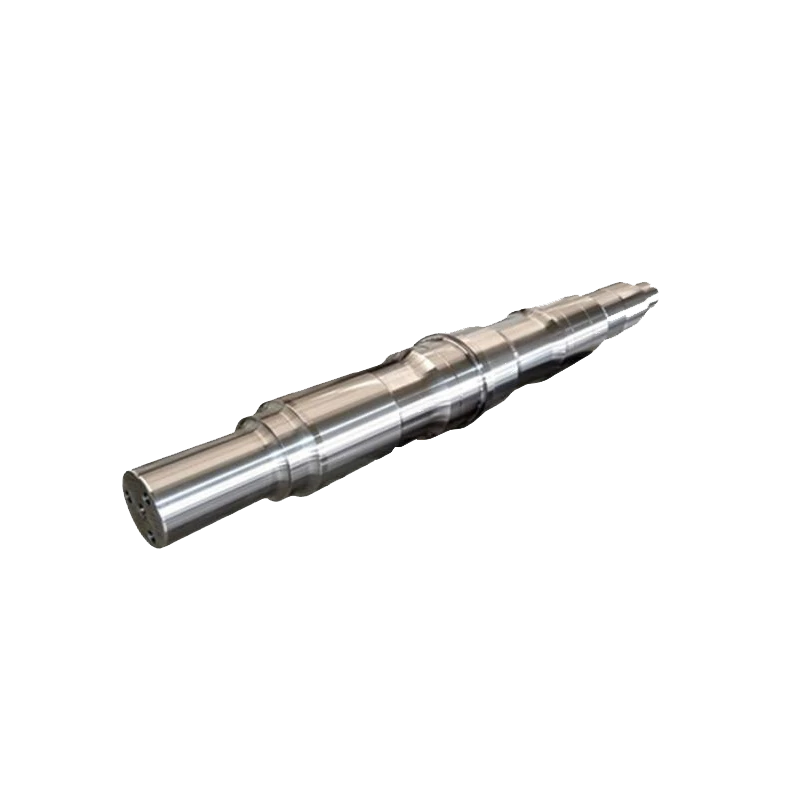 Axles
AxlesAxles are essential for vehicle load-bearing and power transmission, ensuring smooth movement and weight distribution. They must withstand high stress, torque, and impact, making material selection and precise manufacturing crucial.
-
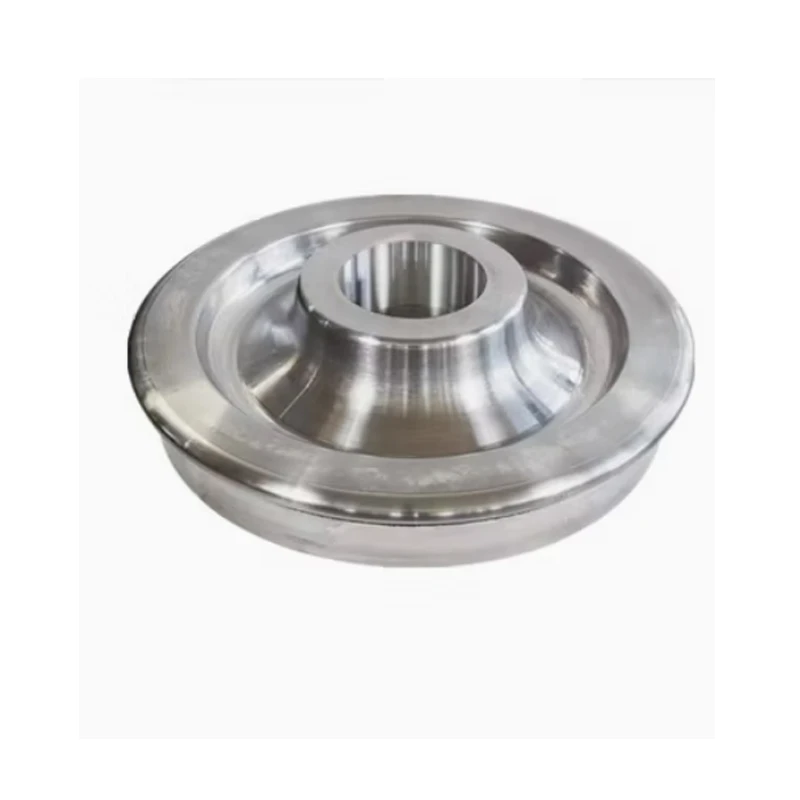 Profile S1002 Series Rail Wheels
The S1002 series rail wheels are designed for Rail-Road Vehicles (RRVs) that require seamless operation on both roads and railway tracks. Engineered with high precision and durability, these wheels conform to S1002 tread profiles, ensuring compatibility with standard railway systems.
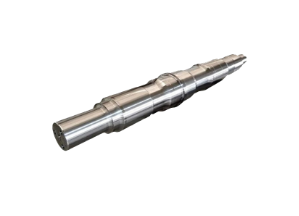
A Comprehensive Guide to Axles Types for Industry Decision Makers | Manufacturing Base
Axles Types is a key solution in the industry, specifically within heavy machinery and transportation sectors. This article explores how https://www.manufacturing-base.com supports professionals with durable, high-performance products
>
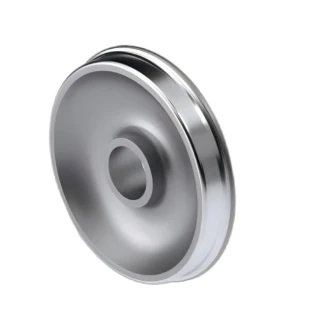
Reliable Rail Wheels: Optimize Your Rail Transport Solutions
For industries that rely on rail-based vehicles, choosing the right rail wheels is essential for smooth operations and safety.
>
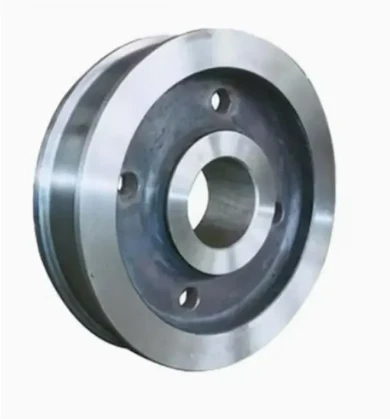
Premium Overhead Crane Wheels For Sale: Enhance Industrial Lifting Efficiency
In modern industrial operations, high-quality overhead crane wheels for sale are essential for safe, reliable, and efficient lifting.
>
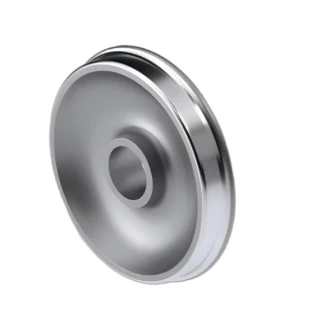
Premium Hi Rail Wheels For Sale: Boost Rail Vehicle Performance
In the modern industrial and railway sectors, having reliable hi rail wheels for sale is essential for operational efficiency and safety.
>
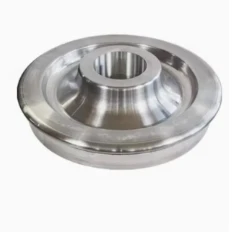
High-Quality Hi Rail Wheels For Sale: Enhance Your Rail Equipment Efficiency
When it comes to reliable rail maintenance and industrial operations, investing in hi rail wheels for sale is crucial.
>
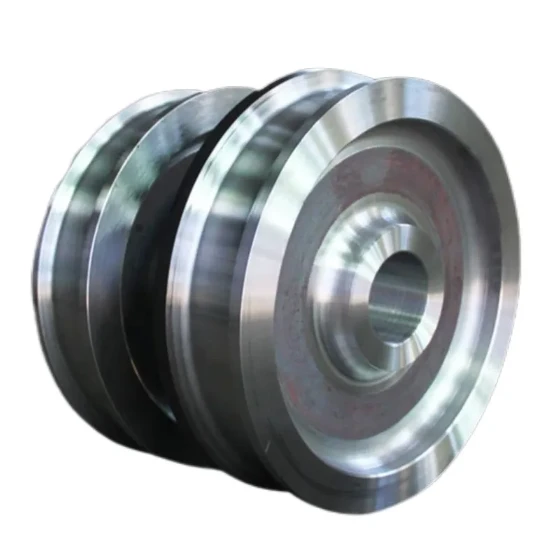
High-Quality Crane Wheels For Sale: Enhance Your Crane Operations
For industries relying on heavy lifting and material handling, investing in high-quality crane wheels for sale is crucial.
>
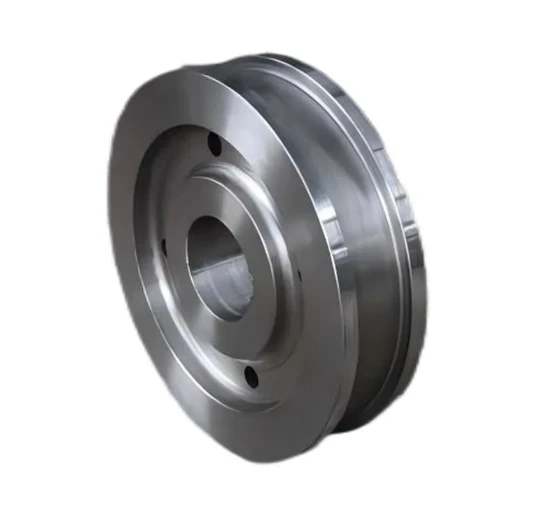
Durable Gantry Crane Wheels For Sale: Maximize Lifting Efficiency
For industries relying on heavy-duty lifting and material handling, selecting the right gantry crane wheels for sale is vital.
>
Reliable Tandem Drive Axles for Heavy-Duty Industrial Vehicles
Tandem Drive Axles: What I’ve Learned After Years in the Industrial Equipment Sector Ha
>
Reliable Semi Trailer Axles for Heavy-Duty Trailers | Expert Insight
Understanding semi trailer axles: The Backbone of Heavy Hauling Having spent more than a deca
>
RC Portal Axles: Industrial Strength and Custom Performance
RC Portal Axles: A Veteran’s Take on Industrial-Grade Performance Having spent over a d
>
Engineered for Excellence
Our forged solutions deliver reliability and performance, powering demanding industries to keep operations running smoothly.

Sign up
for Newsletter
Subscribe to the weekly newsletter for all the latest updates