- Tel: +86 311 82620404
- Cell: 86 -13739710551
- Email: sales@potentia.cn

Ultimate Guide to 5 Ton Axles: Specifications, Benefits, and Global Applications
Understanding 5 Ton Axles: The Backbone of Heavy Transport
So, what exactly are 5 ton axles, and why should anyone outside of the mechanical or logistics world even care? Well, these components are absolutely critical in heavy vehicle industries globally — they literally carry the load, supporting up to five tons per axle. That might sound technical, but understanding these axles unlocks insights into everything from international transport efficiency to disaster relief logistics. In a way, they’re an unsung hero enabling supply chains, humanitarian aid shipments, and industrial operations around the world.
When you consider the growing demand for heavier, more reliable vehicles — and the challenges posed by infrastructure variability in different regions — the importance of sturdy, high-capacity axles becomes crystal clear. Plus, with increasing emphasis on sustainability and safety, knowing the ins and outs of these axles pays off for manufacturers, logistics planners, and humanitarian agencies alike.
Global Context: Why 5 Ton Axles Matter More Than Ever
According to data from the International Organization for Standardization (ISO) and the World Bank, the volume of heavy goods transported worldwide has steadily increased by over 4% annually over the past decade. This rise places enormous pressure on vehicle components, especially axles. Vehicles transporting critical goods — be it industrial equipment in developing countries or emergency supplies after natural disasters — depend on high-load axles like the 5 ton variety to operate without failure.
Yet, challenges persist. Harsh terrain, inconsistent road quality, and extreme weather can quickly degrade axle performance, jeopardizing entire operations. Here’s where better understanding and deploying reliable 5 ton axles not only improves uptime but also helps avoid costly repairs and delays. In short, robust axles are a practical solution to a very real, global logistical headache.
What Are 5 Ton Axles?
Put simply, a 5 ton axle is a vehicle axle engineered to support a load of five metric tons (roughly 11,000 pounds). It serves as a central shaft for rotating wheels, transmitting power and bearing the vehicle's weight. Unlike lighter axles designed for passenger cars or smaller trucks, 5 ton axles must handle particularly heavy demands — balancing durability with manageable weight so the overall vehicle isn’t overloaded.
In industrial contexts, these axles are essential for trucks, trailers, agricultural machines, and construction vehicles. Oddly enough, they’re also increasingly important in humanitarian contexts where rugged, reliable transport can be the difference between life and death — think emergency supply convoys navigating rough, unstable back roads.
Key Features of 5 Ton Axles
Durability
High-quality 5 ton axles are made from specially treated steel alloys and designed to resist wear, corrosion, and stress fractures, which can be a real killer in rugged environments.
Scalability and Compatibility
These axles must fit a diverse range of chassis designs and vehicle configurations. Manufacturers often prioritize modular designs that can quickly be adapted or upgraded.
Cost Efficiency
While initial investment may be higher than standard axles, their longevity and reduced maintenance often mean significant savings over a vehicle’s life — a fact many fleet managers swear by.
Safety Compliance
Meeting global safety and manufacturing standards (like ISO certifications) ensures they perform reliably under pressure, which is especially important on public roads and regulatory-heavy regions.
Load Distribution Metrics
Advanced 5 ton axles incorporate design elements that optimize weight distribution over the vehicle to prevent premature wear and improve handling.
Mini takeaway: The secret to a workhorse axle lies in balancing longevity, safety, and flexibility — a trio that’s anything but simple to achieve.
5 Ton Axles in Action Across the Globe
In real terms, you encounter these axles everywhere heavy-duty transport is the norm. In Asia’s booming manufacturing sectors, trucks hauling raw materials rely on them daily. In Africa, NGOs use vehicles equipped with 5 ton axles to reach remote villages for medical deliveries. Meanwhile, in European construction zones, these axles support machinery ferrying tons of equipment over unpaved paths.
One recent example: post-flood recovery efforts in Southeast Asia saw emergency vehicles fitted with rugged 5 ton axles traverse muddy, damaged roads to deliver aid where it was desperately needed. Without sturdy axles, such operations would falter.
More broadly, industries like mining, waste management, and forestry depend on these axles for reliable transport through some of the world’s harshest working environments.
Specification Table: Typical 5 Ton Axle Features
| Specification | Details |
|---|---|
| Rated Load Capacity | 5 Metric Tons (approx. 11,000 lbs) |
| Material | Heat-treated alloy steel |
| Brake Compatibility | Drum or Disc brakes |
| Axle Type | Live or Dead Axle |
| Maximum RPM | Up to 2500 RPM (varies by model) |
| Compliance | ISO 5708, UNECE R13 |
Vendor Comparison: Leading Manufacturers
| Manufacturer | Core Strengths | Global Reach | Warranty |
|---|---|---|---|
| AxleTech Industries | High-durability steel; advanced corrosion resistance | North America, Europe, Asia | 5 years |
| Global Axles Corp. | Customizable to OEM specs; strong R&D on materials | Worldwide, including Africa & South America | 3 years |
| HeavyLoad Manufacturing | Specialization in agricultural & construction axles | Europe, Asia | 4 years |
Advantages of Using 5 Ton Axles
- Longevity: Designed to last through harsh conditions and heavy loads, reducing downtime.
- Improved Safety: Better axle stability means reduced risk of accidents due to axle failure.
- Cost Savings: Less frequent replacements and reduced maintenance costs.
- Adaptability: Suitable for various vehicle types from trailers to heavy trucks.
- Social Impact: Reliable transport solutions enable critical supply chains in emerging markets and disaster zones.
Emotional benefits include peace of mind for fleet operators and trustworthiness imbued by proven engineering; logical advantages go straight to the bottom line—fewer repairs, less stress, more uptime.
Looking Ahead: Innovation Trends in 5 Ton Axle Technology
We can’t talk about vehicle tech without mentioning the green wave. The transportation industry is slowly but surely shifting to weigh lighter yet stronger materials like carbon composites, aiming to reduce vehicle weight and fuel consumption. Although this tech is still emerging, expect future 5 ton axles to integrate these new materials without compromising load capacity.
Furthermore, digitalization is creeping into axle monitoring — “smart” axles equipped with sensors can report real-time wear and stress data, allowing predictive maintenance. This kind of proactive upkeep aligns perfectly with sustainability goals by extending the service life of parts and reducing resource waste.
Challenges and Smart Solutions
Of course, not everything’s rosy. One major challenge is balancing axle strength with weight to avoid overloading vehicles, impacting fuel efficiency and road wear. Designing axles to perform reliably in extreme environments — hot, cold, or abrasive conditions — also tests manufacturers continually.
Experts often recommend regular inspection combined with the latest maintenance technologies, such as ultrasonic crack detection, alongside high-quality parts sourced from reputable vendors. This combination can prevent premature failures and optimize operational lifespans.
FAQ: Frequently Asked Questions About 5 Ton Axles
- What vehicles typically use 5 ton axles?
- They are common in medium to heavy-duty trucks and trailers, agricultural machinery, and some construction vehicles which require robust load-bearing capability up to five tons per axle.
- How do 5 ton axles impact vehicle safety?
- Properly designed and maintained axles reduce risk of axle failure, improving vehicle stability, braking response, and overall operational safety for drivers and cargo alike.
- Can 5 ton axles be adapted for off-road or rough terrain use?
- Yes, many manufacturers offer versions with enhanced sealing, corrosion resistance, and reinforced components to handle harsh off-road conditions commonly encountered in mining or disaster relief.
- How often should 5 ton axles be inspected?
- Industry standards suggest regular inspections every 6-12 months, depending on usage intensity and environmental factors, to detect wear early and avoid costly failures.
- Where can I find quality 5 ton axles?
- Consider reputable manufacturers like AxleTech Industries or Global Axles Corp., who provide warranties and comply with international safety standards. For sourcing, visit reliable industry platforms such as 5 ton axles.
Conclusion: Why 5 Ton Axles Are a Smart Investment
At the end of the day, 5 ton axles form a fundamental part of sustaining modern heavy vehicle operations — from industrial logistics to frontline humanitarian work. Their strength, adaptability, and evolving technology ensure they’ll remain central as transport demands grow globally. If you ever manage a fleet or build heavy machinery, treating axle selection with due diligence isn’t just smart — it’s essential.
Curious to explore the best solutions for your needs? Don’t hesitate to visit our website and unlock more insights into 5 ton axles and heavy transport essentials.
Reflecting on these technical yet vital components, one realizes how much of our everyday convenience depends on such unassuming parts carrying massive loads—quietly, reliably, everywhere.
-
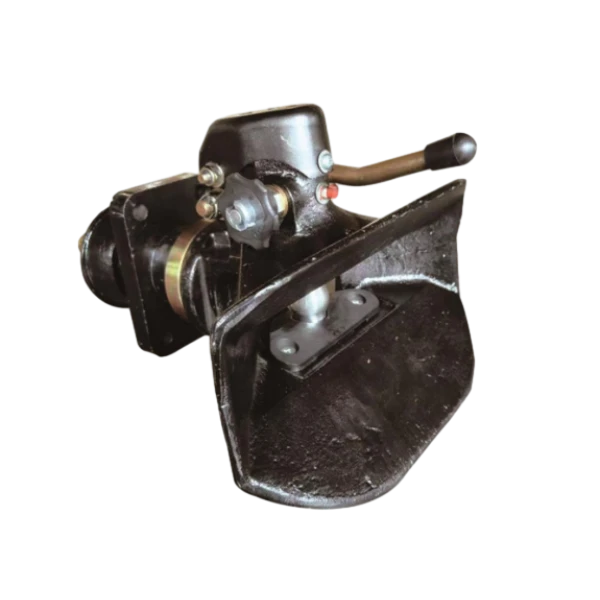 Trailer Coupling
The trailer coupling is a critical component in vehicle towing systems, designed to ensure a secure and efficient connection between a towing vehicle and a trailer. These couplings are manufactured using high-strength carbon steel, alloy steel, or stainless steel, ensuring durability and resistance to heavy loads and harsh environments.
-
 Drawbar Eyes
Drawbar eyes are essential components in towing and hauling applications, providing a strong and secure attachment point between the trailer and the towing vehicle. They are designed to endure extreme pulling forces, making them suitable for heavy-duty applications.
-
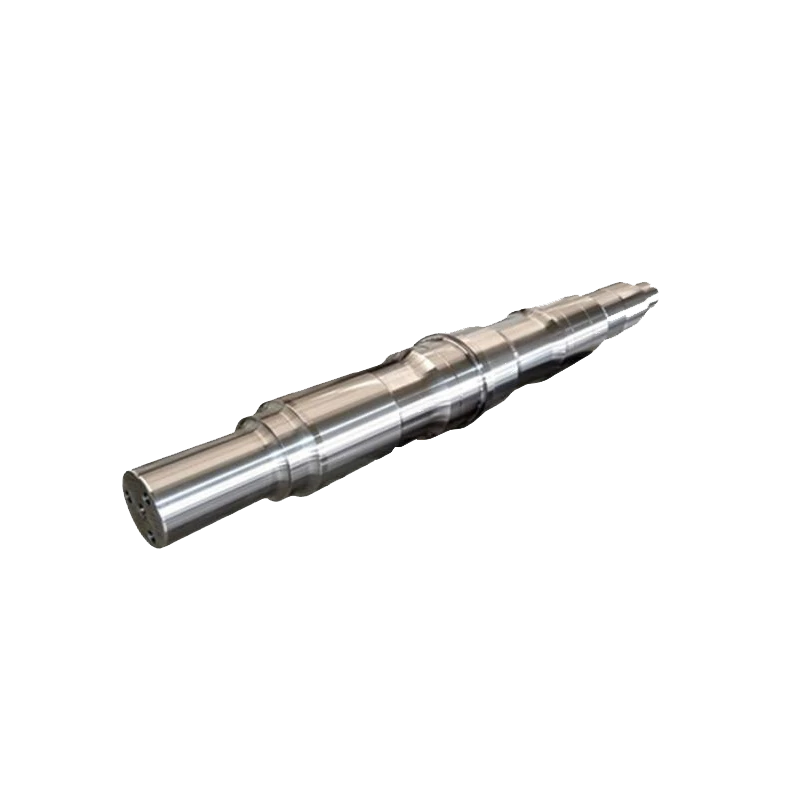 Axles
AxlesAxles are essential for vehicle load-bearing and power transmission, ensuring smooth movement and weight distribution. They must withstand high stress, torque, and impact, making material selection and precise manufacturing crucial.
-
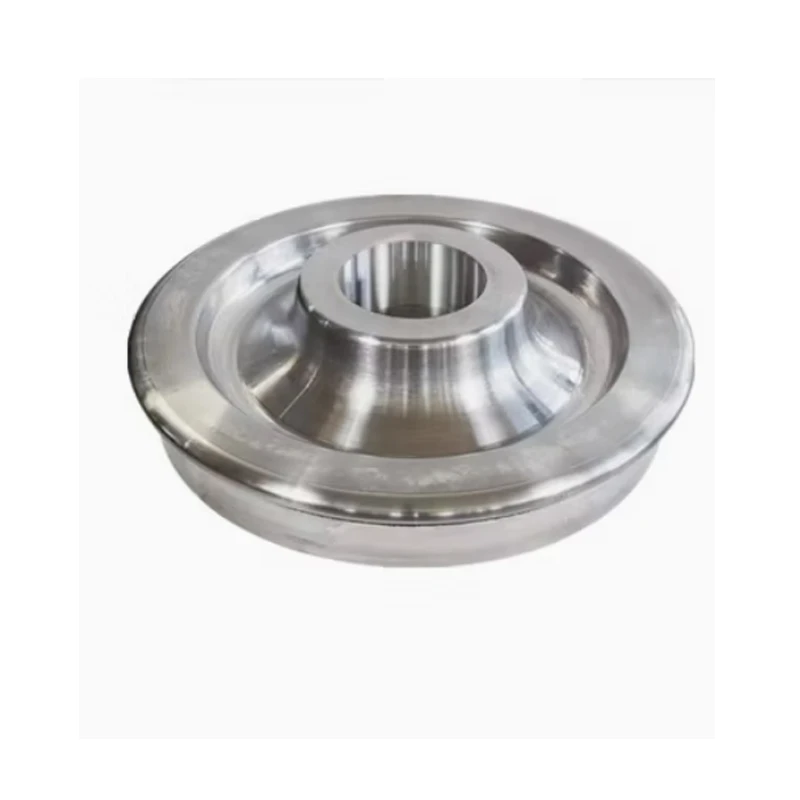 Profile S1002 Series Rail Wheels
The S1002 series rail wheels are designed for Rail-Road Vehicles (RRVs) that require seamless operation on both roads and railway tracks. Engineered with high precision and durability, these wheels conform to S1002 tread profiles, ensuring compatibility with standard railway systems.
A Comprehensive Guide to Axles Types for Industry Decision Makers | Manufacturing Base
Axles Types is a key solution in the industry, specifically within heavy machinery and transportation sectors. This article explores how https://www.manufacturing-base.com supports professionals with durable, high-performance products
>
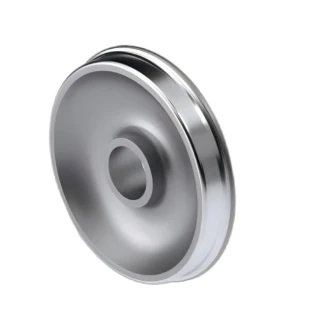
Reliable Rail Wheels: Optimize Your Rail Transport Solutions
For industries that rely on rail-based vehicles, choosing the right rail wheels is essential for smooth operations and safety.
>
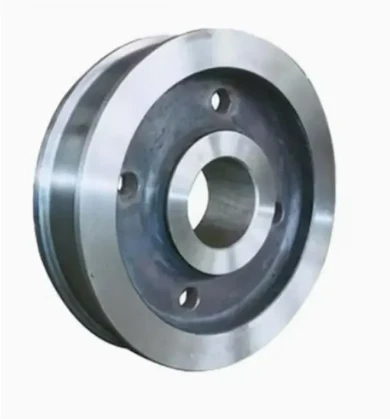
Premium Overhead Crane Wheels For Sale: Enhance Industrial Lifting Efficiency
In modern industrial operations, high-quality overhead crane wheels for sale are essential for safe, reliable, and efficient lifting.
>
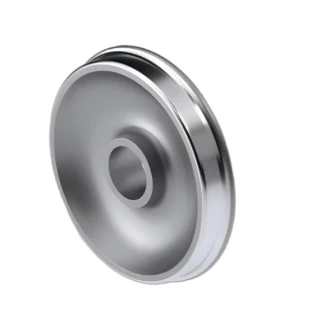
Premium Hi Rail Wheels For Sale: Boost Rail Vehicle Performance
In the modern industrial and railway sectors, having reliable hi rail wheels for sale is essential for operational efficiency and safety.
>
High-Quality Hi Rail Wheels For Sale: Enhance Your Rail Equipment Efficiency
When it comes to reliable rail maintenance and industrial operations, investing in hi rail wheels for sale is crucial.
>
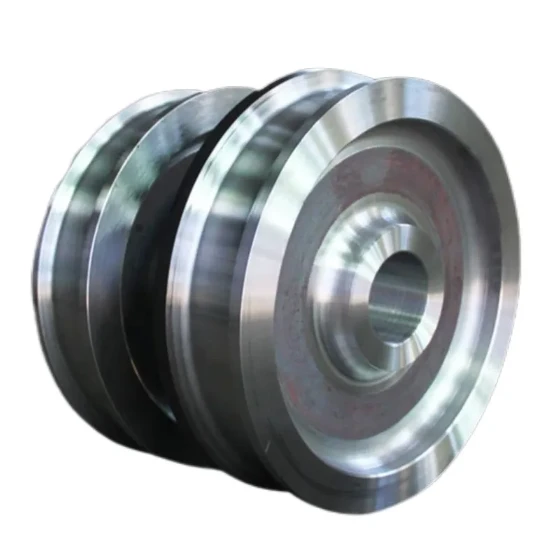
High-Quality Crane Wheels For Sale: Enhance Your Crane Operations
For industries relying on heavy lifting and material handling, investing in high-quality crane wheels for sale is crucial.
>
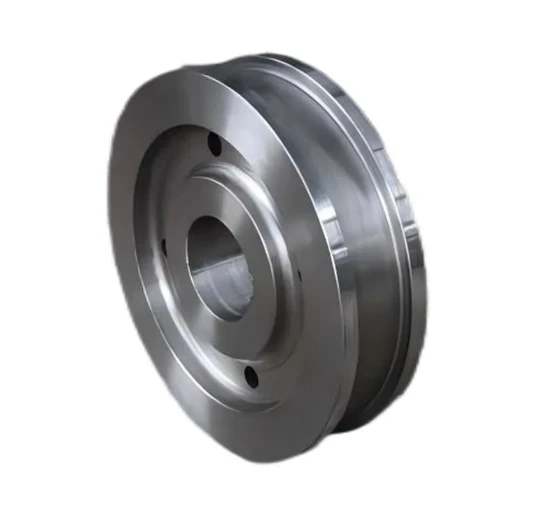
Durable Gantry Crane Wheels For Sale: Maximize Lifting Efficiency
For industries relying on heavy-duty lifting and material handling, selecting the right gantry crane wheels for sale is vital.
>
Reliable Tandem Drive Axles for Heavy-Duty Industrial Vehicles
Tandem Drive Axles: What I’ve Learned After Years in the Industrial Equipment Sector Ha
>

Reliable Semi Trailer Axles for Heavy-Duty Trailers | Expert Insight
Understanding semi trailer axles: The Backbone of Heavy Hauling Having spent more than a deca
>
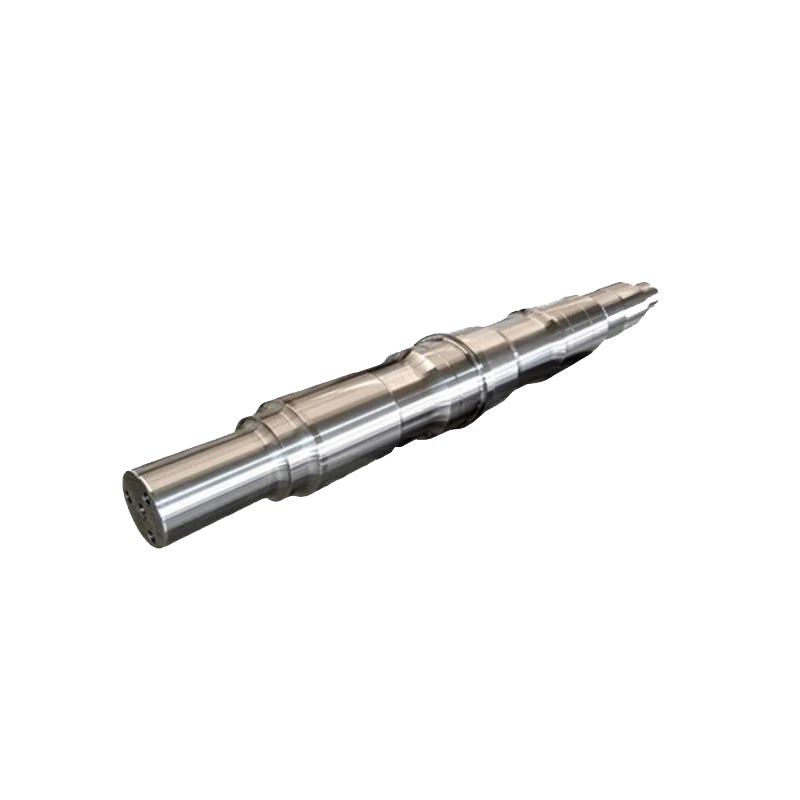
RC Portal Axles: Industrial Strength and Custom Performance
RC Portal Axles: A Veteran’s Take on Industrial-Grade Performance Having spent over a d
>
Engineered for Excellence
Our forged solutions deliver reliability and performance, powering demanding industries to keep operations running smoothly.

Sign up
for Newsletter
Subscribe to the weekly newsletter for all the latest updates