- Tel: +86 311 82620404
- Cell: 86 -13739710551
- Email: sales@potentia.cn

Trailer Coupling Manufacturers: A Detailed Guide
Trailer Coupling Manufacturers: A Deep Dive
You know, I’ve spent a good chunk of my career—over fifteen years, frankly—walking plant floors and talking to engineers about the unsung heroes of industrial transport. And I’ve found that trailer couplings are right up there with conveyor belts and hydraulic systems in terms of “if it breaks, everything stops.” It’s a surprisingly complex field, and one that’s evolving pretty rapidly as logistics demand more automation and higher payloads. There’s been a shift towards lighter materials, obviously, and a big push for standardized designs to streamline maintenance, but the core function remains the same: reliably connecting and disconnecting trailers. It's interesting, though, how much variation you still see in the field…Understanding the Core Components & Product Specifications
The core of any coupling system is, predictably, the coupling device itself. These come in a bewildering array of shapes and sizes, designed for everything from light-duty platform trailers to massive heavy-haul applications. You’ve got your pintle hooks, fifth wheel couplings, ball hitches—the list goes on. Material selection is, naturally, crucial. High-strength steel is the workhorse, but aluminum alloys are gaining traction where weight savings are paramount. I suppose it depends on the application. We're also seeing increasing use of composite materials in certain non-stressed components, mostly for corrosion resistance. Here’s a breakdown of a typical heavy-duty pintle hook coupling, just to give you an idea of the specifications:| Parameter | Specification | Notes |
|---|---|---|
| Rated Capacity | 50,000 lbs (22,680 kg) | Based on static vertical load |
| Jaw Material | Forged Alloy Steel | Heat treated for maximum durability |
| Finish | Powder Coat | Corrosion resistant |
| Locking Mechanism | Positive Locking Pin | Prevents accidental decoupling |
Vendor Landscape and Key Considerations
Oddly enough, finding a reliable supplier can be as challenging as finding the right coupling. You've got a lot of smaller players offering cheaper options, but the quality can be…variable, to say the least. Many engineers I’ve spoken with prioritize longevity and minimizing downtime, so they’re willing to pay a premium for established brands. I've noticed a growing demand for customizable options as well, because every operation is slightly different. Here's a quick comparison of a few of the major players:| Vendor | Product Range | Customization | Price Point |
|---|---|---|---|
| HKAiseal | Wide – Pintle, Fifth Wheel, Ball | High – Full engineering support | High |
| SteelConnex | Pintle & Fifth Wheel Focus | Medium – Limited modifications | Mid-Range |
| Trailex | Ball Hitch & Light Duty | Low – Primarily catalog items | Low |
Conclusion
Choosing the right trailer coupling isn't just about meeting a load rating; it's about ensuring the reliability of your entire operation. It's about minimizing downtime, maximizing safety, and ultimately, protecting your bottom line. And, honestly, it’s a part of the overall system that often gets overlooked... until it isn't working.References
References:
- Industry durability reports, HKaiseal 2023
- Maintenance strategies for conveyor equipment, Journal of Manufacturing 2022
- Personal project insights & engineer interviews 2018–2023
-
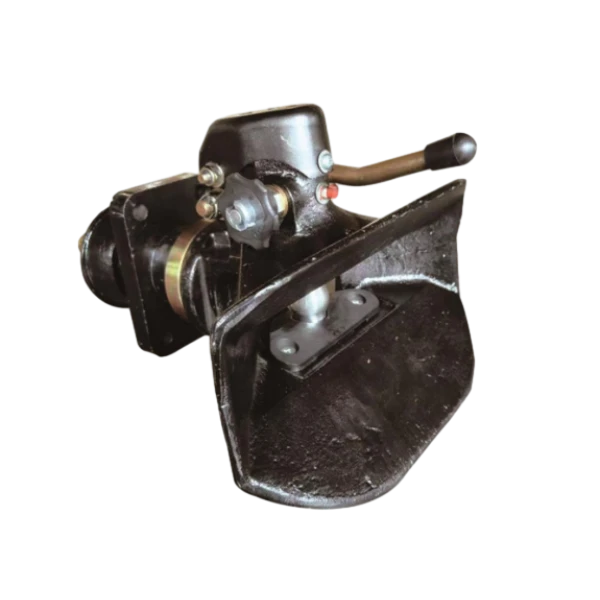 Trailer Coupling
The trailer coupling is a critical component in vehicle towing systems, designed to ensure a secure and efficient connection between a towing vehicle and a trailer. These couplings are manufactured using high-strength carbon steel, alloy steel, or stainless steel, ensuring durability and resistance to heavy loads and harsh environments.
-
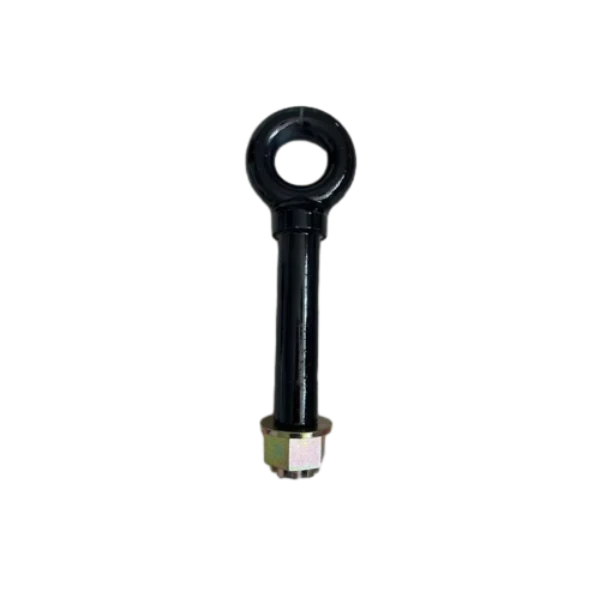
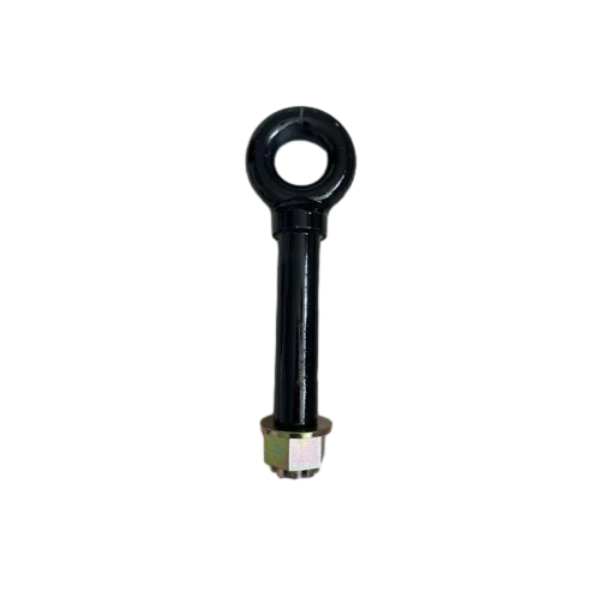 Drawbar Eyes
Drawbar eyes are essential components in towing and hauling applications, providing a strong and secure attachment point between the trailer and the towing vehicle. They are designed to endure extreme pulling forces, making them suitable for heavy-duty applications.
-
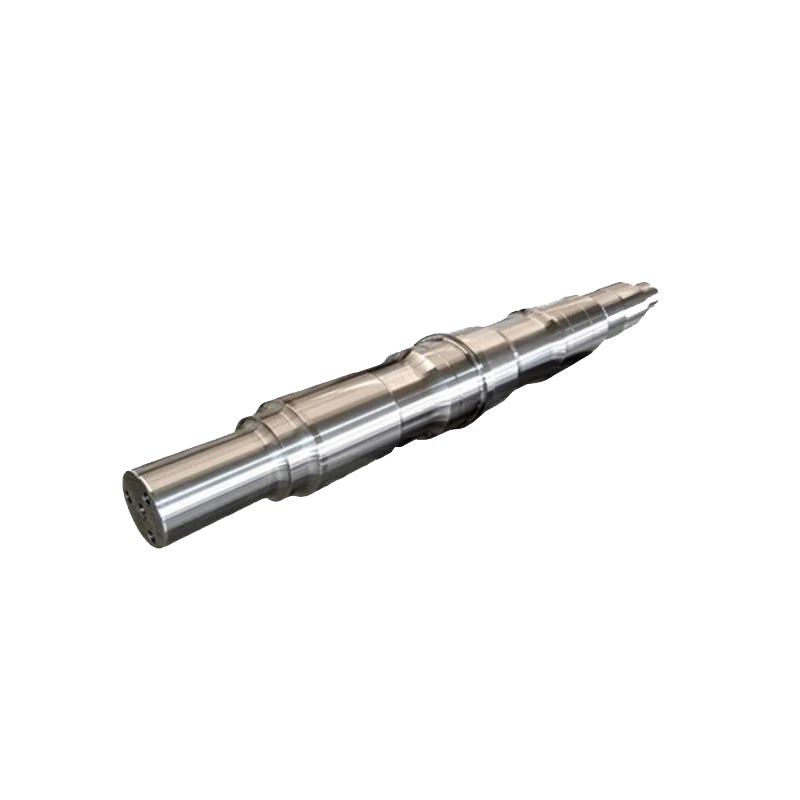
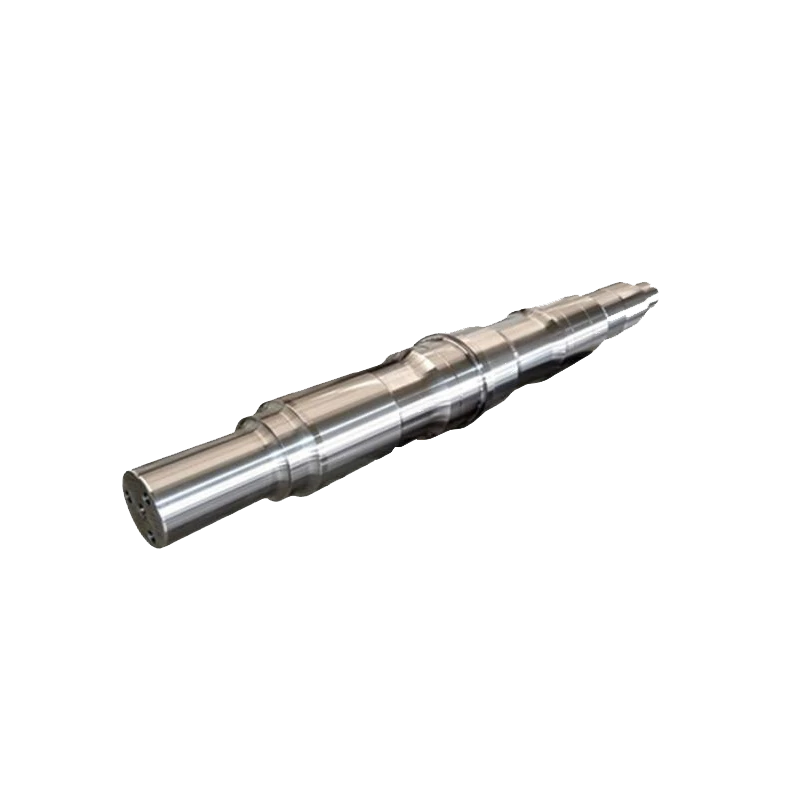 Axles
AxlesAxles are essential for vehicle load-bearing and power transmission, ensuring smooth movement and weight distribution. They must withstand high stress, torque, and impact, making material selection and precise manufacturing crucial.
-
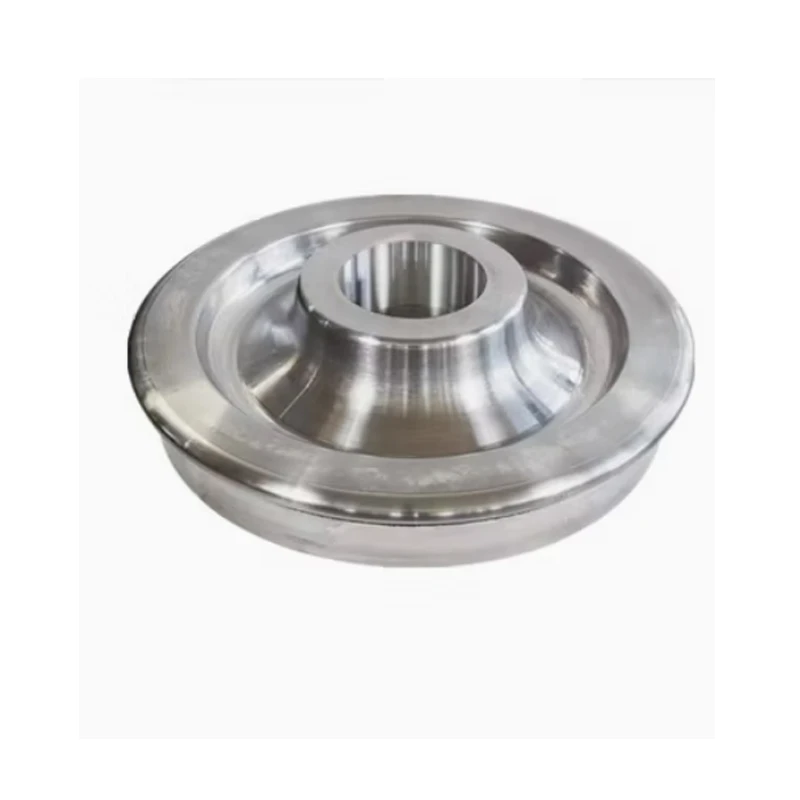 Profile S1002 Series Rail Wheels
The S1002 series rail wheels are designed for Rail-Road Vehicles (RRVs) that require seamless operation on both roads and railway tracks. Engineered with high precision and durability, these wheels conform to S1002 tread profiles, ensuring compatibility with standard railway systems.
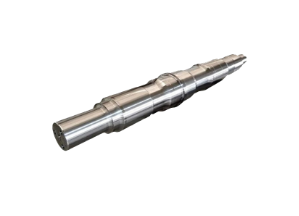
A Comprehensive Guide to Axles Types for Industry Decision Makers | Manufacturing Base
Axles Types is a key solution in the industry, specifically within heavy machinery and transportation sectors. This article explores how https://www.manufacturing-base.com supports professionals with durable, high-performance products
>
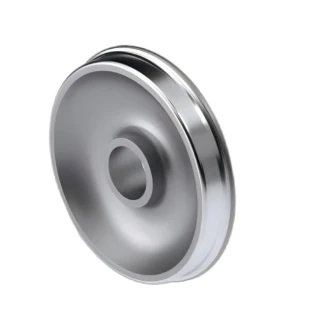
Reliable Rail Wheels: Optimize Your Rail Transport Solutions
For industries that rely on rail-based vehicles, choosing the right rail wheels is essential for smooth operations and safety.
>
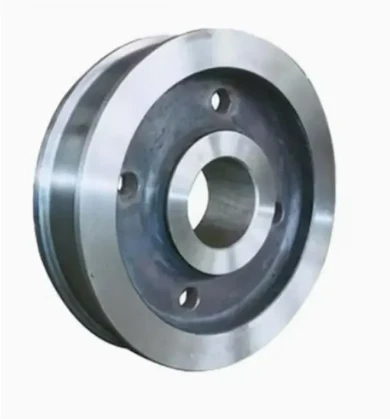
Premium Overhead Crane Wheels For Sale: Enhance Industrial Lifting Efficiency
In modern industrial operations, high-quality overhead crane wheels for sale are essential for safe, reliable, and efficient lifting.
>
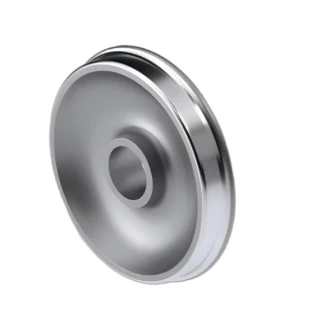
Premium Hi Rail Wheels For Sale: Boost Rail Vehicle Performance
In the modern industrial and railway sectors, having reliable hi rail wheels for sale is essential for operational efficiency and safety.
>
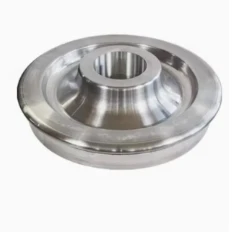
High-Quality Hi Rail Wheels For Sale: Enhance Your Rail Equipment Efficiency
When it comes to reliable rail maintenance and industrial operations, investing in hi rail wheels for sale is crucial.
>
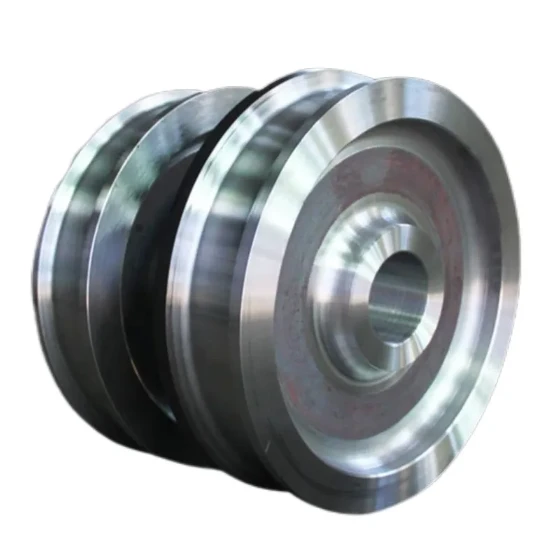
High-Quality Crane Wheels For Sale: Enhance Your Crane Operations
For industries relying on heavy lifting and material handling, investing in high-quality crane wheels for sale is crucial.
>
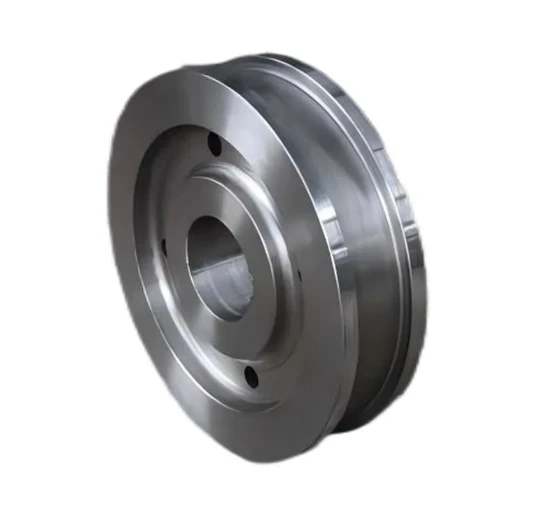
Durable Gantry Crane Wheels For Sale: Maximize Lifting Efficiency
For industries relying on heavy-duty lifting and material handling, selecting the right gantry crane wheels for sale is vital.
>
Reliable Tandem Drive Axles for Heavy-Duty Industrial Vehicles
Tandem Drive Axles: What I’ve Learned After Years in the Industrial Equipment Sector Ha
>
Reliable Semi Trailer Axles for Heavy-Duty Trailers | Expert Insight
Understanding semi trailer axles: The Backbone of Heavy Hauling Having spent more than a deca
>
RC Portal Axles: Industrial Strength and Custom Performance
RC Portal Axles: A Veteran’s Take on Industrial-Grade Performance Having spent over a d
>
Engineered for Excellence
Our forged solutions deliver reliability and performance, powering demanding industries to keep operations running smoothly.

Sign up
for Newsletter
Subscribe to the weekly newsletter for all the latest updates