- Tel: +86 311 82620404
- Cell: 86 -13739710551
- Email: sales@potentia.cn

Trailer Coupling Devices Explained: Global Impact, Benefits & Innovations
Understanding Trailer Coupling Devices: Global Importance and Practical Benefits
Trailer coupling devices might not be the flashiest topic, but they’re the unsung heroes of logistics chains worldwide. Essentially, these devices connect trailers to towing vehicles, enabling efficient, flexible transport of goods, equipment, and even humanitarian aid. This matters globally because safe, reliable trailer coupling mechanisms underpin countless industries — from manufacturing to disaster relief — helping goods move swiftly and securely across continents.
By grasping the nuances around trailer coupling devices, engineers, logistics professionals, and regulators can improve safety, reduce costs, and enhance sustainability. Let’s unpack why these components are so essential and see where innovation is taking them.
Trailer Coupling Devices: A Global Industry Perspective
Worldwide, the freight transport sector moves over 80% of goods by road, according to the UNECE. Trailer coupling devices — often unsung — are integral to this massive ecosystem.
But here’s a snag: improper or outdated coupling mechanisms cause thousands of accidents yearly and increase freight delays. The ISO 1726 standards for trailers seek to harmonize coupling device specs internationally, but challenges remain, especially in developing markets where freight corridors are vital.
Oddly enough, many people overlook how a seemingly small part like a coupling device influences everything from economic efficiency to post-disaster response times. For example, after typhoons in Southeast Asia, reliable coupling enables rapid deployment of essential relief trailers to remote areas.
What Are Trailer Coupling Devices?
In simple terms, trailer coupling devices are mechanical linkages designed to safely attach a trailer to a towing vehicle. The typical types include ball couplings, pintle hitches, automatic fifth wheel couplings, and drawbar couplings. These devices ensure stability while allowing quick connection and disconnection.
Modern industry relies on these for everything from agricultural transport and construction to logistics hubs serving megacities. Then there’s humanitarian aid — imagine how essential a rugged trailer coupling is when transporting mobile clinics or shelters in fragile environments.
Core Components & Key Factors in Trailer Coupling Devices
1. Durability and Material Strength
Coupling devices endure high mechanical stress and weather exposure. Materials like high-grade steel alloys and corrosion-resistant coatings (galvanized or powder-coated finishes) extend lifespan, which reduces replacement costs and failures.
2. Safety and Certification
Safe usage depends on meeting standards like ISO 1103 (automatic couplings for semi-trailers) and regional regulations. Safety locks, sensing mechanisms, and tamper-proof designs reduce accidental uncoupling risks, protecting lives and cargo.
3. Compatibility and Scalability
Given varying vehicle and trailer types, compatibility is crucial. Modular designs and standardized dimensions ensure that a single coupling device can work across fleets, simplifying maintenance and inventory.
4. Ease of Operation
From manual latches to hydraulically assisted couplings, user-friendly design minimizes connection time and operator strain — critical when speed matters, like on construction sites or lumber yards.
5. Cost Efficiency
While upfront device costs can vary, investing in reliable, well-certified devices reduces long-term expenses linked to downtime, repairs, and accidents.
| Specification | Ball Coupling | Pintle Hitch | Fifth Wheel |
|---|---|---|---|
| Max Load Capacity | 3500 kg | 4500 kg+ | 20,000 kg+ |
| Operation Type | Manual | Manual | Hydraulic or Automatic |
| Material | Steel Alloy | Steel | Forged Steel |
| Safety Features | Locking pin | Safety latch + pin | Automatic locking |
Global Applications and Use Cases of Trailer Coupling Devices
Trailers equipped with dependable coupling devices operate in almost every industry and geographic region. Here are some key examples:
- Logistics & Freight Transport: In Europe and North America, fleets use modular trailer systems connected by standard couplings for quick loading/unloading.
- Construction & Mining: Heavy-duty pintle hitches link trailers carrying machinery in rugged terrains, often in Australia, South Africa, and Canada.
- Humanitarian Missions: After disasters in Southeast Asia and Africa, rapid-deploy trailers with robust couplings transport medical supplies or rebuilding materials.
- Agriculture: Farm trailers linked via ball couplings form part of mechanized harvesting and transport, especially in the U.S. Midwest and Eastern Europe.
In somewhat isolated and challenges zones — remote industrial sites in Siberia or relief operations in cyclone-prone Pacific islands — the reliability of this humble device often makes or breaks mission success.
Mini takeaway:
Trailer coupling devices are everywhere, powering multiple industries and relief efforts, highlighting their critical global role.
Advantages and Long-Term Value of Trailer Coupling Devices
Beyond just linking vehicle and trailer, these couplings bring tangible benefits:
- Enhanced Safety: Reducing accidental uncoupling lowers risk of accidents on busy highways.
- Economic Efficiency: Replaceable, standardized parts and reduced downtime help companies cut costs over operation lifespans.
- Sustainability: Durable, high-quality materials mean fewer replacements, less waste, and better carbon footprints.
- Social Impact: Safe transport ensures timely delivery of essentials, improving public health and livelihoods, especially in humanitarian contexts.
- Innovation & Trust: Advances in digital sensors integrated with couplings are building trust through real-time monitoring.
It feels like investing in quality coupling devices amplifies client confidence and operations safety — good engineering pays off in trust.
Future Trends and Innovations in Trailer Coupling Devices
Several exciting developments are on the horizon:
- Smart Couplings: Integration of IoT sensors that monitor stress, temperature, and connection integrity in real time.
- Lightweight Materials: Advanced composites and alloys reducing weight while maintaining strength.
- Automation: Fully automatic coupling mechanisms to expedite trailer changes — think robotic arms in busy logistics yards.
- Environmental Focus: Use of recyclable materials and coatings with lower environmental impact — reflecting broader green logistics trends.
These trends could reshape how industries approach trailer connections, making them safer and more sustainable.
Challenges and Solutions in Trailer Coupling Devices
Despite advances, challenges linger:
- Standardization Gaps: Not all regions uniformly adopt standards, complicating cross-border freight.
- Maintenance Neglect: Couplings need regular inspection — often overlooked in small fleets.
- Wear and Weather: Harsh environments accelerate degradation.
Experts advise adopting comprehensive maintenance schedules augmented by sensor tech, plus pushing for international standards compliance to solve these issues.
| Feature / Vendor | Vendor A | Vendor B | Vendor C |
|---|---|---|---|
| Product Range | Ball & Pintle Couplings | Fifth Wheel Suites | All Types + Smart Sensors |
| Focus Area | Cost-effective solutions | Heavy-duty applications | Innovation and IoT |
| Geographic Reach | Europe, Asia | North America, Australia | Global |
| Certifications | ISO 1726 | ISO 1103 | Multiple including ISO & CE |
| Average Price Range | $150-$400 | $400-$1200 | $500-$1500 |
Frequently Asked Questions About Trailer Coupling Devices
1. What factors should I consider when choosing a trailer coupling device?
You want to consider load capacity, compatibility with your vehicle and trailer, safety certifications, and the environmental conditions where you operate. Also, ease of connection matters if you engage in frequent hitching/unhitching.
2. How often should trailer couplings be inspected and maintained?
Regular inspections are recommended every 3-6 months for commercial applications, with more frequent checks if you operate in harsh environments. Proper lubrication and checking for cracks or wear is crucial to prevent failures.
3. Are smart trailer coupling devices worth the investment?
Smart couplings with integrated sensors offer real-time feedback on connection status and health, potentially preventing accidents. While pricier upfront, they can save costs on downtime and improve safety in the long run.
4. Can trailer coupling devices be used internationally without modifications?
Generally, they require compliance with local standards; however, many manufacturers design devices to meet international standards making cross-border use feasible. Always verify local regulations before deployment.
5. Where can I purchase quality trailer coupling devices?
Trusted suppliers that meet ISO certifications and offer after-sales support are ideal. You can explore offerings via industry platforms such as trailer coupling devices marketplaces and specialized manufacturers.
Conclusion & Call to Action
Trailer coupling devices might seem straightforward but they’re vital linchpins in global transport and logistics. Their impact reverberates from cost savings and safety improvements to enabling critical humanitarian operations. As industries evolve, keeping up with innovations in trailer couplings helps future-proof your fleet.
Curious to explore a wide range of coupling solutions and expert insights? Visit our website: https://www.manufacturing-base.com to find the perfect match for your needs.
References & Further Reading
It feels like sometimes the simplest components, like a trailer coupling device, carry the heaviest responsibility — and yet, a bit of engineering and innovation can keep the wheels turning worldwide.
-
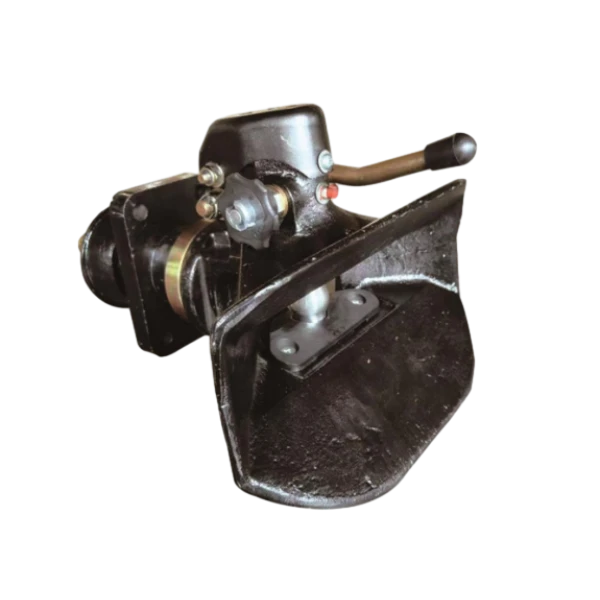 Trailer Coupling
The trailer coupling is a critical component in vehicle towing systems, designed to ensure a secure and efficient connection between a towing vehicle and a trailer. These couplings are manufactured using high-strength carbon steel, alloy steel, or stainless steel, ensuring durability and resistance to heavy loads and harsh environments.
-
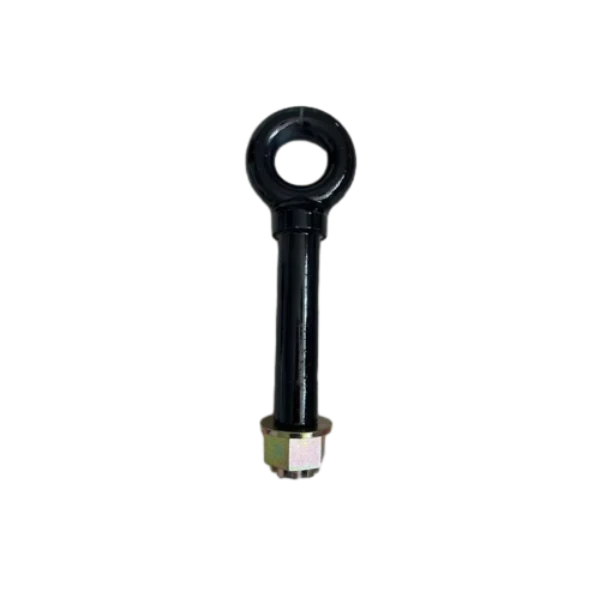
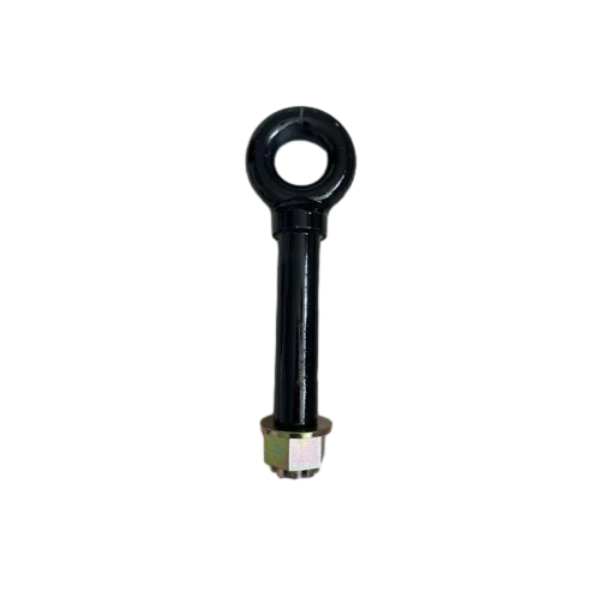 Drawbar Eyes
Drawbar eyes are essential components in towing and hauling applications, providing a strong and secure attachment point between the trailer and the towing vehicle. They are designed to endure extreme pulling forces, making them suitable for heavy-duty applications.
-
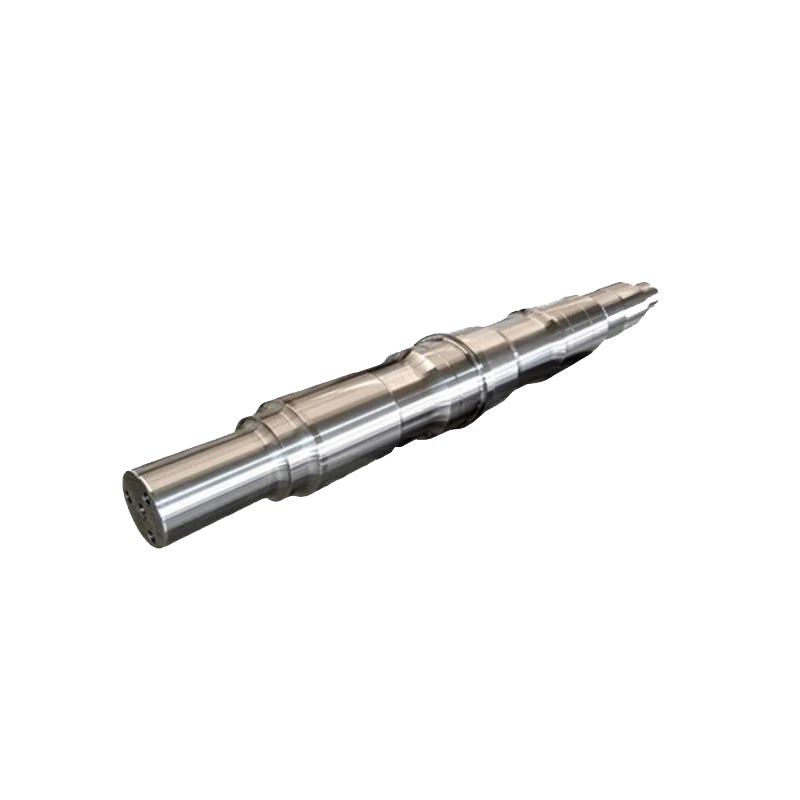
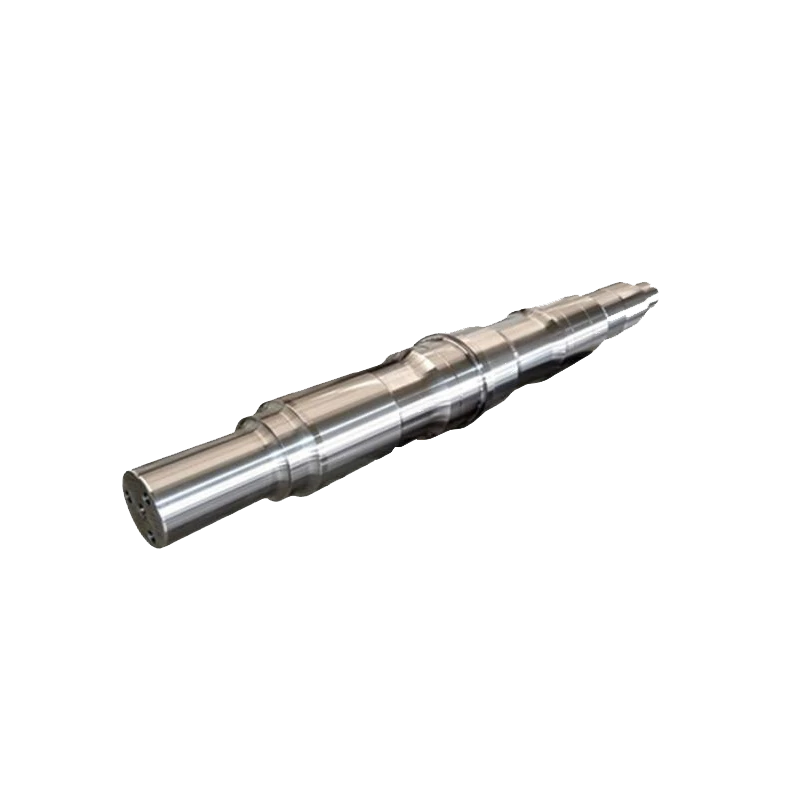 Axles
AxlesAxles are essential for vehicle load-bearing and power transmission, ensuring smooth movement and weight distribution. They must withstand high stress, torque, and impact, making material selection and precise manufacturing crucial.
-
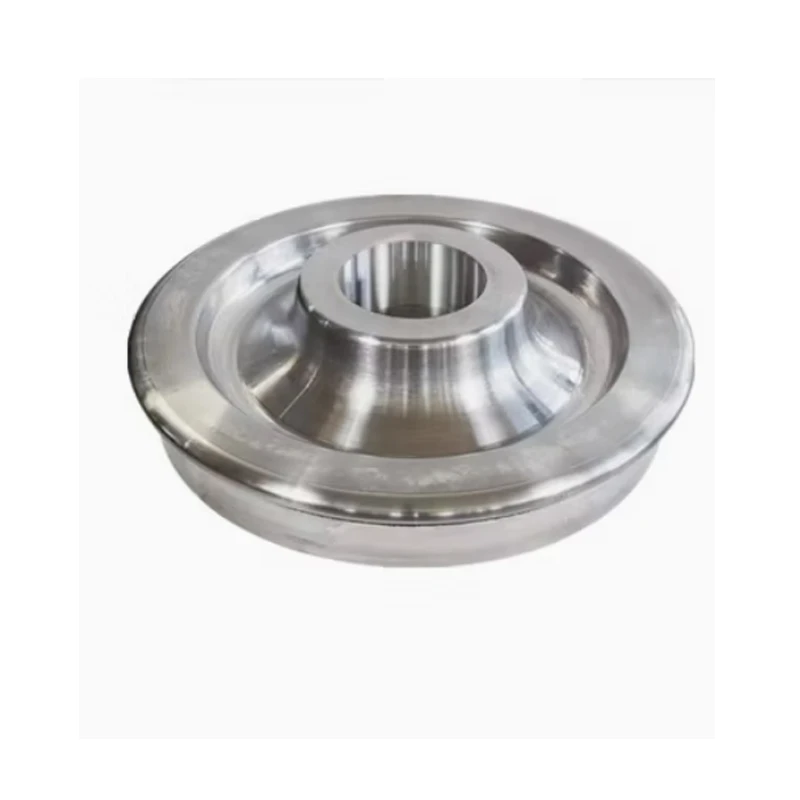 Profile S1002 Series Rail Wheels
The S1002 series rail wheels are designed for Rail-Road Vehicles (RRVs) that require seamless operation on both roads and railway tracks. Engineered with high precision and durability, these wheels conform to S1002 tread profiles, ensuring compatibility with standard railway systems.
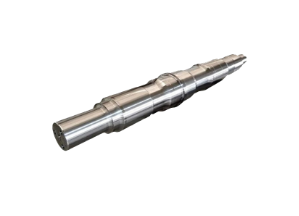
A Comprehensive Guide to Axles Types for Industry Decision Makers | Manufacturing Base
Axles Types is a key solution in the industry, specifically within heavy machinery and transportation sectors. This article explores how https://www.manufacturing-base.com supports professionals with durable, high-performance products
>
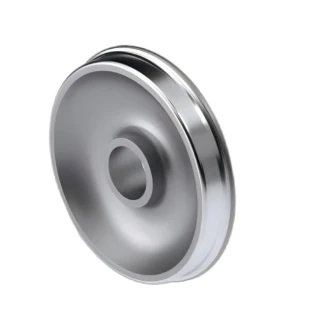
Reliable Rail Wheels: Optimize Your Rail Transport Solutions
For industries that rely on rail-based vehicles, choosing the right rail wheels is essential for smooth operations and safety.
>
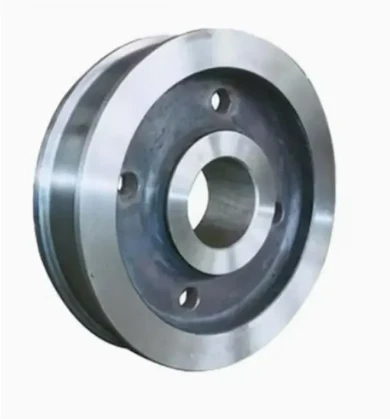
Premium Overhead Crane Wheels For Sale: Enhance Industrial Lifting Efficiency
In modern industrial operations, high-quality overhead crane wheels for sale are essential for safe, reliable, and efficient lifting.
>
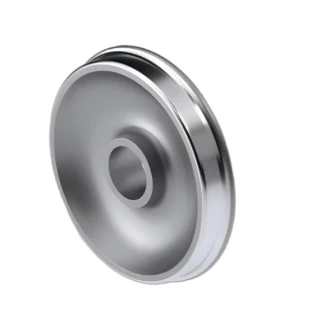
Premium Hi Rail Wheels For Sale: Boost Rail Vehicle Performance
In the modern industrial and railway sectors, having reliable hi rail wheels for sale is essential for operational efficiency and safety.
>
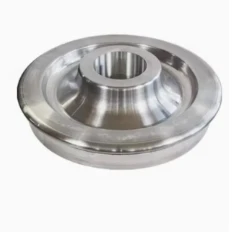
High-Quality Hi Rail Wheels For Sale: Enhance Your Rail Equipment Efficiency
When it comes to reliable rail maintenance and industrial operations, investing in hi rail wheels for sale is crucial.
>
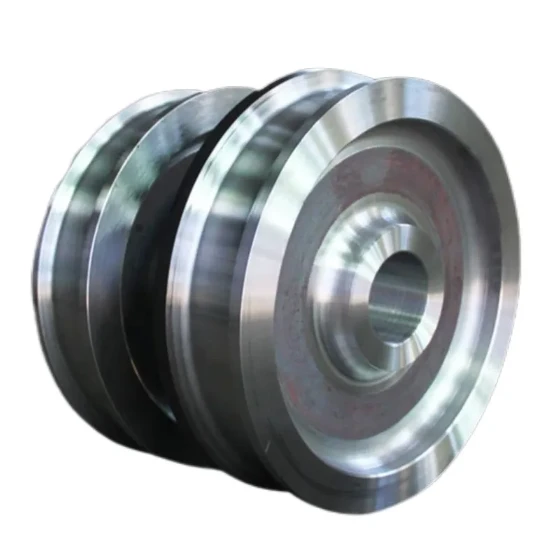
High-Quality Crane Wheels For Sale: Enhance Your Crane Operations
For industries relying on heavy lifting and material handling, investing in high-quality crane wheels for sale is crucial.
>
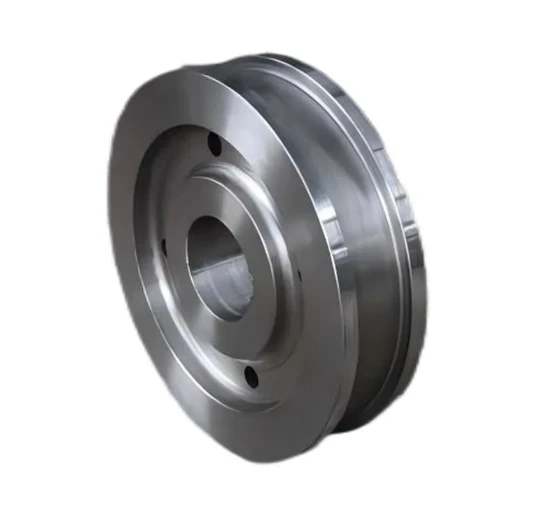
Durable Gantry Crane Wheels For Sale: Maximize Lifting Efficiency
For industries relying on heavy-duty lifting and material handling, selecting the right gantry crane wheels for sale is vital.
>
Reliable Tandem Drive Axles for Heavy-Duty Industrial Vehicles
Tandem Drive Axles: What I’ve Learned After Years in the Industrial Equipment Sector Ha
>
Reliable Semi Trailer Axles for Heavy-Duty Trailers | Expert Insight
Understanding semi trailer axles: The Backbone of Heavy Hauling Having spent more than a deca
>
RC Portal Axles: Industrial Strength and Custom Performance
RC Portal Axles: A Veteran’s Take on Industrial-Grade Performance Having spent over a d
>
Engineered for Excellence
Our forged solutions deliver reliability and performance, powering demanding industries to keep operations running smoothly.

Sign up
for Newsletter
Subscribe to the weekly newsletter for all the latest updates