- Tel: +86 311 82620404
- Cell: 86 -13739710551
- Email: sales@potentia.cn

Trailer Coupling Devices - Essential Safety and Efficiency for Global Transport
Trailer Coupling Devices: The Unsung Heroes of Global Logistics
When we talk about the backbone of transportation infrastructure worldwide, trailer coupling devices rarely steal the spotlight — yet these small but mighty components keep trucks and trailers working as one, allowing goods to flow efficiently across continents. Whether it’s delivering medical supplies amidst a humanitarian crisis or hauling raw materials vital to industry, mastering trailer coupling technology means smoother, safer, and more reliable logistics for businesses and communities everywhere.
Understanding trailer coupling devices is not just about appreciating mechanical joinery; it’s about recognizing a key enabler of global commerce and even disaster relief. These devices prevent accidents, reduce downtime, and improve fuel efficiency — all critical factors as supply chains strain under rising demand and complex challenges.
The Crucial Role of Trailer Coupling Devices in Today's Industry
Globally, over 70% of freight by land moves via trucks – a figure highlighted by the International Road Transport Union. Trailer coupling devices, which connect the tractor unit to the trailer, are integral to this mighty network. But the stakes are getting higher: the World Bank’s recent logistics performance report points to ever-tightening safety regulations, infrastructure challenges, and environmental goals.
Oddly enough, transport accidents involving improperly secured trailers still account for a significant share of road incidents worldwide, causing delays and dangers. So trailer coupling devices don’t just connect metal; they connect safety with efficiency — a mix that’s hard to get right but absolutely critical in industries from construction to food distribution.
What Exactly Are Trailer Coupling Devices?
Simply put, trailer coupling devices are mechanical assemblies that join a towing vehicle (the tractor) to the trailer it pulls. Most commonly, this involves a fifth wheel coupling for heavy trucks, or a ball and socket for smaller trailers. Their primary job is to provide a secure pivot point that safely transmits forces while allowing articulation — basically letting the truck turn corners without the trailer separating or jackknifing.
Beyond trucking, they matter in humanitarian fields too — for example, trailer coupling devices enable the swift deployment of mobile emergency units, ensuring communities impacted by disasters receive critical aid fast.
Core Aspects of Trailer Coupling Devices
1. Durability
These devices are made to endure punishing conditions: constant tensile loads, vibration, dirt, and weather. Premium models utilize hardened steel alloys often coated against corrosion. This durability reduces maintenance downtime, an essential factor for fleets running tight schedules.
2. Safety Features
Beyond brute strength, coupling devices integrate locking mechanisms to prevent accidental decoupling, sensors that alert drivers if the hitch isn’t properly locked, and compliance with international safety standards like ISO 3853. For operators — safety is non-negotiable.
3. Compatibility & Scalability
Fleets often need to interchange trailers of different types — flatbeds, tankers, refrigerated units. Coupling devices must be modular or standardized enough to handle diverse loads, sizes, and configurations, enhancing operational flexibility.
4. Cost Efficiency
While initial investment matters, many engineers emphasize total cost of ownership: this includes durability, maintenance, ease of installation, and fuel impact. Choosing the right coupling can thus save thousands annually.
5. Ease of Use
Quick coupling and uncoupling systems mean drivers spend less time parked and more time moving. Some high-end models offer hydraulic or automated assistance, which is a boon in tight logistic hubs.
Mini takeaway:
In real-world terms, the best trailer coupling devices strike a balance between ruggedness and precision — they’re built tough but smart.
How Trailer Coupling Devices Power Global Operations
The reach of trailer coupling solutions is vast. In European logistics corridors, where speed and safety regulations are strict, high-performance coupling gear enables freight operators to meet tight deadlines without compromising security. Meanwhile, in North America, coupling devices designed to meet DOT regulations improve hauling efficiency across thousands of miles.
In Asia and Africa, NGOs rely on dependable coupling solutions for mobile aid centers, particularly in post-disaster relief scenarios after floods or earthquakes. For instance, modular medical trailers can be quickly connected and dispatched, minimizing setup time in crisis zones.
Industries like mining and construction also benefit, especially in regions like Australia or the Middle East, where rugged terrain demands coupling systems that won’t fail. Essentially, wherever heavy loads meet the open road or off-road, these devices come into play.
Advantages & Long-Term Value of Quality Coupling Devices
Aside from the obvious safety advantages, high-integrity trailer coupling devices contribute to reduced vehicle wear and tear, leading to longer truck and trailer life spans. This profitability boost is critical in an era where logistics margins can be razor-thin.
Environmentally, better coupling reduces drag and improves fuel consumption. This aligns with many companies’ sustainability goals — cutting carbon footprints through technology alone sounds like a win-win.
On a more human note, reliable couplings foster trust between transport companies, drivers, and clients. Knowing the trailer won’t unexpectedly detach offers undeniable peace of mind, which is a factor often overlooked.
Product Specification Table for Typical Trailer Coupling Devices
| Feature | Standard Fifth Wheel Coupling | Automatic Hydraulic Coupler |
|---|---|---|
| Material | Hardened Carbon Steel | Steel Alloy with Coating |
| Max Load Capacity | 40,000 lbs (18,143 kg) | 48,000 lbs (21,772 kg) |
| Locking Mechanism | Manual Lock with Safety Pin | Fully Automated with Sensor Feedback |
| Ease of Use | Manual | Automatic |
| Average Service Life | 5–7 years | 7–10 years |
Leading Manufacturers and How They Stack Up
| Manufacturer | Product Range | Price Range (USD) | Special Features |
|---|---|---|---|
| CouplerPro Inc. | Manual & Semi-Automatic | $800–$1,400 | High Corrosion Resistance |
| AutoHaul Systems | Fully Automated Solutions | $1,500–$3,200 | Integrated Sensor Safety Lock |
| Global Hitchworks Ltd. | Standard & Heavy Duty | $950–$2,000 | Extended Load Warranty |
Looking Ahead: Innovations on the Horizon
What feels futuristic today is rapidly becoming tomorrow’s standard equipment. For trailer coupling devices, this includes smart couplers with Internet of Things (IoT) connectivity that monitor wear and send real-time alerts to fleets. Imagine trucks self-reporting when maintenance is needed before failures occur.
New composite materials blending strength with reduced weight are also gaining traction — less weight means better fuel economy and lower emissions, ticking the sustainability box many companies aim for. There’s also experimentation with magnetic coupling for specialized trailers, though that’s still, frankly, a niche curiosity.
Common Challenges and Expert Fixes
A recurring culprit is corrosion and wear in harsh environments that degrade coupling integrity. Solutions involve better coatings, regular maintenance schedules, and more user-friendly inspection tools.
Sometimes, compatibility problems arise when trailers sourced from different vendors don’t match perfectly. Industry-wide standardization efforts, plus modular designs, are easing this pain point.
Lastly, there's an ongoing learning curve for drivers using advanced automated couplers. Training programs and intuitive interfaces are critical in making these innovations truly accessible.
FAQs About Trailer Coupling Devices
- What types of trailer coupling devices are best for heavy industrial use?
- For heavy loads, fifth wheel couplings made of hardened steel alloys with manual or semi-automatic locking are preferred due to their proven toughness and reliability in harsh conditions.
- How often should trailer couplings be inspected or maintained?
- Manufacturers generally recommend inspection every 6 months or after 50,000 miles, but it depends on usage intensity. Regular lubrication and checking locking mechanisms prevent failures.
- Can these devices be retrofitted to older trucks?
- Yes, many coupling devices come with adaptable mounting kits designed to fit older models, but it’s crucial to match specifications and consult experts to ensure safety compliance.
- Are automatic coupling devices worth the extra cost?
- For large fleets or operations requiring quick coupling/uncoupling, automation increases safety and reduces labor time, often paying for itself through efficiency gains.
Wrapping Up: Why Trailer Coupling Devices Matter More Than Ever
Long story short, trailer coupling devices might not be glamorous, but they’re absolutely indispensable in the modern logistics and transport ecosystem. Their role in safety, efficiency, and flexibility impacts industries and communities worldwide. As the world pushes toward greener, smarter transport solutions, coupling technologies will evolve, promising smoother roads ahead.
Curious to dive deeper or find the right trailer coupling devices for your fleet? Visit our website for expert guides and product selections that align with tomorrow’s challenges today.
References
-
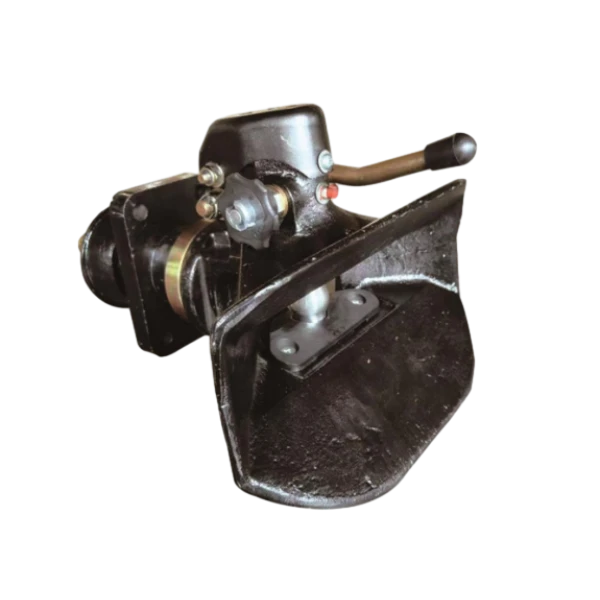 Trailer Coupling
The trailer coupling is a critical component in vehicle towing systems, designed to ensure a secure and efficient connection between a towing vehicle and a trailer. These couplings are manufactured using high-strength carbon steel, alloy steel, or stainless steel, ensuring durability and resistance to heavy loads and harsh environments.
-
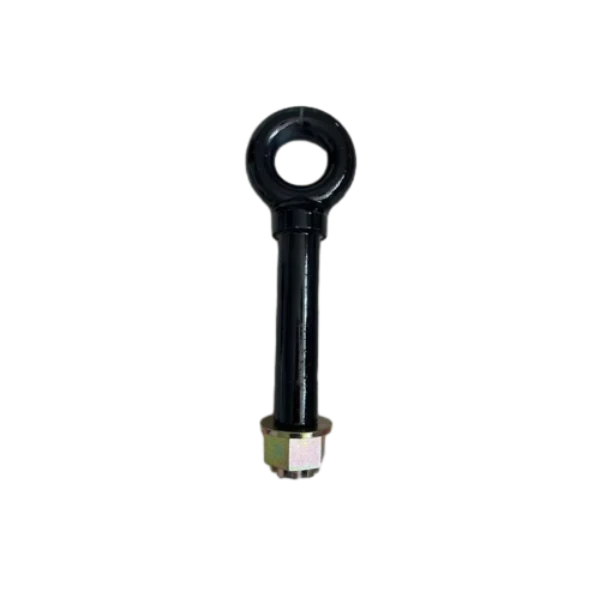
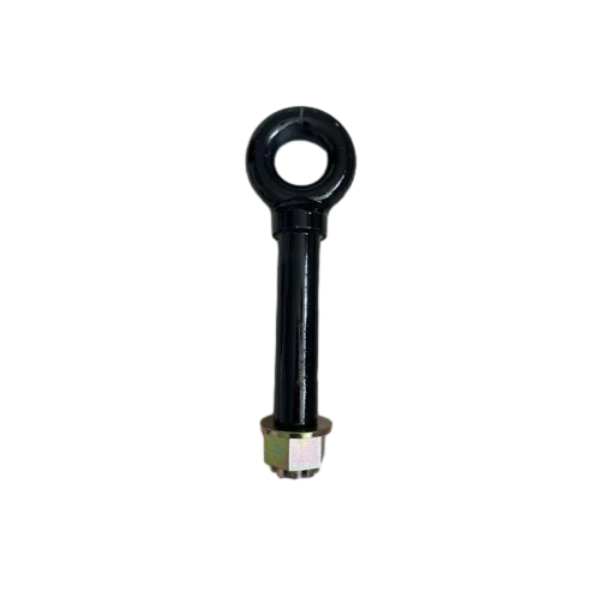 Drawbar Eyes
Drawbar eyes are essential components in towing and hauling applications, providing a strong and secure attachment point between the trailer and the towing vehicle. They are designed to endure extreme pulling forces, making them suitable for heavy-duty applications.
-
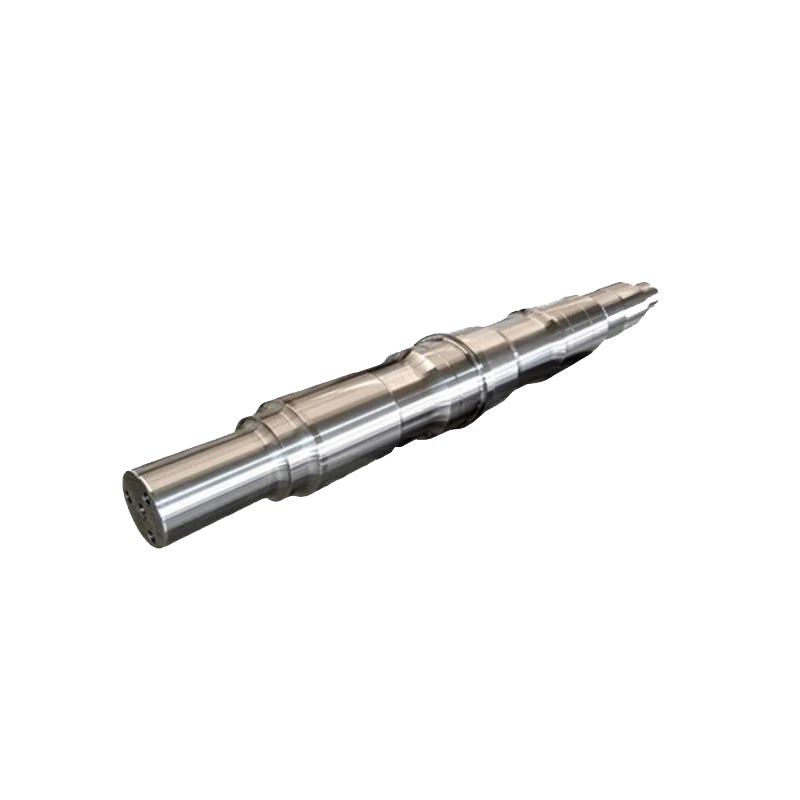
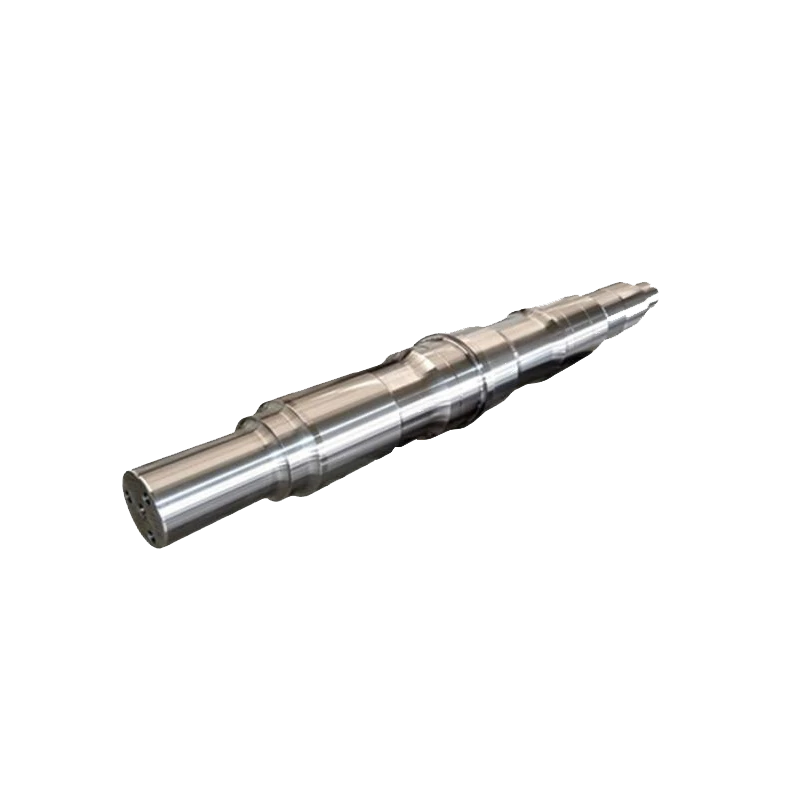 Axles
AxlesAxles are essential for vehicle load-bearing and power transmission, ensuring smooth movement and weight distribution. They must withstand high stress, torque, and impact, making material selection and precise manufacturing crucial.
-
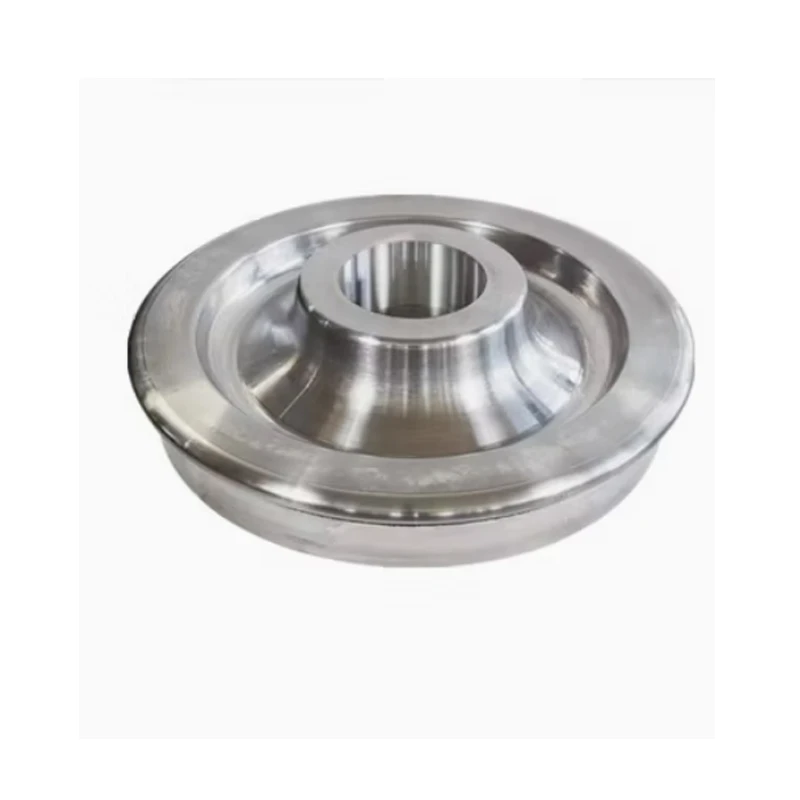 Profile S1002 Series Rail Wheels
The S1002 series rail wheels are designed for Rail-Road Vehicles (RRVs) that require seamless operation on both roads and railway tracks. Engineered with high precision and durability, these wheels conform to S1002 tread profiles, ensuring compatibility with standard railway systems.
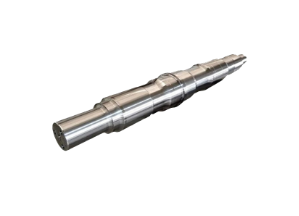
A Comprehensive Guide to Axles Types for Industry Decision Makers | Manufacturing Base
Axles Types is a key solution in the industry, specifically within heavy machinery and transportation sectors. This article explores how https://www.manufacturing-base.com supports professionals with durable, high-performance products
>
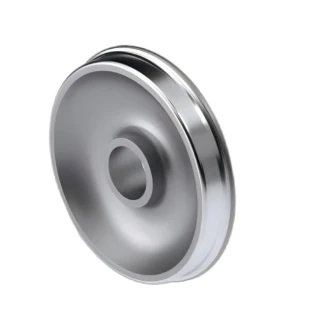
Reliable Rail Wheels: Optimize Your Rail Transport Solutions
For industries that rely on rail-based vehicles, choosing the right rail wheels is essential for smooth operations and safety.
>
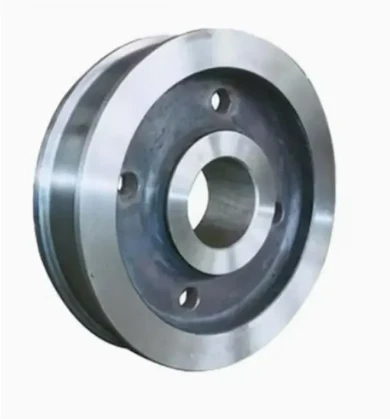
Premium Overhead Crane Wheels For Sale: Enhance Industrial Lifting Efficiency
In modern industrial operations, high-quality overhead crane wheels for sale are essential for safe, reliable, and efficient lifting.
>
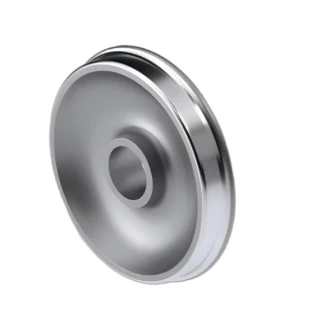
Premium Hi Rail Wheels For Sale: Boost Rail Vehicle Performance
In the modern industrial and railway sectors, having reliable hi rail wheels for sale is essential for operational efficiency and safety.
>
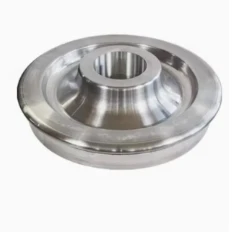
High-Quality Hi Rail Wheels For Sale: Enhance Your Rail Equipment Efficiency
When it comes to reliable rail maintenance and industrial operations, investing in hi rail wheels for sale is crucial.
>
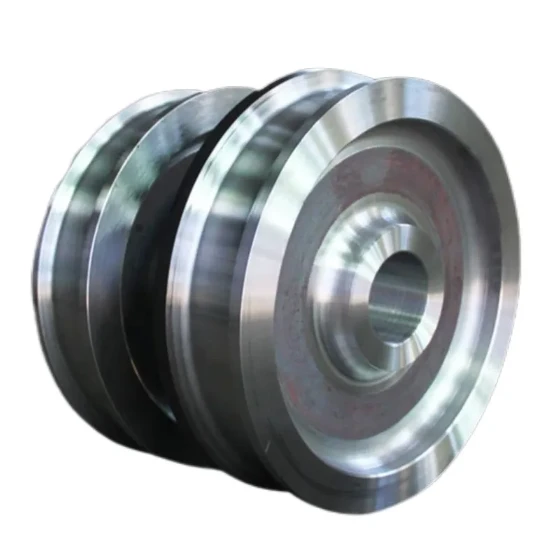
High-Quality Crane Wheels For Sale: Enhance Your Crane Operations
For industries relying on heavy lifting and material handling, investing in high-quality crane wheels for sale is crucial.
>
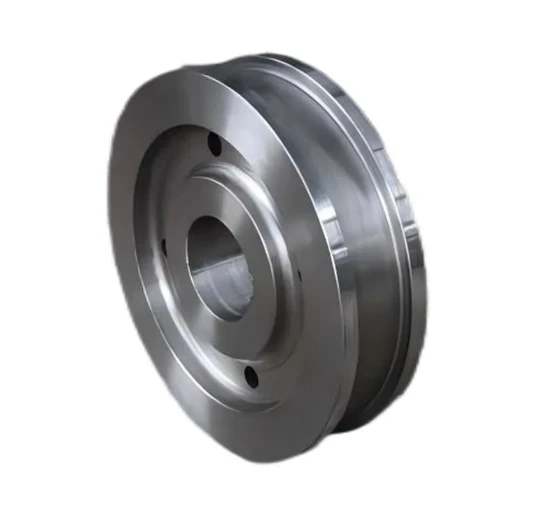
Durable Gantry Crane Wheels For Sale: Maximize Lifting Efficiency
For industries relying on heavy-duty lifting and material handling, selecting the right gantry crane wheels for sale is vital.
>
Reliable Tandem Drive Axles for Heavy-Duty Industrial Vehicles
Tandem Drive Axles: What I’ve Learned After Years in the Industrial Equipment Sector Ha
>
Reliable Semi Trailer Axles for Heavy-Duty Trailers | Expert Insight
Understanding semi trailer axles: The Backbone of Heavy Hauling Having spent more than a deca
>
RC Portal Axles: Industrial Strength and Custom Performance
RC Portal Axles: A Veteran’s Take on Industrial-Grade Performance Having spent over a d
>
Engineered for Excellence
Our forged solutions deliver reliability and performance, powering demanding industries to keep operations running smoothly.

Sign up
for Newsletter
Subscribe to the weekly newsletter for all the latest updates