- Tel: +86 311 82620404
- Cell: 86 -13739710551
- Email: sales@potentia.cn

Trailer Axles for Sale: A Global Guide to Buying Durable, Efficient Axles
Understanding Trailer Axles for Sale: Why It Matters Globally
Trailer axles might not be the flashiest topic in the transport world, but these humble components bear a heavy load—literally—on the global supply chain. Whether in logistics, construction, agriculture, or humanitarian aid, trailer axles keep vital goods moving safely and reliably. As industries modernize and economies expand, the demand for robust, efficient trailer axles for sale grows steadily. Getting to know this niche is more than just a mechanical deep-dive; it’s a window into how goods traverse continents, how innovations improve safety, and how cost-efficiency shapes global trade.
In fact, according to the World Bank, global freight and goods transport volumes have been rising by roughly 3-4% annually over the past decade. That's a lot of trailers hauling everything from raw materials to finished products. But what exactly makes a trailer axle worthwhile? That’s the puzzle this article unpacks — with insights, specs, challenges, and a sneak peek into future trends.
Why Trailer Axles Are a Global Industry Backbone
Trailers haul about 70% of freight worldwide, according to the International Transport Forum (ITF), and their axles—the axle beam, hubs, bearings, brakes—are crucial for performance and safety. Growth in developing regions, increased demand for modular logistics, and even humanitarian response underscore a pressing need: dependable, well-engineered trailer axles for sale. The global freight industry, valued in the trillions, depends on the longevity and availability of these components.
Oddly enough, challenges in supply chain delays and rising raw material costs have occasionally put the axle market under strain, which in turn can ripple into higher transport costs. Addressing these bottlenecks is not just about engineering better axles, but about global trade resilience.
Mini takeaway:
Trailer axles are more than metal parts; they're silent workhorses enabling billions in commerce. Understanding their role is key to grasping broader economic dynamics.
What Are Trailer Axles and Why Do They Matter?
Simply put, a trailer axle is the central shaft for trailers—connecting the wheels and supporting the load. Unlike vehicle axles, trailer axles deal with varying weights and terrain without the propulsion element, making design and durability even more critical. In modern industry, these axles are essential for everything from delivering food aid in earthquake zones to supporting agriculture in rural Africa.
Trailer axles for sale often come in configurations such as single, tandem, or triple setups, each suited for particular load and balance needs. Material composition, from high-grade steel to corrosion-resistant alloys, also factors heavily into how long axles last and perform.
Mini takeaway:
Trailer axles might sound straightforward, but variations and materials deeply influence their function and lifespan.
Core Components and Key Factors of Trailer Axles
1. Durability and Material Quality
Most trailer axles are made from forged steel or seamless tubes, designed to withstand heavy loads and rough roads. I noticed, in many engineering specs, corrosion resistance plays a huge role, especially for salt-exposed coastal routes or winter roads.
2. Load Capacity and Scalability
Trailer axles are rated by Gross Axle Weight Rating (GAWR). From light-duty trailers to heavy equipment haulers, picking an axle with sufficient rating ensures safety and longevity. Many manufacturers now offer modular systems allowing scaling — handy if your cargo demands shift unexpectedly.
3. Brake System Integration
Brake-ready axles are increasingly common, supporting drum or disc brakes integrated into the axle setup. Given recent safety regulations worldwide, brakes that perform reliably in wet and mountainous conditions are a must.
4. Cost Efficiency and Lifecycle
Cost is always a factor, but savvy buyers look beyond sticker price to lifecycle costs. A cheaper axle that fails early can delay shipments and rack up repair bills. Conversely, premium axles with advanced sealing and greasing systems often pay off over years.
5. Customization Options
Manufacturers now cater to diverse needs—whether it’s special mounting brackets, varied hub spacings, or coatings for heavy industrial environments.
| Specification | Example Range | Notes |
|---|---|---|
| Gross Axle Weight Rating (GAWR) | 3,500 - 20,000 lbs | Varies by axle type and material |
| Material | Forged Steel / Alloy Steel | Heat treated for toughness |
| Brake Compatibility | Drum / Disc | Dependent on hub design |
| Axle Length | 40” - 90” | Based on trailer width |
| Finish/Coating | Powder Coated / Galvanized | For corrosion resistance |
Mini takeaway:
Selecting trailer axles involves balancing strength, function, durability, and price — choosing smart upfront saves headaches down the road.
Global Applications of Trailer Axles: Real-World Examples
Trailer axles pop up everywhere—from the rice fields of Southeast Asia to the windfarm hubs in northern Europe. Each geography brings its own challenges: humidity, uneven terrain, regulatory differences.
- Humanitarian Relief: In post-disaster zones like typhoon-affected Philippines, rugged trailer axles enable trucks to deliver clean water and medical supplies on muddy, damaged roads.
- Agricultural Transport: In East Africa, trailers equipped with robust axles haul harvests over rough tracks to market towns.
- Industrial Logistics: Remote mining and oil sectors in Australia rely on heavy-duty tandem axles to move equipment reliably through challenging landscapes.
- Urban Freight: European urban logistics deploy lightweight but durable axles optimized for frequent stops and environmental regulations.
For folks juggling cargo transport, having a trusted source for trailer axles for sale means smoother operations and fewer breakdowns—critical when downtime can cost thousands daily.
Mini takeaway:
From shipping aid to hauling raw goods, trailer axles are a global workhorse with diverse demands.
Advantages and Long-Term Benefits of Investing in Quality Axles
Reliable axles aren’t just about handling weight; they safeguard people, protect cargo, and uphold business reputations. Many manufacturers report a decrease in maintenance costs by up to 30% when switching to premium axles with advanced sealing mechanisms. This is no small sum—especially for fleets with dozens or hundreds of trailers.
Then there’s the environmental angle. Durable axles reduce the frequency of part replacements and scrap, supporting sustainability goals. Socially, fewer breakdowns translate into steady jobs and safer transport conditions—a ripple effect of trust and dignity.
Looking Ahead: Trends Shaping the Future of Trailer Axles
Green initiatives and digital technologies are steadily entering this space. Lightweight materials such as composites and high-strength alloys promise better fuel efficiency and load maximization. Smart sensors embedded in axles for real-time load and wear monitoring are becoming more mainstream, enabling proactive maintenance before a failure happens.
There’s also a push for greener coatings to replace traditional paints with eco-friendlier finishes, and for manufacturing processes that lower carbon footprints. Automation in axle assembly and testing is another frontier, aiming for tighter tolerances and quality assurance.
Overcoming Challenges: Expert Solutions in Trailer Axle Procurement
The main hurdles? Supply chain disruptions, price volatility, and matching axle specs perfectly to trailer needs. Industry experts recommend building relationships with suppliers who offer customization, flexible MOQ (minimum order quantities), and transparent lead times. Also vital: robust testing standards aligned with ISO and SAE guidelines to guarantee performance consistency.
Comparing Leading Vendors of Trailer Axles
| Vendor | Range of Load Capacity | Customization Options | Lead Time | Warranty |
|---|---|---|---|---|
| Alpha Axles Co. | 3,500 - 18,000 lbs | High (custom hub & brake options) | 4-6 weeks | 3 years |
| Global Trailer Systems | 5,000 - 20,000 lbs | Medium (standard models) | 6-8 weeks | 2 years |
| SteelPro Axles | 4,000 - 15,000 lbs | Low (predefined specs) | 2-4 weeks | 1 year |
Frequently Asked Questions About Trailer Axles for Sale
Q1: How do I know what axle weight rating I need for my trailer?
A1: Start by calculating your maximum loaded trailer weight, including cargo and trailer itself. Add a safety buffer (typically 10-20%) to choose an axle with a GAWR that comfortably exceeds that. Consulting manufacturer specs and local regulations helps. If you’re hauling variable loads, consider modular or tandem axles to distribute weight effectively.
Q2: Are trailer axles for sale compatible with most trailers?
A2: Compatibility depends on axle length, spindle diameter, hub face measurements, and brake system type. While many axles are standardized, always verify exact specs with your trailer manufacturer or supplier. Custom axles might be needed for specialized trailers or applications.
Q3: How often should axle bearings be serviced?
A3: Bearing maintenance intervals vary with usage and environment, but roughly every 12,000 to 15,000 miles is common. In harsh conditions, more frequent checks are prudent. Proper greasing extends life and prevents costly failures.
Q4: Can I upgrade my current trailer axles for better performance?
A4: Yes, many operators upgrade to higher GAWR axles, add disc brakes, or choose sealed hubs for better durability. Just ensure upgrades are compatible with your trailer frame and suspension to avoid safety issues.
Q5: What certifications should I look for when purchasing trailer axles?
A5: Look for compliance with ISO 9001 manufacturing standards, SAE axle specifications, and OEM approvals. Certifications ensure quality, safety, and regulatory alignment.
Conclusion: Why Trailer Axles for Sale Are Worth Your Attention
Trailer axles may seem like a small part of a giant transport puzzle, but they're vital in keeping the wheels of global trade turning smoothly. Investing time in understanding specifications, vendors, and trends ensures you’re not just buying parts but securing reliable logistics performance. For those interested in sourcing quality, affordable units that meet today’s demanding standards, you might want to explore our full lineup of trailer axles for sale — because future shipments depend on sound foundations.
In the end, it’s about trust, safety, and sustaining commerce across borders — all riding on these often-overlooked axles.
References
-
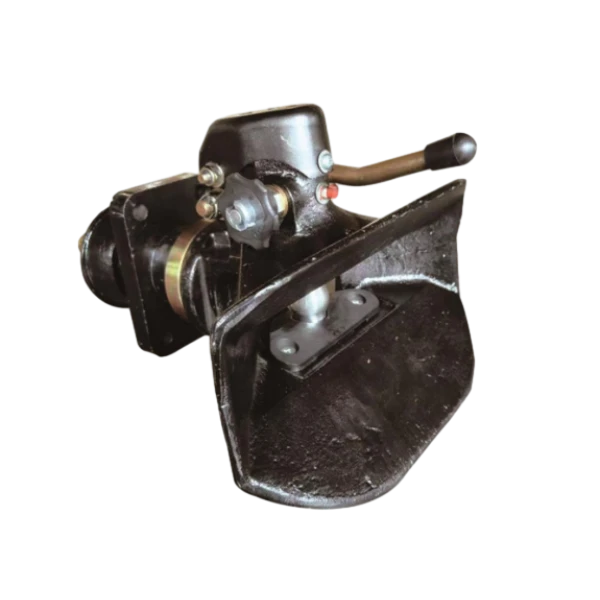 Trailer Coupling
The trailer coupling is a critical component in vehicle towing systems, designed to ensure a secure and efficient connection between a towing vehicle and a trailer. These couplings are manufactured using high-strength carbon steel, alloy steel, or stainless steel, ensuring durability and resistance to heavy loads and harsh environments.
-
 Drawbar Eyes
Drawbar eyes are essential components in towing and hauling applications, providing a strong and secure attachment point between the trailer and the towing vehicle. They are designed to endure extreme pulling forces, making them suitable for heavy-duty applications.
-
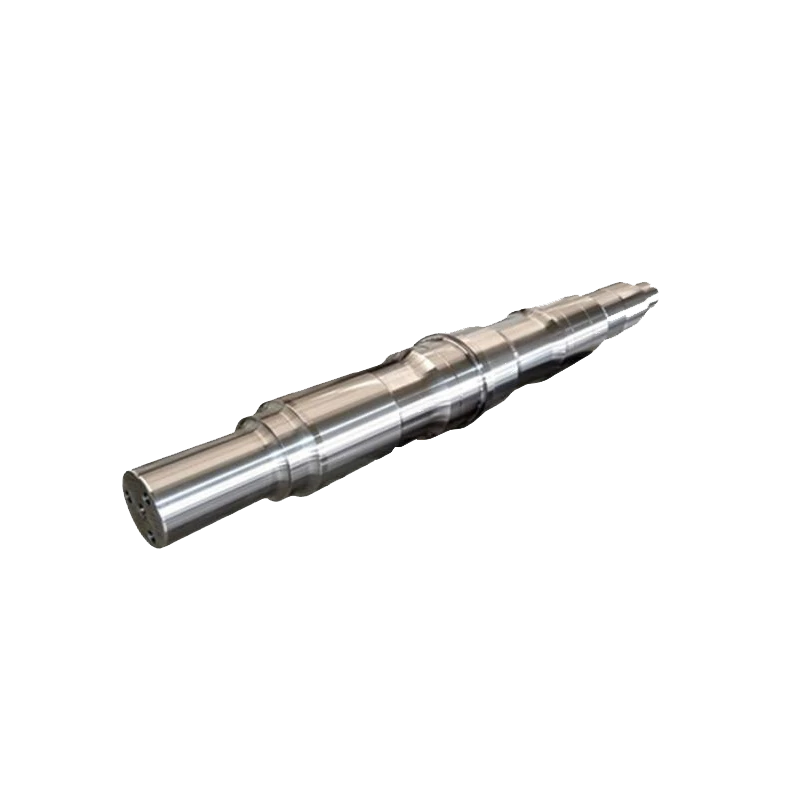 Axles
AxlesAxles are essential for vehicle load-bearing and power transmission, ensuring smooth movement and weight distribution. They must withstand high stress, torque, and impact, making material selection and precise manufacturing crucial.
-
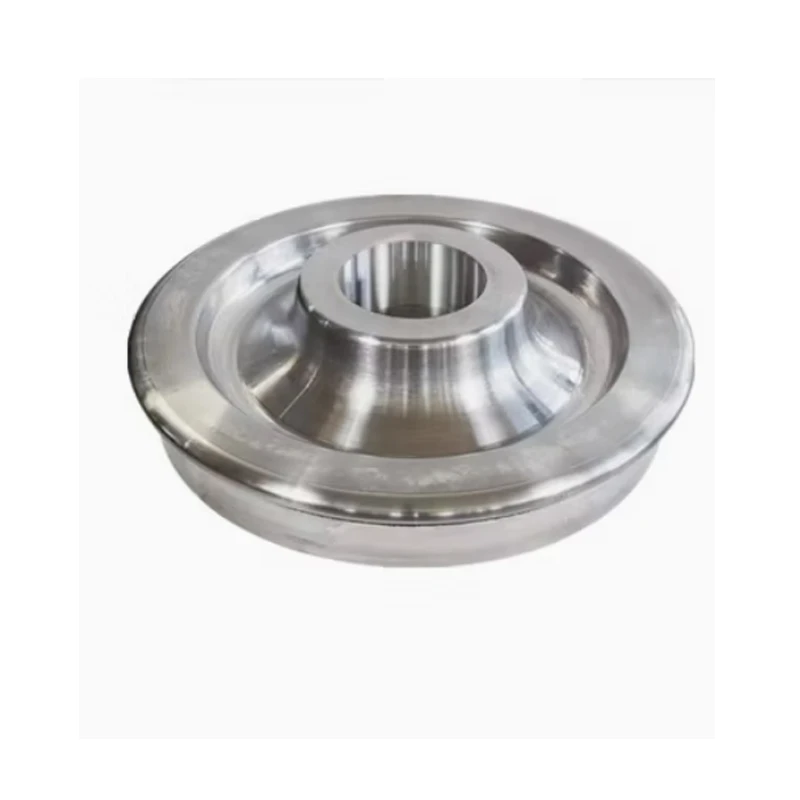 Profile S1002 Series Rail Wheels
The S1002 series rail wheels are designed for Rail-Road Vehicles (RRVs) that require seamless operation on both roads and railway tracks. Engineered with high precision and durability, these wheels conform to S1002 tread profiles, ensuring compatibility with standard railway systems.
A Comprehensive Guide to Axles Types for Industry Decision Makers | Manufacturing Base
Axles Types is a key solution in the industry, specifically within heavy machinery and transportation sectors. This article explores how https://www.manufacturing-base.com supports professionals with durable, high-performance products
>
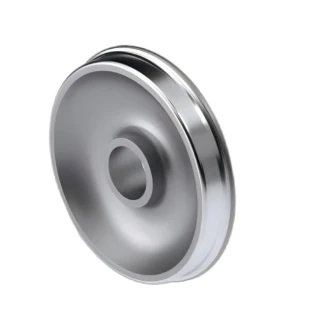
Reliable Rail Wheels: Optimize Your Rail Transport Solutions
For industries that rely on rail-based vehicles, choosing the right rail wheels is essential for smooth operations and safety.
>
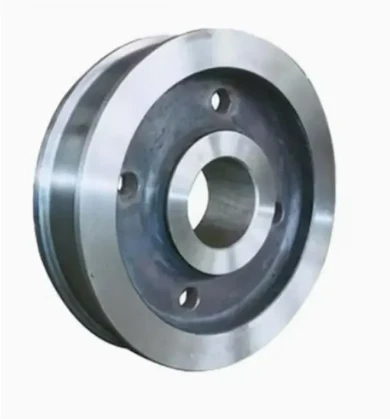
Premium Overhead Crane Wheels For Sale: Enhance Industrial Lifting Efficiency
In modern industrial operations, high-quality overhead crane wheels for sale are essential for safe, reliable, and efficient lifting.
>
Premium Hi Rail Wheels For Sale: Boost Rail Vehicle Performance
In the modern industrial and railway sectors, having reliable hi rail wheels for sale is essential for operational efficiency and safety.
>
High-Quality Hi Rail Wheels For Sale: Enhance Your Rail Equipment Efficiency
When it comes to reliable rail maintenance and industrial operations, investing in hi rail wheels for sale is crucial.
>
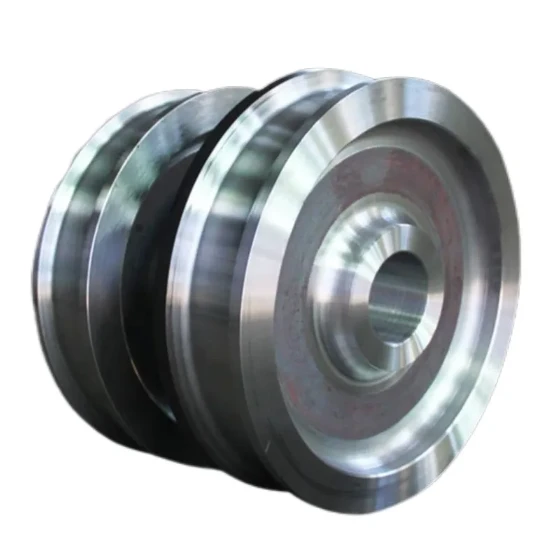
High-Quality Crane Wheels For Sale: Enhance Your Crane Operations
For industries relying on heavy lifting and material handling, investing in high-quality crane wheels for sale is crucial.
>
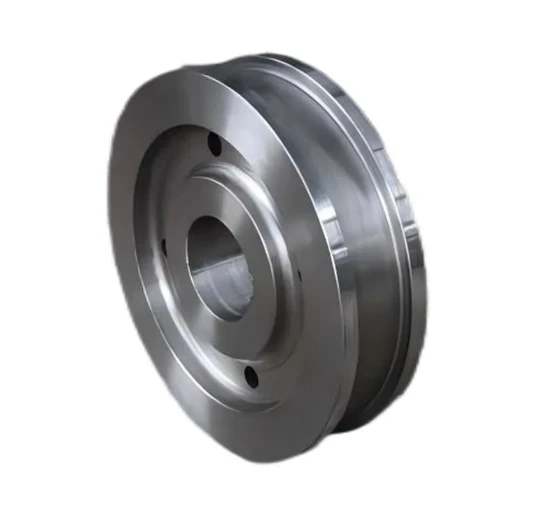
Durable Gantry Crane Wheels For Sale: Maximize Lifting Efficiency
For industries relying on heavy-duty lifting and material handling, selecting the right gantry crane wheels for sale is vital.
>
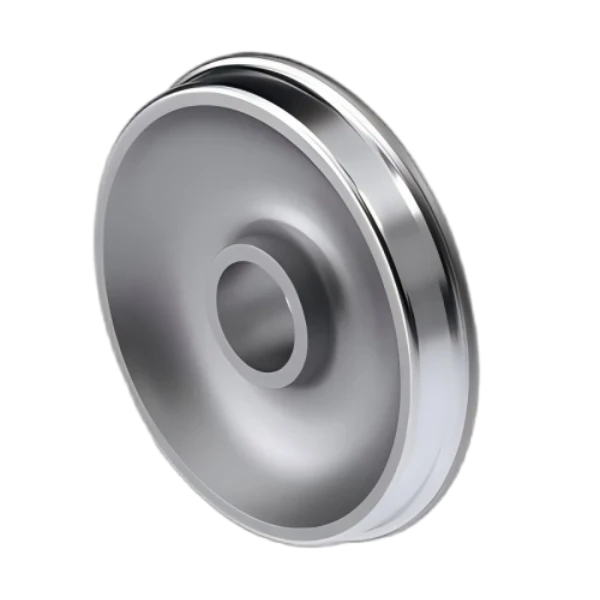
Reliable Tandem Drive Axles for Heavy-Duty Industrial Vehicles
Tandem Drive Axles: What I’ve Learned After Years in the Industrial Equipment Sector Ha
>

Reliable Semi Trailer Axles for Heavy-Duty Trailers | Expert Insight
Understanding semi trailer axles: The Backbone of Heavy Hauling Having spent more than a deca
>
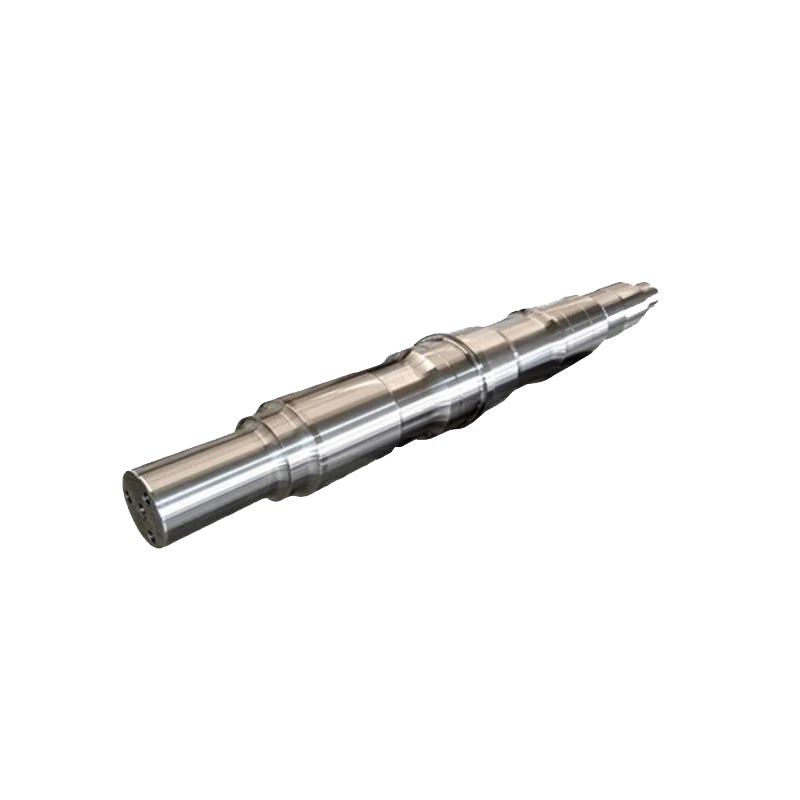
RC Portal Axles: Industrial Strength and Custom Performance
RC Portal Axles: A Veteran’s Take on Industrial-Grade Performance Having spent over a d
>
Engineered for Excellence
Our forged solutions deliver reliability and performance, powering demanding industries to keep operations running smoothly.

Sign up
for Newsletter
Subscribe to the weekly newsletter for all the latest updates