- Tel: +86 311 82620404
- Cell: 86 -13739710551
- Email: sales@potentia.cn

The Insider’s Take on Railroad Wheels: Specs, Trends & Vendors
A Veteran’s Perspective on Railroad Wheels
Having spent many years knee-deep in the industrial equipment sector, particularly around railroad technology, I’ve developed a bit of a soft spot for railroad wheels. Oddly enough, they don’t get nearly the spotlight they deserve. These steel marvels bear immense loads, endure high speeds, brutal weather, and countless stress cycles — yet their design often goes unnoticed except for the folks who really need to know.
At the heart of things: railroad wheels aren’t just circular bits of steel slapped onto axles. They’re a blend of meticulous engineering, rigorous testing, and sometimes a bit of artistic craftsmanship. It kind of reminds me of the old railway workers who always insisted on checking wheels by hand — a ritual that went beyond just safety, almost spiritual in its reverence for these components.
What Makes a Great Railroad Wheel?
I suppose the easiest way to answer this is “quality steel, precision manufacturing, and design optimized for both traction and durability.” Most wheels are forged or cast from carbon or alloy steels, engineered to strike the right balance between hardness and toughness. Too hard? They crack. Too soft? They wear off fast. For example, the wheel’s tread profile is calibrated to reduce slippage yet keep noise and flange wear minimal.
One trend I’ve noticed lately is increasing customization. Many rail operators demand wheels built to specific track conditions or climate. So, some manufacturers use special heat treatments or proprietary alloys tailored for colder regions or freight versus passenger trains.
| Specification | Typical Range | Notes |
|---|---|---|
| Diameter | 760 mm – 920 mm | Depends on type of rolling stock |
| Material | Forged Steel (SAE 1020, 4140 alloy) | Heat treated for strength |
| Tread Hardness | 320–380 HBW | Balancing wear resistance and toughness |
| Flange Height | 28 mm – 35 mm | Critical for track guidance |
| Weight | ~100 – 160 kg | Varies by size & design |
Choosing the Right Vendor for Railroad Wheels
Now, here’s a part that often catches newcomers off guard: not all wheel manufacturers are created equal. From my experience, it pays to look beyond just price.
One vendor might offer reasonably priced wheels but with limited customization or longer lead times. Another might have an impressive quality assurance program with onsite testing but charge a premium. Then there’s local support and after-sales service — often the unsung hero in maintaining a fleet’s operational uptime.
| Vendor | Customization | Lead Time | Testing & Certification | Customer Support | Average Price |
|---|---|---|---|---|---|
| SteelRail Co. | High | 4-6 weeks | ISO & ASTM certified | Excellent, 24/7 | $$$ |
| TrackWorks Ltd. | Medium | 6-8 weeks | ISO certified | Good, business hours | $$ |
| RailTec Industries | Low | 3-4 weeks | Basic internal QA | Basic, email only | $ |
For instance, I remember working with one freight operator switching vendors because their last supplier’s wheels didn’t hold the promised hardness after a year — despite passing all initial tests. A costly lesson, and frankly it sent ripples through the maintenance team. It also underscored how lead times and testing rigor can’t be compromised.
Final Thoughts on railroad wheels
In real terms, these wheels are the unsung heroes of railways. Whenever you roll past a train yard or hear a goods train clatter, give a moment to the wheels — those unsleeping giants beneath carrying tons of cargo without complaint. If you’re sourcing wheels or just curious, remember: quality, testing, and a reliable vendor relationship matter most.
Sometimes I wonder if in the future they’ll be “smarter” – embedded with sensors or special materials to self-report wear. For now, though, it's all craftsmanship, physics, and human judgment rolled into one.
References & reflections:
- Personal field experience and supplier meetings over 15 years.
- Industry standards: ASTM F864 for railroad wheels.
- Conversations with maintenance crews highlighting common failure modes.
-
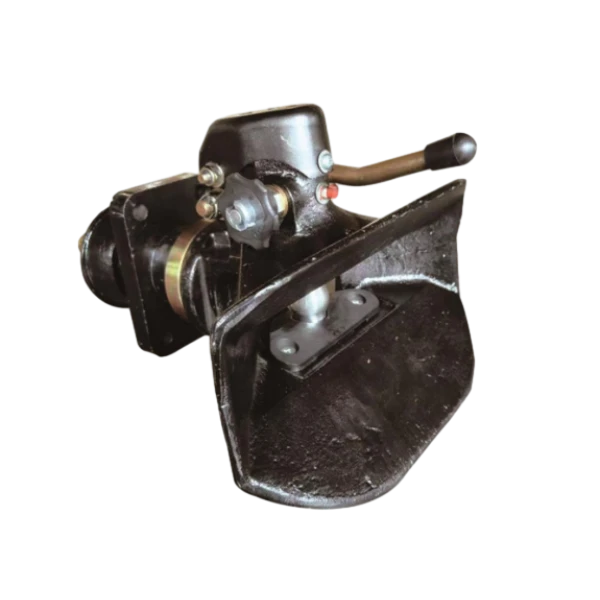 Trailer Coupling
The trailer coupling is a critical component in vehicle towing systems, designed to ensure a secure and efficient connection between a towing vehicle and a trailer. These couplings are manufactured using high-strength carbon steel, alloy steel, or stainless steel, ensuring durability and resistance to heavy loads and harsh environments.
-
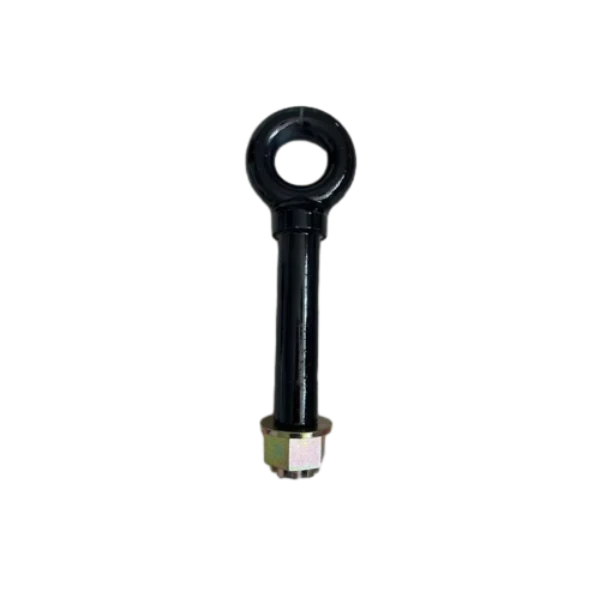
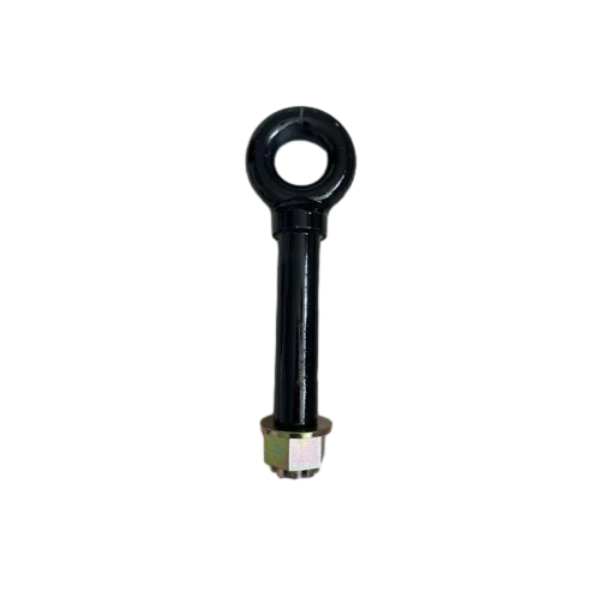 Drawbar Eyes
Drawbar eyes are essential components in towing and hauling applications, providing a strong and secure attachment point between the trailer and the towing vehicle. They are designed to endure extreme pulling forces, making them suitable for heavy-duty applications.
-
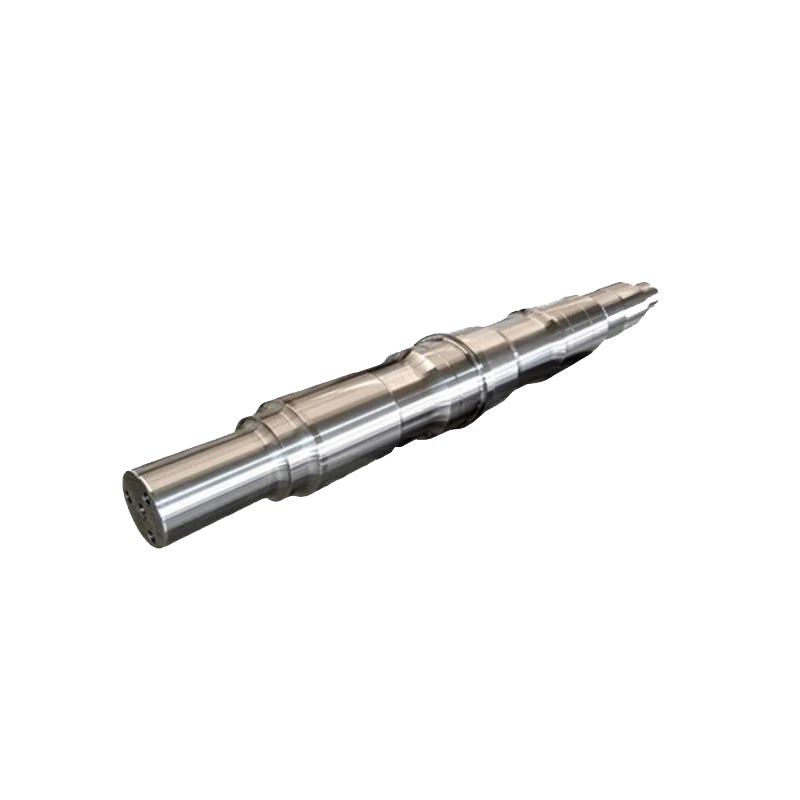
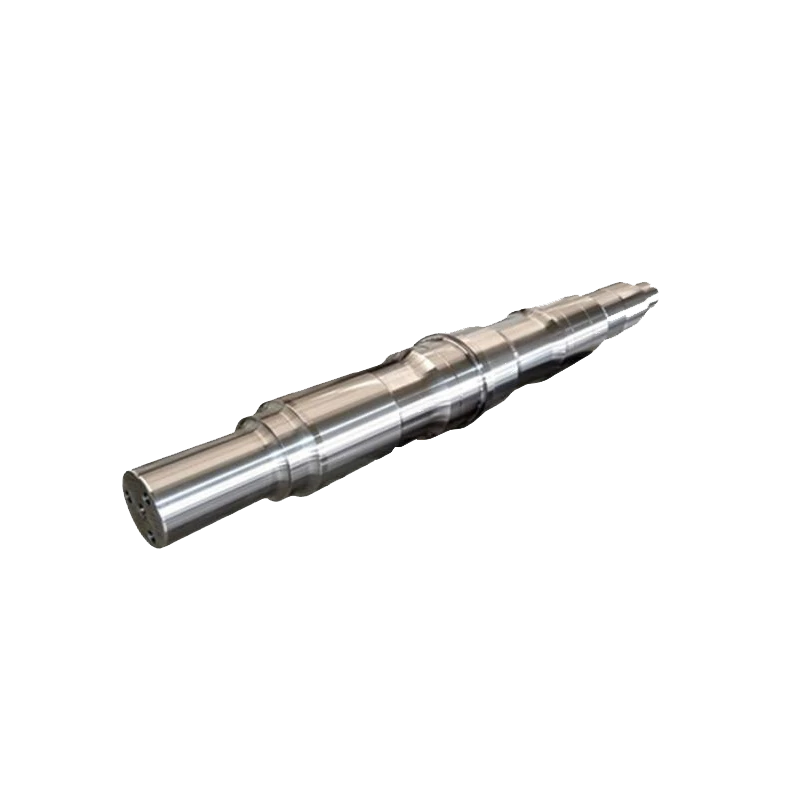 Axles
AxlesAxles are essential for vehicle load-bearing and power transmission, ensuring smooth movement and weight distribution. They must withstand high stress, torque, and impact, making material selection and precise manufacturing crucial.
-
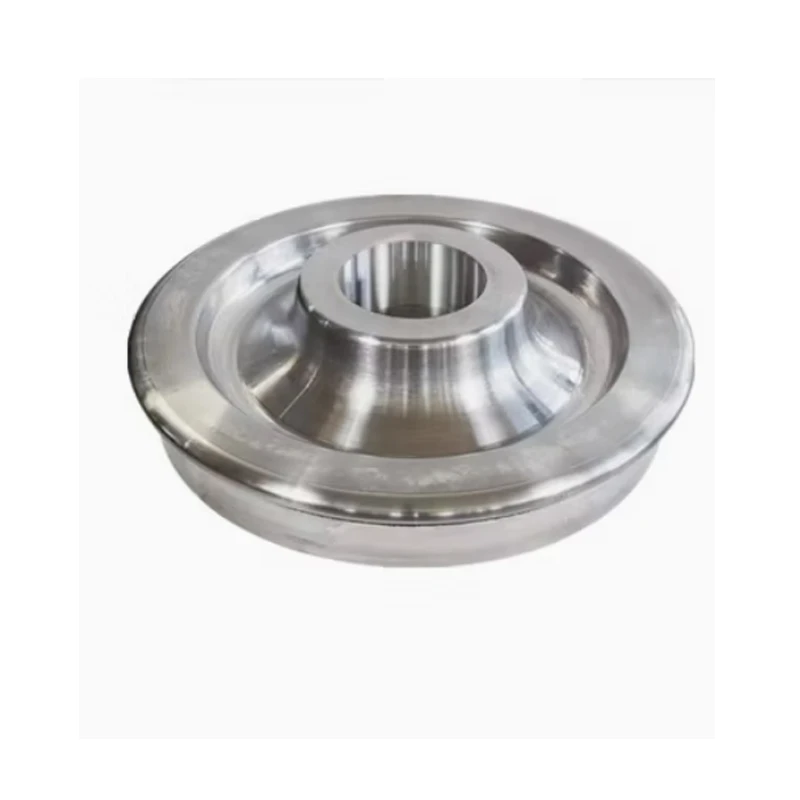 Profile S1002 Series Rail Wheels
The S1002 series rail wheels are designed for Rail-Road Vehicles (RRVs) that require seamless operation on both roads and railway tracks. Engineered with high precision and durability, these wheels conform to S1002 tread profiles, ensuring compatibility with standard railway systems.
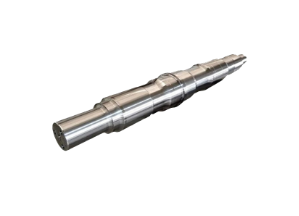
A Comprehensive Guide to Axles Types for Industry Decision Makers | Manufacturing Base
Axles Types is a key solution in the industry, specifically within heavy machinery and transportation sectors. This article explores how https://www.manufacturing-base.com supports professionals with durable, high-performance products
>
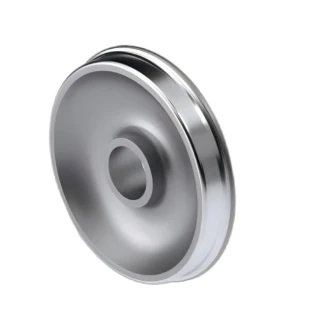
Reliable Rail Wheels: Optimize Your Rail Transport Solutions
For industries that rely on rail-based vehicles, choosing the right rail wheels is essential for smooth operations and safety.
>
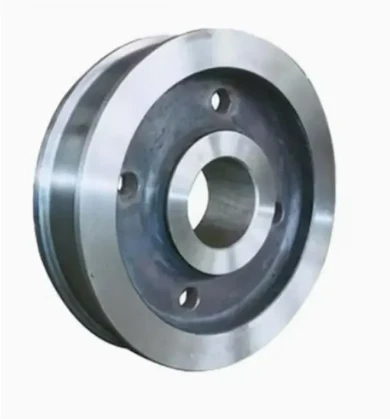
Premium Overhead Crane Wheels For Sale: Enhance Industrial Lifting Efficiency
In modern industrial operations, high-quality overhead crane wheels for sale are essential for safe, reliable, and efficient lifting.
>
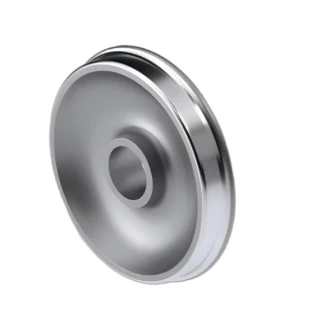
Premium Hi Rail Wheels For Sale: Boost Rail Vehicle Performance
In the modern industrial and railway sectors, having reliable hi rail wheels for sale is essential for operational efficiency and safety.
>
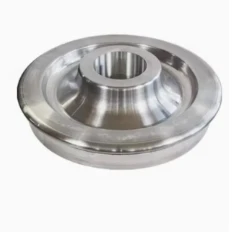
High-Quality Hi Rail Wheels For Sale: Enhance Your Rail Equipment Efficiency
When it comes to reliable rail maintenance and industrial operations, investing in hi rail wheels for sale is crucial.
>
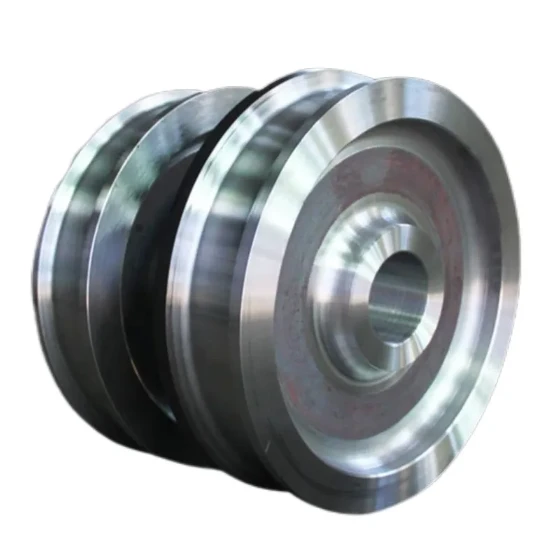
High-Quality Crane Wheels For Sale: Enhance Your Crane Operations
For industries relying on heavy lifting and material handling, investing in high-quality crane wheels for sale is crucial.
>
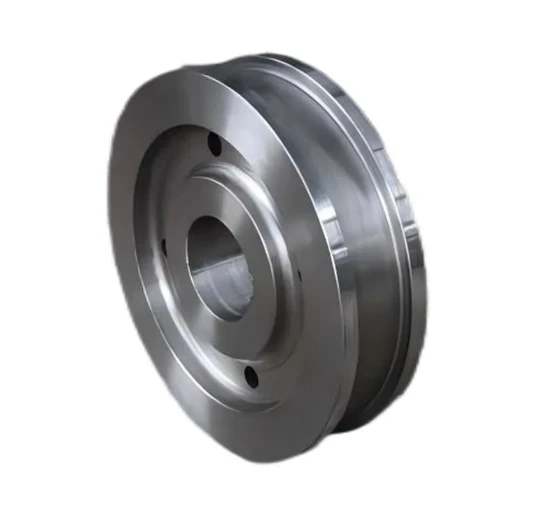
Durable Gantry Crane Wheels For Sale: Maximize Lifting Efficiency
For industries relying on heavy-duty lifting and material handling, selecting the right gantry crane wheels for sale is vital.
>
Reliable Tandem Drive Axles for Heavy-Duty Industrial Vehicles
Tandem Drive Axles: What I’ve Learned After Years in the Industrial Equipment Sector Ha
>
Reliable Semi Trailer Axles for Heavy-Duty Trailers | Expert Insight
Understanding semi trailer axles: The Backbone of Heavy Hauling Having spent more than a deca
>
RC Portal Axles: Industrial Strength and Custom Performance
RC Portal Axles: A Veteran’s Take on Industrial-Grade Performance Having spent over a d
>
Engineered for Excellence
Our forged solutions deliver reliability and performance, powering demanding industries to keep operations running smoothly.

Sign up
for Newsletter
Subscribe to the weekly newsletter for all the latest updates