- Tel: +86 311 82620404
- Cell: 86 -13739710551
- Email: sales@potentia.cn

Role of Rail Wheels applied in Modern Transportation
Rail systems rely on a complex interplay of components, with rail car wheel, rails wheels, wheel and rail interactions, and the expertise of rail wheels manufacturers and rail wheels suppliers forming the backbone of efficient, safe transportation. Each element contributes uniquely to ensuring that rail-based operations—from freight hauling to passenger transit—run seamlessly.
Rail Car Wheel: Engineering for Strength and Precision
A rail car wheel is a meticulously engineered component designed to bear massive loads while maintaining consistent contact with rails. Crafted from high-grade alloy steels, often fortified with manganese or chromium, these wheels are heat-treated to enhance hardness and resistance to wear, ensuring they withstand the constant friction and stress of daily operation. The rail car wheel features a precision-machined tread, which minimizes rolling resistance to improve energy efficiency, and a flange—a raised inner edge—that guides the wheel along the rail, preventing derailment, especially on curves. For freight rail cars, wheels are built with thicker rims and reinforced hubs to handle extreme weights, sometimes exceeding 100 tons per axle, while passenger rail wheels prioritize balance to reduce vibration and noise, enhancing ride comfort. Regular inspections for cracks, tread degradation, or flange wear are critical to extending their lifespan, as even minor imperfections can compromise safety.
Rails Wheels: A Broad Category of Rail-Bound Components
Rails wheels encompass a wide range of wheel types used across rail systems, from light-duty industrial carts to heavy-haul locomotives. Unlike specialized rail car wheel designs, rails wheels are adaptable, with variations in size, material, and tread profile to suit different applications. For example, industrial rails wheels used in factory transport systems are often smaller and lighter, prioritizing maneuverability, while those for railway maintenance vehicles are larger and more durable, built to traverse rough or temporary tracks. What unites all rails wheels is their reliance on rail contact for stability; their design ensures they stay aligned with rails, whether in controlled industrial settings or expansive railway networks. Materials range from carbon steel for standard use to alloy blends for high-stress environments, ensuring longevity and performance across diverse use cases.
Wheel and Rail: The Critical Interface
The interaction between wheel and rail is a cornerstone of rail system performance, influencing everything from speed and efficiency to safety and maintenance needs. The wheel and rail interface must balance several factors: the wheel’s tread must make consistent contact with the rail to distribute weight evenly, while minimizing friction to reduce energy loss. On curves, the flange of the wheel presses against the rail’s inner edge, providing lateral stability, but this contact also causes wear—engineers design both components to withstand this stress, often using hardened steel for rails and optimizing wheel tread curvature to spread wear evenly. Environmental factors like moisture, debris, or temperature changes can affect the wheel and rail interface; for example, rain can reduce friction, increasing the risk of slipping, while snow or ice may require de-icing to maintain traction. Regular maintenance, such as grinding rails to restore smoothness or replacing worn wheels, ensures this interface remains efficient and safe over time.
Rail Wheels Manufacturers: Crafting Quality and Consistency
Rail wheels manufacturers play a pivotal role in ensuring rail systems perform reliably, combining technical expertise with advanced manufacturing processes to produce high-quality wheels. These manufacturers start with raw materials—selecting alloy steels for their strength and durability—and use precision techniques like forging, heat treatment, and machining to shape wheels with exacting tolerances. For rail car wheel production, manufacturers focus on uniformity, ensuring each wheel has consistent hardness, tread profile, and flange dimensions to avoid uneven wear or vibration. They also conduct rigorous testing, including ultrasonic inspections for internal defects and fatigue testing to simulate years of use, ensuring compliance with international standards. Many rail wheels manufacturers offer custom solutions, tailoring wheel designs to specific rail gauges, load requirements, or environmental conditions, from mining operations to high-speed passenger lines.
Rail Wheels Suppliers: Connecting Production to Application
Rail wheels suppliers act as intermediaries between manufacturers and end-users, ensuring timely access to the right wheels for every need. These suppliers maintain extensive inventories, stocking everything from standard rail car wheel models to specialized rails wheels for industrial use, allowing quick fulfillment of orders. Beyond distribution, rail wheels suppliers provide valuable support: they advise customers on wheel selection, considering factors like load capacity, rail type, and operating environment, and offer technical guidance on installation and maintenance. For large-scale projects, such as railway expansions or industrial overhauls, rail wheels suppliers coordinate with manufacturers to deliver custom orders, managing logistics to ensure on-time delivery. They also stay updated on industry trends, such as advancements in wheel materials or design, ensuring their customers have access to the latest, most efficient solutions.
Rail Wheels FAQs
What factors determine the lifespan of a rail car wheel?
A rail car wheel’s lifespan depends on load, usage frequency, and maintenance. Heavy freight use can wear wheels faster, with typical lifespans of 20–30 years, while passenger wheels, under lighter loads, may last 30–40 years. Regular inspections and re-profiling of treads can extend life by addressing wear early.
How do rails wheels differ from automotive wheels?
Rails wheels rely on rails for alignment and support, with fixed tread profiles and often flanges for stability, while automotive wheels are designed for road contact, with tires providing cushioning and steering flexibility. Rails wheels are also typically made of solid steel, unlike automotive wheels, which may be alloy or composite with rubber tires.
Why is the wheel and rail interface so important?
The wheel and rail interface directly impacts safety, efficiency, and maintenance costs. Poor alignment or excessive wear can cause vibrations, reduce speed, or lead to derailments, while a well-designed interface ensures smooth, energy-efficient movement and minimizes wear on both components.
What should buyers look for in rail wheels manufacturers?
Buyers should prioritize rail wheels manufacturers with a track record of quality, certifications (like ISO standards), and testing protocols. Customization capabilities, adherence to industry specifications, and transparent quality control processes are also key, ensuring wheels meet specific operational needs.
How can rail wheels suppliers assist in selecting the right product?
Rail wheels suppliers offer expertise in matching wheels to applications, considering factors like load, rail type, and environment. They can provide technical data, recommend maintenance practices, and coordinate with manufacturers for custom orders, ensuring customers get wheels that balance performance and cost-effectiveness.
From the precision of the rail car wheel to the adaptability of rails wheels, and the critical interplay of wheel and rail, these components form the foundation of reliable rail systems. With support from skilled rail wheels manufacturers and suppliers, industries can leverage rail technology to achieve efficiency, safety, and longevity in their operations.
-
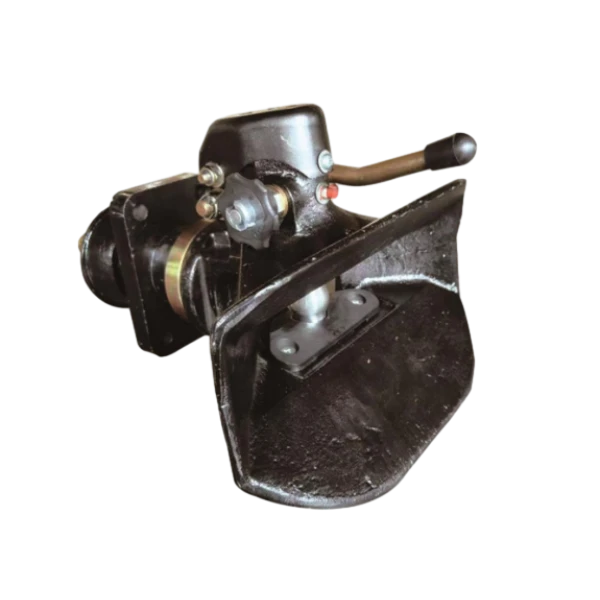 Trailer Coupling
The trailer coupling is a critical component in vehicle towing systems, designed to ensure a secure and efficient connection between a towing vehicle and a trailer. These couplings are manufactured using high-strength carbon steel, alloy steel, or stainless steel, ensuring durability and resistance to heavy loads and harsh environments.
-
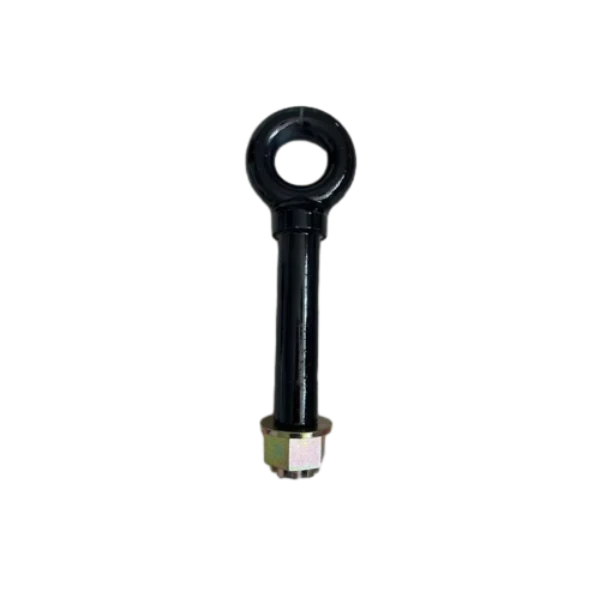
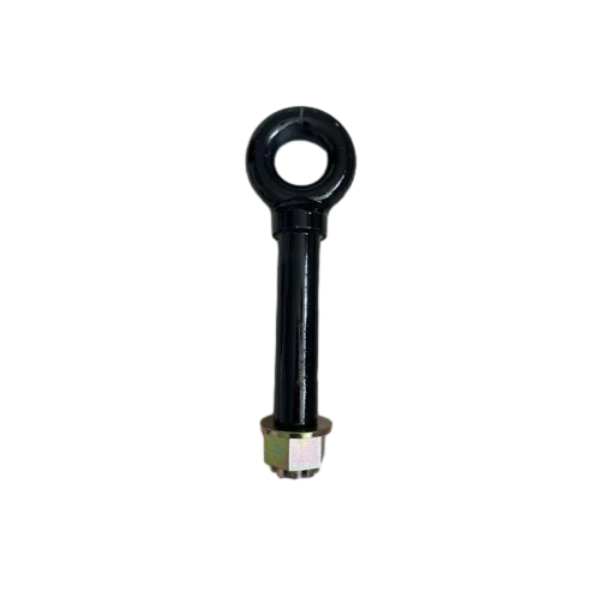 Drawbar Eyes
Drawbar eyes are essential components in towing and hauling applications, providing a strong and secure attachment point between the trailer and the towing vehicle. They are designed to endure extreme pulling forces, making them suitable for heavy-duty applications.
-
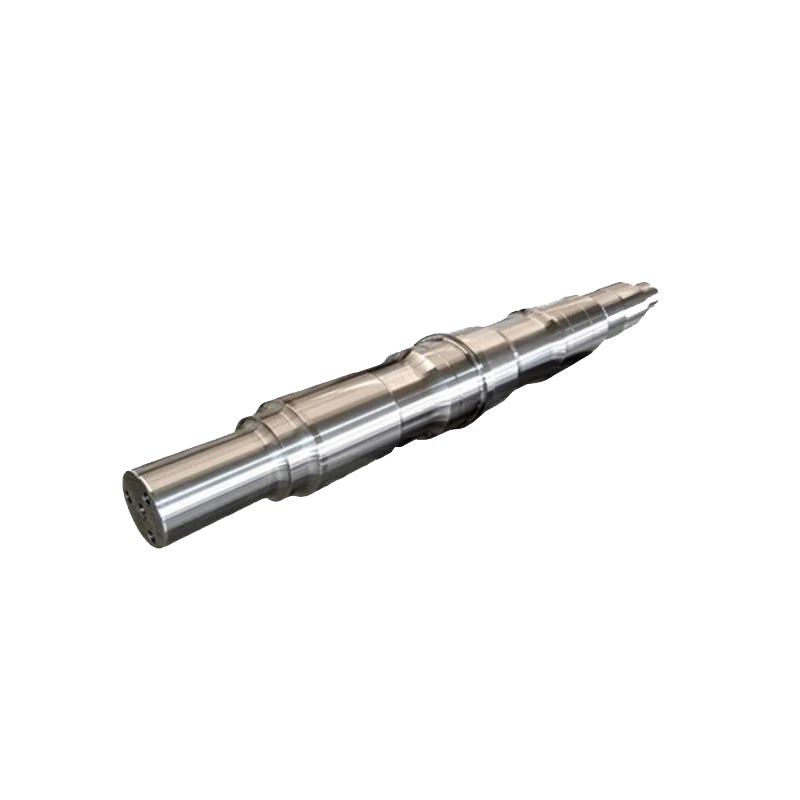
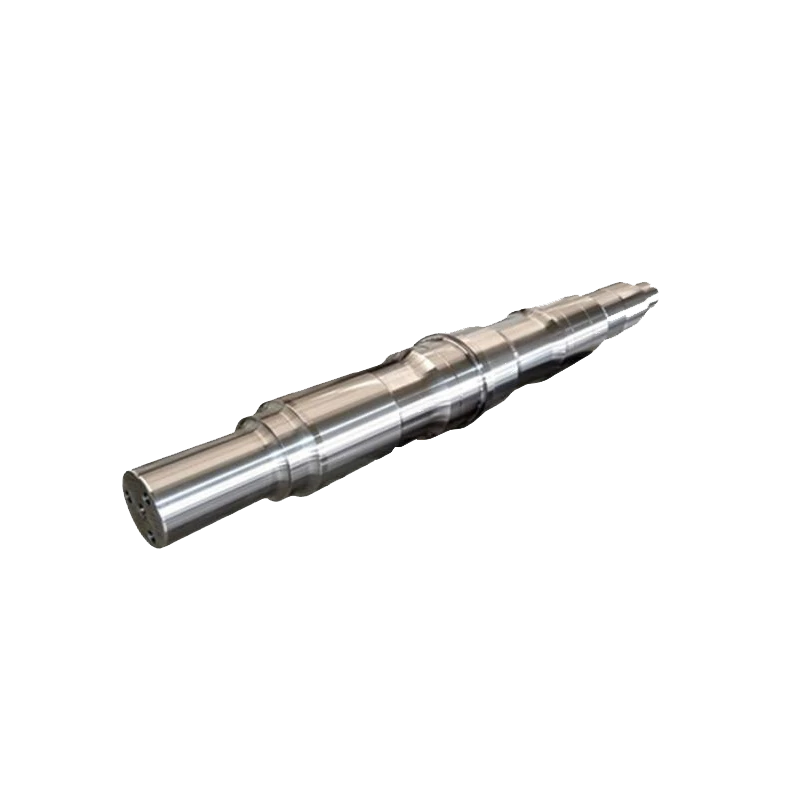 Axles
AxlesAxles are essential for vehicle load-bearing and power transmission, ensuring smooth movement and weight distribution. They must withstand high stress, torque, and impact, making material selection and precise manufacturing crucial.
-
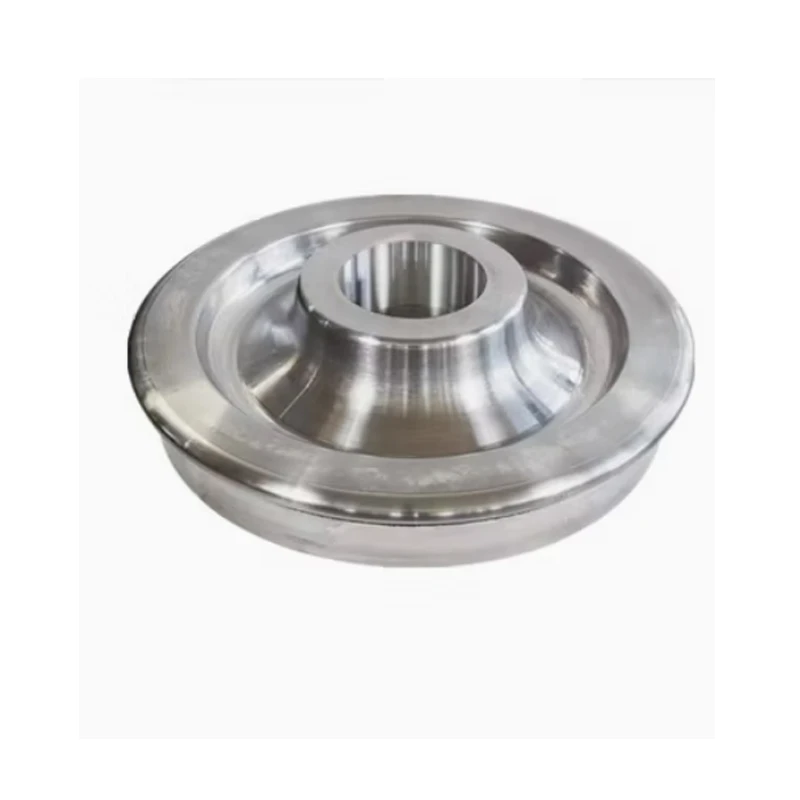 Profile S1002 Series Rail Wheels
The S1002 series rail wheels are designed for Rail-Road Vehicles (RRVs) that require seamless operation on both roads and railway tracks. Engineered with high precision and durability, these wheels conform to S1002 tread profiles, ensuring compatibility with standard railway systems.
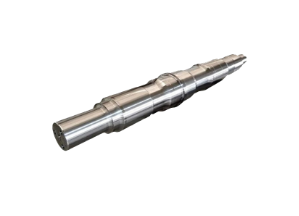
A Comprehensive Guide to Axles Types for Industry Decision Makers | Manufacturing Base
Axles Types is a key solution in the industry, specifically within heavy machinery and transportation sectors. This article explores how https://www.manufacturing-base.com supports professionals with durable, high-performance products
>
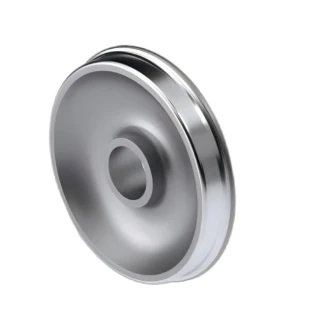
Reliable Rail Wheels: Optimize Your Rail Transport Solutions
For industries that rely on rail-based vehicles, choosing the right rail wheels is essential for smooth operations and safety.
>
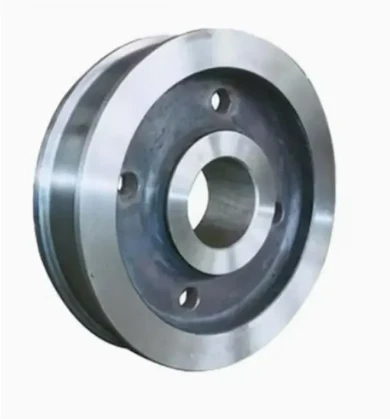
Premium Overhead Crane Wheels For Sale: Enhance Industrial Lifting Efficiency
In modern industrial operations, high-quality overhead crane wheels for sale are essential for safe, reliable, and efficient lifting.
>
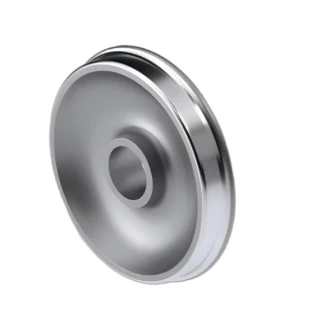
Premium Hi Rail Wheels For Sale: Boost Rail Vehicle Performance
In the modern industrial and railway sectors, having reliable hi rail wheels for sale is essential for operational efficiency and safety.
>
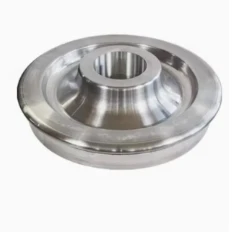
High-Quality Hi Rail Wheels For Sale: Enhance Your Rail Equipment Efficiency
When it comes to reliable rail maintenance and industrial operations, investing in hi rail wheels for sale is crucial.
>
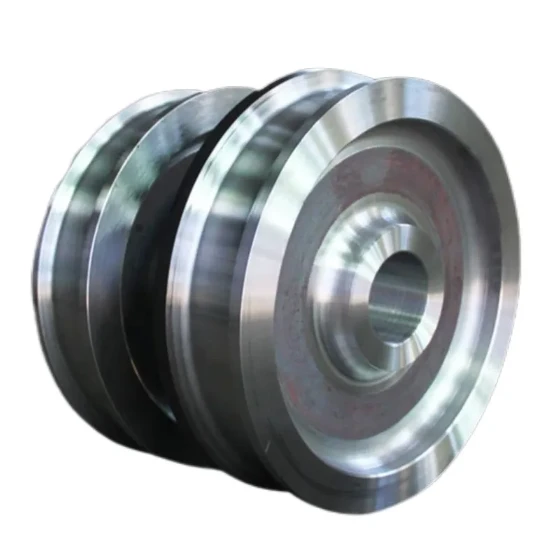
High-Quality Crane Wheels For Sale: Enhance Your Crane Operations
For industries relying on heavy lifting and material handling, investing in high-quality crane wheels for sale is crucial.
>
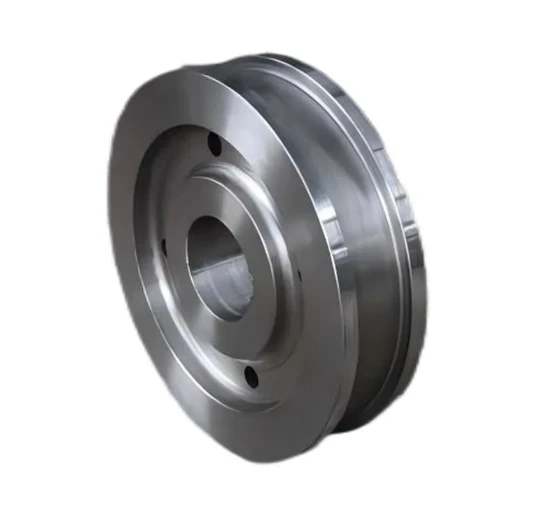
Durable Gantry Crane Wheels For Sale: Maximize Lifting Efficiency
For industries relying on heavy-duty lifting and material handling, selecting the right gantry crane wheels for sale is vital.
>
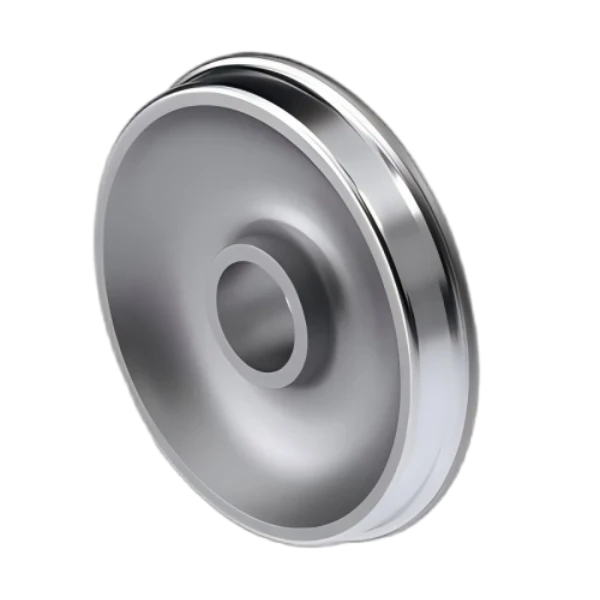
Reliable Tandem Drive Axles for Heavy-Duty Industrial Vehicles
Tandem Drive Axles: What I’ve Learned After Years in the Industrial Equipment Sector Ha
>
Reliable Semi Trailer Axles for Heavy-Duty Trailers | Expert Insight
Understanding semi trailer axles: The Backbone of Heavy Hauling Having spent more than a deca
>
RC Portal Axles: Industrial Strength and Custom Performance
RC Portal Axles: A Veteran’s Take on Industrial-Grade Performance Having spent over a d
>
Engineered for Excellence
Our forged solutions deliver reliability and performance, powering demanding industries to keep operations running smoothly.

Sign up
for Newsletter
Subscribe to the weekly newsletter for all the latest updates