- Tel: +86 311 82620404
- Cell: 86 -13739710551
- Email: sales@potentia.cn

Reliable Train Track Wheels for Industrial Efficiency
The Unsung Hero of Rail Systems: Train Track Wheels
If you’ve ever worked around rail conveyors or industrial rail transport, you know how critical the train track wheel really is. It tends to fly under the radar — not glamorous, not headline-grabbing — but without a dependable wheel on the tracks, the whole system slows, grinds, or worse. Having spent years in the industrial equipment trenches, I can say that choosing the right wheel isn’t just about picking a round piece of steel. It’s about durability, precision, and materials that wear well under unforgiving loads.
What Makes a Train Track Wheel Tough Enough?
From my experience, the first thing that jumps out is the material composition. Most industry players favor high-grade manganese steel or forged alloy steel because these materials strike a balance between resistance and weight. It’s funny — many engineers overlook how even small impurities or poorly treated metal can cause operational hiccups down the line. You think “steel is steel,” but the difference is night and day, especially after a year’s wear.
The design also matters (obviously). These wheels aren’t just simple disks; variations in flange height, tread width, and profile shape can impact how smoothly the wheel tracks along the rails. Profile wear is a silent killer. Over time, even a tiny channel or edge mismatch magnifies vibrations and noise — another reason why custom wheel design tailored to the specific rail gauge can save headaches in the long run.
Testing is no joke here. Shock loads, temperature variations, and environmental conditions like dust or moisture require rigorous labs to simulate—and frankly, not all manufacturers put their wheels through enough real-world torture. It feels like a gamble sometimes, picking a supplier, but knowing the wheel passed certified impact and fatigue tests gives a much-needed peace of mind.
Train Track Wheel Specifications: What You Need to Know
| Specification | Typical Range | Notes |
|---|---|---|
| Wheel Diameter | 150 mm – 600 mm | Depends on load and rail size |
| Bearing Type | Sealed Roller / Ball Bearings | Sealed for dust resistance |
| Material | Forged Alloy Steel / Heat Treated Steel | Heat treatment extends wheel life |
| Flange Height | 18 mm – 26 mm | Customizable for gauge |
| Load Capacity | Up to 10,000 kg per wheel | Varies by size and bearing |
Vendor Comparison: Finding the Right Partner
| Supplier | Material Quality | Customization Options | Lead Time | Global Reach |
|---|---|---|---|---|
| SteelTrac Ltd. | High (Forged Alloy) | Comprehensive profiles & sizes | 3-5 weeks | Europe, Asia |
| RailWorks Co. | Medium (Heat Treated Steel) | Limited flange customization | 2-4 weeks | North America |
| ConveyRail Inc. | High (Manganese Steel) | Custom profiles and coatings | 4-6 weeks | Global |
What I find genuinely interesting is how some suppliers have managed to blend custom engineering with agile production. I remember working on a plant upgrade where a tight turnaround meant we had to work closely with a vendor to tweak flange sizes mid-production. Not every supplier would bend, but that flexibility saved us weeks.
On the usage front, wheels endure a surprising variety of environments—from freezing warehouses to dusty steel mills. In one project, a manganese steel wheel outperformed the alloy counterparts dramatically when exposed to abrasive grit. It’s those small lessons you only catch when you’ve had your boots dusty for long enough.
So, if you’re on the hunt for a reliable train track wheel, consider not only the spec sheets but also the supplier’s testing rigor, willingness to customize, and the real-world reviews. Those elements tend to make or break the operational lifespan—and your sanity.
And if you want to kick off your journey with trusted manufacturing partners, you might want to explore train track wheel offerings from established platforms. Sometimes, it pays to start at a base you can trust.
At the end of the day, wheels are simple, yes. But the devil’s in the details—track wear, load capacity, material bonafides. It’s a world I’m happy to have spent my share in.
References:
1. Industry discussions with rail engineers, 2022
2. Material fatigue tests from ConveyRail Labs, 2023
3. Field case study: Midwest industrial plant upgrade, 2021
-
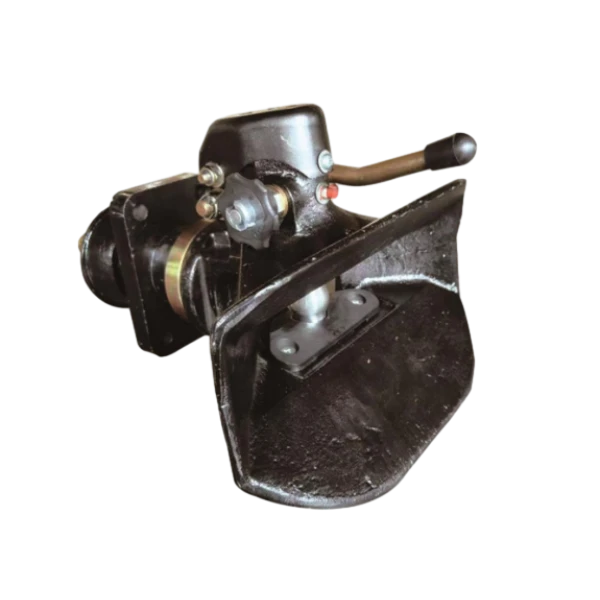 Trailer Coupling
The trailer coupling is a critical component in vehicle towing systems, designed to ensure a secure and efficient connection between a towing vehicle and a trailer. These couplings are manufactured using high-strength carbon steel, alloy steel, or stainless steel, ensuring durability and resistance to heavy loads and harsh environments.
-
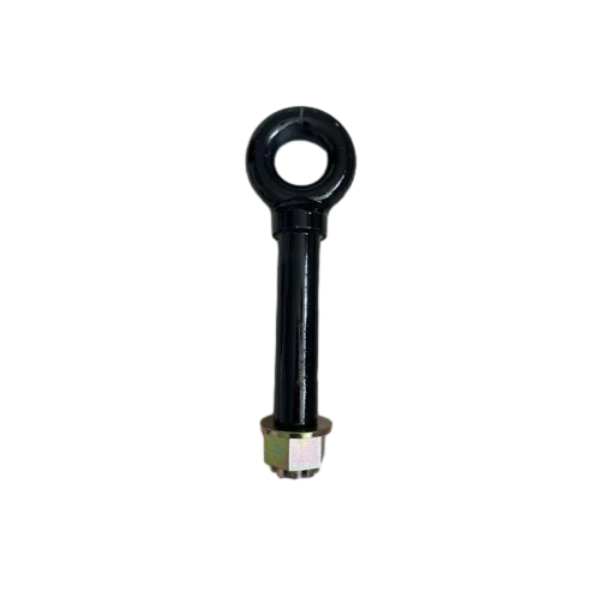 Drawbar Eyes
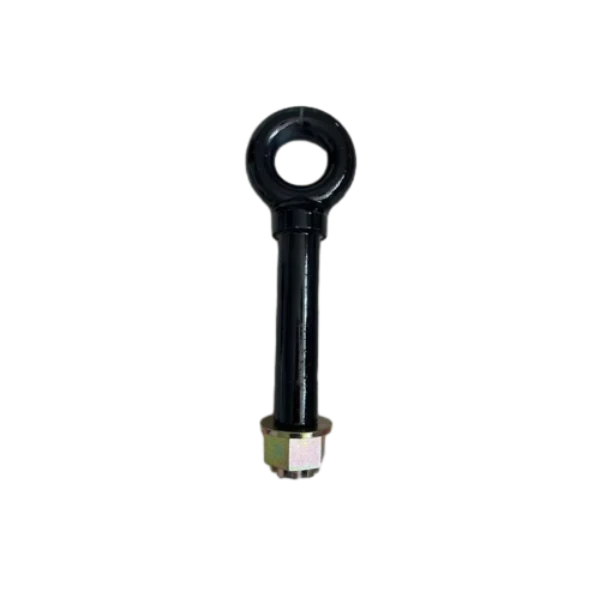
Drawbar eyes are essential components in towing and hauling applications, providing a strong and secure attachment point between the trailer and the towing vehicle. They are designed to endure extreme pulling forces, making them suitable for heavy-duty applications.
-
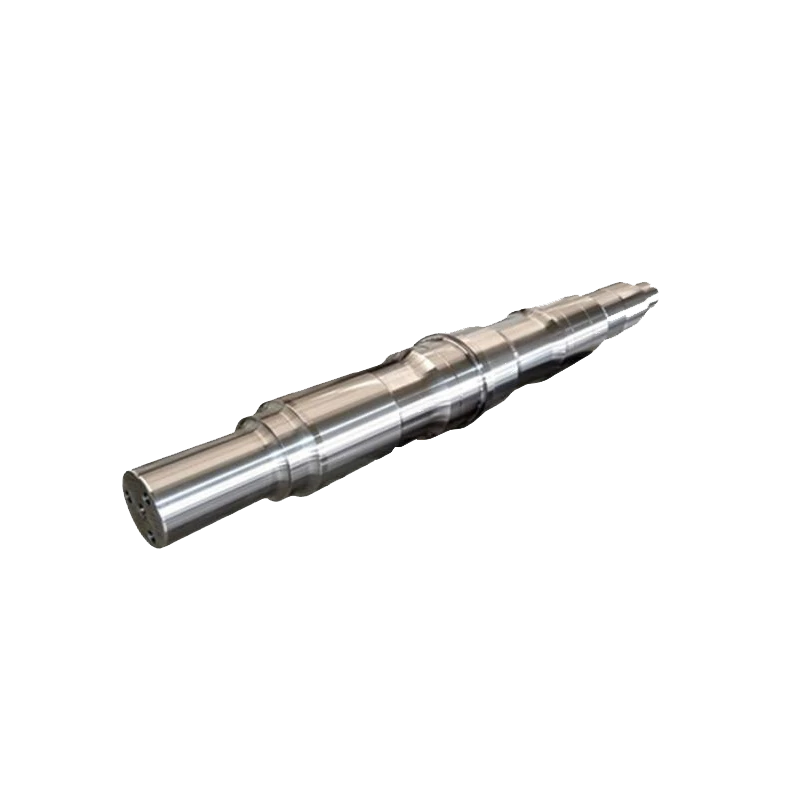 Axles
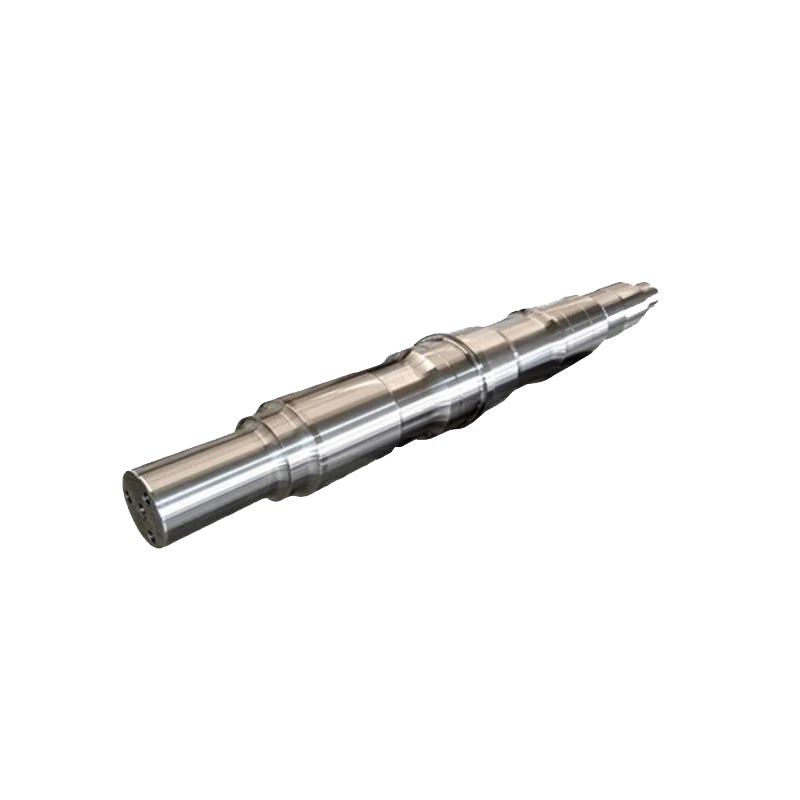
AxlesAxles are essential for vehicle load-bearing and power transmission, ensuring smooth movement and weight distribution. They must withstand high stress, torque, and impact, making material selection and precise manufacturing crucial.
-
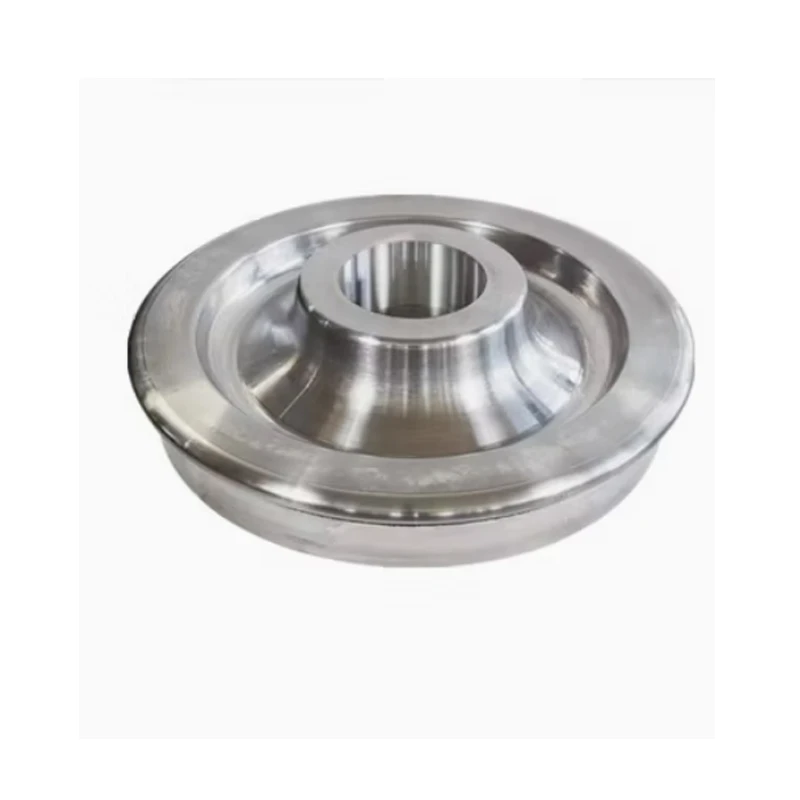 Profile S1002 Series Rail Wheels
The S1002 series rail wheels are designed for Rail-Road Vehicles (RRVs) that require seamless operation on both roads and railway tracks. Engineered with high precision and durability, these wheels conform to S1002 tread profiles, ensuring compatibility with standard railway systems.
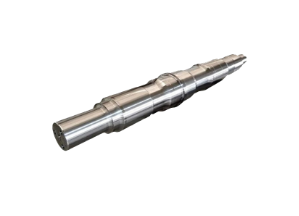
A Comprehensive Guide to Axles Types for Industry Decision Makers | Manufacturing Base
Axles Types is a key solution in the industry, specifically within heavy machinery and transportation sectors. This article explores how https://www.manufacturing-base.com supports professionals with durable, high-performance products
>
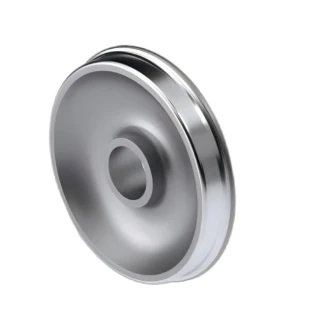
Reliable Rail Wheels: Optimize Your Rail Transport Solutions
For industries that rely on rail-based vehicles, choosing the right rail wheels is essential for smooth operations and safety.
>
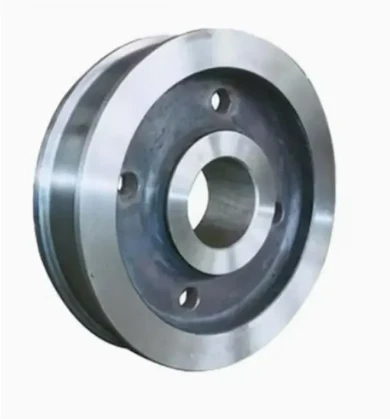
Premium Overhead Crane Wheels For Sale: Enhance Industrial Lifting Efficiency
In modern industrial operations, high-quality overhead crane wheels for sale are essential for safe, reliable, and efficient lifting.
>
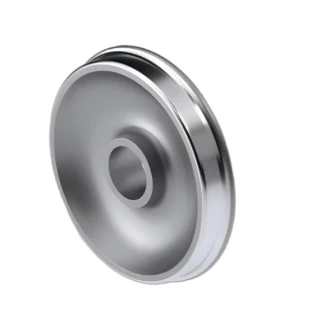
Premium Hi Rail Wheels For Sale: Boost Rail Vehicle Performance
In the modern industrial and railway sectors, having reliable hi rail wheels for sale is essential for operational efficiency and safety.
>
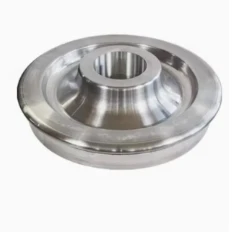
High-Quality Hi Rail Wheels For Sale: Enhance Your Rail Equipment Efficiency
When it comes to reliable rail maintenance and industrial operations, investing in hi rail wheels for sale is crucial.
>
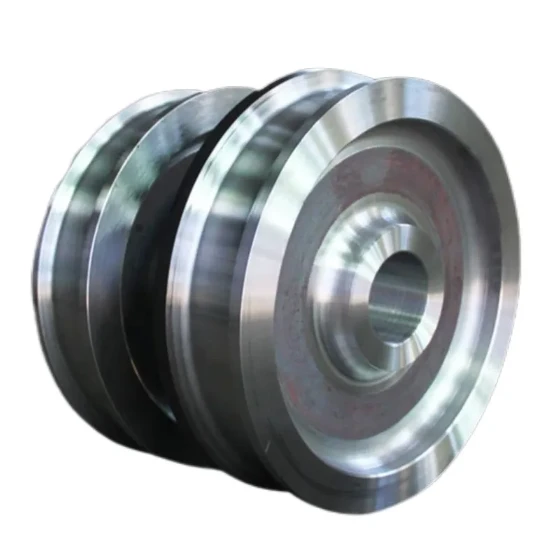
High-Quality Crane Wheels For Sale: Enhance Your Crane Operations
For industries relying on heavy lifting and material handling, investing in high-quality crane wheels for sale is crucial.
>
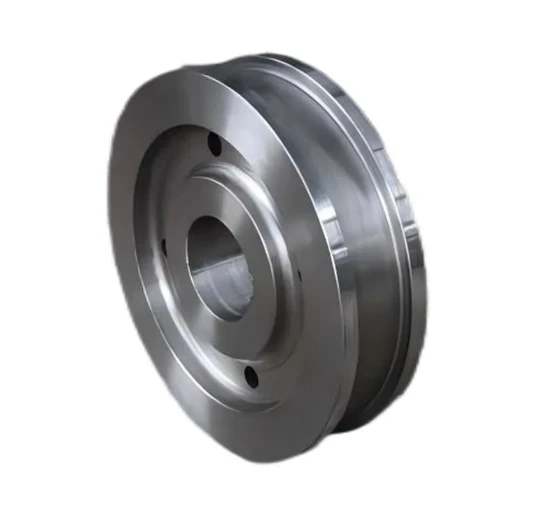
Durable Gantry Crane Wheels For Sale: Maximize Lifting Efficiency
For industries relying on heavy-duty lifting and material handling, selecting the right gantry crane wheels for sale is vital.
>
Reliable Tandem Drive Axles for Heavy-Duty Industrial Vehicles
Tandem Drive Axles: What I’ve Learned After Years in the Industrial Equipment Sector Ha
>
Reliable Semi Trailer Axles for Heavy-Duty Trailers | Expert Insight
Understanding semi trailer axles: The Backbone of Heavy Hauling Having spent more than a deca
>
RC Portal Axles: Industrial Strength and Custom Performance
RC Portal Axles: A Veteran’s Take on Industrial-Grade Performance Having spent over a d
>
Engineered for Excellence
Our forged solutions deliver reliability and performance, powering demanding industries to keep operations running smoothly.

Sign up
for Newsletter
Subscribe to the weekly newsletter for all the latest updates