- Tel: +86 311 82620404
- Cell: 86 -13739710551
- Email: sales@potentia.cn

Reliable Rail and Transport Solutions
In heavy-duty transport and industrial logistics, efficiency and safety start with the quality of essential components—be it in the form of trailer couplings or forged rail wheels. Understanding what is a trailer coupling, exploring various trailer coupling types, identifying truck trailer coupling types, and evaluating rail wheels for sale is vital for procurement professionals, logistics operators, and OEM engineers alike. As demand grows for more robust, reliable, and cost-efficient transport solutions, sourcing from experienced manufacturers with access to world-class foundries and machine shops—like those found in China’s competitive casting hubs—can significantly improve operational outcomes.
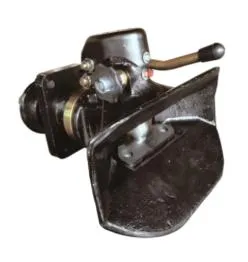
What Is a Trailer Coupling: The Critical Link Between Tractor and Trailer
A trailer coupling is the mechanical component that securely connects a towing vehicle, such as a truck or tractor, to the trailer it pulls. This linkage is responsible for transferring pulling force, ensuring directional stability, and, in many designs, transmitting braking or electrical signals as well. Couplings must bear substantial vertical and horizontal loads while withstanding harsh environmental conditions, vibration, and road shock.
Depending on the application, a trailer coupling may include locking jaws, safety latches, bolts, mounting flanges, or articulated joints. Precision in design and manufacturing is critical, as any failure could lead to costly damage or accidents. For this reason, couplings are tested for tensile strength, wear resistance, and fatigue performance to meet or exceed regulatory standards. High-quality couplings ensure smooth trailer articulation during turns and reliable disengagement when unhooking.
Trailer Coupling Types: Matching Design to Functionality
There are several trailer coupling types, each suited to specific vehicles and operational environments. Pintle hitches, for example, are commonly used in military and off-road applications due to their high strength and tolerance for vertical articulation. Ball couplings, typically used in lighter-duty trailers, offer simplicity and are widely adopted in recreational or commercial towing. For industrial and agricultural settings, clevis and ring couplings offer secure, rugged performance.
Fifth-wheel couplings are standard in semi-trailers and heavy trucks, enabling vertical pivot and horizontal rotation to manage uneven terrain. Towing eyes and tow bar couplings are other common variants, often used in construction equipment and short-range transport systems. Understanding the differences between these trailer coupling types helps operators choose the most reliable solution for specific hauling requirements.
Truck Trailer Coupling Types: Built for Load and Durability
For long-haul freight and intermodal logistics, truck trailer coupling types are designed to handle extreme weights and operate under demanding highway conditions. The fifth-wheel coupling remains the dominant technology for these applications, providing a secure connection with automatic locking features and simple disconnection procedures. Kingpin sizes, locking plate design, and greasing systems vary by vehicle class and regional regulations.
Drawbar eye and hook systems are also common in truck-trailer setups, especially in regions where modular trailer units are popular. These couplings allow faster coupling/decoupling and are built to handle the longitudinal and vertical load transfer during braking or road impact. The selection of truck trailer coupling types is often driven by operational needs, such as payload volume, trailer length, and maneuvering space at docks or yards.
Modern couplings also incorporate safety redundancies such as breakaway cables, visual lock indicators, and integrated electrical connectors for lighting and braking systems. These components are manufactured using forged and precision-machined steel to ensure longevity, reduce downtime, and meet transportation compliance standards globally.
Rail Wheels for Sale: Precision Forging for Heavy-Duty Transport Systems
As industrial rail systems continue to support mining, steel production, inter-factory logistics, and infrastructure development, the demand for rail wheels for sale remains high. These wheels are critical to ensure safe, smooth, and long-lasting railcar movement under varying load conditions. Forged from high-strength steel and machined to exacting standards, rail wheels must endure extreme pressure, wear, and temperature fluctuations.
Manufacturers with vertically integrated operations—those controlling their own foundries and CNC machine shops—offer a distinct advantage in quality control and cost efficiency. This integration ensures that every rail wheel for sale is heat-treated, stress-relieved, and precision balanced to avoid cracking, deformation, or premature wear during service. In-house metallurgical testing guarantees compliance with ISO, AAR, UIC, and DIN standards.
Forged wheels typically come in standard or customized designs, including double-flanged, flat tread, or solid disc configurations. Buyers in search of rail wheels for sale should consider load capacity, tread profile, and hub design to match the intended track gauge and application, whether it’s for mining wagons, overhead cranes, gantry trolleys, or material transfer systems.
Trailer coupling FAQs
What makes a trailer coupling essential for heavy transport?
A trailer coupling is essential because it provides the structural link between a tractor unit and its trailer, enabling towing and maneuverability. It must handle significant mechanical loads and allow for articulation during turning or road elevation changes. A strong, reliable coupling ensures safety, operational efficiency, and legal compliance in freight and logistics systems.
How do different trailer coupling types affect towing performance?
Each of the trailer coupling types offers distinct benefits depending on the use case. Pintle hitches allow greater movement and strength, making them ideal for rough terrain. Ball hitches are compact and easy to use for light-duty applications. Fifth-wheel couplings are standard for highway trailers, offering superior stability and weight distribution. Choosing the correct type affects not just safety but fuel efficiency and turning dynamics.
What factors influence the choice of truck trailer coupling types?
When choosing truck trailer coupling types, factors include trailer weight, operating environment (on-road vs. off-road), ease of coupling/decoupling, legal regulations, and frequency of operation. Fifth-wheel couplings are best for long-distance transport, while drawbar systems may be better suited for modular or agricultural hauling. Safety features and compatibility with braking and electrical systems also guide decision-making.
Why is it important to source rail wheels from integrated manufacturers?
Sourcing rail wheels for sale from integrated manufacturers ensures better quality control, traceability, and pricing. When foundry and machining operations are handled in-house, consistency in metallurgical composition and dimensional precision is guaranteed. These manufacturers can also offer faster delivery, customization, and reliable after-sales support, making them ideal for industrial-scale applications.
What inspection standards apply to rail wheels for sale?
High-quality rail wheels for sale undergo ultrasonic testing, hardness verification, chemical composition analysis, and mechanical stress testing. They must comply with standards such as AAR M-107/M-208 (North America), UIC 810-1 (Europe), or ISO 1005. These inspections ensure wheels can operate safely under demanding conditions with minimal risk of failure or excessive wear.
-
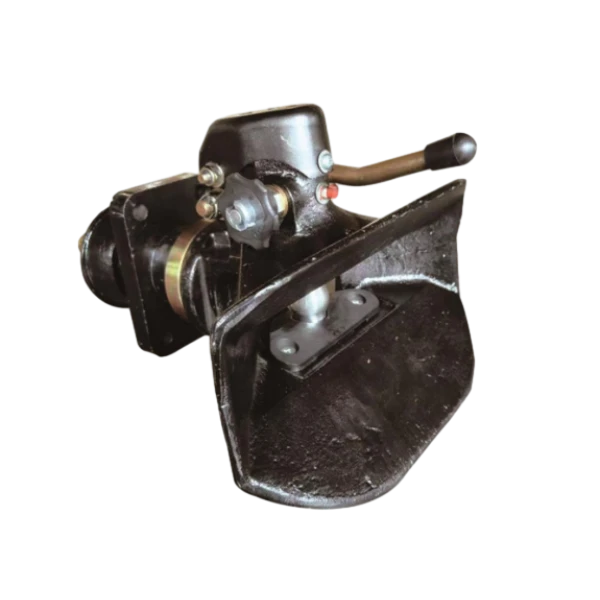 Trailer Coupling
The trailer coupling is a critical component in vehicle towing systems, designed to ensure a secure and efficient connection between a towing vehicle and a trailer. These couplings are manufactured using high-strength carbon steel, alloy steel, or stainless steel, ensuring durability and resistance to heavy loads and harsh environments.
-
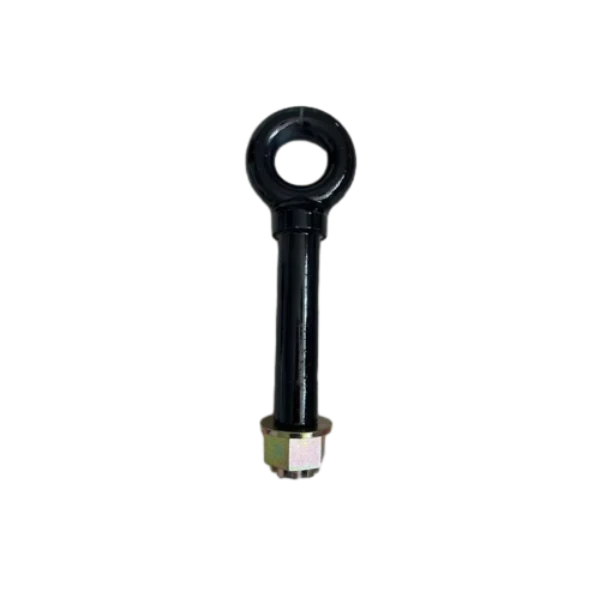
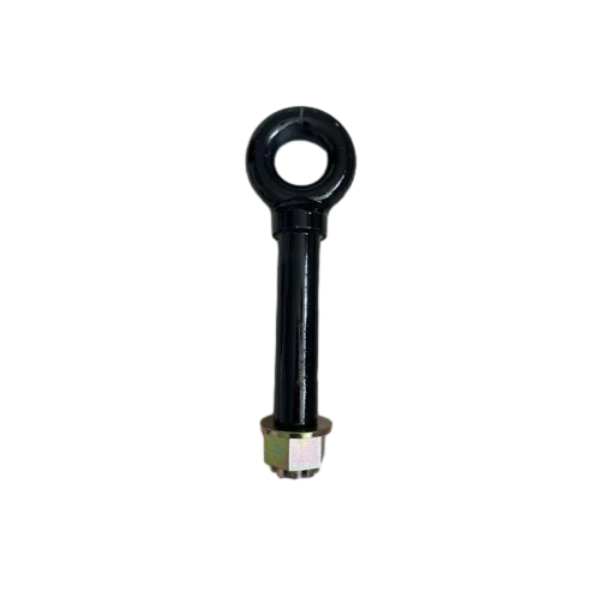 Drawbar Eyes
Drawbar eyes are essential components in towing and hauling applications, providing a strong and secure attachment point between the trailer and the towing vehicle. They are designed to endure extreme pulling forces, making them suitable for heavy-duty applications.
-
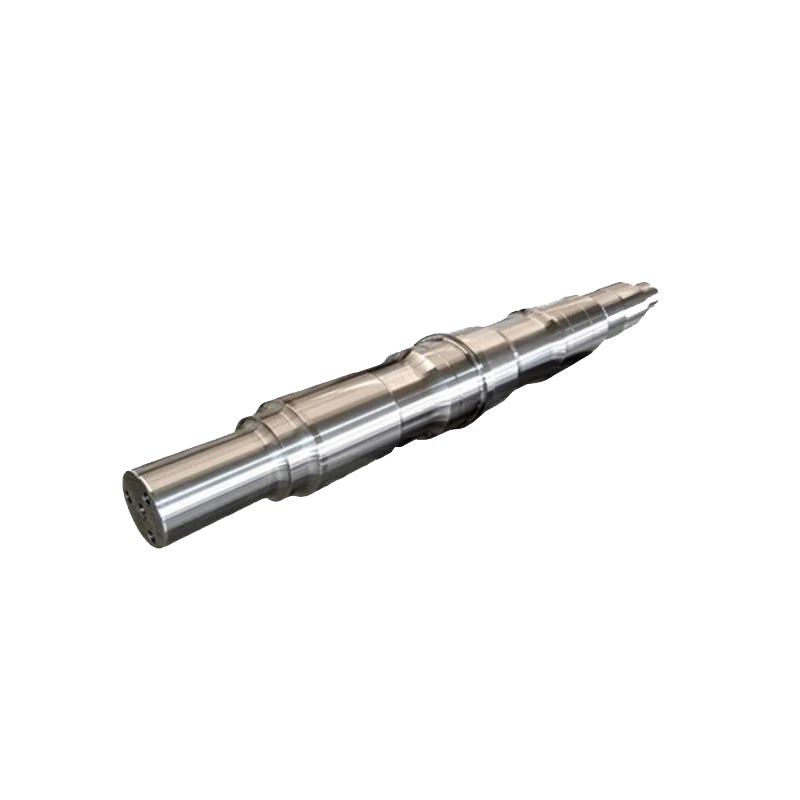
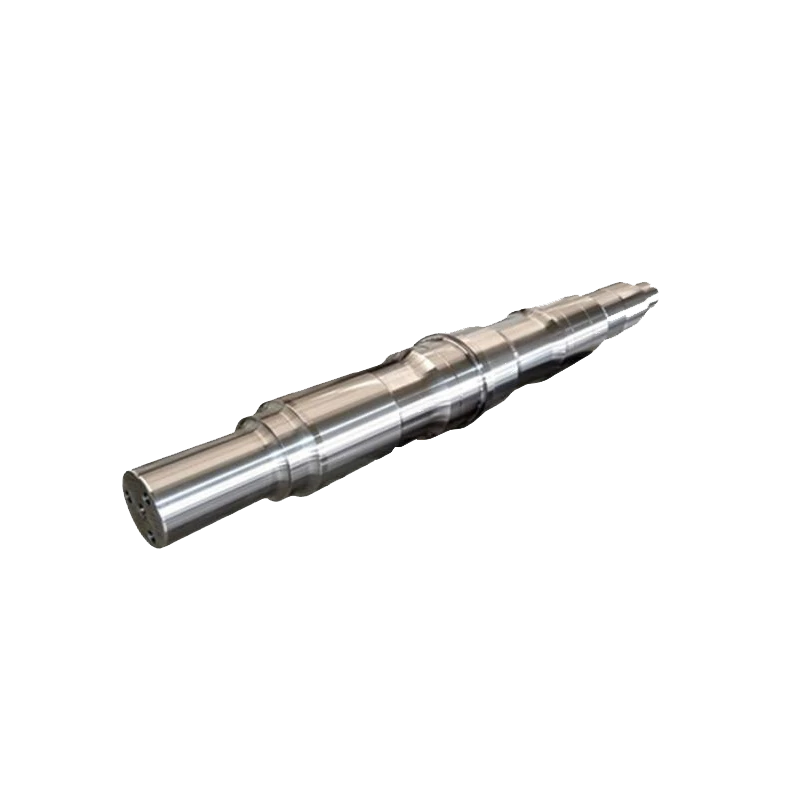 Axles
AxlesAxles are essential for vehicle load-bearing and power transmission, ensuring smooth movement and weight distribution. They must withstand high stress, torque, and impact, making material selection and precise manufacturing crucial.
-
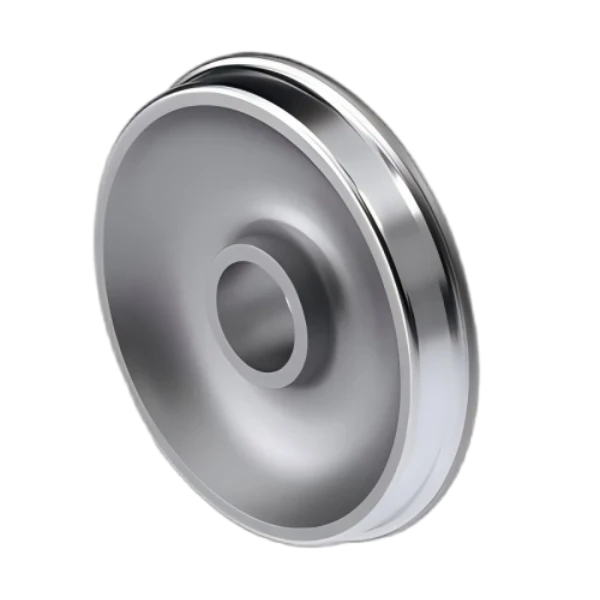
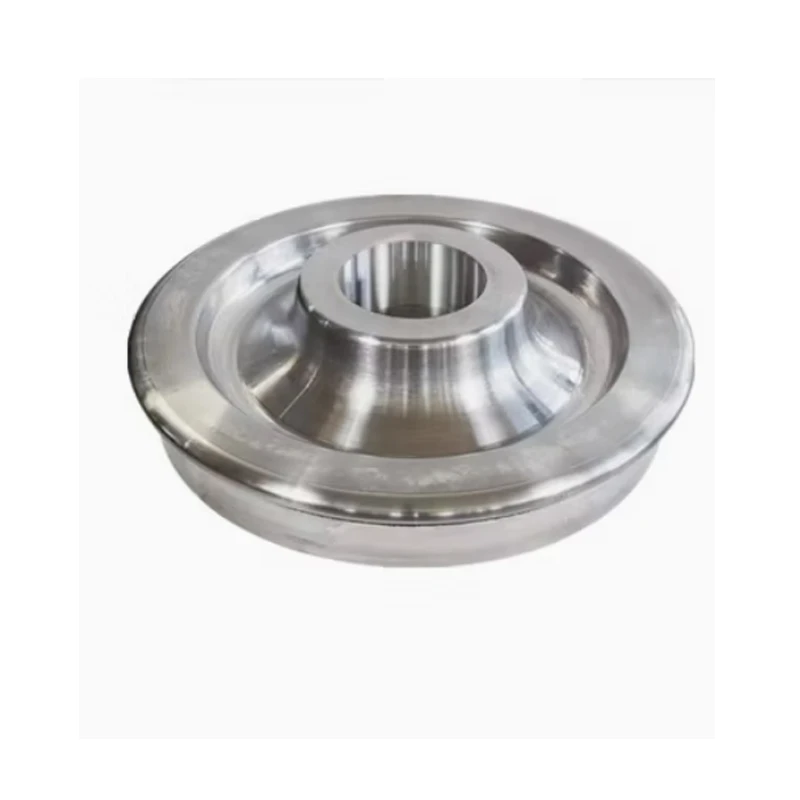 Profile S1002 Series Rail Wheels
The S1002 series rail wheels are designed for Rail-Road Vehicles (RRVs) that require seamless operation on both roads and railway tracks. Engineered with high precision and durability, these wheels conform to S1002 tread profiles, ensuring compatibility with standard railway systems.
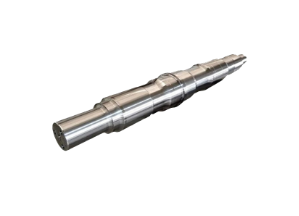
A Comprehensive Guide to Axles Types for Industry Decision Makers | Manufacturing Base
Axles Types is a key solution in the industry, specifically within heavy machinery and transportation sectors. This article explores how https://www.manufacturing-base.com supports professionals with durable, high-performance products
>
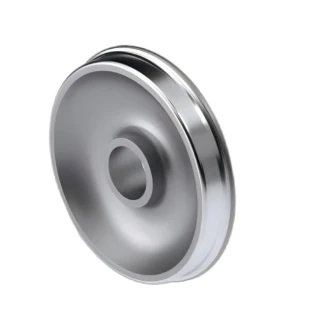
Reliable Rail Wheels: Optimize Your Rail Transport Solutions
For industries that rely on rail-based vehicles, choosing the right rail wheels is essential for smooth operations and safety.
>
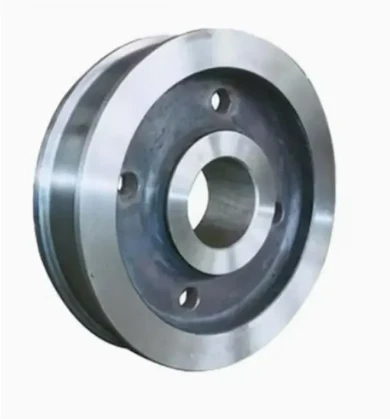
Premium Overhead Crane Wheels For Sale: Enhance Industrial Lifting Efficiency
In modern industrial operations, high-quality overhead crane wheels for sale are essential for safe, reliable, and efficient lifting.
>
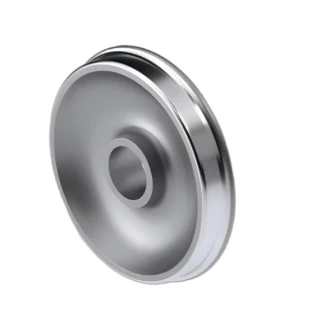
Premium Hi Rail Wheels For Sale: Boost Rail Vehicle Performance
In the modern industrial and railway sectors, having reliable hi rail wheels for sale is essential for operational efficiency and safety.
>
High-Quality Hi Rail Wheels For Sale: Enhance Your Rail Equipment Efficiency
When it comes to reliable rail maintenance and industrial operations, investing in hi rail wheels for sale is crucial.
>
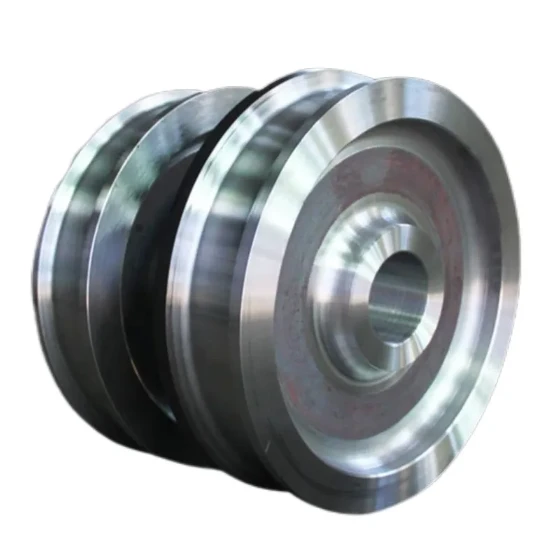
High-Quality Crane Wheels For Sale: Enhance Your Crane Operations
For industries relying on heavy lifting and material handling, investing in high-quality crane wheels for sale is crucial.
>
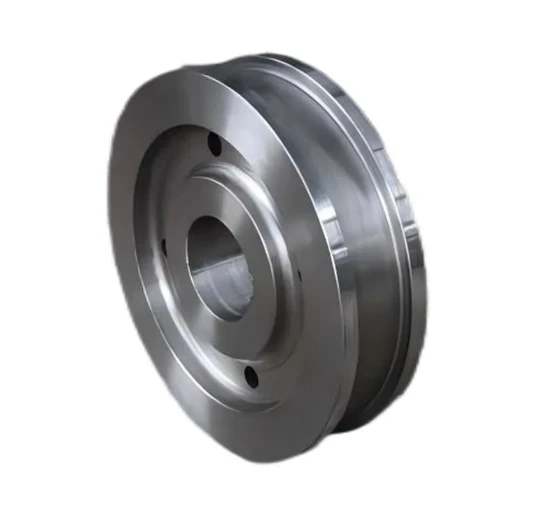
Durable Gantry Crane Wheels For Sale: Maximize Lifting Efficiency
For industries relying on heavy-duty lifting and material handling, selecting the right gantry crane wheels for sale is vital.
>
Reliable Tandem Drive Axles for Heavy-Duty Industrial Vehicles
Tandem Drive Axles: What I’ve Learned After Years in the Industrial Equipment Sector Ha
>
Reliable Semi Trailer Axles for Heavy-Duty Trailers | Expert Insight
Understanding semi trailer axles: The Backbone of Heavy Hauling Having spent more than a deca
>
RC Portal Axles: Industrial Strength and Custom Performance
RC Portal Axles: A Veteran’s Take on Industrial-Grade Performance Having spent over a d
>
Engineered for Excellence
Our forged solutions deliver reliability and performance, powering demanding industries to keep operations running smoothly.

Sign up
for Newsletter
Subscribe to the weekly newsletter for all the latest updates