- Tel: +86 311 82620404
- Cell: 86 -13739710551
- Email: sales@potentia.cn

Reliable Box Trailer Coupling – Strength & Safety in Industrial Transport
Understanding box trailer coupling: The Unsung Hero of Industrial Transport
Having spent more than a decade elbow-deep in the industrial equipment sector, I've come to realize that the smallest components sometimes bear the most load, both literally and figuratively. Take, for instance, the box trailer coupling. At first glance, it might seem like a mundane piece of metal and mechanics, but the reality? It’s the crucial junction that keeps entire transport operations rolling smoothly.
In real terms, a box trailer coupling is what connects the trailer to the towing vehicle, ensuring it stays put no matter the twists, turns, or bumps along the road. And frankly, there’s a surprising amount of engineering finesse in these devices—you'd be amazed how often a coupling’s robustness makes or breaks a delivery's success.
Let's talk about its design first. Most box trailer couplings are made from high-grade steel or cast iron; strength and durability are non-negotiables here. Some manufacturers go a step further and apply protective coatings to resist corrosion—critical for trailers operating in harsh weather or near salt-treated roads. I remember one client whose trailers worked near coastal docks; without the right corrosion protection on their couplings, they faced frequent downtime and costly repairs.
Testing these couplings usually involves rigorous mechanical stress tests, including tensile force trials and impact resistance assessments. Safety is king in this realm, especially since any failure can have catastrophic consequences downstream. Many engineers I’ve talked with tend to prefer suppliers who can back their products with certification from recognized bodies, such as ISO or DIN standards.
What’s also interesting is the customization available. Depending on your trailer's size, payload, and usual route conditions, you might opt for specific types of couplings—ball couplings, pintle hooks, or specialized locking mechanisms. Oddly enough, some customers swear by older, simpler designs, praising their ease of maintenance over the more complex high-tech variants. It really comes down to the specific operational demands.
Before we get too far, here’s a quick rundown of typical specs you might encounter in a standard box trailer coupling:
| Spec | Typical Range | Notes |
|---|---|---|
| Material | High-grade Steel, Cast Iron | Corrosion resistant coatings common |
| Tensile Strength | Up to 10,000 kgf | Varies by model and manufacturer |
| Coupling Type | Ball, Pintle, Automatic | Chosen by application needs |
| Standard Compliance | ISO 1103, DIN 74053 (examples) | Ensures quality and safety |
| Weight | 4 - 15 kg | Depends on coupling size and design |
Now, when selecting a supplier for your box trailer coupling, it pays to shop around—but not endlessly. You want a vendor who balances quality, pricing, and post-sale service without the runaround.
| Vendor | Product Range | Certifications | Typical Lead Time | Price Level |
|---|---|---|---|---|
| Alpha Couplings Co. | Wide (ball & pintle hooks, automatics) | ISO 9001, CE | 2–3 weeks | Mid-range |
| Beta Equip | Specialized heavy-duty couplings | ISO 1103, DIN approvals | 4–6 weeks | Higher-end |
| Gamma Parts Ltd. | Standard & economy lines | CE, local quality certifications | 1–2 weeks | Budget-friendly |
One story I like to share is about a mid-sized logistics firm that upgraded their trailer couplings after switching to heavier payloads. They’d been encountering coupling failures on long hauls — disruptions that cost time and money. Post-upgrade to a certified high-strength coupling with corrosion protection, their maintenance calls dropped significantly. It’s a reminder that sometimes investing in quality upfront pays dividends down the line.
In the end, a box trailer coupling might seem like a background player, but it's absolutely key for safety and efficiency. Next time you see a fully loaded trailer hitting the road, spare a thought for that coupling doing the heavy lifting (or holding) beneath the surface. For anyone serious about their industrial gear, knowing your couplings inside-out will never go amiss.
Seems like a small piece, but for those of us who rely on rugged, reliable transport solutions every day, it’s kind of the star behind the scenes.
References:
- ISO 1103 Mechanical Couplings Standard Documentation
- “Corrosion and Transport Equipment,” J. Welding & Metal Trade Journal, 2021
- Industry Interviews, Various Plant Engineers, 2019-2023
-
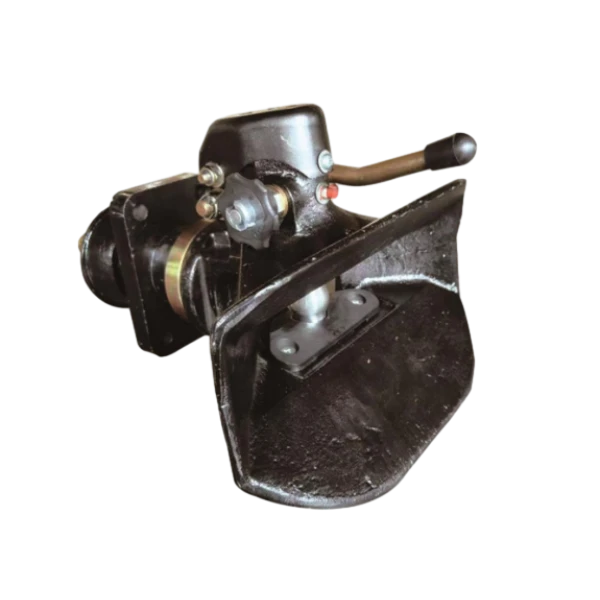 Trailer Coupling
The trailer coupling is a critical component in vehicle towing systems, designed to ensure a secure and efficient connection between a towing vehicle and a trailer. These couplings are manufactured using high-strength carbon steel, alloy steel, or stainless steel, ensuring durability and resistance to heavy loads and harsh environments.
-
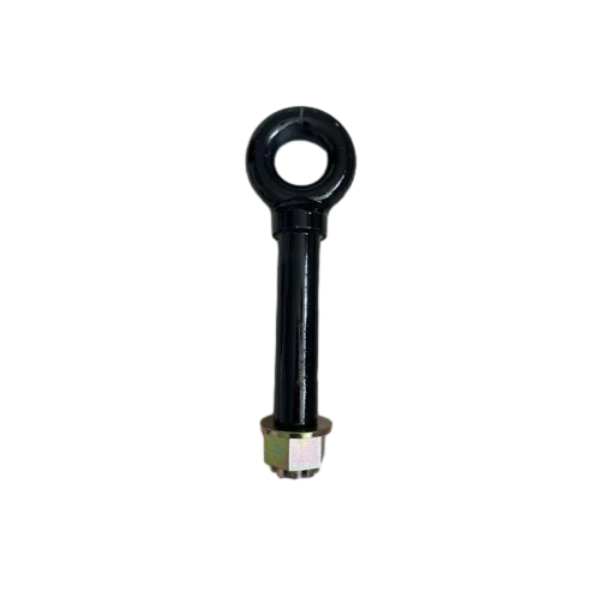 Drawbar Eyes
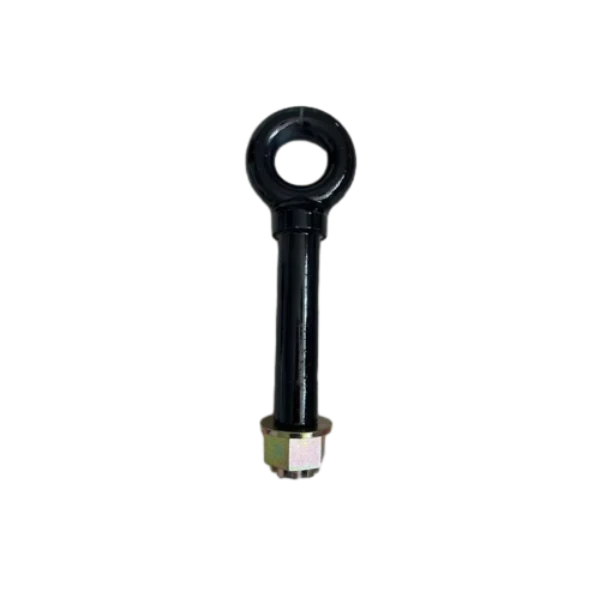
Drawbar eyes are essential components in towing and hauling applications, providing a strong and secure attachment point between the trailer and the towing vehicle. They are designed to endure extreme pulling forces, making them suitable for heavy-duty applications.
-
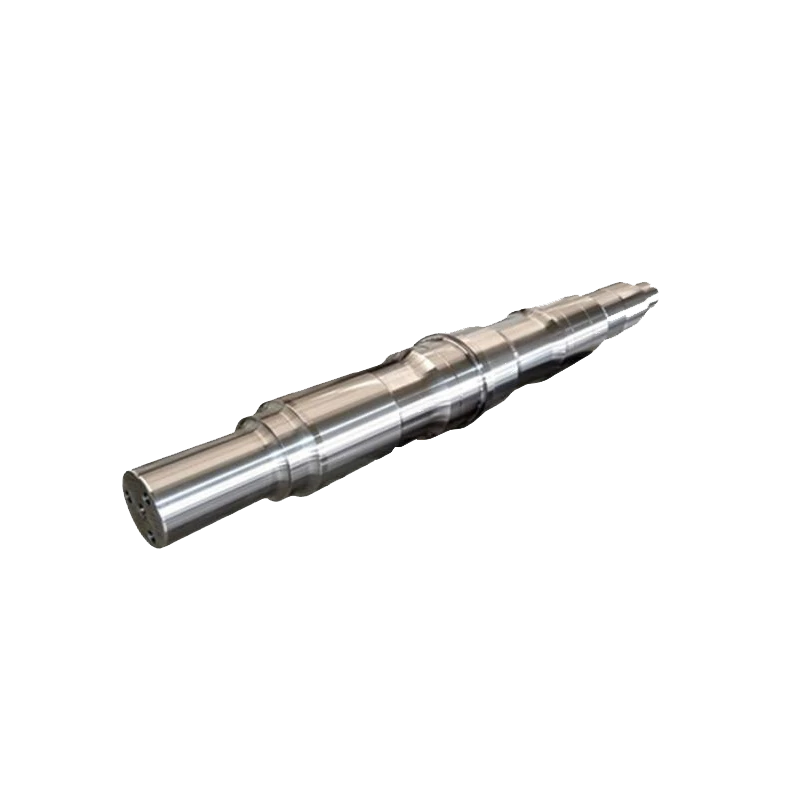 Axles
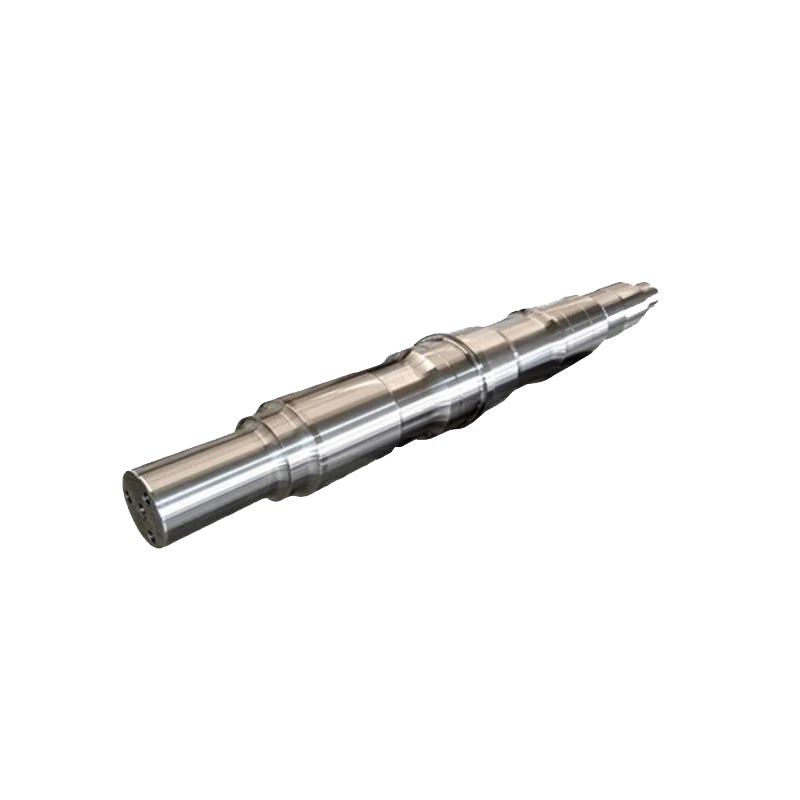
AxlesAxles are essential for vehicle load-bearing and power transmission, ensuring smooth movement and weight distribution. They must withstand high stress, torque, and impact, making material selection and precise manufacturing crucial.
-
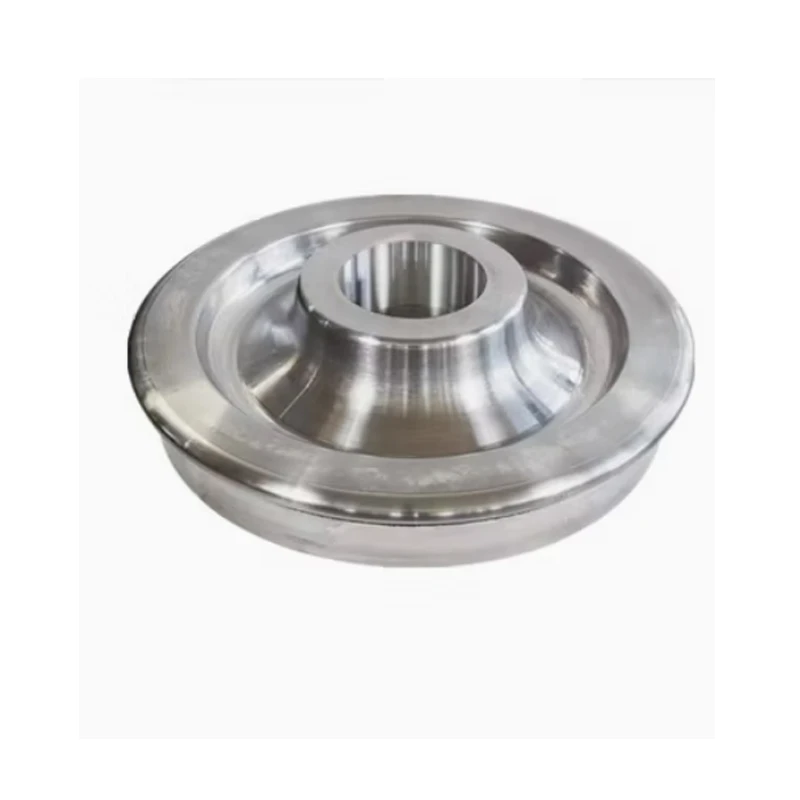 Profile S1002 Series Rail Wheels
The S1002 series rail wheels are designed for Rail-Road Vehicles (RRVs) that require seamless operation on both roads and railway tracks. Engineered with high precision and durability, these wheels conform to S1002 tread profiles, ensuring compatibility with standard railway systems.
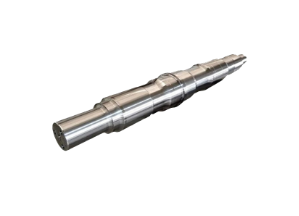
A Comprehensive Guide to Axles Types for Industry Decision Makers | Manufacturing Base
Axles Types is a key solution in the industry, specifically within heavy machinery and transportation sectors. This article explores how https://www.manufacturing-base.com supports professionals with durable, high-performance products
>
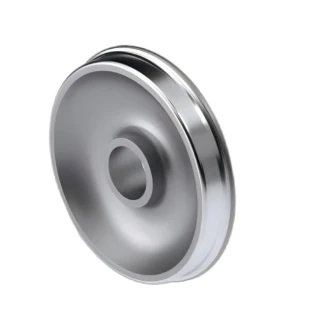
Reliable Rail Wheels: Optimize Your Rail Transport Solutions
For industries that rely on rail-based vehicles, choosing the right rail wheels is essential for smooth operations and safety.
>
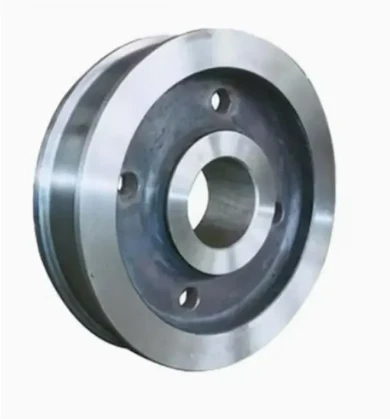
Premium Overhead Crane Wheels For Sale: Enhance Industrial Lifting Efficiency
In modern industrial operations, high-quality overhead crane wheels for sale are essential for safe, reliable, and efficient lifting.
>
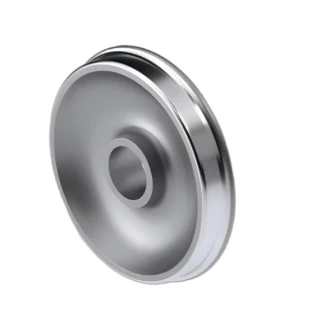
Premium Hi Rail Wheels For Sale: Boost Rail Vehicle Performance
In the modern industrial and railway sectors, having reliable hi rail wheels for sale is essential for operational efficiency and safety.
>
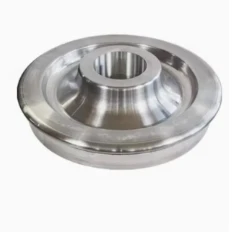
High-Quality Hi Rail Wheels For Sale: Enhance Your Rail Equipment Efficiency
When it comes to reliable rail maintenance and industrial operations, investing in hi rail wheels for sale is crucial.
>
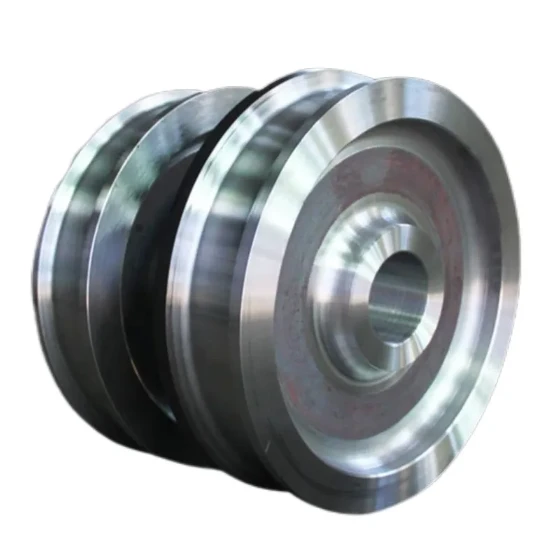
High-Quality Crane Wheels For Sale: Enhance Your Crane Operations
For industries relying on heavy lifting and material handling, investing in high-quality crane wheels for sale is crucial.
>
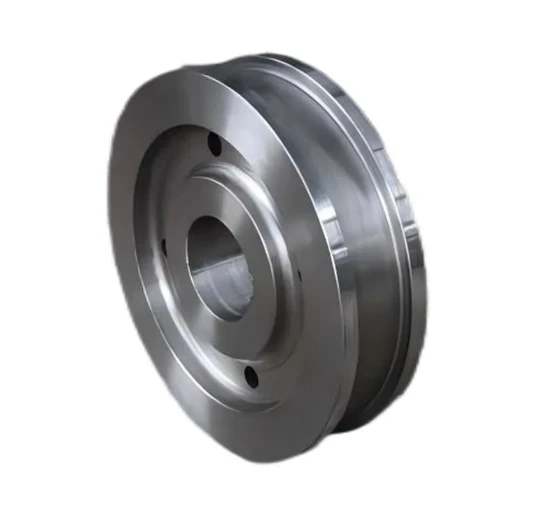
Durable Gantry Crane Wheels For Sale: Maximize Lifting Efficiency
For industries relying on heavy-duty lifting and material handling, selecting the right gantry crane wheels for sale is vital.
>
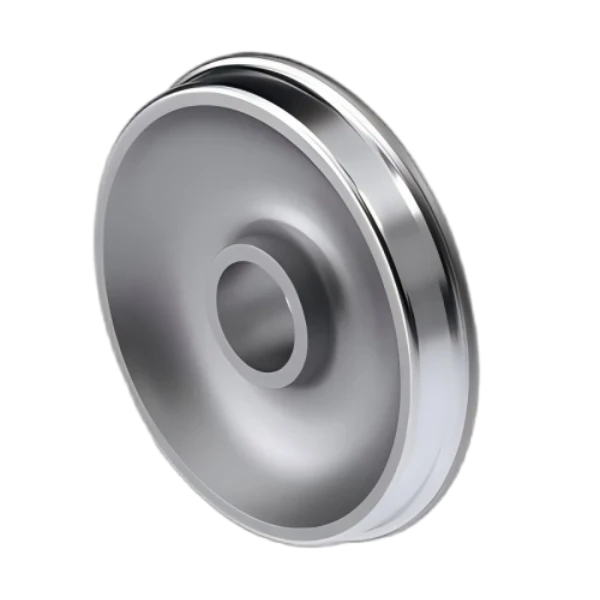
Reliable Tandem Drive Axles for Heavy-Duty Industrial Vehicles
Tandem Drive Axles: What I’ve Learned After Years in the Industrial Equipment Sector Ha
>
Reliable Semi Trailer Axles for Heavy-Duty Trailers | Expert Insight
Understanding semi trailer axles: The Backbone of Heavy Hauling Having spent more than a deca
>
RC Portal Axles: Industrial Strength and Custom Performance
RC Portal Axles: A Veteran’s Take on Industrial-Grade Performance Having spent over a d
>
Engineered for Excellence
Our forged solutions deliver reliability and performance, powering demanding industries to keep operations running smoothly.

Sign up
for Newsletter
Subscribe to the weekly newsletter for all the latest updates