- Tel: +86 311 82620404
- Cell: 86 -13739710551
- Email: sales@potentia.cn

Rail Car Wheel: Engineering Backbone of Global Rail Transport
Understanding Rail Car Wheel: A Backbone of Global Rail Transport
Rail car wheels might not be the flashiest topic at a dinner party, but they’re absolutely critical in the world of transportation and commerce. These humble components ensure that billions of tons of goods and millions of passengers move efficiently and safely across continents every year. In a nutshell, understanding the rail car wheel equips us with insight into an industry that quietly influences global economies, supply chains, and even humanitarian aid efforts.
Why does this matter globally? Well, according to the International Union of Railways (UIC), over nine billion tons of freight are moved annually by rail worldwide, and wheels bear the brunt of this massive load. Knowing how they function and what makes them tick could be the difference between smooth logistics and costly downtime.
Global Context: The Role of Rail Car Wheels in Industry and Infrastructure
Railroads represent one of the oldest and most reliable transportation modes, vital for connecting urban and rural areas and linking countries. The global railway market was valued at over $260 billion in recent years and is expected to grow steadily, especially with initiatives aimed at boosting sustainable transport.
Yet, challenges abound. One pressing issue is wear and tear—rail car wheels face constant mechanical stress, environmental exposure, and the need for precise alignment. Wheels breaking down can lead to derailments or logistical halts, impacting everything from global trade to emergency relief.
This is where the science and engineering behind rail car wheels step in, improving safety, durability, and cost efficiency.
Defining the Rail Car Wheel
Simply put, a rail car wheel is a circular component made usually of steel, mounted on a railcar's axle, that rolls along train tracks to support and move the vehicle. But there’s more than meets the eye. The design, materials, and manufacturing process are all finely tuned to handle extreme forces—both from the weight above and the high speeds at which trains travel.
Beyond industrial transport, the rail car wheel is linked to humanitarian initiatives, especially in disaster-stricken zones where railways provide an essential lifeline for delivering supplies and evacuating people quickly.
Key Factors of Rail Car Wheels
1. Durability
One can’t overstate the importance of durability. Rail car wheels undergo constant friction, impact, and thermal stress. Steel alloys often incorporate high chromium and carbon for wear resistance — all engineered for longevity in harsh operating environments.
2. Safety
The integrity of the wheel directly affects rail safety. Precise manufacturing tolerances ensure wheels don’t wobble or slip off track rails. Fail-safe designs also account for heat expansion and fatigue cracks.
3. Cost Efficiency
Replacing wheels is not trivial—downtime costs rail operators millions annually. Thus, wheels engineered for long service intervals help reduce life-cycle expenses.
4. Scalability and Compatibility
Rail car wheels have to fit a wide range of rail gauges and axle configurations worldwide, from narrow industrial railways to standard broad-gauge freight lines.
5. Environmental Resistance
Exposure to weather, corrosive agents, and variable temperatures means wheels are often treated with coatings or designed with materials that resist rust and corrosion.
Mini Takeaway:
Rail car wheels combine rigorous engineering for durability and safety while balancing cost and adaptability—attributes essential across continents and cargo types.
Specifications of a Typical Rail Car Wheel
| Parameter | Value | Notes |
|---|---|---|
| Material | High-carbon steel alloy | Enhanced wear resistance |
| Diameter | 840 mm to 920 mm | Varies by rail gauge |
| Weight | 150–250 kg | Depends on size and hub |
| Hardness (Brinell) | 300–350 HB | Optimized for fatigue resistance |
| Operating Temperature | -40°C to +100°C | Typical climate conditions |
Global Applications & Use Cases of Rail Car Wheels
Rail car wheels are far from niche components. They’re integral to freight and passenger trains spanning every continent. For example:
- North America and Europe: Extensive networks move everything from coal and automobiles to container shipping cargo. Maintenance hubs here have refined wheel rolling and reprofiling techniques that extend wheel life.
- Asia: High-speed rails, urban commuter trains, and heavy freight lines rely on advanced wheel technology to facilitate rapid transport and prevent accidents.
- Disaster Relief: Rail lines equipped with durable wheels enable goods movement in post-tsunami Japan or flood-hit regions in India, ensuring aid reaches isolated communities swiftly.
- Industrial Zones: Mining sites or manufacturing plants use rail systems with custom wheels tailored for heavy loads and rough tracks.
Curious about where to find quality rail car wheels? Check our manufacturing partners here who specialize in custom solutions.
Mini Takeaway:
Rail car wheels underpin critical logistics and human safety worldwide, proving their value well beyond just the railway companies.
Advantages & Long-Term Value of High-Quality Rail Car Wheels
From a business perspective, investing in high-grade rail car wheels means:
- Cost savings: Lower replacement frequency reduces rail downtime and maintenance costs.
- Reliability: Trackable performance means operators can predict failures before they cause trouble.
- Safety assurance: Integrity of wheels directly affects derailment risk, protecting cargo and lives.
- Sustainability: Longer life wheels mean fewer scrap materials; innovations now are exploring recycled steel and green manufacturing.
- Social impact: Reliable train services support communities by delivering vital goods and enabling mobility.
Future Trends & Innovations in Rail Car Wheels
Oddly enough, a component as old as the rail car wheel continues evolving dramatically:
- Advanced Materials: Research into composites and nanostructured steel promises wheels that better resist wear and fatigue.
- Digital Monitoring: Sensors embedded in wheels track real-time conditions, enabling predictive maintenance.
- Eco-friendly Manufacturing: Processes aimed at reducing emissions and reusing materials align rail technology with sustainability goals.
- Automated Inspection: AI-guided robotic systems identify cracks and irregularities faster than traditional methods.
Challenges & Solutions
Despite improvements, rail wheels face ongoing challenges:
- Wear and Damage: Continuous friction causes tread depletion and cracks. Solution: Rolling and reprofiling extend service life; newer alloys help too.
- Standardization: Varying global gauges make compatibility tricky. Solution: Modular wheel designs and regional standards aid interoperability.
- Cost Pressures: Upfront investments can be high. Solution: Lifecycle cost analysis favors durable wheels, supported by government infrastructure grants.
Frequently Asked Questions About Rail Car Wheel
- What materials are best for manufacturing durable rail car wheels?
- Typically, high-carbon alloy steel is preferred because it offers excellent hardness and resistance to fatigue. Some manufacturers experiment with chromium or nickel additives to improve wear resistance and corrosion protection.
- How often should rail car wheels be inspected or replaced?
- Inspection routines vary but are commonly scheduled every 20,000-30,000 km or after a specified time period. Replacement depends on the extent of wear and detected cracks—proactive maintenance prevents failures.
- Are there environmental concerns associated with rail car wheel production?
- Yes, steel manufacturing consumes energy and produces emissions. The industry is moving toward greener processes including recycling scrap steel and exploring energy-saving heat treatments.
- Can rail car wheels be custom-designed for special applications?
- Absolutely. Wheels can be tailored in diameter, width, material composition, and hub styles to fit unique industrial tracks or extreme environments.
- Where can I source quality rail car wheels compliant with international standards?
- You might consider established manufacturers listed on manufacturing-base.com who adhere to ISO and UIC quality certifications ensuring global compatibility.
Conclusion
At the end of the day, rail car wheels may seem like simple parts, but they are the unsung heroes of the global transport network. They combine engineering, materials science, economics, and logistics to support a system that benefits millions daily.
For businesses and organizations investing in rail transport or infrastructure, choosing the right wheels measurably affects safety, costs, and sustainability. If you want to explore high-quality options, don’t hesitate to visit our website and connect with trusted suppliers and specialists.
Keep rolling forward — the world depends on it.
| Vendor | Certification | Customization Options | Typical Lead Time | Global Reach |
|---|---|---|---|---|
| SteelWheels Inc. | ISO 9001, UIC | Diameter, materials, hubs | 6–8 weeks | North America, Europe, Asia |
| Global RailTech Solutions | ISO 14001, UIC | Alloy types, coatings | 4–6 weeks | Asia, Africa, Europe |
| TrackMaster Ltd. | UIC, ISO 45001 | Industrial scale, special use | 8–12 weeks | Europe, Australia, Americas |
Reflection
In digging into rail car wheels, it’s clear just how much engineering thought supports our daily commutes and global commerce. The wheels may stay unassuming but serve as a fine example of steel-age innovation blended with modern technology—something to appreciate next time you hear a train whistle in the distance.
-
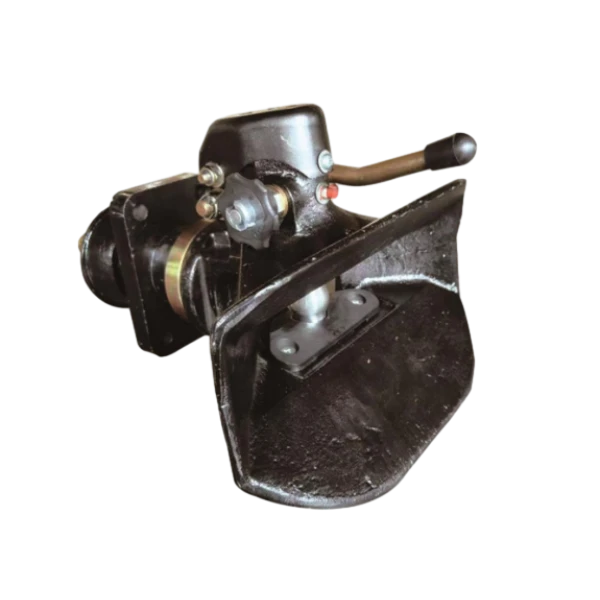 Trailer Coupling
The trailer coupling is a critical component in vehicle towing systems, designed to ensure a secure and efficient connection between a towing vehicle and a trailer. These couplings are manufactured using high-strength carbon steel, alloy steel, or stainless steel, ensuring durability and resistance to heavy loads and harsh environments.
-
 Drawbar Eyes
Drawbar eyes are essential components in towing and hauling applications, providing a strong and secure attachment point between the trailer and the towing vehicle. They are designed to endure extreme pulling forces, making them suitable for heavy-duty applications.
-
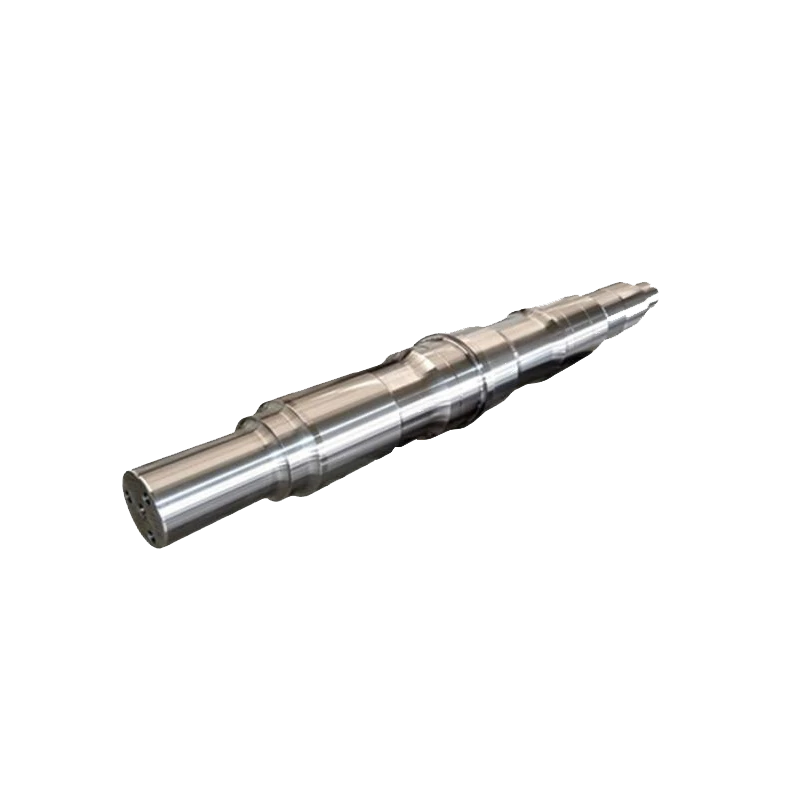 Axles
AxlesAxles are essential for vehicle load-bearing and power transmission, ensuring smooth movement and weight distribution. They must withstand high stress, torque, and impact, making material selection and precise manufacturing crucial.
-
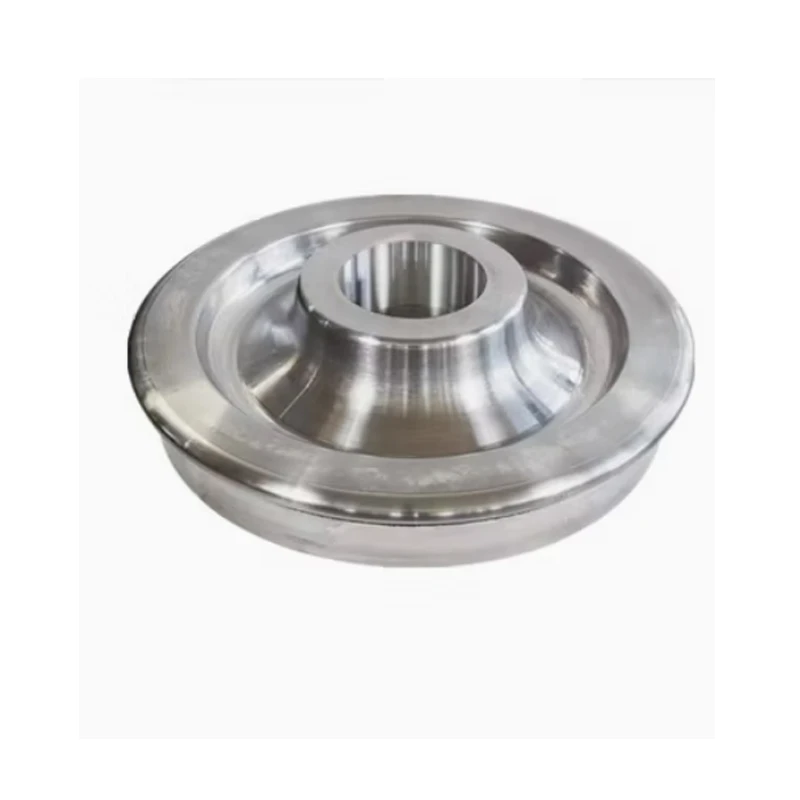 Profile S1002 Series Rail Wheels
The S1002 series rail wheels are designed for Rail-Road Vehicles (RRVs) that require seamless operation on both roads and railway tracks. Engineered with high precision and durability, these wheels conform to S1002 tread profiles, ensuring compatibility with standard railway systems.
A Comprehensive Guide to Axles Types for Industry Decision Makers | Manufacturing Base
Axles Types is a key solution in the industry, specifically within heavy machinery and transportation sectors. This article explores how https://www.manufacturing-base.com supports professionals with durable, high-performance products
>
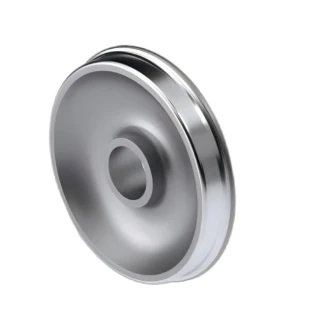
Reliable Rail Wheels: Optimize Your Rail Transport Solutions
For industries that rely on rail-based vehicles, choosing the right rail wheels is essential for smooth operations and safety.
>
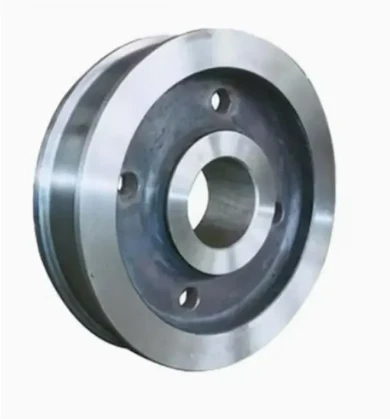
Premium Overhead Crane Wheels For Sale: Enhance Industrial Lifting Efficiency
In modern industrial operations, high-quality overhead crane wheels for sale are essential for safe, reliable, and efficient lifting.
>
Premium Hi Rail Wheels For Sale: Boost Rail Vehicle Performance
In the modern industrial and railway sectors, having reliable hi rail wheels for sale is essential for operational efficiency and safety.
>
High-Quality Hi Rail Wheels For Sale: Enhance Your Rail Equipment Efficiency
When it comes to reliable rail maintenance and industrial operations, investing in hi rail wheels for sale is crucial.
>
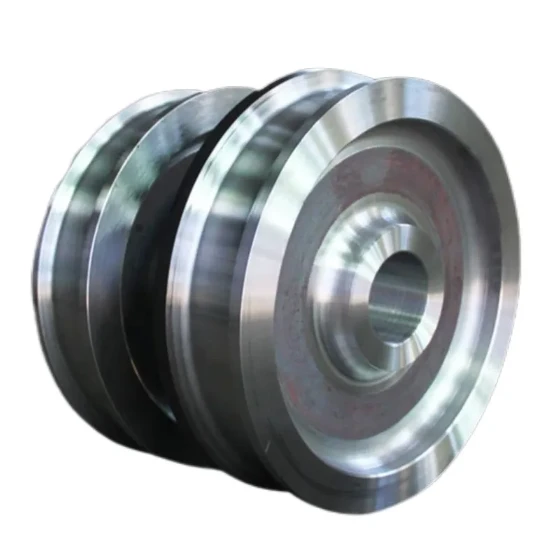
High-Quality Crane Wheels For Sale: Enhance Your Crane Operations
For industries relying on heavy lifting and material handling, investing in high-quality crane wheels for sale is crucial.
>
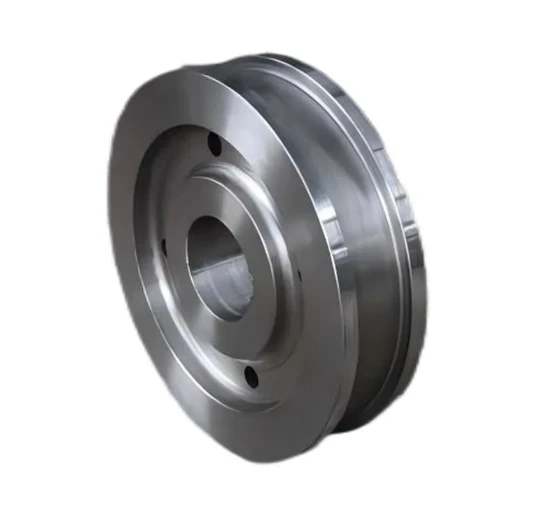
Durable Gantry Crane Wheels For Sale: Maximize Lifting Efficiency
For industries relying on heavy-duty lifting and material handling, selecting the right gantry crane wheels for sale is vital.
>
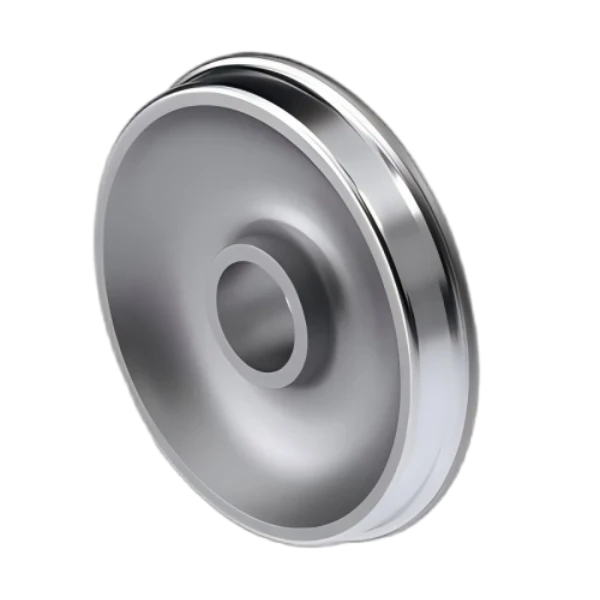
Reliable Tandem Drive Axles for Heavy-Duty Industrial Vehicles
Tandem Drive Axles: What I’ve Learned After Years in the Industrial Equipment Sector Ha
>
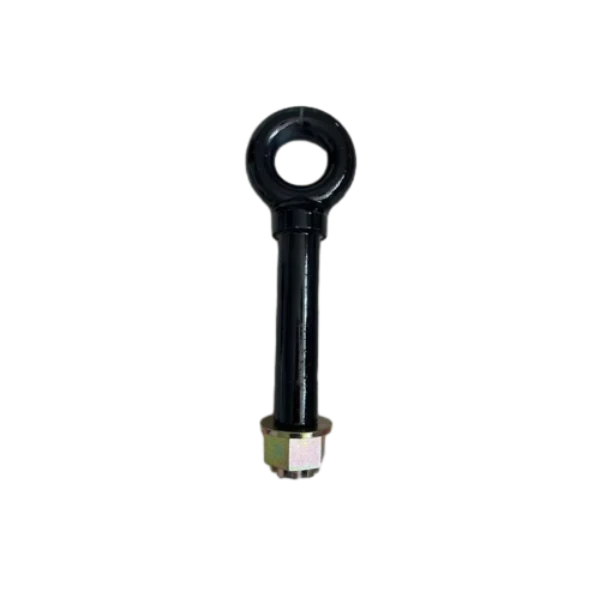
Reliable Semi Trailer Axles for Heavy-Duty Trailers | Expert Insight
Understanding semi trailer axles: The Backbone of Heavy Hauling Having spent more than a deca
>
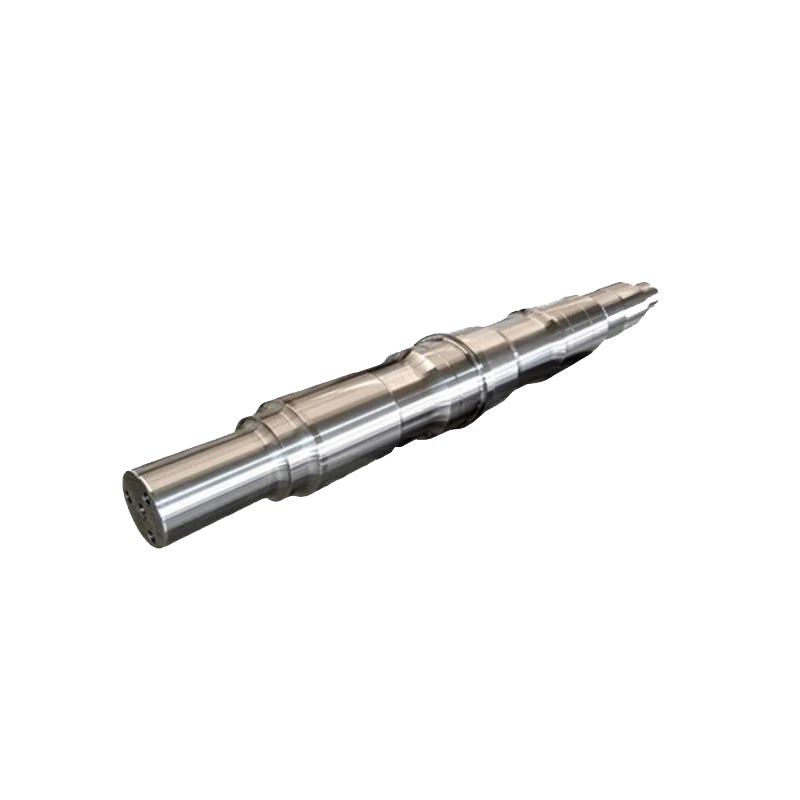
RC Portal Axles: Industrial Strength and Custom Performance
RC Portal Axles: A Veteran’s Take on Industrial-Grade Performance Having spent over a d
>
Engineered for Excellence
Our forged solutions deliver reliability and performance, powering demanding industries to keep operations running smoothly.

Sign up
for Newsletter
Subscribe to the weekly newsletter for all the latest updates