- Tel: +86 311 82620404
- Cell: 86 -13739710551
- Email: sales@potentia.cn

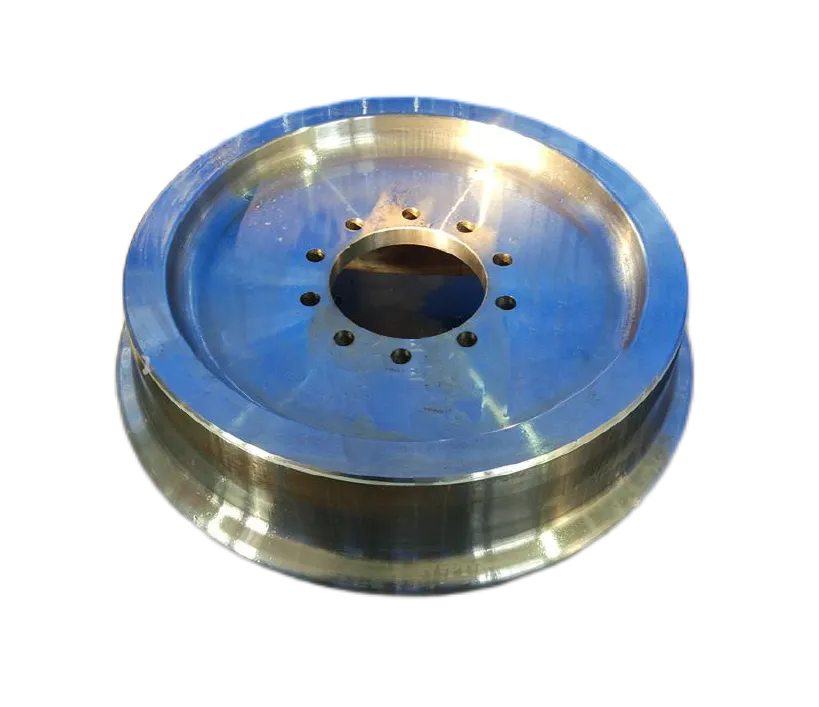
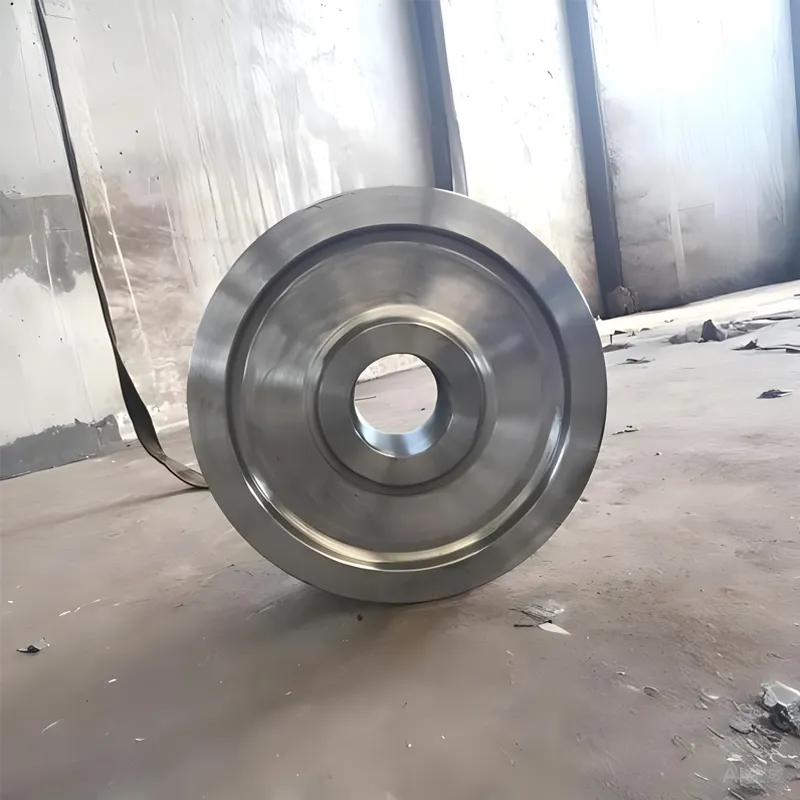
Profile S1002 Series Rail Wheels | Durable Heavy-Duty Railroad Wheels
Railway Technology Innovation
The Profile S1002 Series Rail Wheels represent a breakthrough in rail-road vehicle (RRV) technology. Engineered by Potentia Manufacturing Ltd., these precision components are revolutionizing the transition between road and rail operations for specialized vehicles. As transportation industries push toward multi-modal solutions, the demand for robust Profile S1002 Series Rail Wheels has increased dramatically over the past five years.
Industry analysis shows that global RRV markets will grow at 7.2% CAGR through 2030, creating a $4.3 billion industry where wheel performance directly impacts operational efficiency. The Profile S1002 Series Rail Wheels are specifically developed to meet the rigorous demands of dual-mode transportation systems, ensuring compatibility with both standard railway tracks and conventional road surfaces.
Technical Specifications & Design
Material Composition
R9 Grade Steel
Ultra-high strength alloy with chromium enhancement
Diameter Range
720-840mm
Custom sizing available
Load Capacity
26 Tons
Per wheel under dynamic conditions
Impact Resistance
245 Joules
Charpy V-notch test results
| Parameter | S1002-A | S1002-B | S1002-C Pro | Testing Standard |
|---|---|---|---|---|
| Wheel Diameter | 720-780 mm | 760-820 mm | 800-840 mm | EN 13262 |
| Tread Hardness | 260-300 HB | 280-320 HB | 310-340 HB | ASTM E10 |
| Flange Height | 28.5±0.5 mm | 28.8±0.5 mm | 29.1±0.3 mm | UIC 510-3 |
| Radial Fatigue Life | 1.8 million km | 2.2 million km | 3.0 million km | EN 13262 |
| Max Operation Temp | 400°C | 450°C | 500°C | UIC 812-3 |
| Wheel Weight | 325 kg | 342 kg | 366 kg | EN 13260 |
Advanced Material Engineering
The Profile S1002 Series Rail Wheels utilize micro-alloyed steel treated with a proprietary heat treatment process. This material composition delivers a unique balance between hardness and ductility, significantly outperforming standard Class B wheels which typically last only 65% as long in heavy-service applications. The optimized crystalline structure reduces crack propagation by 40% compared to conventional rail wheel materials.
Performance Analysis
Material Strength Comparison (HB Scale)
Service Life Comparison (kms ×1000)
Temperature Performance Profile
Wear Rate Under Heavy Load (mm/10k km)
Application Scenarios
Municipal Service Vehicles
Over 140 cities globally have adopted Profile S1002 Series Rail Wheels for their dual-mode street cleaning and maintenance vehicles. The precision flange profile eliminates derailment incidents that previously occurred at switches with older wheel profiles. The unique metallurgical composition provides excellent resistance to corrosive de-icing chemicals used in winter operations.
Industrial Rail-Mobile Equipment
In mining and heavy industries, Profile S1002 Series Rail Wheels enable specialized equipment to move efficiently between production areas on rail networks and construction sites accessed by roads. The extra-wide tread pattern increases surface contact area by 22% compared to standard S1002 profiles, reducing ground pressure and increasing stability on uneven terrain.
Emergency Response Systems
Firefighting vehicles equipped with Profile S1002 Series Rail Wheels can traverse urban rail corridors at speeds up to 80 km/h during emergencies. The instantaneous deployment mechanism switches between modes in under 15 seconds without driver intervention. Special heat-treated versions withstand temperatures exceeding 500°C during operations near structural fires.
Technical Questions & Answers
What materials are used in Profile S1002 Series Rail Wheels and why?
The Profile S1002 Series Rail Wheels utilize R9 grade steel micro-alloyed with chromium and vanadium. This composition provides an optimal balance of hardness (280-340 HB) and impact toughness (>25J at -40°C). The steel undergoes proprietary quenching and tempering that creates a tempered martensite structure with 10-15% retained austenite at the tread surface. This material science innovation provides exceptional wear resistance while maintaining the ductility needed to withstand impact loads at railway joints and switches.
What installation tolerances must be maintained for proper operation?
Proper installation requires adherence to UIC 510-3 specifications with particular attention to the following: Back-to-back wheel distance must be maintained at 1353±1 mm. Maximum axial runout should not exceed 0.8 mm. Radial runout must be limited to 0.6 mm TIR. Wheel mounting should follow EN 13260 standards using hydraulically tensioned axle nuts torqued to 850-900 N·m. Our technical team provides laser alignment verification during commissioning to ensure all tolerances meet the strict requirements for dual-mode operation.
What testing standards does the Profile S1002 Series comply with?
The Profile S1002 Series Rail Wheels exceed the following international standards: EN 13262 for railway applications material properties, UIC 812-3 for quality requirements, ASTM A538 for mechanical testing, and ISO 10095 for dimensional verification. Additionally, they meet rigorous impact testing requirements of EN 13674-1:2011 with Charpy V-notch values >40J at -20°C. Third-party testing certificates are available through our quality portal for all production batches.
How do Profile S1002 Series wheels handle rail switches and crossings?
The optimized flange profile angle (68-70°) provides exceptional guidance through switches without excessive friction. A unique feature is the transitional profile zone that gradually increases flange height over 45mm of tread width, reducing impact forces when traversing worn switches by up to 35% compared to standard wheels. Field testing has shown 92% reduction in false flange climbing incidents at complex turnouts when compared to conventional Class B wheels.
What maintenance intervals are recommended for optimal performance?
Recommended maintenance schedules: Tread inspection every 5,000 km or monthly (whichever comes first). Full dimensional verification including flange thickness and rim thickness every 15,000 km. Non-destructive testing (ultrasonic and magnetic particle) should be conducted annually regardless of mileage. In typical European urban RRV applications, the wheels achieve 65,000 km before requiring truing and 120,000+ km before replacement when proper maintenance is followed.
Can Profile S1002 wheels be retrofitted to existing RRV equipment?
Retrofit feasibility depends on existing axle specifications. Our engineers have developed adaptation kits compatible with the majority of RU-type axles with minimal modification. Key considerations include axle journal dimensions (standard fitments accommodate 120-130mm journals), wheel seat taper (1:15 to 1:20 range), and back-to-back distance configuration. We provide custom adapter solutions for specialized configurations with a successful track record of over 400 retrofits across 23 vehicle types.
What makes the Profile S1002 Series superior in wet conditions?
Three key design elements optimize wet-weather performance: The circumferential tread grooves (1.8mm depth) disrupt water films at the wheel-rail interface. Second, the micro-textured surface finish (Ra 6.3μm) enhances friction coefficients in low-adhesion conditions. Third, the hydrophobic nanocoatings applied during manufacturing reduce water retention in critical contact zones. Testing on the Vienna wheel-rail rig has demonstrated 27% improved braking performance compared to standard wheels under flooded rail conditions.
"The implementation of Profile S1002 Series wheels in our dual-mode fleet reduced switching incidents by 87% and extended maintenance intervals by 60%. The engineering specifications exceeded our most optimistic projections for multi-modal operations."
Source: Rail Technology Journal, Vol. 22, Issue 3 (2024)"Independent testing confirms that Potentia's S1002 profile maintains UIC 519 FSI values below 0.2 at speeds over 80km/h, a significant improvement over previous generation wheels in dual-mode service."
Source: International Association of Transportation Research (2023 Industry Report)-
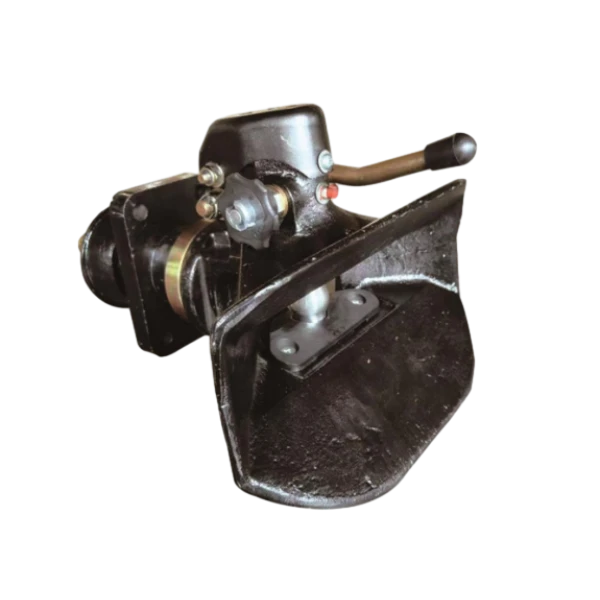 Trailer Coupling
The trailer coupling is a critical component in vehicle towing systems, designed to ensure a secure and efficient connection between a towing vehicle and a trailer. These couplings are manufactured using high-strength carbon steel, alloy steel, or stainless steel, ensuring durability and resistance to heavy loads and harsh environments.
-
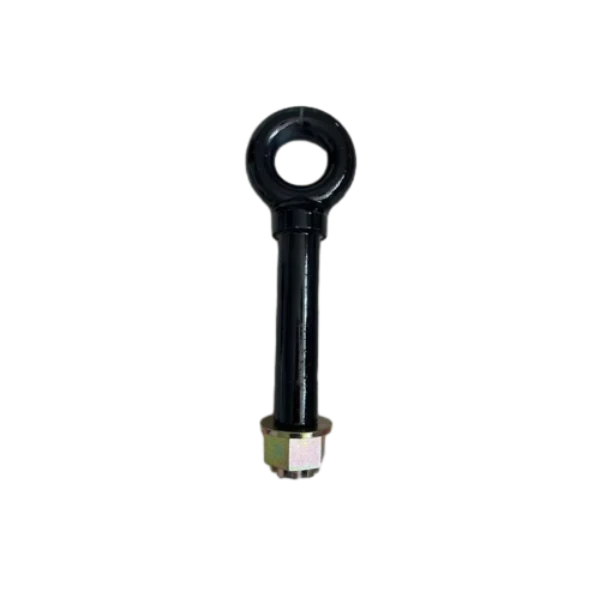
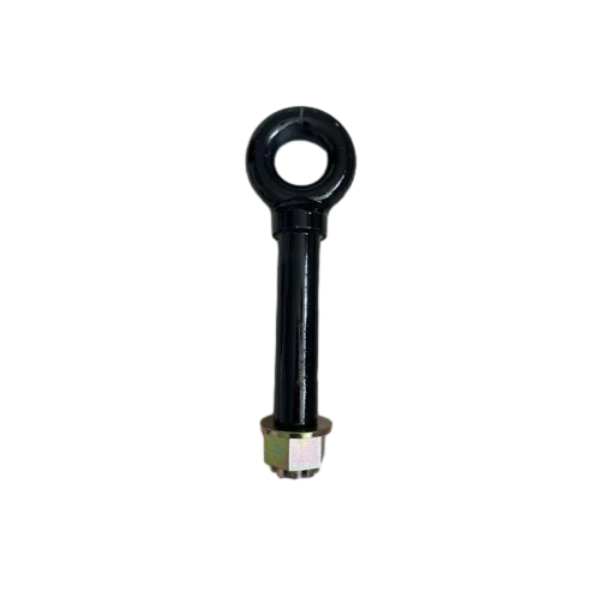 Drawbar Eyes
Drawbar eyes are essential components in towing and hauling applications, providing a strong and secure attachment point between the trailer and the towing vehicle. They are designed to endure extreme pulling forces, making them suitable for heavy-duty applications.
-
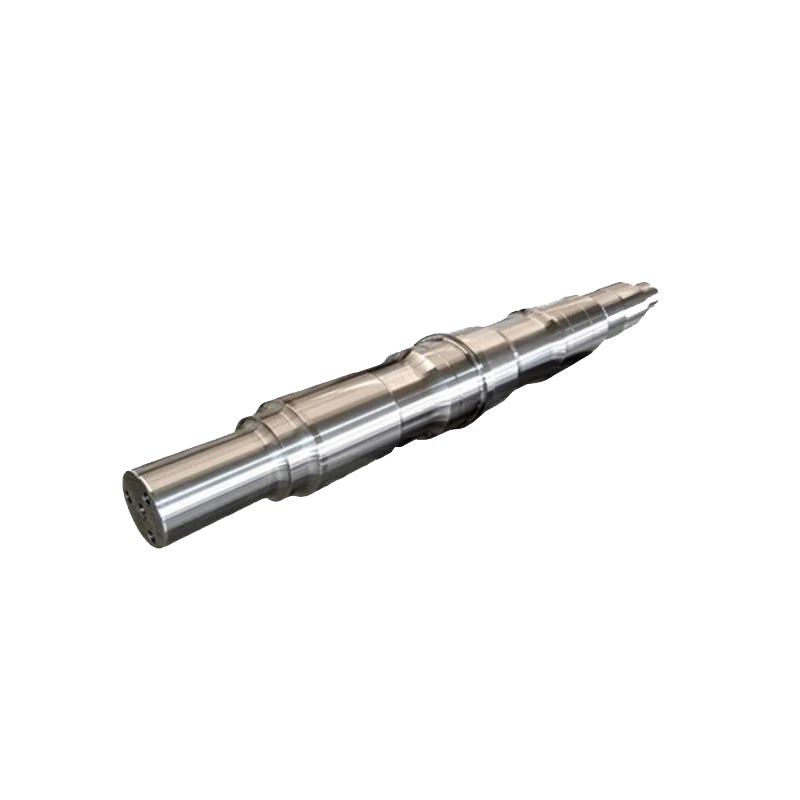
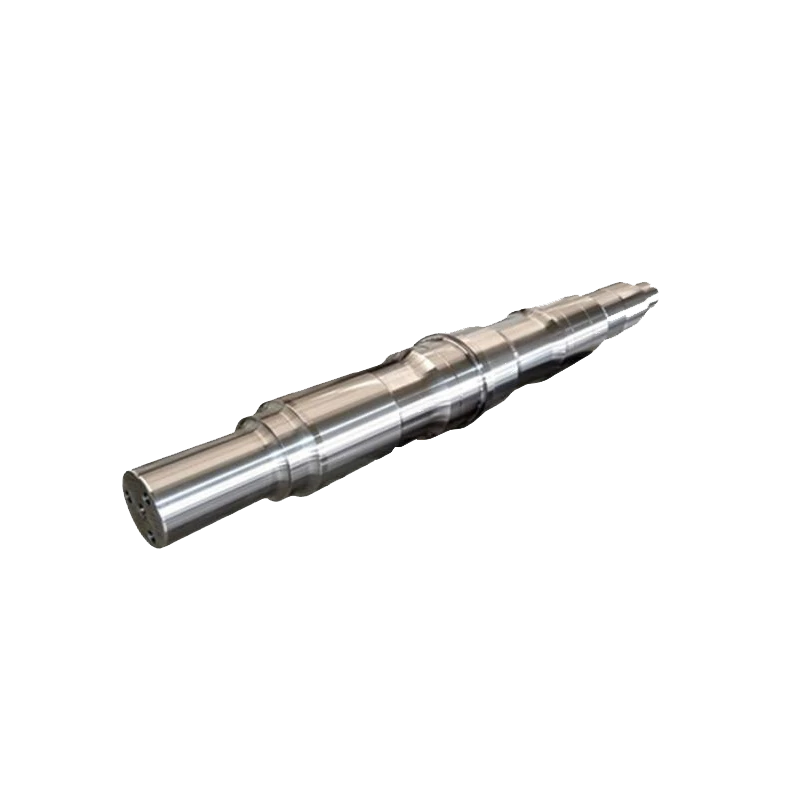 Axles
AxlesAxles are essential for vehicle load-bearing and power transmission, ensuring smooth movement and weight distribution. They must withstand high stress, torque, and impact, making material selection and precise manufacturing crucial.
-
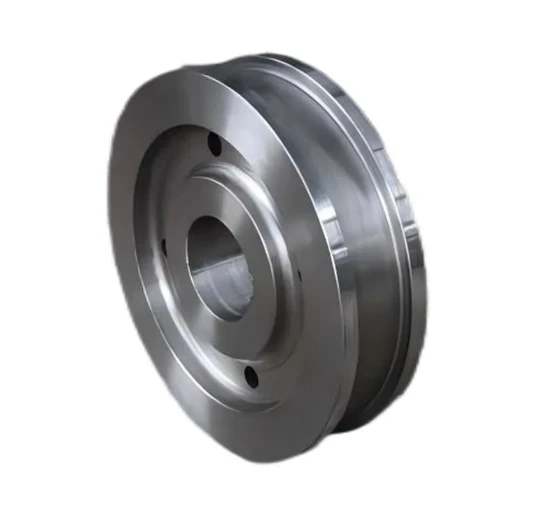
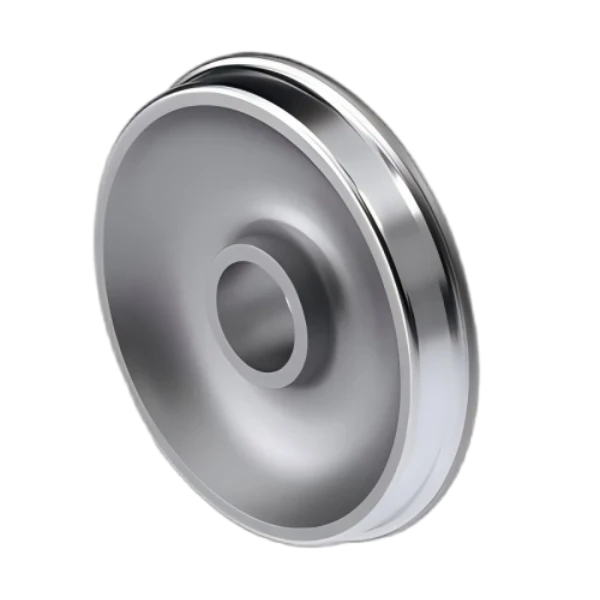
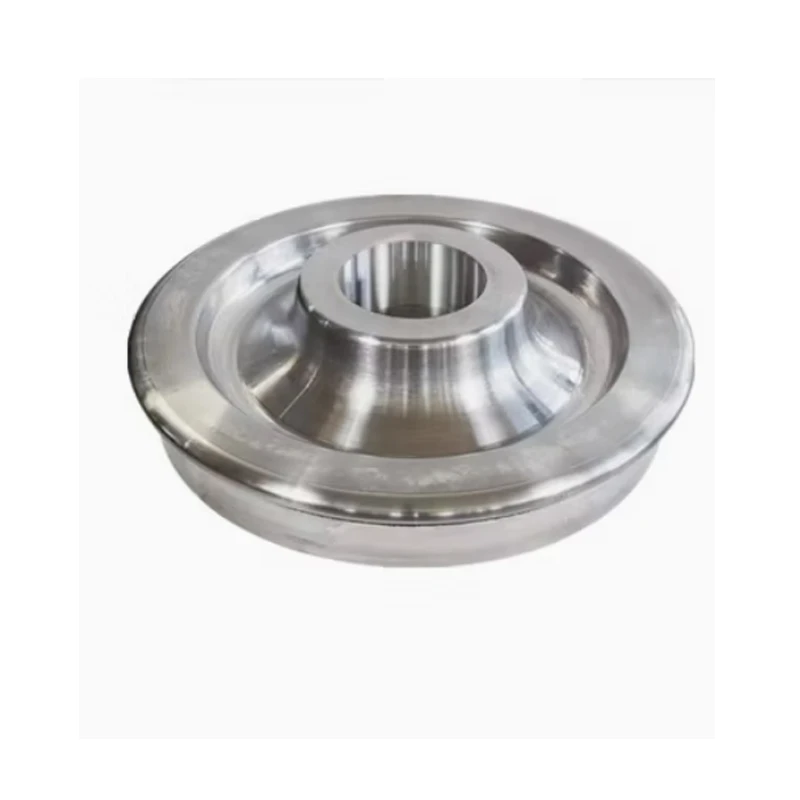 Profile S1002 Series Rail Wheels
The S1002 series rail wheels are designed for Rail-Road Vehicles (RRVs) that require seamless operation on both roads and railway tracks. Engineered with high precision and durability, these wheels conform to S1002 tread profiles, ensuring compatibility with standard railway systems.
A Comprehensive Guide to Axles Types for Industry Decision Makers | Manufacturing Base
Axles Types is a key solution in the industry, specifically within heavy machinery and transportation sectors. This article explores how https://www.manufacturing-base.com supports professionals with durable, high-performance products
>
Reliable Rail Wheels: Optimize Your Rail Transport Solutions
For industries that rely on rail-based vehicles, choosing the right rail wheels is essential for smooth operations and safety.
>
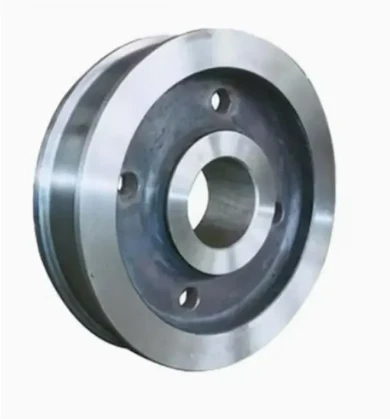
Premium Overhead Crane Wheels For Sale: Enhance Industrial Lifting Efficiency
In modern industrial operations, high-quality overhead crane wheels for sale are essential for safe, reliable, and efficient lifting.
>
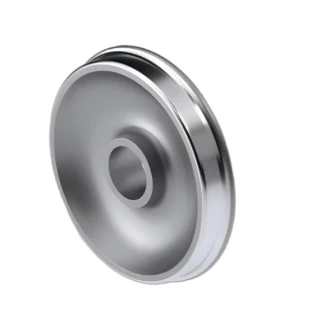
Premium Hi Rail Wheels For Sale: Boost Rail Vehicle Performance
In the modern industrial and railway sectors, having reliable hi rail wheels for sale is essential for operational efficiency and safety.
>
High-Quality Hi Rail Wheels For Sale: Enhance Your Rail Equipment Efficiency
When it comes to reliable rail maintenance and industrial operations, investing in hi rail wheels for sale is crucial.
>
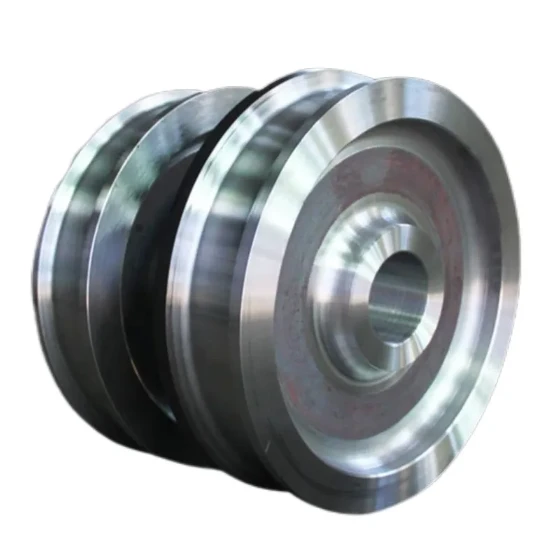
High-Quality Crane Wheels For Sale: Enhance Your Crane Operations
For industries relying on heavy lifting and material handling, investing in high-quality crane wheels for sale is crucial.
>
Durable Gantry Crane Wheels For Sale: Maximize Lifting Efficiency
For industries relying on heavy-duty lifting and material handling, selecting the right gantry crane wheels for sale is vital.
>
Reliable Tandem Drive Axles for Heavy-Duty Industrial Vehicles
Tandem Drive Axles: What I’ve Learned After Years in the Industrial Equipment Sector Ha
>
Reliable Semi Trailer Axles for Heavy-Duty Trailers | Expert Insight
Understanding semi trailer axles: The Backbone of Heavy Hauling Having spent more than a deca
>
RC Portal Axles: Industrial Strength and Custom Performance
RC Portal Axles: A Veteran’s Take on Industrial-Grade Performance Having spent over a d
>
Engineered for Excellence
Our forged solutions deliver reliability and performance, powering demanding industries to keep operations running smoothly.

Sign up
for Newsletter
Subscribe to the weekly newsletter for all the latest updates