- Tel: +86 311 82620404
- Cell: 86 -13739710551
- Email: sales@potentia.cn

Premium Drawbar Eyes: Robust Swivel & Premier Pintle
Driving Efficiency: The Critical Role of Drawbar Eyes in Industrial Traction
In heavy-duty towing and industrial applications, the integrity and reliability of coupling components are paramount. Among these, the drawbar eyes stand out as a fundamental interface, connecting diverse implements and trailers to prime movers. These robust components are engineered to withstand immense tensile and dynamic loads, serving as the crucial link that ensures safe and efficient power transfer across a multitude of sectors. The demand for highly durable and precisely manufactured drawbar eyes is escalating, driven by growth in industries such as agriculture, construction, logistics, and mining, where increasing load capacities and operational efficiency are key objectives.
Current industry trends highlight a shift towards materials offering superior fatigue resistance and corrosion protection, alongside designs that facilitate easier coupling and reduced maintenance. Innovations in metallurgy and surface treatments are extending the operational life of these components, directly impacting equipment uptime and overall cost-effectiveness. Furthermore, the integration of advanced manufacturing techniques is enabling tighter tolerances and enhanced structural integrity, meeting the rigorous demands of modern heavy equipment. Specialized variants, such as the swivel drawbar eye, offer enhanced articulation for uneven terrains, while the premier pintle eye provides robust and secure connections for demanding pintle hook systems.
Precision Engineering: The Manufacturing Process of Drawbar Eyes
The production of high-performance drawbar eyes involves a meticulously controlled manufacturing process, ensuring each component meets stringent structural and functional requirements. Material selection is the initial critical step, typically involving high-grade alloy steels such as 42CrMo4 (AISI 4140) or similar, known for their exceptional strength, toughness, and fatigue resistance. These materials are chosen to endure the severe cyclical loading and abrasive environments common in heavy-duty applications.
Manufacturing Process Flow:
- Material Procurement & Inspection: Sourcing certified steel billets (e.g., DIN EN 10083-1 for 42CrMo4) with full traceability. Incoming material undergoes ultrasonic testing and chemical analysis to confirm composition and absence of internal defects.
- Forging: Billets are heated to precise temperatures (e.g., 1100-1250°C) and shaped using open-die or closed-die forging. This process refines the grain structure, enhancing strength and impact resistance, crucial for the long service life of these components.
- Annealing/Normalizing: Post-forging, components undergo heat treatment to relieve internal stresses, improve machinability, and achieve a uniform grain structure.
- CNC Machining: Precision machining operations are performed to achieve final dimensions, surface finishes, and critical features like bore diameters and shank profiles. This ensures compatibility with coupling systems and optimal fit.
- Hardening & Tempering: Components are quenched and tempered to achieve the desired hardness (e.g., 30-36 HRC) and mechanical properties, balancing strength with ductility. This process is vital for resisting wear and high stress concentrations.
- Surface Treatment: Options include phosphating, galvanizing, or powder coating for enhanced corrosion resistance and aesthetics, particularly important in harsh outdoor environments.
- Quality Control & Testing: Each batch undergoes rigorous testing, including magnetic particle inspection (MPI) for surface cracks, ultrasonic testing (UT) for internal defects, mechanical property testing (tensile strength, impact strength, fatigue life), and dimensional inspection. Adherence to standards like ISO 8755, ISO 24347, and ANSI B10.1 is strictly maintained.
- Final Assembly & Packaging: Components are checked for final adherence to specifications, lubricated if necessary, and packaged to prevent damage during transit.
The resulting components demonstrate superior service life, often exceeding 500,000 cycles under rated load, thanks to the robust materials and meticulous manufacturing. Target industries include petrochemical, metallurgy, mining, construction, and water supply & drainage, where the demand for high-strength, corrosion-resistant coupling solutions is constant.
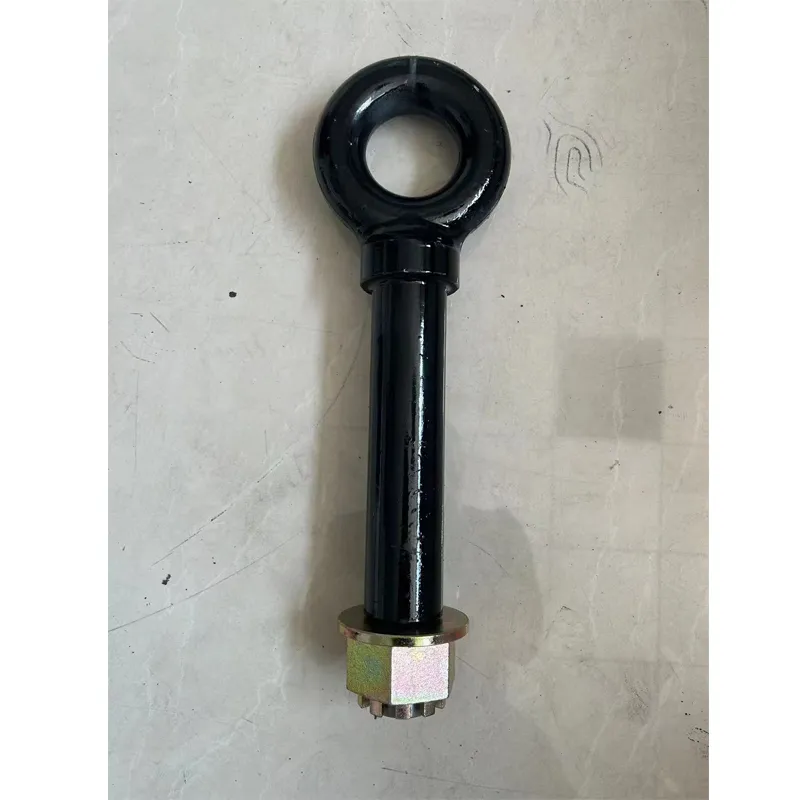
Figure 1: Illustration of a precision-engineered drawbar eye.
Technical Specifications and Performance Parameters
Understanding the technical specifications of drawbar eyes is crucial for ensuring compatibility, safety, and optimal performance in diverse applications. Key parameters include material composition, load capacity, eye diameter, shank dimensions, and surface finish. These specifications dictate the component's ability to withstand various operational stresses.
Typical Specifications for Heavy-Duty Drawbar Eyes
| Parameter | Description / Value Range |
|---|---|
| Material | Forged Alloy Steel (e.g., 42CrMo4 / AISI 4140) |
| Tensile Strength | ≥ 1000 MPa (145,000 psi) |
| Yield Strength | ≥ 850 MPa (123,000 psi) |
| Hardness | 30-36 HRC |
| D-Value (kN) | Typically 50-190 kN, depending on application |
| Eye Inner Diameter | 30mm, 40mm, 50mm, 76mm, 90mm, 100mm (common sizes) |
| Shank Diameter | Ranges from 25mm to 100mm, with various lengths |
| Surface Finish | Self-color, Zinc Plated, Phosphate Coated, Powder Coated |
| Standards Compliance | ISO 8755, ISO 24347, DIN 74054, ECE R55, SAE J847 |
| Fatigue Life | Minimum 500,000 cycles at rated load without failure |
The D-value (Dynamic value) is a critical performance indicator, representing the theoretical horizontal force a coupling can withstand. It is calculated based on the maximum permissible total mass of the towing vehicle and trailer, ensuring that the selected drawbar eye is appropriately rated for its intended application. Adherence to international standards like ISO 24347 for mechanical connections between towing vehicles and trailers is paramount for global compatibility and safety.
Versatile Applications and Unrivaled Advantages
The versatility of drawbar eyes makes them indispensable across a broad spectrum of heavy industries. Their robust design and secure coupling mechanism are vital for safely transporting materials and equipment, improving operational efficiency and safety.
Typical Application Scenarios:
- Agriculture: Connecting trailers, cultivators, plows, and other implements to tractors, operating in challenging terrains and weather conditions.
- Construction: Towing heavy machinery, dump trailers, and material wagons on construction sites. The ability to handle high shock loads is crucial here.
- Mining: Transporting ore, equipment, and personnel in subterranean and open-pit operations, where components must endure extreme abrasion and impact.
- Logistics & Transportation: Securing trailers to trucks for long-haul and heavy-haul freight, demanding consistent reliability and adherence to road safety regulations.
- Petrochemical & Energy: Moving specialized equipment and tanks within industrial complexes, often requiring corrosion-resistant treatments due to exposure to aggressive chemicals.
- Water Supply & Drainage: Hauling pumps, generators, and maintenance equipment for municipal infrastructure projects.
Technical Advantages:
- Enhanced Safety & Reliability: Engineered to specific D-values and S-values (static vertical load) with generous safety factors, minimizing the risk of detachment or failure under extreme conditions.
- Superior Corrosion Resistance: Advanced surface treatments such as hot-dip galvanizing or specialized coatings provide exceptional protection against rust and chemical degradation, particularly beneficial in marine, agricultural, or petrochemical environments. This directly translates to extended operational life and reduced maintenance.
- Optimized Energy Transfer: Precision machining ensures minimal play between the drawbar eye and the coupling mechanism, leading to more efficient power transmission from the prime mover to the towed implement. This reduces wear on coupling pins and bushes, and can contribute to fuel efficiency by minimizing lost motion.
- Extended Service Life: Through advanced forging techniques, rigorous heat treatment, and stringent quality control, these components exhibit superior fatigue strength and wear resistance, significantly extending their operational lifespan even under continuous heavy usage.
- Adaptability: Available in various configurations, including fixed, adjustable, and the highly flexible swivel drawbar eye, which allows for greater articulation and reduces stress on the towing system when operating on uneven terrain or during tight maneuvers. The premier pintle eye, designed for use with pintle hooks, offers robust, positive coupling for extremely heavy loads.
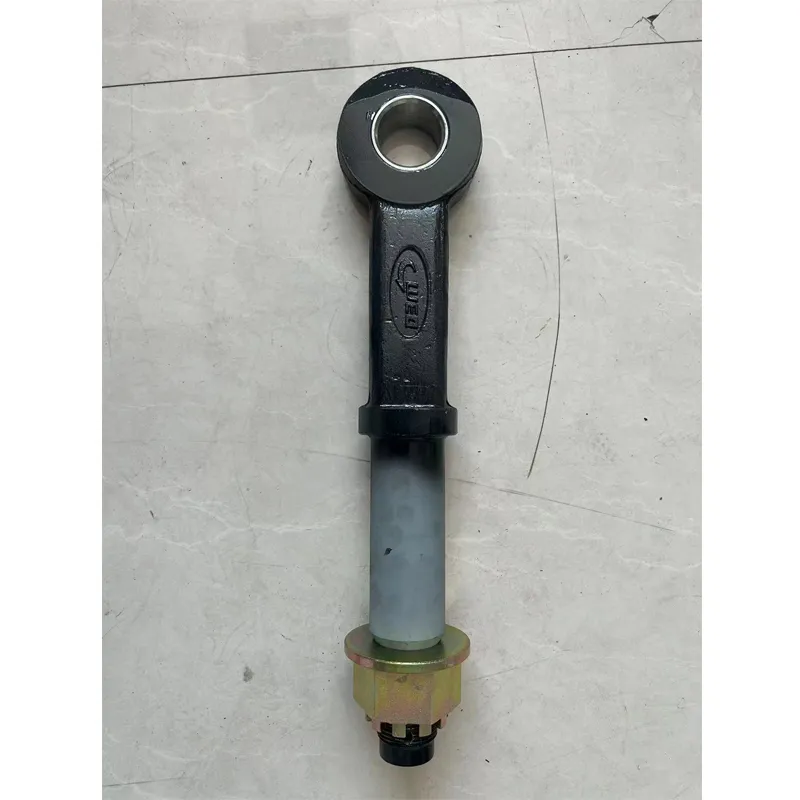
Figure 2: Drawbar eyes providing critical connection in agricultural machinery.
Vendor Comparison: Choosing the Right Partner for Drawbar Eyes
Selecting the right manufacturer for drawbar eyes is a strategic decision that impacts operational safety, equipment longevity, and total cost of ownership. Key factors to consider include manufacturing expertise, adherence to international standards, material quality, customization capabilities, and after-sales support. While many suppliers offer standard products, differentiation often lies in specialized capabilities and consistent quality assurance.
Comparison of Leading Drawbar Eye Manufacturers (Illustrative)
| Feature/Vendor | Vendor A (Global OEM Supplier) | Vendor B (Specialty Forging House) | Vendor C (Cost-Optimized Provider) |
|---|---|---|---|
| Manufacturing Process | Advanced Robotic Forging, CNC, Multi-stage QC | Precision Forging, Manual Machining, Focused QC | Batch Forging, Standard Machining, Basic QC |
| Material Traceability | Full traceability (raw material to finished product) | Batch-level traceability | Limited traceability |
| Certifications | ISO 9001, ISO 14001, IATF 16949, ECE R55 | ISO 9001, DIN/SAE compliance | Basic ISO 9001 |
| Customization | Extensive engineering support, rapid prototyping | Moderate, focused on specific modifications | Limited to standard configurations |
| Lead Time (Typical) | 4-8 weeks for custom, stock readily available | 6-12 weeks for custom, smaller stock | 8-16 weeks for custom, larger stock orders |
| Price Point | Premium (reflects quality & R&D) | Mid-range (good balance) | Budget-friendly (for less critical applications) |
| Innovation (e.g., lightweighting) | High (continuous R&D into new materials/designs) | Moderate (focused improvements) | Low (focus on established designs) |
A diligent vendor evaluation process should include factory audits, material certificates review, and examination of product testing protocols. Established manufacturers often possess decades of experience, supplying critical components to major OEMs globally, reinforcing their authority and trustworthiness in the sector.
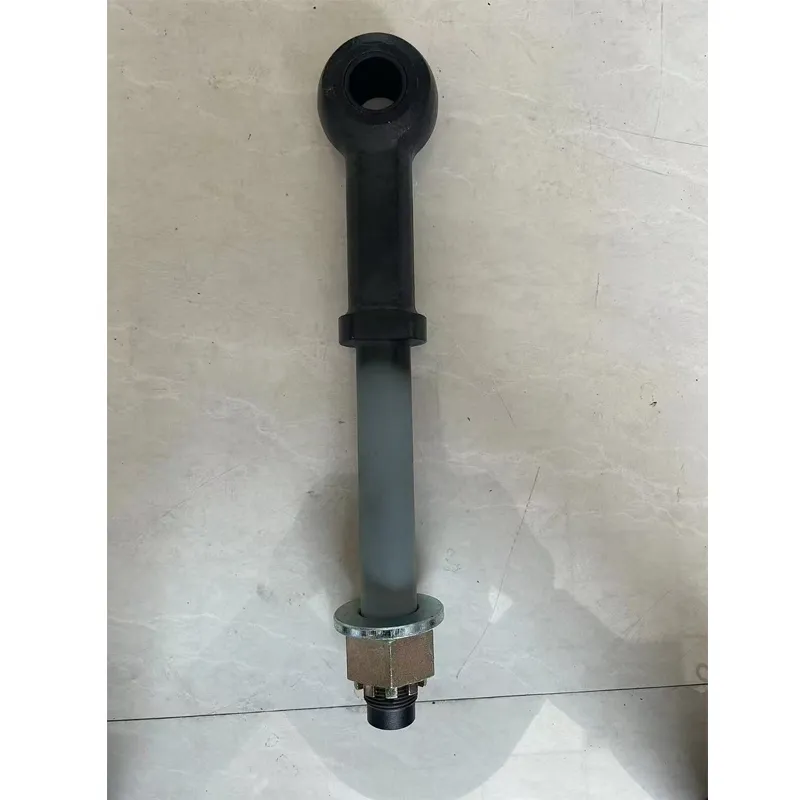
Figure 3: Advanced testing procedures for drawbar eyes.
Customized Solutions: Tailoring Drawbar Eyes to Unique Demands
While standard drawbar eyes meet a wide range of industrial needs, many specialized applications require bespoke solutions. Customization allows for optimal integration with specific equipment designs, addressing unique load requirements, environmental challenges, and operational constraints. Manufacturers with advanced engineering capabilities can collaborate closely with clients to develop tailor-made components.
Customization options typically include:
- Material Variations: Utilizing specialized high-strength steels, stainless steel for extreme corrosion resistance, or lighter alloys for weight-sensitive applications.
- Dimensional Adjustments: Modifying eye inner diameters, shank lengths, and mounting hole patterns to perfectly match existing equipment or new designs.
- Surface Treatments: Applying specific coatings (e.g., ceramic coatings for abrasion, specialized paints for chemical resistance) beyond standard zinc or phosphate.
- Load Capacity Enhancement: Redesigning geometry and reinforcing critical stress points to achieve higher D-values or S-values for exceptionally heavy-duty tasks.
- Integrated Features: Incorporating additional elements like damping systems for vibration reduction, or sensor integration for load monitoring, directly into the drawbar eye design.
The process typically involves detailed engineering consultations, CAD modeling, finite element analysis (FEA) to simulate stress distribution, and rigorous prototype testing to validate performance before full-scale production. This collaborative approach ensures that the customized solution not only meets but often exceeds the specific demands of the application, providing superior performance and a longer operational lifespan.
Real-World Application Case Studies
Case Study 1: Enhanced Durability in Open-Pit Mining
A major mining operation in Western Australia faced persistent failures of standard drawbar eyes on their heavy haulage trailers, leading to significant downtime and safety concerns. The extreme conditions, characterized by abrasive dust, high impact loads, and continuous operation, rapidly degraded the components. Working with a specialized manufacturer, a custom drawbar eye was designed using a proprietary ultra-high-strength steel alloy, combined with a ceramic-infused surface coating for enhanced abrasion resistance. The new design also featured an optimized forging geometry to better distribute stress. Post-implementation, the new drawbar eyes demonstrated a 250% increase in service life compared to previous components, drastically reducing unscheduled maintenance and improving overall operational safety and efficiency.
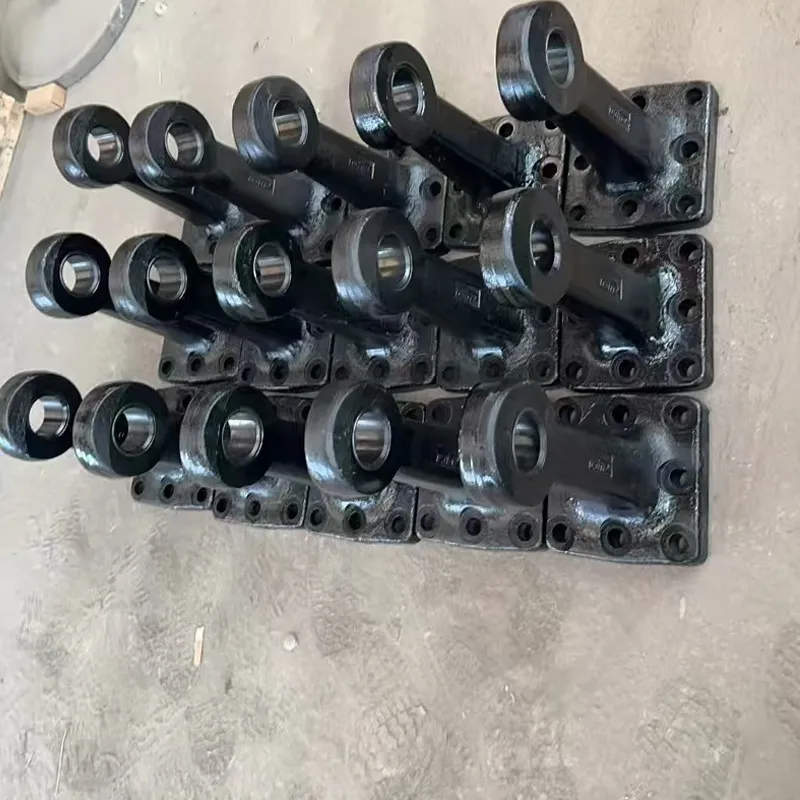
Figure 4: Heavy-duty drawbar eye in a demanding mining environment.
Case Study 2: Optimized Articulation for Agricultural Equipment
An agricultural machinery OEM sought to improve the maneuverability and reduce stress on their large trailed implements, particularly when operating on uneven farmlands. Standard fixed drawbar eyes often led to binding and accelerated wear in these dynamic environments. The solution involved implementing a specifically engineered swivel drawbar eye. This component featured a robust spherical bearing assembly, allowing for greater angular articulation (up to 30 degrees in all directions) without compromising load-bearing capacity. The upgrade significantly reduced hitch point stress, minimized tire scrubbing on turns, and improved the overall ease of operation for farmers, leading to enhanced equipment longevity and operator comfort.
Case Study 3: High-Security Coupling for Specialty Transport
A specialized logistics firm transporting oversized and high-value cargo required a coupling solution that offered exceptional security and positive engagement, especially for multi-trailer configurations. Their existing couplings exhibited excessive slack and could occasionally disengage under extreme torsional forces. The firm transitioned to trailers equipped with a premier pintle eye system, paired with heavy-duty pintle hooks. The precision-engineered pintle eye, featuring a hardened steel bush and a tight-tolerance design, ensured zero play when coupled, providing a virtually unbreakable connection. This enhanced security drastically reduced the risk of accidental uncoupling, improving safety margins for highly critical transport operations.
Ensuring Trust and Reliability: FAQ, Logistics, and Support
Frequently Asked Questions (FAQ)
Q1: What is the typical service life of a drawbar eye?
A1: With proper selection, installation, and maintenance, a high-quality drawbar eye can have a service life exceeding 500,000 load cycles or several years in operation, even under demanding conditions. Factors like load intensity, environmental exposure, and adherence to maintenance schedules significantly influence its lifespan.
Q2: How do I select the correct D-value for my application?
A2: The D-value (Dynamic value) is determined by the maximum permissible gross mass of the towing vehicle and the trailer. It's crucial to consult relevant engineering standards (e.g., ISO 24347, ECE R55) and your equipment's specifications. A qualified engineer can assist in calculating the precise D-value required to ensure safety and compliance.
Q3: Can drawbar eyes be repaired or should they always be replaced?
A3: Due to the critical safety function of drawbar eyes, repair is generally not recommended. Any significant wear, deformation, cracking, or material fatigue necessitates immediate replacement of the component to prevent catastrophic failure. Always consult the manufacturer's guidelines for inspection and replacement intervals.
Lead Time and Fulfillment
Standard drawbar eyes are typically available from stock or with a lead time of 2-4 weeks for bulk orders. Custom-engineered solutions, depending on complexity and material requirements, may require 8-16 weeks for design, prototyping, testing, and production. Our global logistics network ensures efficient and reliable delivery to your operational sites worldwide. We provide detailed lead time estimates and tracking for all orders.
Warranty Commitments
All our drawbar eyes come with a comprehensive warranty against manufacturing defects in materials and workmanship. The standard warranty period is typically 12-24 months from the date of purchase, or a specified operational hour/mileage limit, whichever comes first. Specific warranty terms are provided with each product and can be extended for large-scale OEM partnerships.
Customer Support and After-Sales Service
Our dedicated technical support team is available to assist with product selection, application engineering, installation guidance, and troubleshooting. We offer comprehensive after-sales service, including spare parts availability, technical bulletins, and on-site support for critical applications. Our commitment extends beyond the sale, ensuring optimal performance and longevity of our products throughout their operational life.
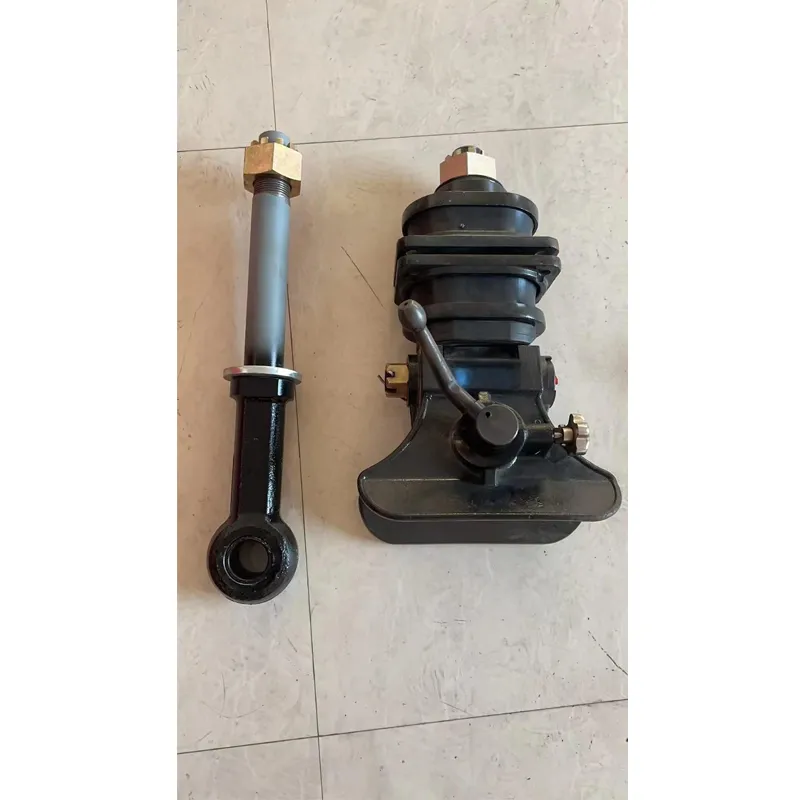
Figure 5: Ensuring customer satisfaction through dedicated support.
Conclusion: The Future of High-Performance Drawbar Eyes
As industrial applications continue to evolve, demanding greater load capacities, enhanced safety features, and extended operational lifespans, the role of high-quality drawbar eyes remains more critical than ever. The commitment to advanced material science, precision manufacturing, and rigorous testing ensures that these essential components not only meet but exceed the expectations of modern heavy-duty environments. Investing in superior drawbar eye technology translates directly into improved productivity, reduced maintenance costs, and, most importantly, enhanced safety across diverse industrial sectors. The future will likely see further innovations in lightweighting, smart sensor integration, and advanced composite materials, pushing the boundaries of what these critical components can achieve.
References
- International Organization for Standardization. ISO 24347:2005 - Agricultural vehicles and towed machinery - Mechanical connections between towing vehicles and towed machinery - Dimensions of coupling points.
- European Commission. ECE Regulation No. 55 - Uniform provisions concerning the approval of mechanical coupling components of combinations of vehicles.
- SAE International. SAE J847 - Drawbar Eye for Agricultural Tractors and Implements.
- ASM International. Materials Selection and Design for Mechanical Components. ASM Handbook, Vol. 20, 2008.
- Metals Handbook Desk Edition. Forging: Principles and Applications. ASM International, 1998.
-
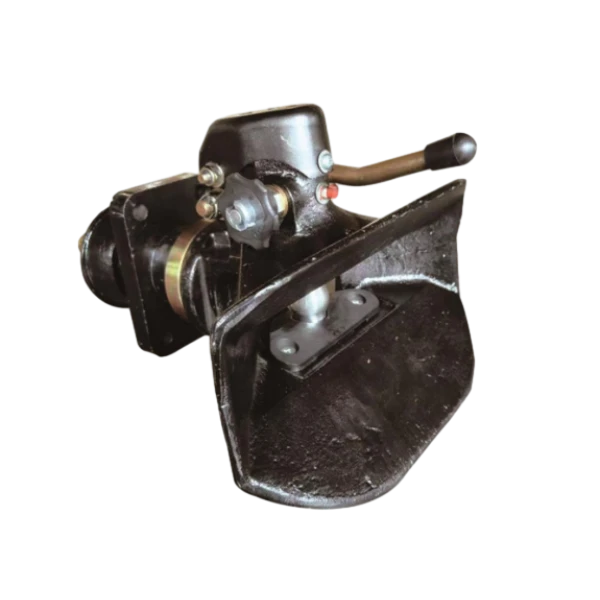 Trailer Coupling
The trailer coupling is a critical component in vehicle towing systems, designed to ensure a secure and efficient connection between a towing vehicle and a trailer. These couplings are manufactured using high-strength carbon steel, alloy steel, or stainless steel, ensuring durability and resistance to heavy loads and harsh environments.
-
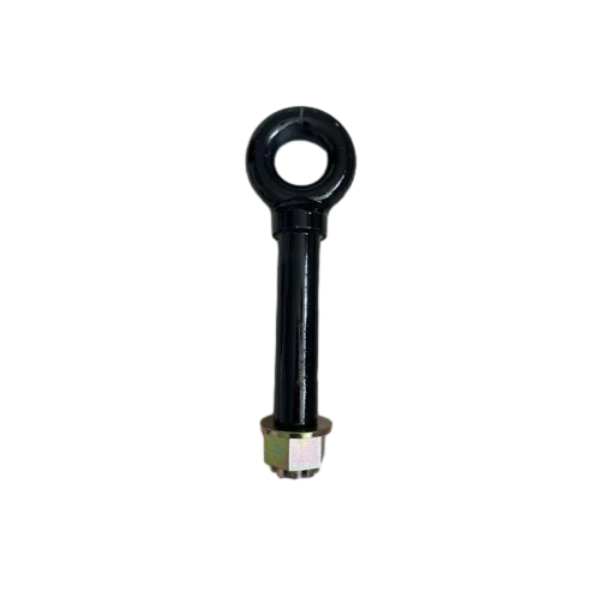 Drawbar Eyes
Drawbar eyes are essential components in towing and hauling applications, providing a strong and secure attachment point between the trailer and the towing vehicle. They are designed to endure extreme pulling forces, making them suitable for heavy-duty applications.
-
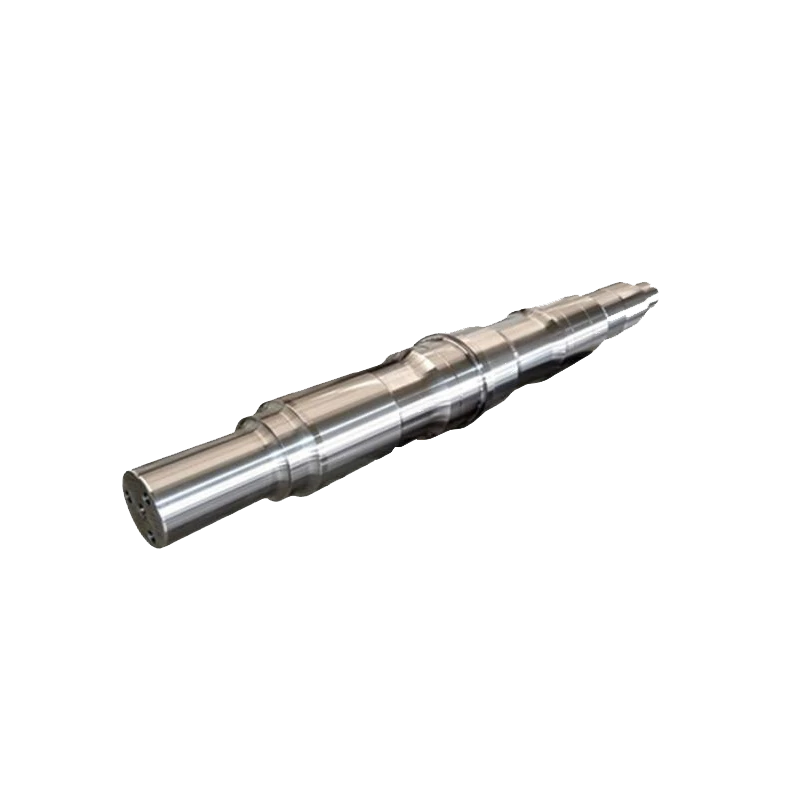 Axles
AxlesAxles are essential for vehicle load-bearing and power transmission, ensuring smooth movement and weight distribution. They must withstand high stress, torque, and impact, making material selection and precise manufacturing crucial.
-
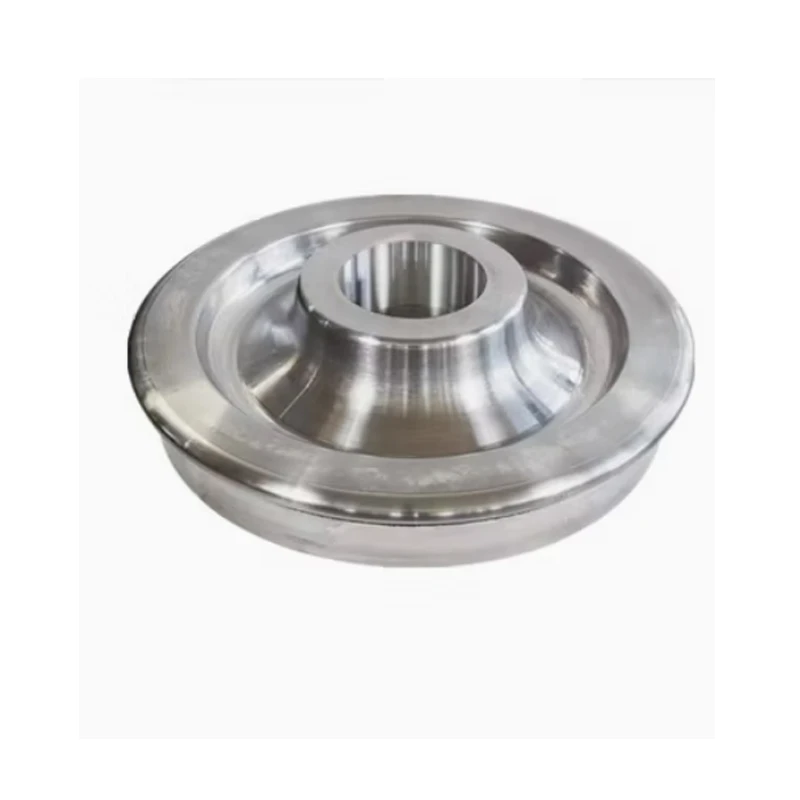 Profile S1002 Series Rail Wheels
The S1002 series rail wheels are designed for Rail-Road Vehicles (RRVs) that require seamless operation on both roads and railway tracks. Engineered with high precision and durability, these wheels conform to S1002 tread profiles, ensuring compatibility with standard railway systems.
A Comprehensive Guide to Axles Types for Industry Decision Makers | Manufacturing Base
Axles Types is a key solution in the industry, specifically within heavy machinery and transportation sectors. This article explores how https://www.manufacturing-base.com supports professionals with durable, high-performance products
>
Reliable Rail Wheels: Optimize Your Rail Transport Solutions
For industries that rely on rail-based vehicles, choosing the right rail wheels is essential for smooth operations and safety.
>
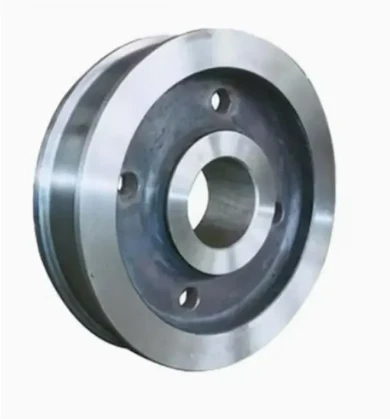
Premium Overhead Crane Wheels For Sale: Enhance Industrial Lifting Efficiency
In modern industrial operations, high-quality overhead crane wheels for sale are essential for safe, reliable, and efficient lifting.
>
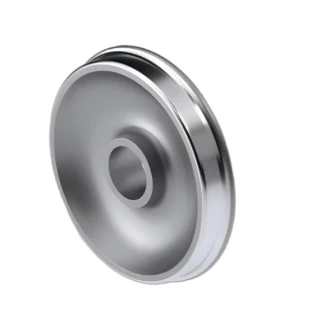
Premium Hi Rail Wheels For Sale: Boost Rail Vehicle Performance
In the modern industrial and railway sectors, having reliable hi rail wheels for sale is essential for operational efficiency and safety.
>
High-Quality Hi Rail Wheels For Sale: Enhance Your Rail Equipment Efficiency
When it comes to reliable rail maintenance and industrial operations, investing in hi rail wheels for sale is crucial.
>
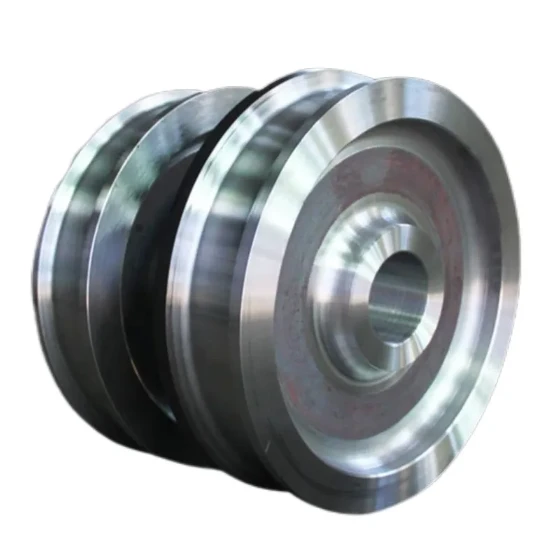
High-Quality Crane Wheels For Sale: Enhance Your Crane Operations
For industries relying on heavy lifting and material handling, investing in high-quality crane wheels for sale is crucial.
>
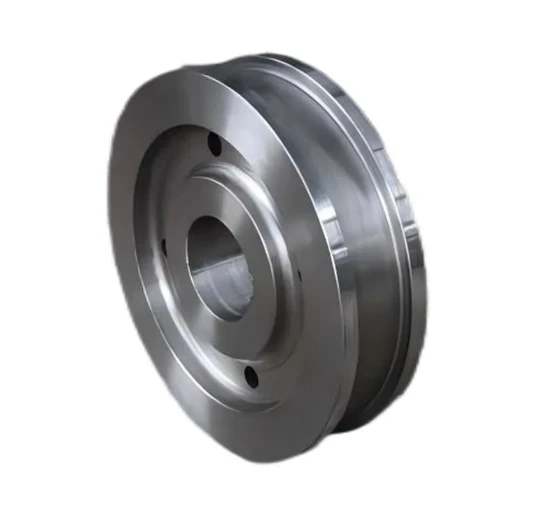
Durable Gantry Crane Wheels For Sale: Maximize Lifting Efficiency
For industries relying on heavy-duty lifting and material handling, selecting the right gantry crane wheels for sale is vital.
>
Reliable Tandem Drive Axles for Heavy-Duty Industrial Vehicles
Tandem Drive Axles: What I’ve Learned After Years in the Industrial Equipment Sector Ha
>
Reliable Semi Trailer Axles for Heavy-Duty Trailers | Expert Insight
Understanding semi trailer axles: The Backbone of Heavy Hauling Having spent more than a deca
>
RC Portal Axles: Industrial Strength and Custom Performance
RC Portal Axles: A Veteran’s Take on Industrial-Grade Performance Having spent over a d
>
Engineered for Excellence
Our forged solutions deliver reliability and performance, powering demanding industries to keep operations running smoothly.

Sign up
for Newsletter
Subscribe to the weekly newsletter for all the latest updates