- Tel: +86 311 82620404
- Cell: 86 -13739710551
- Email: sales@potentia.cn

Portal Axles Explained: Insights from an Industrial Equipment Expert
Understanding Portal Axles: A Veteran's Take on an Industrial Workhorse
After spending well over a decade in the industrial equipment sector, I’ve seen a range of drivetrain components come and go. But portal axles? They’ve stuck around, and frankly, they deserve a closer look. If you’re diving into off-road vehicles, heavy loaders, or specialized utility trucks, chances are you’ve encountered a portal axle—or you will soon enough.
So, what’s the big deal with portal axles? In simple terms, they’re designed to increase the ground clearance without modifying the suspension. I remember a project where a client needed an all-terrain vehicle to navigate rugged, uneven terrain without compromising stability or gearing ratios. Enter the portal axle—allowing them to raise the chassis while keeping the drive shaft and gearing intact.
Portal axles incorporate a unique gear reduction hub at the wheel ends, which shifts the wheel center lower than the axle shaft itself. That means you get that crucial extra clearance “for free,” if you will, as well as added torque at the wheels. Many engineers argue that this significantly reduces strain on the drivetrain components, prolonging service life. From experience, I can agree—vehicles equipped with portal axles tend to have better off-road longevity.
Let’s get a little technical. Modern portal axles come machined from heavy-duty steel, with alloy enhancements to resist corrosion and wear. Sealing and lubrication are especially important because those reduction gears in the hubs need to operate smoothly in all conditions—mud, water, dust. The designs have evolved, but the core objective remains constant: durability without compromising on performance.
| Specification | Value / Range |
|---|---|
| Ground Clearance Increase | 4–8 inches (100–200 mm) |
| Material | High-strength alloy steel |
| Load Capacity | Up to 10,000 kg per axle |
| Gear Reduction Ratio | 1.5:1 to 2.5:1 |
| Typical Applications | Military vehicles, forestry machines, off-road trucks |
Customization is something that surprised me when I first started working with portal axles. These days, the vendors are quite flexible, offering everything from modular gear sets to various carrier bearings and seals tailored for specific environments — everything you might need if you’re operating in sandy deserts or freezing tundras.
Now, about testing and real-world performance. I recall a partner company that ran a portal axle-equipped utility truck through a strenuous mountain trial for over 1,000 km. They reported significant reductions in drivetrain overheating and wear compared to conventional axles. That kind of field data isn’t easy to come by, so it carries a lot of weight in my opinion.
| Vendor | Customization | Load Capacity (kg) | Typical Applications | Lead Time |
|---|---|---|---|---|
| HighTorque Systems | Extensive gear ratio options | Up to 9,500 | Military, heavy industry | 6-8 weeks |
| AxlePro Inc. | Modular seals and bearings | 10,000 max | Forestry, mining | 4-6 weeks |
| RuggedDrive Corp. | Custom alloy treatments | 8,500 | Agriculture, off-road | 5-7 weeks |
Oddly enough, despite their robust build, portal axles aren’t always the easiest component to source quickly. Lead times can vary depending on the customization level, and not all manufacturers stock modular parts. So, when you’re planning, it’s smart to get the specifications nailed down early—trust me, I’ve learned that the hard way on a few projects.
In real terms, if your vehicle will be operating in rough, uneven terrain where ground clearance matters, portal axles can be a game changer. They’re proven in military applications, heavy-duty forestry machines, and any industry requiring extra clearance—without sacrificing torque or mechanical simplicity.
To wrap this up, if you want a drivetrain component that merges clever engineering with practical durability, portal axles are worth a serious look. And if you’re curious about suppliers or product lines, definitely check out the options on portal axle vendors listed there. There’s plenty to choose from depending on your needs.
One final note: the right portal axle is often a balance of design, test data, and real-world use. So, while specs and gear ratios matter, it's the on-the-ground performance—tested and proven—that I trust most after all these years.
References:
- Industrial Vehicle Design Journal, Vol. 29, 2023
- Off-Road Engineering Monthly, Issue 145, 2024
- Field Test Report: HighTorque Systems Portal Axles, 2022
-
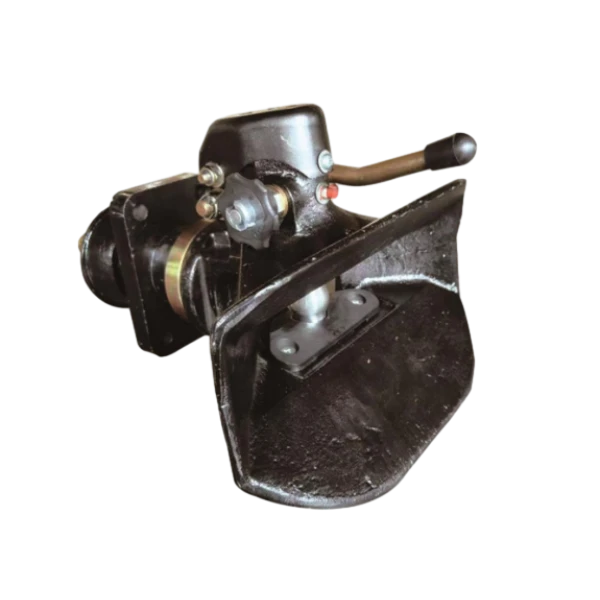 Trailer Coupling
The trailer coupling is a critical component in vehicle towing systems, designed to ensure a secure and efficient connection between a towing vehicle and a trailer. These couplings are manufactured using high-strength carbon steel, alloy steel, or stainless steel, ensuring durability and resistance to heavy loads and harsh environments.
-
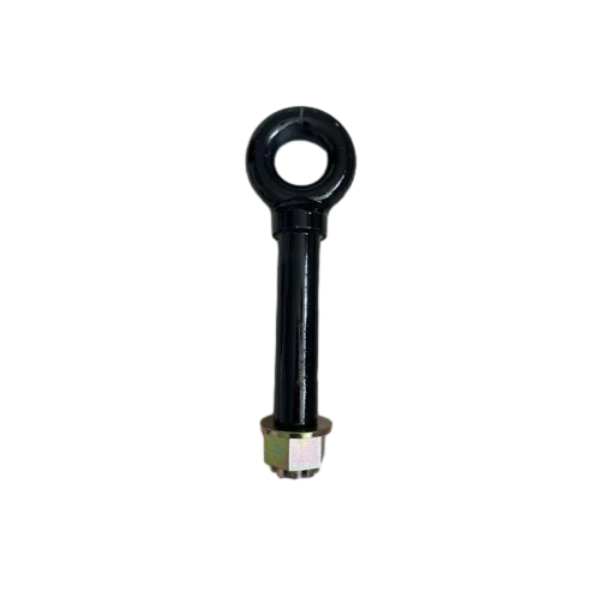 Drawbar Eyes
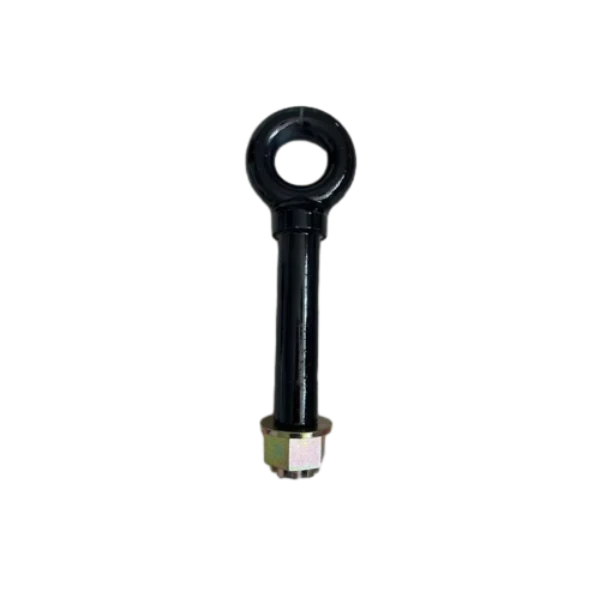
Drawbar eyes are essential components in towing and hauling applications, providing a strong and secure attachment point between the trailer and the towing vehicle. They are designed to endure extreme pulling forces, making them suitable for heavy-duty applications.
-
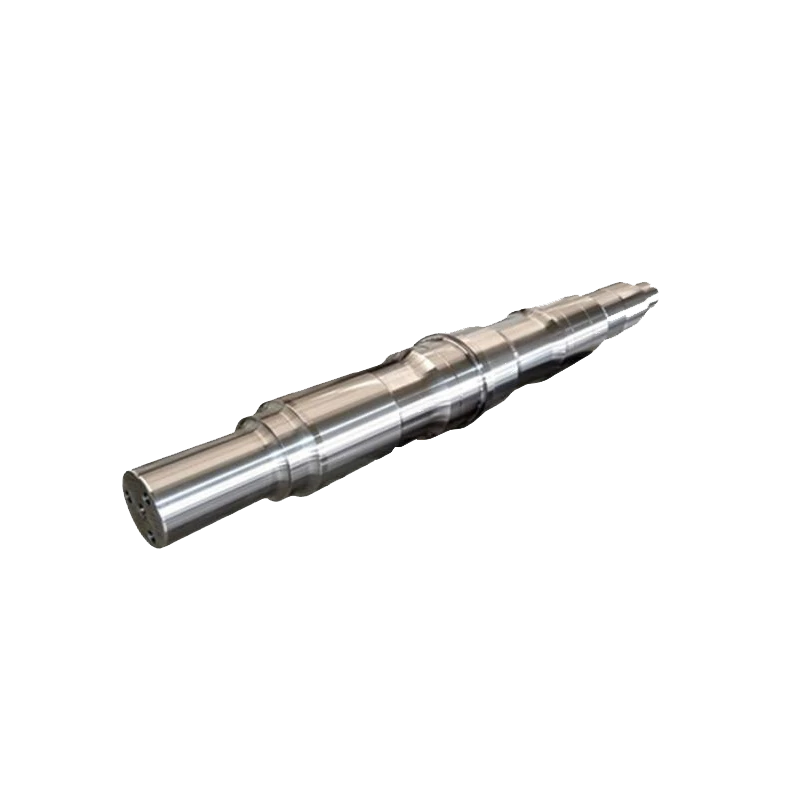 Axles
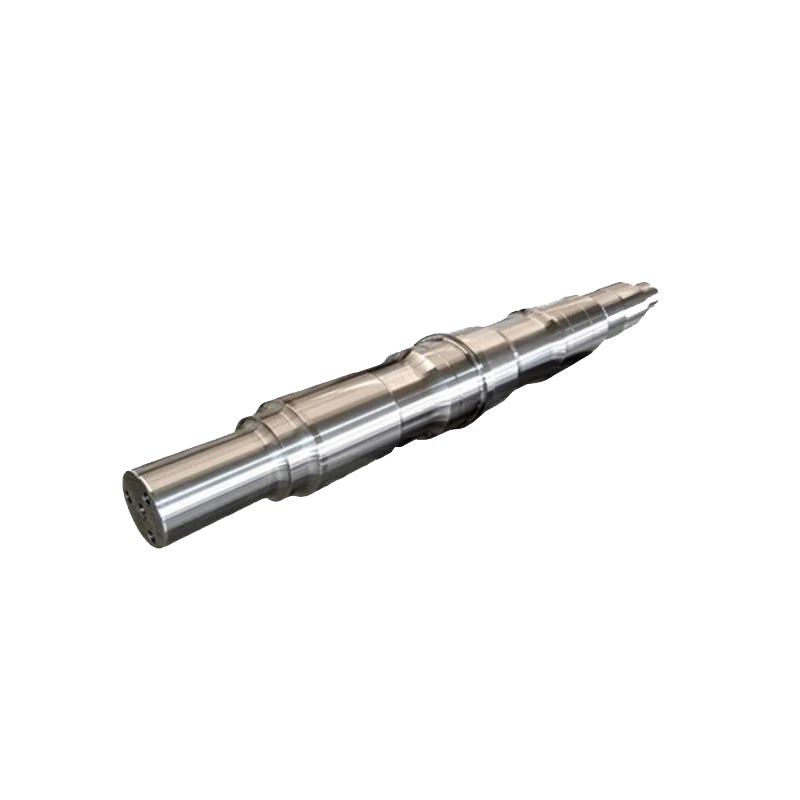
AxlesAxles are essential for vehicle load-bearing and power transmission, ensuring smooth movement and weight distribution. They must withstand high stress, torque, and impact, making material selection and precise manufacturing crucial.
-
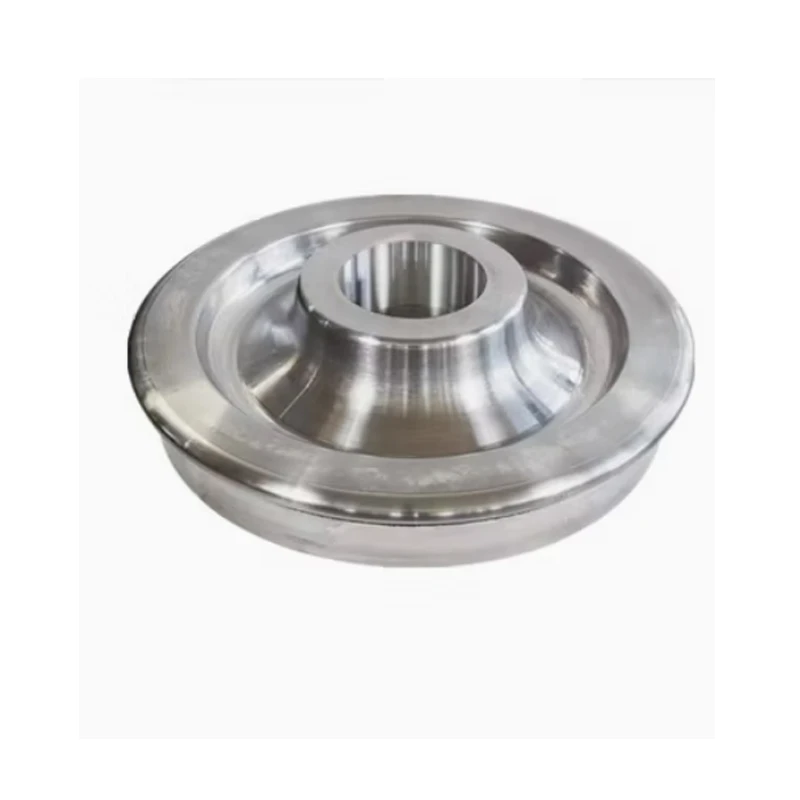 Profile S1002 Series Rail Wheels
The S1002 series rail wheels are designed for Rail-Road Vehicles (RRVs) that require seamless operation on both roads and railway tracks. Engineered with high precision and durability, these wheels conform to S1002 tread profiles, ensuring compatibility with standard railway systems.
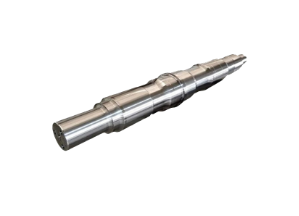
A Comprehensive Guide to Axles Types for Industry Decision Makers | Manufacturing Base
Axles Types is a key solution in the industry, specifically within heavy machinery and transportation sectors. This article explores how https://www.manufacturing-base.com supports professionals with durable, high-performance products
>
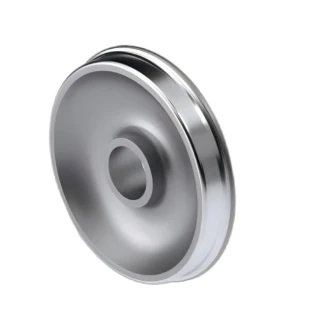
Reliable Rail Wheels: Optimize Your Rail Transport Solutions
For industries that rely on rail-based vehicles, choosing the right rail wheels is essential for smooth operations and safety.
>
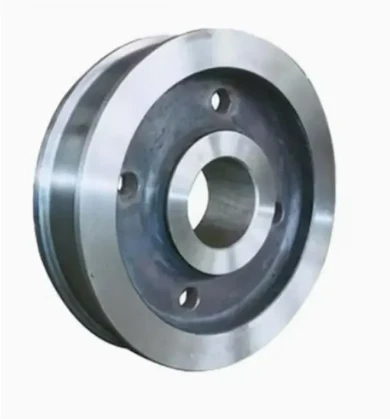
Premium Overhead Crane Wheels For Sale: Enhance Industrial Lifting Efficiency
In modern industrial operations, high-quality overhead crane wheels for sale are essential for safe, reliable, and efficient lifting.
>
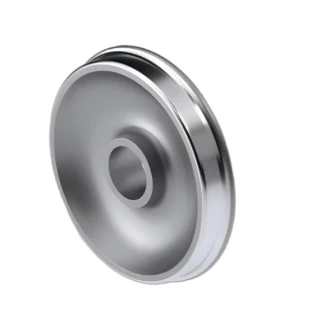
Premium Hi Rail Wheels For Sale: Boost Rail Vehicle Performance
In the modern industrial and railway sectors, having reliable hi rail wheels for sale is essential for operational efficiency and safety.
>
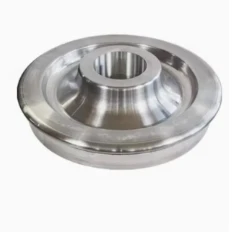
High-Quality Hi Rail Wheels For Sale: Enhance Your Rail Equipment Efficiency
When it comes to reliable rail maintenance and industrial operations, investing in hi rail wheels for sale is crucial.
>
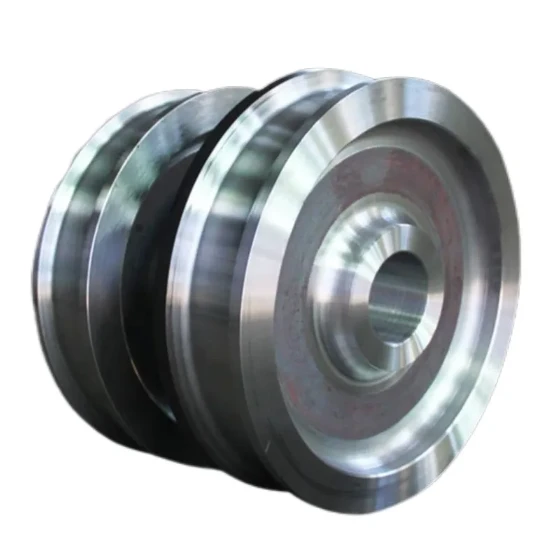
High-Quality Crane Wheels For Sale: Enhance Your Crane Operations
For industries relying on heavy lifting and material handling, investing in high-quality crane wheels for sale is crucial.
>
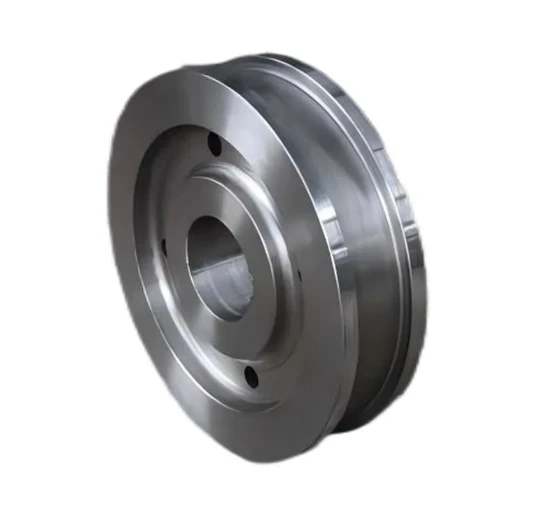
Durable Gantry Crane Wheels For Sale: Maximize Lifting Efficiency
For industries relying on heavy-duty lifting and material handling, selecting the right gantry crane wheels for sale is vital.
>
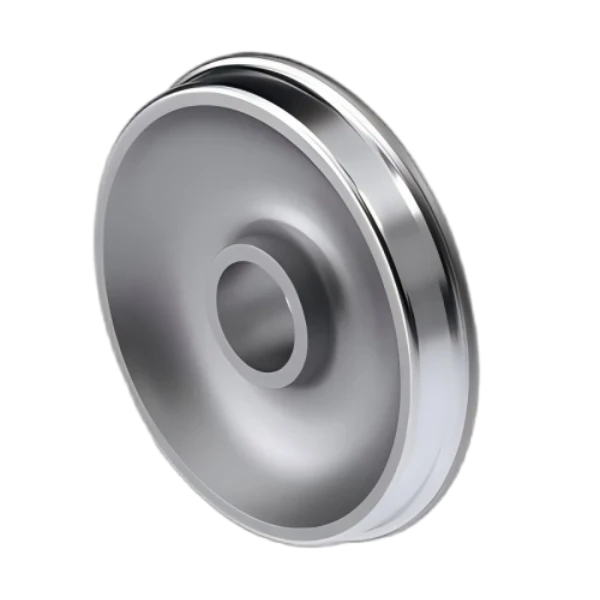
Reliable Tandem Drive Axles for Heavy-Duty Industrial Vehicles
Tandem Drive Axles: What I’ve Learned After Years in the Industrial Equipment Sector Ha
>
Reliable Semi Trailer Axles for Heavy-Duty Trailers | Expert Insight
Understanding semi trailer axles: The Backbone of Heavy Hauling Having spent more than a deca
>
RC Portal Axles: Industrial Strength and Custom Performance
RC Portal Axles: A Veteran’s Take on Industrial-Grade Performance Having spent over a d
>
Engineered for Excellence
Our forged solutions deliver reliability and performance, powering demanding industries to keep operations running smoothly.

Sign up
for Newsletter
Subscribe to the weekly newsletter for all the latest updates