- Tel: +86 311 82620404
- Cell: 86 -13739710551
- Email: sales@potentia.cn

Portal Axles – Definition, Benefits, Global Applications, and Innovations
Portal Axles: Unlocking New Terrain and Industry Potential
Portal axles, though a bit of a niche term outside of off-road engineering circles, have a surprisingly global significance. These unique axle systems redefine wheel clearance and torque distribution, allowing vehicles to tackle steep, rough, and uneven terrain with far greater ease. Why does this matter on an international scale? Well, in remote regions or extreme environments where infrastructure is scarce or damaged — think disaster zones, rugged mining sites, or military operations — the ability to move heavy machinery or vehicles reliably can be a game changer. Understanding portal axles isn’t just for gearheads; it’s for anyone interested in the mechanical heart of critical transport across the world.
Introduction: Why Portal Axles Matter Globally
Globally, the demand for vehicles that can handle challenging off-road conditions is growing. According to UN reports on sustainable infrastructure development, rough terrain vehicles are essential for humanitarian aid, especially in disaster-prone areas. The World Bank highlights that approximately 1.3 billion people live in rural, difficult-to-access locations where traditional transportation methods falter.
Enter portal axles. Their design solves a very specific but pervasive challenge: how to increase ground clearance without compromising wheel strength or stability. Without this, vehicles can easily get stuck or damaged — which is a costly setback when every moment in, say, a rescue mission, counts. The engineering behind portal axles thus addresses a real-world, pressing need.
What Are Portal Axles? A Basic Definition
Simply put, portal axles are a type of axle assembly where the axle tube is positioned above the center of the wheel hub, not directly in line with it. This means the vehicle’s axle is raised relative to the wheel itself. The trick? They use gear reduction hubs at each wheel to transfer power while increasing ground clearance.
This setup lets vehicles run larger tires and clear obstacles without needing to lift the entire suspension system dramatically. For industries like mining, forestry, or military logistics, where vehicles must negotiate debris, rocks, and uneven terrain, portal axles provide an elegant and effective solution.
Core Components of Portal Axles
1. Durability and Strength
These axles must bear heavy loads, so they're typically crafted from hardened steel alloys. Designers focus on withstanding constant torque stresses, impact forces, and environmental wear and tear.
2. Gear Reduction Hub
This is the magic. A set of reduction gears at the hub reduces input speeds from the drive shaft, multiplying torque and easing strain on upstream driveline components.
3. Ground Clearance
The main advantage here is obvious: by raising the axle relative to the wheel center, vehicles achieve ground clearance gains up to several inches without suspension stretching.
4. Sealing and Protection
Given rough environments, seals and protective housings prevent debris and moisture from damaging gears and bearings. Robust sealing ensures long-term reliability in muddy or dusty settings.
5. Maintenance Considerations
Portal axles, due to their complexity, require regular inspections. Still, their modular design allows for relatively straightforward servicing compared to rebuilding entire suspension components.
Mini Takeaway: Portal axles blend engineering precision with functional resilience, enabling vehicles to conquer harsh terrains without massive suspension overhauls.
Portal Axles in Action: Global Use Cases
Hard to believe, but portal axles play roles in some of the most critical industries worldwide:
- Humanitarian Aid: In places like Nepal or Haiti, where earthquakes or floods destroy infrastructure, vehicles equipped with portal axles reach isolated communities for relief operations smoothly.
- Mining Operations: Remote mineral extraction sites in Australia or South Africa rely on heavy trucks with portal axle systems to navigate loose, rocky grounds.
- Military Logistics: Many armed forces globally specify portal axles for transport vehicles designed to handle difficult combat terrains without failure.
- Forestry and Agriculture: In Canada and Scandinavia, forestry machinery uses portal axles to avoid ground damage and maintain traction in muddy or uneven soils.
Mini Takeaway: Portal axles form a backbone for sectors needing reliable, rugged mobility in rough settings, from disaster relief to natural resource harvesting.
Advantages and Long-Term Value of Portal Axles
The benefits go beyond just technical specs; they tie into long-term operational costs, safety, and sustainability:
- Cost Efficiency: By reducing drivetrain stress through gear reduction, portal axles extend vehicle lifespan and cut down expensive repairs.
- Increased Safety: Better clearance means fewer wheel stalls or damage, protecting drivers and cargo in precarious environments.
- Environmental Impact: Larger tires and better clearance help reduce soil compaction, minimizing ecological disruption in forestry and agriculture.
- Social Value: Enabling vehicles to reach isolated areas supports humanitarian efforts, bringing supplies and services to those who need them most.
| Specification | Typical Value | Notes |
|---|---|---|
| Ground Clearance Increase | 5 - 12 inches (127-305 mm) | Varies by design and wheel size |
| Gear Reduction Ratio | 2:1 to 4:1 | Helps with torque multiplication |
| Load Capacity | Up to 8,000 kg per axle | Dependent on axle and vehicle type |
| Maintenance Interval | Every 10,000 km or seasonally | More frequent in harsher conditions |
Market Leaders: Supplier Comparison
| Vendor | Specialty | Global Reach | Warranty |
|---|---|---|---|
| Haldex | Heavy-duty portal axles for defense and mining | Global | 5 years |
| DANA Incorporated | Off-road vehicles and commercial trucks | North America, Europe, Asia | 3 years |
| Carraro Group | Agricultural and construction machinery | Europe, Asia | 4 years |
Future Trends and Innovations in Portal Axle Technology
Looking ahead, innovation in this area is really fascinating and aligns with broader shifts in automotive engineering:
- Lightweight Materials: Use of advanced composites and alloys to reduce unsprung weight, improving fuel efficiency and handling.
- Electric and Hybrid Vehicles: Portal axles are being adapted for electric drivetrains, improving off-road electric vehicle performance.
- Automation & Smart Maintenance: Sensors integrated into axle systems can predict wear, alerting operators to scheduled maintenance before failure.
- Sustainability: Eco-friendly lubricants and modular designs enhancing recyclability and lowering environmental impact.
Challenges and Solutions When Implementing Portal Axles
Not everything’s perfect. Portal axles add complexity to vehicle design and cost, which can discourage adoption in budget-sensitive markets. Additionally, more moving parts means potential maintenance headaches.
Experts suggest modular designs and standardized parts reduce repair costs. Plus, emerging 3D printing techniques may allow faster, cheaper production of replacement components. Training for maintenance crews is essential as well — without it, even the best axle can underperform.
FAQ: Frequently Asked Questions About Portal Axles
- What vehicles typically use portal axles?
- Generally, off-road trucks, military vehicles, agricultural machines, and some specialty 4x4s use portal axles to maximize ground clearance without raising the vehicle’s center of gravity too much.
- Do portal axles affect vehicle speed or fuel efficiency?
- There can be slight impacts due to the gear reduction process and added weight, but benefits like improved torque and traction generally outweigh efficiency losses, especially off-road.
- How is maintenance different for portal axles?
- They require more frequent checks of seals and gears to prevent wear from environmental hazards, but their modular design helps keep repairs manageable.
- Can portal axles be retrofitted to existing vehicles?
- In some cases, yes, but it involves considerable modifications. It's often more practical to choose a vehicle designed with portal axles integrated from the outset.
- Are portal axles cost-effective for civilian use?
- For specialized uses like off-roading or industrial applications, absolutely. For daily urban driving, their benefits may not justify the added cost.
Conclusion
Portal axles are more than just a mechanical curiosity; they’re fundamental to enabling vehicles to do work in some of the toughest conditions worldwide. From disaster zones to deep forests and mineral mines, their unique design offers enhanced durability, safety, and efficiency. As industries push toward greener, smarter mobility, portal axle technology will likely evolve alongside to meet new demands.
If you want to dive deeper into how these components elevate machine capabilities, or explore trusted suppliers, visit our site at https://www.manufacturing-base.com.
Final Thought: Though often hidden beneath the wheels, portal axles quietly empower machines to navigate the world’s roughest patches—and that’s no small feat.
References
-
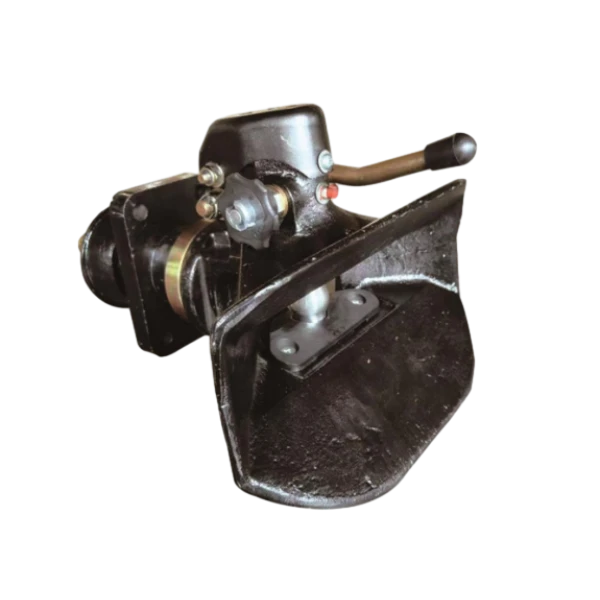 Trailer Coupling
The trailer coupling is a critical component in vehicle towing systems, designed to ensure a secure and efficient connection between a towing vehicle and a trailer. These couplings are manufactured using high-strength carbon steel, alloy steel, or stainless steel, ensuring durability and resistance to heavy loads and harsh environments.
-
 Drawbar Eyes
Drawbar eyes are essential components in towing and hauling applications, providing a strong and secure attachment point between the trailer and the towing vehicle. They are designed to endure extreme pulling forces, making them suitable for heavy-duty applications.
-
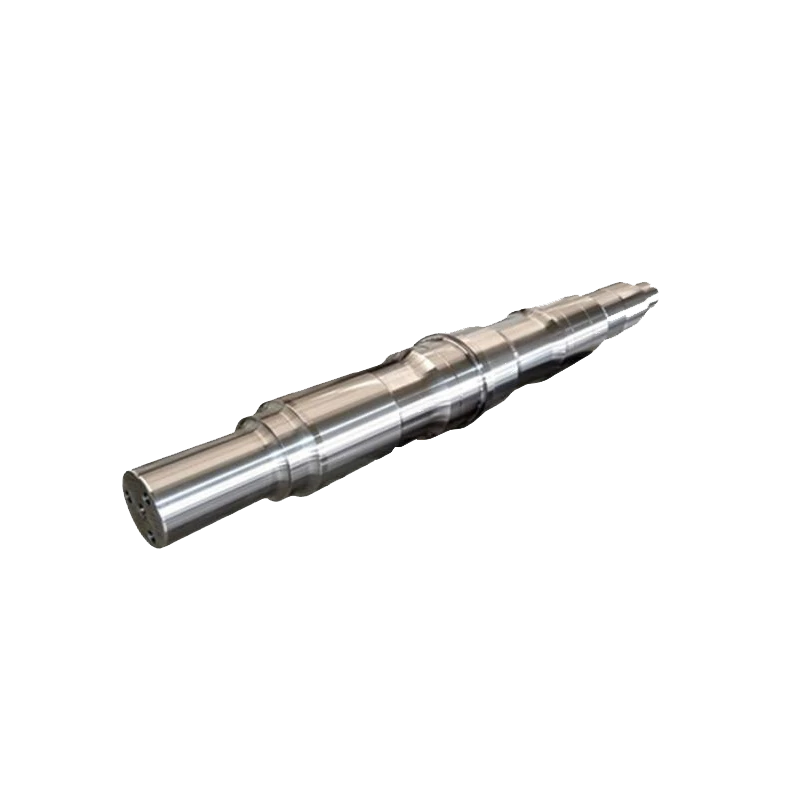 Axles
AxlesAxles are essential for vehicle load-bearing and power transmission, ensuring smooth movement and weight distribution. They must withstand high stress, torque, and impact, making material selection and precise manufacturing crucial.
-
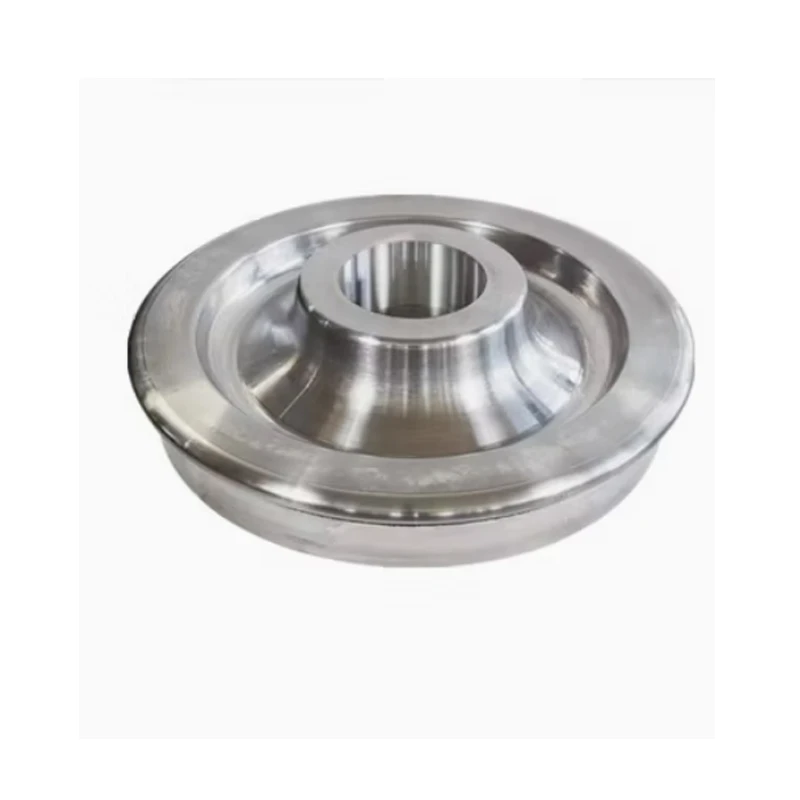 Profile S1002 Series Rail Wheels
The S1002 series rail wheels are designed for Rail-Road Vehicles (RRVs) that require seamless operation on both roads and railway tracks. Engineered with high precision and durability, these wheels conform to S1002 tread profiles, ensuring compatibility with standard railway systems.
A Comprehensive Guide to Axles Types for Industry Decision Makers | Manufacturing Base
Axles Types is a key solution in the industry, specifically within heavy machinery and transportation sectors. This article explores how https://www.manufacturing-base.com supports professionals with durable, high-performance products
>
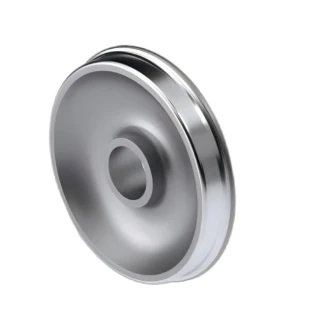
Reliable Rail Wheels: Optimize Your Rail Transport Solutions
For industries that rely on rail-based vehicles, choosing the right rail wheels is essential for smooth operations and safety.
>
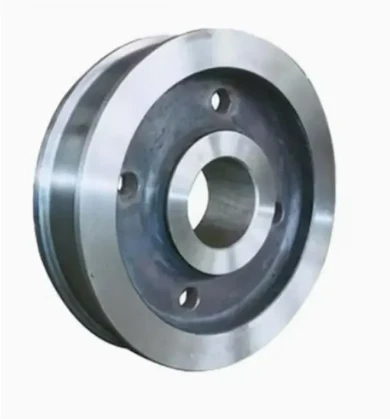
Premium Overhead Crane Wheels For Sale: Enhance Industrial Lifting Efficiency
In modern industrial operations, high-quality overhead crane wheels for sale are essential for safe, reliable, and efficient lifting.
>
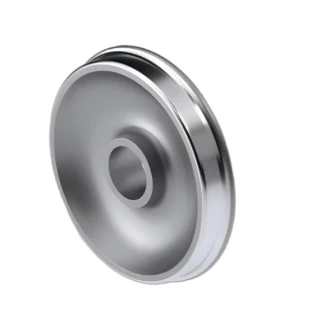
Premium Hi Rail Wheels For Sale: Boost Rail Vehicle Performance
In the modern industrial and railway sectors, having reliable hi rail wheels for sale is essential for operational efficiency and safety.
>
High-Quality Hi Rail Wheels For Sale: Enhance Your Rail Equipment Efficiency
When it comes to reliable rail maintenance and industrial operations, investing in hi rail wheels for sale is crucial.
>
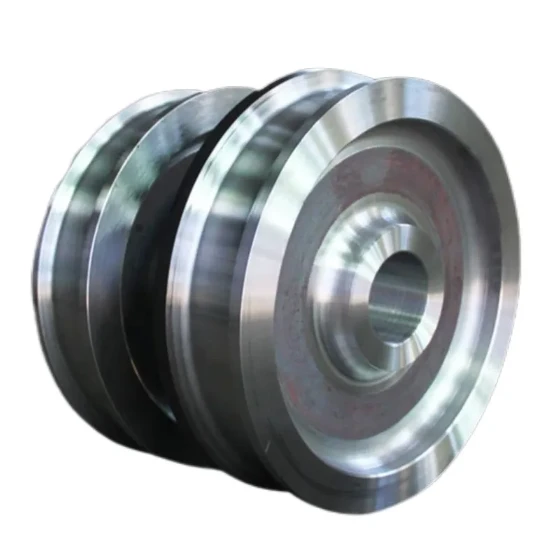
High-Quality Crane Wheels For Sale: Enhance Your Crane Operations
For industries relying on heavy lifting and material handling, investing in high-quality crane wheels for sale is crucial.
>
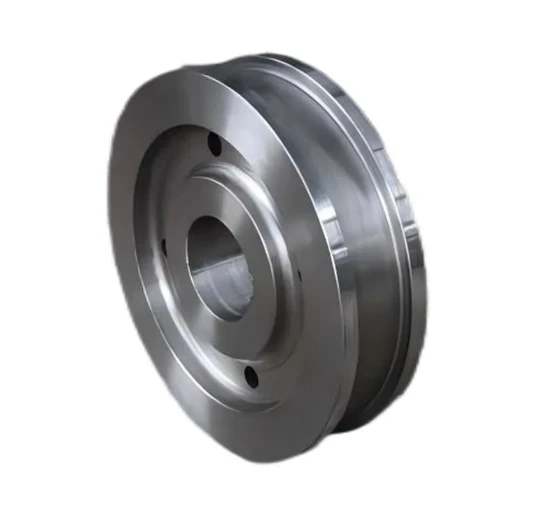
Durable Gantry Crane Wheels For Sale: Maximize Lifting Efficiency
For industries relying on heavy-duty lifting and material handling, selecting the right gantry crane wheels for sale is vital.
>
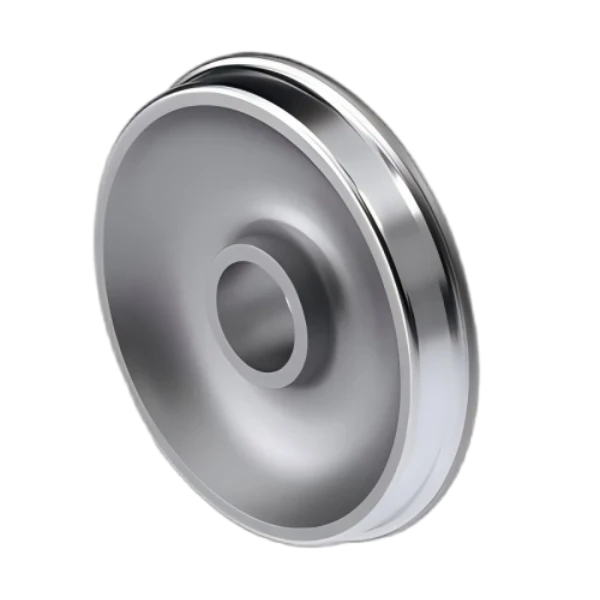
Reliable Tandem Drive Axles for Heavy-Duty Industrial Vehicles
Tandem Drive Axles: What I’ve Learned After Years in the Industrial Equipment Sector Ha
>

Reliable Semi Trailer Axles for Heavy-Duty Trailers | Expert Insight
Understanding semi trailer axles: The Backbone of Heavy Hauling Having spent more than a deca
>
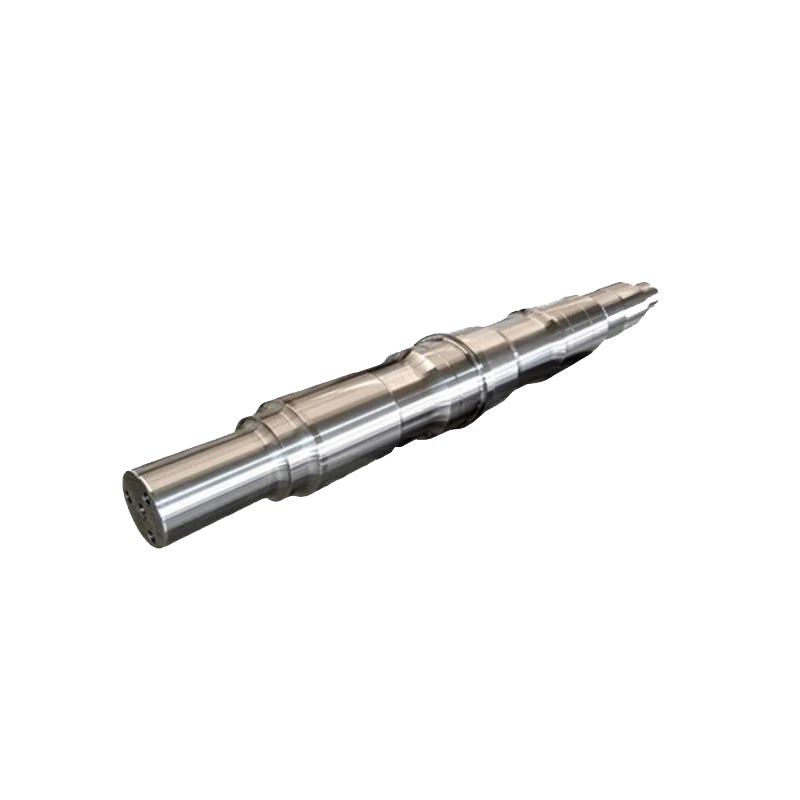
RC Portal Axles: Industrial Strength and Custom Performance
RC Portal Axles: A Veteran’s Take on Industrial-Grade Performance Having spent over a d
>
Engineered for Excellence
Our forged solutions deliver reliability and performance, powering demanding industries to keep operations running smoothly.

Sign up
for Newsletter
Subscribe to the weekly newsletter for all the latest updates