- Tel: +86 311 82620404
- Cell: 86 -13739710551
- Email: sales@potentia.cn

Mobile Home Axles: Your Guide to Durable, Cost-Effective Mobility Solutions
Understanding Mobile Home Axles: The Backbone of Modular Mobility
Mobile home axles might not be the flashiest topic in manufacturing, but they hold a quiet yet crucial role in today's housing and transportation sectors worldwide. These axles support the mobility of prefabricated modular homes, making them easy to transport, position, and serve immediate housing needs. Why does this matter globally? Well, with the rise of rapid urbanization, frequent humanitarian crises, and a growing need for affordable housing, mobile home axles become enablers of flexible, cost-effective solutions. Seriously, grasping their importance reveals much about how modern infrastructure and social housing projects innovate to meet pressing real-world challenges.
Global and Industry Context
Globally, the modular housing market is booming. According to industry reports, the modular construction market is projected to reach $157.3 billion by 2030, growing at over 6% CAGR.1 This isn’t surprising when you think of the homes being urgently needed in places grappling with displacement due to conflicts or natural disasters. Mobile home axles, despite being a small component, are the backbone enabling these units to be transported across rough terrains or between countries.
Take, for example, post-disaster recovery efforts where time is of the essence. Traditional building methods become impractical, slow, or too costly. Mobile home axles allow entire homes to be moved on wheels, fitting into the logistics challenge of rapid deployment exactly when and where it’s needed — a truly global-purpose feature.
What Are Mobile Home Axles?
Simply put, mobile home axles are robust metal bars or assemblies that sit below mobile homes, connecting the wheels and allowing the entire structure to roll. They're engineered to support heavy loads over varied surfaces while maintaining stability and durability.
In modern industry and humanitarian terms, these axles enable modular homes or mobile units to be relocated with relative ease — a necessity when flexibility and speed trump permanence. For NGOs, construction firms, or governments, mobile home axles are the “unsung heroes” ensuring that temporary housing solutions are practical.
Key Aspects of Mobile Home Axles
1. Durability
Axles must withstand constant stress — think uneven roads, potholes, or off-road sites common in rural or disaster zones. Materials like high-strength steel, often with treated coatings, resist rust and fatigue, increasing lifespan significantly.
2. Load Capacity
The weight of mobile homes varies, usually between 5,000 to 15,000 pounds or more per axle. Selecting axles with the right rating is crucial; an underrated axle can cause failures, while an overrated one adds unnecessary cost and weight.
3. Compatibility
Since mobile homes come in various sizes and specifications, axles must be adaptable to different frame types or suspension systems. This flexibility reduces costs and expedites assembly at manufacturing or assembly sites.
4. Cost Efficiency
Balancing quality and cost is key. Mobile home manufacturers often have tight budgets, so axles that offer durability without breaking the bank are preferred. Innovations in manufacturing techniques are making this balance possible.
5. Maintenance
Easy maintenance means longer service life and fewer unexpected breakdowns. Features like sealed bearings and corrosion-resistant finishes are common to reduce upkeep in harsh environments.
Mobile Home Axle Product Specification Table
| Spec | Standard Model | Heavy-Duty Model | Off-Road Model |
|---|---|---|---|
| Load Capacity | 3,500 lbs | 7,000 lbs | 5,000 lbs |
| Material | Carbon Steel | High-Strength Alloy Steel | Treated Steel with Corrosion Resistance |
| Suspension Type | Leaf Spring | Heavy-Duty Leaf Spring | Air Ride |
| Maintenance | Moderate, Grease Fittings | Low, Sealed Bearings | Low, Sealed with Corrosion Protection |
Global Applications and Use Cases
Mobile home axles find use cases beyond traditional trailers or RVs. In disaster zones like parts of Southeast Asia and the Caribbean, entire relief villages are set up on wheels, rolled into place with the axles bearing immense responsibility.2 Remote industrial zones in Canada or Russia use mobile housing with these axles for workforce accommodations. Even luxury mobile lodges in safari parks depend on rugged axles that can handle unpaved roads.
Oddly enough, humanitarian organizations have been among the pioneers embracing mobile home axles to deploy modular housing units quickly and safely, layering social impact on top of engineering prowess. Governments experimenting with sustainable prefab housing also rely heavily on this component, especially as climate change pushes the need for rapid resettlement solutions.
Vendor Comparison Table: Popular Mobile Home Axle Brands
| Brand | Load Capacity | Price Range | Warranty | Special Features |
|---|---|---|---|---|
| Dexter Axle | Up to 7,000 lbs | $$ | 2 Years | Sealed Bearings, Rust-Resistant Coating |
| Al-Ko | Up to 5,000 lbs | $$$ | 3 Years | Enhanced Corrosion Resistance, Air Ride Option |
| MorRyde | Up to 6,000 lbs | $$$ | 2 Years | Rubberized Suspension, Improved Ride Comfort |
Advantages & Long-Term Value
Mobile home axles don’t just support weight, they support resilience. From safeguards against structural failure to making maintenance manageable for less specialized crews, their benefits stack up. Financially, investing in quality axles means fewer replacements, less downtime, and ultimately more reliable housing logistics. On social terms, it’s about safety and dignity — ensuring homes arrive intact and usable.
It’s easy to underestimate how this engineering detail shapes user experience. Families displaced by emergencies depend on the stable, mobile shelters these axles allow. Also, manufacturers find innovation pathways here, employing new materials and designs to cut emissions in production and improve recycling at end-of-life. That’s sustainability meeting social responsibility head-on.
Future Trends and Innovations
Technology creeps in everywhere, and mobile home axles are no exception. We’re seeing trends like:
- Lighter materials: Composites and aluminum alloys to reduce total vehicle weight and improve fuel efficiency.
- Smart monitoring: Embedded sensors measuring stress and wear, enabling predictive maintenance.
- Green manufacturing: Using recycled steel and eco-conscious coatings.
- Regulatory improvements: ISO standards evolving for mobile home axle testing and performance ensuring better quality globally.
In real terms, these developments will make mobile home axles more reliable and sustainable, reinforcing trust in modular housing solutions worldwide.
Challenges & Solutions
Challenges persist—corrosion, especially in salty or humid climates, axle fatigue from repeated heavy loads, and balancing cost with quality are persistent issues. But many manufacturers are innovating with better coatings and improved alloy compositions.
Besides material advances, logistics improvements — like modular training programs on axle maintenance for NGOs or local installers — help mitigate failure rates. Furthermore, partnerships between axle manufacturers and housing companies create tailored products for niche deployments, like cold climates or tropical zones.
FAQ: Frequently Asked Questions About Mobile Home Axles
- Q: How do I know what axle load capacity I need for my mobile home?
- Calculate the total weight of your home including contents, then divide by the number of axles. Adding a safety margin of 10-20% is recommended. Consult your manufacturer’s specs for exact needs.
- Q: Can mobile home axles be upgraded or replaced easily?
- Yes, axles are typically designed for replacement or upgrade. However, compatibility with your home’s frame and suspension system is critical — always check with a professional for proper fitment.
- Q: Are mobile home axles suitable for off-road or rugged conditions?
- Specialized off-road axles exist that incorporate reinforced materials and suspension systems like air rides, improving durability and comfort on rough terrain.
- Q: How long can I expect a mobile home axle to last?
- With proper maintenance, including regular lubrication and inspections, axles often last 10-15 years, depending on usage and environment.
- Q: Is it difficult to source mobile home axles internationally?
- It depends on regional suppliers and import regulations. Many international manufacturers ship globally, but customs and compliance should be reviewed. Some NGOs partner directly with manufacturers to streamline supply chains.
Conclusion: Why Mobile Home Axles Matter More Than You Think
In essence, mobile home axles epitomize the intersection of engineering, social need, and innovation. They provide the essential mobility that enables rapid, safe, and cost-efficient transport of modular homes across the globe. Understanding their specifications, challenges, and future trends helps stakeholders—from manufacturers to humanitarian organizations—make smarter decisions supporting rapid urban growth and disaster resilience.
If you’re involved in manufacturing or deploying modular homes, I highly recommend diving deeper into axle options suited to your needs. And if you want to explore trustworthy suppliers or technical guidance, visit our resource hub at manufacturing-base.com — there’s a wealth of data and connections waiting.
Safe travels to your mobile homes, supported by the humble but mighty axles underneath.
Mini takeaway: Mobile home axles are small, yes, but mighty — they hold up whole homes and entire missions, shaping how we live, relocate, and respond globally.
References
-
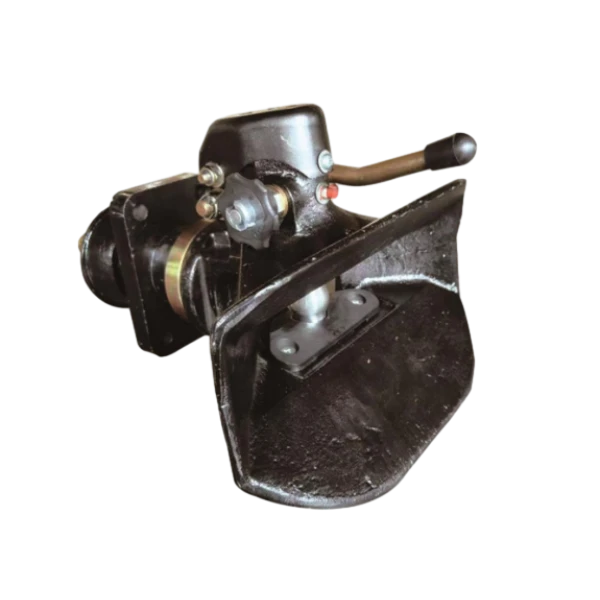 Trailer Coupling
The trailer coupling is a critical component in vehicle towing systems, designed to ensure a secure and efficient connection between a towing vehicle and a trailer. These couplings are manufactured using high-strength carbon steel, alloy steel, or stainless steel, ensuring durability and resistance to heavy loads and harsh environments.
-
 Drawbar Eyes
Drawbar eyes are essential components in towing and hauling applications, providing a strong and secure attachment point between the trailer and the towing vehicle. They are designed to endure extreme pulling forces, making them suitable for heavy-duty applications.
-
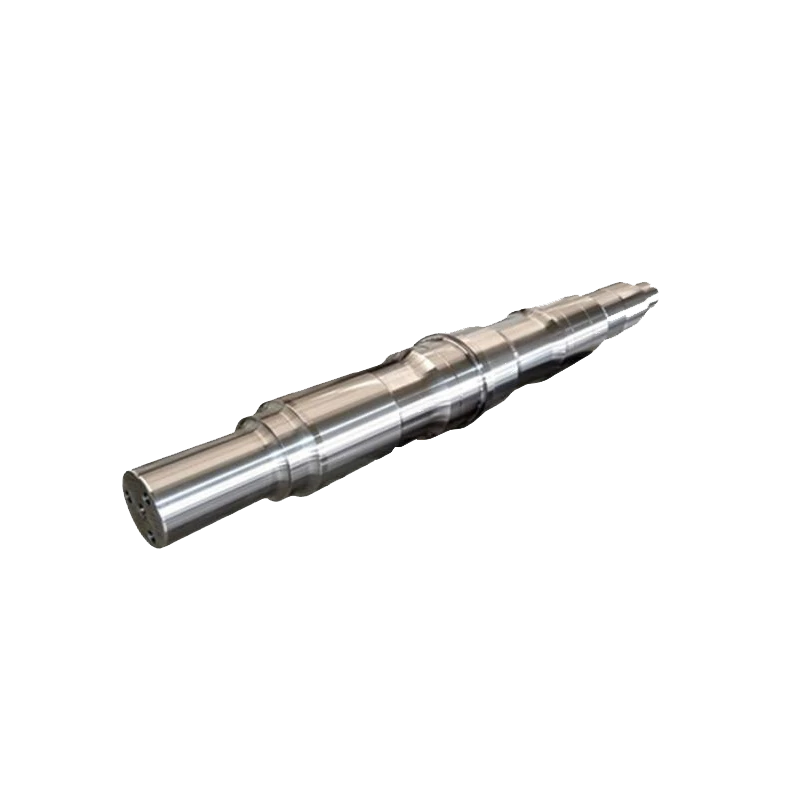 Axles
AxlesAxles are essential for vehicle load-bearing and power transmission, ensuring smooth movement and weight distribution. They must withstand high stress, torque, and impact, making material selection and precise manufacturing crucial.
-
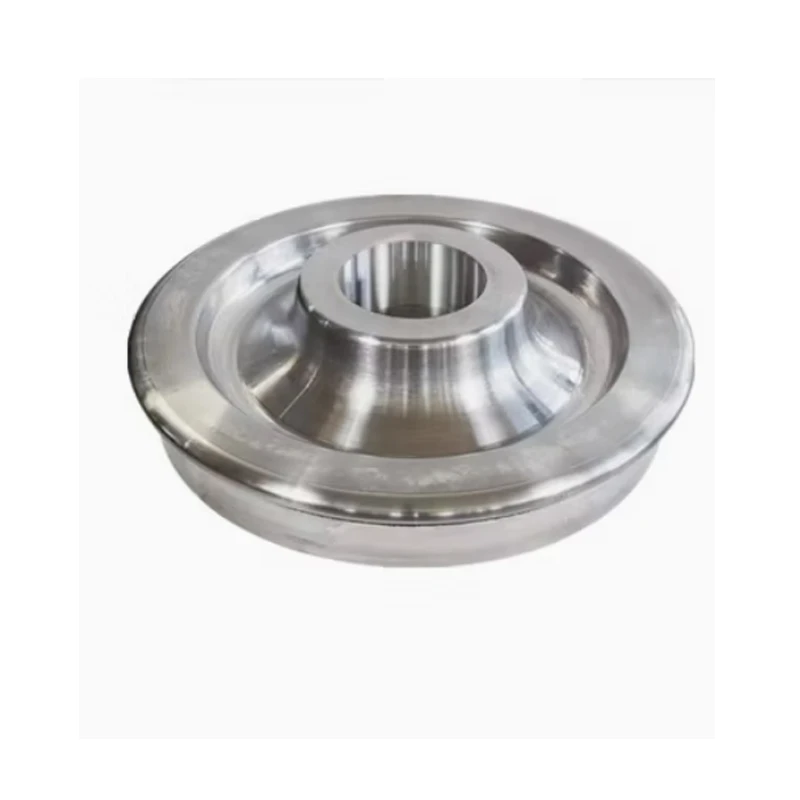 Profile S1002 Series Rail Wheels
The S1002 series rail wheels are designed for Rail-Road Vehicles (RRVs) that require seamless operation on both roads and railway tracks. Engineered with high precision and durability, these wheels conform to S1002 tread profiles, ensuring compatibility with standard railway systems.
A Comprehensive Guide to Axles Types for Industry Decision Makers | Manufacturing Base
Axles Types is a key solution in the industry, specifically within heavy machinery and transportation sectors. This article explores how https://www.manufacturing-base.com supports professionals with durable, high-performance products
>
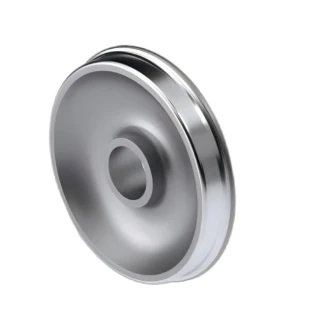
Reliable Rail Wheels: Optimize Your Rail Transport Solutions
For industries that rely on rail-based vehicles, choosing the right rail wheels is essential for smooth operations and safety.
>
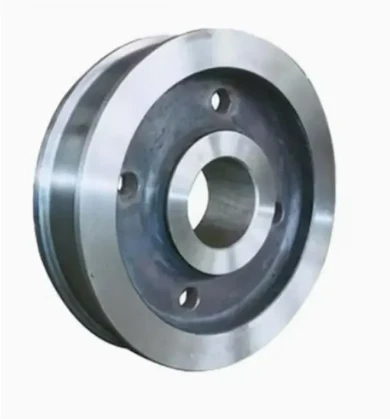
Premium Overhead Crane Wheels For Sale: Enhance Industrial Lifting Efficiency
In modern industrial operations, high-quality overhead crane wheels for sale are essential for safe, reliable, and efficient lifting.
>
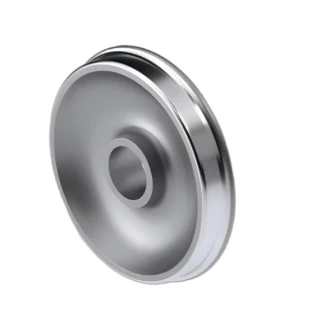
Premium Hi Rail Wheels For Sale: Boost Rail Vehicle Performance
In the modern industrial and railway sectors, having reliable hi rail wheels for sale is essential for operational efficiency and safety.
>
High-Quality Hi Rail Wheels For Sale: Enhance Your Rail Equipment Efficiency
When it comes to reliable rail maintenance and industrial operations, investing in hi rail wheels for sale is crucial.
>
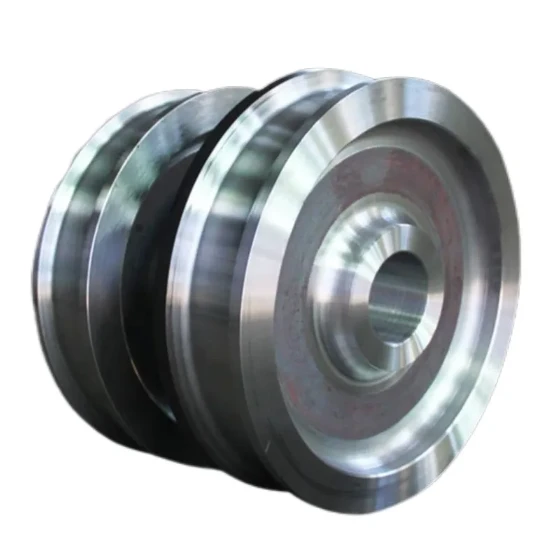
High-Quality Crane Wheels For Sale: Enhance Your Crane Operations
For industries relying on heavy lifting and material handling, investing in high-quality crane wheels for sale is crucial.
>
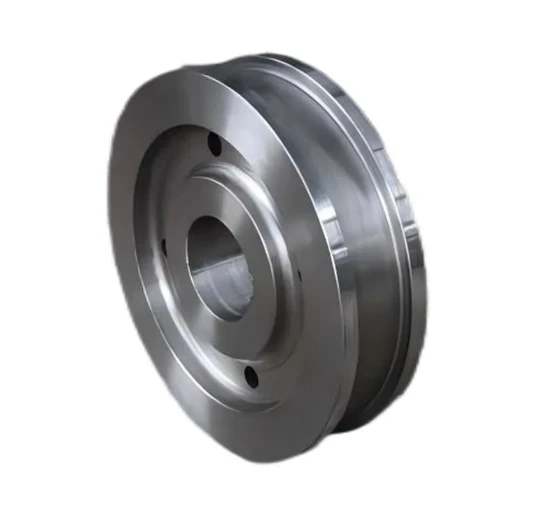
Durable Gantry Crane Wheels For Sale: Maximize Lifting Efficiency
For industries relying on heavy-duty lifting and material handling, selecting the right gantry crane wheels for sale is vital.
>
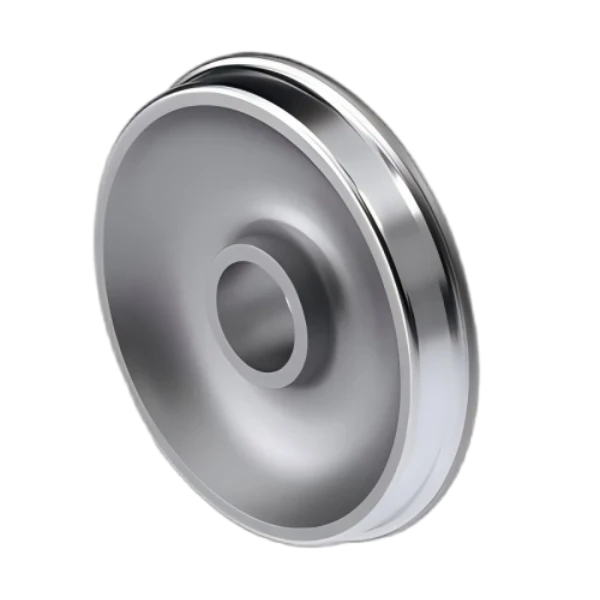
Reliable Tandem Drive Axles for Heavy-Duty Industrial Vehicles
Tandem Drive Axles: What I’ve Learned After Years in the Industrial Equipment Sector Ha
>

Reliable Semi Trailer Axles for Heavy-Duty Trailers | Expert Insight
Understanding semi trailer axles: The Backbone of Heavy Hauling Having spent more than a deca
>
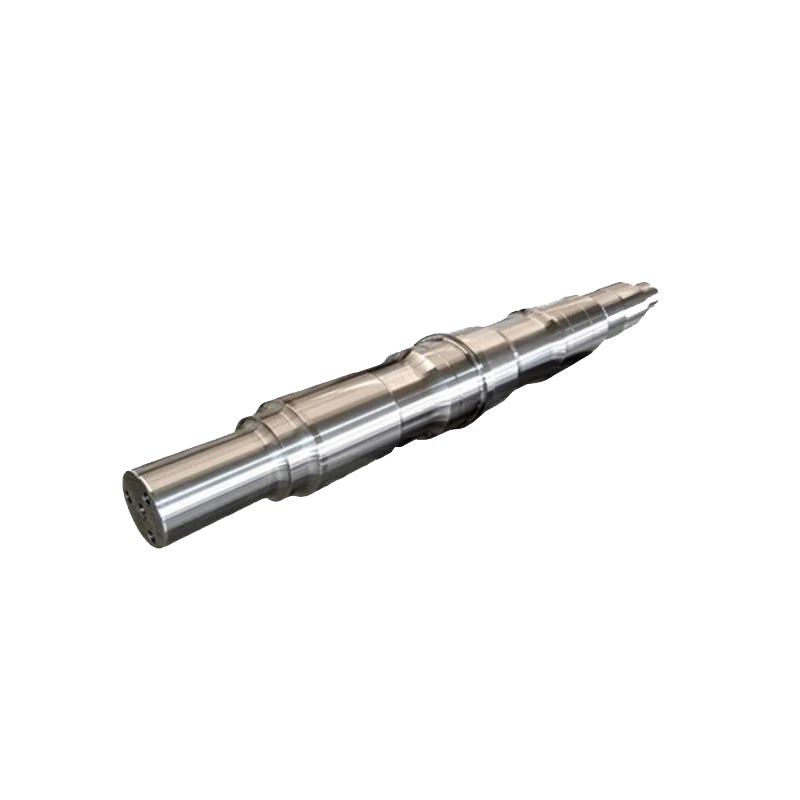
RC Portal Axles: Industrial Strength and Custom Performance
RC Portal Axles: A Veteran’s Take on Industrial-Grade Performance Having spent over a d
>
Engineered for Excellence
Our forged solutions deliver reliability and performance, powering demanding industries to keep operations running smoothly.

Sign up
for Newsletter
Subscribe to the weekly newsletter for all the latest updates