- Tel: +86 311 82620404
- Cell: 86 -13739710551
- Email: sales@potentia.cn

Mine Cart Wheels - Heavy-Duty, Durable, OEM & Custom Sizes
Mine Cart Wheels: an insider’s, boots-on-the-ground guide
I’ve walked enough quarry floors to know: wheels make or break a haul. The right Mine Cart Wheels keep tonnage moving, shift after shift, across abrasive track and punishing gradients. The wrong ones? Downtime, flats, and that unmistakable metal-on-metal scream nobody wants.
From No.186 South Xierhuan Road, Shijiazhuang, Hebei, China, this product line aims to do the simple thing well—survive ugly environments. And, to be honest, that’s harder than it sounds.
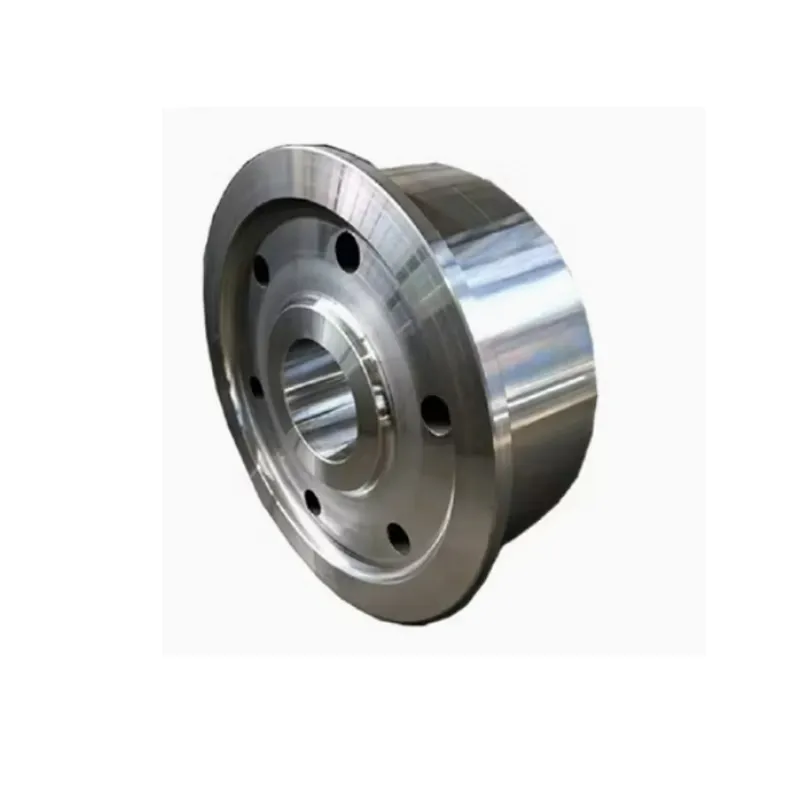
What’s trending in wheel design
Two shifts are obvious lately: harder treads with controlled toughness, and smarter QA. You’ll see bainitic or tempered martensitic treads to resist spalling, plus routine UT/MT testing that used to be “nice to have.” Many customers say they want “fit-and-forget” wheels—and, surprisingly, are willing to pay for heat treatment that extends life by 20–30% in real pits.
Core specs (field-proven)
| Material | Cast steel (≈ ZG50Mn) or forged 42CrMo; optional ASTM A532 liners for extreme abrasion |
| Diameter | ≈ 250–400 mm (custom up to 500 mm) |
| Hardness (tread) | ≈ 320–380 HB (Brinell), real-world use may vary |
| Rated load per wheel | ≈ 5–12 t (static), duty-dependent |
| Bore / Bearing | Tapered roller or bush; bore ≈ 40–80 mm |
| Track compatibility | 600/762/900 mm gauges; custom profiles available |
| Tolerances | ISO 2768-m; runout ≤ 0.25 mm typical |
How they’re made (short version)
Materials are selected for the mine’s abrasion index and axle loads. Then: controlled melting, casting/forging, rough machining, heat treatment (quench & temper), finish machining, and press-fitting bearings. Non-destructive testing (UT per ASTM A388; MT per ASTM E709) validates core integrity. Hardness is checked (ASTM E10), geometry verified, and wheels are balanced to ISO 21940-11 G 6.3. Service life? In aggregate and coal, it’s often 18–36 months; in salt or potash, chemistry can shorten that—seal choices matter.
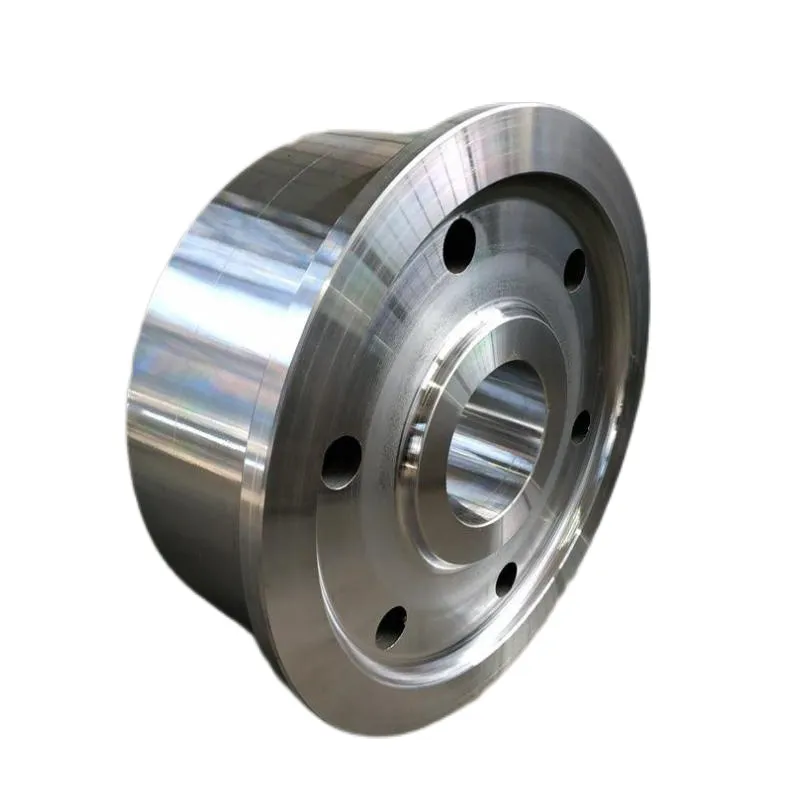
Where Mine Cart Wheels actually run
Coal drifts, gold and copper stopes, tunneling jobs, aggregate quarries, and small steelworks. Typical use-cases: ore haulage, slag handling, manrider trolleys (with added safety factors), and maintenance carts. Operators like the predictable wear pattern; maintenance techs appreciate the clean press fits.
Vendor snapshot (quick compare)
| Vendor | Heat Treatment | Testing | Lead Time | Notes |
| Manufacturing-Base (Hebei) | Controlled Q&T; optional bainitic | UT/MT + HB; certificates included | ≈ 3–5 weeks | Custom profiles; ISO 9001 |
| Global Vendor A | Standard temper | HB only, UT on request | ≈ 6–8 weeks | Lower entry price |
| Regional Vendor B | Through-hardened | MT + sample UT | ≈ 2–4 weeks | Fast spares; limited diameters |
Real users, real outcomes
Case 1 (open-pit copper, North Asia): Switching to Mine Cart Wheels with 42CrMo treads and sealed tapered bearings cut unscheduled wheel changes by 27% over 9 months. Vibration stayed within ISO 10816 “good” bands after 1,000 hours. Crew feedback: “Less flange chipping, smoother on curves.”
Case 2 (quarry, Queensland): A maintenance manager told me they moved from generic cast to Q&T cast steel. The result was roughly one extra quarter of service life on a gritty 900 mm gauge, which—honestly—paid for itself in labor savings.
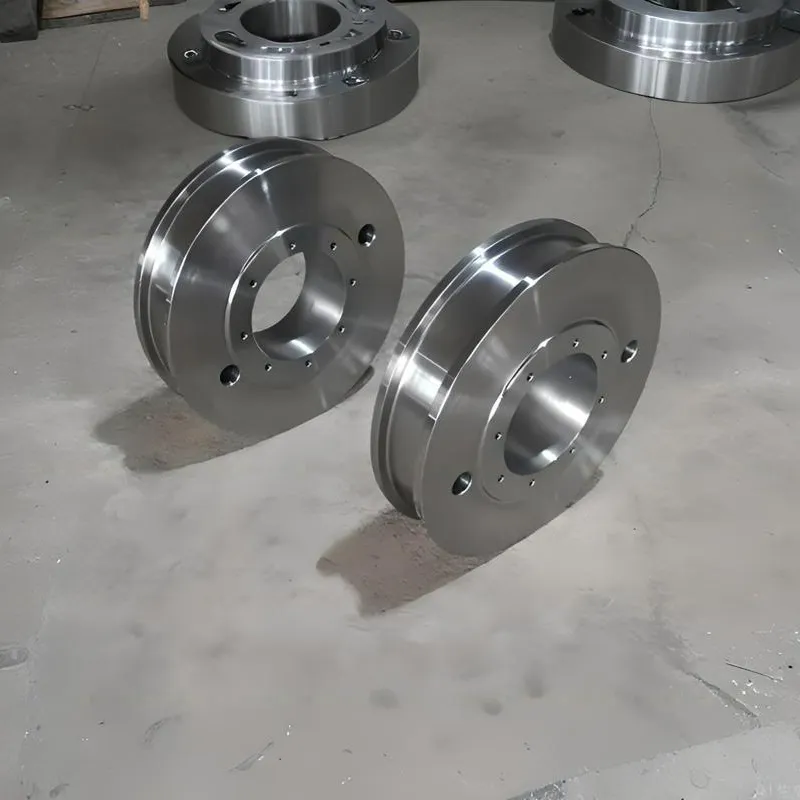
Customization, QA, and compliance
Options include flange thickness, web geometry, bore tolerances, anti-corrosion coatings, and high-temp grease. Certificates: material mill certs, HB charts (ASTM E10), UT/MT maps, and balance reports. Compliance can align to EN 13262 wheel requirements by analogy, plus ISO 9001 quality systems. For mines under MSHA oversight, documentation packs are prepared to match site SOPs.
Bottom line
If your rail is rough and loads are unforgiving, these Mine Cart Wheels hit a sensible balance between hardness and toughness—backed by testing you can audit. Not fancy, just durable. And that’s the point.
Authoritative references
- ASTM E10 – Standard Test Method for Brinell Hardness of Metallic Materials.
- ASTM A388 – Standard Practice for Ultrasonic Examination of Steel Forgings.
- ASTM E709 – Standard Guide for Magnetic Particle Testing.
- ISO 21940-11 – Mechanical vibration — Balance quality requirements for rotors.
- ISO 9001 – Quality management systems — Requirements.
- EN 13262 – Railway applications — Wheelsets and bogies — Wheels; and ISO 10816 – Mechanical vibration — Evaluation of machine vibration.
-
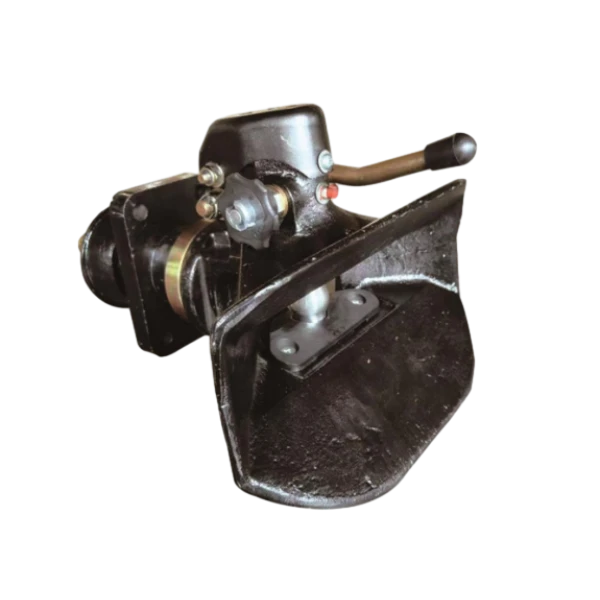 Trailer Coupling
The trailer coupling is a critical component in vehicle towing systems, designed to ensure a secure and efficient connection between a towing vehicle and a trailer. These couplings are manufactured using high-strength carbon steel, alloy steel, or stainless steel, ensuring durability and resistance to heavy loads and harsh environments.
-
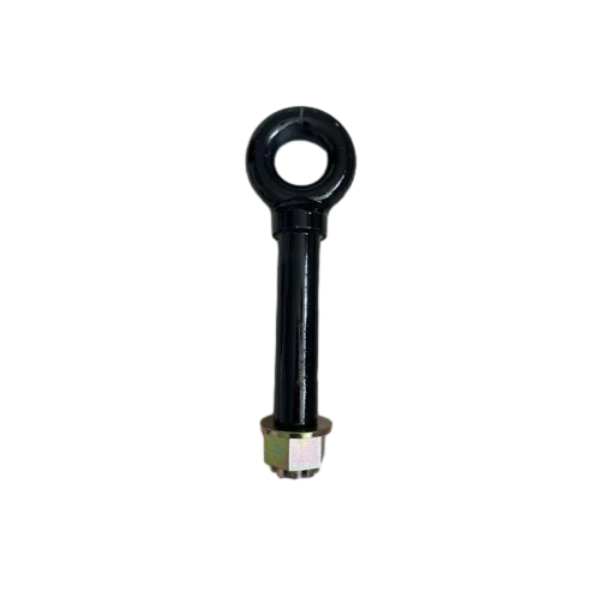 Drawbar Eyes
Drawbar eyes are essential components in towing and hauling applications, providing a strong and secure attachment point between the trailer and the towing vehicle. They are designed to endure extreme pulling forces, making them suitable for heavy-duty applications.
-
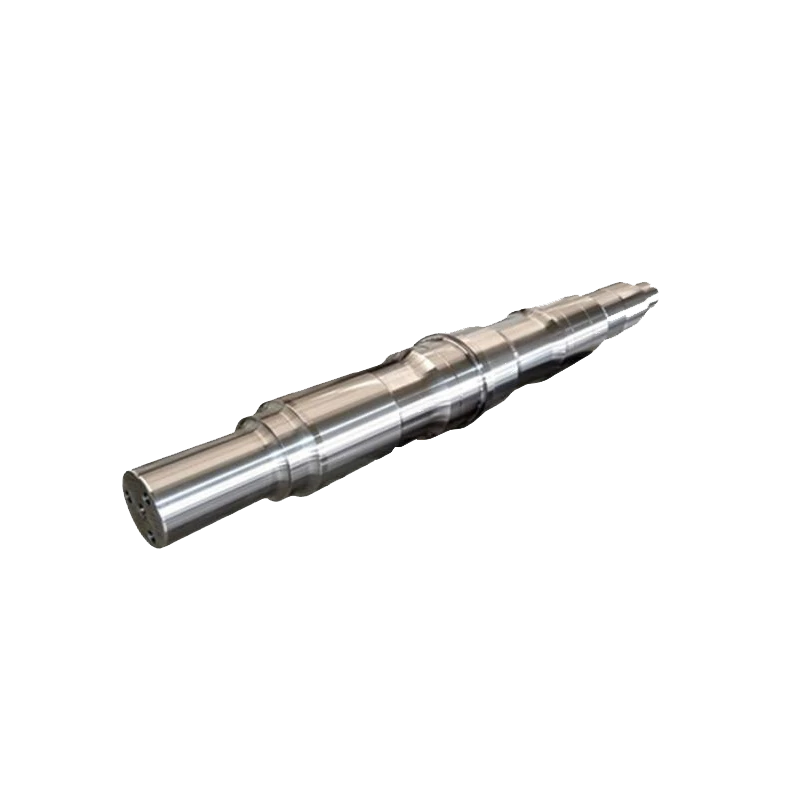 Axles
AxlesAxles are essential for vehicle load-bearing and power transmission, ensuring smooth movement and weight distribution. They must withstand high stress, torque, and impact, making material selection and precise manufacturing crucial.
-
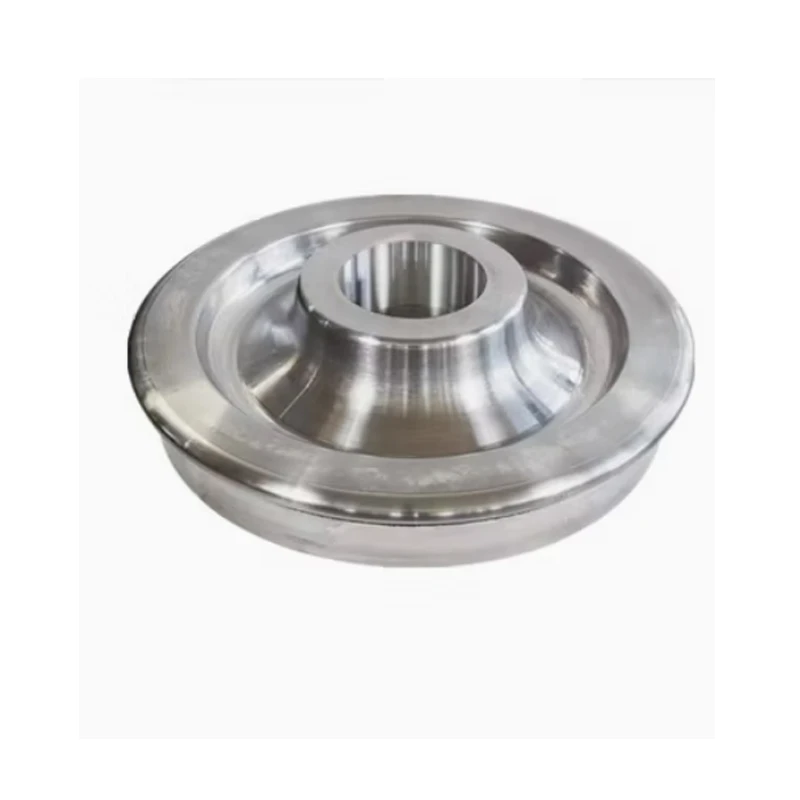 Profile S1002 Series Rail Wheels
The S1002 series rail wheels are designed for Rail-Road Vehicles (RRVs) that require seamless operation on both roads and railway tracks. Engineered with high precision and durability, these wheels conform to S1002 tread profiles, ensuring compatibility with standard railway systems.
A Comprehensive Guide to Axles Types for Industry Decision Makers | Manufacturing Base
Axles Types is a key solution in the industry, specifically within heavy machinery and transportation sectors. This article explores how https://www.manufacturing-base.com supports professionals with durable, high-performance products
>
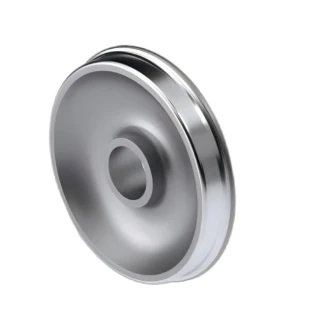
Reliable Rail Wheels: Optimize Your Rail Transport Solutions
For industries that rely on rail-based vehicles, choosing the right rail wheels is essential for smooth operations and safety.
>
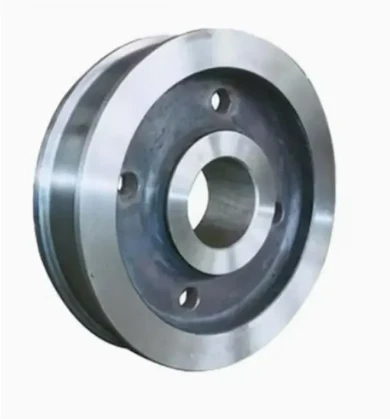
Premium Overhead Crane Wheels For Sale: Enhance Industrial Lifting Efficiency
In modern industrial operations, high-quality overhead crane wheels for sale are essential for safe, reliable, and efficient lifting.
>
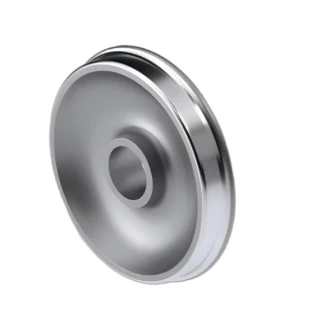
Premium Hi Rail Wheels For Sale: Boost Rail Vehicle Performance
In the modern industrial and railway sectors, having reliable hi rail wheels for sale is essential for operational efficiency and safety.
>
High-Quality Hi Rail Wheels For Sale: Enhance Your Rail Equipment Efficiency
When it comes to reliable rail maintenance and industrial operations, investing in hi rail wheels for sale is crucial.
>
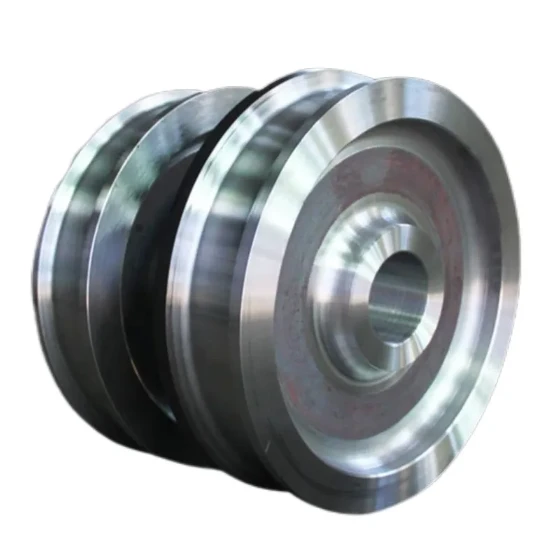
High-Quality Crane Wheels For Sale: Enhance Your Crane Operations
For industries relying on heavy lifting and material handling, investing in high-quality crane wheels for sale is crucial.
>
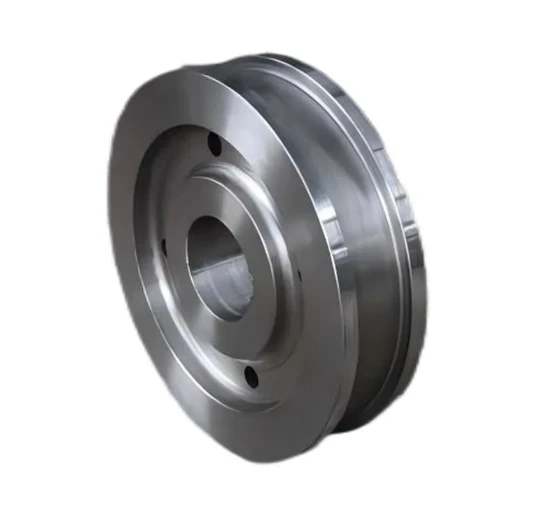
Durable Gantry Crane Wheels For Sale: Maximize Lifting Efficiency
For industries relying on heavy-duty lifting and material handling, selecting the right gantry crane wheels for sale is vital.
>
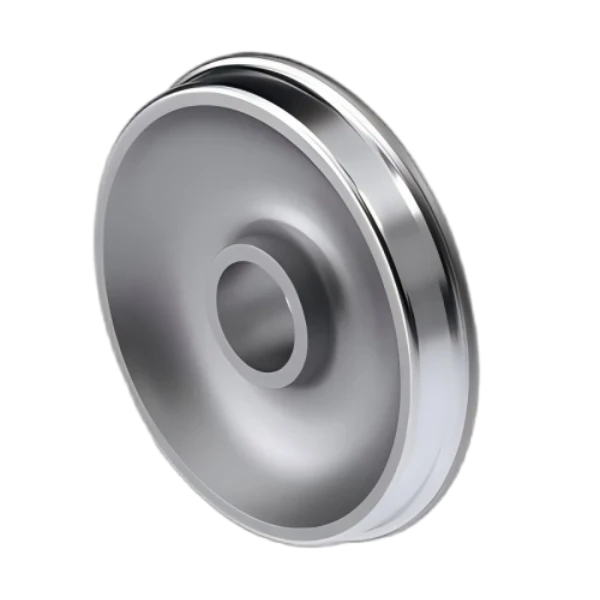
Reliable Tandem Drive Axles for Heavy-Duty Industrial Vehicles
Tandem Drive Axles: What I’ve Learned After Years in the Industrial Equipment Sector Ha
>
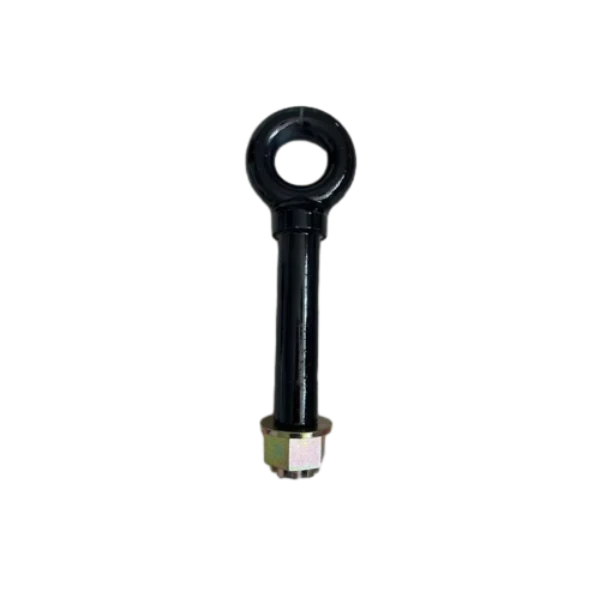
Reliable Semi Trailer Axles for Heavy-Duty Trailers | Expert Insight
Understanding semi trailer axles: The Backbone of Heavy Hauling Having spent more than a deca
>
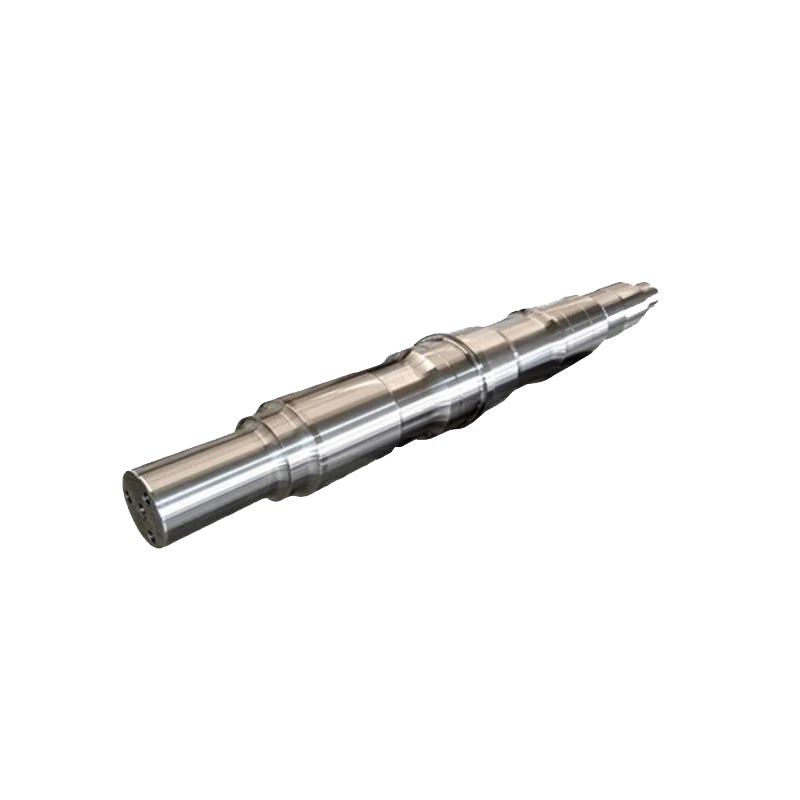
RC Portal Axles: Industrial Strength and Custom Performance
RC Portal Axles: A Veteran’s Take on Industrial-Grade Performance Having spent over a d
>
Engineered for Excellence
Our forged solutions deliver reliability and performance, powering demanding industries to keep operations running smoothly.

Sign up
for Newsletter
Subscribe to the weekly newsletter for all the latest updates