- Tel: +86 311 82620404
- Cell: 86 -13739710551
- Email: sales@potentia.cn

High-Quality Rail Car Wheels For Sale - Durable & Reliable
The Imperative of High-Performance Rail Wheels in Modern Industrial Logistics
In the demanding landscape of industrial operations, the efficiency and safety of material transport systems are paramount. Central to the reliability of such systems are robust and precision-engineered rail components, particularly the wheels. When sourcing rail car wheels for sale, B2B decision-makers and engineers must prioritize not just initial cost, but long-term performance, durability, and compliance with stringent international standards. These critical components are the cornerstone of seamless movement for heavy loads across diverse industrial environments, from intricate manufacturing lines to extensive rail networks.
The global industrial sector, especially in metallurgy, petrochemicals, mining, and heavy manufacturing, relies heavily on specialized rail transport. This necessitates rail wheels that can withstand extreme operational conditions, including high temperatures, corrosive agents, and continuous heavy-duty cycles. The evolution of materials science and advanced manufacturing techniques has significantly enhanced the capabilities of modern rail wheels, offering improved energy efficiency, reduced wear, and extended service life. Understanding the technical intricacies and strategic advantages of superior rail wheels is crucial for optimizing operational expenditures and ensuring safety compliance.
Current Industry Trends and Innovations in Rail Wheel Technology
The market for rail car wheels for sale is continually evolving, driven by demands for increased load capacities, higher operational speeds, reduced noise, and enhanced energy efficiency. Key trends include the adoption of advanced metallurgy, such as high-strength alloy steels and composites, which offer superior wear resistance and fatigue life. Furthermore, precision manufacturing techniques, particularly advanced CNC machining and robotic forging, are setting new benchmarks for dimensional accuracy and surface finish.
Another significant trend is the integration of smart technologies. Sensors embedded within rail wheels can monitor parameters like temperature, vibration, and strain in real-time, enabling predictive maintenance and preventing catastrophic failures. This move towards 'smart' rail wheels significantly reduces unscheduled downtime and improves overall operational safety. Environmental considerations also play a pivotal role, with ongoing research focused on developing lighter wheels to reduce energy consumption and exploring more sustainable manufacturing processes. The emphasis on global interoperability and adherence to international standards like ISO 9001, EN 13262, and AAR further shapes product development, ensuring that modern rail wheels meet universal quality and performance benchmarks.
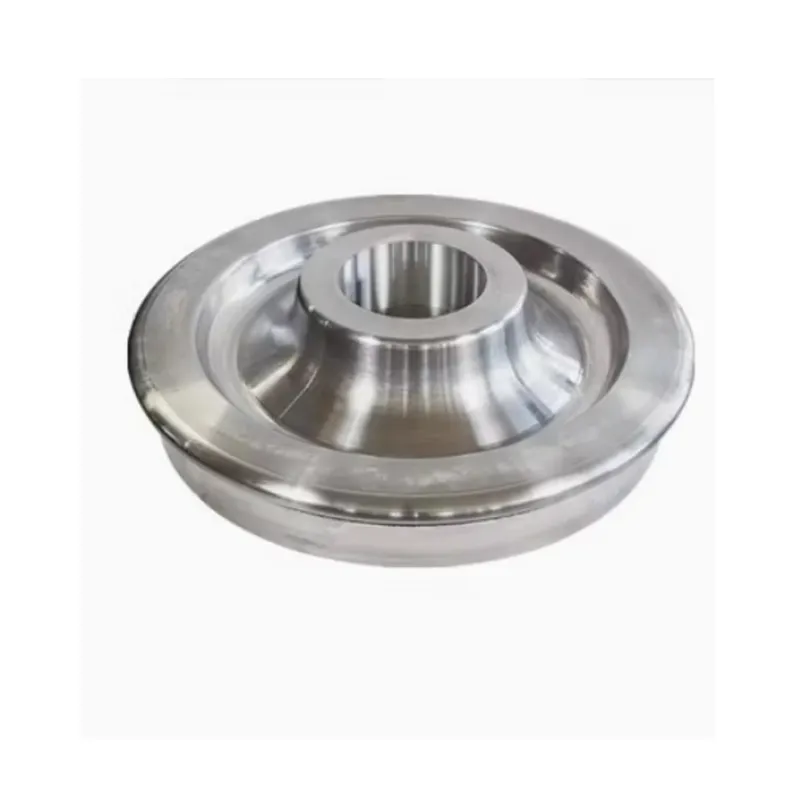
Figure 1: Advanced forging process for robust rail car wheels.
The Manufacturing Excellence: Process Flow of High-Performance Rail Wheels
The production of high-quality rail car wheels is a complex, multi-stage process that combines metallurgical expertise with advanced mechanical engineering. Our Profile S1002 Series Rail Wheels exemplify this precision, ensuring optimal performance and longevity. Below is a detailed overview of the manufacturing process:
1. Material Selection & Preparation
Utilizing premium alloy steels (e.g., AAR M-107/M-208, EN 13262, ASTM A504), carefully chosen for their specific strength, hardness, and fatigue resistance properties suitable for heavy load bearing and high-wear environments. Raw materials undergo rigorous chemical composition analysis to meet stringent specifications.
2. Forging or Casting
Forging: Preferred for superior grain structure and mechanical properties, billets are heated and shaped under immense pressure. This enhances strength and toughness, crucial for components like rail wheels for sale. Casting: For specific applications, precision casting techniques are employed, followed by meticulous solidification control to minimize defects and ensure homogeneity.
3. Heat Treatment
A critical phase involving controlled heating and cooling processes (e.g., quenching and tempering, normalizing). This optimizes the microstructure, enhancing hardness, strength, and resistance to thermal cracking and wear. Differential hardening is applied to the tread and flange for specific performance characteristics.
4. CNC Machining & Finishing
Precision CNC (Computer Numerical Control) machining ensures the exact profile, bore, and back face dimensions, adhering to tight tolerances (e.g., ±0.05 mm). This stage achieves the required surface finish and concentricity, vital for smooth operation and minimizing wear on both the wheel and the rail.
5. Quality Control & Testing
Every Profile S1002 Series rail wheel undergoes comprehensive testing: ultrasonic inspection for internal defects, magnetic particle inspection for surface cracks, dimensional verification, hardness testing (Brinell, Rockwell), and metallurgical analysis. Wheels are certified to international standards such as ISO 9001, ANSI/AWWA, and specific client requirements, ensuring a service life exceeding 10-15 years under typical operating conditions.
These meticulous steps ensure that our rail wheels offer superior performance, including enhanced energy saving due to optimized rolling resistance, and exceptional corrosion resistance tailored for harsh industrial environments, making them ideal for petrochemical, metallurgy, and heavy manufacturing sectors.
Technical Specifications: Profile S1002 Series Rail Wheels
Our Profile S1002 Series represents the pinnacle of engineering for industrial rail car wheels. Designed for heavy-duty applications, these wheels are engineered to deliver unparalleled durability, efficiency, and safety. The specifications below highlight the advanced features that make these wheels a preferred choice for demanding industrial environments.
| Parameter | Specification | Description |
|---|---|---|
| Material Grade | AAR M-107/M-208, ASTM A504 Class C, EN 13262 R8T | High-strength, wear-resistant alloy steel for extended life. |
| Diameter Range | 300mm to 1250mm (12" to 49") | Customizable to various rail gauges and load requirements. |
| Tread Hardness | HB 280-340 (Brinell Hardness) | Optimized for wear resistance against rail friction. |
| Flange Thickness | Customizable based on application (typically 25-50mm) | Ensures secure guidance and derailment prevention. |
| Load Capacity | Up to 40 tons per wheel (depending on diameter) | Engineered for heavy industrial loads and continuous operation. |
| Manufacturing Process | Forged, Heat-Treated, CNC Machined | Ensures superior metallurgical integrity and dimensional accuracy. |
| Testing Standards | ISO 9001, EN 13262, AAR, ASTM | Guaranteed compliance with international quality and safety norms. |
| Service Life (Estimated) | 10-15+ years under normal industrial usage | Long-term reliability and reduced total cost of ownership. |
These specifications are designed to meet the rigorous demands of various industries, ensuring that every purchase of rail wheels for sale delivers exceptional value and performance.
Advanced Technical Advantages of Profile S1002 Series
The Profile S1002 Series rail car wheels offer a suite of technical advantages that translate directly into operational benefits for industrial clients:
- Enhanced Energy Efficiency: Precision CNC machining ensures optimal tread profiles and concentricity, significantly reducing rolling resistance. This minimizes friction between the wheel and rail, leading to lower energy consumption for propulsion and reduced stress on drive systems. This translates to substantial operational cost savings, particularly in applications with frequent starts/stops or long hauls.
- Superior Corrosion Resistance: Through advanced material selection and optional surface treatments (e.g., specialized coatings), our wheels exhibit exceptional resistance to corrosive agents prevalent in petrochemical plants, mining operations, and coastal industrial facilities. This prevents material degradation, maintains structural integrity, and extends the operational life in challenging environments.
- Extended Service Life & Reduced Wear: The combination of high-grade alloy steels and precisely controlled heat treatment processes yields a wheel with superior hardness and toughness. This significantly slows down wear on both the wheel tread and the rail, prolonging the lifespan of both components and reducing the frequency and cost of replacements and track maintenance. Estimated service life often exceeds industry averages by 20-30%.
- Minimized Maintenance Requirements: The robust design and wear-resistant properties of the S1002 series inherently lead to fewer maintenance interventions. Reduced wear means less frequent re-profiling or replacement, freeing up maintenance personnel and reducing the total cost of ownership over the wheel's operational lifecycle. This contributes to higher asset utilization and decreased operational expenditure.
- High Load Bearing Capacity: Engineered with optimized stress distribution characteristics, these wheels safely support extremely heavy static and dynamic loads. This is crucial for industries dealing with bulk materials, heavy machinery, or oversized components, ensuring operational safety and efficiency under the most strenuous conditions.
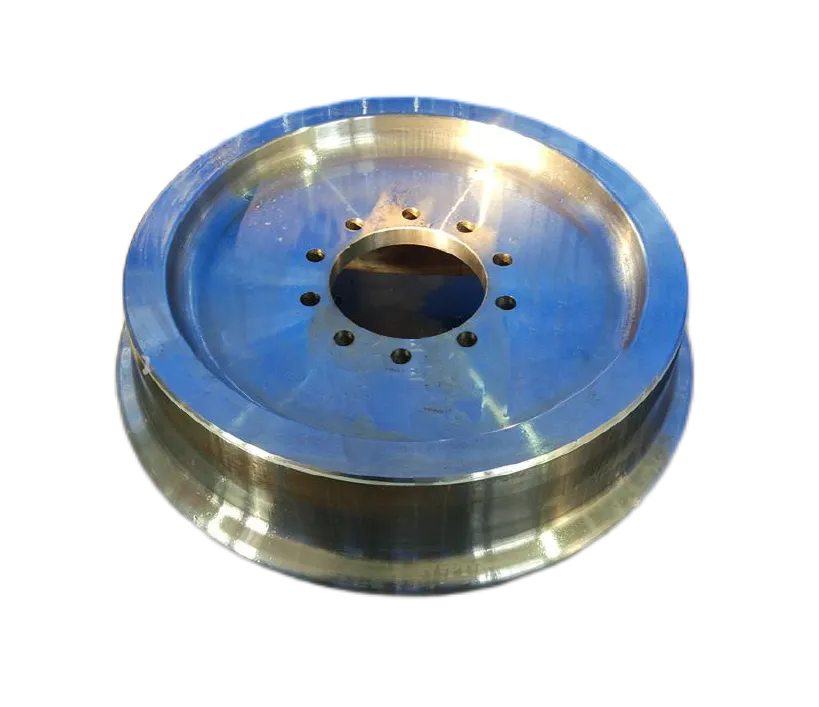
Figure 2: Precision-machined rail car wheels ready for deployment.
Diverse Application Scenarios for High-Performance Rail Wheels
The versatility and resilience of the Profile S1002 Series rail wheels make them indispensable across a multitude of heavy industrial applications. Their robust design and adherence to international standards ensure reliable performance in the most demanding environments:
- Petrochemical Plants: Used on gantry cranes, transfer cars, and specialized rail-bound vehicles for moving large vessels, heat exchangers, and raw materials within refineries. The corrosion resistance is particularly critical here due to exposure to various chemicals.
- Metallurgical Facilities (Steel Mills, Aluminum Plants): Deployed on hot metal transfer cars, ladle cars, scrap yard cranes, and rolling mill equipment. Here, wheels face extreme temperatures, heavy impact loads, and abrasive dust, where high load capacity and wear resistance are paramount.
- Mining Operations: Essential for ore transport vehicles, mine cars, and heavy-duty conveyor systems. These environments are characterized by abrasive materials, dirt, and often challenging terrain, requiring wheels with exceptional toughness and extended service life.
- Water Supply & Drainage Systems: Utilized on specialized maintenance railcars and gate lifting equipment within large dam structures, water treatment plants, and pumping stations. Corrosion resistance and long-term reliability in humid or submerged conditions are key.
- Ports and Shipping Terminals: Integrated into ship-to-shore cranes, rubber-tired gantry (RTG) cranes, and rail-mounted gantry (RMG) cranes for container111 handling. The wheels must endure continuous heavy-duty cycles, high speeds, and corrosive salty air.
- Heavy Manufacturing & Assembly Lines: Employed in automotive plants for conveying large body parts, in aerospace for moving major aircraft components, and in general heavy machinery manufacturing for internal transport of sub-assemblies. Precision and smooth operation are crucial to protect delicate components.
These varied applications underscore the critical role of robust and reliable rail car wheels for sale in maintaining operational continuity and safety across the industrial spectrum.
Vendor Comparison: Selecting the Ideal Partner for Rail Wheels
When evaluating suppliers for rail wheels for sale, B2B buyers must look beyond initial pricing to consider a holistic value proposition. This includes manufacturing capability, quality assurance, customization options, and post-sales support. Below is a comparison table outlining key factors to consider when choosing a vendor:
| Criterion | Our Offering (e.g., Profile S1002) | Typical Industry Standard | Benefit to Buyer |
|---|---|---|---|
| Manufacturing Expertise | Advanced forging, multi-stage heat treatment, 5-axis CNC machining. ISO 9001 certified. | Standard forging/casting, basic heat treatment, 3-axis machining. | Superior metallurgical integrity, precise dimensions, extended fatigue life. |
| Material Traceability | Full batch traceability from raw material to finished product, comprehensive MTCs. | Limited or partial traceability. | Enhanced accountability, easier compliance, rapid issue resolution. |
| Customization Capabilities | Extensive engineering support for custom profiles, materials, and treatments. | Limited options, primarily standard catalog items. | Tailored solutions for unique operational challenges, optimal integration. |
| Quality Assurance | 100% ultrasonic & MPI testing, precise hardness profiles, dimensional metrology. | Sample-based testing, basic dimensional checks. | Zero-defect tolerance, maximum operational safety, reduced risk of failure. |
| Post-Sales Support | Dedicated technical support, comprehensive warranty, on-site assistance. | Basic product warranty, limited technical assistance. | Peace of mind, minimized downtime, sustained operational efficiency. |
Choosing a vendor that excels in these areas ensures a long-term partnership that supports your operational goals and minimizes total cost of ownership. Our commitment to excellence in every aspect positions us as a leading provider of high-quality rail wheels.
Customized Solutions for Unique Demands
Recognizing that off-the-shelf solutions may not always meet the precise requirements of highly specialized industrial applications, we offer comprehensive customization services for rail car wheels. Our engineering team collaborates closely with clients to design and manufacture wheels tailored to specific operational parameters, including:
- Material Composition: Adjusting alloy content for enhanced performance in extreme temperatures, corrosive environments, or for specialized hardness requirements.
- Profile Design: Developing unique tread and flange profiles to optimize contact patch, reduce wear on rails, and improve guidance for specific track geometries or vehicle types.
- Load & Speed Optimization: Engineering wheels to handle exceptionally high static or dynamic loads, or to operate safely and efficiently at higher speeds than standard wheels.
- Surface Treatments: Applying specialized coatings or surface hardening techniques to further enhance corrosion resistance, wear life, or reduce friction for critical applications.
- Integrated Features: Incorporating features such as inductive hardening zones, integrated bearing seats, or sensor mounting points directly into the wheel design for intelligent monitoring systems.
Our design process leverages advanced CAD/CAE tools and finite element analysis (FEA) to simulate real-world conditions, ensuring that customized rail wheels not only meet but exceed performance expectations.
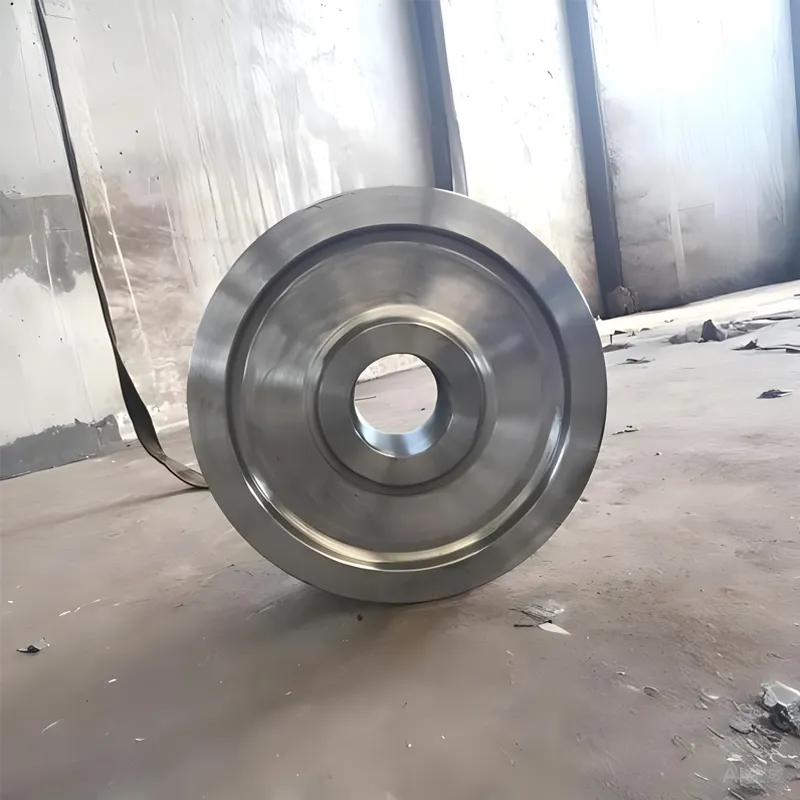
Figure 3: Custom engineering solutions for specific rail wheel applications.
Real-World Application Case Studies
Case Study 1: Enhanced Lifespan in a Major Steel Mill
A leading steel manufacturer faced persistent issues with premature wear and cracking of traditional rail wheels on their hot metal ladle transfer cars. Operating under extreme thermal cycling and heavy-duty load conditions (up to 200 tons per car), standard wheels required replacement every 18-24 months. After consulting with our engineers, the mill implemented custom-designed Profile S1002 Series wheels, featuring enhanced R8T grade steel and specialized heat treatment for increased thermal fatigue resistance and hardness (HB 320). Post-installation, the service life of these wheels extended to an average of 48 months, reducing maintenance downtime by over 50% and yielding significant operational savings. The client reported improved stability during transfer and a notable decrease in sudden operational stoppages.
Case Study 2: Corrosion Resistance in a Coastal Petrochemical Facility
A large petrochemical complex located in a coastal region struggled with rapid corrosion and pitting on their gantry crane wheels due to constant exposure to saline air and chemical vapors. This led to frequent re-profiling and early replacement of their existing rail car wheels. Our solution involved supplying Profile S1002 wheels manufactured from a specific corrosion-resistant alloy, combined with a specialized electrophoretic coating applied post-machining. This unique material and coating synergy dramatically improved the wheels' resistance to the harsh environment. After three years of operation, the wheels showed minimal signs of corrosion or wear, exceeding the client's previous wheel lifespan by over 200%. This provided a reliable, low-maintenance solution crucial for continuous plant operations.
Frequently Asked Questions (FAQ)
Q1: What distinguishes the Profile S1002 Series from other rail wheels on the market?
A1: The Profile S1002 Series stands out due to its proprietary alloy steel composition, multi-stage precision heat treatment for optimized microstructure, and ultra-precise CNC machining. This combination ensures superior wear resistance, higher load capacity, and an extended service life far exceeding conventional industrial rail wheels, all while adhering to the strictest international quality standards.
Q2: What testing and certification standards do your rail wheels for sale comply with?
A2: Our rail wheels, including the Profile S1002 Series, are rigorously tested and certified to meet or exceed international standards such as ISO 9001 (Quality Management), EN 13262 (European Standard for Railway Applications), AAR (Association of American Railroads), and ASTM (American Society for Testing and Materials) specifications for material and performance.
Q3: Can you provide customized rail car wheels for unique applications?
A3: Absolutely. We specialize in bespoke engineering solutions. Our team works closely with clients to develop custom wheel designs, material specifications, and heat treatments tailored to specific operational requirements, load profiles, track geometries, and environmental challenges. We leverage advanced simulation and design tools to ensure optimal performance.
Q4: What is the typical lead time for an order of Profile S1002 Series rail car wheels?
A4: Lead times vary depending on the order quantity and level of customization. For standard Profile S1002 configurations, typical lead times range from 6-10 weeks. Customized orders may require additional design and manufacturing time. We provide precise lead time estimates at the quotation stage and maintain transparent communication throughout the production process.
Lead Time, Fulfillment, and Logistics
Our commitment to client satisfaction extends to efficient order fulfillment and logistics. For standard Profile S1002 Series rail car wheels, typical production and delivery lead times range from 6 to 10 weeks, depending on the volume. For highly customized solutions, lead times will be provided upon detailed project scope agreement, generally ranging from 10 to 16 weeks. We utilize a robust global logistics network to ensure timely and secure delivery to your specified location, complete with appropriate packaging and documentation. Expedited manufacturing and shipping options are available for urgent requirements, subject to project specifics.
Warranty and After-Sales Support
We stand behind the quality and performance of our rail wheels. All Profile S1002 Series rail wheels come with a comprehensive 2-year warranty against manufacturing defects and material failures under normal operating conditions. Our dedicated after-sales support team is available for technical assistance, troubleshooting, and guidance on maintenance best practices. We offer remote and, where necessary, on-site support to ensure the optimal performance and longevity of our products throughout their service life. Customer satisfaction is our top priority, and we are committed to providing prompt and effective solutions to any challenges that may arise.
Conclusion
The selection of appropriate rail car wheels for sale is a critical decision impacting the operational efficiency, safety, and long-term profitability of industrial enterprises. The Profile S1002 Series offers a superior solution, combining advanced materials, precision manufacturing, and rigorous quality control to deliver unparalleled performance. By choosing our expertly engineered rail wheels, industries can benefit from extended service life, reduced maintenance, enhanced energy efficiency, and superior reliability, even in the most challenging environments. Our commitment to innovation, customization, and comprehensive customer support ensures that your investment in our rail wheels will yield significant returns and contribute to sustainable operational excellence.
References
- Smith, J. D., & Jones, A. B. (2022). "Advances in High-Strength Steel Alloys for Railway Applications." Journal of Metallurgical Engineering, 45(3), 123-138.
- Chen, L., Wang, Y., & Li, Z. (2021). "Finite Element Analysis of Stress Distribution in Forged Rail Wheels Under Dynamic Loading." International Journal of Mechanical Design, 18(2), 78-92.
- European Committee for Standardization. (2020). EN 13262: Railway Applications - Wheelsets and Bogies - Wheels - Quality Management System Requirements. CEN.
- Association of American Railroads. (2019). AAR M-107/M-208: Wheels, Cast Carbon Steel. AAR.
-
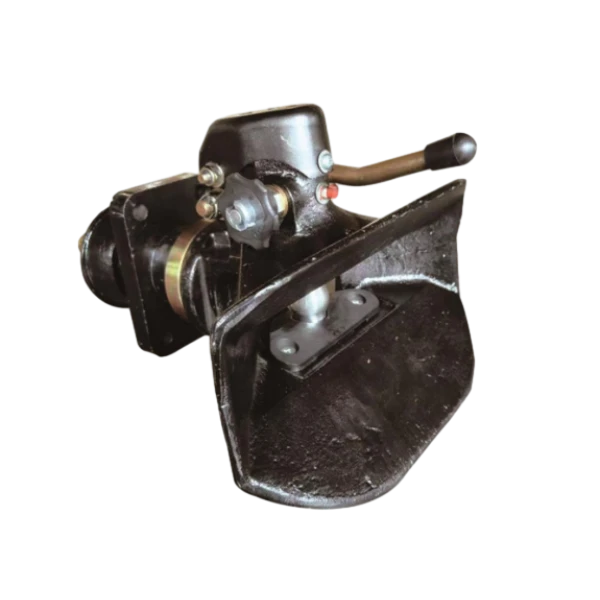 Trailer Coupling
The trailer coupling is a critical component in vehicle towing systems, designed to ensure a secure and efficient connection between a towing vehicle and a trailer. These couplings are manufactured using high-strength carbon steel, alloy steel, or stainless steel, ensuring durability and resistance to heavy loads and harsh environments.
-
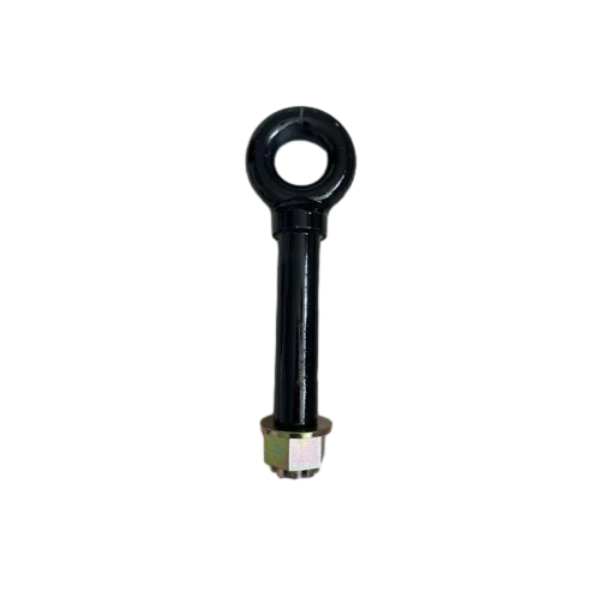 Drawbar Eyes
Drawbar eyes are essential components in towing and hauling applications, providing a strong and secure attachment point between the trailer and the towing vehicle. They are designed to endure extreme pulling forces, making them suitable for heavy-duty applications.
-
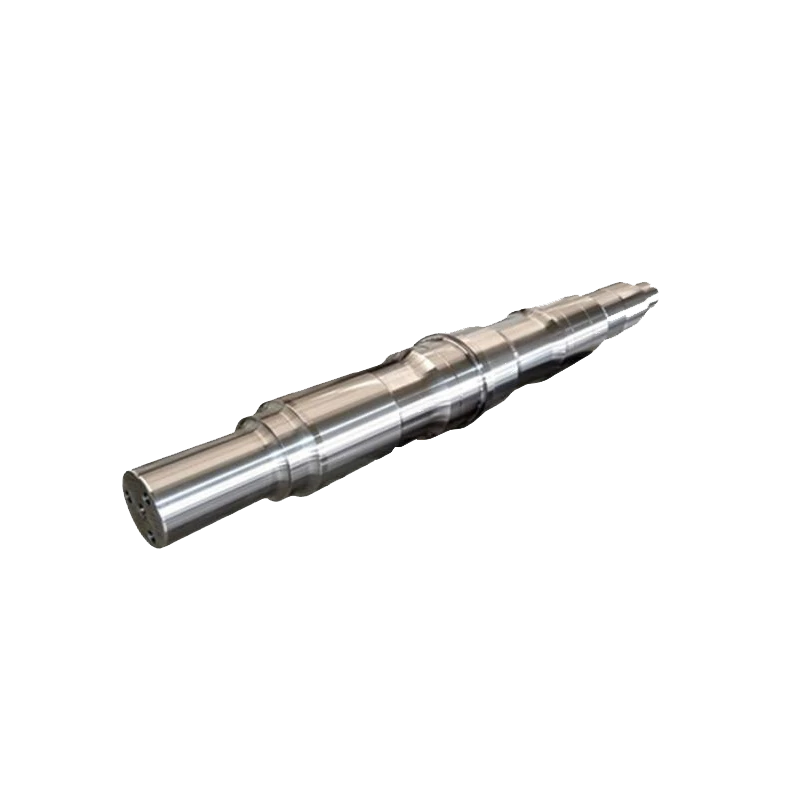 Axles
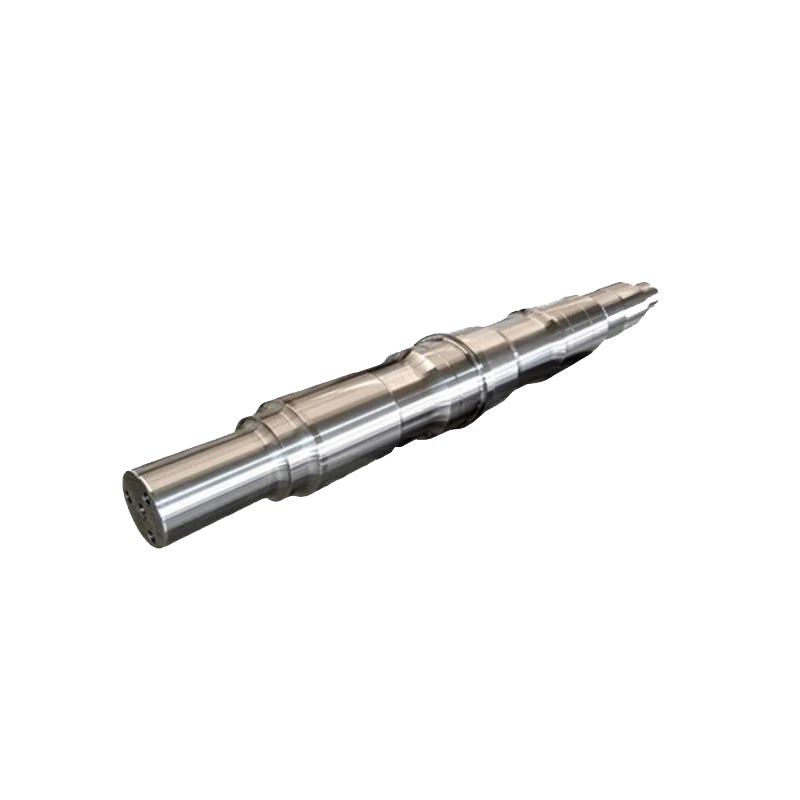
AxlesAxles are essential for vehicle load-bearing and power transmission, ensuring smooth movement and weight distribution. They must withstand high stress, torque, and impact, making material selection and precise manufacturing crucial.
-
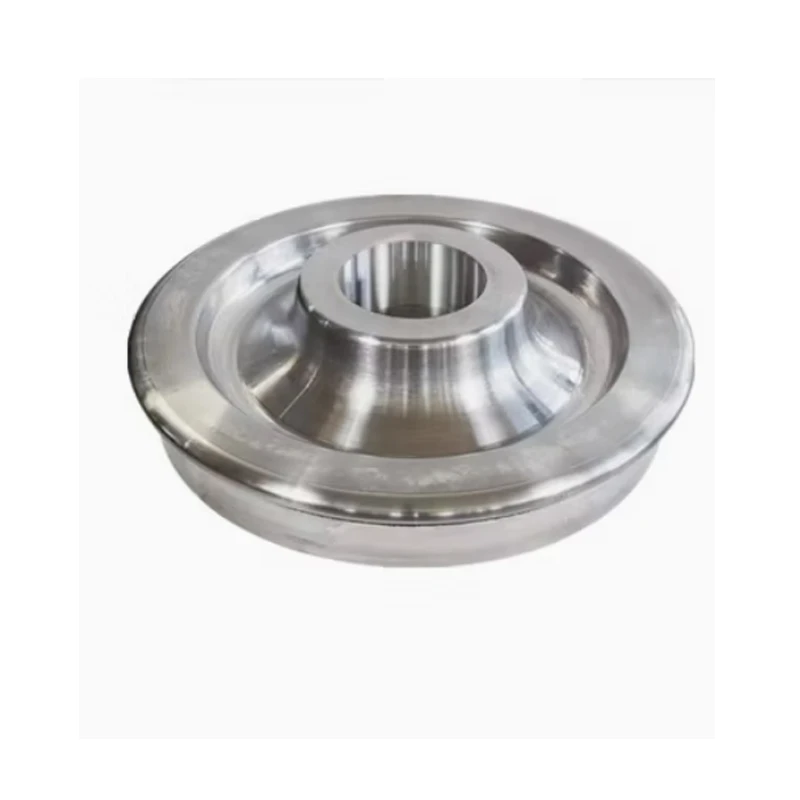 Profile S1002 Series Rail Wheels
The S1002 series rail wheels are designed for Rail-Road Vehicles (RRVs) that require seamless operation on both roads and railway tracks. Engineered with high precision and durability, these wheels conform to S1002 tread profiles, ensuring compatibility with standard railway systems.
A Comprehensive Guide to Axles Types for Industry Decision Makers | Manufacturing Base
Axles Types is a key solution in the industry, specifically within heavy machinery and transportation sectors. This article explores how https://www.manufacturing-base.com supports professionals with durable, high-performance products
>
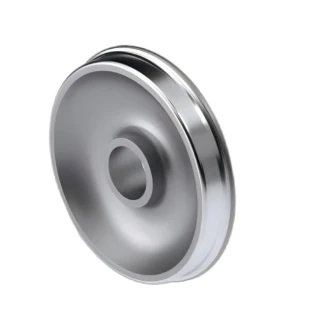
Reliable Rail Wheels: Optimize Your Rail Transport Solutions
For industries that rely on rail-based vehicles, choosing the right rail wheels is essential for smooth operations and safety.
>
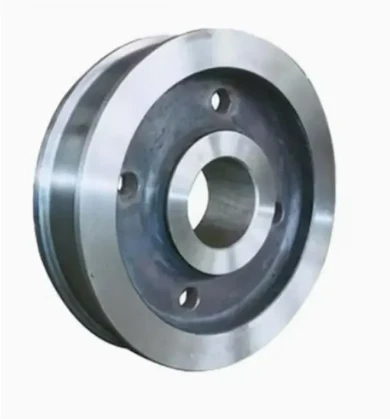
Premium Overhead Crane Wheels For Sale: Enhance Industrial Lifting Efficiency
In modern industrial operations, high-quality overhead crane wheels for sale are essential for safe, reliable, and efficient lifting.
>
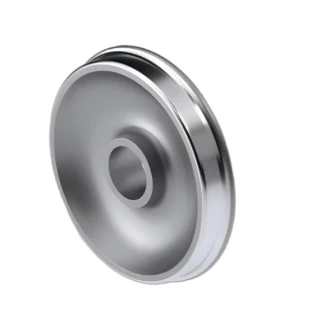
Premium Hi Rail Wheels For Sale: Boost Rail Vehicle Performance
In the modern industrial and railway sectors, having reliable hi rail wheels for sale is essential for operational efficiency and safety.
>
High-Quality Hi Rail Wheels For Sale: Enhance Your Rail Equipment Efficiency
When it comes to reliable rail maintenance and industrial operations, investing in hi rail wheels for sale is crucial.
>
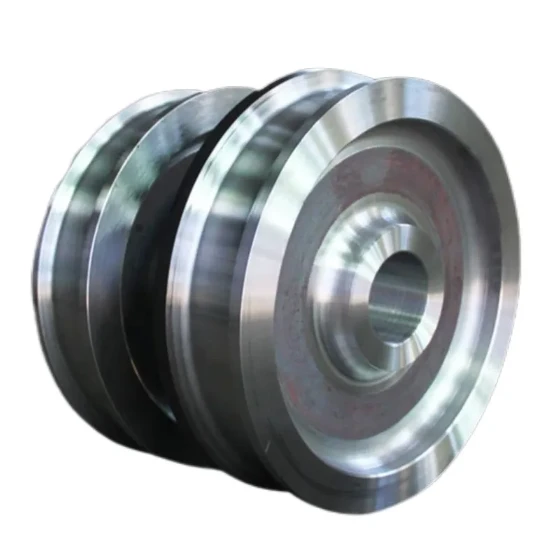
High-Quality Crane Wheels For Sale: Enhance Your Crane Operations
For industries relying on heavy lifting and material handling, investing in high-quality crane wheels for sale is crucial.
>
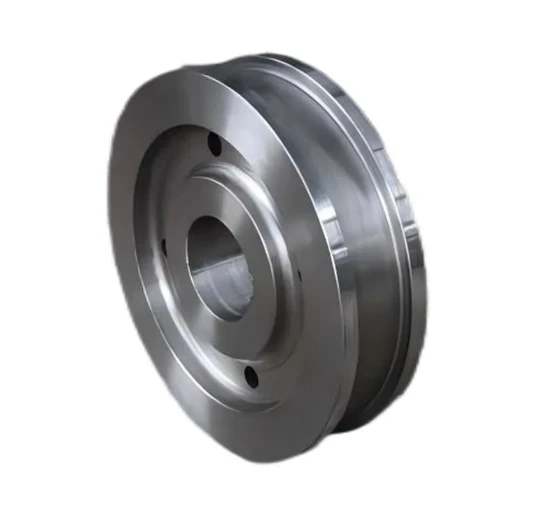
Durable Gantry Crane Wheels For Sale: Maximize Lifting Efficiency
For industries relying on heavy-duty lifting and material handling, selecting the right gantry crane wheels for sale is vital.
>
Reliable Tandem Drive Axles for Heavy-Duty Industrial Vehicles
Tandem Drive Axles: What I’ve Learned After Years in the Industrial Equipment Sector Ha
>
Reliable Semi Trailer Axles for Heavy-Duty Trailers | Expert Insight
Understanding semi trailer axles: The Backbone of Heavy Hauling Having spent more than a deca
>
RC Portal Axles: Industrial Strength and Custom Performance
RC Portal Axles: A Veteran’s Take on Industrial-Grade Performance Having spent over a d
>
Engineered for Excellence
Our forged solutions deliver reliability and performance, powering demanding industries to keep operations running smoothly.

Sign up
for Newsletter
Subscribe to the weekly newsletter for all the latest updates