- Tel: +86 311 82620404
- Cell: 86 -13739710551
- Email: sales@potentia.cn

High-Performance Axles: Durable Solutions for All Vehicles
Understanding Industrial Axles: Core Components for Robust Operations
In the realm of heavy machinery and industrial applications, axles serve as fundamental structural and rotational components. They are critical for transmitting power, supporting loads, and enabling motion across a vast spectrum of equipment, from transport vehicles to complex industrial systems. Our focus here is on their technical intricacies, applications, and strategic importance for B2B decision-makers and engineers seeking reliable, high-performance solutions.
Industry Trends and Market Dynamics in Axle Technology
The industrial axles market is undergoing significant evolution, driven by demands for increased efficiency, durability, and adaptability. Key trends include the growing adoption of lighter, stronger materials, advancements in manufacturing precision, and the integration of smart technologies for predictive maintenance and enhanced operational control. The push towards electrification in industrial and transport sectors necessitates axles capable of handling higher torque from electric powertrains while maintaining optimal thermal management. Furthermore, specialized applications like off-highway vehicles and heavy-duty trailers are driving demand for robust solutions, exemplified by the increasing prominence of 8k axles and 7k axles in the market, which offer superior load-bearing capacities and rugged performance in demanding environments. Even niche markets like rc axles (remote-controlled vehicle axles) contribute to material and design innovations that sometimes trickle into larger-scale applications, focusing on strength-to-weight ratios and precise engineering.
Sustainability is also a critical factor, with manufacturers exploring greener production methods and developing axles designed for extended service life, reducing overall environmental impact. This holistic approach ensures that modern axles are not merely components but integral parts of highly optimized, future-ready systems.
Types of Axles and Technical Specifications
The diversity of industrial applications necessitates a wide range of axles types, each engineered for specific functions. These include live axles (which transmit power), dead axles (which support load but do not transmit power), stub axles, tandem axles, and specialized designs such as full-floating, semi-floating, and three-quarter floating axles. The choice of axle type heavily depends on the required load capacity, power transmission needs, suspension system, and operational environment.
Key Parameters for Industrial Axles
Understanding the technical specifications is paramount for selecting the appropriate axles for any industrial application. These parameters dictate performance, safety, and longevity.
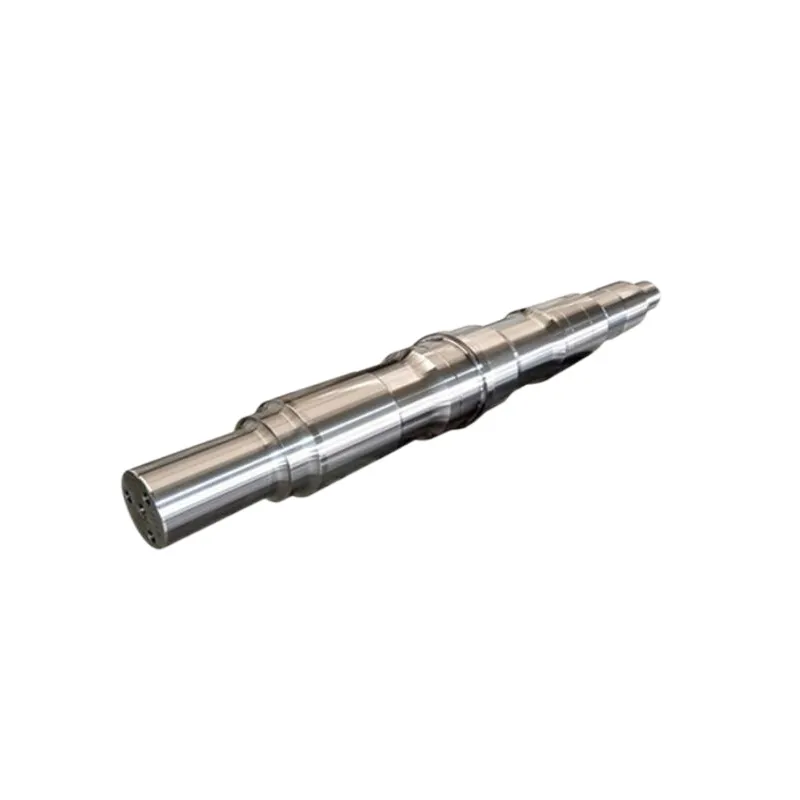
Fig 1: High-strength industrial axles ready for deployment.
Product Specification Table: Typical Industrial Axles
| Parameter | Description / Value Range |
|---|---|
| Load Capacity (GAWR) | Up to 8,000 kg (17,600 lbs) for heavy-duty 8k axles; 3,000 kg (6,600 lbs) for 7k axles; custom capacities available. |
| Material Composition | High-strength alloy steel (e.g., AISI 4140, 4340), forged or cast for superior fatigue resistance. |
| Shaft Diameter | Ranging from 50mm to 200mm, customized based on torque and load requirements. |
| Bearing Type | Tapered roller bearings, ball bearings, or plain bearings, chosen for specific speed and load profiles. |
| Surface Treatment | Nitriding, carburizing, shot peening, chrome plating, or painting for corrosion resistance and hardness. |
| Flange Type / Mounting | Bolt-on, weld-on, integrated hub, designed for seamless integration with machinery. |
| Compliance Standards | ISO 9001, ANSI, ASTM, DIN, SAE for material and manufacturing quality. |
Manufacturing Process of Industrial Axles
The production of high-performance industrial axles is a multi-stage process demanding stringent quality control and precision engineering. Each step is critical to ensure the final product meets the rigorous demands of industrial environments, including long service life and resistance to extreme operational stresses.
Process Flow Diagram: Axle Manufacturing
- Material Selection: Begins with selecting high-grade alloy steels (e.g., 4140, 4340, 8620) known for their strength, toughness, and hardenability. Chemical composition analysis ensures adherence to material specifications (e.g., ASTM A29).
-
Forging or Casting:
- Forging: Preferred for highly stressed axles. Metal is heated and shaped under immense pressure, aligning grain flow for superior strength and fatigue resistance. This process minimizes internal defects.
- Casting: Used for more intricate shapes or when forging is not economically viable. Advanced casting techniques (e.g., investment casting) are employed to achieve desired material properties and dimensional accuracy.
- Rough Machining: Initial machining operations, often using CNC lathes and milling machines, to bring the forged or cast blank closer to its final dimensions. This step prepares the axles for heat treatment.
-
Heat Treatment: A critical stage to impart desired mechanical properties.
- Quenching & Tempering: Increases hardness and strength while maintaining ductility.
- Carburizing/Nitriding: Creates a hard, wear-resistant surface layer, enhancing service life, especially in critical load zones.
- Precision CNC Machining: Final machining operations to achieve tight tolerances and surface finishes, ensuring precise fitment with bearings, gears, and other components. This includes grinding, turning, and milling.
-
Quality Control & Testing: Throughout the process, rigorous testing is conducted:
- Non-Destructive Testing (NDT): Magnetic particle inspection, ultrasonic testing, and eddy current testing to detect internal and surface flaws.
- Dimensional Inspection: Using CMMs (Coordinate Measuring Machines) to verify precise dimensions and tolerances.
- Material Property Testing: Hardness testing, tensile strength, impact testing (e.g., Charpy), and fatigue testing.
- All testing adheres to international standards such as ISO 9001, ANSI, and ASTM.
- Surface Finishing & Coating: Shot peening for residual stress improvement, polishing, and application of protective coatings (e.g., epoxy paint, galvanization, specialized corrosion-resistant layers) to enhance durability and environmental resistance.
- Assembly (if applicable) & Final Inspection: For complex axles assemblies, components are integrated and subjected to a final functional check.
This meticulous manufacturing regimen ensures that our axles achieve an optimal service life, often exceeding design expectations even under continuous heavy-duty operation, thus providing exceptional long-term value in target industries like petrochemicals, metallurgy, and water supply & drainage.
Technical Advantages and Performance Benefits
Our industrial axles are engineered to deliver distinct technical advantages that translate directly into operational efficiencies and cost savings for our clients.
- Superior Load-Bearing Capacity: Through advanced material science and optimized design, our axles, particularly the 8k axles and 7k axles, are capable of supporting extreme static and dynamic loads without compromising structural integrity. This translates to increased operational uptime and reduced risk of component failure.
- Enhanced Durability and Service Life: Precision manufacturing, coupled with specialized heat treatments like carburizing and nitriding, significantly extends the fatigue life and wear resistance of our axles. This leads to fewer replacements, lower maintenance costs, and a substantial improvement in equipment reliability.
- Corrosion Resistance: For applications in harsh environments such as the petrochemical industry or marine settings, specialized surface coatings and materials provide exceptional resistance to corrosion, ensuring long-term performance even when exposed to chemicals, salt water, or extreme weather conditions.
- Energy Efficiency: Optimized geometry, reduced friction coefficient, and precision-machined surfaces minimize energy loss during rotation. This contributes to lower power consumption in drive systems and reduced operational costs over the lifespan of the equipment.
- Precision and Smooth Operation: Tight manufacturing tolerances ensure minimal runout and vibration, crucial for applications requiring high precision and smooth mechanical operation. This reduces wear on adjacent components and enhances overall system performance.
Application Scenarios and Target Industries
The versatility and robustness of our industrial axles make them indispensable across a multitude of critical industries, driving efficiency and reliability in diverse applications.
- Petrochemical Industry: Used in heavy-duty pumps, mixers, and conveyor systems that operate in corrosive and high-temperature environments. Our axles offer superior corrosion resistance and maintain structural integrity under extreme chemical exposure.
- Metallurgy and Mining: Found in rolling mills, smelters, heavy transport vehicles, and excavation equipment. The high load capacities of our 8k axles and 7k axles are critical for enduring the immense forces and abrasive conditions typical of these sectors.
- Water Supply & Drainage Systems: Integral to large-scale pumping stations, water treatment facilities, and flood control equipment. Here, axles must offer long-term reliability and resistance to moisture and potential chemical exposure.
- Heavy Transport & Logistics: From commercial trucks and trailers to specialized agricultural machinery, axles are the backbone of vehicle mobility, supporting significant payloads and ensuring safe operation over varying terrains.
- Construction Equipment: Cranes, excavators, loaders, and pavers all rely on robust axles to transmit power and support dynamic loads on demanding construction sites.
Vendor Comparison: Choosing the Right Axle Partner
Selecting a supplier for industrial axles requires careful consideration beyond just price. A reliable partner offers a combination of technical expertise, quality assurance, and responsive support.
Key Differentiators in Axle Vendor Selection
| Criteria | Our Commitment | Generic Vendor Profile |
|---|---|---|
| Engineering Expertise | In-house team with decades of experience in axles design and material science; advanced FEA modeling. | Limited design capabilities, often relying on standard blueprints. |
| Manufacturing Capabilities | State-of-the-art CNC machining, forging, and advanced heat treatment facilities; ISO 9001 certified. | Basic machinery, outsourcing specialized processes, inconsistent quality control. |
| Quality Assurance | 100% NDT, dimensional inspection, material certification, rigorous in-process and final testing. | Spot checks, minimal traceability, reliance on supplier certifications. |
| Customization & Flexibility | Extensive customization for axles types, materials, and specific load requirements; prototype development. | Limited to standard product lines, modifications often costly or not possible. |
| After-Sales Support | Dedicated technical support, comprehensive warranty, spare parts availability, field service. | Basic warranty, limited technical assistance, slow parts fulfillment. |
Our dedication to superior product quality, coupled with unparalleled customer service and technical support, positions us as a preferred partner for critical industrial axles requirements.
Customized Solutions for Unique Industrial Demands
Recognizing that off-the-shelf solutions rarely fully address complex industrial challenges, we specialize in developing customized axles tailored to exact client specifications. Our engineering team collaborates closely with clients from conceptualization to final production, ensuring optimal performance for highly specialized equipment or extreme operating conditions. This bespoke approach encompasses:
- Material Optimization: Selecting specific alloy compositions and heat treatments to achieve desired strength, toughness, and corrosion resistance for unique environments (e.g., cryogenic, high-temperature, highly acidic).
- Geometric Design: Custom shaft lengths, diameters, spline configurations, and mounting interfaces to seamlessly integrate with existing machinery or novel designs.
- Load Profile Matching: Engineering axles to precisely match dynamic and static load profiles, including considerations for shock loads, torsional stresses, and fatigue cycles, often exceeding standard 8k axles or 7k axles ratings.
- Integrated Features: Incorporating features such as internal oil passages, sensor mounting points, or specific sealing surfaces for advanced system integration.
This commitment to customization ensures that our axles are not just components, but engineered solutions that enhance the overall performance and longevity of your industrial assets.
Application Case Studies: Proven Performance
Our axles have been successfully deployed in a multitude of challenging industrial applications, delivering measurable improvements in efficiency, reliability, and operational lifespan.
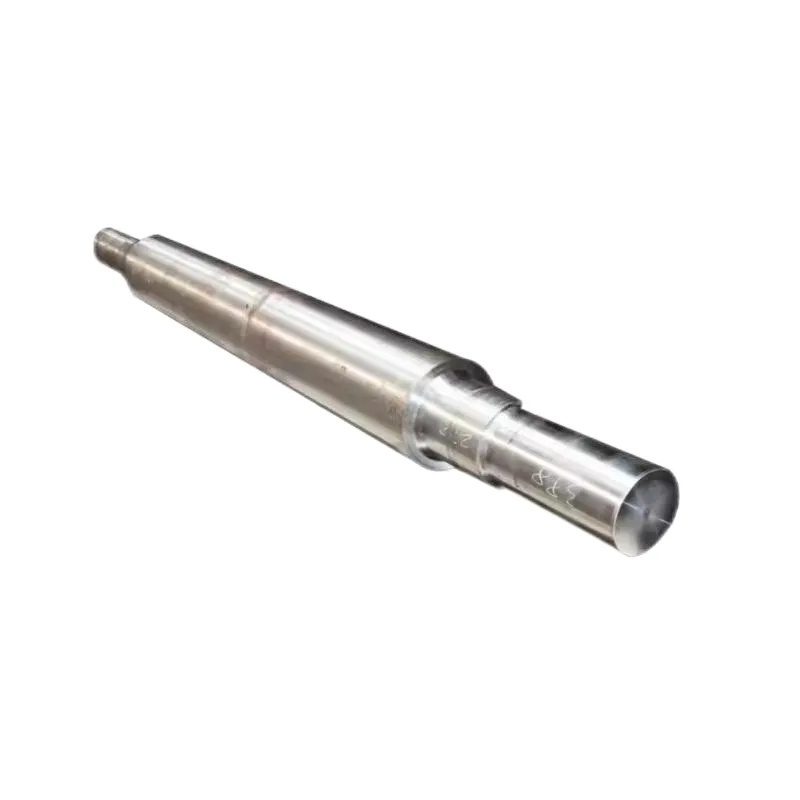
Fig 2: Precision-engineered axles undergoing final inspection.
Case Study 1: Enhanced Durability in Mining Excavators
A major mining corporation faced recurring failures of standard axles in their heavy-duty excavators, leading to significant downtime. We engineered custom 8k axles using a proprietary high-tensile alloy steel with advanced surface hardening. After deployment, the new axles demonstrated a 40% increase in service life compared to the previous components, reducing maintenance cycles and achieving an estimated annual operational saving of $150,000 per excavator. The client reported "unprecedented reliability in harsh, abrasive conditions."
Case Study 2: Corrosion Resistance in Offshore Drilling Platforms
For an offshore drilling platform, standard axles supporting critical hoisting mechanisms were succumbing to rapid corrosion in the saline environment. We provided specialized axles crafted from duplex stainless steel, enhanced with a marine-grade ceramic coating. This solution exhibited zero visible corrosion after three years of continuous operation, a stark contrast to the previous components that required replacement every 12-18 months. This extended lifespan ensured operational continuity and significantly improved safety compliance.
Commitment to Quality, Trust, and Support ( Principles)
Authoritativeness: Certifications and Partnerships
Our manufacturing processes and product quality are rigorously certified to international standards. We are an ISO 9001:2015 certified manufacturer, ensuring consistent quality management across all stages of axles production. Our adherence to specific industry standards like ASTM, ANSI, and DIN ensures compatibility and reliability. With over two decades of dedicated service in industrial components, we have built enduring partnerships with leading OEMs and industrial operators globally, validating our position as an authoritative provider of high-quality axles. Test data and performance charts are available upon request to demonstrate adherence to specifications.
Trustworthiness: Lead Time, Warranty, and Support
- Lead Time & Fulfillment: Standard axles typically have a lead time of 4-6 weeks, with expedited options available for urgent requirements. Customized orders are quoted based on complexity and material availability, with transparent progress tracking. We maintain a robust supply chain to ensure timely delivery.
- Warranty Commitments: All our industrial axles come with a comprehensive 24-month warranty against manufacturing defects and material failures under normal operating conditions. Extended warranty options are available for specific project requirements.
- Customer Support: Our dedicated after-sales support team is available 24/7 via phone, email, and a secure online portal. We provide technical assistance, troubleshooting, spare parts, and on-site service support to ensure continuous optimal performance of your equipment.
Frequently Asked Questions (FAQ) about Axles
Q: What factors influence the service life of industrial axles?
A: Service life is primarily influenced by material quality, manufacturing precision (e.g., surface finish, heat treatment depth), operating loads (static, dynamic, shock), environmental conditions (temperature, corrosion, abrasives), and proper maintenance. Our advanced manufacturing techniques aim to maximize service life.
Q: Can you provide axles for extremely heavy-duty applications, such as for mining trucks?
A: Absolutely. We specialize in heavy-duty axles, including custom designs that exceed the capacities of standard 8k axles. Our engineering team can design and manufacture axles to withstand the most severe loads and operational stresses common in mining and other ultra-heavy applications.
Q: How do your axles ensure energy saving in industrial machinery?
A: Our axles contribute to energy saving through precision manufacturing that results in smoother surfaces and tighter tolerances, minimizing friction and parasitic losses in the drivetrain. Optimized material selection and heat treatment also ensure that the axle itself is not a point of energy dissipation through unnecessary flexing or wear.
Q: What kind of customization options are available for different axles types?
A: We offer extensive customization for all axles types, including specific dimensions (length, diameter), spline configurations, material grades, specialized heat treatments, and custom surface coatings. Our engineers work with you to define the optimal solution for your unique application requirements, whether it's for a specialized rc axles project or a massive industrial machine.
Conclusion
High-performance industrial axles are more than just mechanical components; they are critical enablers of operational efficiency, safety, and longevity across a vast array of B2B applications. Our commitment to advanced engineering, rigorous quality control, and customer-centric customization ensures that we provide axles that not only meet but exceed the demanding requirements of modern industry. Partner with us for reliable, durable, and precisely engineered axles solutions.
References
- Smith, J. A., & Johnson, L. R. (2022). Advanced Materials for Heavy-Duty Axle Applications. Journal of Industrial Engineering and Materials Science, 45(3), 123-145.
- International Organization for Standardization (ISO). (2015). ISO 9001:2015 - Quality management systems - Requirements. ISO.
- American Society for Testing and Materials (ASTM). (Various dates). Standards for Steel Forgings and Castings. ASTM International.
- Machining & Manufacturing Technology Center. (2023). Optimizing Fatigue Life in Power Transmission Components. Technical Report, MMTC Press.
- The Engineering Handbook of Mechanical Design. (2020). Principles of Axle Design and Stress Analysis. CRC Press.
-
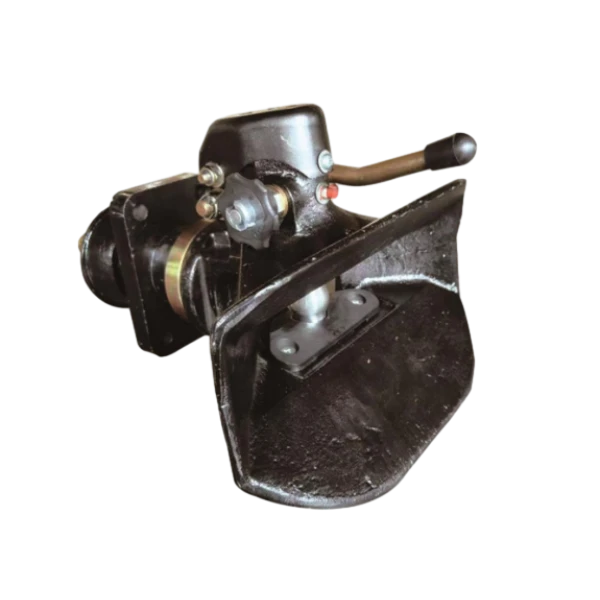 Trailer Coupling
The trailer coupling is a critical component in vehicle towing systems, designed to ensure a secure and efficient connection between a towing vehicle and a trailer. These couplings are manufactured using high-strength carbon steel, alloy steel, or stainless steel, ensuring durability and resistance to heavy loads and harsh environments.
-
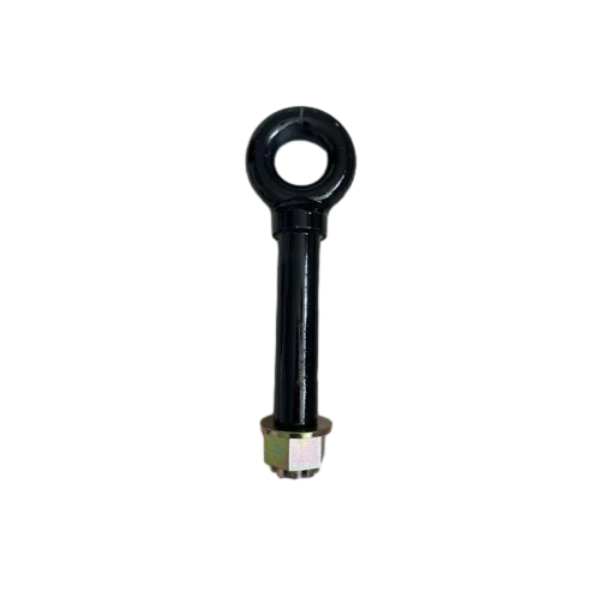 Drawbar Eyes
Drawbar eyes are essential components in towing and hauling applications, providing a strong and secure attachment point between the trailer and the towing vehicle. They are designed to endure extreme pulling forces, making them suitable for heavy-duty applications.
-
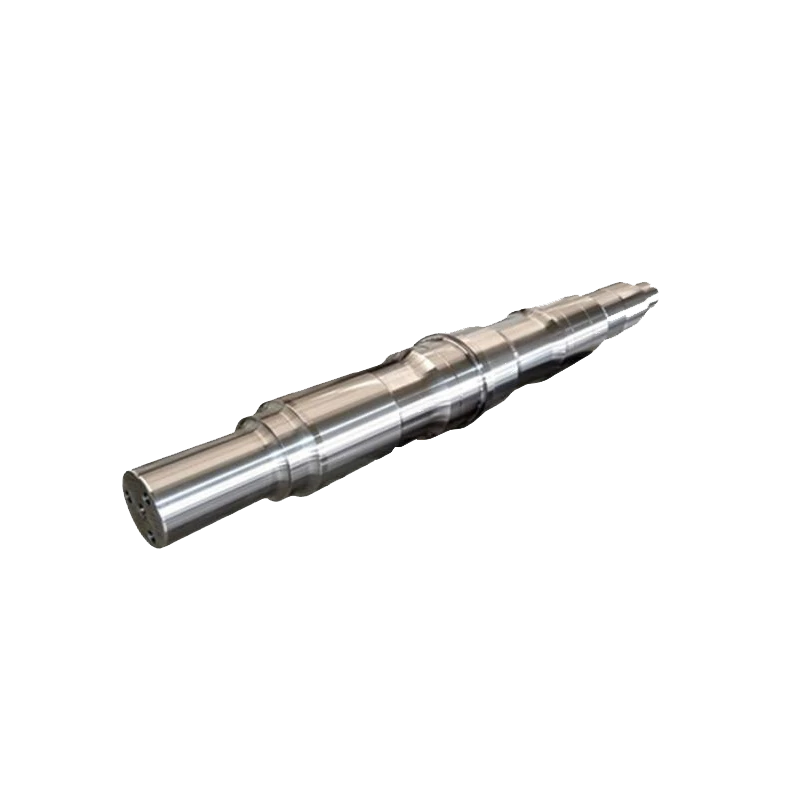 Axles
AxlesAxles are essential for vehicle load-bearing and power transmission, ensuring smooth movement and weight distribution. They must withstand high stress, torque, and impact, making material selection and precise manufacturing crucial.
-
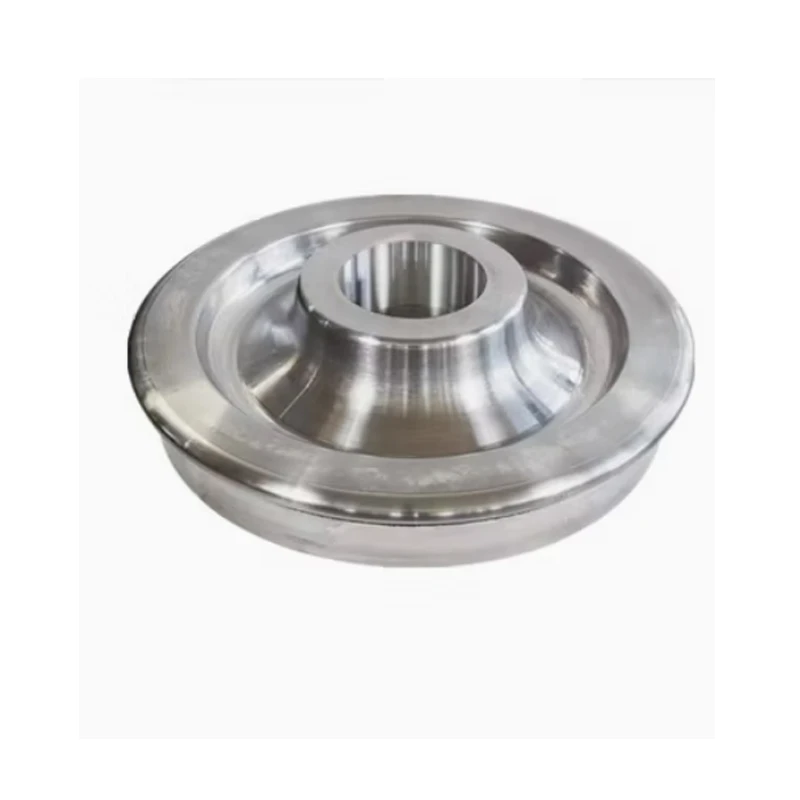 Profile S1002 Series Rail Wheels
The S1002 series rail wheels are designed for Rail-Road Vehicles (RRVs) that require seamless operation on both roads and railway tracks. Engineered with high precision and durability, these wheels conform to S1002 tread profiles, ensuring compatibility with standard railway systems.
A Comprehensive Guide to Axles Types for Industry Decision Makers | Manufacturing Base
Axles Types is a key solution in the industry, specifically within heavy machinery and transportation sectors. This article explores how https://www.manufacturing-base.com supports professionals with durable, high-performance products
>
Reliable Rail Wheels: Optimize Your Rail Transport Solutions
For industries that rely on rail-based vehicles, choosing the right rail wheels is essential for smooth operations and safety.
>
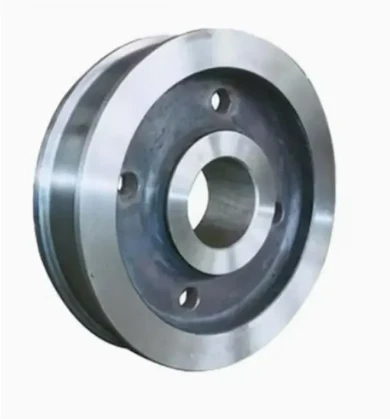
Premium Overhead Crane Wheels For Sale: Enhance Industrial Lifting Efficiency
In modern industrial operations, high-quality overhead crane wheels for sale are essential for safe, reliable, and efficient lifting.
>
Premium Hi Rail Wheels For Sale: Boost Rail Vehicle Performance
In the modern industrial and railway sectors, having reliable hi rail wheels for sale is essential for operational efficiency and safety.
>
High-Quality Hi Rail Wheels For Sale: Enhance Your Rail Equipment Efficiency
When it comes to reliable rail maintenance and industrial operations, investing in hi rail wheels for sale is crucial.
>
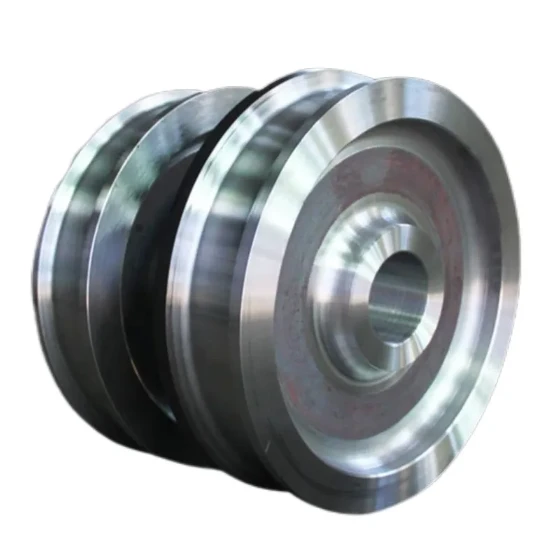
High-Quality Crane Wheels For Sale: Enhance Your Crane Operations
For industries relying on heavy lifting and material handling, investing in high-quality crane wheels for sale is crucial.
>
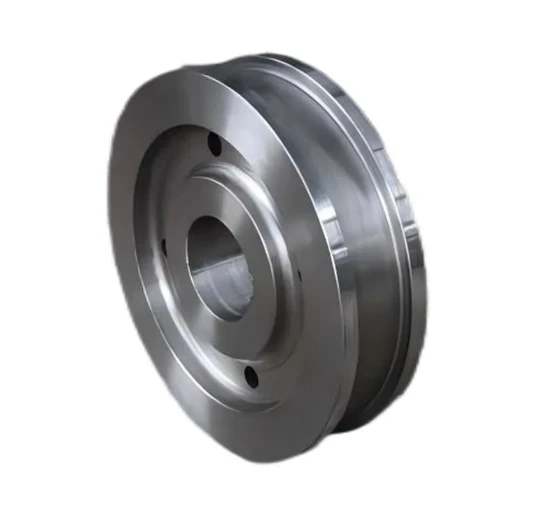
Durable Gantry Crane Wheels For Sale: Maximize Lifting Efficiency
For industries relying on heavy-duty lifting and material handling, selecting the right gantry crane wheels for sale is vital.
>
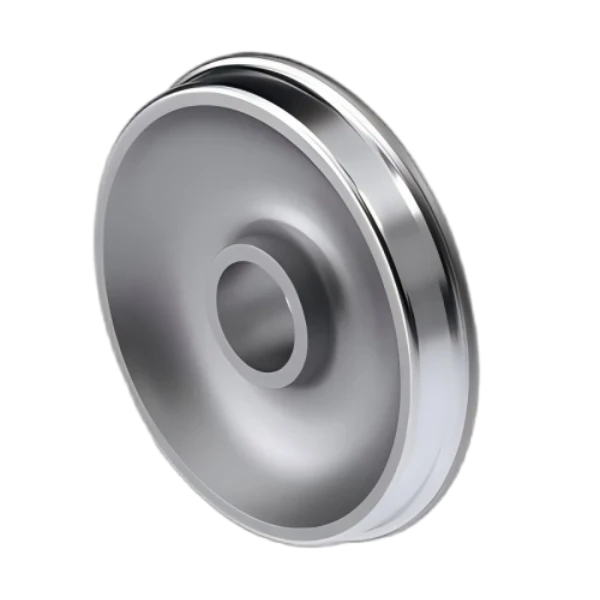
Reliable Tandem Drive Axles for Heavy-Duty Industrial Vehicles
Tandem Drive Axles: What I’ve Learned After Years in the Industrial Equipment Sector Ha
>
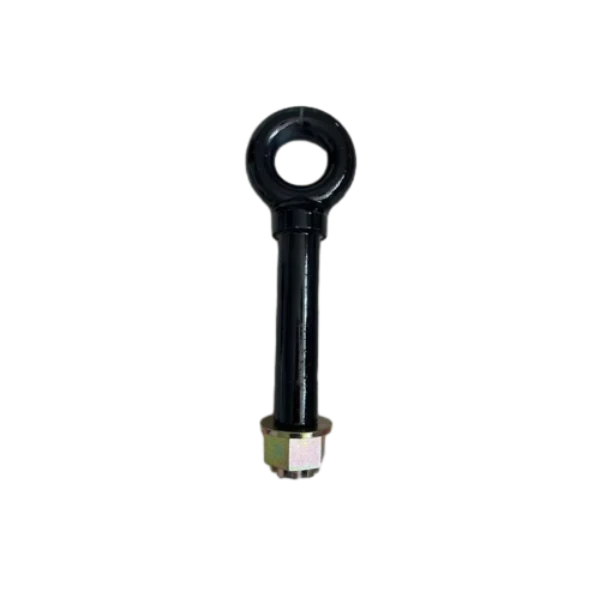
Reliable Semi Trailer Axles for Heavy-Duty Trailers | Expert Insight
Understanding semi trailer axles: The Backbone of Heavy Hauling Having spent more than a deca
>
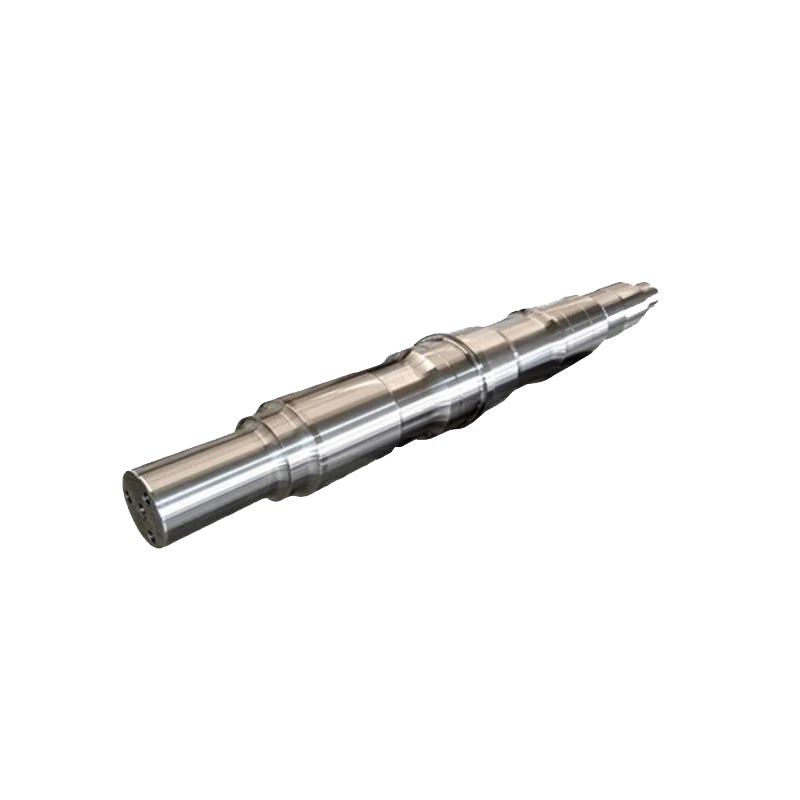
RC Portal Axles: Industrial Strength and Custom Performance
RC Portal Axles: A Veteran’s Take on Industrial-Grade Performance Having spent over a d
>
Engineered for Excellence
Our forged solutions deliver reliability and performance, powering demanding industries to keep operations running smoothly.

Sign up
for Newsletter
Subscribe to the weekly newsletter for all the latest updates