- Tel: +86 311 82620404
- Cell: 86 -13739710551
- Email: sales@potentia.cn

Heavy-Duty Drawbar Eyes | Swivel & Premier Pintle Options
Industry Trends in Towing and Haulage Components
The global heavy-duty towing and haulage industry is experiencing significant evolution, driven by demand for increased efficiency, safety, and durability in critical components. As industrial operations become more complex and supply chains more extended, the reliance on robust and reliable connection points like drawbar eyes intensifies. Key trends include the adoption of advanced materials, smart manufacturing processes, and a heightened focus on component longevity under extreme conditions. The market is also seeing a surge in demand for specialized designs such as the swivel drawbar eye, which offers enhanced articulation and flexibility for challenging terrains, and the premier pintle eye, recognized for its exceptional strength and reliability in heavy-duty applications. Manufacturers are increasingly integrating digital twins and predictive maintenance analytics to optimize performance and reduce downtime, reflecting a broader industry shift towards intelligent infrastructure.
Sustainability is another critical driver, with a push towards components that offer extended service life, reducing waste and the frequency of replacements. Material science innovations, particularly in high-strength steel alloys and corrosion-resistant coatings, are pivotal in meeting these demands. Furthermore, evolving international safety standards necessitate continuous innovation in design and testing, ensuring that components like drawbar eyes not only meet but exceed regulatory requirements for dynamic load capacity and fatigue resistance. This commitment to quality and innovation underpins trust in the entire towing ecosystem, from agricultural machinery to specialized industrial transport.
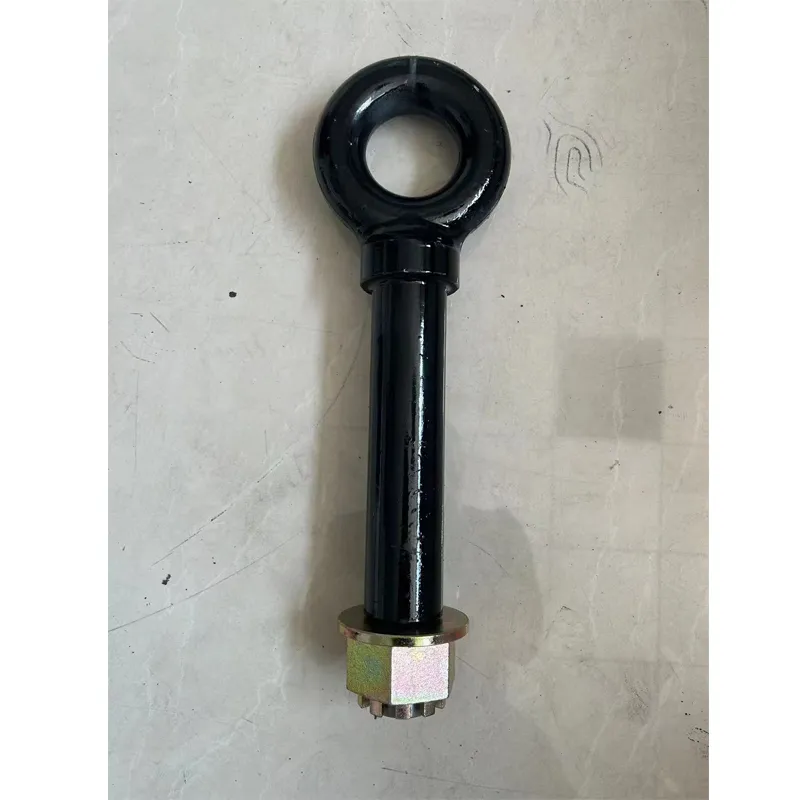
Manufacturing Process Flow of Drawbar Eyes
The production of high-performance drawbar eyes involves a multi-stage, precision-engineered process designed to ensure unparalleled strength, durability, and reliability. This meticulous manufacturing flow adheres to stringent quality control protocols at every step, guaranteeing compliance with international standards such as ISO and ANSI.
Detailed Process Steps:
- Material Selection: The foundation of a superior drawbar eye begins with the choice of high-grade materials. Typically, high-tensile carbon steel alloys like 42CrMo4 (EN 10083-1) or S355J2 (EN 10025-2) are selected for their excellent strength-to-weight ratio, fatigue resistance, and weldability. For enhanced corrosion resistance, stainless steel grades or specialized alloys may be used depending on application requirements, particularly in petrochemical or marine environments.
-
Forging/Casting:
- Forging: This is the preferred method for most heavy-duty drawbar eyes. Steel billets are heated to specific temperatures and then shaped under immense pressure using dies. Forging refines the grain structure, eliminating internal voids and improving the material's mechanical properties, including its ultimate tensile strength and impact resistance. This process is critical for achieving the high fatigue life required.
- Casting: While less common for the most demanding applications, casting can be used for certain designs. Molten metal is poured into a mold, allowed to solidify, and then extracted. Post-casting heat treatment is essential to refine the grain structure and improve mechanical properties.
- CNC Machining: Following forging or casting, the raw components undergo precision CNC (Computer Numerical Control) machining. This stage involves milling, drilling, and turning to achieve exact dimensional tolerances, surface finishes, and specific features such as the bore diameter for the coupling pin. The accuracy of this step is paramount for optimal fit and function, reducing stress concentration points and ensuring smooth articulation.
- Heat Treatment: To further enhance mechanical properties, the components are subjected to specialized heat treatments. This typically includes quenching and tempering to achieve the desired hardness, ductility, and toughness, significantly improving wear resistance and overall service life. Case hardening or induction hardening may be applied to critical surfaces for superior abrasion resistance.
- Surface Finishing: Corrosion resistance and aesthetic appeal are addressed through various surface finishes. Common treatments include hot-dip galvanizing, which provides a thick, robust zinc coating for excellent protection against rust, or electro-galvanizing for a thinner, uniform layer. Powder coating or painting is often applied for additional protection and to meet specific aesthetic or branding requirements. These treatments extend the component's service life, particularly in outdoor, harsh environments.
- Testing and Quality Control: Each batch undergoes rigorous testing to ensure compliance with international standards and product specifications. This includes non-destructive testing (NDT) such as magnetic particle inspection (MPI) or ultrasonic testing (UT) for internal defects, mechanical tests (tensile strength, yield strength, impact toughness), hardness tests, and dimensional inspections. Fatigue testing simulating real-world dynamic loads is also performed to validate the expected service life. Compliance with ISO 1102, ISO 1102-2, SAE J847, and relevant ANSI standards is routinely verified.
These processes ensure a minimum service life of 5-10 years under typical operating conditions, often exceeding this in well-maintained systems. Target industries benefiting from these robust components include petrochemical, metallurgy, water supply & drainage, agriculture, construction, and heavy transportation. In applications such as agricultural machinery, the corrosion resistance and energy efficiency (due to reduced friction and longer replacement cycles) of a precisely manufactured swivel drawbar eye significantly reduce operational costs and enhance productivity.
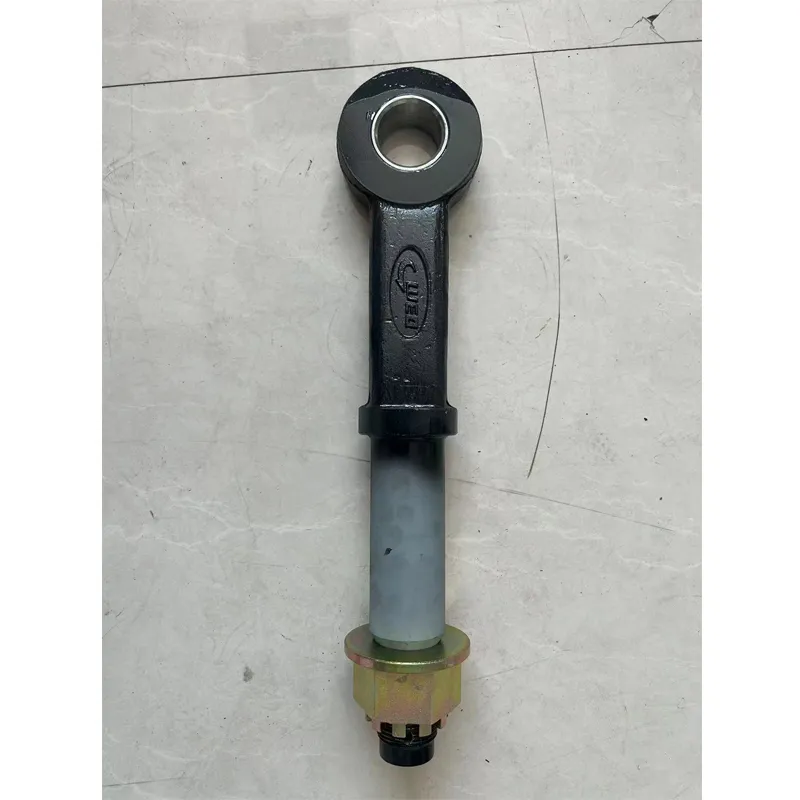
Technical Specifications and Parameters
Understanding the technical specifications of drawbar eyes is crucial for ensuring compatibility, safety, and optimal performance in diverse applications. These parameters directly influence the component's load-bearing capacity, resistance to wear, and suitability for specific environments.
Standard Drawbar Eye Specifications (Example)
| Parameter | Description/Value | Unit/Standard |
|---|---|---|
| Material Grade | Forged High-Tensile Alloy Steel (e.g., 42CrMo4, S355J2) | EN 10083-1, EN 10025-2 |
| Ultimate Tensile Strength (UTS) | Min. 800 - 1000 | MPa |
| Yield Strength (YS) | Min. 650 - 800 | MPa |
| Hardness | 240 - 300 | HBW (Brinell) |
| Surface Treatment | Hot-Dip Galvanized, Powder Coated (Black/Yellow) | ISO 1461, ASTM A123 |
| Bore Diameter | Ø40mm, Ø50mm, Ø76mm (Custom available) | mm |
| Eye Thickness | 45mm - 60mm (Dependent on model) | mm |
| Static Vertical Load (S-value) | Up to 4000 | kg |
| D-value (Dynamic Load Capacity) | Up to 300 | kN |
| Compliance Standards | ISO 1102, ISO 1102-2, SAE J847, ECE R55 |
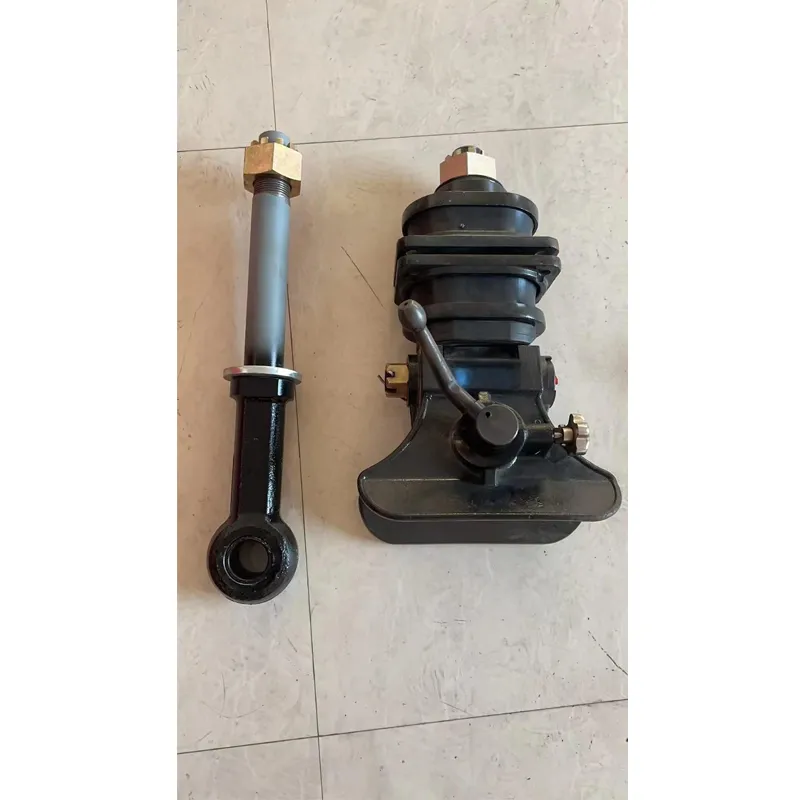
Specialized versions like the swivel drawbar eye feature an integrated bearing system allowing for rotational movement, which is critical in multi-directional towing applications and off-road environments to prevent torsional stress on the towing vehicle and trailer. The premier pintle eye, often identified by its robust, single-piece forged construction, emphasizes maximum load integrity and minimal articulation, ideal for heavy-duty military and construction applications where secure, rigid connections are paramount.
Application Scenarios and Technical Advantages
The versatility and robustness of drawbar eyes make them indispensable across a wide array of industrial and commercial applications. Their design allows for reliable coupling to various pintle hooks and towing hitches, facilitating the safe and efficient movement of heavy loads.
Key Application Areas:
- Agriculture: Heavy-duty agricultural trailers, implements (e.g., plows, cultivators), and spreading equipment utilize drawbar eyes for robust attachment to tractors. The swivel drawbar eye is particularly advantageous here, accommodating uneven field terrain and reducing stress on connection points during turns.
- Construction: From site dumpers and concrete mixers to heavy plant trailers, drawbar eyes provide secure linkages for transporting materials and machinery. The premier pintle eye is often preferred for its unyielding connection in rugged construction environments.
- Logistics & Transportation: Semi-trailers, full trailers, and specialized transport vehicles rely on these components for safe and compliant road haulage of various goods. Reliability is paramount to prevent accidental disconnections, particularly for hazardous materials or oversized loads.
- Mining & Quarrying: In these demanding sectors, where extreme loads and abrasive conditions are common, specially hardened and corrosion-resistant drawbar eyes ensure continuous operation of earth-moving and transport equipment.
- Military & Defense: Tactical and logistical vehicles often employ premier pintle eyes due to their high load capacity, durability, and resistance to harsh operational environments, ensuring secure towing of specialized equipment.
Technical Advantages:
- Exceptional Load Capacity: Engineered from high-strength forged steel, these components are designed to withstand significant static and dynamic loads, measured by their D-value and S-value ratings, ensuring safety under extreme towing conditions.
- Superior Durability & Fatigue Resistance: Through precision forging, heat treatment, and controlled material selection, drawbar eyes exhibit excellent resistance to fatigue cracking and wear, translating into a longer operational lifespan and reduced maintenance costs.
- Corrosion Resistance: Advanced surface treatments, such as hot-dip galvanizing or specialized coatings, provide robust protection against rust and environmental degradation, critical for components exposed to harsh weather, chemicals, or saline conditions.
- Enhanced Safety Features: Designs often incorporate specific geometries to minimize stress concentrations, and stringent testing ensures components meet international safety standards (e.g., ECE R55, SAE J847) for secure coupling and operation.
- Versatility and Compatibility: Available in various bore diameters and eye thicknesses, they are compatible with a wide range of towing vehicles and trailers, including standard, swivel, and premier pintle hook systems, offering flexibility in fleet management.
- Reduced Downtime: The inherent reliability and longevity of quality drawbar eyes minimize unexpected failures, directly contributing to higher operational uptime and greater productivity for B2B enterprises.
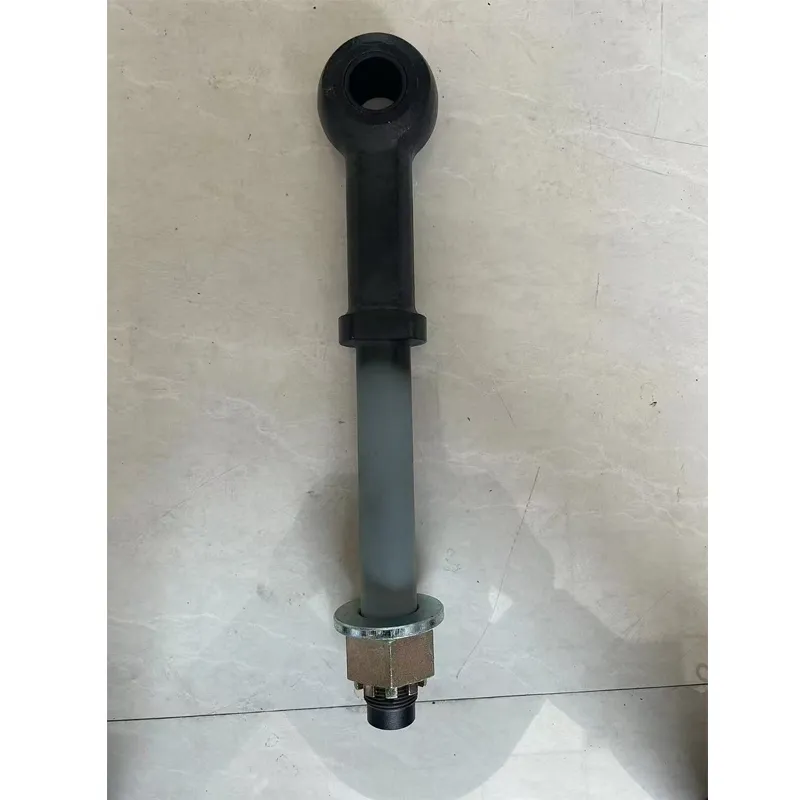
Vendor Comparison and Customized Solutions
Choosing the right supplier for drawbar eyes is a critical decision that impacts long-term operational costs, safety, and compliance. While many vendors offer standard products, differentiation often lies in material quality, manufacturing precision, testing rigor, and the ability to provide tailored solutions.
Comparison of Drawbar Eye Offerings (Hypothetical)
| Feature/Vendor Aspect | Standard Grade (Vendor A) | Premium Forged (Vendor B) | High-Performance Custom (Vendor C) |
|---|---|---|---|
| Manufacturing Process | Rolled/Basic Forging | Precision Forging, Heat-Treated | Multi-stage Forging, Advanced Heat-Treatment |
| Material | C45 Carbon Steel | 42CrMo4 Alloy Steel | Proprietary High-Strength Alloy, Stainless options |
| D-value (Max) | 150 kN | 250 kN | 300+ kN (Application Specific) |
| Corrosion Protection | Basic Painted/Zinc Plated | Hot-Dip Galvanized | Specialized Coatings (e.g., Ceramic, Marine-grade) |
| Certifications | Basic QA, CE Mark | ISO 9001, ECE R55, TüV Certified | ISO 9001, ECE R55, Custom Industry Certs (e.g., Lloyd's Register) |
| Warranty | 1 Year | 3 Years | 5+ Years |
| Customization Options | Limited (Bore size) | Moderate (Dimensions, Finish) | Extensive (Material, Geometry, Load, Integrated Sensors) |
Customized Solutions: Tailored for Specific Challenges
For B2B clients facing unique operational challenges, off-the-shelf drawbar eyes may not suffice. Leading manufacturers offer comprehensive customization services, enabling the development of components precisely engineered for specific applications. This includes:
- Material Specification: Tailoring alloy compositions for extreme temperatures, corrosive environments (e.g., acid processing, marine), or specific strength requirements.
- Dimensional Modifications: Custom bore diameters, eye thicknesses, and overall geometry to fit non-standard hitch systems or integrate with complex chassis designs. This includes specialized swivel drawbar eye designs for enhanced articulation.
- Load Rating Adjustments: Engineering drawbar eyes to exceed standard D-value and S-value requirements for highly demanding, super-heavy haulage operations.
- Advanced Surface Finishes: Application of specialized coatings for superior abrasion resistance, anti-galling properties, or extreme chemical inertness, beyond standard galvanization.
- Integrated Features: Development of drawbar eyes with integrated sensors for real-time load monitoring, temperature sensing, or smart coupling feedback, aligning with Industry 4.0 initiatives.
These bespoke solutions ensure optimal performance, extend service life, and enhance safety in highly specialized or mission-critical applications, delivering significant long-term value to the client.
Application Case Studies
Real-world applications demonstrate the critical role of well-engineered drawbar eyes in ensuring operational efficiency and safety across diverse industries.
Case Study 1: Heavy-Duty Mining Haulage in Arid Environments
Client: Major international mining corporation operating in the Atacama Desert.
Challenge: The client faced frequent failures of standard towing eyes on their ore transport trailers, leading to unscheduled downtime and safety risks. The extreme arid conditions, constant dust, fluctuating temperatures, and continuous heavy loading (up to 100-ton trailers) caused rapid wear, material fatigue, and premature corrosion of existing components, resulting in an average component lifespan of only 18 months.
Solution: We supplied custom-designed premier pintle eyes manufactured from a high-nickel chromium alloy steel, specifically engineered for enhanced fatigue strength and impact resistance. These drawbar eyes underwent a specialized surface hardening process followed by a multi-layer ceramic coating for superior abrasion and corrosion resistance in the harsh desert environment. The design was optimized for the specific dynamic load profile of their trailers, exceeding SAE J847 Class 5 requirements.
Results: The custom premier pintle eyes demonstrated a service life exceeding 48 months, a 166% improvement over previous components. This led to a significant reduction in maintenance costs, minimized unscheduled downtime, and enhanced safety for the hauling operations. The client reported a 20% increase in overall fleet operational efficiency directly attributable to the improved reliability of the towing connections.
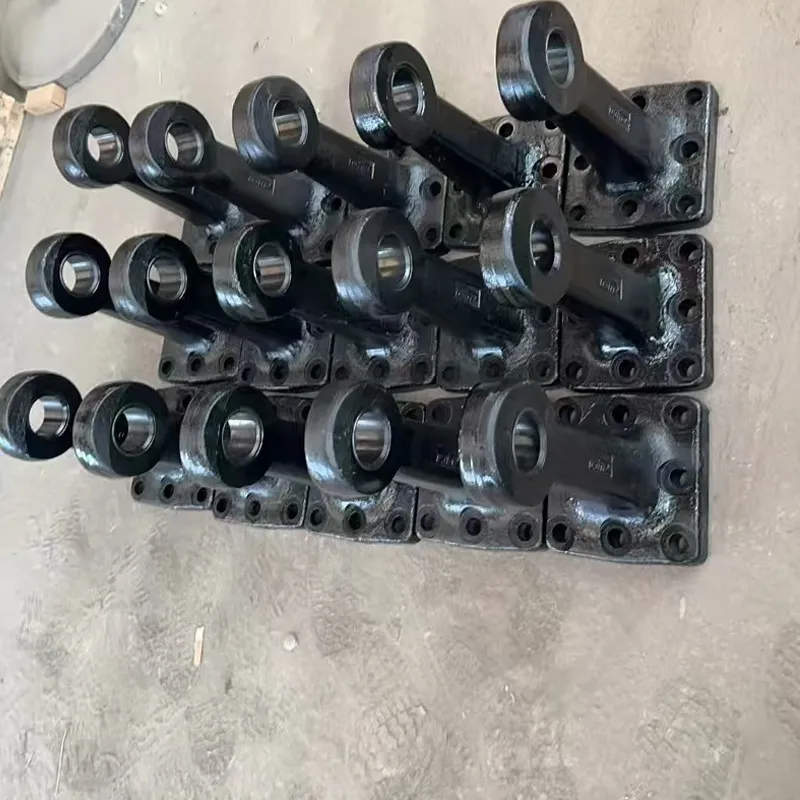
Case Study 2: Agricultural Implement Towing on Undulating Terrain
Client: Large-scale agricultural enterprise specializing in crop rotation across varied topographies.
Challenge: The client's standard rigid drawbar eyes on their heavy tillage equipment were causing excessive torsional stress on tractor hitches when navigating hilly and uneven fields. This led to accelerated wear on both the drawbar eye and the tractor's hitch, requiring frequent repairs and sometimes leading to premature failure of the connection under dynamic load shifts.
Solution: We recommended and supplied a series of high-articulation swivel drawbar eyes. These components incorporated a heavy-duty spherical bearing system, allowing for +/- 20 degrees of axial rotation in addition to vertical articulation. The swivel drawbar eyes were manufactured from case-hardened S355J2 steel and hot-dip galvanized for excellent corrosion resistance against agricultural chemicals and moisture. Their design specifically mitigated torsional forces.
Results: The implementation of the swivel drawbar eye significantly reduced stress on the tractor hitches and implements, leading to a 30% reduction in hitch-related maintenance costs for the client's fleet. Operators reported smoother towing over rough terrain and improved maneuverability. The average lifespan of the swivel drawbar eyes in these demanding conditions was projected to be over 7 years, demonstrating enhanced longevity and a tangible return on investment.
Frequently Asked Questions (FAQ)
Q1: What is the primary difference between a standard drawbar eye and a swivel drawbar eye?
A1: A standard drawbar eye provides a rigid connection, allowing only vertical articulation. A swivel drawbar eye, however, incorporates a bearing system that permits rotation along the longitudinal axis, in addition to vertical movement. This rotational capability is crucial for off-road or uneven terrain applications, as it prevents torsional stress on the towing vehicle's hitch and the trailer's frame, enhancing flexibility and extending component life.
Q2: How do I determine the correct load capacity (D-value and S-value) for my application?
A2: The D-value (Dynamic Load) represents the horizontal force a coupling can withstand, calculated based on the maximum permissible mass of the towing vehicle and trailer. The S-value (Static Vertical Load) indicates the maximum permissible static vertical load at the coupling point. It is critical to consult the manufacturer's specifications for your towing vehicle and trailer and ensure the selected drawbar eye meets or exceeds these values. Mismatching these values can lead to severe safety hazards and component failure. Our technical sales team can assist with precise calculations.
Q3: What maintenance is required for drawbar eyes?
A3: Regular inspection for signs of wear, cracks, deformation, or corrosion is essential. For certain designs, particularly swivel drawbar eyes, periodic lubrication of the bearing mechanism according to manufacturer guidelines is necessary. Ensure the coupling pin is free from damage and properly secured. Any signs of significant wear or damage necessitate immediate replacement to maintain safety and performance standards. Proper surface treatment, such as galvanization, will minimize corrosion risk, but visual checks are always recommended.
Lead Time & Fulfillment
Standard drawbar eyes are typically stocked and can be shipped within 3-5 business days. For bulk orders or customized solutions, lead times generally range from 4-8 weeks, depending on complexity, material availability, and production queue. We maintain efficient supply chain logistics to ensure timely delivery and minimize project delays. Expedited manufacturing and shipping options are available upon request for urgent requirements.
Warranty Commitments
All our drawbar eyes come with a comprehensive 3-year warranty against manufacturing defects and material failures under normal operating conditions. This warranty reflects our confidence in the quality and durability of our products, which are manufactured to ISO 9001 standards and undergo rigorous quality control. Specific extended warranty options are available for specialized or high-volume orders.
Customer Support Information
Our dedicated customer support team is available to assist with technical queries, product selection, customization requirements, and after-sales service. You can reach us via:
- Email: support@manufacturing-base.com
- Phone: +1 (800) 555-0199
- Online Portal: Access our client portal at manufacturing-base.com/support for technical documents, order tracking, and support tickets.
We are committed to providing expert assistance to ensure your complete satisfaction and the optimal performance of our products.
References:
- ISO 1102: Road vehicles – Mechanical couplings between tractors and semi-trailers – Exchangeability. International Organization for Standardization.
- SAE J847: Full Trailers & Converter Dollies – Air Brake Systems. Society of Automotive Engineers.
- EN 10083-1: Steels for quenching and tempering - Part 1: General technical delivery conditions. European Committee for Standardization.
- "Advances in Forging Technology for High-Performance Mechanical Components," Journal of Materials Processing Technology, Vol. 223, pp. 120-135, 2015.
-
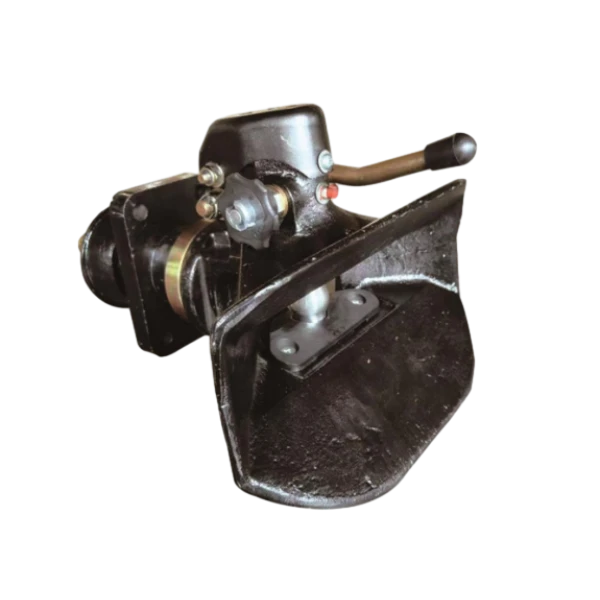 Trailer Coupling
The trailer coupling is a critical component in vehicle towing systems, designed to ensure a secure and efficient connection between a towing vehicle and a trailer. These couplings are manufactured using high-strength carbon steel, alloy steel, or stainless steel, ensuring durability and resistance to heavy loads and harsh environments.
-
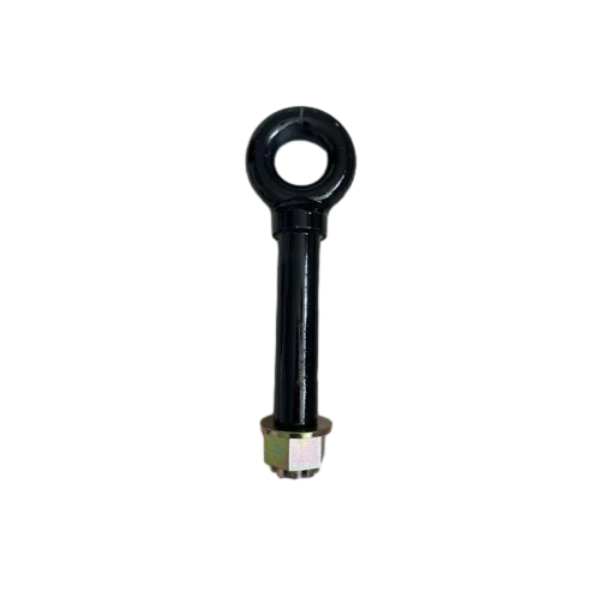 Drawbar Eyes
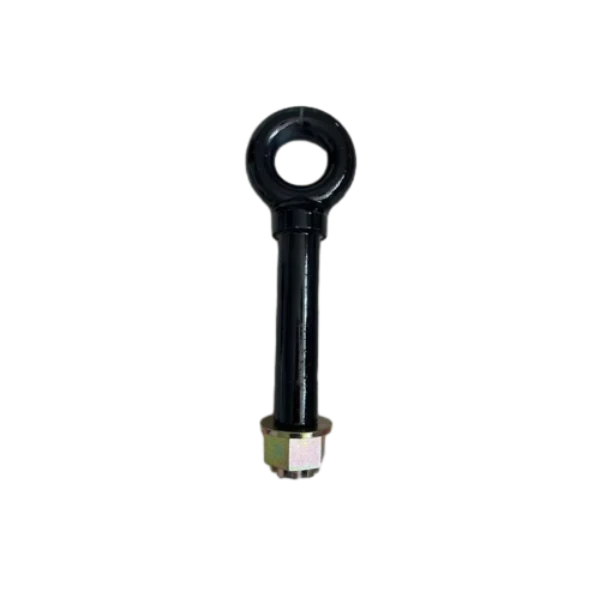
Drawbar eyes are essential components in towing and hauling applications, providing a strong and secure attachment point between the trailer and the towing vehicle. They are designed to endure extreme pulling forces, making them suitable for heavy-duty applications.
-
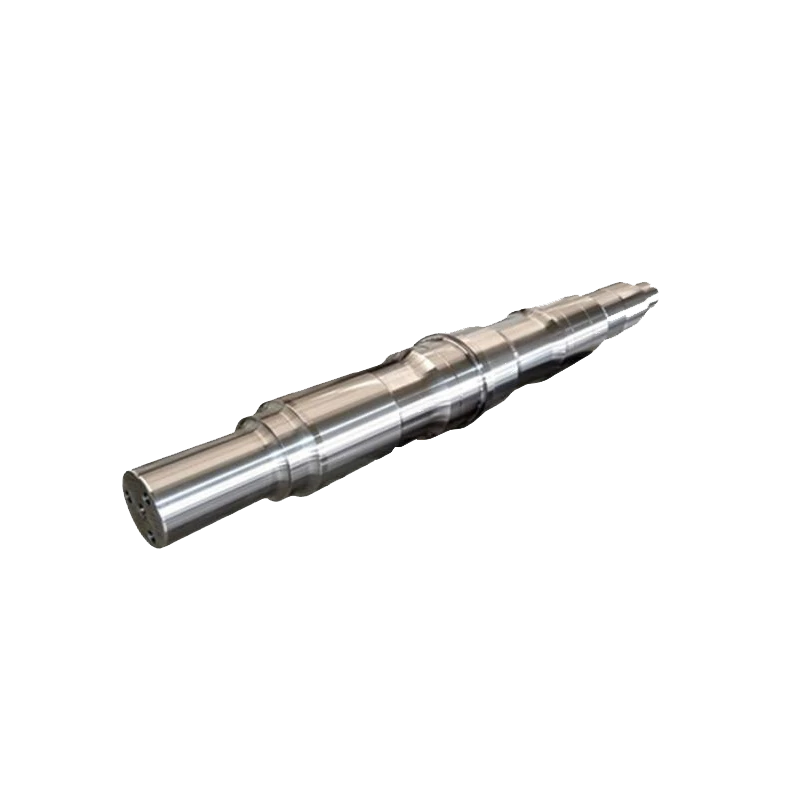 Axles
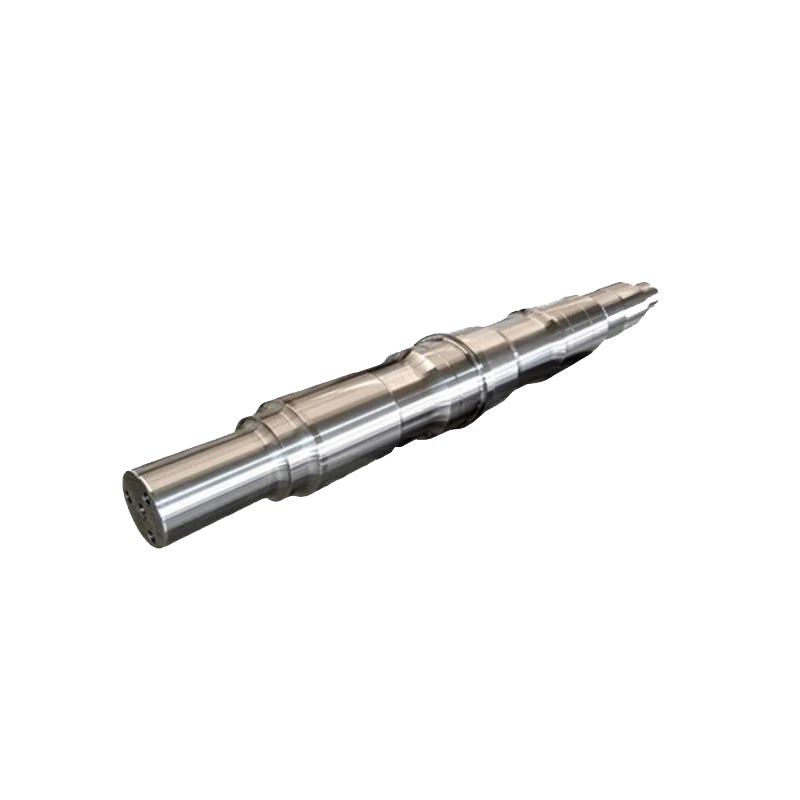
AxlesAxles are essential for vehicle load-bearing and power transmission, ensuring smooth movement and weight distribution. They must withstand high stress, torque, and impact, making material selection and precise manufacturing crucial.
-
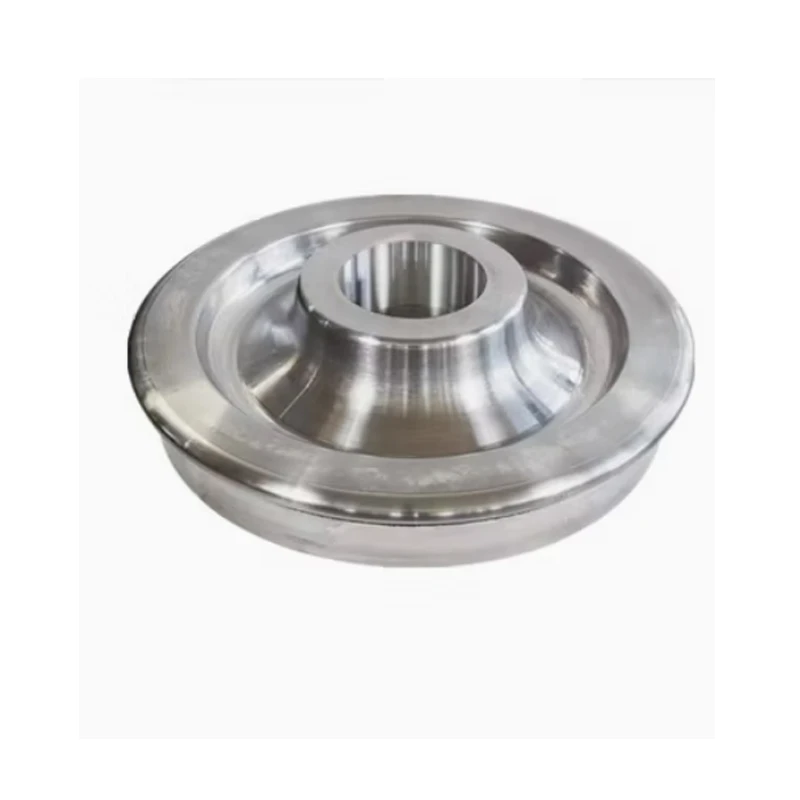 Profile S1002 Series Rail Wheels
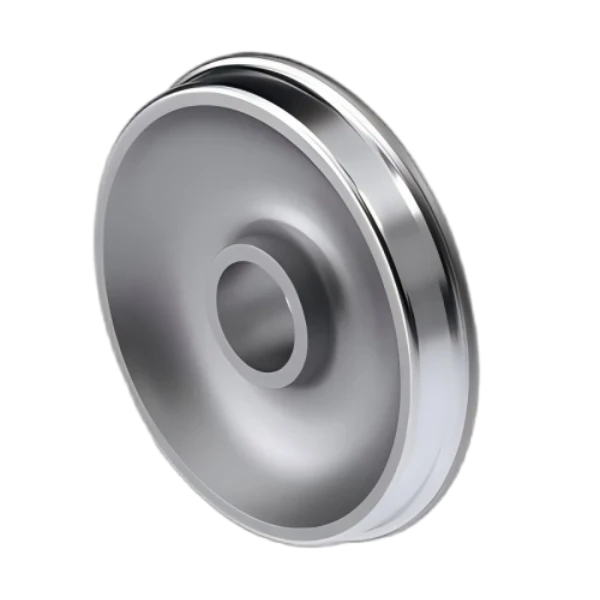
The S1002 series rail wheels are designed for Rail-Road Vehicles (RRVs) that require seamless operation on both roads and railway tracks. Engineered with high precision and durability, these wheels conform to S1002 tread profiles, ensuring compatibility with standard railway systems.
A Comprehensive Guide to Axles Types for Industry Decision Makers | Manufacturing Base
Axles Types is a key solution in the industry, specifically within heavy machinery and transportation sectors. This article explores how https://www.manufacturing-base.com supports professionals with durable, high-performance products
>
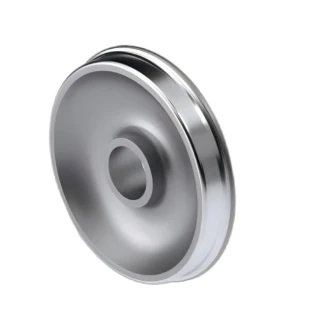
Reliable Rail Wheels: Optimize Your Rail Transport Solutions
For industries that rely on rail-based vehicles, choosing the right rail wheels is essential for smooth operations and safety.
>
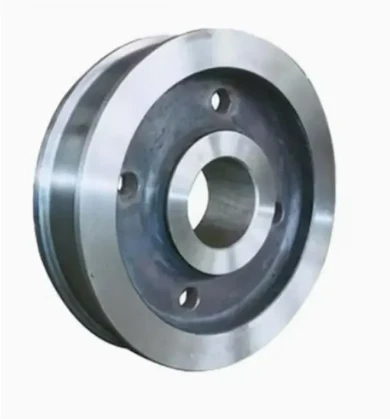
Premium Overhead Crane Wheels For Sale: Enhance Industrial Lifting Efficiency
In modern industrial operations, high-quality overhead crane wheels for sale are essential for safe, reliable, and efficient lifting.
>
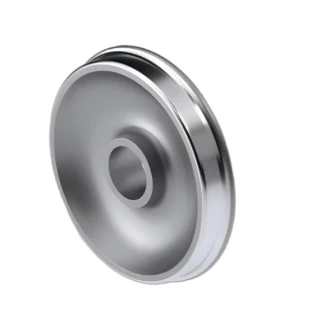
Premium Hi Rail Wheels For Sale: Boost Rail Vehicle Performance
In the modern industrial and railway sectors, having reliable hi rail wheels for sale is essential for operational efficiency and safety.
>
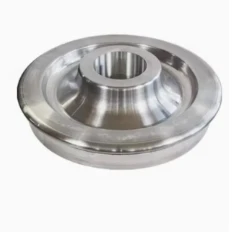
High-Quality Hi Rail Wheels For Sale: Enhance Your Rail Equipment Efficiency
When it comes to reliable rail maintenance and industrial operations, investing in hi rail wheels for sale is crucial.
>
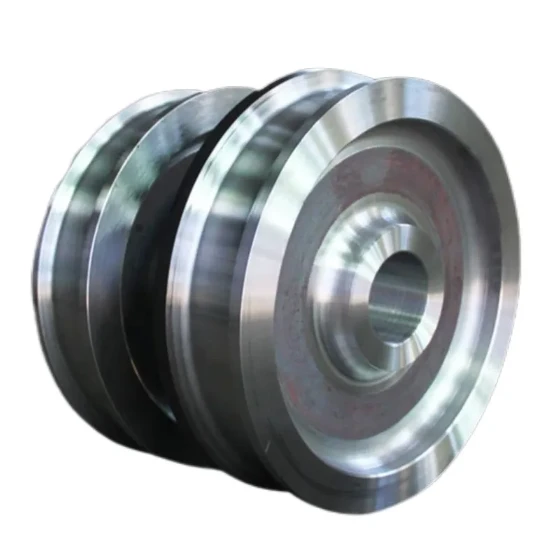
High-Quality Crane Wheels For Sale: Enhance Your Crane Operations
For industries relying on heavy lifting and material handling, investing in high-quality crane wheels for sale is crucial.
>
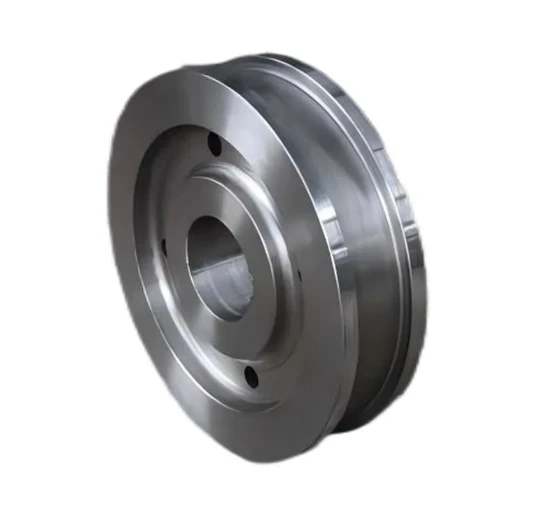
Durable Gantry Crane Wheels For Sale: Maximize Lifting Efficiency
For industries relying on heavy-duty lifting and material handling, selecting the right gantry crane wheels for sale is vital.
>
Reliable Tandem Drive Axles for Heavy-Duty Industrial Vehicles
Tandem Drive Axles: What I’ve Learned After Years in the Industrial Equipment Sector Ha
>
Reliable Semi Trailer Axles for Heavy-Duty Trailers | Expert Insight
Understanding semi trailer axles: The Backbone of Heavy Hauling Having spent more than a deca
>
RC Portal Axles: Industrial Strength and Custom Performance
RC Portal Axles: A Veteran’s Take on Industrial-Grade Performance Having spent over a d
>
Engineered for Excellence
Our forged solutions deliver reliability and performance, powering demanding industries to keep operations running smoothly.

Sign up
for Newsletter
Subscribe to the weekly newsletter for all the latest updates