- Tel: +86 311 82620404
- Cell: 86 -13739710551
- Email: sales@potentia.cn

Gantry Crane Wheels – Forged, Wear-Resistant, OEM Supply
What I’m Seeing in Gantry Crane Wheels: Field Notes, Specs, and Real-World Lessons
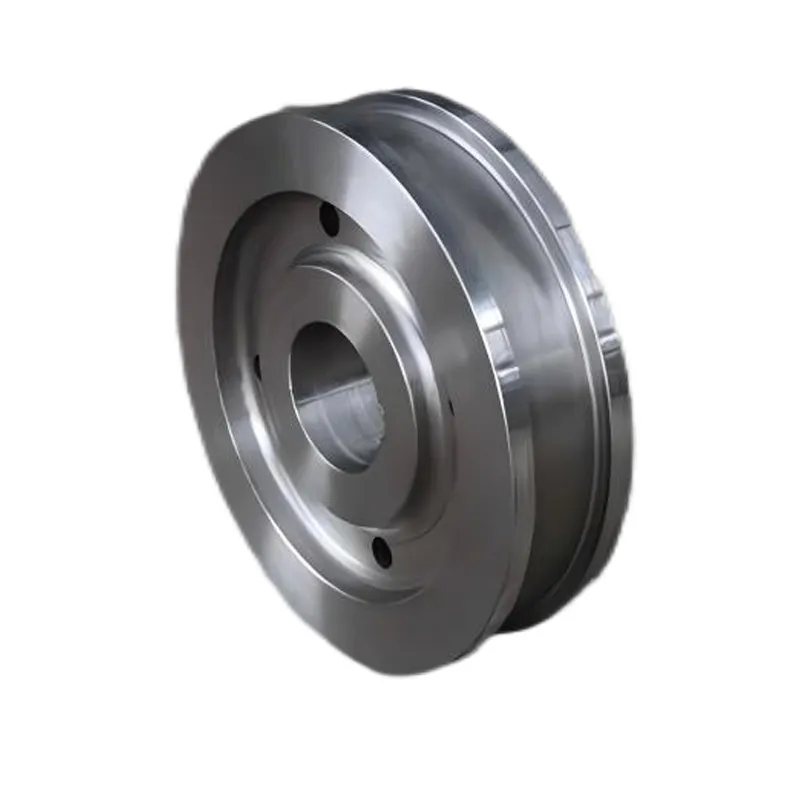
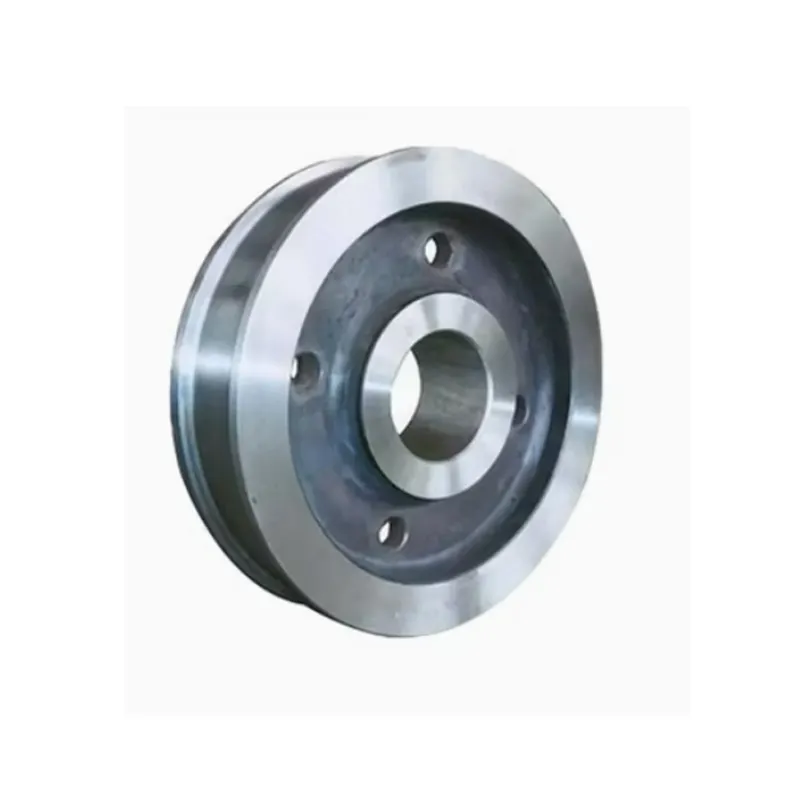
If you’ve ever stood under a busy bridge crane, you know the wheelsets are the quiet heroes. When I visited a yard in Hebei last winter, an engineer pointed at a row of Gantry Crane Wheels cooling on racks and said, “These decide uptime.” He wasn’t exaggerating. These components carry brutal loads, ride imperfect rails, and must shrug off shock, heat, and grit—day after day.
Trend check: tougher treads, smarter monitoring
Lately, buyers are moving toward induction-hardened treads (≈ HRC 42–55) for longer wear, plus UT-verified forgings to minimize internal defects. Some yards are even experimenting with vibration and temperature sensors on wheel hubs—predictive maintenance is creeping into heavy industry, slowly but surely. And yes, price pressure is still real; but downtime is pricier.
Quick specification snapshot
| Size range (OD) | ≈ 200–1,250 mm (real-world use may vary) |
| Materials | 42CrMo4 / AISI 4140, 65Mn, 45# steel; per GB/T 3077, GB/T 699, DIN/EN equivalents |
| Hardness (tread) | HRC 42–55 (induction hardened), core ≈ HRC 28–36 |
| Load capacity | Up to 350 kN per wheel (design-dependent) |
| Runout / roundness | Radial runout ≤ 0.5 mm typical; roughness Ra ≤ 3.2 μm |
| Standards & tests | UT 100% EN 10228-3; MT per ASTM E1444; hardness per ISO 6508; crane class ISO 4301/EN 15011 context |
Process flow (how the good ones are made)
Materials in → forging or casting → normalizing → rough machining → UT/MT → induction hardening → tempering → finish machining (bore, keyway, flange) → balancing → painting/coating → final QC with dimensional report → packing and traceability docs. Service life? Around 20,000–40,000 running hours, heavily dependent on rail condition and alignment.
Where they work (and why it matters)
- Ports and container yards (low noise, high wear resistance)
- Steel mills and foundries (thermal shock, scale, abrasion)
- Precast yards and wind assembly lines (precision tracking)
- Shipyards and rail depots (heavy loads, tight schedules)
Many customers say upgraded Gantry Crane Wheels cut flange wear noticeably; one maintenance chief told me noise dropped ≈12% after switching to an induction-hardened set—surprising, but believable when alignment improves.
Vendor comparison (my short list)
| Vendor | Material/HT options | Certs | Lead time | Notes |
|---|---|---|---|---|
| Manufacturing Base (Hebei, CN) | 42CrMo4/65Mn; induction or through hardening | ISO 9001; EN 10228 UT; MT per ASTM E1444 | ≈ 3–6 weeks | Custom bores/flanges; full test reports |
| Global Vendor A | Alloy steels; induction hardened | ISO 9001, CE (crane systems) | 4–8 weeks | Wide size catalog |
| Regional Vendor B | Medium-carbon steels; through hardened | ISO 9001 | 2–5 weeks | Cost-focused; fewer test options |
Case note: port retrofit, 80-ton gantry
After swapping to Gantry Crane Wheels with HRC 50±2 treads and UT 100% certifications, a coastal terminal reported 18 months with zero flange spalls and ~7% reduction in motor current (better rolling efficiency). To be honest, the rail regrind helped too—wheels can’t fix bad track alone.
Customization and documentation
- Bore types: keyed, interference, tapered bushings
- Flange profile: single/double, radius-tuned for rail codes
- Coatings: primer + polyurethane; optional anti-corrosion systems
- Reports: material mill certs, UT/MT maps, hardness charts, runout logs
Manufacturing address for traceability: No.186 South Xierhuan Road, Shijiazhuang, Hebei, China. Shipments usually include heat-treatment curves—small detail, big confidence.
Testing highlights (sample data)
UT: 100% volumetric per EN 10228-3; MT on flanges and treads per ASTM E1444; hardness per ISO 6508 with ±2 HRC uniformity; dimensional inspection with CMM; paint DFT ≈ 60–100 μm. Compliance aligned with ISO 4301 crane classifications and EN 15011 context for bridge/gantry systems.
Final thought
Wheels are not glamorous, but they’re where reliability meets physics. Pick the steel, heat-treat it right, verify by the book, and your Gantry Crane Wheels will quietly pay for themselves.
- ISO 4301-1: Cranes—Classification.
- EN 15011: Cranes—Bridge and gantry cranes.
- EN 10228-3: Non-destructive testing of steel forgings—UT.
- ASTM E1444/E1444M: Magnetic particle testing.
- ISO 6508-1: Metallic materials—Rockwell hardness test.
- GB/T 3077, GB/T 699: Chinese standards for alloy and carbon structural steels.
-
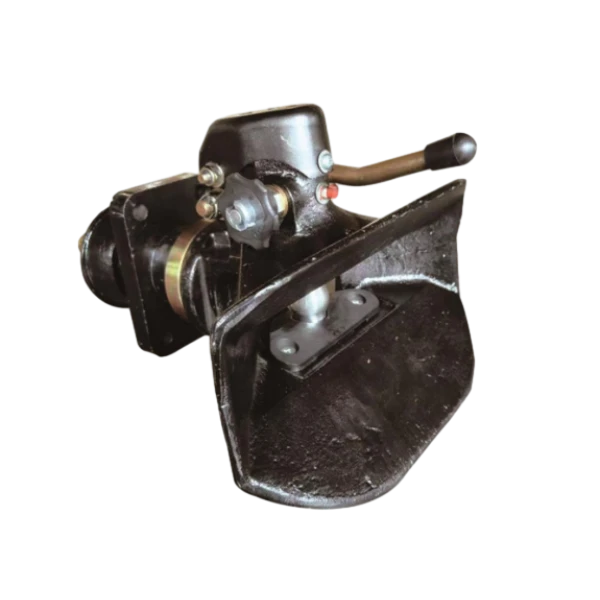 Trailer Coupling
The trailer coupling is a critical component in vehicle towing systems, designed to ensure a secure and efficient connection between a towing vehicle and a trailer. These couplings are manufactured using high-strength carbon steel, alloy steel, or stainless steel, ensuring durability and resistance to heavy loads and harsh environments.
-
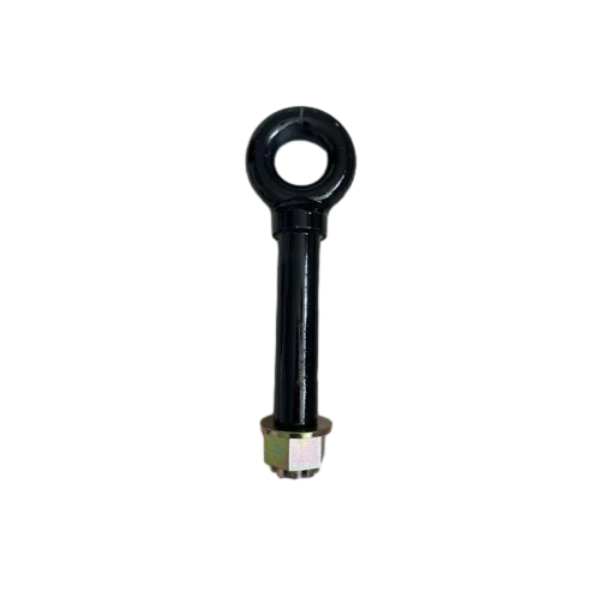 Drawbar Eyes
Drawbar eyes are essential components in towing and hauling applications, providing a strong and secure attachment point between the trailer and the towing vehicle. They are designed to endure extreme pulling forces, making them suitable for heavy-duty applications.
-
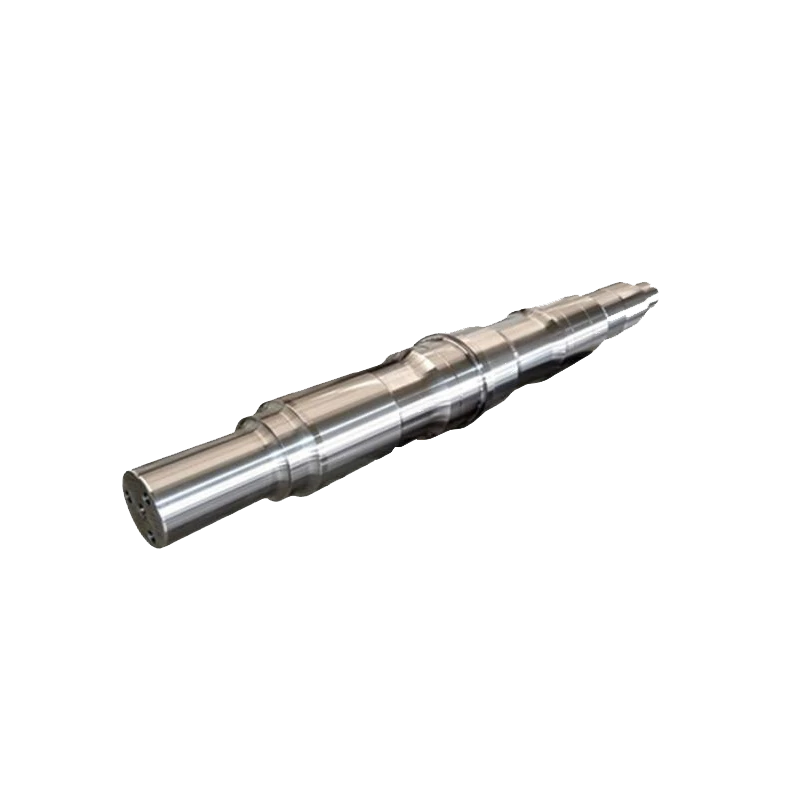 Axles
AxlesAxles are essential for vehicle load-bearing and power transmission, ensuring smooth movement and weight distribution. They must withstand high stress, torque, and impact, making material selection and precise manufacturing crucial.
-
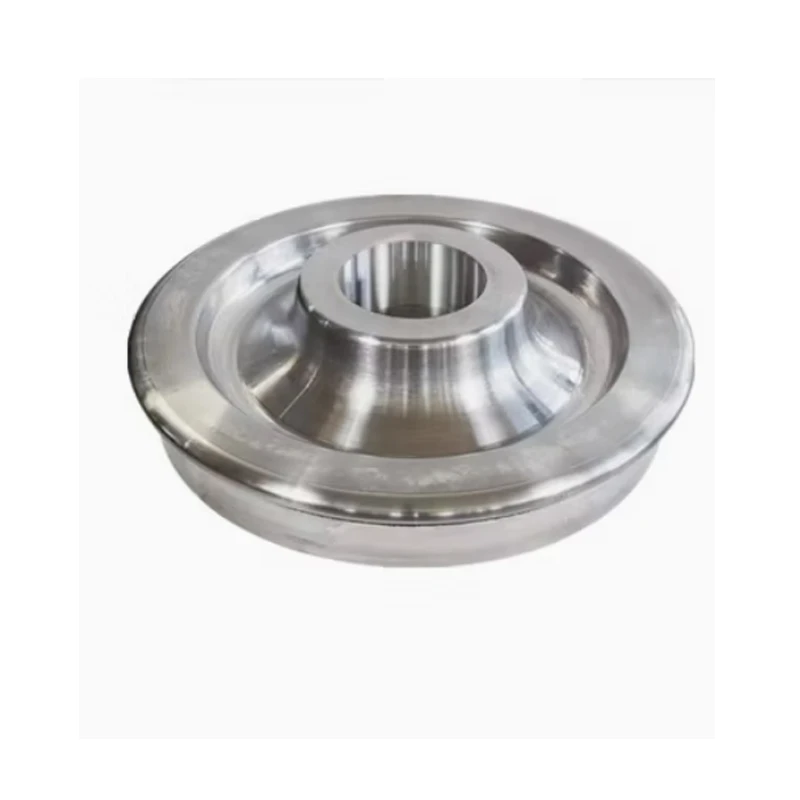 Profile S1002 Series Rail Wheels
The S1002 series rail wheels are designed for Rail-Road Vehicles (RRVs) that require seamless operation on both roads and railway tracks. Engineered with high precision and durability, these wheels conform to S1002 tread profiles, ensuring compatibility with standard railway systems.
A Comprehensive Guide to Axles Types for Industry Decision Makers | Manufacturing Base
Axles Types is a key solution in the industry, specifically within heavy machinery and transportation sectors. This article explores how https://www.manufacturing-base.com supports professionals with durable, high-performance products
>
Reliable Rail Wheels: Optimize Your Rail Transport Solutions
For industries that rely on rail-based vehicles, choosing the right rail wheels is essential for smooth operations and safety.
>
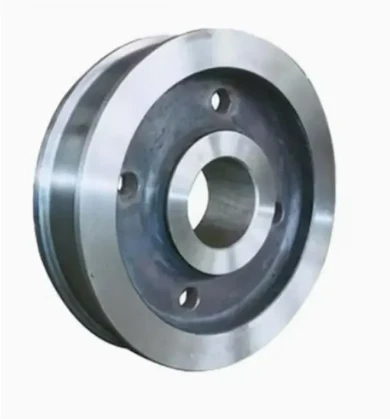
Premium Overhead Crane Wheels For Sale: Enhance Industrial Lifting Efficiency
In modern industrial operations, high-quality overhead crane wheels for sale are essential for safe, reliable, and efficient lifting.
>
Premium Hi Rail Wheels For Sale: Boost Rail Vehicle Performance
In the modern industrial and railway sectors, having reliable hi rail wheels for sale is essential for operational efficiency and safety.
>
High-Quality Hi Rail Wheels For Sale: Enhance Your Rail Equipment Efficiency
When it comes to reliable rail maintenance and industrial operations, investing in hi rail wheels for sale is crucial.
>
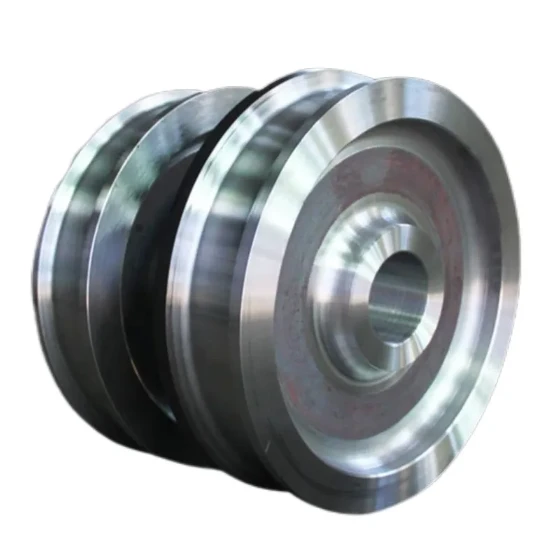
High-Quality Crane Wheels For Sale: Enhance Your Crane Operations
For industries relying on heavy lifting and material handling, investing in high-quality crane wheels for sale is crucial.
>
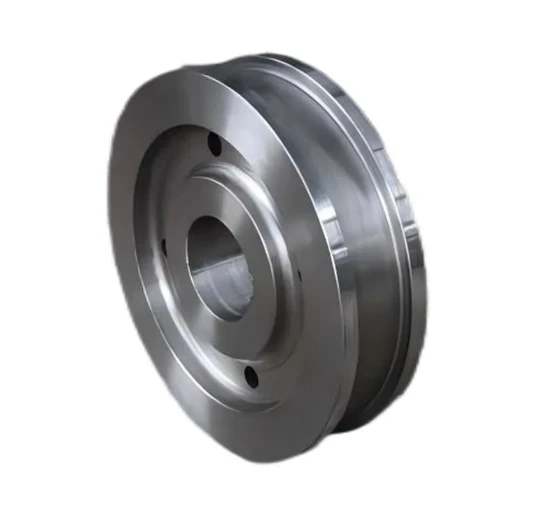
Durable Gantry Crane Wheels For Sale: Maximize Lifting Efficiency
For industries relying on heavy-duty lifting and material handling, selecting the right gantry crane wheels for sale is vital.
>
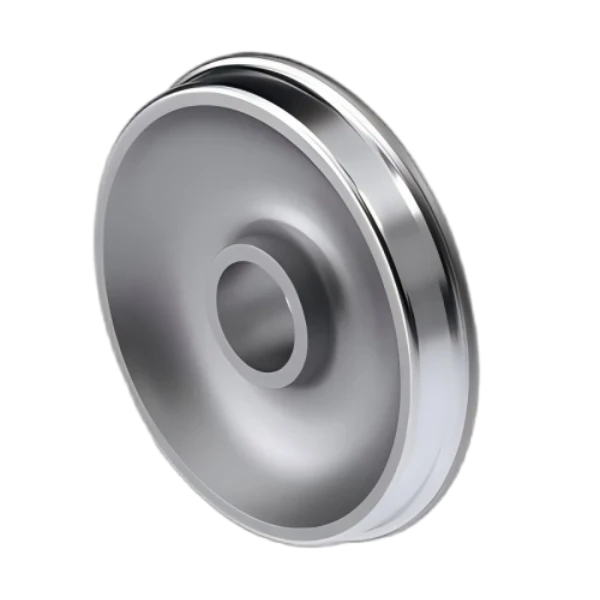
Reliable Tandem Drive Axles for Heavy-Duty Industrial Vehicles
Tandem Drive Axles: What I’ve Learned After Years in the Industrial Equipment Sector Ha
>
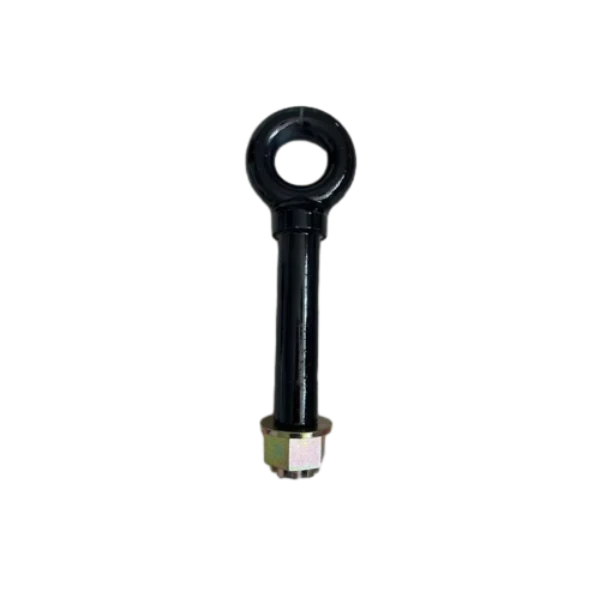
Reliable Semi Trailer Axles for Heavy-Duty Trailers | Expert Insight
Understanding semi trailer axles: The Backbone of Heavy Hauling Having spent more than a deca
>
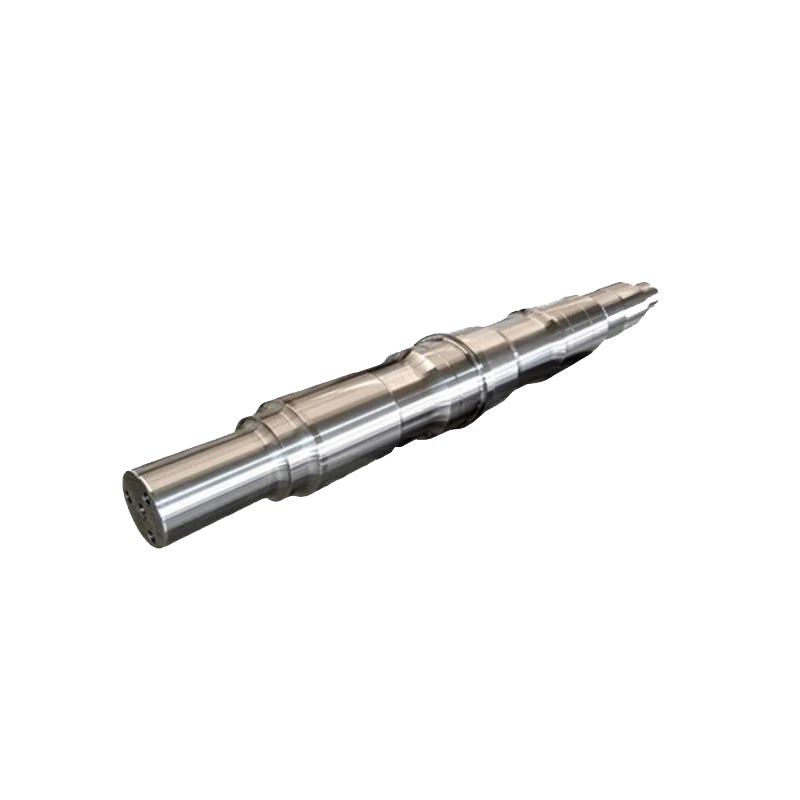
RC Portal Axles: Industrial Strength and Custom Performance
RC Portal Axles: A Veteran’s Take on Industrial-Grade Performance Having spent over a d
>
Engineered for Excellence
Our forged solutions deliver reliability and performance, powering demanding industries to keep operations running smoothly.

Sign up
for Newsletter
Subscribe to the weekly newsletter for all the latest updates