- Tel: +86 311 82620404
- Cell: 86 -13739710551
- Email: sales@potentia.cn

Front Axle Price Explained: What Affects Cost in Industrial Equipment
Understanding Front Axle Price in Industrial Equipment
Having spent over a decade working in the industrial equipment sector, I can tell you that the front axle price often gets overlooked—but it really shouldn’t. It’s one of those components that quietly supports the entire system, and frankly, the cost can swing a lot depending on design, materials, and manufacturing precision.
So why does front axle price vary so widely? Well, to put it simply, a front axle today isn’t just a rigid piece of metal anymore. We’re talking about complex assemblies integrating high-grade steel alloys, precise machining, and sometimes even custom features for specialized applications. I once worked with a client who needed an axle optimized for extremely uneven terrain—they ended up paying a bit more but saw fewer failures over time. It felt like investing smartly rather than cutting corners.
Major factors affecting cost include material choice, load rating, and manufacturing quality. For example, heat-treated alloy steels command higher prices but deliver significant durability and fatigue resistance—key for heavy-duty vehicles or equipment exposed to shock loads. Oddly enough, the price difference between a standard carbon steel axle and a heat-treated alloy one might be just a few hundred dollars but can save thousands in downtime and repairs in the long run.
Testing and certification also add to the price but are absolutely necessary. A front axle rated and tested for certain load conditions means you’re less likely to have surprises on the job. Many engineers I know won't touch a product that lacks proper testing documentation.
Now, if you’re tinkering with specifications or looking for a tailored solution, expect customization to nudge prices upward. Custom length, flange styles, or integration with suspension systems require a bit more engineering effort and manufacturing finesse. But, as someone who’s personally specified hundreds of axles, I know custom work can pay off—especially when you factor in improved performance and longevity.
Typical Front Axle Product Specifications
| Specification | Value / Range |
|---|---|
| Material | Heat-treated alloy steel (SAE 4340) |
| Load Capacity | Up to 12,000 lbs |
| Axle Diameter | 3” to 5” (customizable) |
| Surface Treatment | Phosphate coating / Powder coating |
| Testing Standards | ISO 9001 & SAE J1113 |
| Typical Price Range | $1,200 - $3,500 (depending on specs) |
How Vendors Compare on Front Axle Price and Quality
| Vendor | Price Range ($) | Material Quality | Customization | Lead Time |
|---|---|---|---|---|
| ManuGear Inc. | $1,500 - $3,200 | High-grade alloy steel | Extensive | 4-6 weeks |
| AxleTech Solutions | $1,200 - $2,800 | Standard alloy steel | Moderate | 3-5 weeks |
| SteelPro Inc. | $1,300 - $3,500 | Premium heat-treated steel | Limited | 6-8 weeks |
Honestly, when I shop for front axles, the price is a starting point, not the end. I’ve seen customers go for the cheapest option and end up with early failures that cost double in downtime and replacements. But others who spend a bit more on quality and customization often see the difference in efficiency and reliability first-hand.
In real terms, think of the front axle like the unsung hero of your equipment’s mobility—get this part wrong, and it doesn’t matter how good the rest is. If you want a ballpark estimate or some guidance, I find lots of useful discussions and options at manufacturing-base.com. That platform really helps bridge the knowledge gap with reputable suppliers and real-world data.
One last thing—I recall a project where the client needed an off-road axle for their custom build. After comparing a few vendors, they chose a heat-treated alloy axle with special corrosion resistance, which cost a bit more but allowed their equipment to run season after season with minimal wear. It’s that kind of real-world story that makes you realize price is only part of the story.
At the end of the day, front axle price isn’t just a number—it’s about value, trustworthiness, and matching the axle specs to your machine’s real demands.
References:
- ISO 9001 Quality Management Standards, iso.org
- SAE J1113 – Axle Testing Guidelines, SAE International
- Industry Supplier Reviews & Buyer Guides, Manufacturing Base
-
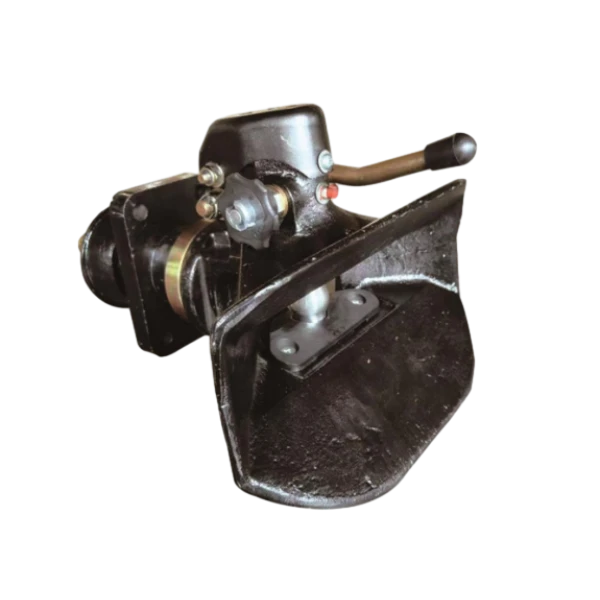 Trailer Coupling
The trailer coupling is a critical component in vehicle towing systems, designed to ensure a secure and efficient connection between a towing vehicle and a trailer. These couplings are manufactured using high-strength carbon steel, alloy steel, or stainless steel, ensuring durability and resistance to heavy loads and harsh environments.
-
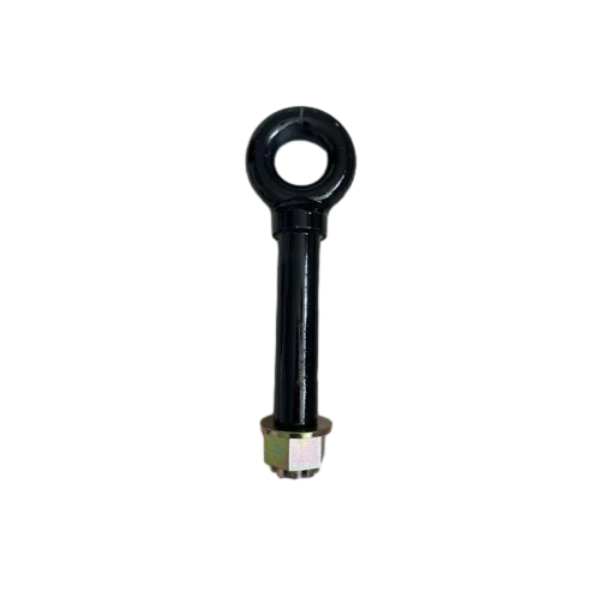 Drawbar Eyes
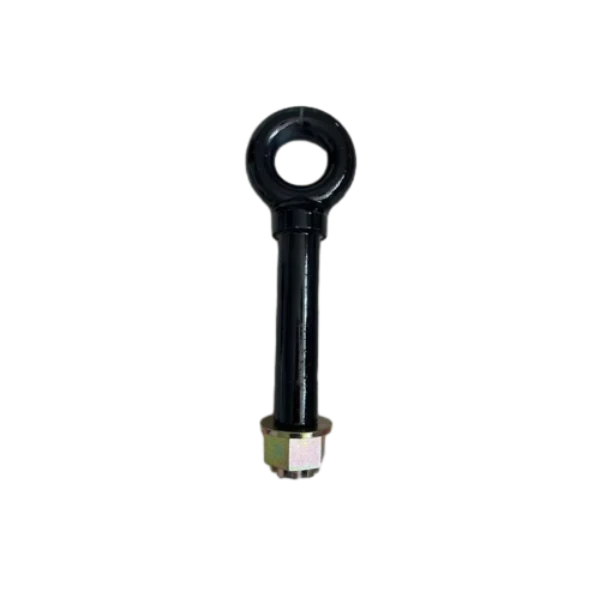
Drawbar eyes are essential components in towing and hauling applications, providing a strong and secure attachment point between the trailer and the towing vehicle. They are designed to endure extreme pulling forces, making them suitable for heavy-duty applications.
-
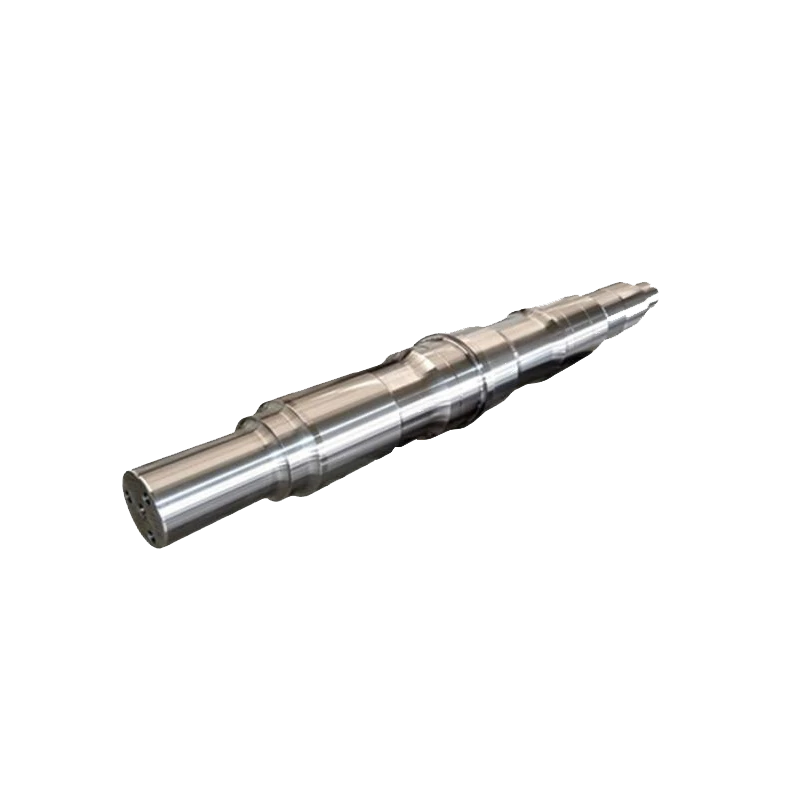 Axles
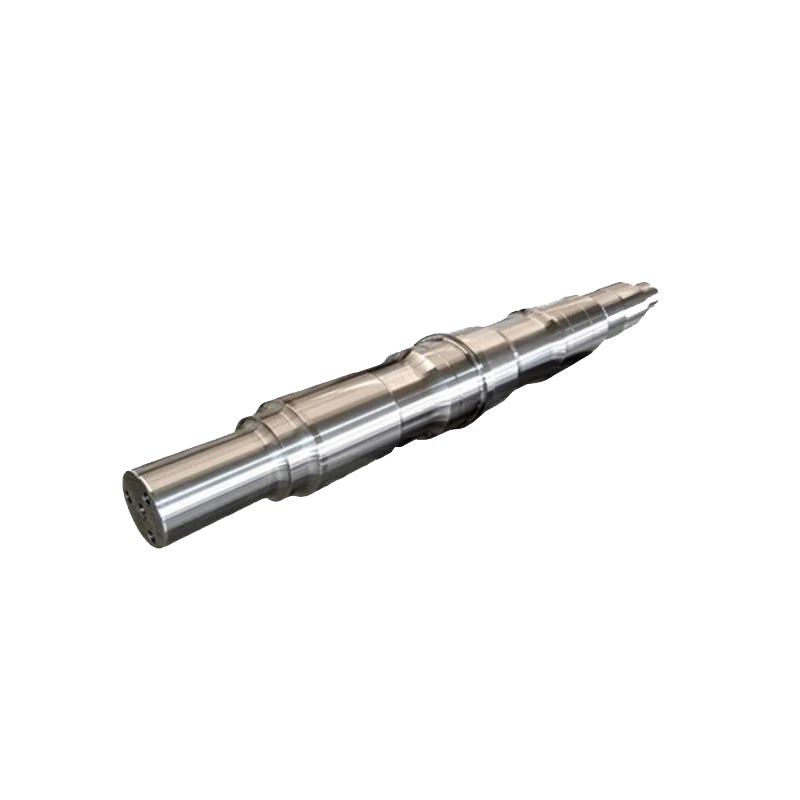
AxlesAxles are essential for vehicle load-bearing and power transmission, ensuring smooth movement and weight distribution. They must withstand high stress, torque, and impact, making material selection and precise manufacturing crucial.
-
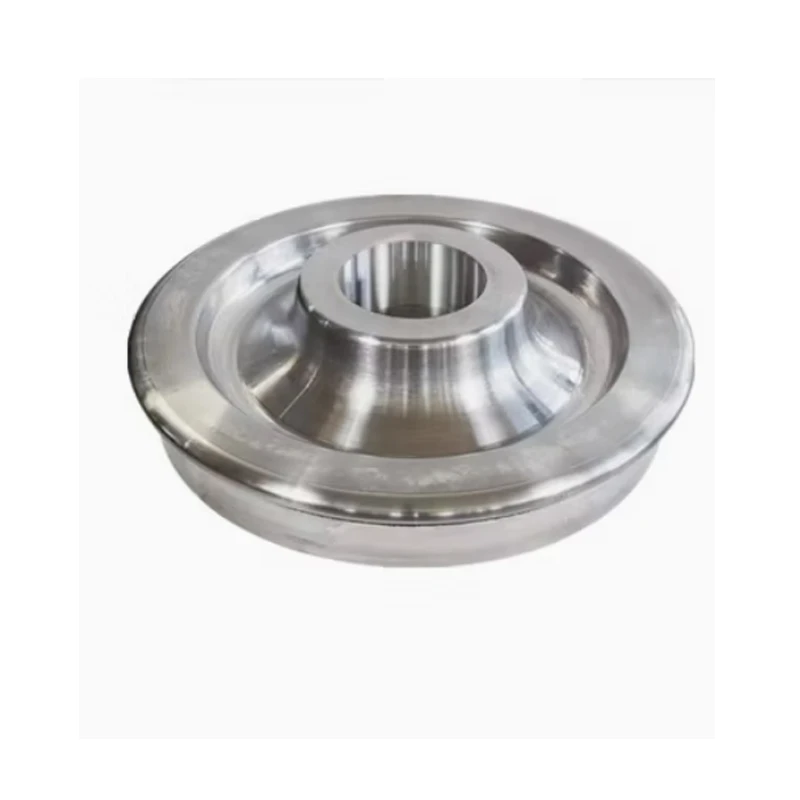 Profile S1002 Series Rail Wheels
The S1002 series rail wheels are designed for Rail-Road Vehicles (RRVs) that require seamless operation on both roads and railway tracks. Engineered with high precision and durability, these wheels conform to S1002 tread profiles, ensuring compatibility with standard railway systems.
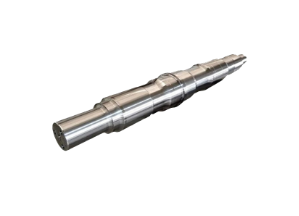
A Comprehensive Guide to Axles Types for Industry Decision Makers | Manufacturing Base
Axles Types is a key solution in the industry, specifically within heavy machinery and transportation sectors. This article explores how https://www.manufacturing-base.com supports professionals with durable, high-performance products
>
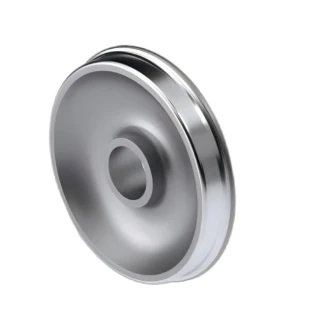
Reliable Rail Wheels: Optimize Your Rail Transport Solutions
For industries that rely on rail-based vehicles, choosing the right rail wheels is essential for smooth operations and safety.
>
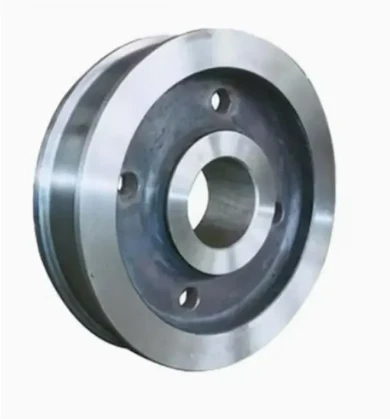
Premium Overhead Crane Wheels For Sale: Enhance Industrial Lifting Efficiency
In modern industrial operations, high-quality overhead crane wheels for sale are essential for safe, reliable, and efficient lifting.
>
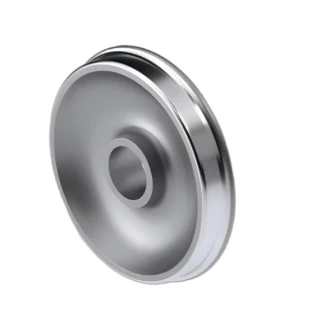
Premium Hi Rail Wheels For Sale: Boost Rail Vehicle Performance
In the modern industrial and railway sectors, having reliable hi rail wheels for sale is essential for operational efficiency and safety.
>
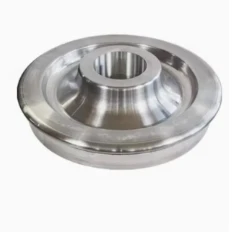
High-Quality Hi Rail Wheels For Sale: Enhance Your Rail Equipment Efficiency
When it comes to reliable rail maintenance and industrial operations, investing in hi rail wheels for sale is crucial.
>
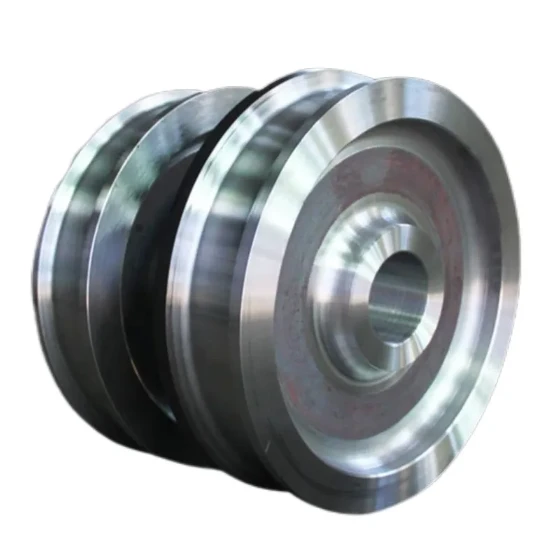
High-Quality Crane Wheels For Sale: Enhance Your Crane Operations
For industries relying on heavy lifting and material handling, investing in high-quality crane wheels for sale is crucial.
>
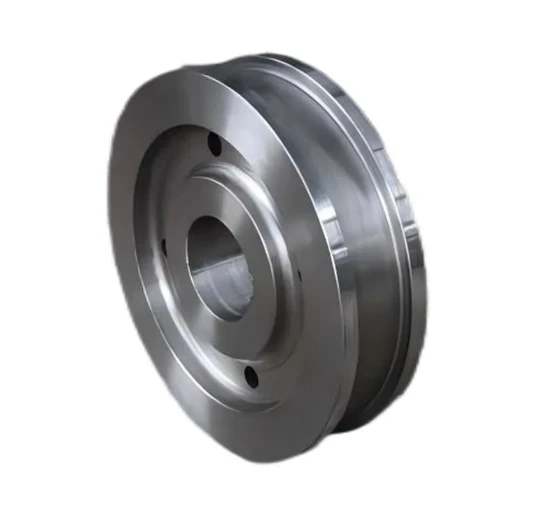
Durable Gantry Crane Wheels For Sale: Maximize Lifting Efficiency
For industries relying on heavy-duty lifting and material handling, selecting the right gantry crane wheels for sale is vital.
>
Reliable Tandem Drive Axles for Heavy-Duty Industrial Vehicles
Tandem Drive Axles: What I’ve Learned After Years in the Industrial Equipment Sector Ha
>
Reliable Semi Trailer Axles for Heavy-Duty Trailers | Expert Insight
Understanding semi trailer axles: The Backbone of Heavy Hauling Having spent more than a deca
>
RC Portal Axles: Industrial Strength and Custom Performance
RC Portal Axles: A Veteran’s Take on Industrial-Grade Performance Having spent over a d
>
Engineered for Excellence
Our forged solutions deliver reliability and performance, powering demanding industries to keep operations running smoothly.

Sign up
for Newsletter
Subscribe to the weekly newsletter for all the latest updates