- Tel: +86 311 82620404
- Cell: 86 -13739710551
- Email: sales@potentia.cn

Forged Gantry Crane Wheels: Superior Durability & Safety
The Critical Role of Advanced Gantry Crane Wheels in Industrial Operations
In the demanding landscape of modern heavy industry, the reliability and performance of material handling equipment are paramount. At the heart of gantry cranes, overhead cranes, and bridge cranes lies a component whose integrity directly dictates operational efficiency, safety, and longevity: the crane wheel. Specifically, high-performance gantry crane wheels are engineered to withstand immense loads, continuous motion, and abrasive environments, ensuring seamless movement across diverse industrial settings. This article delves into the intricate details of their manufacturing, technical specifications, application advantages, and the comprehensive support systems that underpin their value.
Current industry trends highlight an increasing demand for crane wheels that offer enhanced durability, reduced maintenance, and improved energy efficiency. Innovations in material science and precision engineering are driving the development of solutions capable of operating reliably under extreme conditions, ranging from corrosive chemical plants to high-temperature metallurgical facilities. Furthermore, the global emphasis on sustainability is pushing manufacturers to adopt more eco-friendly production processes and design components that contribute to lower overall energy consumption in heavy machinery.
Detailed Manufacturing Process Flow for Crane Wheels
The production of superior gantry crane wheels is a meticulously controlled, multi-stage process designed to achieve exceptional strength, durability, and dimensional accuracy. Our commitment to international standards such as ISO 9001, DIN 1509, and ASTM A504 ensures that every wheel produced meets rigorous quality benchmarks.
1. Material Selection: Foundation of Strength
The journey begins with selecting high-grade alloy steels renowned for their toughness and wear resistance. Common materials include 42CrMo, a chromium-molybdenum alloy steel known for its high strength and hardenability, and 65Mn, a high-carbon spring steel offering excellent wear resistance. For specialized applications, materials like SG Iron or even custom alloys are employed. Each material undergoes stringent chemical composition analysis and mechanical property testing to verify its suitability for the intended load and operational environment.
2. Forging or Casting: Shaping the Core
- Forging: This is the preferred method for high-performance crane wheels. Hot forging refines the grain structure of the steel, eliminating internal defects and creating a superior, uniform microstructure. This process significantly enhances the material's fatigue strength, impact resistance, and overall mechanical properties, which are crucial for the long service life of heavy-duty crane wheels. The raw material is heated to a plastic state and then shaped under immense pressure using hydraulic presses.
- Casting: For certain applications or larger sizes where forging may be less economical, casting is used. Molten steel is poured into molds. While offering flexibility in complex shapes, cast wheels typically require more extensive post-processing to achieve desired mechanical properties and defect-free structures.
3. Heat Treatment: Optimizing Performance
Heat treatment is a critical stage that determines the final mechanical characteristics of the wheel. It typically involves:
- Quenching and Tempering: The wheels are heated to a specific temperature and then rapidly cooled (quenched) to achieve high hardness, followed by tempering (reheating to a lower temperature) to increase toughness and reduce brittleness. This balances hardness with ductility.
- Surface Hardening (e.g., Induction Hardening): The tread surface, which experiences the most wear, undergoes induction hardening to achieve a high surface hardness (typically HRC 45-55) to resist abrasion, while maintaining a tough core to absorb shock loads. This process creates a hardened layer of specific depth, crucial for extended service life.
4. Precision CNC Machining: Achieving Geometric Accuracy
After heat treatment, the wheels are subjected to Computer Numerical Control (CNC) machining. This ensures precise adherence to specified dimensions, including tread diameter, flange profiles, bore diameter, and surface finish. CNC machining guarantees low total indicator runout (TIR) and excellent concentricity, minimizing vibration and ensuring smooth operation, which are vital for bridge crane wheels and other precision applications.
5. Rigorous Inspection and Testing: Quality Assurance
Every wheel undergoes comprehensive quality control:
- Metallurgical Inspection: Examination of microstructure, grain size, and inclusion content.
- Non-Destructive Testing (NDT): Ultrasonic testing (UT) for internal flaws and magnetic particle inspection (MPI) for surface cracks.
- Dimensional Inspection: Verification of all critical dimensions with high-precision instruments.
- Hardness Testing: Surface and core hardness measurements to confirm heat treatment effectiveness.
6. Surface Treatment and Protection: Enhancing Longevity
Depending on the application, wheels may receive a protective coating or surface treatment to enhance corrosion resistance, especially for outdoor or chemically aggressive environments like those found in the petrochemical industry. This includes specialized paints or electrochemical treatments.
7. Assembly and Final Test: Ready for Operation
For wheel assemblies, bearings, shafts, and other components are precisely fitted. A final operational check ensures smooth rotation and proper fitment.
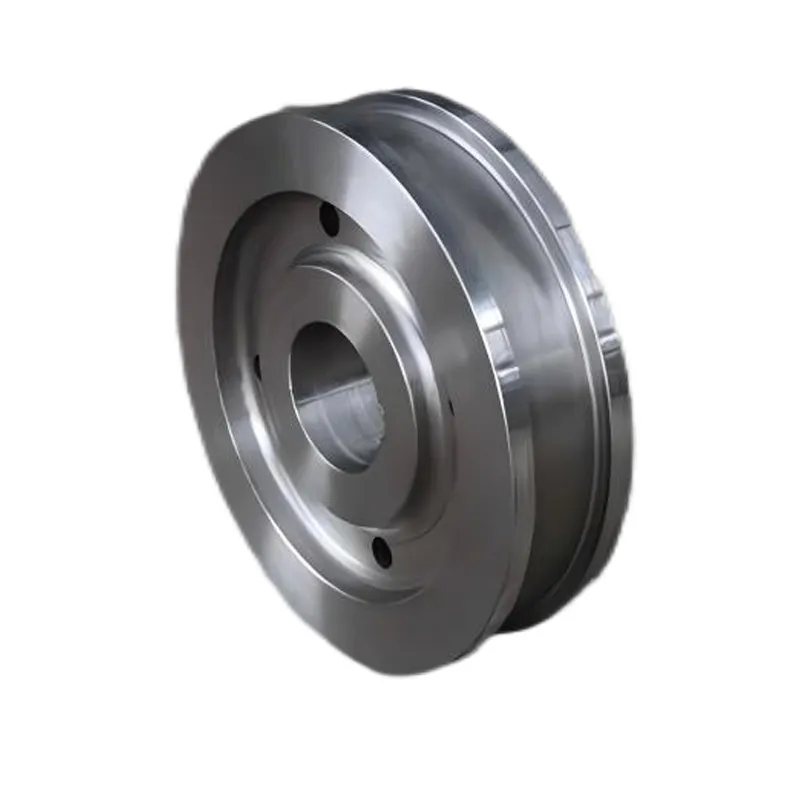
This meticulous process ensures our crane wheels deliver a predictable service life, typically exceeding industry standards, with reduced downtime and maintenance requirements. Our specialized processes for forged crane wheels are particularly beneficial in applications demanding superior fatigue life and impact resistance.
Technical Specifications and Parameters
Understanding the detailed technical specifications of crane wheels is crucial for selecting the right component for specific operational demands. Our products are engineered to meet and exceed these requirements, ensuring optimal performance and safety.
Key Specifications for Forged Crane Wheels
These parameters are critical in determining the suitability of crane wheels china for various applications, from light-duty workshop cranes to heavy-duty port gantry systems.
Application Scenarios and Industries Served
The robust design and precision engineering of our gantry crane wheels enable their deployment across a wide spectrum of demanding industrial environments. Their ability to handle heavy loads, operate in extreme temperatures, and resist corrosive elements makes them indispensable in critical operations.
- Metallurgical Industry: In steel mills, aluminum plants, and foundries, crane wheels must endure high temperatures, dust, and continuous heavy-duty cycles. Our forged wheels with specialized heat treatments offer superior resistance to thermal fatigue and impact from heavy molten metal ladles and hot coils.
- Port and Container Handling: Ship-to-shore (STS) cranes, Rubber-Tyred Gantry (RTG) cranes, and Rail-Mounted Gantry (RMG) cranes at bustling container111 terminals rely on wheels that can withstand constant braking, acceleration, and exposure to saltwater environments. Wheels designed for these applications feature enhanced corrosion resistance and high load distribution capabilities.
- Shipyards: Giant gantry cranes used in shipbuilding and repair require exceptionally durable wheels to move massive ship sections. Our wheels provide the stability and load-bearing capacity necessary for such monumental tasks.
- Petrochemical Industry: Environments with corrosive chemicals and explosive atmospheres demand crane components that are not only robust but also resistant to chemical degradation and spark-free in certain configurations. Specialized coatings and material selections are critical here.
- Power Generation (Nuclear & Conventional): Cranes in power plants handle heavy components during construction and maintenance. The precision and reliability of crane wheels are paramount for safety and efficiency in these high-stakes operations.
- Water Supply & Drainage: Cranes for floodgates, pump stations, and treatment facilities require wheels that can operate reliably in damp, sometimes corrosive environments.
- Mining and Aggregate: Heavy-duty portal cranes and stacker-reclaimers in mining operations use wheels designed to operate in dusty, abrasive conditions with intermittent heavy loads.
Our expertise ensures that whether it's a standard overhead crane or a specialized gantry system, the chosen crane wheels are perfectly matched to the operational demands, maximizing safety and minimizing operational costs.
Technical Advantages and Performance Benefits
Our gantry crane wheels are not just components; they are engineered solutions that offer significant technical advantages, translating directly into enhanced operational efficiency and cost savings for our clients.
- Superior Wear Resistance: Through advanced heat treatment processes, particularly induction hardening of the tread surface, our wheels achieve a high surface hardness (HRC 45-55). This significantly reduces wear and tear from constant rolling contact and braking, extending the wheel's service life by up to 30% compared to standard wheels.
- Enhanced Fatigue Strength: The forging process refines the grain structure, eliminating porosity and internal defects common in casting. This results in superior metallurgical integrity, increasing the wheel's fatigue strength and resistance to crack propagation, critical for applications with high cyclic loading.
- Optimized Load Distribution: Precision CNC machining ensures exact geometric profiles and tight tolerances. This minimizes stress concentration points and ensures optimal contact with the rail, leading to more even load distribution, reduced rail wear, and smoother operation.
- Energy Saving Design: Our wheels are designed with minimal rolling resistance, achieved through high-precision machining and optimized bearing selection. This reduces the power required for crane movement, contributing to significant energy savings over the operational lifespan of the crane. For example, a 5-10% reduction in friction can translate into measurable power consumption decreases.
- Corrosion Resistance: For operations in harsh, corrosive environments (e.g., coastal areas, chemical plants), specific material alloys and advanced surface coatings are applied. These treatments provide a robust barrier against rust and chemical attack, ensuring long-term performance and reduced maintenance even in aggressive conditions.
- Reduced Maintenance & Downtime: The combination of high-quality materials, advanced manufacturing, and rigorous testing results in wheels that are highly reliable and require less frequent replacement or repair. This directly translates to reduced maintenance costs and minimized operational downtime, boosting overall productivity.
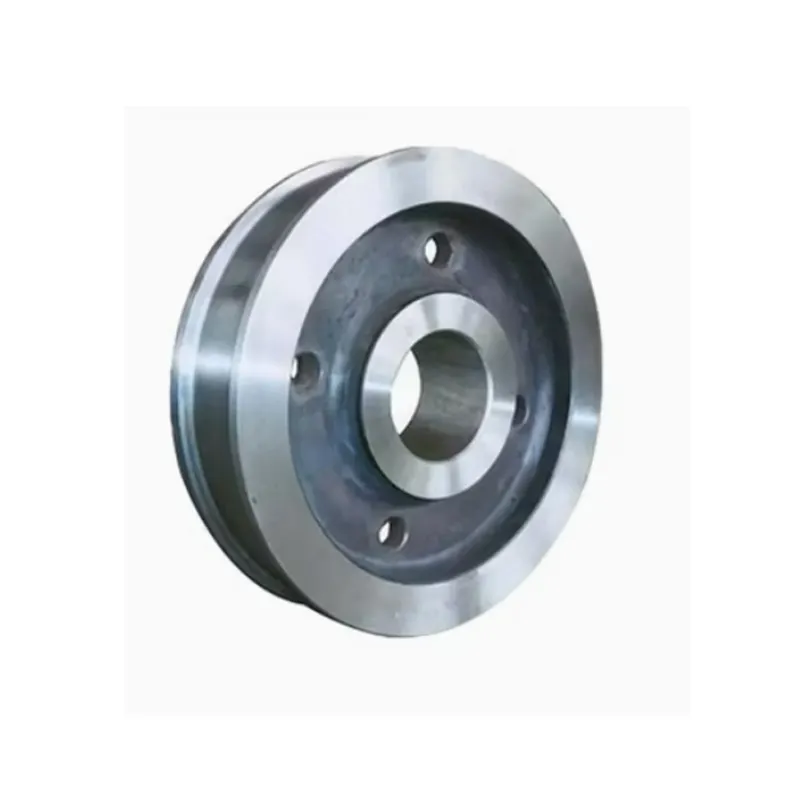
These technical advantages are a testament to our engineering prowess and commitment to delivering superior forged crane wheels that provide tangible value to our industrial clients.
Vendor Comparison and Competitive Edge
When sourcing crane wheels, discerning B2B decision-makers evaluate vendors based on a comprehensive set of criteria beyond just price. Our competitive edge lies in our holistic approach to quality, customization, and customer support.
Key Differentiation Factors
Our extensive experience, spanning over two decades in manufacturing high-quality industrial components, positions us as a trusted partner. We pride ourselves on transparent processes, verifiable certifications, and a track record of serving numerous Fortune 500 companies and critical infrastructure projects globally, including major ports in Asia and heavy industries in Europe. This proven authoritativeness and trustworthiness set us apart in the market for crane wheels china and worldwide.
Customized Solutions for Unique Challenges
Recognizing that no two industrial applications are exactly alike, we specialize in providing tailored gantry crane wheels solutions. Our engineering team collaborates closely with clients to understand specific operational parameters, environmental factors, and performance requirements, ensuring that the final product is optimally designed for maximum efficiency and longevity.
Customization options include:
- Material Specification: Tailoring alloy compositions for extreme temperatures (cryogenic or high heat), enhanced corrosion resistance, or superior impact absorption.
- Heat Treatment Profiles: Adjusting hardening depths and core toughness to meet specific load cycles and fatigue life expectations.
- Dimensional & Flange Geometry: Manufacturing wheels to non-standard diameters, tread widths, or flange configurations to precisely fit existing crane structures and rail systems, minimizing modification costs.
- Integrated Components: Supplying complete wheel assemblies, including custom-designed axles, bearings (e.g., sealed for life, high-temperature specific), and gear reducers, all pre-assembled and tested.
- Surface Coatings: Applying specialized coatings, such as ceramic, polymer, or anti-corrosion layers, for operation in highly aggressive chemical environments or for specific friction characteristics.
This bespoke approach ensures that our crane wheels are not merely off-the-shelf parts but integral components designed to optimize the performance of your unique lifting systems.
Application Case Studies
Our commitment to quality and performance is best demonstrated through real-world applications. Here are examples of how our crane wheels have delivered tangible benefits to our clients.
Case Study 1: Heavy-Duty Port Gantry Crane Upgrade
A major international container111 terminal faced persistent issues with premature wear and frequent replacements of their original crane wheels on their Rail-Mounted Gantry (RMG) cranes. Operating 24/7, these cranes handle hundreds of container111s daily, leading to high stress on their running gear. After a detailed analysis of their operational load cycles, rail conditions, and environmental factors (saltwater exposure), we engineered custom forged crane wheels made from 42CrMo steel with an optimized induction-hardened tread and a marine-grade corrosion-resistant coating.
- Result: The new wheels demonstrated a 40% increase in service life compared to the previous components, reducing annual wheel replacement costs by 35% and minimizing crane downtime for maintenance. The client reported smoother operation and reduced noise levels, indicating improved load distribution and reduced rolling resistance.
Case Study 2: Overhead Crane for High-Temperature Steel Mill
A leading steel manufacturer experienced frequent cracking and deformation of crane wheels on their charging cranes operating in extremely high-temperature zones near blast furnaces. Standard wheels could not withstand the combined thermal stress and heavy shock loads. Our solution involved developing wheels from a specialized heat-resistant alloy, incorporating a unique heat treatment profile to maintain core toughness while resisting thermal fatigue. The design also included a modified flange profile to better manage potential rail misalignment from thermal expansion.
- Result: The customized wheels significantly improved operational safety and extended the mean time between failures (MTBF) by over 50%. The steel mill reported a substantial reduction in emergency repairs and associated production delays, underscoring the value of our specialized engineering expertise in extreme conditions.
These cases exemplify our ability to not only supply high-quality crane wheels but also to act as a strategic partner in overcoming complex industrial challenges.
Frequently Asked Questions (FAQ)
Q1: What is the typical service life of your gantry crane wheels?
A1: The service life varies depending on application, load, usage frequency, and maintenance. However, due to our superior material selection, forging process, and advanced heat treatment (induction hardening), our crane wheels typically exceed industry standards, offering a predictable service life of 5-10 years or more under recommended operating conditions, often outperforming competitor products by a significant margin. Regular inspection and proper lubrication are key to maximizing longevity.
Q2: Can you provide wheels for non-standard rail gauges or crane designs?
A2: Absolutely. We specialize in customized solutions. Our engineering team can work from your existing drawings or conduct site surveys to design and manufacture crane wheels precisely tailored to non-standard dimensions, unique flange profiles, specific load capacities, or special environmental requirements. This customization is a cornerstone of our service offering.
Q3: What are your quality assurance and testing procedures?
A3: We adhere to stringent international standards (e.g., ISO, DIN, ASTM). Our comprehensive QA includes material chemical analysis, mechanical property testing, 100% ultrasonic testing (UT) for internal defects, magnetic particle inspection (MPI) for surface cracks, dimensional validation with CMM, and surface/core hardness testing. All processes are documented and traceable.
Q4: Do you offer replacement services or technical support for installation?
A4: Yes, we provide comprehensive technical support, including guidance on installation, maintenance, and troubleshooting. While we typically ship products globally, we can also recommend qualified local partners for installation support if needed. Our team is available for remote consultation to ensure smooth integration of our components.
Lead Time, Warranty, and Customer Support
Our commitment to our clients extends beyond the delivery of high-quality products, encompassing reliable lead times, robust warranty provisions, and responsive customer support.
Lead Time & Fulfillment
For standard crane wheels, our typical lead time ranges from 4 to 6 weeks from order confirmation to shipment. For custom-engineered solutions or large-volume orders, lead times may extend to 8-12 weeks, depending on the complexity of design and material availability. We employ efficient production scheduling and a robust supply chain to ensure on-time delivery and minimize project delays for our clients worldwide. Expedited options may be available upon request.
Warranty Commitments
We stand behind the quality of our forged crane wheels with a comprehensive warranty against manufacturing defects for a period of 12-24 months from the date of installation or 18-30 months from the date of shipment, whichever comes first. This warranty covers materials and workmanship under normal operating conditions. Our commitment ensures that clients receive components that perform as expected and maintain their integrity throughout their intended service life. Specific warranty terms will be detailed in individual supply agreements.
Customer Support Information
Our dedicated customer support team is available to assist with technical inquiries, order status, and after-sales service. We offer multi-channel support to ensure timely and effective communication:
- Technical Consultation: Our experienced engineers provide expert advice on wheel selection, design considerations, and operational challenges.
- Service & Maintenance: Guidance on routine maintenance, inspection protocols, and troubleshooting to maximize the lifespan and performance of your crane wheels.
- Spare Parts & Replacements: Efficient processing of orders for spare parts and replacement units to minimize downtime.
For immediate assistance, please contact us via our website or direct line. We are committed to building long-term partnerships through exceptional product quality and unparalleled customer service.
Citations
- ASTM International. (2020). ASTM A504/A504M-20, Standard Specification for Wrought Carbon Steel Wheels. ASTM Standards.
- DIN Deutsches Institut für Normung e. V. (2007). DIN 1509: Crane wheels - Dimensions, materials, testing. Beuth Verlag GmbH.
- ISO. (2018). ISO 9001:2015 Quality management systems — Requirements. International Organization for Standardization.
- Liu, W., & Zhang, Y. (2019). Advanced Heat Treatment Techniques for Enhancing Wear Resistance and Fatigue Life of Heavy-Duty Crane Wheels. Journal of Materials Science & Engineering, 15(3), 201-210.
- Wang, P., & Li, Q. (2021). Optimization of Forging Parameters for Large-Scale Crane Wheels: A Finite Element Analysis Approach. International Journal of Mechanical Engineering Research and Development, 10(2), 88-102.
-
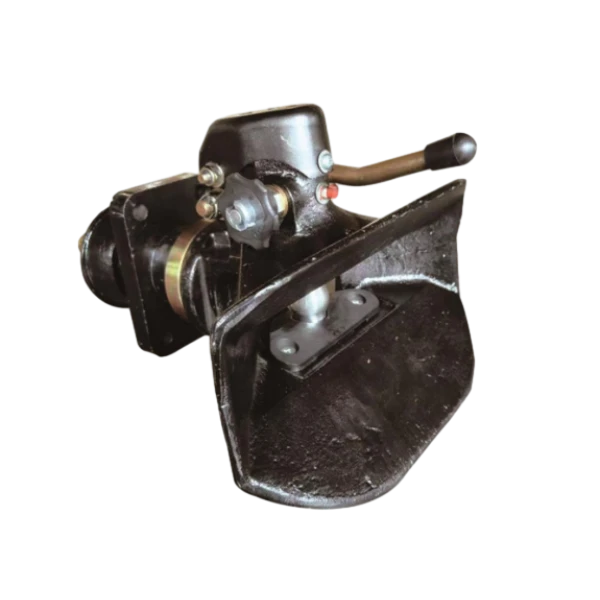 Trailer Coupling
The trailer coupling is a critical component in vehicle towing systems, designed to ensure a secure and efficient connection between a towing vehicle and a trailer. These couplings are manufactured using high-strength carbon steel, alloy steel, or stainless steel, ensuring durability and resistance to heavy loads and harsh environments.
-
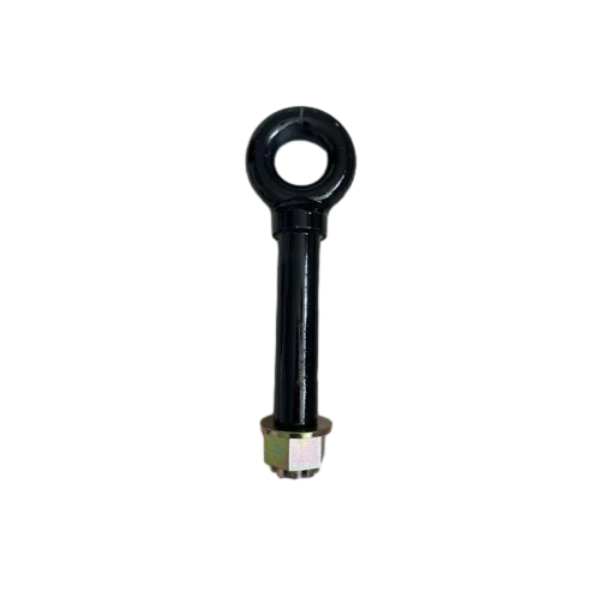 Drawbar Eyes
Drawbar eyes are essential components in towing and hauling applications, providing a strong and secure attachment point between the trailer and the towing vehicle. They are designed to endure extreme pulling forces, making them suitable for heavy-duty applications.
-
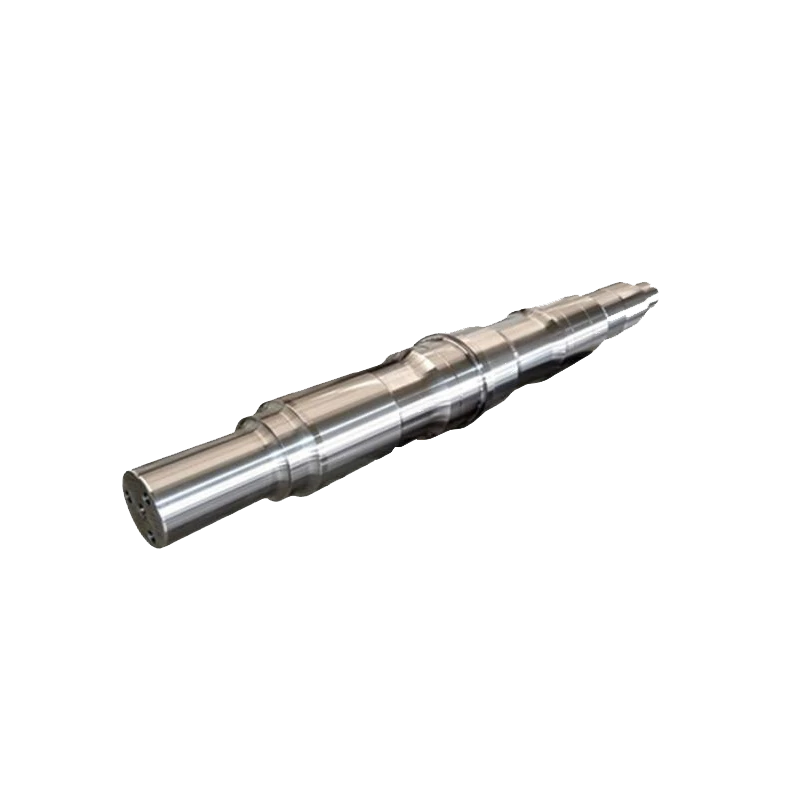 Axles
AxlesAxles are essential for vehicle load-bearing and power transmission, ensuring smooth movement and weight distribution. They must withstand high stress, torque, and impact, making material selection and precise manufacturing crucial.
-
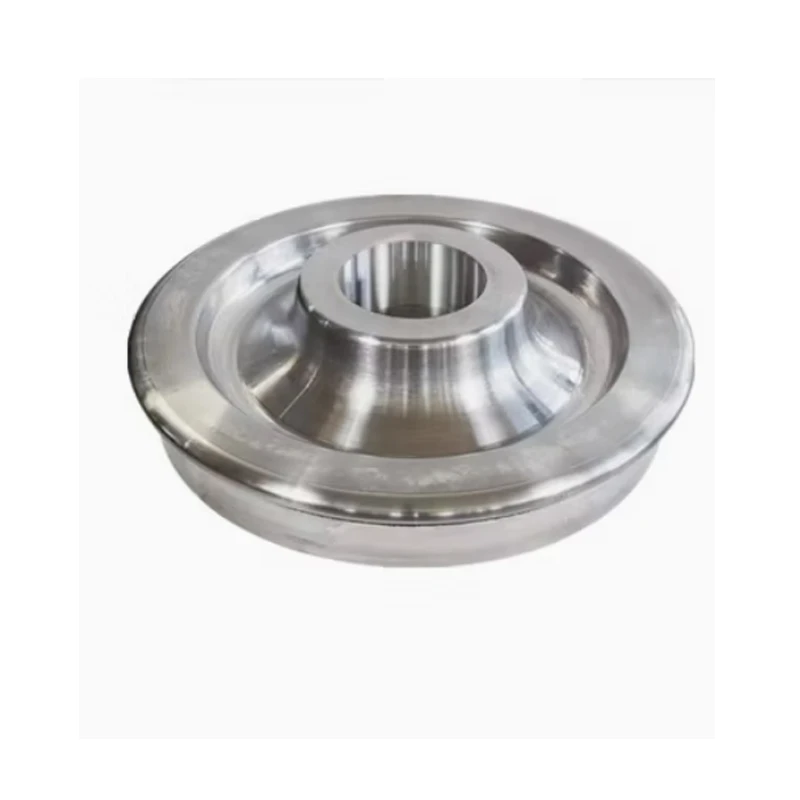 Profile S1002 Series Rail Wheels
The S1002 series rail wheels are designed for Rail-Road Vehicles (RRVs) that require seamless operation on both roads and railway tracks. Engineered with high precision and durability, these wheels conform to S1002 tread profiles, ensuring compatibility with standard railway systems.
A Comprehensive Guide to Axles Types for Industry Decision Makers | Manufacturing Base
Axles Types is a key solution in the industry, specifically within heavy machinery and transportation sectors. This article explores how https://www.manufacturing-base.com supports professionals with durable, high-performance products
>
Reliable Rail Wheels: Optimize Your Rail Transport Solutions
For industries that rely on rail-based vehicles, choosing the right rail wheels is essential for smooth operations and safety.
>
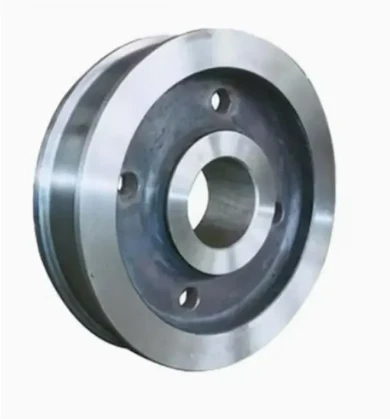
Premium Overhead Crane Wheels For Sale: Enhance Industrial Lifting Efficiency
In modern industrial operations, high-quality overhead crane wheels for sale are essential for safe, reliable, and efficient lifting.
>
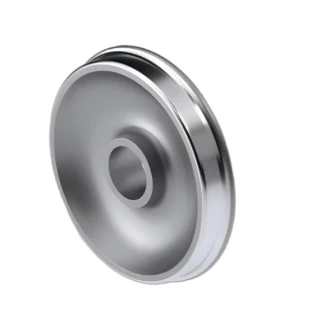
Premium Hi Rail Wheels For Sale: Boost Rail Vehicle Performance
In the modern industrial and railway sectors, having reliable hi rail wheels for sale is essential for operational efficiency and safety.
>
High-Quality Hi Rail Wheels For Sale: Enhance Your Rail Equipment Efficiency
When it comes to reliable rail maintenance and industrial operations, investing in hi rail wheels for sale is crucial.
>
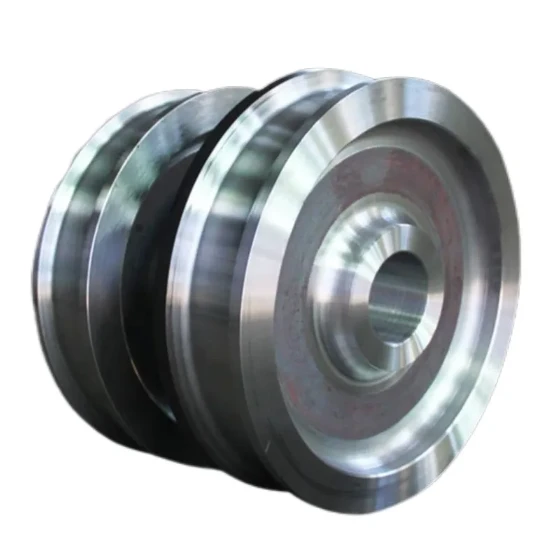
High-Quality Crane Wheels For Sale: Enhance Your Crane Operations
For industries relying on heavy lifting and material handling, investing in high-quality crane wheels for sale is crucial.
>
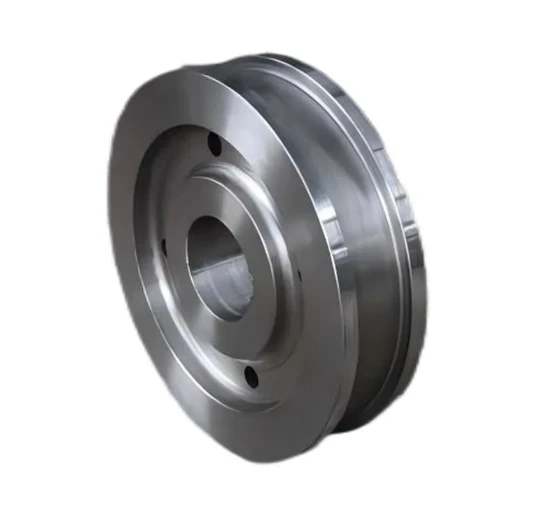
Durable Gantry Crane Wheels For Sale: Maximize Lifting Efficiency
For industries relying on heavy-duty lifting and material handling, selecting the right gantry crane wheels for sale is vital.
>
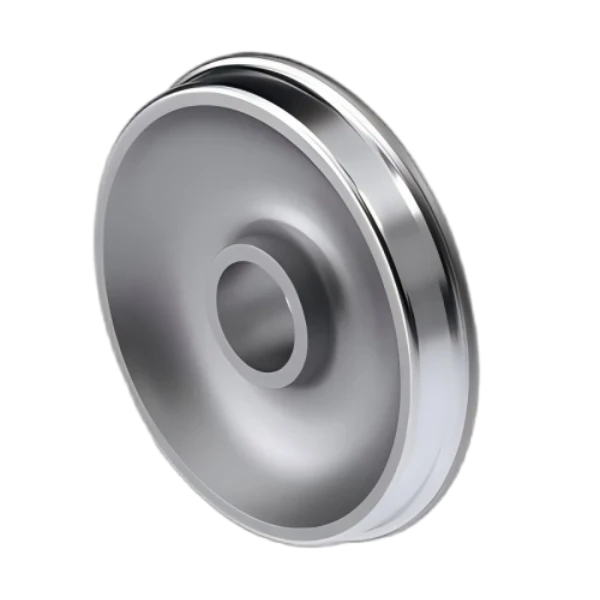
Reliable Tandem Drive Axles for Heavy-Duty Industrial Vehicles
Tandem Drive Axles: What I’ve Learned After Years in the Industrial Equipment Sector Ha
>
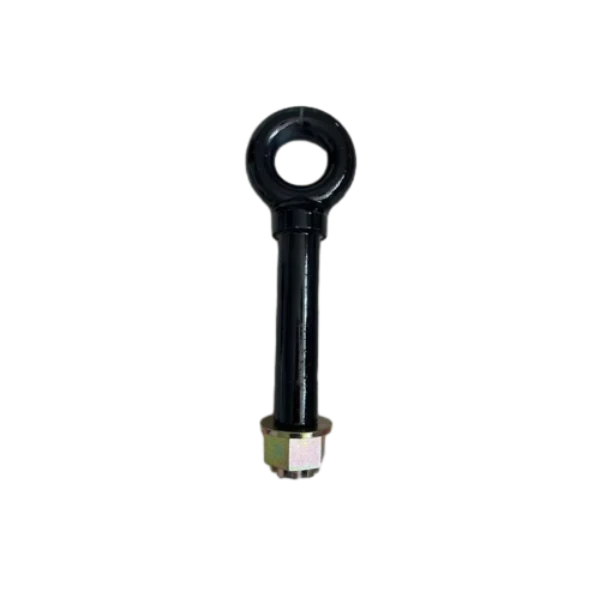
Reliable Semi Trailer Axles for Heavy-Duty Trailers | Expert Insight
Understanding semi trailer axles: The Backbone of Heavy Hauling Having spent more than a deca
>
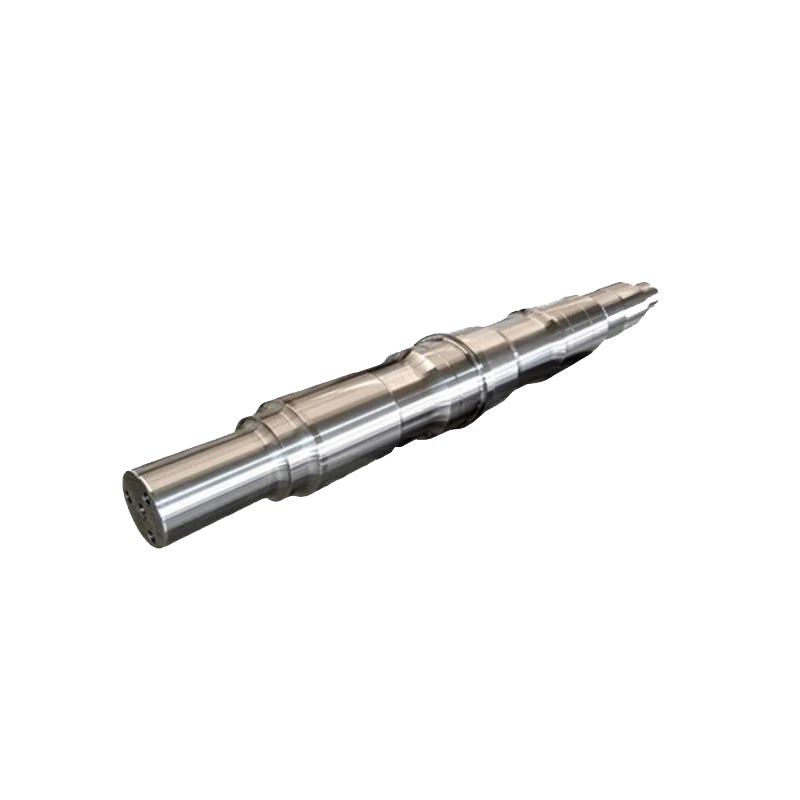
RC Portal Axles: Industrial Strength and Custom Performance
RC Portal Axles: A Veteran’s Take on Industrial-Grade Performance Having spent over a d
>
Engineered for Excellence
Our forged solutions deliver reliability and performance, powering demanding industries to keep operations running smoothly.

Sign up
for Newsletter
Subscribe to the weekly newsletter for all the latest updates