- Tel: +86 311 82620404
- Cell: 86 -13739710551
- Email: sales@potentia.cn

Exploring Wheel and Rail: Key Components, Global Applications & Future Trends
The Intricate World of Wheel and Rail: Why It Matters Globally
When you think about the vast networks of transport moving billions of people and tons of goods every day, the term wheel and rail might not immediately spring to mind, but it is absolutely foundational in this great logistical ballet. Put simply, wheel and rail technology underpins rail transport systems worldwide, allowing trains to glide efficiently, safely, and sustainably across continents. Understanding this dynamic is more than just an engineering curiosity—it shapes economic growth, humanitarian response, and even climate strategies globally.
Globally, rail transport delivers roughly 9.6 trillion ton-kilometers of freight annually (according to the International Union of Railways), making wheel and rail engineering a cornerstone of modern infrastructure. But the challenges that come with wear, environmental conditions, and evolving demands call for constant innovation in this field.
Mini takeaway:
Wheel and rail technology is critical for safe, efficient trains, directly impacting global trade, mobility, and sustainability.
Understanding Wheel and Rail: Definitions and Connection to Industry
At its core, “wheel and rail” refers to the combination of train wheels running on steel rails—sounds simple, right? But the interplay between these two involves complex physics, materials science, and maintenance disciplines. The wheels are typically steel, shaped precisely to grip the rail, while the rails themselves must endure intense forces, extreme temperatures, and continuous wear.
In humanitarian contexts, railways have proven invaluable—for example, moving emergency supplies to remote regions after natural disasters or facilitating large-scale evacuations. Thanks to the robustness and scalability of wheel and rail systems, their role extends far beyond everyday passenger commutes.
Core Components of Wheel and Rail Systems
1. Durability
Wheels and rails must withstand constant pressure and friction. Most rails are made from high-carbon steel alloys that resist cracking and deformation, whereas wheels are heat-treated for strength and fatigue resistance.
2. Scalability
Rail networks vary dramatically—from light urban trams to heavy freight lines spanning thousands of miles. The components must adapt accordingly, whether it’s narrower wheels for speed or broader contact patches for stability with heavy loads.
3. Cost Efficiency
Maintenance and wear affect whole-system economics. Efficient materials and smart monitoring reduce downtime and replacement frequency, saving massive operational costs.
4. Safety
Proper interaction between wheels and rails prevents derailments. Innovations such as wheel profile optimization and continuous rail welding help minimize accidents.
5. Environmental Resistance
Rails in cold regions face frost heave, while those in hotter climates endure thermal expansion. Materials and installation techniques must counteract these forces to maintain performance.
Mini takeaway:
The secret to an effective wheel and rail system lies in balancing durability, scalability, cost, safety, and environment-specific design.
Global Applications and Use Cases of Wheel and Rail Systems
Wheel and rail technology’s footprint is everywhere:
- Urban mass transit: Cities like Tokyo and London rely on daily millions transported by rail-based systems.
- Heavy freight corridors: North America’s transcontinental rail lines move coal, grain, and steel with heavy-wheel designs.
- Remote industrial sites: Mining operations in Australia use specialized rails to endure rough terrain and heavy loads.
- Post-disaster relief: After events like earthquakes, railways become lifelines for aid delivery, thanks to their efficiency and scale.
Oddly enough, each of these applications demands slightly different wheel and rail engineering solutions—from wheel diameter to rail composition, making the industry ever so fascinating.
Mini takeaway:
From urban metros to remote mines and disaster zones, wheel and rail systems adapt to a spectrum of global transport needs.
Advantages & Long-Term Value of Wheel and Rail Technologies
Beyond the obvious logistical benefits, wheel and rail systems offer compelling advantages including:
- Cost-effectiveness: Compared to road transport, rail is often cheaper per ton-kilometer.
- Sustainability: Railways emit less CO2 per passenger or freight unit, making them greener alternatives.
- Reliability and safety: Trains suffer fewer collisions and delays versus other transport modes.
- Social impact: Rail connectivity enhances access to employment, education, and healthcare.
I suppose what makes this fascinating is how the harsh metal meets human needs: the cold steel wheels roll day and night, quietly shaping economies and lives.
Product Specification Table: Key Wheel and Rail Attributes
| Attribute | Typical Value | Notes |
|---|---|---|
| Rail Material | High carbon steel (typically grade R350HT) | Balances hardness and toughness |
| Wheel Diameter | 850 - 1100 mm (varies by train) | Larger for high-speed trains |
| Contact Stress | 900 - 1100 MPa | Depends on load and materials |
| Rail Gauge | Standard: 1435 mm | Widest acceptance globally |
| Wear Life | ~25-35 years | Varies with usage & maintenance |
Future Trends & Innovations in Wheel and Rail
Innovation never sleeps in the wheel and rail world. Green energy pushes the development of lighter material composites to reduce energy consumption. Digital transformation via sensors embedded within rails and wheels allows predictive maintenance, catching faults before they cause disruptions. Automation is another frontier: self-driving trains necessitate flawless wheel and rail interactions monitored in real time.
Frankly, integrating sustainable materials with advanced data analytics feels like an exciting merging of old and new engineering philosophies.
Vendor Comparison Table: Leading Wheel and Rail Component Suppliers
| Supplier | Product Range | Global Reach | Innovations | Sustainability Commitment |
|---|---|---|---|---|
| SteelTech Inc. | Wheels, Rails, Fasteners | 120+ countries | Nano-coatings to reduce wear | ISO 14001 Certified |
| RailPro Solutions | Custom Wheels, Rails | Europe, Asia | Smart sensor integration | Carbon-neutral production goals |
| Global Rail Components | Full wheel and rail systems | Worldwide | Advanced heat-treatment tech | Recycling initiatives |
Challenges & Solutions in Wheel and Rail Engineering
Although it sounds robust, wheel and rail systems aren’t without their quirks. Wear and fatigue cause cracks, temperature shifts induce rail buckling, and unexpected debris can cause accidents. Plus, upgrading older tracks to modern standards isn’t always straightforward or cheap.
Experts suggest combining real-time monitoring technologies (think vibration and stress sensors) with improved maintenance schedules based on AI analytics to catch problems early. Additionally, experimenting with new alloys and composite materials could extend lifespan.
FAQ: Frequently Asked Questions About Wheel and Rail
- What factors most influence wheel and rail wear?
- Load intensity, speed, track curvature, and environmental factors like moisture and temperature all impact wear rates. Choosing proper materials and maintenance cycles helps mitigate these effects.
- How do rail gauges affect wheel design?
- Rail gauge (the distance between rails) determines wheelbase and wheel profile. Wheels must precisely match gauge to ensure stability and prevent derailments.
- Is rail transport more eco-friendly than road transport?
- Generally yes. Rail emits about one-third the CO2 per ton-kilometer compared to trucks, especially when electrified. It’s a key to sustainable logistics.
- Can wheel and rail systems adapt to extreme weather?
- Yes, with special alloys and installation techniques—such as rail expansion joints for heat or reinforced sleepers for frost-prone areas—they can remain reliable.
- How does predictive maintenance work for rails?
- Sensors embedded in rails detect changes in vibration or strain, signaling engineers to address issues before failures, helping prevent costly downtime or accidents.
Conclusion: The Road (or Rail) Ahead
The wheel and rail partnership might feel like old news, yet it’s a vibrant, evolving system pivotal for global transportation and infrastructure resilience. Investing in better materials, sensing tech, and design innovation ensures trains keep running safely and sustainably. If you want to dive deeper into the world of wheel and rail manufacturing, or explore detailed component specifications, you might want to visit our website. Frankly, understanding this is not just engineering—it’s about shaping connections across communities and continents.
Final takeaway:
Wheel and rail technology quietly drives the future of sustainable, safe, and cost-efficient transport worldwide.
References:
-
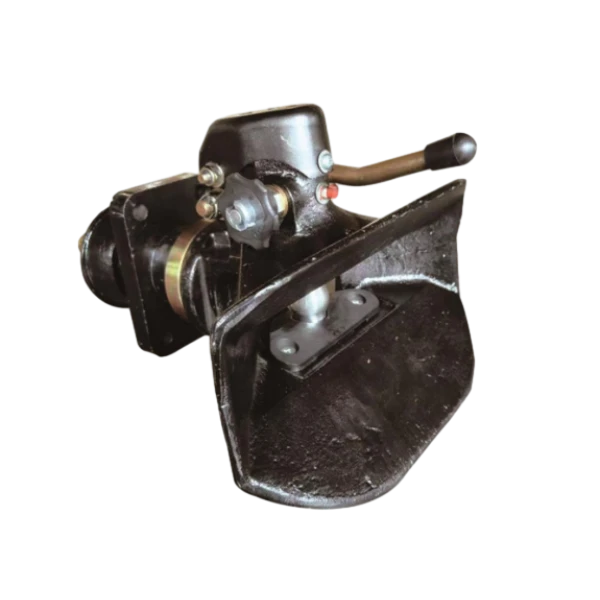 Trailer Coupling
The trailer coupling is a critical component in vehicle towing systems, designed to ensure a secure and efficient connection between a towing vehicle and a trailer. These couplings are manufactured using high-strength carbon steel, alloy steel, or stainless steel, ensuring durability and resistance to heavy loads and harsh environments.
-
 Drawbar Eyes
Drawbar eyes are essential components in towing and hauling applications, providing a strong and secure attachment point between the trailer and the towing vehicle. They are designed to endure extreme pulling forces, making them suitable for heavy-duty applications.
-
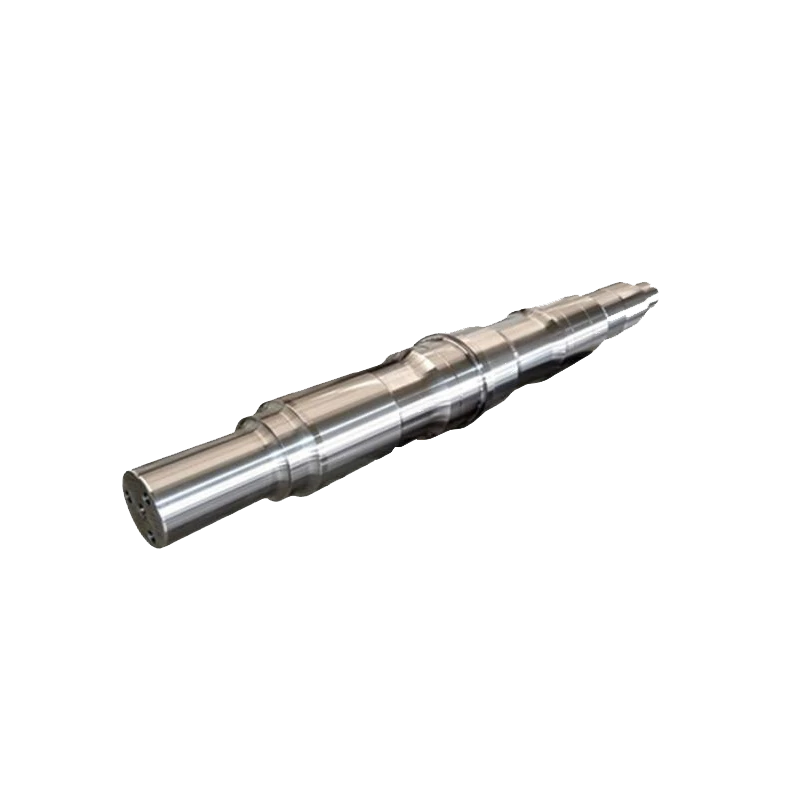 Axles
AxlesAxles are essential for vehicle load-bearing and power transmission, ensuring smooth movement and weight distribution. They must withstand high stress, torque, and impact, making material selection and precise manufacturing crucial.
-
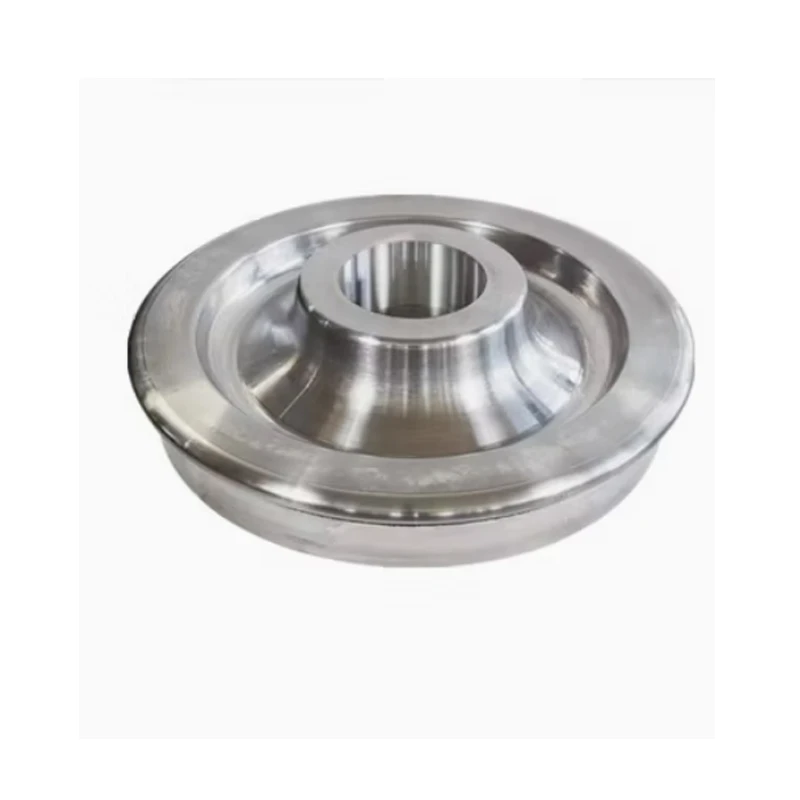 Profile S1002 Series Rail Wheels
The S1002 series rail wheels are designed for Rail-Road Vehicles (RRVs) that require seamless operation on both roads and railway tracks. Engineered with high precision and durability, these wheels conform to S1002 tread profiles, ensuring compatibility with standard railway systems.
A Comprehensive Guide to Axles Types for Industry Decision Makers | Manufacturing Base
Axles Types is a key solution in the industry, specifically within heavy machinery and transportation sectors. This article explores how https://www.manufacturing-base.com supports professionals with durable, high-performance products
>
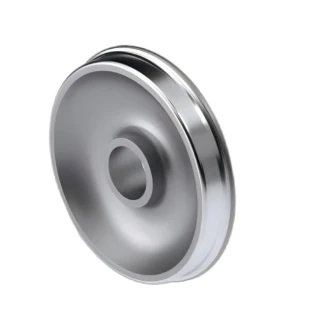
Reliable Rail Wheels: Optimize Your Rail Transport Solutions
For industries that rely on rail-based vehicles, choosing the right rail wheels is essential for smooth operations and safety.
>
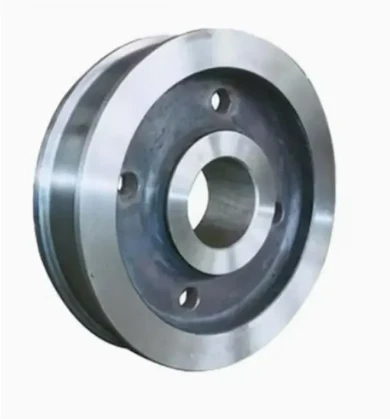
Premium Overhead Crane Wheels For Sale: Enhance Industrial Lifting Efficiency
In modern industrial operations, high-quality overhead crane wheels for sale are essential for safe, reliable, and efficient lifting.
>
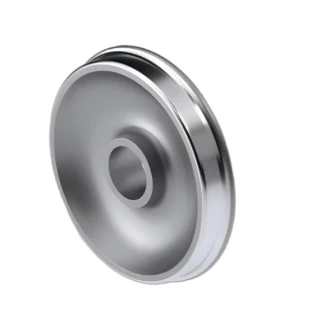
Premium Hi Rail Wheels For Sale: Boost Rail Vehicle Performance
In the modern industrial and railway sectors, having reliable hi rail wheels for sale is essential for operational efficiency and safety.
>
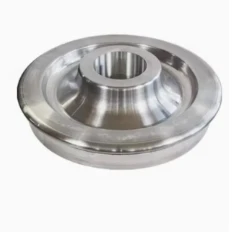
High-Quality Hi Rail Wheels For Sale: Enhance Your Rail Equipment Efficiency
When it comes to reliable rail maintenance and industrial operations, investing in hi rail wheels for sale is crucial.
>
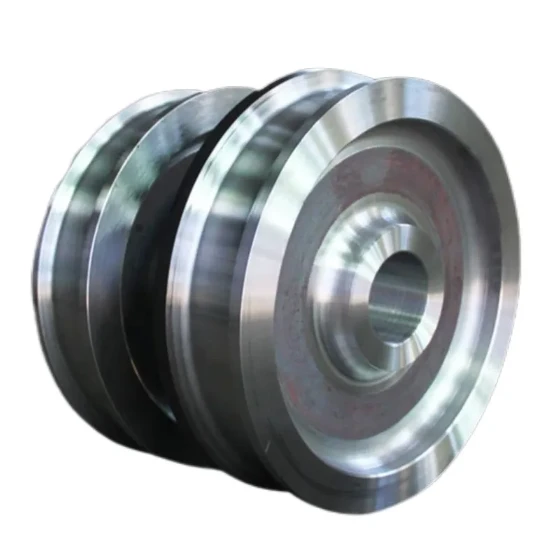
High-Quality Crane Wheels For Sale: Enhance Your Crane Operations
For industries relying on heavy lifting and material handling, investing in high-quality crane wheels for sale is crucial.
>
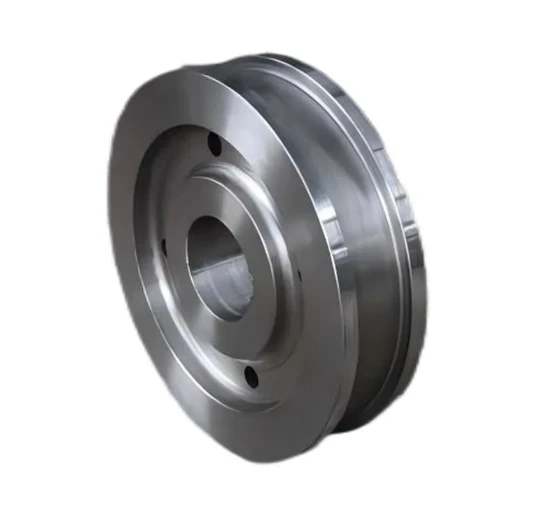
Durable Gantry Crane Wheels For Sale: Maximize Lifting Efficiency
For industries relying on heavy-duty lifting and material handling, selecting the right gantry crane wheels for sale is vital.
>
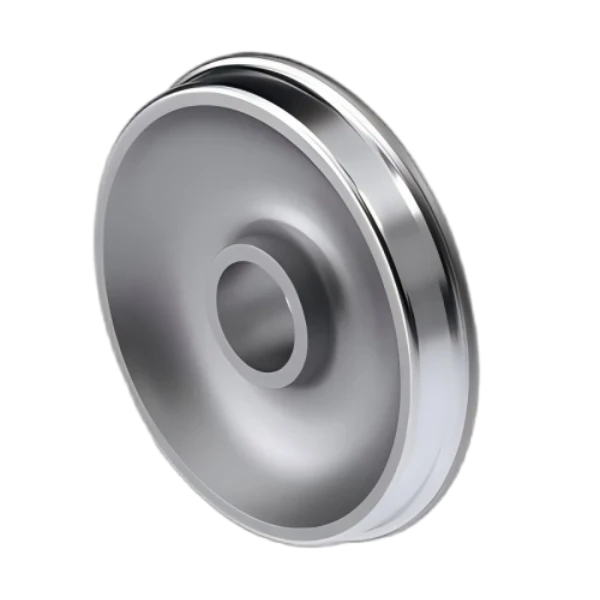
Reliable Tandem Drive Axles for Heavy-Duty Industrial Vehicles
Tandem Drive Axles: What I’ve Learned After Years in the Industrial Equipment Sector Ha
>
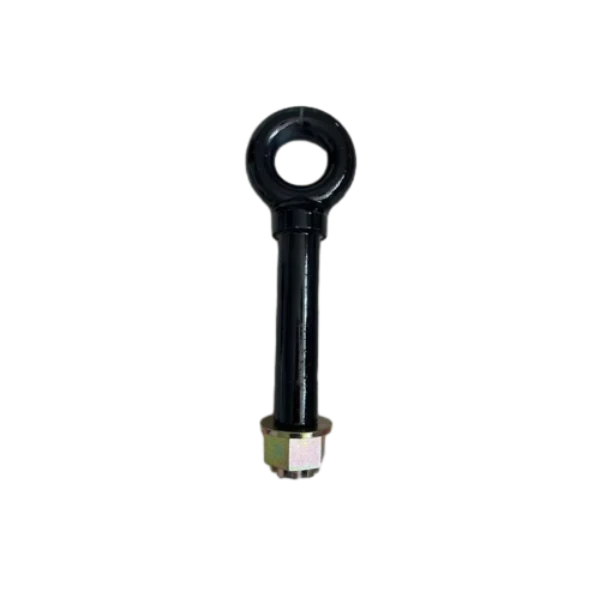
Reliable Semi Trailer Axles for Heavy-Duty Trailers | Expert Insight
Understanding semi trailer axles: The Backbone of Heavy Hauling Having spent more than a deca
>
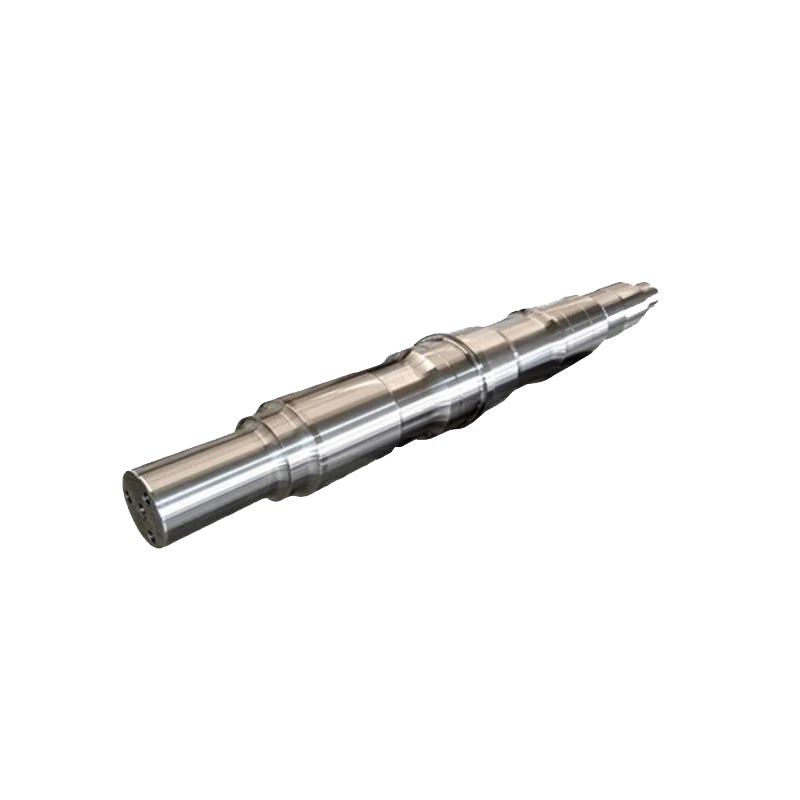
RC Portal Axles: Industrial Strength and Custom Performance
RC Portal Axles: A Veteran’s Take on Industrial-Grade Performance Having spent over a d
>
Engineered for Excellence
Our forged solutions deliver reliability and performance, powering demanding industries to keep operations running smoothly.

Sign up
for Newsletter
Subscribe to the weekly newsletter for all the latest updates