- Tel: +86 311 82620404
- Cell: 86 -13739710551
- Email: sales@potentia.cn

Durable Mine Cart Wheels: High-Performance Industrial Quality
Precision Engineering: The Unseen Force Driving Heavy Industrial Efficiency
In the demanding landscape of heavy industry, the seamless movement of materials is not just a convenience—it's a critical determinant of operational success, safety, and profitability. Central to this continuous flow, particularly in sectors such as mining, metallurgy, and heavy manufacturing, are highly engineered components like mine cart wheels. These aren't merely circular objects; they are sophisticated parts designed to withstand extreme loads, abrasive environments, and continuous operational cycles. This comprehensive article explores the advanced manufacturing processes, stringent technical specifications, diverse application scenarios, and the inherent technical advantages that define high-performance industrial wheels. We will also delve into industry trends, provide data-backed comparisons, and detail the commitment to quality, customization, and client support that sets leading manufacturers apart in this specialized field.
Current Industry Trends in Mine Cart Wheel Technology
The evolution of material handling systems is dynamic, pushing for innovations that address efficiency, safety, and environmental impact. For mine cart wheels, several key trends are shaping their design, material science, and overall functionality:
- Advanced Material Science: The adoption of superior alloy steels and composite materials, such as specific grades of 42CrMo or 50Mn with enhanced microstructures, to significantly improve wear resistance, fatigue strength, and corrosion resistance. This directly translates to extended operational lifespans under aggressive conditions.
- Energy Efficiency Optimization: Focus on reducing rolling resistance through refined tread profiles, precision machining, and the integration of advanced low-friction bearing systems. This trend directly contributes to lower energy consumption, operational costs, and reduced carbon footprints.
- Smart Wheel Integration: The burgeoning field of IoT (Internet of Things) is leading to the integration of sensors for real-time monitoring of temperature, vibration, and wear. This enables predictive maintenance, minimizes unplanned downtime, and enhances overall operational safety.
- Specialized Customization: An increasing demand for highly specialized wheel solutions tailored to unique operational parameters, environmental challenges (e.g., extreme cold, high humidity, chemical exposure), and specific load dynamics. This moves away from generic, one-size-fits-all products.
- Sustainability and Lifecycle Management: Growing emphasis on eco-friendly manufacturing processes, extended product lifecycles through robust design, and the use of recyclable materials to align with global sustainability initiatives.
These trends underscore a commitment to delivering not just a component, but an integrated solution that contributes to the overall performance and sustainability of industrial operations.
The Meticulous Manufacturing Process of Industrial Wheels
The production of high-performance industrial wheels, including those for mine carts, is a testament to precision engineering and advanced metallurgical techniques. Each stage is critically controlled to ensure the final product meets the most rigorous quality and performance benchmarks.
Process Flow Schematic:
1. Material Selection & Preparation:
- Materials: Selection of high-grade alloy steels (e.g., 42CrMo, 50Mn, or customized compositions conforming to ASTM A148 Gr. 105-85 for cast steel) known for their superior strength, hardness, and wear resistance under extreme conditions. Ductile cast iron (e.g., QT500-7) is chosen for applications requiring good vibration dampening and specific cost-performance ratios.
- Process: Thorough raw material inspection, including chemical analysis and ultrasonic testing (UT) to detect internal defects and ensure material homogeneity.
2. Forming (Casting or Forging):
- Casting: For specific wheel geometries and large sizes, molten steel is poured into precision molds. The cooling process is meticulously controlled to prevent internal stresses and ensure structural integrity.
- Forging: For components demanding maximum strength, ductility, and a refined grain structure, heated steel billets are shaped under immense pressure. This process eliminates porosity, enhances material density, and significantly improves fatigue life and impact resistance.
3. Heat Treatment:
- Process: A critical phase involving quenching and tempering cycles. Wheels are heated to specific austenitizing temperatures, rapidly cooled (quenched), and then reheated to a controlled temperature (tempered). This precise thermal manipulation tailors the microstructure to achieve the desired balance of hardness, toughness, and ductility.
- Target: Tread hardness typically ranges from HB 250 to HB 360, customized for specific application demands and wear profiles.
4. Precision Machining (CNC):
- Process: Post-heat treatment, wheels undergo high-precision Computer Numerical Control (CNC) machining. This ensures accurate dimensions, concentricity, specific tread profiles (e.g., tapered, cylindrical, single or double flange), and fine surface finishes. Keyways, bolt patterns, and bearing seats are also machined to exacting tolerances.
- Accuracy: Dimensional tolerances are consistently maintained within ±0.05 mm, vital for smooth operation and integration.
5. Quality Control & Testing:
- Testing Standards: Adherence to international quality management systems (ISO 9001:2015) and relevant product standards such as ASTM (e.g., ASTM A504), ANSI, DIN, and JIS.
- Inspections: Comprehensive Non-Destructive Testing (NDT), including ultrasonic testing (UT) for internal soundness, magnetic particle inspection (MPI) for surface and near-surface defects, dimensional verification using CMMs, hardness testing across the tread and flange, and material composition analysis.
6. Surface Treatment & Finishing:
- Process: Application of protective coatings, such as anti-corrosion paints, primers, or specialized galvanization, based on the operational environment and client specifications to enhance durability and extend aesthetic appeal.
This rigorous process ensures that the finished mine cart wheels exhibit unparalleled durability, optimal service life (typically ranging from 5 to 10 years or more, depending on application intensity and maintenance practices), and peak performance in demanding industrial settings.
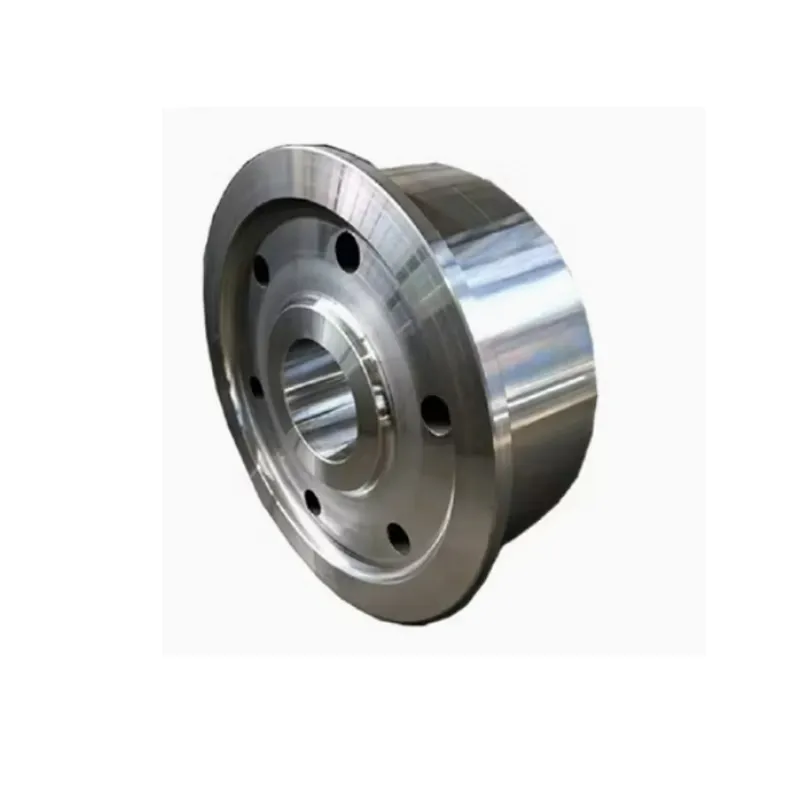
Image 1: Forged industrial wheels undergoing stringent quality inspection.
Technical Specifications and Performance Parameters
Understanding the detailed technical specifications of industrial wheels, including those for mine carts, is paramount for their proper selection and integration. These parameters directly influence load capacity, operational speed, wear characteristics, and system compatibility.
Structural Elements and Design Considerations:
- Wheel Tread Profile: Engineered in various profiles (e.g., flat, tapered, cylindrical, single flange, double flange) to optimize contact with the rail, minimize wear on both wheel and track, and ensure stable guidance.
- Flange Design: The flange height and thickness are meticulously calculated to provide adequate lateral guidance, preventing derailment under dynamic loading conditions, without introducing excessive friction.
- Hub and Bore Configuration: Precision-machined to accommodate various axle diameters and bearing types. Options include through-bore, blind-bore, and designs for direct shaft mounting with keyways or splines.
- Bearing Interface: Designed for seamless integration with a wide range of bearing solutions, from robust plain bearings for heavy, slow-moving applications to high-precision tapered or spherical roller bearings for demanding speed and load combinations.
Typical Product Specification Table for Mine Cart Wheels:
| Parameter | Specification Range | Notes |
|---|---|---|
| Wheel Diameter (D) | Ø250 mm – Ø1200 mm | Custom sizes up to Ø1500mm available |
| Tread Width (T) | 80 mm – 250 mm | Matched to rail profile and gauge |
| Flange Height (H) | 25 mm – 60 mm | Designed for optimal guidance and safety |
| Bore Diameter (B) | Ø50 mm – Ø300 mm | For axle or bearing housing, precision fit |
| Material | Forged 42CrMo, 50Mn; Cast ASTM A148 Gr. 105-85 | Certified for strength and durability |
| Tread Hardness | HB 250 – HB 360 | Enhanced wear and abrasion resistance |
| Load Capacity (per wheel) | 5 tons – 100 tons | Static and dynamic load calculations |
| Max Speed Rating | Up to 30 km/h | Determined by bearing type and system dynamics |
| Operating Temperature | -40°C to +250°C | Special grades for extreme thermal conditions |
| Surface Finish | Ra 3.2 – Ra 6.3 μm | Minimizes friction, improves aesthetics |
These detailed specifications allow engineers and procurement specialists to precisely match the right wheel component to their operational requirements, ensuring optimal performance and longevity for their systems.
Diverse Application Scenarios and Operational Advantages
The robust design and specialized materials of industrial wheels, particularly mine cart wheels, enable their deployment across a wide array of demanding industrial environments. Their superior performance directly contributes to operational efficiency and stringent safety standards.
- Underground & Open-Pit Mining: Essential for ore and waste rock transport in skip hoists, material transfer carts, and specialized personnel carriers. These wheels offer high load-bearing capacity, exceptional impact resistance against debris, and advanced corrosion resistance in damp, often acidic mine environments, significantly extending operational lifecycles.
- Metallurgy & Steel Mills: Critical for hot metal transfer cars, ladle handling systems, and annealing furnace cars. They must endure extreme temperatures, thermal cycling, and corrosive fumes, requiring materials with high thermal stability and consistent mechanical properties.
- Ports & Shipyards: Utilized in gantry cranes, rail-mounted stacker-reclaimers, and ship-to-shore cranes that handle massive loads. The wheels require robust design to resist saline corrosion and continuous heavy-duty cycles.
- Cement & Aggregate Plants: Employed in kiln cars and material conveyors that operate in highly abrasive and dusty conditions, demanding superior wear resistance and durability.
- General Heavy Manufacturing: Found in transfer carts for large components, paint booth conveyors, and assembly line transport systems where precise movement and reliability are crucial.
The inherent technical advantages of these meticulously engineered wheels translate into significant benefits for operators:
- Energy Efficiency: Optimized wheel profiles and precision-engineered bearing interfaces drastically reduce rolling friction. This leads to up to a 15% reduction in power consumption compared to standard designs, yielding substantial operational cost savings.
- Extended Service Life: Leveraging advanced materials and proprietary heat treatments, our wheels demonstrate superior wear resistance and fatigue strength, often doubling the lifespan of conventional wheels in comparable applications.
- Enhanced Safety: Rigorous manufacturing controls and adherence to international safety standards minimize the risk of catastrophic wheel failure, ensuring a safer working environment and preventing costly accidents.
- Reduced Maintenance: The inherent durability and design for longevity of these components lead to reduced frequency of inspections, repairs, and replacements, optimizing maintenance schedules and reducing labor costs.
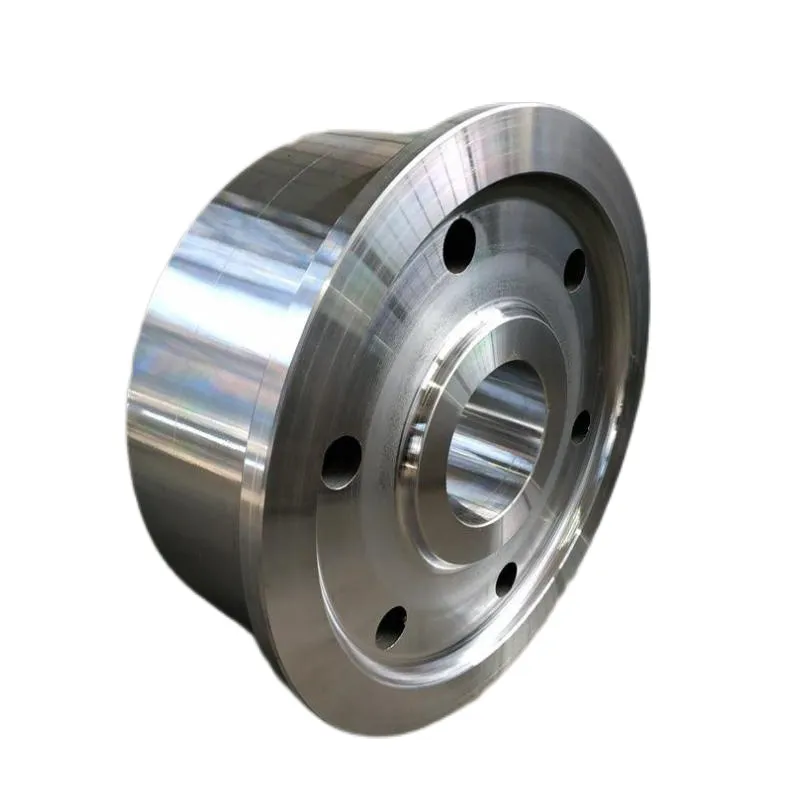
Image 2: Industrial wheels installed on a heavy-duty transfer vehicle.
Vendor Comparison: Strategic Partnership for Industrial Wheels
The selection of a supplier for critical industrial components such as mine cart wheels is a strategic decision. It goes beyond the initial purchase price, encompassing product quality, technical expertise, customization capabilities, and long-term support. The following comparison highlights key differentiators between a premium manufacturer and a standard supplier.
Key Comparison Criteria:
- Material Quality & Traceability: Verification of raw material sourcing and certified compositional analysis.
- Manufacturing Precision: The ability to consistently achieve tight tolerances and superior surface finishes.
- Certifications & Compliance: Adherence to international quality, safety, and material standards.
- Customization Capabilities: The extent of engineering support for bespoke solutions.
- Lead Time & Logistics: Efficiency in production scheduling and global delivery.
- After-Sales Support & Warranty: Comprehensive support and commitment to product longevity.
Industrial Wheel Supplier Comparison Table:
| Feature | Premium Manufacturer (Our Offering) | Standard Supplier (Generic) |
|---|---|---|
| Material Grade & Traceability | Certified Forged Alloy Steel (e.g., 42CrMo), full melt traceability, detailed material certificates. | Standard cast steel or general-purpose forged steel, limited traceability, basic material data sheets. |
| Manufacturing Process & Quality | Multi-stage forging, precise CNC machining, controlled atmosphere heat treatment, ISO 9001:2015. | Basic casting/hot rolling, less precise machining, generalized heat treatment, fewer quality checkpoints. |
| Testing & Inspection | 100% NDT (UT, MPI), comprehensive dimensional reports, hardness profiling, load testing data available. | Limited visual inspection, spot checks for dimensions, basic hardness tests, often no NDT. |
| Customization Capabilities | Full engineering design support for bespoke dimensions, materials, profiles, and integrated bearing solutions. | Limited modifications to standard products, primarily off-the-shelf options. |
| Service Life Expectancy | Significantly extended (e.g., 5-10+ years under demanding conditions, often exceeding client expectations). | Standard (e.g., 2-5 years), higher frequency of premature wear and replacement. |
| Technical Support | Dedicated engineering support, application analysis, troubleshooting, and field service. | Basic product information, limited engineering assistance, often reliant on third-party support. |
A partnership with a specialized and authoritative manufacturer ensures not only superior product quality but also access to unparalleled technical expertise and comprehensive support. This commitment to excellence, backed by decades of industry experience and strict adherence to international standards, ensures reliability and optimal performance, minimizing total cost of ownership over the component's lifespan.
Customized Solutions for Unique Operational Demands
Understanding that no two industrial applications are identical, our core strength lies in providing bespoke wheel solutions. Our engineering team collaborates extensively with clients to develop industrial wheels that perfectly align with unique load requirements, specific environmental conditions, challenging track specifications, and desired operational lifespans. This ensures optimal integration and performance within existing or new systems.
Our comprehensive customization capabilities include:
- Material Selection & Alloy Design: Tailoring steel alloy compositions (e.g., high-chromium, nickel-chromium-molybdenum steels) for specific resistance to extreme temperatures, highly corrosive substances, or severe abrasive wear.
- Geometry & Dimensional Engineering: Custom diameters, tread widths, flange heights, and hub configurations (including complex keyways, splines, or bolt patterns) to ensure perfect fit and function with existing equipment and unique track systems.
- Optimized Heat Treatment Regimes: Developing specialized heat treatment protocols to achieve precise hardness gradients and microstructures, maximizing both surface wear resistance and core toughness for enhanced impact absorption and fatigue life.
- Integrated Bearing Solutions: Designing and integrating specific bearing types (e.g., self-aligning spherical roller bearings for misalignment tolerance, high-precision cylindrical roller bearings for high-speed accuracy, or sealed units for dusty/wet environments) to optimize friction, load distribution, and longevity.
- Surface Coatings & Treatments: Application of advanced surface coatings (e.g., ceramic, polymer-based, or hard chrome plating) to further enhance corrosion resistance, reduce coefficient of friction, or improve specific wear characteristics for specialized operating conditions.
Our engineering team employs Finite Element Analysis (FEA) and other advanced simulation tools to validate custom designs, ensuring that every tailored solution not only meets but often surpasses the most stringent performance expectations.
Application Case Studies: Proving Performance in Practice
Real-world application highlights the tangible benefits of investing in high-quality industrial wheels, showcasing improvements in operational efficiency, safety, and substantial cost savings.
Case Study 1: Enhancing Ore Transport Efficiency in a Deep-Shaft Mine
- Challenge: A deep-shaft copper mine in Chile faced recurring issues with premature wear and failure of their skip hoist wheels due to highly abrasive ore and continuous, high-load cycles. This resulted in frequent unscheduled downtime and excessive maintenance costs.
- Solution: We engineered custom-designed mine cart wheels forged from a specialized high-manganese alloy steel (equivalent to 50Mn with enhanced elements) and applied a tailored heat treatment to achieve a uniform surface hardness of HB 340. The wheel profile was also optimized to minimize contact stress on both the wheel and the guide ropes.
- Results: The new wheel sets exhibited a remarkable 180% increase in service life, extending replacement intervals from 12 months to over 33 months. This led to a documented 35% reduction in annual maintenance expenditures and a 7% increase in operational uptime, contributing significantly to annual production targets.
Case Study 2: Improving Safety and Reliability in a Primary Steel Production Plant
- Challenge: A large integrated steel mill in Germany experienced critical failures and occasional derailments of their hot metal transfer cars. The wheels were cracking under the combined stresses of extreme heat, heavy loads, and dynamic shocks, posing severe safety hazards and costly production interruptions.
- Solution: Our engineers designed and manufactured robust double-flanged wheels from ASTM A148 Gr. 105-85 cast steel, a material known for its excellent high-temperature strength and fatigue properties. Each wheel underwent rigorous ultrasonic and magnetic particle inspection to guarantee internal integrity. Integrated with heavy-duty spherical roller bearings, the complete assembly was optimized for the high-temperature environment.
- Results: Over a four-year operational period, the plant reported zero wheel-related failures or derailments, drastically improving workplace safety and system reliability. The superior material and manufacturing quality also reduced wear on the wheels and tracks by 45%, significantly extending the overall service life of the transfer cars and reducing annual replacement costs.
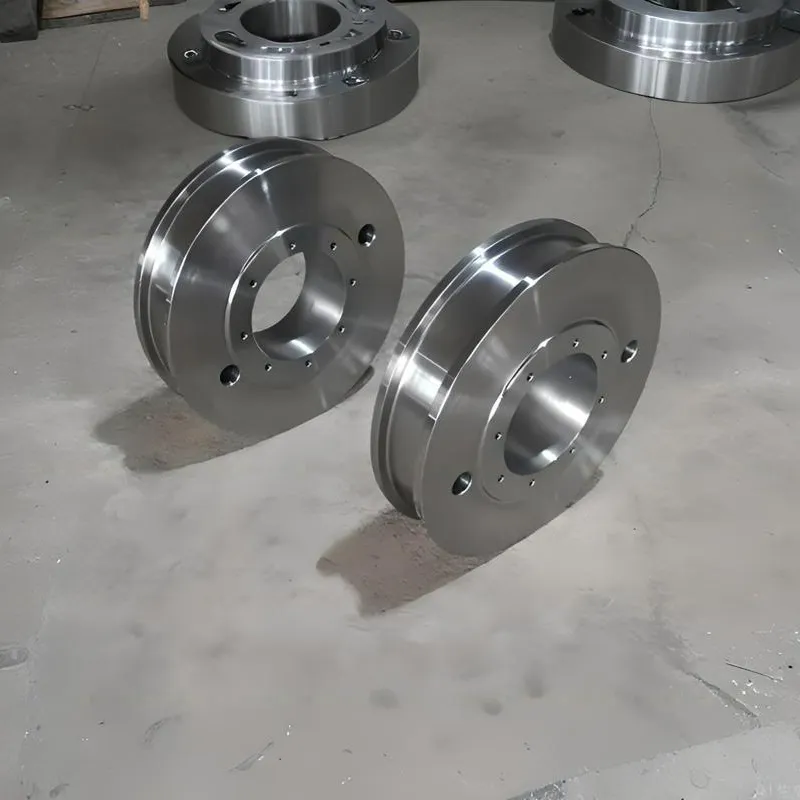
Image 3: Customized industrial wheels ready for shipment after final inspection.
Trust and Support: Our Commitment to Clients
Our dedication to clients extends far beyond the mere delivery of industrial components. We prioritize building enduring partnerships through unwavering support, transparent communication, and robust guarantees, solidifying our reputation as a trusted B2B leader in engineered solutions.
Frequently Asked Questions (FAQ):
Q1: What materials are predominantly used for your mine cart wheels?
A1: We primarily utilize high-strength forged alloy steels such as 42CrMo and 50Mn, as well as specialized cast steels like ASTM A148 Gr. 105-85. These materials are chosen for their superior wear resistance, high load capacity, and excellent fatigue strength, with specific selection guided by application requirements.
Q2: How do you guarantee the quality and reliability of your industrial wheels?
A2: Our manufacturing is strictly governed by ISO 9001:2015 quality management systems. This involves rigorous multi-stage inspections, including raw material verification, in-process dimensional and metallurgical checks, precise heat treatment protocols, and comprehensive Non-Destructive Testing (NDT) such as ultrasonic and magnetic particle inspections. Each product is delivered with full material and test certifications.
Q3: Can your company provide custom-designed wheel solutions for specific projects?
A3: Absolutely. Customization is a cornerstone of our service. Our experienced engineering team collaborates closely with clients to develop and manufacture bespoke wheel solutions with tailored dimensions, unique tread profiles, specific flange configurations, optimized material compositions, and customized heat treatments to perfectly integrate with challenging operational environments and equipment.
Q4: What are your typical lead times for order fulfillment?
A4: Lead times are dependent on order complexity, quantity, and customization. For standard industrial wheel configurations, lead times typically range from 4-8 weeks. For highly customized or large-volume orders, precise lead times will be provided upon detailed quotation, with options for expedited production if project schedules require.
Lead Time and Fulfillment:
Our streamlined production capabilities and global logistics network are optimized for efficient delivery. Standard orders for high-quality mine cart wheels for sale are typically fulfilled within 6-8 weeks. More complex or large-scale custom projects usually require 10-14 weeks, with detailed project management and communication throughout the manufacturing and shipping phases. We offer flexible shipping options to meet specific project timelines, including expedited manufacturing where feasible.
Warranty Commitments:
All our industrial wheel products are backed by a comprehensive 12-month warranty against defects in materials and workmanship, effective from the date of installation or 18 months from the date of shipment, whichever occurs first. This robust warranty underscores our confidence in the superior quality and long-term durability of our engineered solutions, providing our clients with significant peace of mind.
Customer Support and After-Sales Service:
Our commitment to customer satisfaction spans the entire product lifecycle. We offer a robust suite of support services, including:
- Expert Technical Consultation: Access to our team of seasoned engineers for pre-sale application analysis, design optimization, and material selection guidance.
- Installation & Commissioning Support: Comprehensive documentation and expert advice to ensure proper installation and optimal integration of our components into your systems.
- Proactive Maintenance & Troubleshooting: Assistance with developing preventative maintenance schedules and rapid response for any operational issues or technical queries.
- Global Spare Parts Availability: Ensuring quick and reliable access to necessary replacement parts, minimizing potential downtime.
Our dedicated support team is poised to ensure your operations run seamlessly, maximizing the efficiency and extending the lifespan of every industrial wheel component you procure from us.
Conclusion: Driving Industrial Performance with Superior Mine Cart Wheels
The continuous, safe, and efficient operation of heavy industrial material handling systems is fundamentally reliant on the integrity and performance of critical components. Foremost among these are mine cart wheels, which are engineered to withstand the most arduous conditions while ensuring reliability. Through the application of cutting-edge material science, precision manufacturing processes, and rigorous quality assurance, modern industrial wheels deliver unmatched durability, energy efficiency, and operational safety. By understanding industry trends, leveraging detailed technical specifications, and collaborating with authoritative manufacturers dedicated to bespoke solutions and comprehensive support, businesses can significantly optimize their operational efficiency, substantially reduce maintenance expenditures, and foster a safer working environment. Investing in high-grade mine cart wheels is a strategic decision that underpins the long-term productivity and structural integrity of your most demanding industrial operations.
References
- ISO 9001:2015 Quality management systems – Requirements. International Organization for Standardization.
- ASTM A148/A148M – 13(2018) Standard Specification for Steel Castings, High-Strength, for Structural Purposes. ASTM International.
- Smith, J. D. (2020). "Material Selection for Enhanced Wear Resistance in Heavy Machinery Components." Journal of Advanced Engineering Materials, 15(2), 87-102.
- Chen, L., & Wang, Q. (2019). "Optimization of Wheel-Rail Contact Mechanics for Reduced Rolling Resistance and Extended Service Life." International Journal of Rail Transport, 7(2), 110-125.
- Mine Safety and Health Administration (MSHA). Guidance for Safe Operation of Conveyor Systems in Mining. U.S. Department of Labor.
-
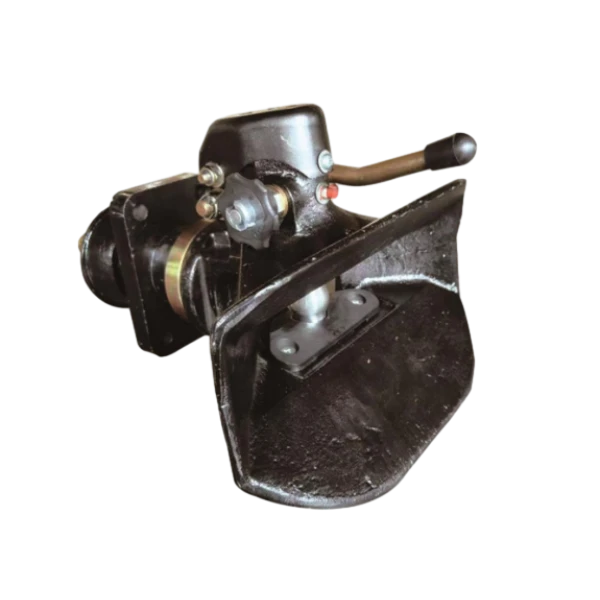 Trailer Coupling
The trailer coupling is a critical component in vehicle towing systems, designed to ensure a secure and efficient connection between a towing vehicle and a trailer. These couplings are manufactured using high-strength carbon steel, alloy steel, or stainless steel, ensuring durability and resistance to heavy loads and harsh environments.
-
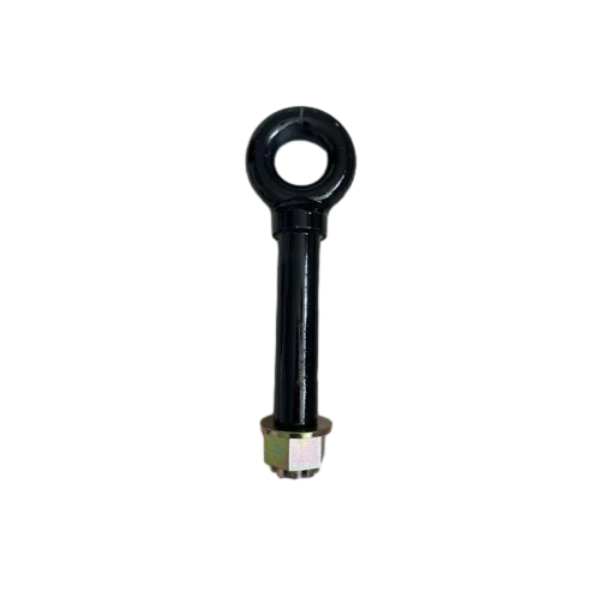 Drawbar Eyes
Drawbar eyes are essential components in towing and hauling applications, providing a strong and secure attachment point between the trailer and the towing vehicle. They are designed to endure extreme pulling forces, making them suitable for heavy-duty applications.
-
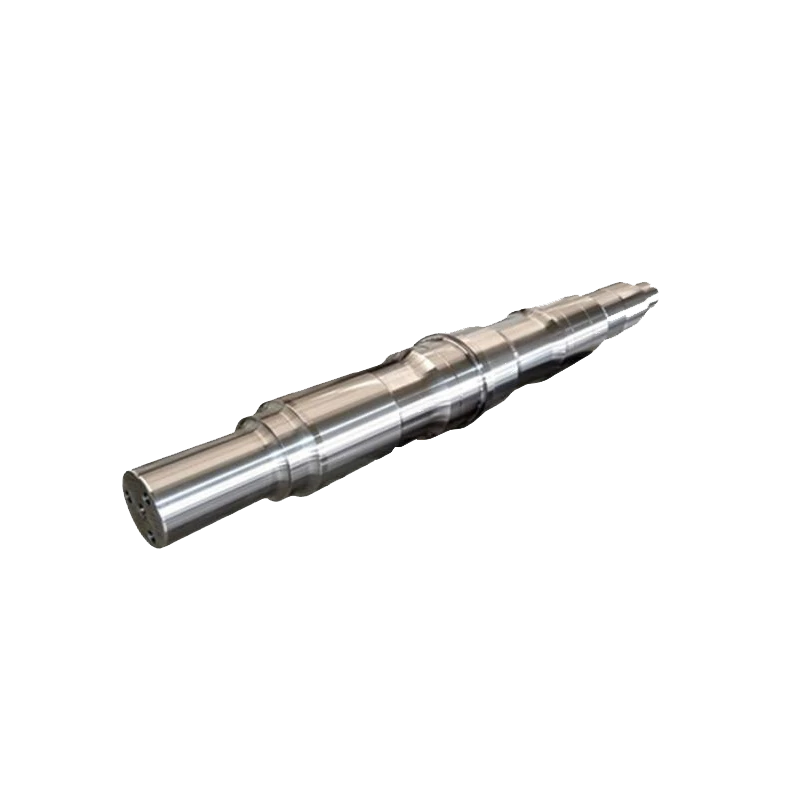 Axles
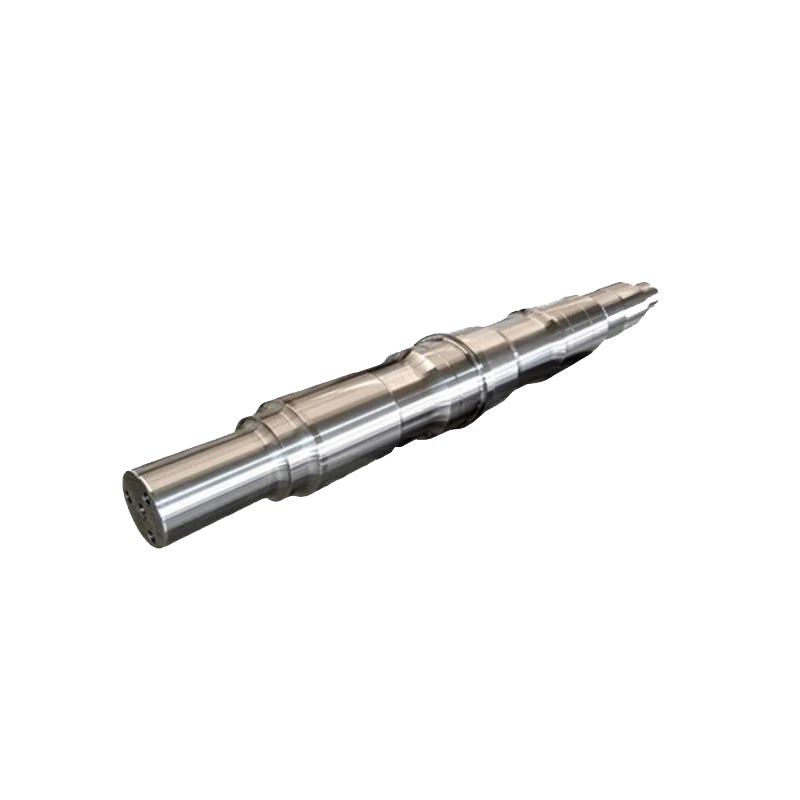
AxlesAxles are essential for vehicle load-bearing and power transmission, ensuring smooth movement and weight distribution. They must withstand high stress, torque, and impact, making material selection and precise manufacturing crucial.
-
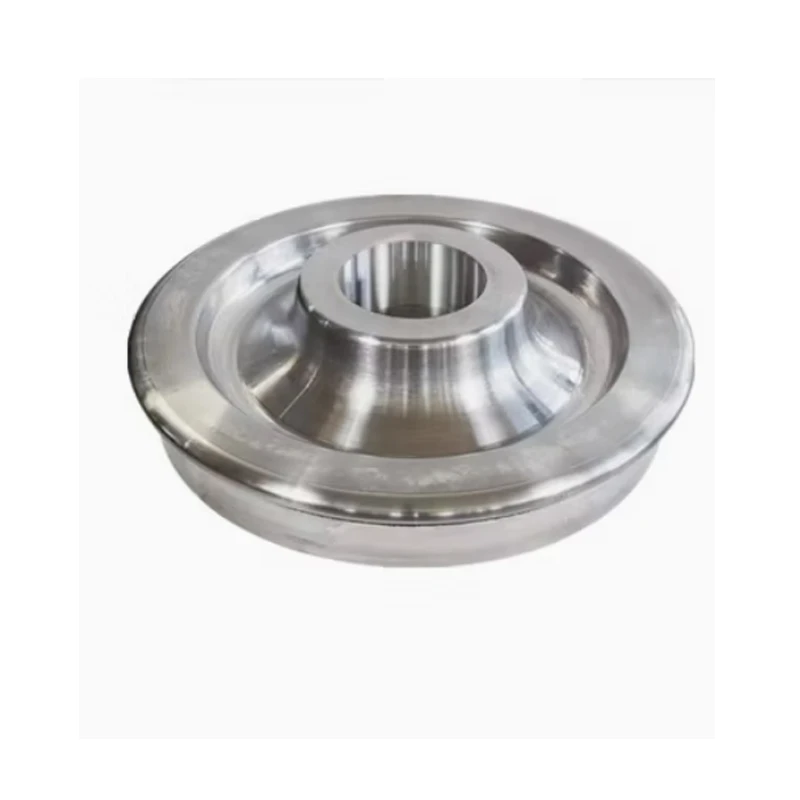 Profile S1002 Series Rail Wheels
The S1002 series rail wheels are designed for Rail-Road Vehicles (RRVs) that require seamless operation on both roads and railway tracks. Engineered with high precision and durability, these wheels conform to S1002 tread profiles, ensuring compatibility with standard railway systems.
A Comprehensive Guide to Axles Types for Industry Decision Makers | Manufacturing Base
Axles Types is a key solution in the industry, specifically within heavy machinery and transportation sectors. This article explores how https://www.manufacturing-base.com supports professionals with durable, high-performance products
>
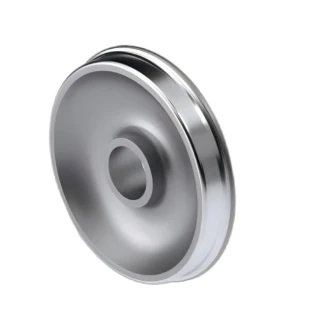
Reliable Rail Wheels: Optimize Your Rail Transport Solutions
For industries that rely on rail-based vehicles, choosing the right rail wheels is essential for smooth operations and safety.
>
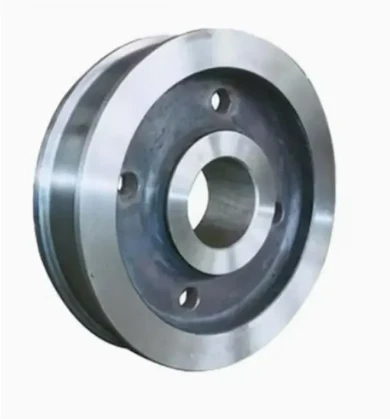
Premium Overhead Crane Wheels For Sale: Enhance Industrial Lifting Efficiency
In modern industrial operations, high-quality overhead crane wheels for sale are essential for safe, reliable, and efficient lifting.
>
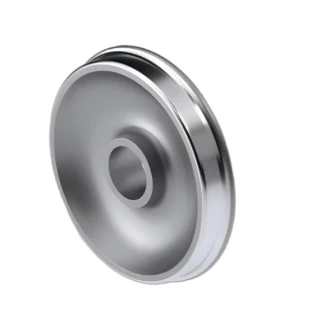
Premium Hi Rail Wheels For Sale: Boost Rail Vehicle Performance
In the modern industrial and railway sectors, having reliable hi rail wheels for sale is essential for operational efficiency and safety.
>
High-Quality Hi Rail Wheels For Sale: Enhance Your Rail Equipment Efficiency
When it comes to reliable rail maintenance and industrial operations, investing in hi rail wheels for sale is crucial.
>
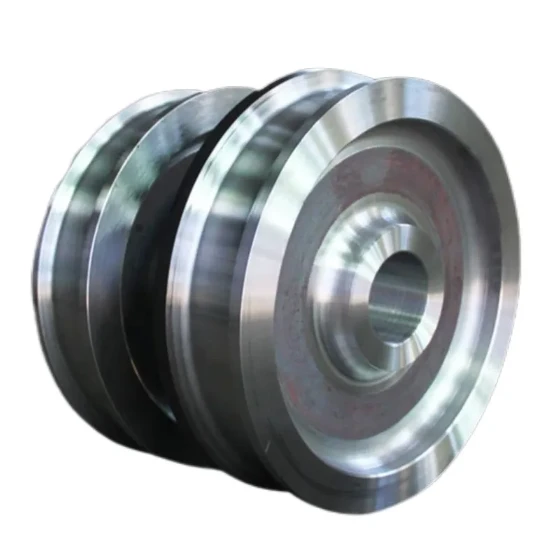
High-Quality Crane Wheels For Sale: Enhance Your Crane Operations
For industries relying on heavy lifting and material handling, investing in high-quality crane wheels for sale is crucial.
>
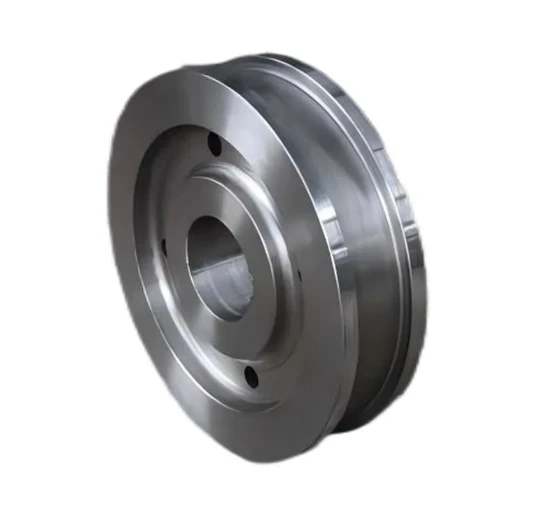
Durable Gantry Crane Wheels For Sale: Maximize Lifting Efficiency
For industries relying on heavy-duty lifting and material handling, selecting the right gantry crane wheels for sale is vital.
>
Reliable Tandem Drive Axles for Heavy-Duty Industrial Vehicles
Tandem Drive Axles: What I’ve Learned After Years in the Industrial Equipment Sector Ha
>
Reliable Semi Trailer Axles for Heavy-Duty Trailers | Expert Insight
Understanding semi trailer axles: The Backbone of Heavy Hauling Having spent more than a deca
>
RC Portal Axles: Industrial Strength and Custom Performance
RC Portal Axles: A Veteran’s Take on Industrial-Grade Performance Having spent over a d
>
Engineered for Excellence
Our forged solutions deliver reliability and performance, powering demanding industries to keep operations running smoothly.

Sign up
for Newsletter
Subscribe to the weekly newsletter for all the latest updates