- Tel: +86 311 82620404
- Cell: 86 -13739710551
- Email: sales@potentia.cn

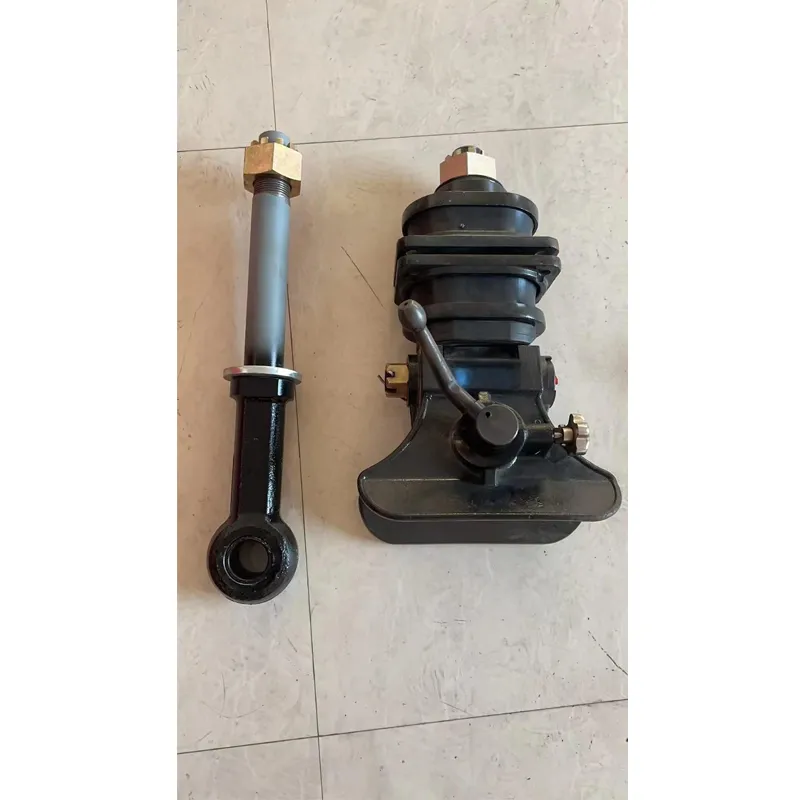
Drawbar Eyes - Forged, Heavy-Duty, High Load Capacity
The Real-World Guide to Heavy-Duty Drawbar Attachment Eyes
If you work around trailers, low-beds, or site haulage, you already know the stakes: the coupling is either flawlessly reliable or it ruins your day. That’s why drawbar eyes matter more than most people think. They’re the hard-working interface between the towing vehicle and the load, quietly taking the punishment so your operation doesn’t have to stop.
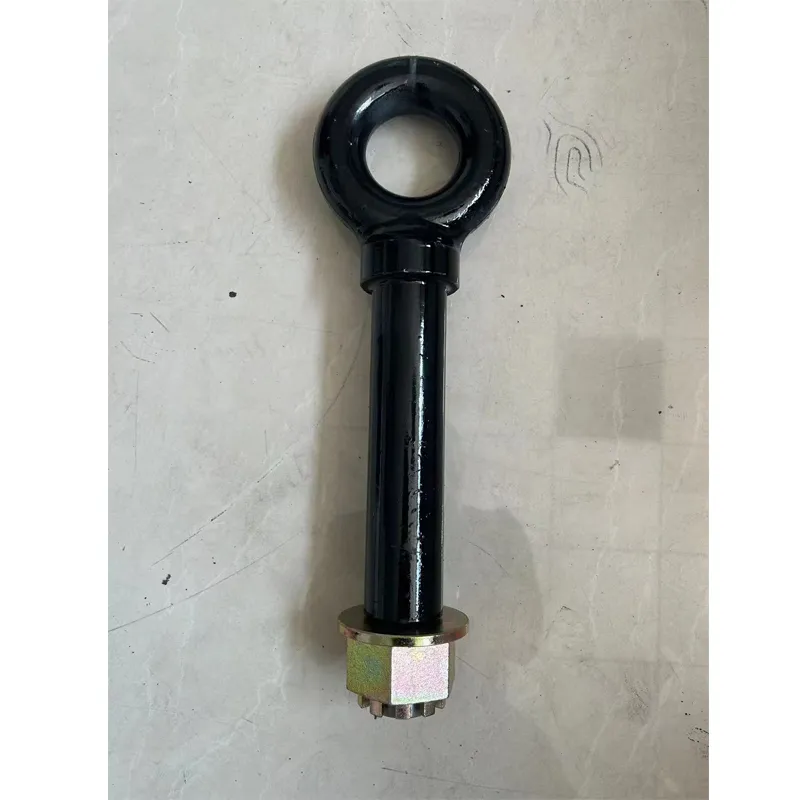
Industry trends (and what buyers are asking now)
Interestingly, demand is shifting toward higher D-values as payloads creep up and duty cycles get harsher in mining, ports, and municipal fleets. Many customers say they want stronger forgings, better bushings, and test certificates on file—no discussion. Compliance to UNECE R55 and DIN profiles is now table stakes. And, to be honest, lead time flexibility is a surprisingly big differentiator.
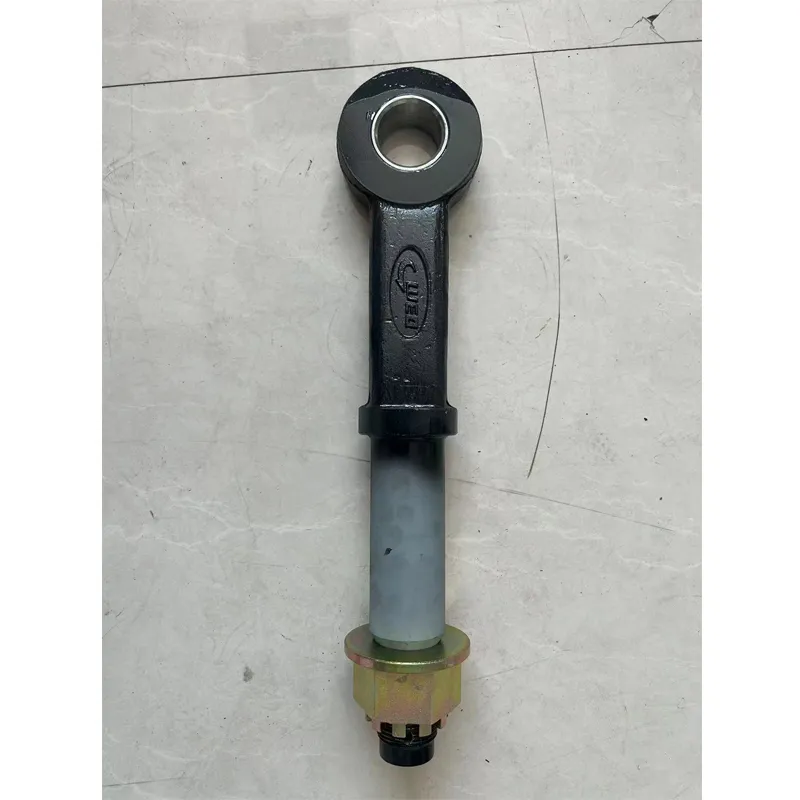
Typical specifications
Below is a representative spec set for modern drawbar eyes used on heavy trailers. Real-world use may vary by configuration and standard.
| Nominal eye size | Ø40 mm (DIN 74054) / Ø50 mm (ISO 1102) |
| Material | Forged 42CrMo4 or 40Cr; optional alloy steel equivalents |
| Heat treatment | Quenched & tempered; typical core hardness ≈ HBW 260–320 |
| Rated D-value | ≈ 120–200 kN (depending on model, verified per UNECE R55) |
| Surface finish | Phosphate, paint, or hot-dip galvanizing (ISO 9227 salt-spray options) |
| Certifications | UNECE R55, ISO/ DIN dimensional compliance, 3.1 material certs on request |
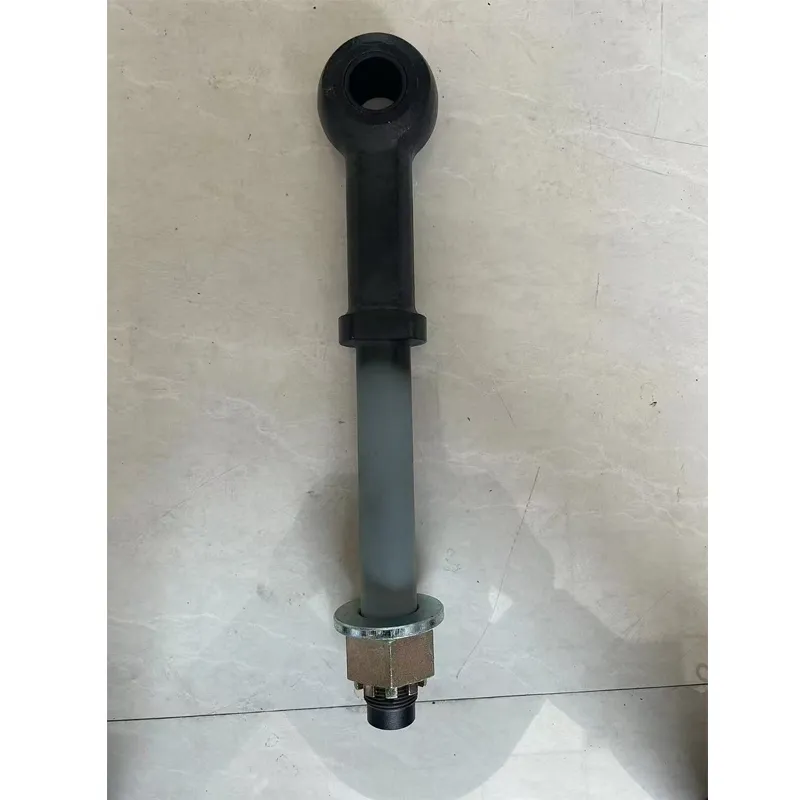
How they’re made (the short version)
Drawbar eyes start with alloy-steel billets, then closed-die forging for grain flow and fatigue life. After precision machining (eye bore, shoulder, mounting faces), components are heat-treated to targeted hardness. Surface prep and coating follow. Testing includes MT (ASTM E1444) or UT on request, dimensional checks to DIN/ISO, hardness maps, proof-load per UNECE R55 (static + dynamic). Typical service life: 8–15 years in fleet use, but I’ve seen units run longer in well-greased, low-impact duty.
Application scenarios
- Heavy haulage and low-bed trailers
- Mining and quarry site trains (brutal duty cycles)
- Ports and Ro-Ro logistics
- Agriculture and forestry (mixed terrain, shock loads)
- Municipal roadwork, military, and recovery fleets
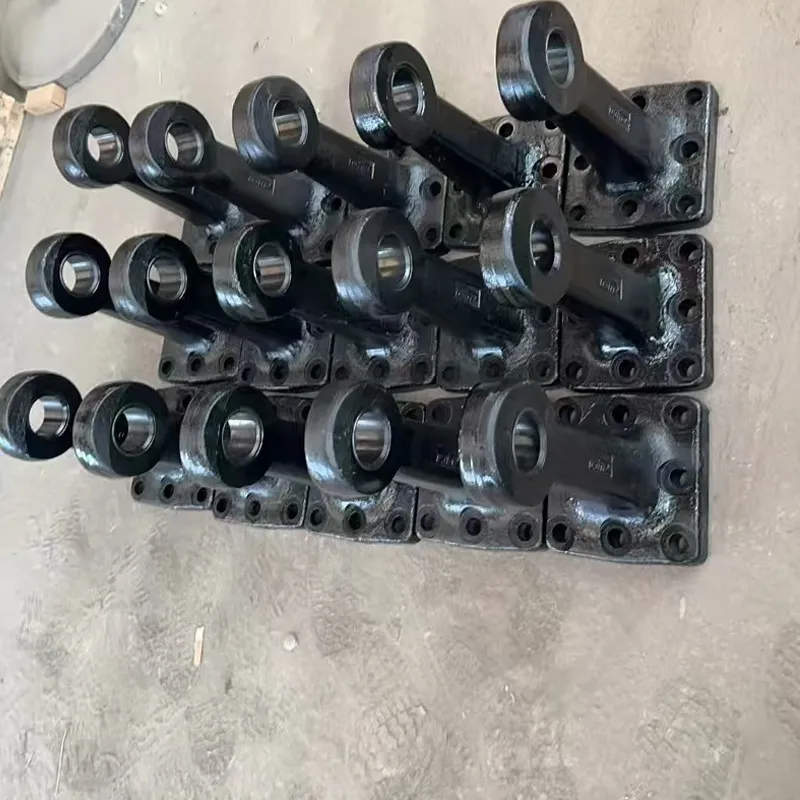
Customization (where it actually matters)
Options include eye size (40/50 mm), shank geometry, bush type (greasable bronze or polymer), coating, laser-marking, and documentation packs. Many buyers now ask for corrosion testing (e.g., 240–480 h ISO 9227) and hardness traceability; good call.
Vendor snapshot
Drawbar eyes from Manufacturing Base (No.186 South Xierhuan Road, Shijiazhuang, Hebei, China) compete globally. Here’s a quick, hedged comparison.
| Supplier | Compliance | Customization | Lead time | Typical D-value | Notes |
|---|---|---|---|---|---|
| Manufacturing Base (CN) | UNECE R55, DIN/ISO | High (marking, bush, finish) | ≈ 3–6 weeks | 120–200 kN | Strong value; flexible MOQs |
| Vendor A (EU) | UNECE R55, ISO | Medium–High | ≈ 4–8 weeks | 140–220 kN | Premium pricing; broad catalog |
| Vendor B (US) | SAE, R55 options | Medium | ≈ 2–6 weeks | 100–180 kN | Fast delivery; limited DIN sizes |
Case notes and feedback
- Port fleet, 40 mm eye: after 12 months, bore wear measured ≈ 0.18 mm (with greasable bronze bush); dynamic proof passed at setup.
- Quarry trailers: switch to forged 42CrMo4 eye increased service interval by around 30%, according to maintenance logs.
One fleet manager told me, “We don’t think about the eye anymore—which is the point.” Honestly, that’s the best compliment a coupling component can get.
Testing & standards checklist
Ask vendors for: UNECE R55 test report (static/dynamic), dimensional sheet to DIN 74054 or ISO 1102, MT certificate (ASTM E1444), hardness chart (ISO 6506), and optional ISO 9227 corrosion test. If they hesitate, that’s a tell.
References
- UNECE Regulation No. 55 – Mechanical coupling components for vehicles: https://unece.org/transport/standards/transport/vehicle-regulations-wp29/un-regulation-no-55
- DIN 74054 – Drawbar eyes, 40 mm (publisher info): https://www.beuth.de/en/standard/din-74054/
- ISO 1102 – Road vehicles — 50 mm drawbar eyes (catalog): https://www.iso.org/standard/51938.html
- ASTM E1444/E1444M – Magnetic Particle Testing: https://www.astm.org/e1444_e1444m-16.html
- ISO 9227 – Corrosion tests in artificial atmospheres — Salt spray tests: https://www.iso.org/standard/63543.html
-
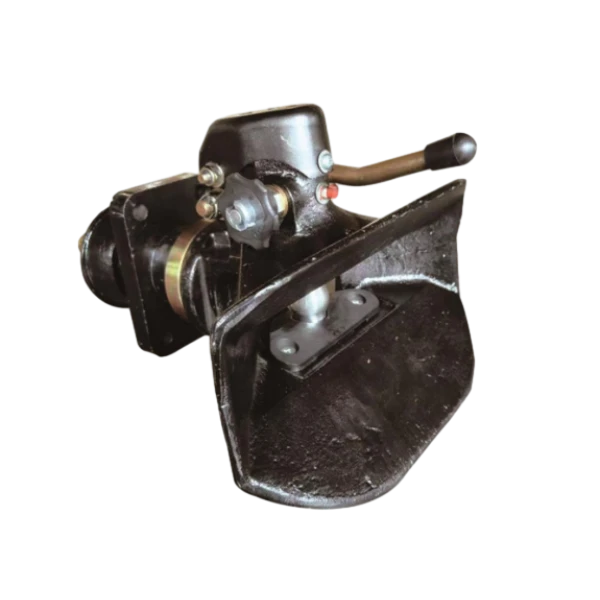 Trailer Coupling
The trailer coupling is a critical component in vehicle towing systems, designed to ensure a secure and efficient connection between a towing vehicle and a trailer. These couplings are manufactured using high-strength carbon steel, alloy steel, or stainless steel, ensuring durability and resistance to heavy loads and harsh environments.
-
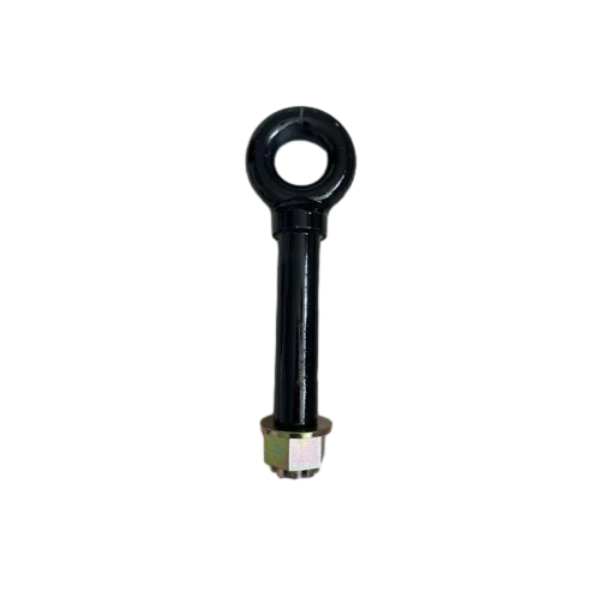 Drawbar Eyes
Drawbar eyes are essential components in towing and hauling applications, providing a strong and secure attachment point between the trailer and the towing vehicle. They are designed to endure extreme pulling forces, making them suitable for heavy-duty applications.
-
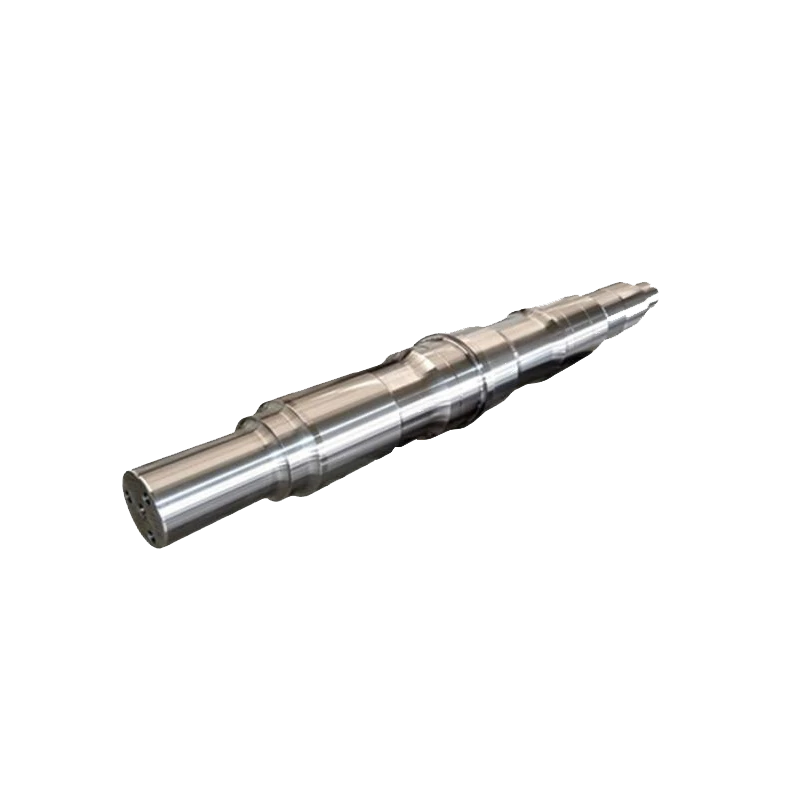 Axles
AxlesAxles are essential for vehicle load-bearing and power transmission, ensuring smooth movement and weight distribution. They must withstand high stress, torque, and impact, making material selection and precise manufacturing crucial.
-
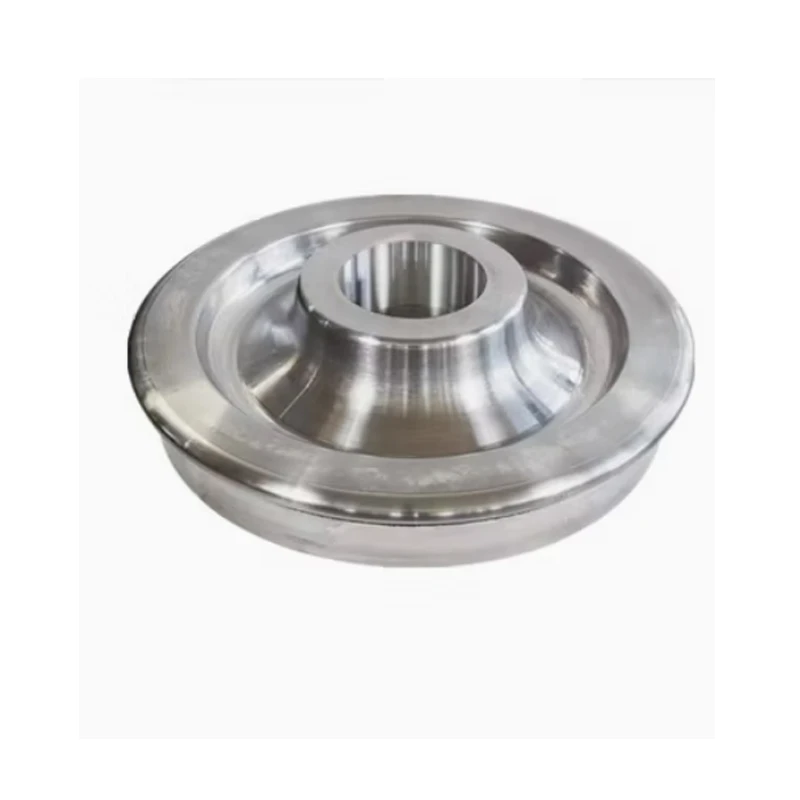 Profile S1002 Series Rail Wheels
The S1002 series rail wheels are designed for Rail-Road Vehicles (RRVs) that require seamless operation on both roads and railway tracks. Engineered with high precision and durability, these wheels conform to S1002 tread profiles, ensuring compatibility with standard railway systems.
A Comprehensive Guide to Axles Types for Industry Decision Makers | Manufacturing Base
Axles Types is a key solution in the industry, specifically within heavy machinery and transportation sectors. This article explores how https://www.manufacturing-base.com supports professionals with durable, high-performance products
>
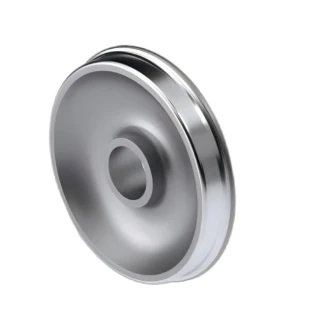
Reliable Rail Wheels: Optimize Your Rail Transport Solutions
For industries that rely on rail-based vehicles, choosing the right rail wheels is essential for smooth operations and safety.
>
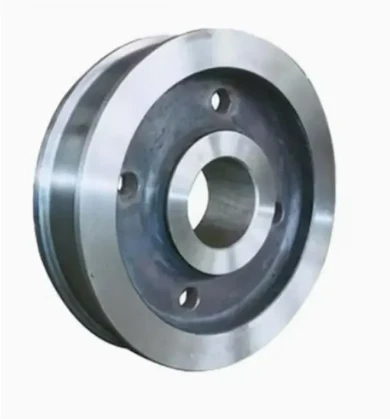
Premium Overhead Crane Wheels For Sale: Enhance Industrial Lifting Efficiency
In modern industrial operations, high-quality overhead crane wheels for sale are essential for safe, reliable, and efficient lifting.
>
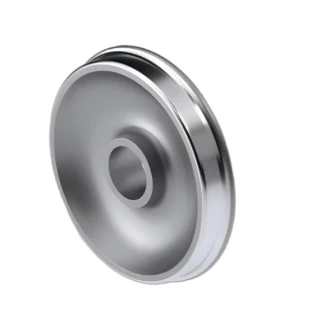
Premium Hi Rail Wheels For Sale: Boost Rail Vehicle Performance
In the modern industrial and railway sectors, having reliable hi rail wheels for sale is essential for operational efficiency and safety.
>
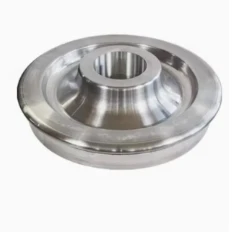
High-Quality Hi Rail Wheels For Sale: Enhance Your Rail Equipment Efficiency
When it comes to reliable rail maintenance and industrial operations, investing in hi rail wheels for sale is crucial.
>
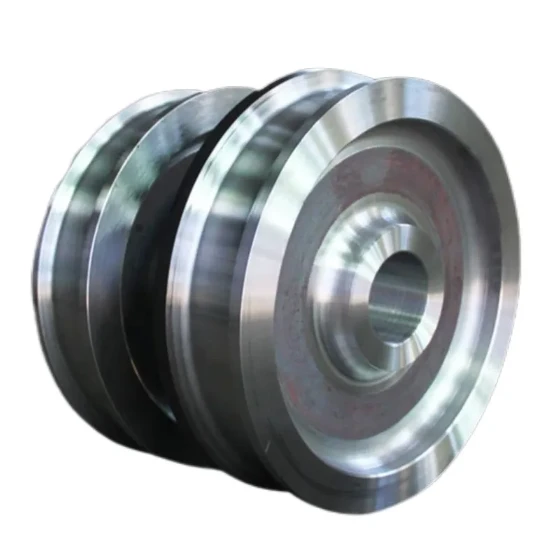
High-Quality Crane Wheels For Sale: Enhance Your Crane Operations
For industries relying on heavy lifting and material handling, investing in high-quality crane wheels for sale is crucial.
>
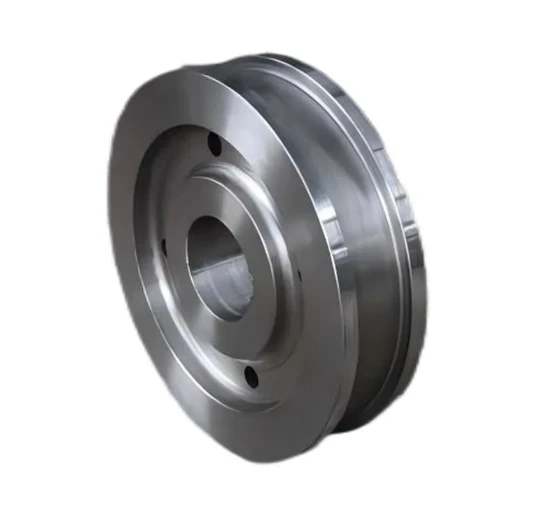
Durable Gantry Crane Wheels For Sale: Maximize Lifting Efficiency
For industries relying on heavy-duty lifting and material handling, selecting the right gantry crane wheels for sale is vital.
>
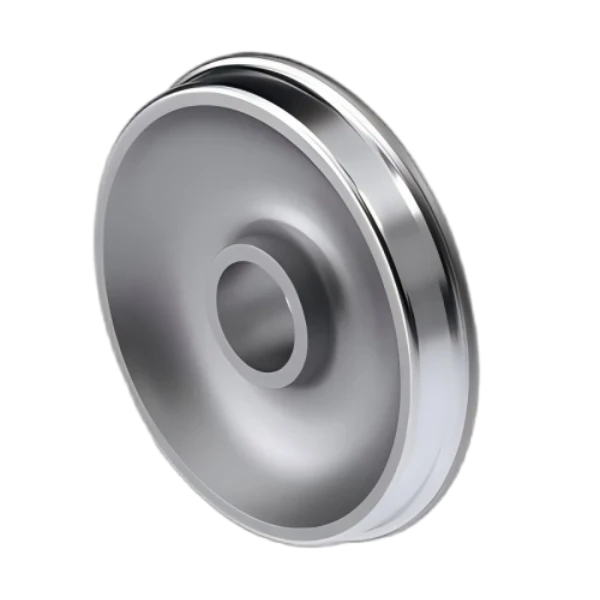
Reliable Tandem Drive Axles for Heavy-Duty Industrial Vehicles
Tandem Drive Axles: What I’ve Learned After Years in the Industrial Equipment Sector Ha
>
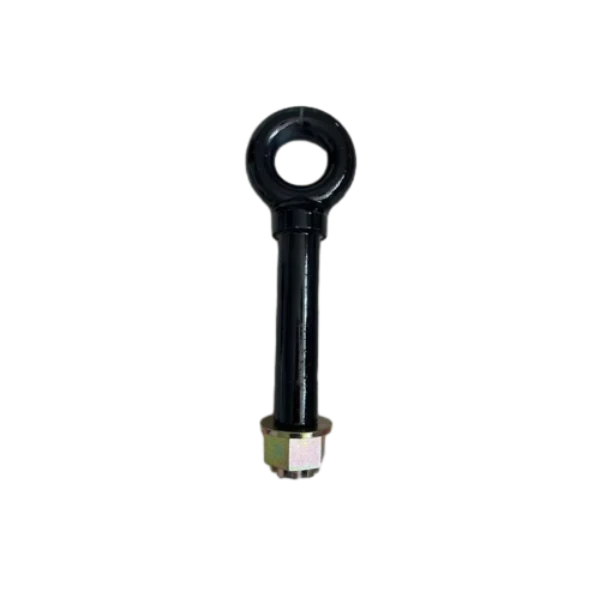
Reliable Semi Trailer Axles for Heavy-Duty Trailers | Expert Insight
Understanding semi trailer axles: The Backbone of Heavy Hauling Having spent more than a deca
>
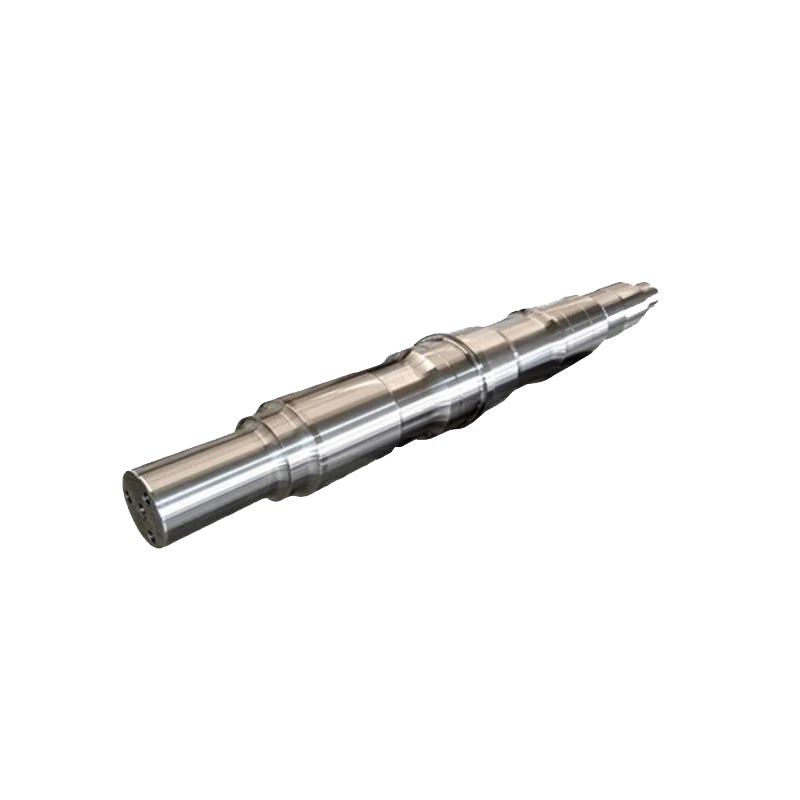
RC Portal Axles: Industrial Strength and Custom Performance
RC Portal Axles: A Veteran’s Take on Industrial-Grade Performance Having spent over a d
>
Engineered for Excellence
Our forged solutions deliver reliability and performance, powering demanding industries to keep operations running smoothly.

Sign up
for Newsletter
Subscribe to the weekly newsletter for all the latest updates