- Tel: +86 311 82620404
- Cell: 86 -13739710551
- Email: sales@potentia.cn

Custom Axles: Essential Solutions for Industrial Strength & Precision
Custom Axles: Driving Industrial Innovation and Efficiency
Custom axles might sound niche, but they’re actually a cornerstone in a variety of industries worldwide. Whether it’s the automotive sector, heavy machinery, or construction equipment, custom-built axles solve unique challenges that standard parts just can’t handle. Their role is quietly massive — affecting everything from transportation safety to economic efficiency. Globally, understanding custom axles means understanding how industries maintain robustness and adaptability in a changing supply landscape.
Introduction: Why Custom Axles Matter Globally
In 2023, the global automotive and machinery manufacturing market surpassed $4 trillion (source: World Bank). A lot of that relies on high-quality, precisely engineered components — and axles are right at the heart. But off-the-shelf axles don’t always fit the bill. That’s where custom axles step in, filling the gap by meeting specialized load requirements, sizes, or environmental conditions, especially in emerging markets or challenging terrains.
However, the problem often lies in balancing durability with cost-efficiency and adaptability — especially amid global supply chain disruptions and rising raw material costs. Hence, custom axles become a quiet innovation force helping industries thrive despite those hitches.
What Are Custom Axles?
Put simply, custom axles are specially manufactured axle components tailored to specific vehicle or machinery requirements — from size, shape, and strength to integration with other parts and even unique environmental factors. Unlike standardized axles, custom versions are designed based on unique technical specifications that fit exactly the vehicle’s intended use. They’re crucial in fields where off-the-shelf solutions just can’t cope, like heavy agricultural equipment, military vehicles, or specialized logistics trucks.
In modern industry, this customization is a sign of evolving complexity and performance demands — in some cases, humanitarian or remote area needs too, where bespoke solutions mean the difference between operational success or failure.
Core Components of Custom Axles
1. Durability and Strength
Custom axles are usually designed from steel alloys or composite materials that emphasize high tensile strength and fatigue resistance. Especially in off-road or industrial use, where stress cycles can be brutal. The exact metallurgy depends on weight requirements and the type of loads.
2. Precision Engineering
It’s not just about raw strength — precision in dimensions and fit ensures smooth integration with brake systems, suspensions, and drivetrains. That reduces wear, improves safety, and increases performance longevity.
3. Cost Efficiency
The design phase often balances material selection and manufacturing method with cost constraints. Bulk manufacturing saves money generally, but custom axles thrive when there’s a premium on performance and longevity — often a long-term economic win.
4. Scalability and Adaptability
Many manufacturers offer modular design options, letting users adapt axle designs for different vehicle sizes or conditions without starting from zero.
5. Environmental Suitability
Some custom axles are engineered for extreme climates — from sandy deserts to freezing tundras — using coatings or treatments that prevent corrosion and wear.
Product Specification Table: Example Custom Axle Model
| Specification | Model CX-500 |
|---|---|
| Material | High-strength alloy steel (AISI 4340) |
| Load Capacity | 12 tons |
| Type | Live axle with integrated disk brake flange |
| Surface Treatment | Corrosion-resistant phosphate coating |
| Length | 1,200 mm (customizable) |
Mini takeaway: Custom axles blend strength and precision tailored specifically for practical industrial use, often balancing cost without compromising essential durability or environmental resistance.
Global Applications and Real-World Use Cases
Custom axles find homes everywhere — from Japan’s high-tech manufacturing plants to rural India’s agricultural fields. In post-disaster relief operations, sturdy custom axles enable trucks to navigate damaged roads and remote paths, allowing timely delivery of crucial supplies.
Mining companies in Australia employ custom axles in heavy load haul vehicles designed specifically to cope with harsh terrain and extreme weight. Meanwhile, European electric vehicle startups increasingly seek lightweight but durable custom axle assemblies to optimize battery efficiency.
Interested readers might also want to explore custom axles offered by specialized manufacturers for further customization options suitable for their business needs.
Vendor Comparison: Popular Custom Axle Manufacturers
| Vendor | Material Options | Customization Level | Lead Time | Pricing |
|---|---|---|---|---|
| AxleWorks Ltd. | Steel, Composite, Aluminum | High (full custom engineering) | 6–8 weeks | Premium |
| MechAxles Inc. | Steel alloys (various grades) | Medium (modular designs) | 4–6 weeks | Mid-range |
| CustomTrac Solutions | Steel, Titanium (special orders) | Very High (fully bespoke) | 8–12 weeks | High |
Mini takeaway: Different manufacturers suit different operational priorities, from cost-conscious medium customization to full bespoke solutions for innovation-driven projects.
Advantages and Long-Term Value of Custom Axles
- Cost Savings Over Time: Though initial investment might be higher, longevity and fewer replacements add value.
- Safety and Reliability: Custom fit reduces failure risk, especially in extreme condition vehicles.
- Sustainability: Tailored materials and design can reduce waste and improve fuel efficiency.
- Social Impact: In humanitarian logistics, dependable axles save lives by enabling robust transport access.
Frankly, investing in custom axles feels like placing a small bet on resilience and trust. They’re rarely seen but often crucial.
Future Trends and Innovations
The future is green and smart. Increasingly, custom axles are integrating IoT sensors to monitor stress and wear in real-time, assisting predictive maintenance. Material science innovations such as carbon fiber composites and titanium alloys are making axles lighter but tougher, boosting energy efficiency and reducing carbon footprints.
Policies encouraging sustainable manufacturing and circular economy principles mean more recyclability and eco-friendly coatings for axles are on the horizon. Automation in manufacturing, using CNC machines and 3D-printing techniques, is speeding up lead times.
Challenges & Innovative Solutions
One recurring challenge is balancing customization with manufacturing speed and affordability. Small batch orders tend to raise costs considerably. Plus, testing rigor must be high to meet safety standards across regions. A promising solution lies in modular designs and advanced materials simulation software — allowing engineers to prototype digitally before committing to costly physical models.
Also, supply chain volatility pushes manufacturers to localize component sourcing and use alternative raw materials when possible.
FAQ: Frequently Asked Questions About Custom Axles
- What makes custom axles better than stock axles for heavy machinery?
- Custom axles are specifically engineered to handle unique load capacities, fit special dimensions, and suit particular environmental conditions that stock axles cannot, increasing durability and efficiency.
- How long does it typically take to manufacture a custom axle?
- Depending on complexity, vendor, and materials, lead times vary but generally range from 4 to 12 weeks, factoring design, prototyping, and manufacturing phases.
- Are custom axles more expensive upfront?
- Yes, there is usually a higher initial cost, but long-term savings come through reduced maintenance, enhanced durability, and optimized performance, making them a cost-effective solution.
- Can custom axles be used for electric vehicles?
- Absolutely. Custom axles for EVs often focus on lightweight materials and integration with electric drivetrains, improving range and efficiency.
- How can I find reliable suppliers of custom axles?
- Start with industry-certified manufacturers that offer detailed engineering support. Our custom axles directory is a great resource to explore trusted suppliers.
Conclusion
Custom axles may not grab attention like flashy tech, but their impact runs deep — underpinning safety, efficiency, and innovation worldwide. From the dusty roads of remote farms to cutting-edge EV startups in Europe, these bespoke components keep industries moving reliably. Frankly, investing thought and resources into custom axles is an investment in resilience, economy, and the future of manufacturing.
Want to explore custom axle options or speak with engineers about your specific needs? Visit our website: https://www.manufacturing-base.com
References:
1. Wikipedia: Axle
2. ISO Standards for Axles
3. World Bank Manufacturing Data
-
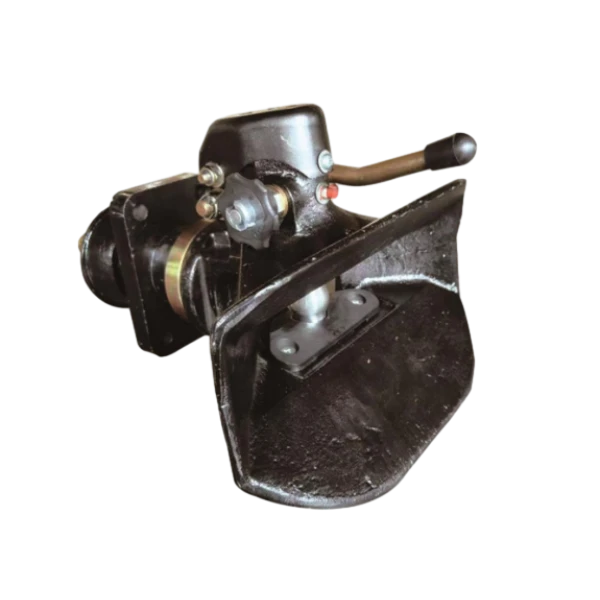 Trailer Coupling
The trailer coupling is a critical component in vehicle towing systems, designed to ensure a secure and efficient connection between a towing vehicle and a trailer. These couplings are manufactured using high-strength carbon steel, alloy steel, or stainless steel, ensuring durability and resistance to heavy loads and harsh environments.
-
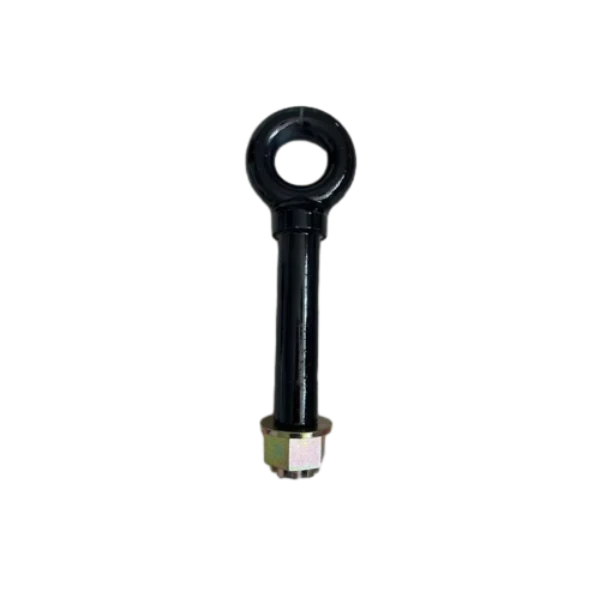
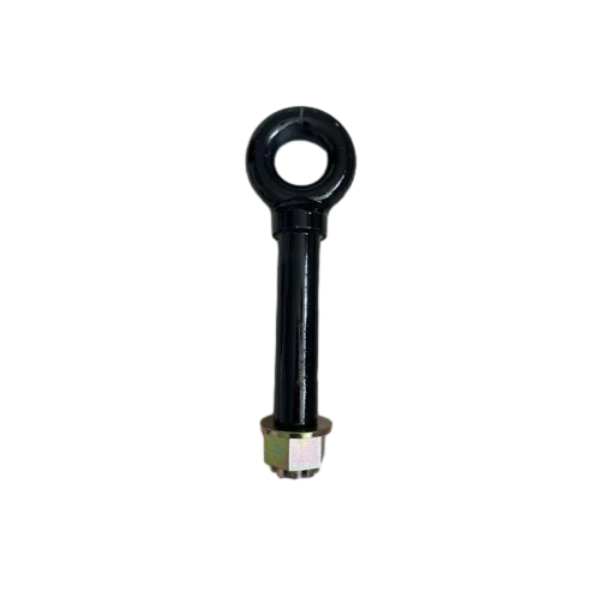 Drawbar Eyes
Drawbar eyes are essential components in towing and hauling applications, providing a strong and secure attachment point between the trailer and the towing vehicle. They are designed to endure extreme pulling forces, making them suitable for heavy-duty applications.
-
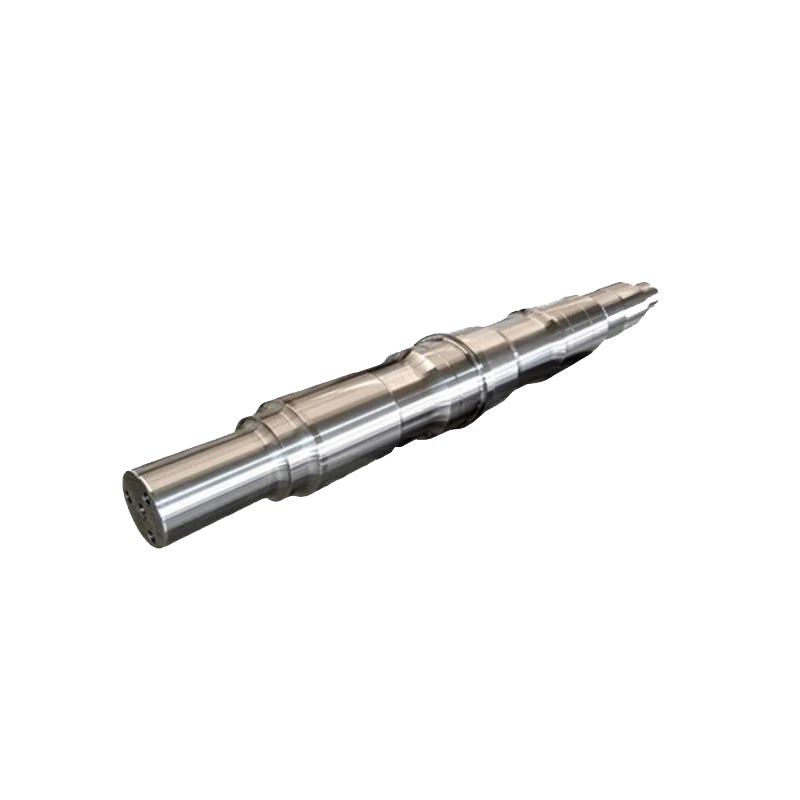
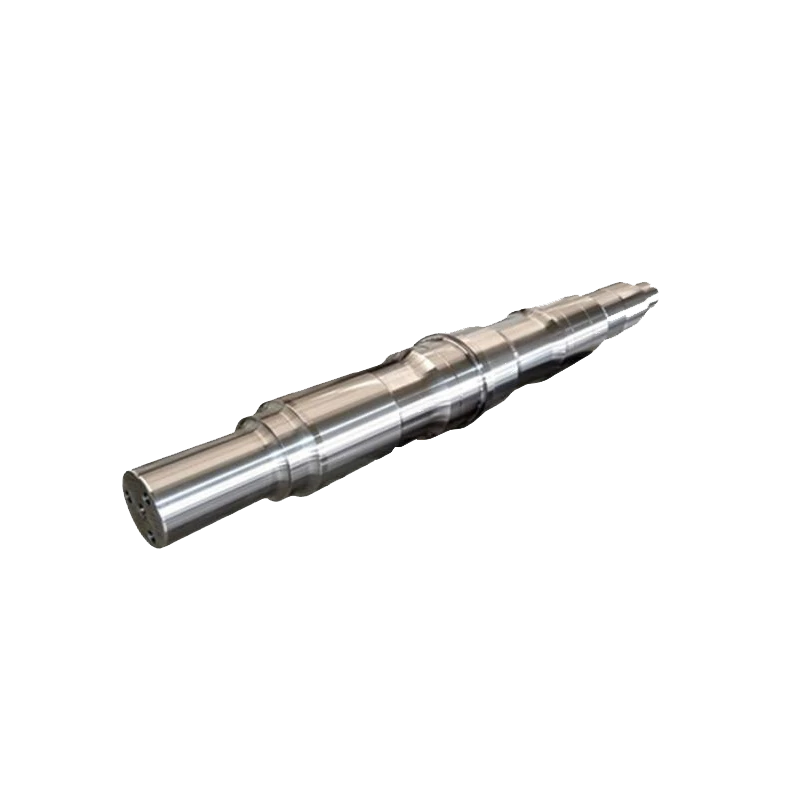 Axles
AxlesAxles are essential for vehicle load-bearing and power transmission, ensuring smooth movement and weight distribution. They must withstand high stress, torque, and impact, making material selection and precise manufacturing crucial.
-
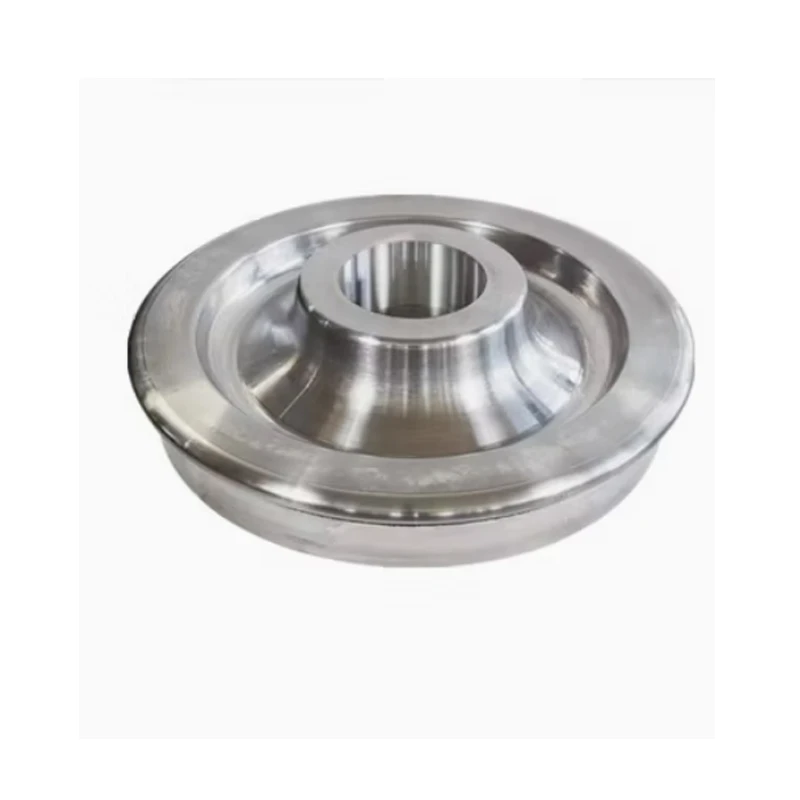 Profile S1002 Series Rail Wheels
The S1002 series rail wheels are designed for Rail-Road Vehicles (RRVs) that require seamless operation on both roads and railway tracks. Engineered with high precision and durability, these wheels conform to S1002 tread profiles, ensuring compatibility with standard railway systems.
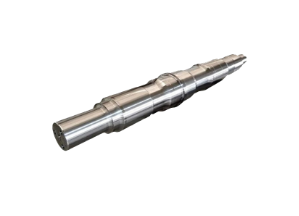
A Comprehensive Guide to Axles Types for Industry Decision Makers | Manufacturing Base
Axles Types is a key solution in the industry, specifically within heavy machinery and transportation sectors. This article explores how https://www.manufacturing-base.com supports professionals with durable, high-performance products
>
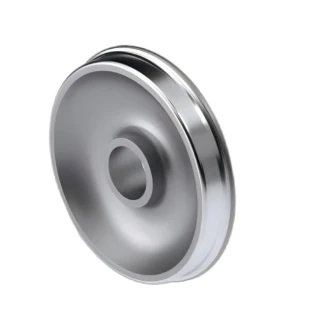
Reliable Rail Wheels: Optimize Your Rail Transport Solutions
For industries that rely on rail-based vehicles, choosing the right rail wheels is essential for smooth operations and safety.
>
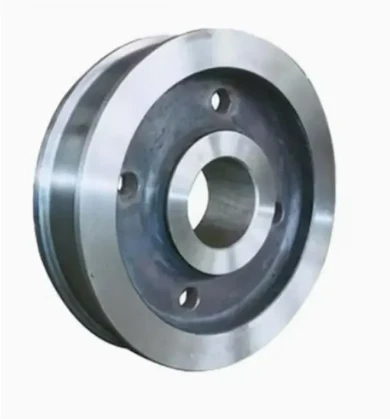
Premium Overhead Crane Wheels For Sale: Enhance Industrial Lifting Efficiency
In modern industrial operations, high-quality overhead crane wheels for sale are essential for safe, reliable, and efficient lifting.
>
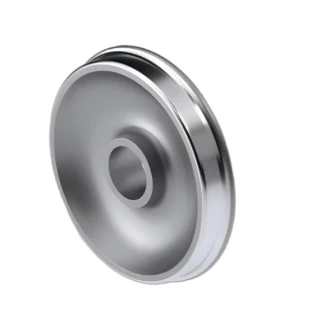
Premium Hi Rail Wheels For Sale: Boost Rail Vehicle Performance
In the modern industrial and railway sectors, having reliable hi rail wheels for sale is essential for operational efficiency and safety.
>
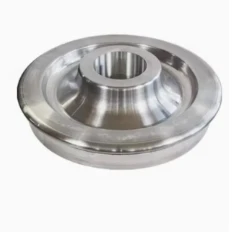
High-Quality Hi Rail Wheels For Sale: Enhance Your Rail Equipment Efficiency
When it comes to reliable rail maintenance and industrial operations, investing in hi rail wheels for sale is crucial.
>
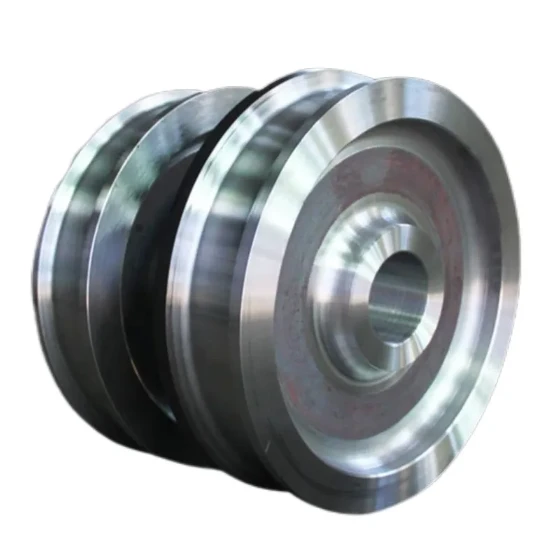
High-Quality Crane Wheels For Sale: Enhance Your Crane Operations
For industries relying on heavy lifting and material handling, investing in high-quality crane wheels for sale is crucial.
>
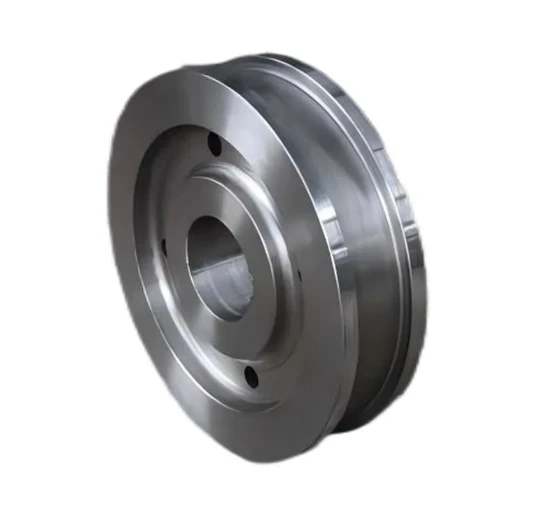
Durable Gantry Crane Wheels For Sale: Maximize Lifting Efficiency
For industries relying on heavy-duty lifting and material handling, selecting the right gantry crane wheels for sale is vital.
>
Reliable Tandem Drive Axles for Heavy-Duty Industrial Vehicles
Tandem Drive Axles: What I’ve Learned After Years in the Industrial Equipment Sector Ha
>
Reliable Semi Trailer Axles for Heavy-Duty Trailers | Expert Insight
Understanding semi trailer axles: The Backbone of Heavy Hauling Having spent more than a deca
>
RC Portal Axles: Industrial Strength and Custom Performance
RC Portal Axles: A Veteran’s Take on Industrial-Grade Performance Having spent over a d
>
Engineered for Excellence
Our forged solutions deliver reliability and performance, powering demanding industries to keep operations running smoothly.

Sign up
for Newsletter
Subscribe to the weekly newsletter for all the latest updates