- Tel: +86 311 82620404
- Cell: 86 -13739710551
- Email: sales@potentia.cn

Custom Axles – Enhancing Machine Performance and Safety Worldwide
Custom Axles: Driving Innovation in Modern Industry
When you think about axles, you might just imagine simple metal rods spinning away beneath a vehicle, right? But custom axles are far more sophisticated and impactful than their humble appearance suggests. These tailored components are quietly essential across industries, from automotive and agriculture to material handling and humanitarian operations. Understanding what custom axles bring to the table isn’t just for engineers or manufacturers; it’s a glimpse into the backbone of global logistics, infrastructure, and future-ready machinery.
Why Custom Axles Matter Globally
Globally, the vehicle and machinery sectors contribute significantly to economic development. According to the International Organization for Standardization (ISO), the automotive industry alone impacts millions of jobs and trillions in GDP worldwide. The axles connecting wheels and machinery parts affect performance, safety, and durability, which in turn impact everything from food supply chains to disaster relief. Oddly enough, a poorly designed or “one-size-fits-all” axle can compromise entire systems—costing time, money, and sometimes even lives. Custom axles solve this problem by bringing precision, strength, and efficiency right where they’re needed.
Mini takeaway: The global importance of custom axles lies in their ability to enhance machine performance and reliability, directly affecting critical industries and humanitarian efforts worldwide.
What Are Custom Axles?
Simply put, custom axles are axles built to specific design and application requirements, rather than off-the-shelf, generic parts. These parts might vary in length, diameter, material, load capacity, or mounting style. They’re designed to fit unique vehicles, machines, or equipment that standard axles can’t accommodate. In modern industry, they’re crucial for specialized vehicles—think agricultural tractors adapted for rough terrains, or electric utility carts navigating tight factory floors.
Custom axles address the unique mechanical stresses present in varied environments, whether it’s heavy loads in industrial plants or fast-paced logistics hubs. They’re also increasingly significant in humanitarian contexts—custom vehicles with specialized axles can deliver aid where standard machinery simply won’t go.
Core Components and Key Factors of Custom Axles
1. Durability
The materials used in custom axles—often high-grade steel alloys—have a huge impact on lifespan. Durability is critical when the axle must withstand repeated stress: hauling heavy loads, enduring rough terrains, or resisting corrosion. Frankly, durability often comes down to smart material choices paired with heat treatments and coatings.
2. Scalability & Flexibility
Custom axles need to scale with the application, from small-scale carts to heavy-duty trucks. Flexibility in design allows them to be integrated into different machine configurations, balancing performance with compactness or weight reduction.
3. Load Capacity
Load ratings can vary dramatically. An industrial axle might be engineered to support thousands of kilograms, while a feeder axle for agricultural machines handles smaller loads but requires more precise movement control. Matching axle load capabilities to expected demands prevents premature failures.
4. Cost Efficiency
Tailoring comes at a price, but custom axles often present long-term savings. Reduced downtime, less maintenance, and improved operational efficiency typically offset higher initial costs. Plus, manufacturers can optimize designs to minimize materials without compromising safety.
5. Integration with Technology
Modern custom axles may include sensors for real-time condition monitoring, integration with automated systems, or adaptations for electric motors in EVs. These options add a layer of smart functionality missing in conventional axles.
Mini takeaway: The key to effective custom axles lies in a blend of durability, scalability, load handling, cost, and tech integration tailored to specific machine needs.
Product Specifications of a Typical Heavy-Duty Custom Axle
| Specification | Value |
|---|---|
| Material | Alloy steel 4140 (heat treated) |
| Diameter | 80 mm |
| Length | 1200 mm (customizable) |
| Load Capacity | 10,000 kg |
| Surface Coating | Phosphate corrosion-resistant coating |
| Sensor Integration Support | Available (for vibration & temperature) |
Global Applications & Use Cases of Custom Axles
Usage of custom axles spans continents and industries. In agriculture, farmers in India and Brazil use custom axles on tractors built to handle muddy, uneven fields — sometimes replacing locally fabricated parts prone to frequent breaks. In logistics hubs in Europe and North America, electric-powered material handling vehicles parade with precision-crafted axles supporting automation and heavy loads.
Humanitarian organizations also rely on custom axles, oddly enough. After natural disasters like earthquakes in Nepal or floods in the Philippines, aid vehicles with specialized axles enable access where roads are damaged or nonexistent. This makes all the difference to relief workers trying to reach isolated communities quickly.
Even mining and construction industries utilize custom axles to handle abrasive environments or heavier payloads, ensuring equipment uptime where failure simply isn’t an option.
Mini takeaway: Custom axles prove vital in diverse settings: farm fields, disaster zones, industrial plants, and beyond — tailored exactly to the demands of each locale and application.
Advantages & Long-Term Value of Custom Axles
- Cost savings over time: fewer repairs and longer operational windows;
- Improved safety: reducing axle failures enhances operator and bystander security;
- Sustainability: using durable materials and smart designs lowers waste and replacement frequency;
- Social impact: more reliable machinery supports food production, delivery of aid, and infrastructure resilience;
- Innovation trust: organizations confident in tailored components invest more boldly in advanced machinery.
There’s an emotional side too — knowing that the tech running your equipment has been built around your precise needs adds a layer of dignity and trust. It feels like the machine understands its role rather than forcing you to adapt to a generic part.
Vendor Comparison: Leading Custom Axle Manufacturers
| Feature | AxleWorks Inc. | Precision Drive Ltd. | Global Axle Solutions |
|---|---|---|---|
| Customization Options | High – CAD-driven designs | Medium – Standard templates | High – Prototype iterations |
| Lead Time | 4-6 weeks | 2-3 weeks | 6-8 weeks |
| Tech Integration | Yes – sensor-enabled | No | Limited |
| Price Range | $$$ | $ | $$ |
| Warranty | 5 years | 2 years | 3 years |
Emerging Trends and Innovations in Custom Axles
The future looks bright and somewhat electric for custom axles. With the push toward green energy transportation, axles designed specifically for electric and hybrid vehicles are becoming mainstream. These axles incorporate lightweight materials like carbon fiber composites and integrate seamlessly with motor tech. Automation and IoT also play a role—imagine axles equipped with embedded sensors that alert managers before a failure occurs.
Additionally, additive manufacturing (3D printing) has opened new doors for rapid prototyping and cost-effective customization. This means faster iteration cycles and the ability to test unconventional geometries swiftly. Industry 4.0 principles ensure that these custom axles evolve alongside digitized production lines and smarter supply chains.
Challenges & Solutions with Custom Axles
Despite all the benefits, challenges remain. The bespoke nature means longer lead times and higher upfront costs. Sometimes, sourcing specialty materials during global supply disruptions limits production speed. Also, integrating new sensor tech into rugged axles requires cross-disciplinary expertise, which not all manufacturers possess.
Experts suggest modular design frameworks to reduce costs and lead times, paired with digital twin simulations to predict performance before manufacturing. Plus, strategic partnerships between OEMs and material suppliers can ensure steady raw material flows. Embracing standardization where possible (while keeping critical customization) also helps balance cost and innovation.
FAQ: Frequently Asked Questions About Custom Axles
- Q1: How do custom axles improve vehicle safety compared to standard ones?
- A1: Custom axles are engineered to match the vehicle's exact load, speed, and operational environment. This precise fit reduces the risk of mechanical failure—such as bending or breaking under stress—directly enhancing safety. Standard axles may not account for unique usage patterns, which could lead to unexpected breakdowns.
- Q2: Are custom axles more expensive to maintain?
- A2: While the initial cost of custom axles can be higher, maintenance is often simpler and less frequent due to better material choices and precise engineering. Tailored designs mean fewer replacements and repairs, typically resulting in lower lifecycle costs.
- Q3: Can custom axles be integrated with monitoring technology?
- A3: Absolutely. Many modern custom axles offer sensor integration options for vibration, temperature, and wear monitoring. This capability enables predictive maintenance and reduces unexpected downtimes, which is especially valuable in industrial environments.
- Q4: How can organizations source reliable custom axles internationally?
- A4: Partnering with reputable manufacturers who offer strong design collaboration and quality certifications is key. Many suppliers provide global shipping and customs assistance. Platforms like custom axles connect buyers with vetted manufacturers worldwide, simplifying procurement.
Conclusion: The Long-Term Drive Toward Custom Axles
Custom axles might seem like an underappreciated component, but they’re truly a cornerstone of reliable, efficient machinery worldwide. Their adaptability to unique challenges across industries, combined with emerging smart technologies, means they’ll only become more critical. Whether working the fields, moving goods, or supporting life-saving aid efforts, custom axles deliver safer, smarter, and more durable solutions.
For businesses looking to optimize equipment performance with tailored axle designs, now is the time to explore trusted suppliers and innovate. Visit our website: custom axles to start customizing your solution today.
This article draws on various industry reports and standards, including data from the International Organization for Standardization (ISO) and United Nations development publications.
- Axle — Wikipedia
- ISO Standard 16750-4 (Road Vehicles – Environmental Conditions)
- United Nations Statistics Division
Sometimes it’s easy to overlook the humble axle, but it’s clear they keep the wheels — and much of industry — turning smoothly.
-
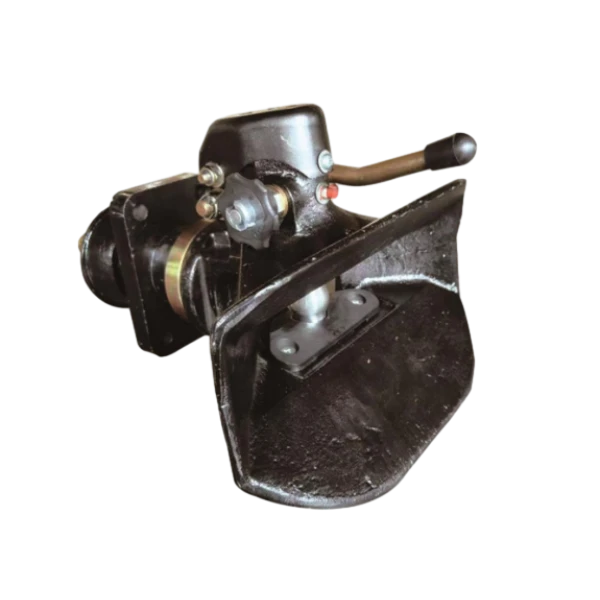 Trailer Coupling
The trailer coupling is a critical component in vehicle towing systems, designed to ensure a secure and efficient connection between a towing vehicle and a trailer. These couplings are manufactured using high-strength carbon steel, alloy steel, or stainless steel, ensuring durability and resistance to heavy loads and harsh environments.
-
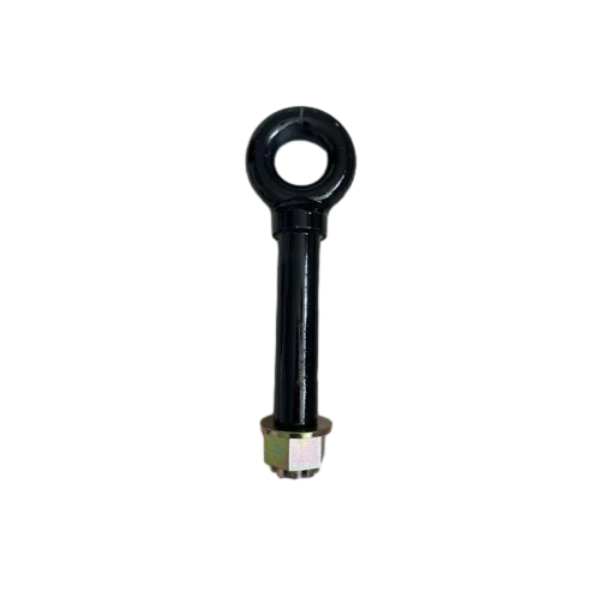 Drawbar Eyes
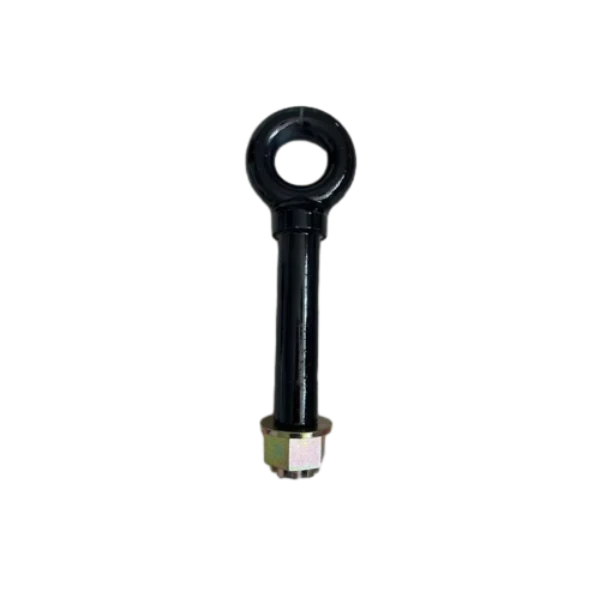
Drawbar eyes are essential components in towing and hauling applications, providing a strong and secure attachment point between the trailer and the towing vehicle. They are designed to endure extreme pulling forces, making them suitable for heavy-duty applications.
-
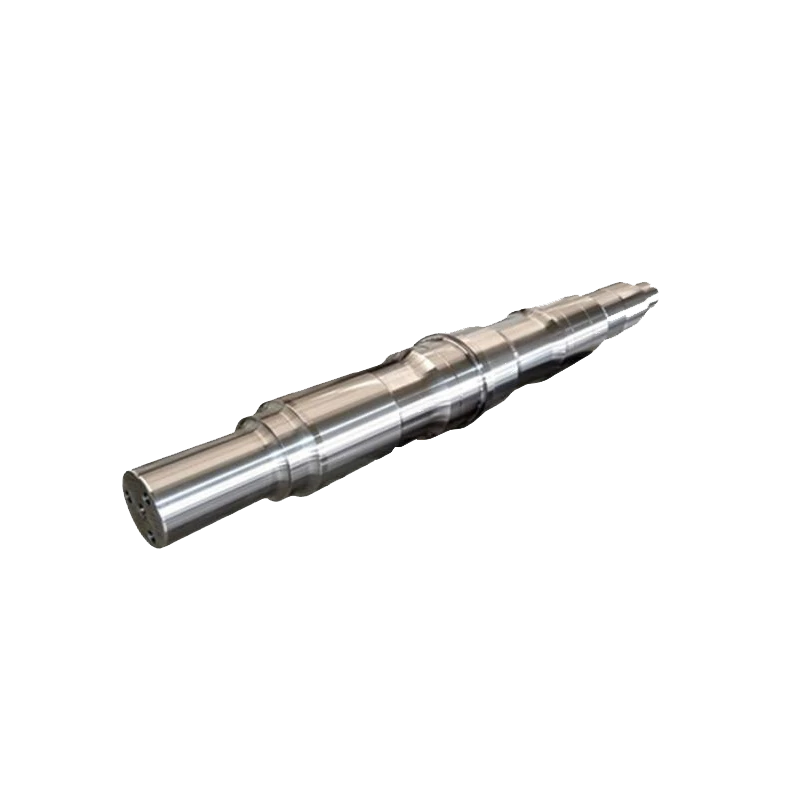 Axles
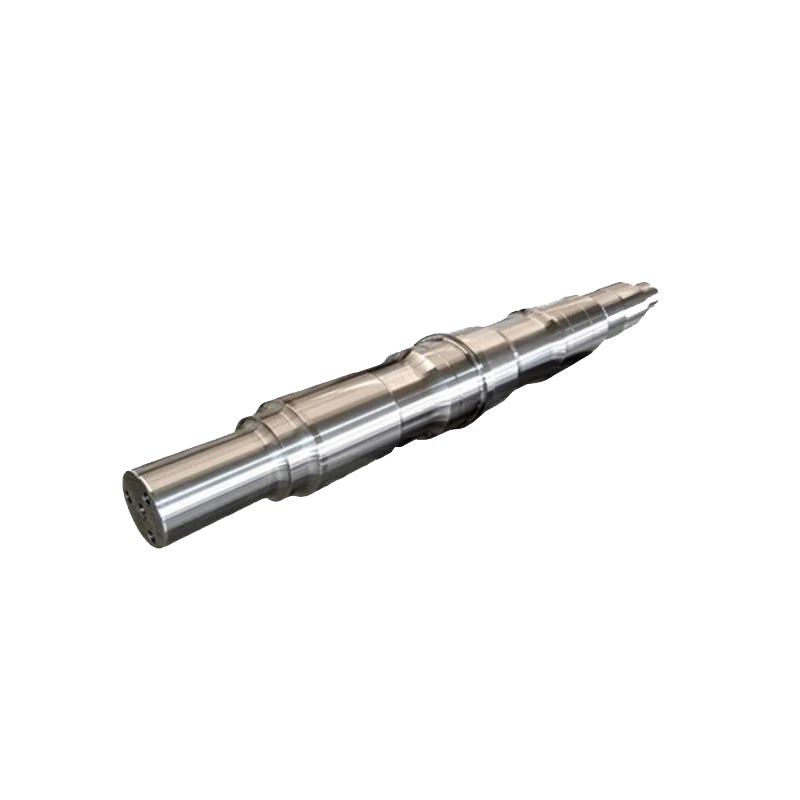
AxlesAxles are essential for vehicle load-bearing and power transmission, ensuring smooth movement and weight distribution. They must withstand high stress, torque, and impact, making material selection and precise manufacturing crucial.
-
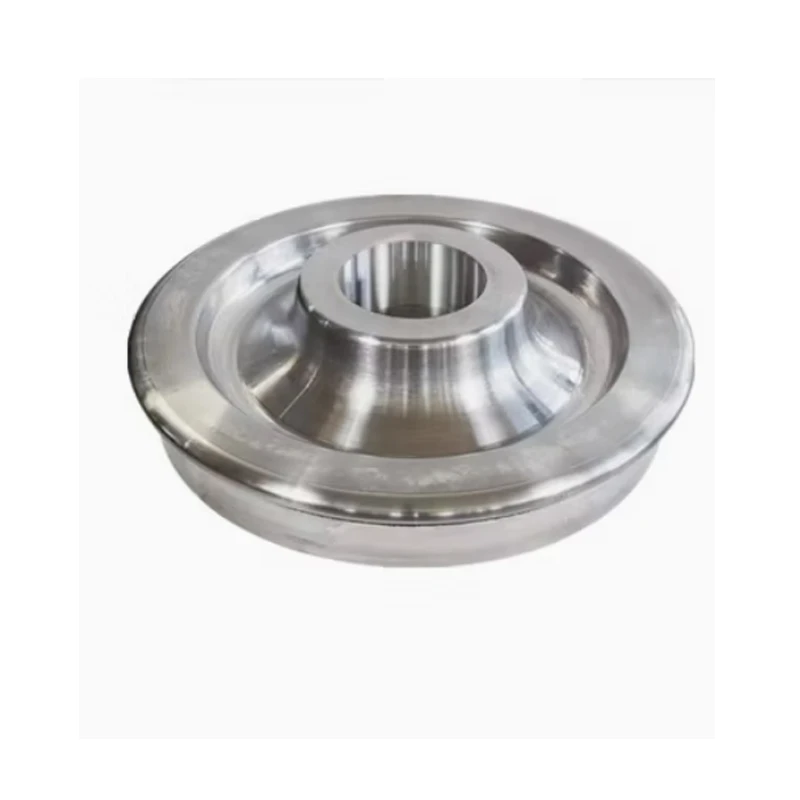 Profile S1002 Series Rail Wheels
The S1002 series rail wheels are designed for Rail-Road Vehicles (RRVs) that require seamless operation on both roads and railway tracks. Engineered with high precision and durability, these wheels conform to S1002 tread profiles, ensuring compatibility with standard railway systems.
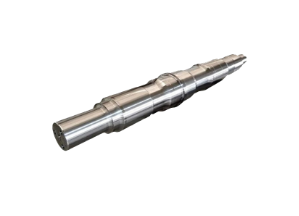
A Comprehensive Guide to Axles Types for Industry Decision Makers | Manufacturing Base
Axles Types is a key solution in the industry, specifically within heavy machinery and transportation sectors. This article explores how https://www.manufacturing-base.com supports professionals with durable, high-performance products
>
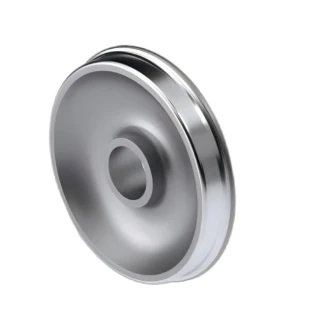
Reliable Rail Wheels: Optimize Your Rail Transport Solutions
For industries that rely on rail-based vehicles, choosing the right rail wheels is essential for smooth operations and safety.
>
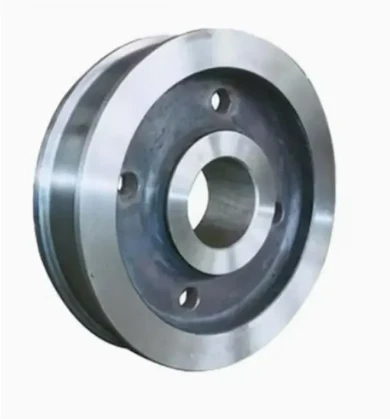
Premium Overhead Crane Wheels For Sale: Enhance Industrial Lifting Efficiency
In modern industrial operations, high-quality overhead crane wheels for sale are essential for safe, reliable, and efficient lifting.
>
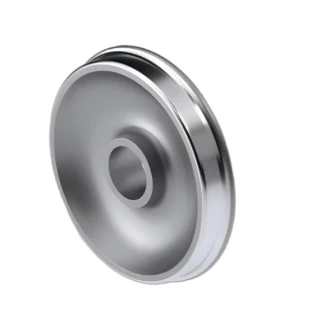
Premium Hi Rail Wheels For Sale: Boost Rail Vehicle Performance
In the modern industrial and railway sectors, having reliable hi rail wheels for sale is essential for operational efficiency and safety.
>
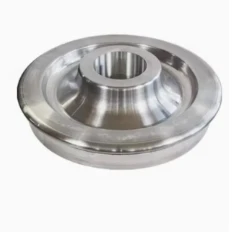
High-Quality Hi Rail Wheels For Sale: Enhance Your Rail Equipment Efficiency
When it comes to reliable rail maintenance and industrial operations, investing in hi rail wheels for sale is crucial.
>
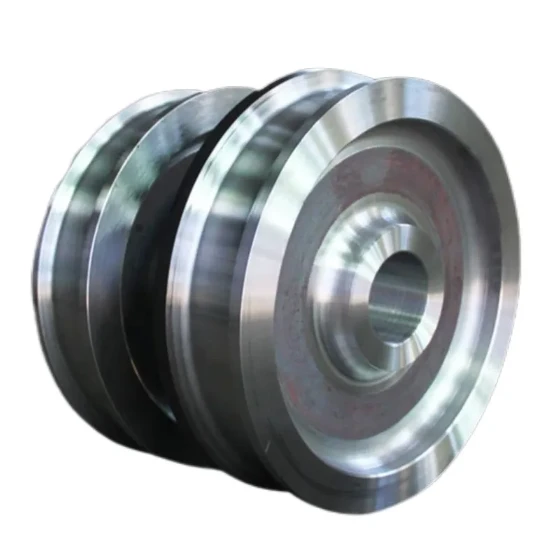
High-Quality Crane Wheels For Sale: Enhance Your Crane Operations
For industries relying on heavy lifting and material handling, investing in high-quality crane wheels for sale is crucial.
>
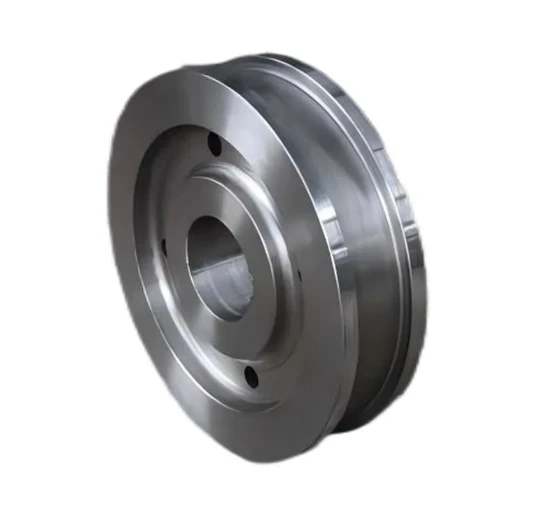
Durable Gantry Crane Wheels For Sale: Maximize Lifting Efficiency
For industries relying on heavy-duty lifting and material handling, selecting the right gantry crane wheels for sale is vital.
>
Reliable Tandem Drive Axles for Heavy-Duty Industrial Vehicles
Tandem Drive Axles: What I’ve Learned After Years in the Industrial Equipment Sector Ha
>
Reliable Semi Trailer Axles for Heavy-Duty Trailers | Expert Insight
Understanding semi trailer axles: The Backbone of Heavy Hauling Having spent more than a deca
>
RC Portal Axles: Industrial Strength and Custom Performance
RC Portal Axles: A Veteran’s Take on Industrial-Grade Performance Having spent over a d
>
Engineered for Excellence
Our forged solutions deliver reliability and performance, powering demanding industries to keep operations running smoothly.

Sign up
for Newsletter
Subscribe to the weekly newsletter for all the latest updates