- Tel: +86 311 82620404
- Cell: 86 -13739710551
- Email: sales@potentia.cn

Comprehensive Guide to Trailer Coupling Preparation for Safer Transport
Understanding Trailer Coupling Preparation: Why It Matters Worldwide
At first glance, trailer coupling preparation might sound like a niche technical term, but its implications ripple far beyond the workshop floor. Essentially, this process gets trailers and their towing vehicles ready to connect safely and efficiently—an operation vital to global logistics, emergency response, and even infrastructure projects. Given the sheer volume of goods and equipment moved daily by road, proper coupling means safer transport, fewer delays, and ultimately, less waste of time and resources.
From moving heavy machinery in Asia’s booming construction sectors to streamlining humanitarian aid convoys in disaster-hit regions, trailer coupling preparation often acts as the first domino in a cascade of efficiency. This article digs into what it involves, why it’s increasingly important, and how businesses and organizations can benefit from mastering it.
The Global Context: Why Trailer Coupling Preparation Is a Worldwide Concern
The United Nations reports that over 70% of global freight is transported by road at some point in its journey. Within this, trailers—those ubiquitous detachable units—play a huge role. Getting the coupling right is not just about connecting hitch to hook; it’s about safety and legal compliance wherever you travel. The International Organization for Standardization (ISO) has established guidelines for trailer connections to help maintain consistency and safety globally.
However, the industry still wrestles with challenges. Improper coupling accounts for a significant number of roadside accidents worldwide. Additionally, in remote or disaster-prone regions where infrastructure is fragile, efficient coupling preparation supports rapid deployment of relief and logistics operations.
In other words: when coupling goes well, everything rolls smoothly — but when it doesn’t, risks multiply, and entire supply chains can falter.
What Exactly Is Trailer Coupling Preparation?
In straightforward terms, trailer coupling preparation involves the processes and checks conducted to ensure that a trailer and its towing vehicle can connect, communicate, and secure safely before movement. This includes:
- Inspecting mechanical parts such as the kingpin, locking jaws, and drawbar eye.
- Ensuring proper electrical connections for lighting and braking systems.
- Verifying weight distribution and secure fastening.
- Checking compatibility according to trailer and truck designs and standards.
This preparation is not merely a mechanical technicality but is tied deeply to modern industry needs for safety, regulatory compliance, and operational efficiency.
Core Components of Effective Trailer Coupling Preparation
1. Mechanical Integrity
Ensuring components like the fifth wheel, kingpin, and locking mechanisms are free from wear and function perfectly. I’ve noticed many engineers stress that neglect here leads to one of the most common failures on the road.
2. Electrical Systems Check
Trailer lighting and braking systems rely on stable electrical connections. A faulty plug or socket can cause brake lights to fail or ABS systems to malfunction, increasing accident risk.
3. Weight and Balance Verification
Correct weight distribution is crucial for vehicle stability and tire life. Poor loading compromises safety during transport and can cause premature wear or expensive breakdowns down the line.
4. Compliance with Standards
Different countries or regions have varied rules on coupling types, safety checks, and certifications. Staying compliant avoids costly fines and operational stoppages.
5. Documentation and Traceability
Keeping detailed records of maintenance and preparation helps companies track performance and liability, which comes in handy especially during audits or after incidents.
Mini takeaway: Covering each core component systematically is the unsung backbone that turns a trailer coupling from guesswork into reliable, repeatable success.
Global Applications and Real-World Examples
Trailer coupling preparation is everywhere, but some applications stand out particularly—especially where reliability under pressure matters most.
- Post-Disaster Relief Operations: In earthquake-hit zones of South Asia, relief convoys rely on rapid coupling preparation to attach medical and food supply trailers quickly, facilitating lifesaving deliveries.
- Mining and Heavy Industry: Remote industrial zones in Australia and Canada use robust coupling protocols to transport heavy equipment safely over rough terrain to sites otherwise inaccessible.
- Urban Logistics Hubs: Europe’s urban freight carriers increasingly depend on modular trailers that attach and detach swiftly to optimize last-mile deliveries with minimal downtime.
Mini takeaway: The broad adaptability of trailer coupling prep proves it’s not just a technical chore, but a critical enabler of efficiency worldwide.
Advantages and Long-Term Value of Trailer Coupling Preparation
Aside from obvious safety benefits, there’s a deeper, more lasting value here:
- Cost Efficiency: Avoiding damages and costly downtime can save firms thousands annually.
- Sustainability: Proper maintenance extends equipment life, reducing waste and manufacturing footprint.
- Trust and Reputation: Reliable equipment builds client confidence—especially when deliveries are time-sensitive.
- Innovative Edge: Embracing digital tracking and standardization can differentiate companies in competitive markets.
Really, trailer coupling prep ties together logic and emotion. It’s about protecting investments but also the people involved — operators, drivers, and families relying on safe transport.
Future Trends and Emerging Innovations
Trailer coupling is evolving rapidly. Here’s where the industry is heading:
- Smart Couplings: Sensors now monitor connection health and alert drivers if any component loosens or malfunctions.
- Lightweight Materials: Carbon fiber and advanced alloys reduce trailer weight to improve fuel economy without sacrificing strength.
- Automation and Robotics: Automated docking systems help reduce human error in coupling operations and speed turnaround.
- Green Energy: Integration with electric and hydrogen-powered trucks demands new electrical coupling standards to match diverse powertrains.
Challenges and Practical Solutions
Despite advances, the sector faces hurdles:
- Lack of Standardization: Diverse global standards can confuse operators and complicate international logistics.
- Training Gaps: Not all technicians get comprehensive instruction, leading to inconsistent preparation quality.
- Equipment Wear: Harsh environments accelerate deterioration—but scheduled predictive maintenance can catch issues before failure.
Experts recommend adopting digital checklists, enhanced staff training, and investing in quality materials and sensors to help overcome these obstacles.
Practical FAQ About Trailer Coupling Preparation
Q1: How often should trailer coupling components be inspected?
A: Ideally, inspections occur before every trip, focusing on mechanical locking components, electrical connections, and safety chains. Regular scheduled maintenance every 6-12 months complements these daily checks to ensure long-term reliability.
Q2: What common mistakes lead to coupling failures?
A: Skipping lubrication, ignoring wear signs on the kingpin or fifth wheel, faulty electrical plugs, or mismatched equipment can all cause failures. Training operators on thorough preparation reduces these risks significantly.
Q3: Can trailer coupling preparation improve fuel efficiency?
A: Absolutely. Well-prepared trailer connections ensure proper load distribution and minimize drag, improving fuel economy and reducing emissions, especially important with rising fuel costs and environmental concerns.
Q4: Is it complex to comply with international standards?
A: It can be a challenge, but most manufacturers and logistics companies work with standards like ISO 1726 and regional regulations. Partnering with certified vendors and consultants simplifies compliance.
Q5: Are there eco-friendly trailer coupling materials available?
A: Yes—advanced composites and recyclable alloys are gaining traction, balancing durability with greener manufacturing processes.
Practical Product Specification Example: Heavy-Duty Trailer Coupling System
| Specification | Detail |
|---|---|
| Material | Hardened steel with anti-corrosion coating |
| Max Load Capacity | 35,000 kg (77,000 lbs) |
| Electrical Connections | 12-pin ISO standard plug with ABS integration |
| Safety Features | Automatic locking jaws and emergency breakaway cable |
| Operating Temperature | -40°C to +70°C (-40°F to +158°F) |
Vendor Comparison: Top Trailer Coupling Solutions
| Vendor | Strength | Price Range | Special Feature |
|---|---|---|---|
| MaxiCouple Inc. | Robust build, high compatibility | $$$ | Smart sensor integration |
| ConnectPro Systems | Affordable, reliable on standard trailers | $$ | Fast coupling mechanisms |
| SafeLink Technologies | Highest safety features, premium materials | $$$$ | Automated locking & diagnostics |
Wrapping Up: Why Trailer Coupling Preparation Should Be Your Priority
So here we are — trailer coupling preparation: a quiet hero in the background of every successful road transport. It’s more than mechanical hook-up; it’s a blend of safety, compliance, and foresight that millions depend on, sometimes without knowing. Given the future trends toward smarter, greener, and more automated transport, investing time and resources in solid coupling preparation isn't just smart—it's essential.
Curious to see how you can upgrade your processes or explore top-rated products? Visit our trailer coupling preparation hub for in-depth resources, specs, and vendor contacts.
Parting thought: A strong connection between trailer and truck can carry more than cargo; it carries trust across distances and industries alike.
References & Further Reading
-
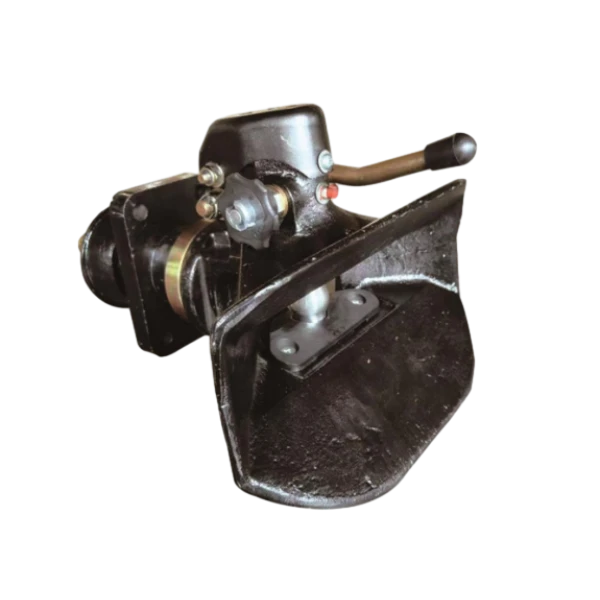 Trailer Coupling
The trailer coupling is a critical component in vehicle towing systems, designed to ensure a secure and efficient connection between a towing vehicle and a trailer. These couplings are manufactured using high-strength carbon steel, alloy steel, or stainless steel, ensuring durability and resistance to heavy loads and harsh environments.
-
 Drawbar Eyes
Drawbar eyes are essential components in towing and hauling applications, providing a strong and secure attachment point between the trailer and the towing vehicle. They are designed to endure extreme pulling forces, making them suitable for heavy-duty applications.
-
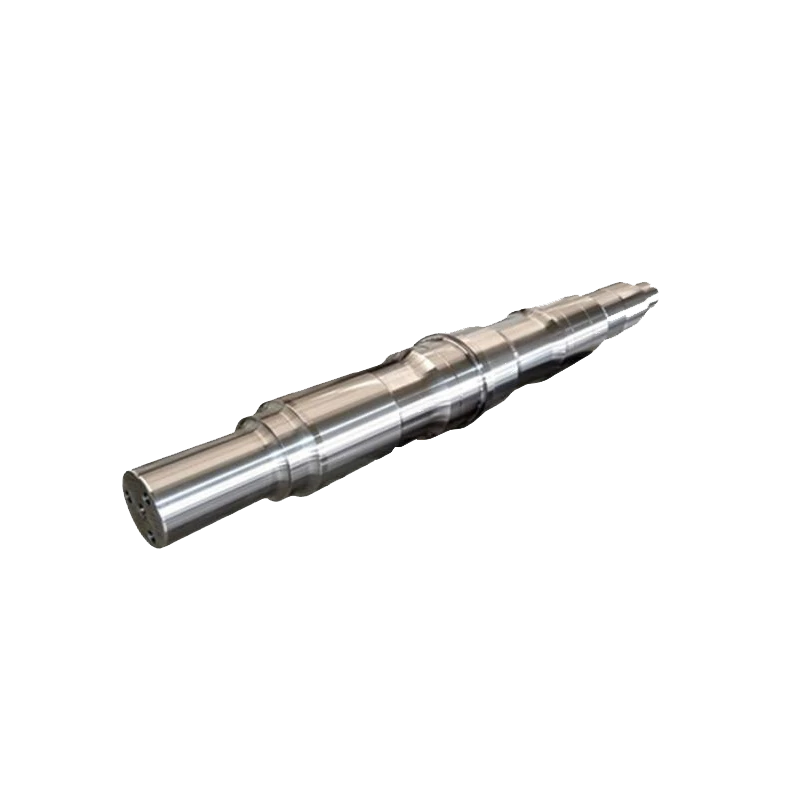 Axles
AxlesAxles are essential for vehicle load-bearing and power transmission, ensuring smooth movement and weight distribution. They must withstand high stress, torque, and impact, making material selection and precise manufacturing crucial.
-
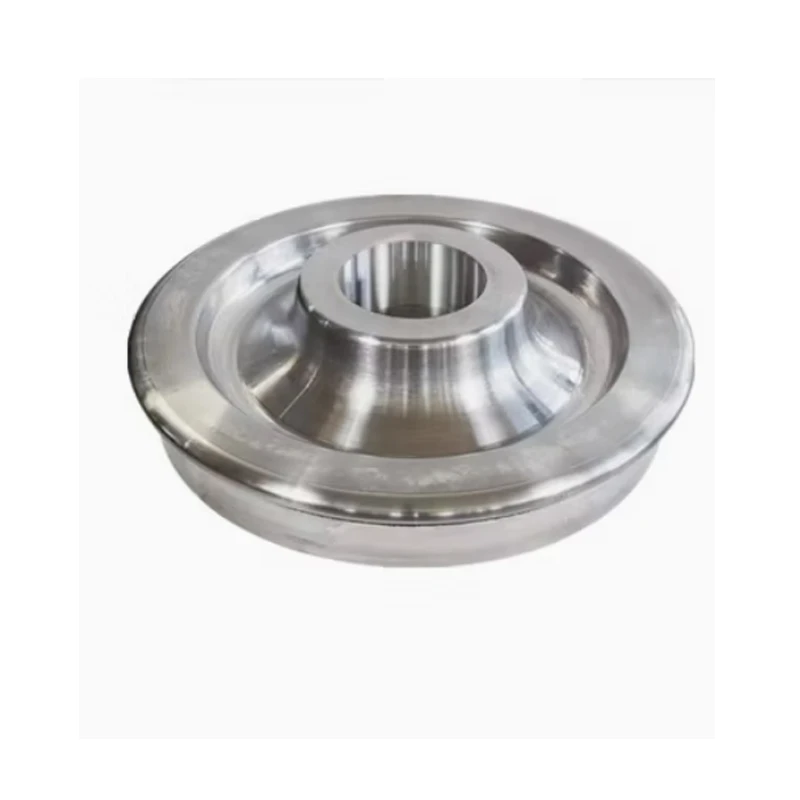 Profile S1002 Series Rail Wheels
The S1002 series rail wheels are designed for Rail-Road Vehicles (RRVs) that require seamless operation on both roads and railway tracks. Engineered with high precision and durability, these wheels conform to S1002 tread profiles, ensuring compatibility with standard railway systems.
A Comprehensive Guide to Axles Types for Industry Decision Makers | Manufacturing Base
Axles Types is a key solution in the industry, specifically within heavy machinery and transportation sectors. This article explores how https://www.manufacturing-base.com supports professionals with durable, high-performance products
>
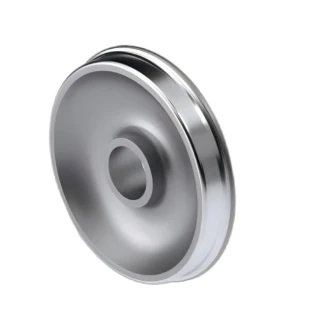
Reliable Rail Wheels: Optimize Your Rail Transport Solutions
For industries that rely on rail-based vehicles, choosing the right rail wheels is essential for smooth operations and safety.
>
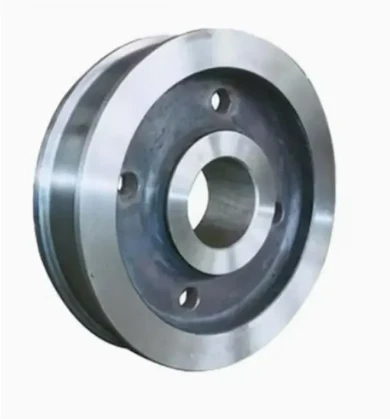
Premium Overhead Crane Wheels For Sale: Enhance Industrial Lifting Efficiency
In modern industrial operations, high-quality overhead crane wheels for sale are essential for safe, reliable, and efficient lifting.
>
Premium Hi Rail Wheels For Sale: Boost Rail Vehicle Performance
In the modern industrial and railway sectors, having reliable hi rail wheels for sale is essential for operational efficiency and safety.
>
High-Quality Hi Rail Wheels For Sale: Enhance Your Rail Equipment Efficiency
When it comes to reliable rail maintenance and industrial operations, investing in hi rail wheels for sale is crucial.
>
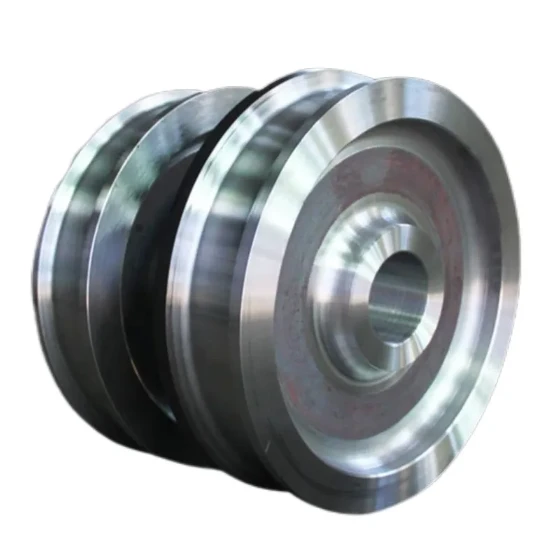
High-Quality Crane Wheels For Sale: Enhance Your Crane Operations
For industries relying on heavy lifting and material handling, investing in high-quality crane wheels for sale is crucial.
>
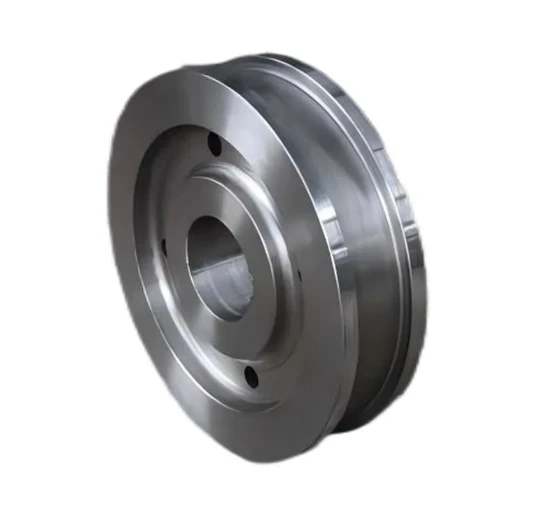
Durable Gantry Crane Wheels For Sale: Maximize Lifting Efficiency
For industries relying on heavy-duty lifting and material handling, selecting the right gantry crane wheels for sale is vital.
>
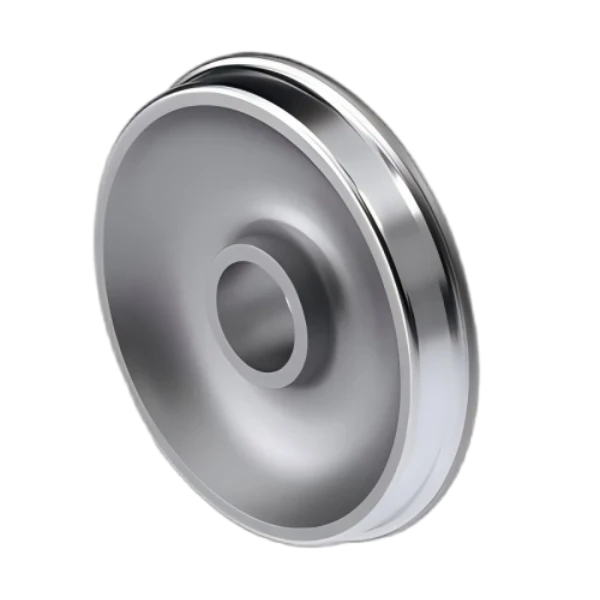
Reliable Tandem Drive Axles for Heavy-Duty Industrial Vehicles
Tandem Drive Axles: What I’ve Learned After Years in the Industrial Equipment Sector Ha
>

Reliable Semi Trailer Axles for Heavy-Duty Trailers | Expert Insight
Understanding semi trailer axles: The Backbone of Heavy Hauling Having spent more than a deca
>
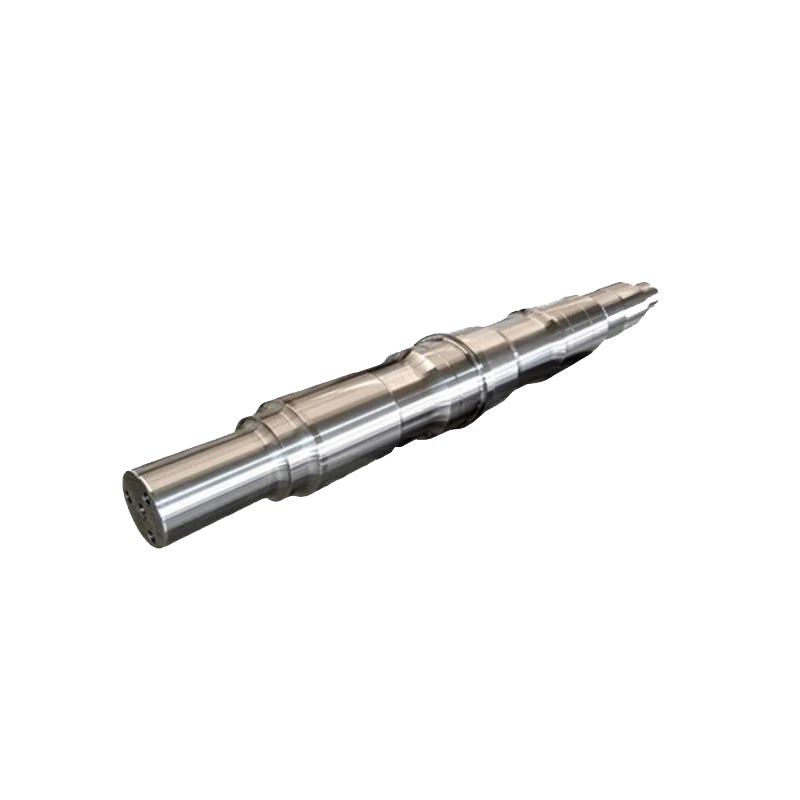
RC Portal Axles: Industrial Strength and Custom Performance
RC Portal Axles: A Veteran’s Take on Industrial-Grade Performance Having spent over a d
>
Engineered for Excellence
Our forged solutions deliver reliability and performance, powering demanding industries to keep operations running smoothly.

Sign up
for Newsletter
Subscribe to the weekly newsletter for all the latest updates