- Tel: +86 311 82620404
- Cell: 86 -13739710551
- Email: sales@potentia.cn

Comprehensive Guide to Semi Trailer Axles: Design, Applications, and Innovations
Semi Trailer Axles: The Backbone of Heavy Transport
When you think about heavy-duty transport—the mammoth rigs hauling goods across continents—you’re really thinking about one of the unsung heroes of logistics: semi trailer axles. These essential mechanical components are what literally bear the weight of the cargo, ensuring vehicles move safely and efficiently. Understanding their importance isn’t just technical trivia; it matters globally. Transport makes modern industry tick and keeps supply chains running smoothly, which in turn underpins economies, humanitarian aid, and day-to-day life around the world.
Introduction: Why Semi Trailer Axles Matter Globally
It might surprise some that nearly 90% of overland freight worldwide depends on trailer-based transport, relying heavily on the robust design of axles to keep everything rolling (World Bank, 2022). Semi trailer axles play a critical role in shipping construction materials, food supplies, industrial equipment, and even emergency relief goods. Yet, there are challenges: ensuring axle durability without excessive weight, adapting for varied road and weather conditions, and meeting stringent safety regulations.
Oddly enough, while engines and GPS get tons of attention, axles quietly bear the brunt. That’s why investing time to understand axles—what they do, how they vary, and which features matter—is more than just jargon for engineers; it’s foundational knowledge for anyone in logistics, manufacturing, or industrial design.
What Exactly Are Semi Trailer Axles?
Simply put, a semi trailer axle is the shaft or assembly connecting the wheels to the trailer, enabling rotational movement and supporting the weight of the trailer load. These axles must be strong yet flexible enough to handle uneven terrain, load stresses, and braking forces. They’re integral in modern industry—from massive shipping hubs in Asia to remote mining sites in Australia. They also feature prominently in humanitarian logistics, helping aid workers deliver supplies swiftly across difficult terrain.
Key Factors of Semi Trailer Axles
Durability
Axles must withstand intense mechanical stresses and harsh environments—from gravel roads to salted winter highways. Manufacturers often use high-grade steel alloys treated with heat or coatings to resist corrosion. Durability directly means fewer breakdowns and maintenance costs.
Load Capacity
Depending on the trailer type and intended cargo weight, axles come rated for different capacities—typically ranging from 6 tons per axle up to 12 tons or more. Matching axle rating to freight needs is critical for safety and compliance with international transport laws.
Weight & Design Efficiency
Engineers strive to keep axle weight low to improve fuel efficiency. Lightweight designs use advanced materials or hollow shafts while retaining strength. This kind of optimization helps reduce the environmental footprint over thousands of shipping miles.
Brake Integration
Some axles come with integrated braking systems—disc or drum brakes—that assist in safe slowing and emergency stops. Brakes must be reliable and easy to maintain, especially in high-load shipping scenarios.
Suspension Compatibility
The axle must work hand-in-hand with the trailer’s suspension system—be it air or spring suspensions—to provide stability and comfort during transit, protecting cargo from damage.
Specifications of Typical Semi Trailer Axles
| Specification | Typical Range |
|---|---|
| Load Capacity per Axle | 6–12 tons |
| Materials | Heat-treated steel alloys |
| Brake Types | Disc or drum brakes |
| Suspension Compatibility | Air and spring suspension |
| Weight (approx.) | 180–350 kg |
Global Applications & Use Cases of Semi Trailer Axles
These axles see varied deployment worldwide. In North America and Europe, semi trailer axles are foundational for long-haul freight, transporting across vast highway networks. In burgeoning industrial areas of Asia, they are vital for construction material supply and heavy machinery transport.
In humanitarian efforts, organizations rely on rugged semi trailer axles to deliver food, medicine, and shelter materials to disaster zones where infrastructure has collapsed. For instance, during the 2020 floods in Southeast Asia, aid convoys equipped with specially reinforced axles navigated treacherous roads to bring relief. Similarly, remote mining zones in South America depend on durable axle assemblies to support heavy loads through rough terrain.
You can read further about transportation logistics and component sourcing at semi trailer axles.
Vendor Comparison for Semi Trailer Axles
| Vendor | Load Capacity | Materials | Brake Options | Price Range (USD) |
|---|---|---|---|---|
| AxleCo | 8-12 tons | Heat-treated steel | Disc & Drum | $1,200–$2,000 |
| GlobalAxle | 6-10 tons | Alloy steel + coating | Drum only | $900–$1,600 |
| TransLoad | 7-11 tons | Steel alloy + corrosion resistance | Disc brakes only | $1,100–$1,900 |
Advantages & Long-Term Value of Investing in Quality Axles
For operators, investing in quality semi trailer axles pays dividends. There's the clear financial upside—lower maintenance costs and fewer breakdowns, which means less downtime and more reliable delivery schedules. Plus, properly rated axles reduce wear on tires and suspension, prolonging the life of the entire trailer.
From a sustainability standpoint, lighter axles conserve fuel during transit, cutting emissions. And safety? Well, trust me, a well-engineered axle with integrated reliable braking can be the difference between smooth stops and catastrophic failures on the road. For cargo handlers and truck drivers alike, this adds peace of mind and dignity, knowing the machine beneath their feet is up to the task.
Future Trends: What's Next for Semi Trailer Axles?
Manufacturers are tinkering with composite materials that balance strength and weight even better than traditional steel. There's also a digital push—sensor-equipped axles that monitor stress, temperature, and wear in real-time, feeding data to fleet managers to anticipate maintenance.
Green energy initiatives are influencing axle design too. Lighter axles improve electric heavy transport range, which is gaining traction. Autonomous vehicles could demand new axle specs tailored to different load dynamics. It feels like the humble axle is quietly entering a high-tech renaissance.
Challenges & Solutions in the Industry
Of course, no technology is without trade-offs. For semi trailer axles, balancing weight reduction with durability is tricky. Some advanced materials drive up costs, which can deter smaller companies. Also, variant road regulations across countries create compliance headaches.
Industry experts suggest modular axle designs for easier repairs, plus enhancing international standards to harmonize production. Meanwhile, companies like semi trailer axles suppliers continue innovating to offer customizable options tailored to different terrains and uses.
FAQ: Frequently Asked Questions About Semi Trailer Axles
- Q: What is the typical lifespan of a semi trailer axle?
A: Depending on use and maintenance, semi trailer axles generally last 10-15 years, but regular inspections and proper lubrication can extend this. Harsh environments or overloaded use shorten lifespan. - Q: How do I choose the right axle for my trailer?
A: Consider your maximum load, terrain, brake compatibility, and suspension type. Consulting with a trusted supplier and reviewing specs can help match axle capacity and features to your needs. - Q: Can axle upgrades improve fuel efficiency?
A: Yes, lighter axles reduce overall vehicle weight, improving fuel consumption. Some modern axles also reduce rolling resistance, contributing further to efficiency - Q: Are integrated brakes better than aftermarket brake kits?
A: Integrated braking systems designed specifically for the axle often offer better reliability and easier maintenance than aftermarket add-ons, but decisions depend on budget and application. - Q: How do regulations affect axle selection?
A: International transport laws regulate axle load limits and braking systems for safety. Compliance ensures legal operation and reduces road damage. It's essential to verify local and route-specific rules.
Conclusion
Semi trailer axles might not be the flashiest component of heavy transport, but their role is indisputably pivotal. Their design affects safety, efficiency, and the very ability to move goods – whether across bustling highways or challenging terrain. As technology advances and sustainability matters grow, buying the right axles today will keep fleets ahead tomorrow. Curious? Visit our website to explore more about semi trailer axles, specs, vendors, and innovations.
Mini takeaway: A well-chosen semi trailer axle isn’t just about transportation; it’s the quiet foundation of a thriving global supply chain.
References
-
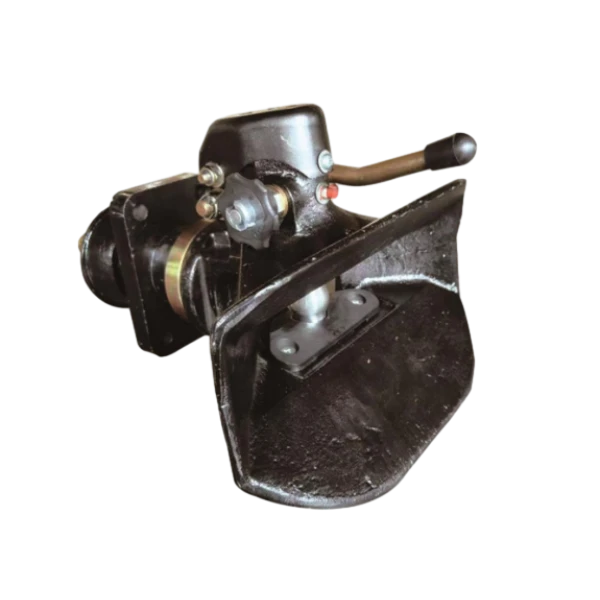 Trailer Coupling
The trailer coupling is a critical component in vehicle towing systems, designed to ensure a secure and efficient connection between a towing vehicle and a trailer. These couplings are manufactured using high-strength carbon steel, alloy steel, or stainless steel, ensuring durability and resistance to heavy loads and harsh environments.
-
 Drawbar Eyes
Drawbar eyes are essential components in towing and hauling applications, providing a strong and secure attachment point between the trailer and the towing vehicle. They are designed to endure extreme pulling forces, making them suitable for heavy-duty applications.
-
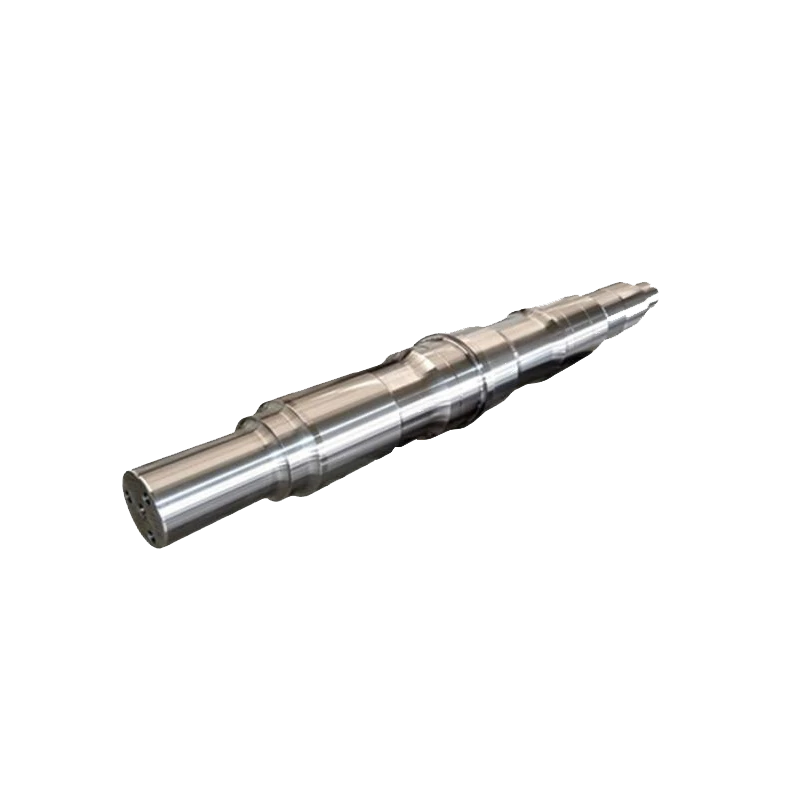 Axles
AxlesAxles are essential for vehicle load-bearing and power transmission, ensuring smooth movement and weight distribution. They must withstand high stress, torque, and impact, making material selection and precise manufacturing crucial.
-
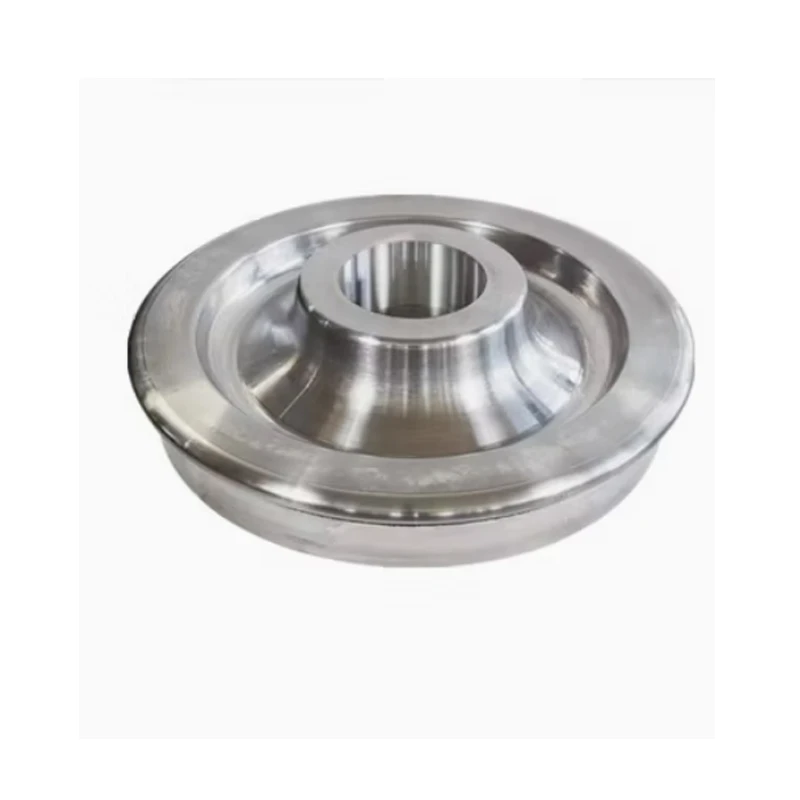 Profile S1002 Series Rail Wheels
The S1002 series rail wheels are designed for Rail-Road Vehicles (RRVs) that require seamless operation on both roads and railway tracks. Engineered with high precision and durability, these wheels conform to S1002 tread profiles, ensuring compatibility with standard railway systems.
A Comprehensive Guide to Axles Types for Industry Decision Makers | Manufacturing Base
Axles Types is a key solution in the industry, specifically within heavy machinery and transportation sectors. This article explores how https://www.manufacturing-base.com supports professionals with durable, high-performance products
>
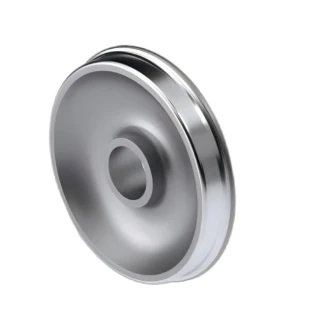
Reliable Rail Wheels: Optimize Your Rail Transport Solutions
For industries that rely on rail-based vehicles, choosing the right rail wheels is essential for smooth operations and safety.
>
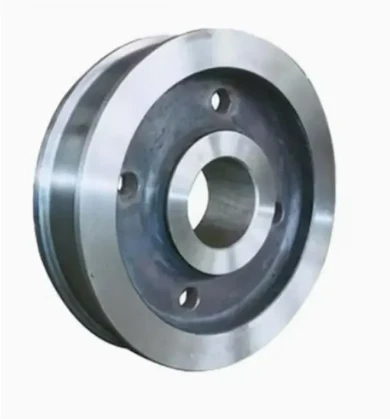
Premium Overhead Crane Wheels For Sale: Enhance Industrial Lifting Efficiency
In modern industrial operations, high-quality overhead crane wheels for sale are essential for safe, reliable, and efficient lifting.
>
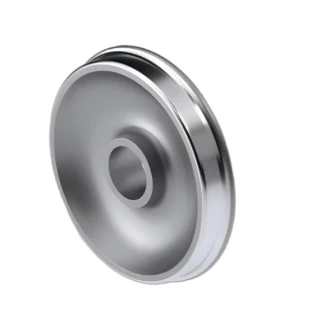
Premium Hi Rail Wheels For Sale: Boost Rail Vehicle Performance
In the modern industrial and railway sectors, having reliable hi rail wheels for sale is essential for operational efficiency and safety.
>
High-Quality Hi Rail Wheels For Sale: Enhance Your Rail Equipment Efficiency
When it comes to reliable rail maintenance and industrial operations, investing in hi rail wheels for sale is crucial.
>
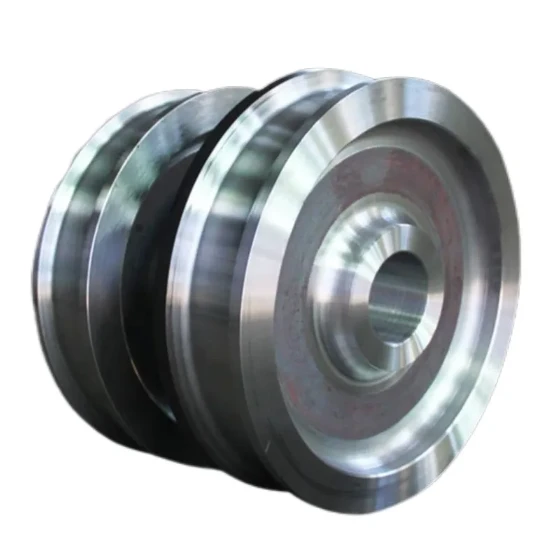
High-Quality Crane Wheels For Sale: Enhance Your Crane Operations
For industries relying on heavy lifting and material handling, investing in high-quality crane wheels for sale is crucial.
>
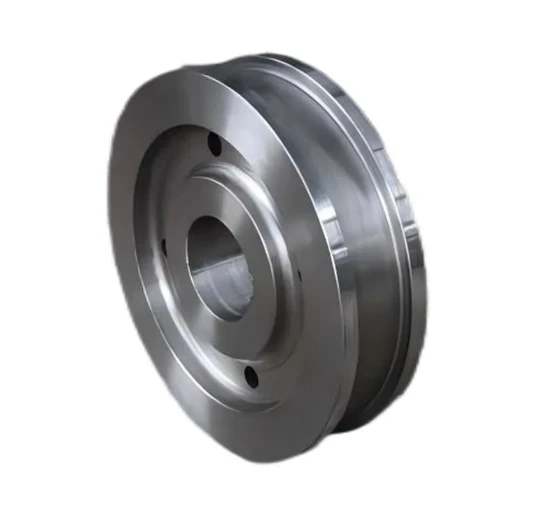
Durable Gantry Crane Wheels For Sale: Maximize Lifting Efficiency
For industries relying on heavy-duty lifting and material handling, selecting the right gantry crane wheels for sale is vital.
>
Reliable Tandem Drive Axles for Heavy-Duty Industrial Vehicles
Tandem Drive Axles: What I’ve Learned After Years in the Industrial Equipment Sector Ha
>

Reliable Semi Trailer Axles for Heavy-Duty Trailers | Expert Insight
Understanding semi trailer axles: The Backbone of Heavy Hauling Having spent more than a deca
>
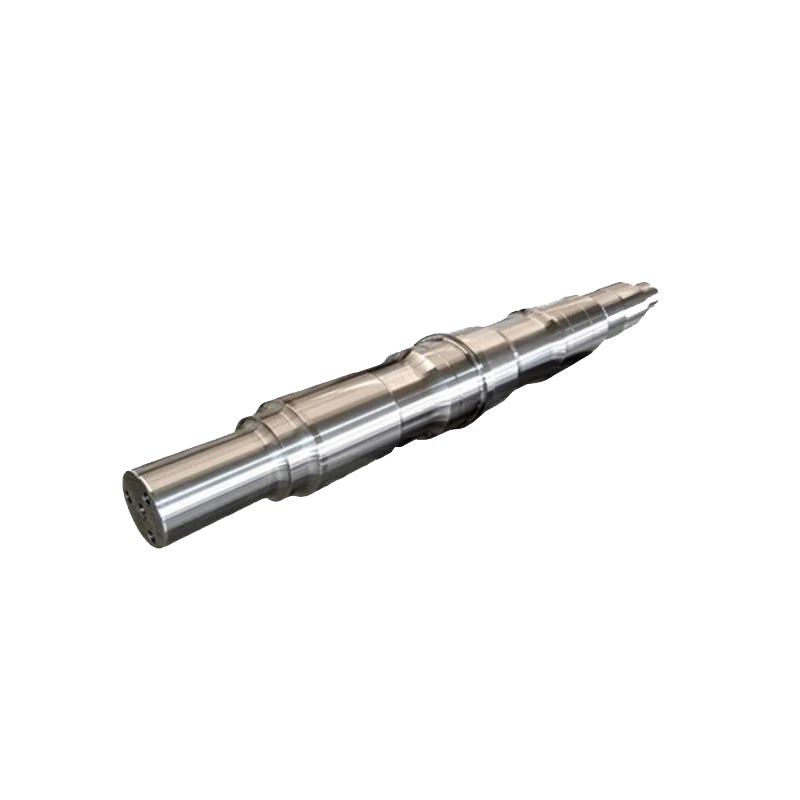
RC Portal Axles: Industrial Strength and Custom Performance
RC Portal Axles: A Veteran’s Take on Industrial-Grade Performance Having spent over a d
>
Engineered for Excellence
Our forged solutions deliver reliability and performance, powering demanding industries to keep operations running smoothly.

Sign up
for Newsletter
Subscribe to the weekly newsletter for all the latest updates