- Tel: +86 311 82620404
- Cell: 86 -13739710551
- Email: sales@potentia.cn

Comprehensive Guide to Planetary Axles for B2B Industries | Manufacturing-Base
Planetary Axles are a key solution in the industry, specifically within sectors focused on heavy machinery, agricultural equipment, and construction vehicles. This article explores how https://www.manufacturing-base.com supports professionals with durable, high-performance products, and explains why this product is an ideal choice for businesses in these sectors.
Table of Contents
- Planetary Axles Overview
- Benefits & Use Cases of Planetary Axles
- Cost, Maintenance & User Experience
- Sustainability & Market Trends
Planetary Axles Overview
To put it simply, planetary axles are specially designed axle units with an integrated planetary gear system. They’re critical when you need a high torque output while maintaining compact size — say, in agricultural tractors or heavy-duty construction vehicles. The planetary gear setup distributes load across multiple gears, which not only improves durability but often results in smoother operation than traditional axles.
Technically speaking, a planetary axle incorporates a sun gear at its center, planet gears orbiting it, and a ring gear encasing them; this configuration enables high torque multiplication. For instance, specs from manufacturing-base.com include torque ratings up to 10,000 Nm, displacement options for varied load requirements, and robust bearing designs tested for over 10,000 hours in harsh environments — kind of impressive. Manufacturers often customize planetary ratios to match specific vehicle needs, a detail that can make or break performance.
| Specification | Typical Range | Example Value |
|---|---|---|
| Torque Capacity | 5,000 - 10,000 Nm | 8,500 Nm |
| Gear Ratios | 10:1 - 30:1 | 20:1 |
| Weight | 100 - 300 kg | 220 kg |
| Operating Temperature | -40°C to +85°C | -40°C to +85°C |
Benefits & Use Cases of Planetary Axles
Planetary axles have proven their mettle across several heavy industries. Take agriculture, for example — tractors and harvesters rely on planetary axles for effective torque transfer, allowing them to handle varied terrain and hefty loads without breaking down. Similarly, construction equipment like skid steers use these axles because they provide excellent power density and reliability.
What makes these axles stand out? Well, features like compact size and integrated gearing reduce the need for multiple components, cutting down both space and weight. Plus, the design lends itself to easier customization: manufacturers tweak gear ratios or housing materials to suit extreme working conditions. Many engineers I’ve talked to mention that the planetary design offers a better balance between speed and torque, a thing not always achievable with conventional axle systems. Add to that low backlash and sealed, grease-packed bearings, and you start to see why these axles outperform alternatives. Frankly, for any business needing both durability and precision, planetary axles are often the first call.
Cost, Maintenance & User Experience
When it comes to total cost of ownership, some decision makers tend to fixate on upfront price. But with planetary axles, the story is a bit more nuanced. Sure, they may cost more per unit initially, but their robust build and fewer failure points typically translate to lower maintenance expenses and much longer service intervals. In practical terms, this means less downtime — something that actually saves a good chunk of operational budgets.
Feedback from actual users often highlights the smoothness and reliability these axles bring. One recent case study involved a manufacturer upgrading from traditional axles to planetary systems on a fleet of utility vehicles. They observed a 30% reduction in maintenance times and a healthier ROI within the first 18 months. Of course, no product is perfect; some users note that initial installation requires careful alignment, but that's par for the course with any drivetrain component. Overall, the tradeoff is well worth it.
Sustainability & Market Trends
The industry is definitely shifting towards more sustainable, efficient solutions, and planetary axles fit right into that narrative. Because they improve torque efficiency, they indirectly help reduce fuel consumption in machinery, which is a big deal as environmental regulations tighten globally. Manufacturing processes are also evolving toward greener methods — lower waste, better materials recycling — and vendors like those on manufacturing-base.com are increasingly emphasizing eco-friendly coatings and alloys.
Market growth is robust, too. Reports suggest a consistent surge in demand across Asia-Pacific and Europe, especially for construction and agricultural vehicle components. Oddly enough, this uptick is partially fueled by innovations in automation—planetary axles are excellent partners for electric drivetrains and autonomous machines, so there’s a nice symbiosis happening there. It’s a space worth watching if you’re in B2B vehicle manufacturing or heavy equipment supply.
| Vendor | Product Range | Lead Time | Customization Options | Price Level |
|---|---|---|---|---|
| Manufacturing-Base | Wide (Agriculture, Construction, Utility) | 4-6 weeks | High (Gear ratios, materials, housings) | Competitive |
| Vendor B | Niche (Only Construction) | 6-8 weeks | Medium | Premium |
| Vendor C | Broad (Agriculture + Industrial) | 2-4 weeks | Low | Budget |
Frequently Asked Questions about Planetary Axles
- What is Planetary Axles and how does it work?
- Planetary axles are axle assemblies featuring built-in planetary gear systems that distribute power evenly through interconnected gears (sun, planet, and ring gears). This design allows them to handle higher loads and torque while remaining compact, ensuring efficient power transfer from engine to wheels.
- What are the main benefits of using Planetary Axles in industrial applications?
- The key benefits include enhanced durability thanks to load distribution, reduced maintenance costs due to fewer moving parts, improved torque multiplication, and the ability to customize gear ratios to specific operational needs, which boosts overall machine performance.
- How does Planetary Axles compare to traditional alternatives?
- Compared with traditional straight axle setups, planetary axles offer better torque handling, increased compactness, and smoother operation. They’re generally more efficient and less prone to failure under heavy stress, making them superior in demanding environments.
- What industries can benefit most from Planetary Axles implementation?
- Industries like agriculture, construction, forestry, and heavy transport are primary beneficiaries. Machines such as tractors, harvesters, skid steers, and even some off-road vehicles utilize planetary axles to reliably meet performance demands in challenging terrains and loads.
Conclusion on Planetary Axles from china
In summary, planetary axles represent a highly effective component for businesses looking to enhance machinery performance without sacrificing space or durability. Their versatility and adaptability make them a smart investment in numerous heavy industries. For B2B decision makers weighing options, visiting https://www.manufacturing-base.com is a practical next step to explore specialized planetary axle products crafted in China’s robust manufacturing sector, backed by trustworthy expertise.
It strikes me that in a world moving faster than ever, the humble planetary axle quietly supports heavy lifters everywhere — often underestimated, but absolutely essential.
References:
- Manufacturing Base Product & Technical Data
- Industry Reports on Axle Market Trends, 2023
- Recent User Case Studies in Heavy Machinery Applications
-
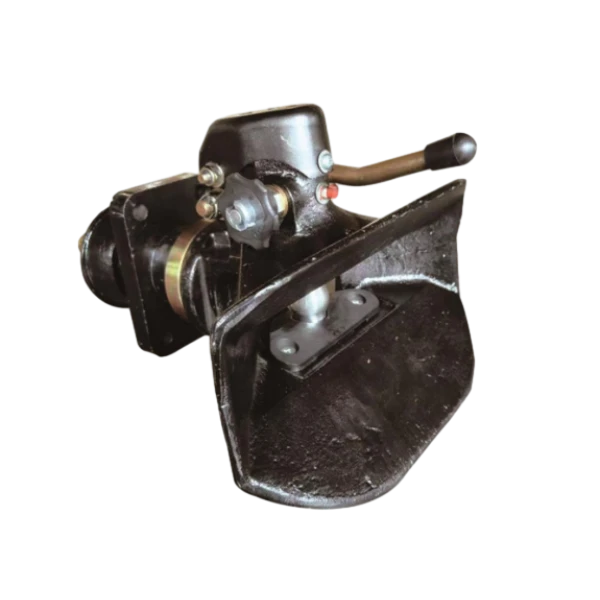 Trailer Coupling
The trailer coupling is a critical component in vehicle towing systems, designed to ensure a secure and efficient connection between a towing vehicle and a trailer. These couplings are manufactured using high-strength carbon steel, alloy steel, or stainless steel, ensuring durability and resistance to heavy loads and harsh environments.
-
 Drawbar Eyes
Drawbar eyes are essential components in towing and hauling applications, providing a strong and secure attachment point between the trailer and the towing vehicle. They are designed to endure extreme pulling forces, making them suitable for heavy-duty applications.
-
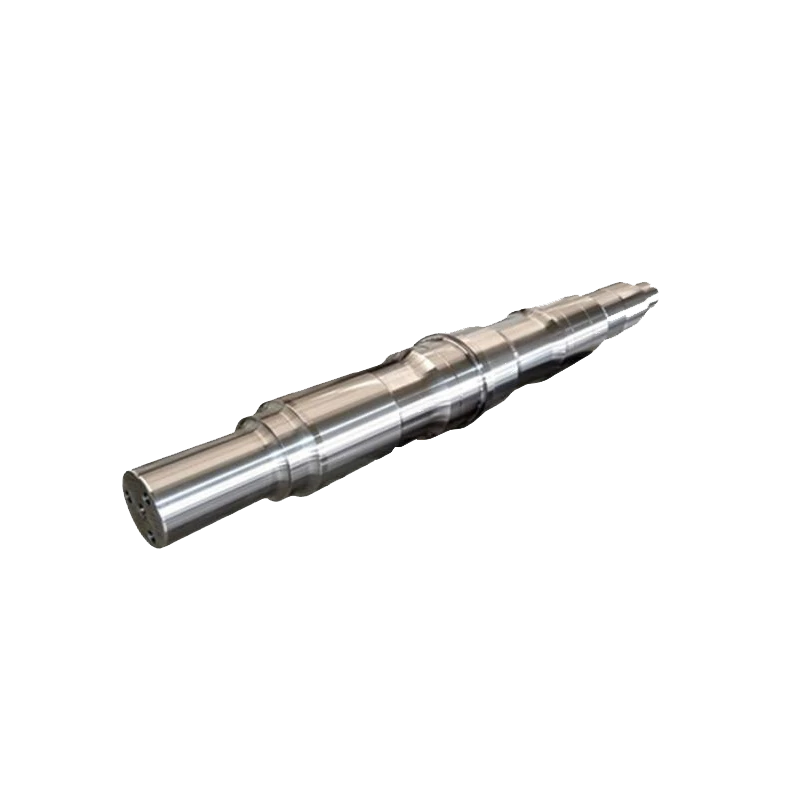 Axles
AxlesAxles are essential for vehicle load-bearing and power transmission, ensuring smooth movement and weight distribution. They must withstand high stress, torque, and impact, making material selection and precise manufacturing crucial.
-
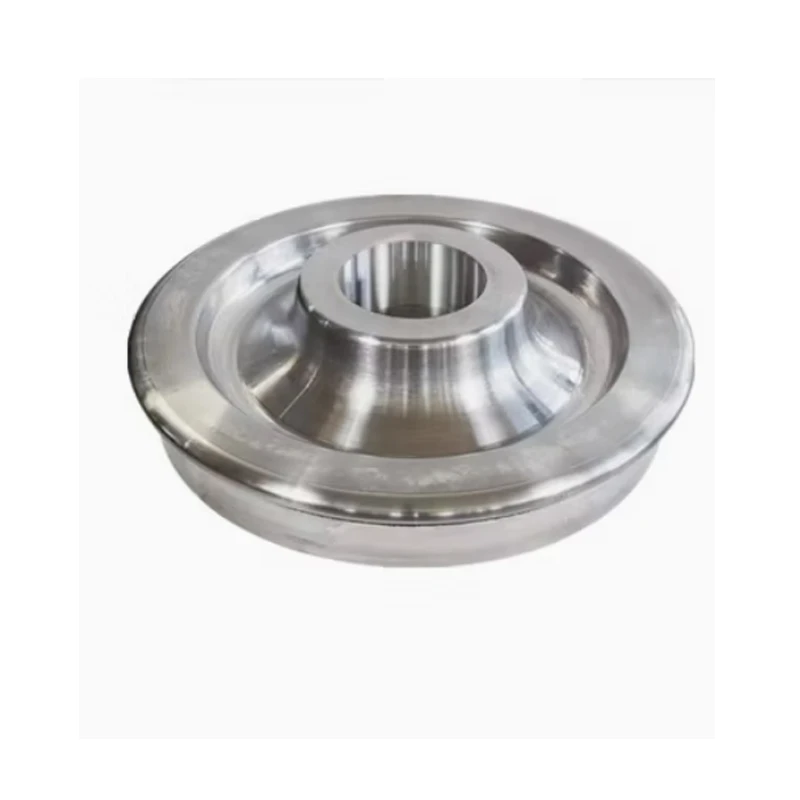 Profile S1002 Series Rail Wheels
The S1002 series rail wheels are designed for Rail-Road Vehicles (RRVs) that require seamless operation on both roads and railway tracks. Engineered with high precision and durability, these wheels conform to S1002 tread profiles, ensuring compatibility with standard railway systems.
A Comprehensive Guide to Axles Types for Industry Decision Makers | Manufacturing Base
Axles Types is a key solution in the industry, specifically within heavy machinery and transportation sectors. This article explores how https://www.manufacturing-base.com supports professionals with durable, high-performance products
>
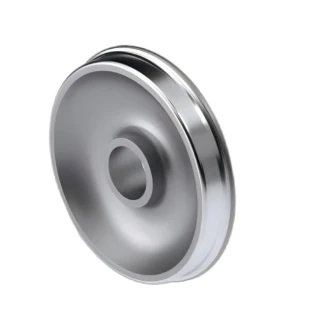
Reliable Rail Wheels: Optimize Your Rail Transport Solutions
For industries that rely on rail-based vehicles, choosing the right rail wheels is essential for smooth operations and safety.
>
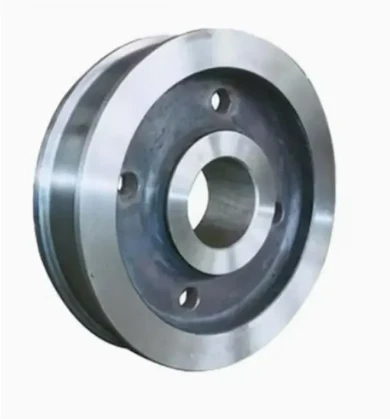
Premium Overhead Crane Wheels For Sale: Enhance Industrial Lifting Efficiency
In modern industrial operations, high-quality overhead crane wheels for sale are essential for safe, reliable, and efficient lifting.
>
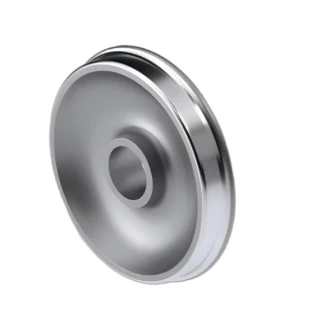
Premium Hi Rail Wheels For Sale: Boost Rail Vehicle Performance
In the modern industrial and railway sectors, having reliable hi rail wheels for sale is essential for operational efficiency and safety.
>
High-Quality Hi Rail Wheels For Sale: Enhance Your Rail Equipment Efficiency
When it comes to reliable rail maintenance and industrial operations, investing in hi rail wheels for sale is crucial.
>
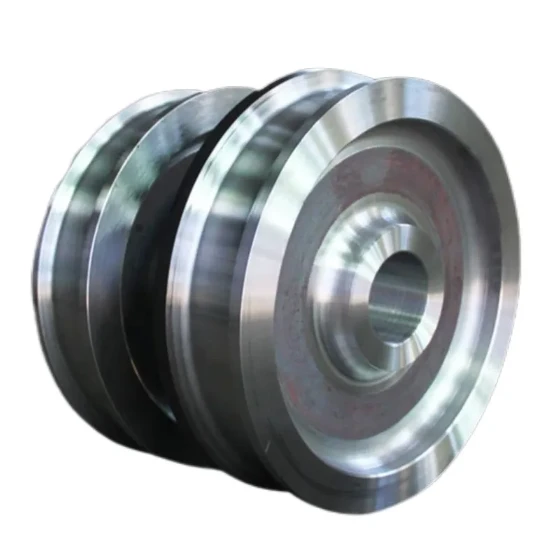
High-Quality Crane Wheels For Sale: Enhance Your Crane Operations
For industries relying on heavy lifting and material handling, investing in high-quality crane wheels for sale is crucial.
>
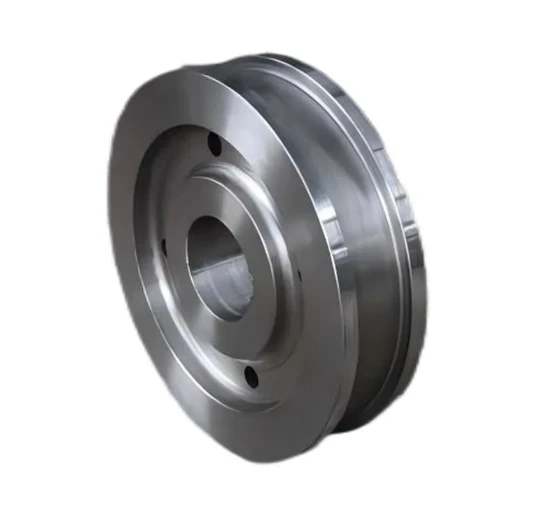
Durable Gantry Crane Wheels For Sale: Maximize Lifting Efficiency
For industries relying on heavy-duty lifting and material handling, selecting the right gantry crane wheels for sale is vital.
>
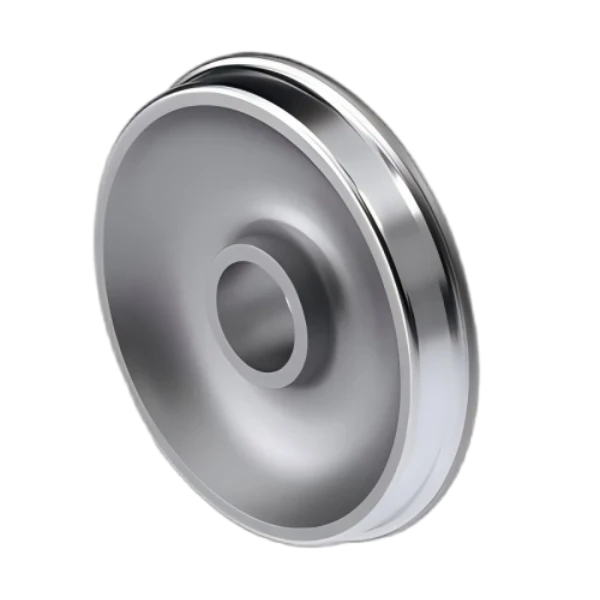
Reliable Tandem Drive Axles for Heavy-Duty Industrial Vehicles
Tandem Drive Axles: What I’ve Learned After Years in the Industrial Equipment Sector Ha
>

Reliable Semi Trailer Axles for Heavy-Duty Trailers | Expert Insight
Understanding semi trailer axles: The Backbone of Heavy Hauling Having spent more than a deca
>
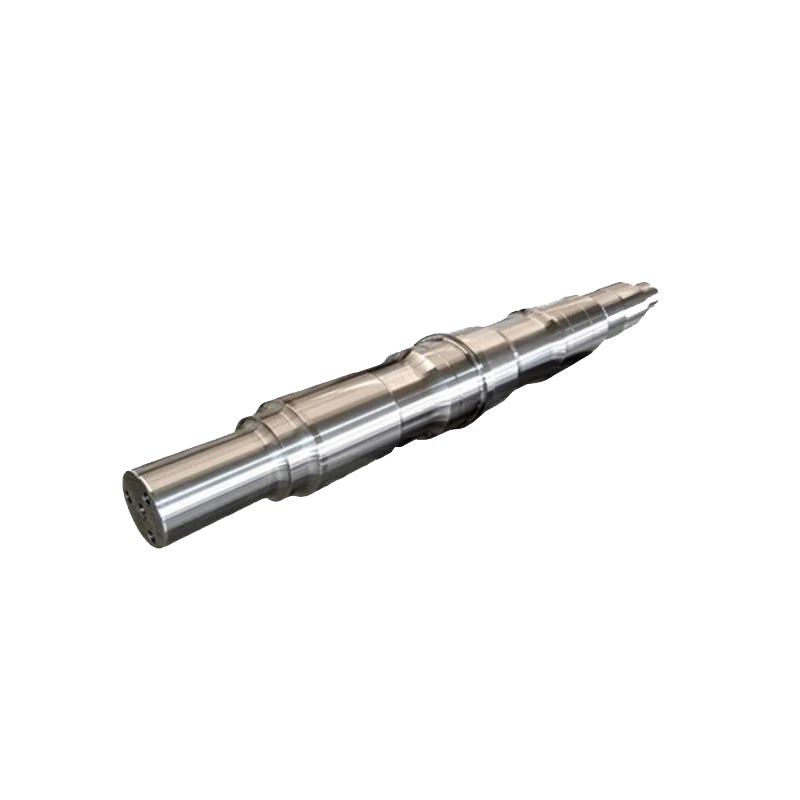
RC Portal Axles: Industrial Strength and Custom Performance
RC Portal Axles: A Veteran’s Take on Industrial-Grade Performance Having spent over a d
>
Engineered for Excellence
Our forged solutions deliver reliability and performance, powering demanding industries to keep operations running smoothly.

Sign up
for Newsletter
Subscribe to the weekly newsletter for all the latest updates