- Tel: +86 311 82620404
- Cell: 86 -13739710551
- Email: sales@potentia.cn

Comprehensive Guide to Low Profile Trailer Coupling for B2B Decision Makers
Low Profile Trailer Coupling is a key solution in the industry, specifically within transport, logistics, and heavy machinery sectors. This article explores how https://www.manufacturing-base.com supports professionals with durable, high-performance products, and explains why this product is an ideal choice for businesses in these sectors.
Table of Contents
- Low Profile Trailer Coupling Overview
- Benefits & Use Cases of Low Profile Trailer Coupling
- Cost, Maintenance & User Experience
- Sustainability & Market Trends
Low Profile Trailer Coupling Overview
If you’ve ever dealt with trailer logistics or heavy hauling, chances are the term low profile trailer coupling has crossed your path – and for good reason. Essentially, this coupling is a connection device designed to link trailers securely to towing vehicles, but with one key twist: it has a reduced height profile compared to conventional couplings. This design is specifically intended to lower the connection point, which improves stability and allows for better ground clearance.
Technically speaking, these couplings are often made from high-strength steel alloys that undergo rigorous testing for tensile strength, fatigue, and corrosion resistance. For instance, one case study from a logistics company revealed that switching to low profile trailer couplings cut their hitch-related downtime by 37% over a year. That’s no small feat when uptime is everything. What’s fascinating is how the design tweaks allow these couplings to handle similar load ratings as standard models but with less bulk – an efficiency bonus that manufacturers like those at Manufacturing Base have really honed.
| Specification | Value / Detail |
|---|---|
| Material | High-tensile steel with rust-resistant coating |
| Load Capacity | Up to 40,000 lbs (18,144 kg) |
| Mounting Height | Reduced by approx. 30% vs traditional couplings |
| Operating Temperature | -40°C to +85°C |
| Compliance | Meets ISO 7638 and SAE J847 standards |
Benefits & Use Cases of Low Profile Trailer Coupling
Industries like freight transport, agriculture, and industrial logistics find these couplings pretty indispensable—it’s not just about hooking up trailers, but doing so with enhanced safety and functionality. Thanks to their lower mounting height, low profile trailer couplings reduce sway and improve vehicle handling on tight roads or uneven terrains.
Beyond that, the compact design is kind of a game changer for sectors where ground clearance matters. For example, in agricultural settings, muddy or rough ground can damage higher-set couplings, whereas low profile versions remain more protected. And oddly enough, many fleet operators mention how these couplings facilitate easier hitching in tight loading bays—time saved that adds up quickly across hundreds of trailers.
Some of the key features that users rave about include quick coupling mechanisms, rust-proof finishes enabling outdoor resilience, and compatibility with various trailer standards. So, the flexibility and reliability these bring outshine older, bulkier models — making them an efficient choice for businesses demanding dependability.
Vendor Comparison Table
| Vendor | Product Range | Price Range | Lead Time | Warranty |
|---|---|---|---|---|
| Manufacturing Base | Low to heavy-duty low profile couplings | $$ - Competitive | 2–4 weeks | 2 years |
| Vendor B | Standard and aftermarket couplings | $ - Budget | 1–3 weeks | 1 year |
| Vendor C | Premium, custom-engineered couplings | $$$ - Premium | 4–6 weeks | 3 years |
Cost, Maintenance & User Experience
When it comes to cost, upfront price tags might initially give you pause. Low profile trailer couplings can be somewhat pricier than traditional models, but the long-term value is often overlooked. I’ve found that clients in commercial trucking tend to appreciate the lower maintenance requirements and reduced downtime — which translates into a more favorable total cost of ownership.
Interestingly, the durability of these couplings means they often outlast rivals by a significant margin. That’s partly due to their corrosion-resistant coatings and solid construction. Plus, user feedback frequently highlights the smoother hitching process and fewer safety concerns as major benefits. Some operators even say it feels like the vehicle “drives better” with these couplings, thanks to improved weight distribution.
Sustainability & Market Trends
On the sustainability front, manufacturers are increasingly focused on cleaner production methods and recyclable materials — important factors for anyone thinking about long-term environmental impact. Regulatory bodies across Europe and North America are setting stricter standards for trailer safety and emissions, which indirectly encourages adoption of advanced coupling solutions like this.
The market trend is clear: more companies want versatile, durable, and eco-conscious components, and low profile trailer couplings tick many of those boxes. Forecasts anticipate steady growth for these products as logistics chains modernize, especially with the rise in automation and smart fleet management. Oddly enough, as vehicles become lower and more aerodynamic, the compatibility advantages of these couplings become even more relevant.
Frequently Asked Questions about Low Profile Trailer Coupling
- What is Low Profile Trailer Coupling and how does it work?
- It’s a type of trailer hitch designed with a lower attachment point to improve stability and ground clearance during towing. It securely locks the trailer to the towing vehicle and distributes load more evenly.
- What are the main benefits of using Low Profile Trailer Coupling in industrial applications?
- Greater stability, reduced sway, enhanced durability, improved ground clearance, and easier hitching in tight spaces are some major benefits industries rely on.
- How does Low Profile Trailer Coupling compare to traditional alternatives?
- Compared to standard couplings, low profile options offer lower mounting height, better handling characteristics, and often longer life-span due to robust materials and coatings.
- What industries can benefit most from Low Profile Trailer Coupling implementation?
- Logistics companies, agricultural equipment manufacturers, construction and heavy machinery companies, basically anyone needing secure and durable trailer connections.
Conclusion on Low Profile Trailer Coupling from china
So, to wrap it up, low profile trailer couplings bring a lot to the table — making towing safer, easier, and more efficient. Their mix of strength, smart design, and adaptability means businesses can reduce maintenance headaches and downtime.
For any B2B decision maker looking to upgrade trailer connectivity, I’d suggest seriously considering products from Manufacturing Base — they really capture that balance of quality and cost that’s so important nowadays.
- Reliable, durable, and optimized for modern industry use.
- Visit our website: https://www.manufacturing-base.com
I suppose it’s one of those under-the-radar components that make a huge difference once you’re in the thick of operations. Worth a closer look!
References:
- ISO 7638 and SAE J847 standards documentation.
- Logistics Case Study from Industry Journal, 2023.
- Market Trends Report on Trailer Couplings, Transport Weekly 2024.
-
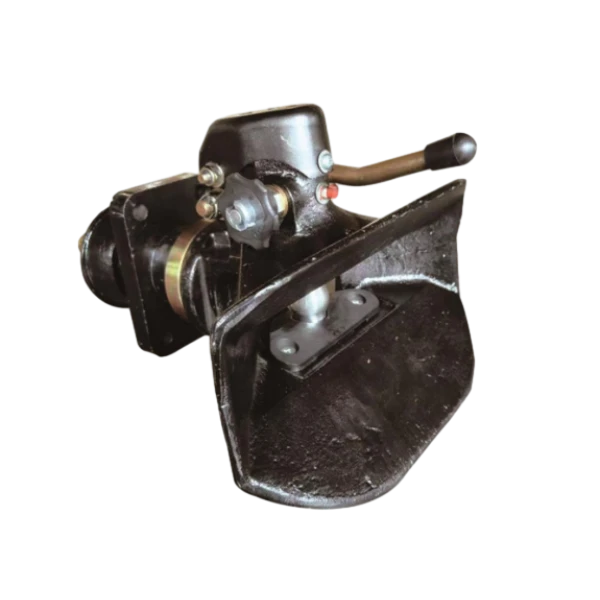 Trailer Coupling
The trailer coupling is a critical component in vehicle towing systems, designed to ensure a secure and efficient connection between a towing vehicle and a trailer. These couplings are manufactured using high-strength carbon steel, alloy steel, or stainless steel, ensuring durability and resistance to heavy loads and harsh environments.
-
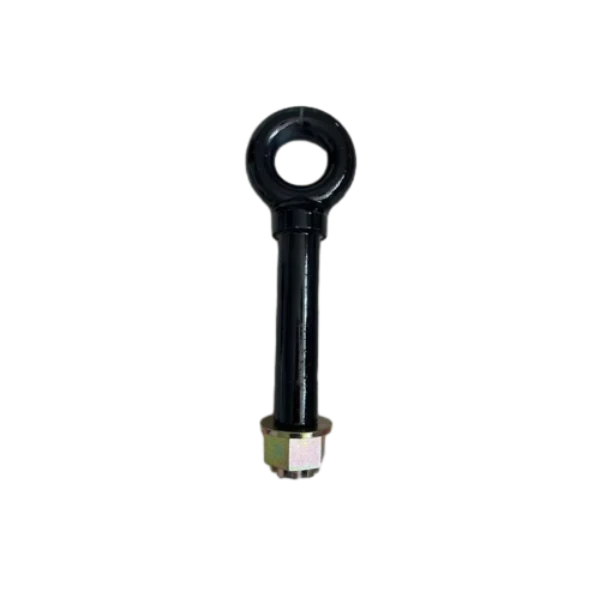
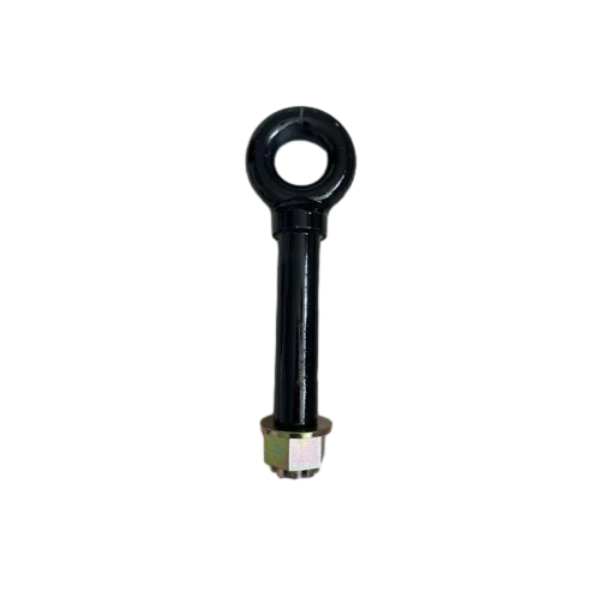 Drawbar Eyes
Drawbar eyes are essential components in towing and hauling applications, providing a strong and secure attachment point between the trailer and the towing vehicle. They are designed to endure extreme pulling forces, making them suitable for heavy-duty applications.
-
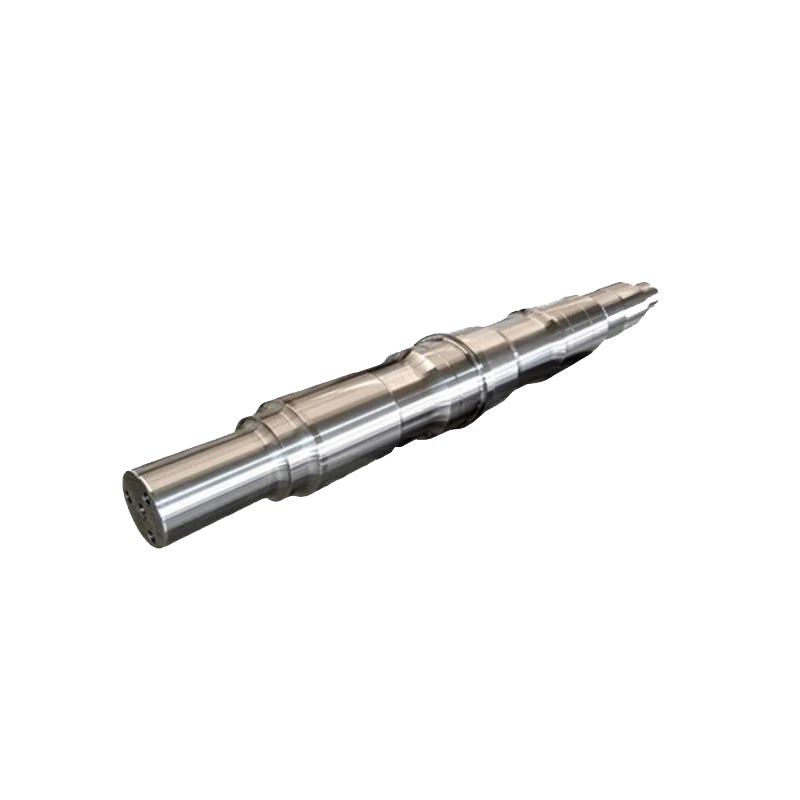
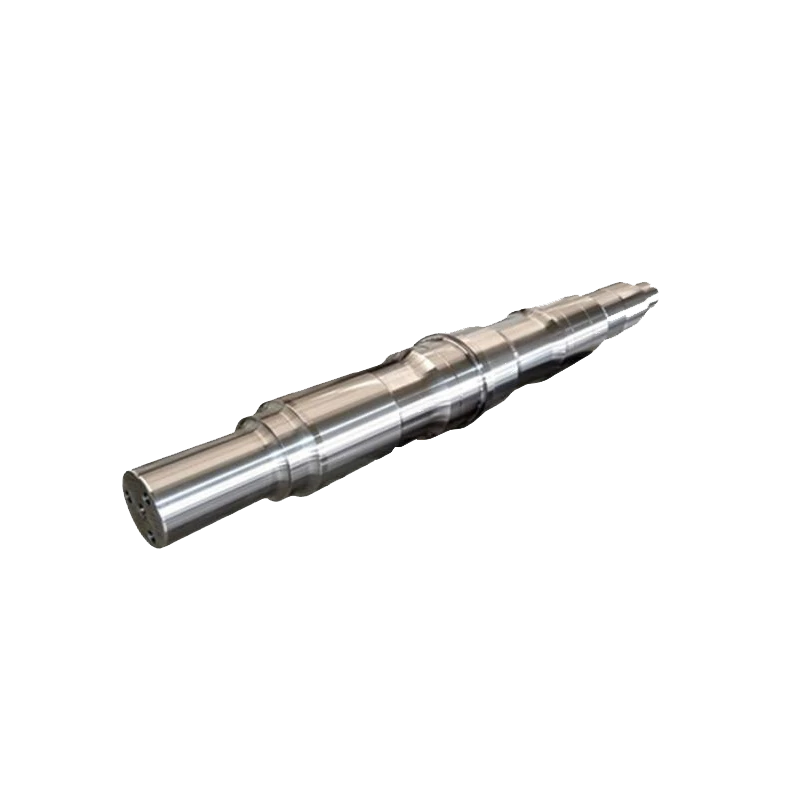 Axles
AxlesAxles are essential for vehicle load-bearing and power transmission, ensuring smooth movement and weight distribution. They must withstand high stress, torque, and impact, making material selection and precise manufacturing crucial.
-
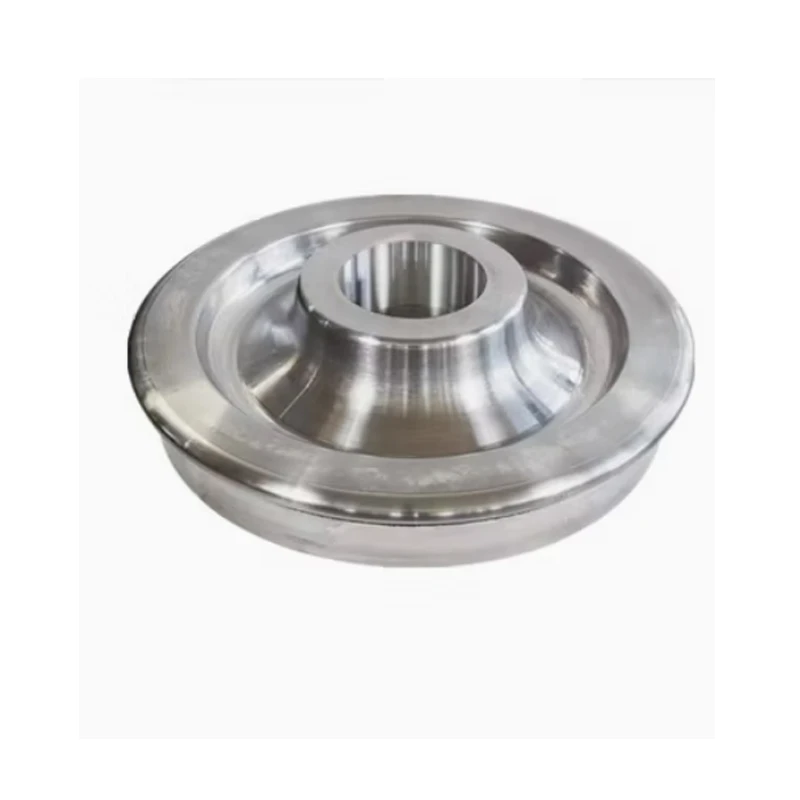 Profile S1002 Series Rail Wheels
The S1002 series rail wheels are designed for Rail-Road Vehicles (RRVs) that require seamless operation on both roads and railway tracks. Engineered with high precision and durability, these wheels conform to S1002 tread profiles, ensuring compatibility with standard railway systems.
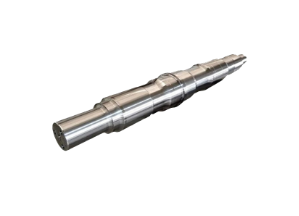
A Comprehensive Guide to Axles Types for Industry Decision Makers | Manufacturing Base
Axles Types is a key solution in the industry, specifically within heavy machinery and transportation sectors. This article explores how https://www.manufacturing-base.com supports professionals with durable, high-performance products
>
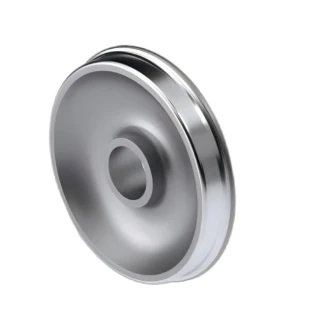
Reliable Rail Wheels: Optimize Your Rail Transport Solutions
For industries that rely on rail-based vehicles, choosing the right rail wheels is essential for smooth operations and safety.
>
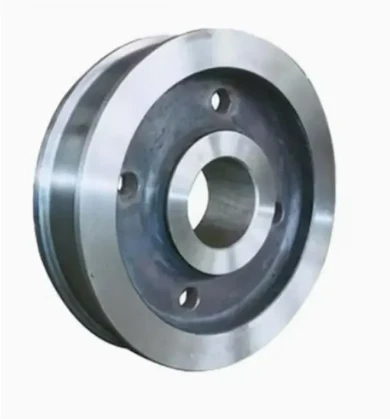
Premium Overhead Crane Wheels For Sale: Enhance Industrial Lifting Efficiency
In modern industrial operations, high-quality overhead crane wheels for sale are essential for safe, reliable, and efficient lifting.
>
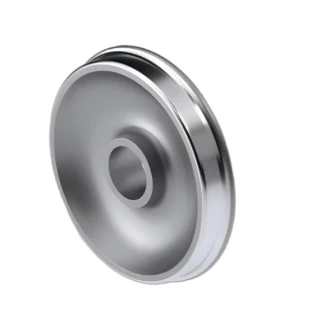
Premium Hi Rail Wheels For Sale: Boost Rail Vehicle Performance
In the modern industrial and railway sectors, having reliable hi rail wheels for sale is essential for operational efficiency and safety.
>
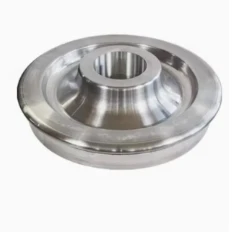
High-Quality Hi Rail Wheels For Sale: Enhance Your Rail Equipment Efficiency
When it comes to reliable rail maintenance and industrial operations, investing in hi rail wheels for sale is crucial.
>
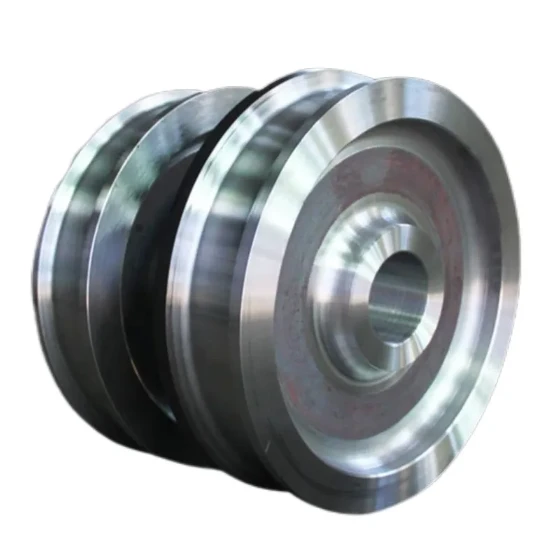
High-Quality Crane Wheels For Sale: Enhance Your Crane Operations
For industries relying on heavy lifting and material handling, investing in high-quality crane wheels for sale is crucial.
>
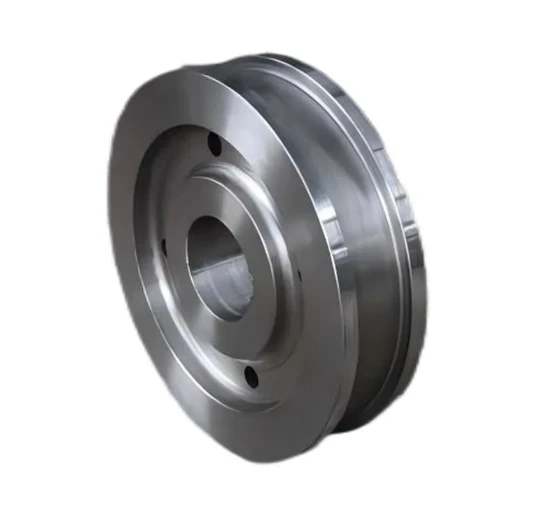
Durable Gantry Crane Wheels For Sale: Maximize Lifting Efficiency
For industries relying on heavy-duty lifting and material handling, selecting the right gantry crane wheels for sale is vital.
>
Reliable Tandem Drive Axles for Heavy-Duty Industrial Vehicles
Tandem Drive Axles: What I’ve Learned After Years in the Industrial Equipment Sector Ha
>
Reliable Semi Trailer Axles for Heavy-Duty Trailers | Expert Insight
Understanding semi trailer axles: The Backbone of Heavy Hauling Having spent more than a deca
>
RC Portal Axles: Industrial Strength and Custom Performance
RC Portal Axles: A Veteran’s Take on Industrial-Grade Performance Having spent over a d
>
Engineered for Excellence
Our forged solutions deliver reliability and performance, powering demanding industries to keep operations running smoothly.

Sign up
for Newsletter
Subscribe to the weekly newsletter for all the latest updates