- Tel: +86 311 82620404
- Cell: 86 -13739710551
- Email: sales@potentia.cn

Comprehensive Guide to Crane Wheel Material: Durability, Applications & Suppliers
The Crucial Role of Crane Wheel Material in Modern Industry
Crane wheel material might not be the first thing that comes to mind when thinking about heavy machinery, but it’s undeniably one of the most vital components in ensuring safety, reliability, and efficiency in many industrial sectors worldwide. From massive construction sites to sprawling ports, the quality and properties of crane wheels directly impact operational uptime, worker safety, and cost efficiency. Understanding what goes into these materials—and why—unlocks a better appreciation of how industry meets growing global demands.
Why Global Industry Cares About Crane Wheel Material
On a global scale, cranes lift billions of tons of materials every year, supporting everything from infrastructure expansion to shipping logistics. According to data from the International Organization for Standardization (ISO), crane systems must meet exacting performance standards, especially regarding durability and wear resistance — factors heavily influenced by the crane wheel material.
But here’s the kicker: as supply chains expand and industrial activities intensify worldwide, wheels wear down faster due to heavier loads and more frequent use. In many developing regions, subpar materials have caused costly downtime or, worse, accidents. The challenge? Finding a balance between cost and long-term resilience without compromising safety.
What Exactly Is Crane Wheel Material?
At its simplest, crane wheel material refers to the metals and alloys used to manufacture the wheels that support and guide crane travel along rails or surfaces. These materials need to resist heavy stresses, friction and environmental factors such as corrosion and temperature variations.
In real terms, this usually means using special grades of hardened steel alloys—sometimes supplemented by surface treatments—to give superior resistance to cracking, deformation, and wear. Since cranes often work in harsh conditions, the choice of wheel material connects not just to machines, but to broader concerns: industrial productivity and worker safety.
Key Factors Affecting Crane Wheel Material Choice
1. Durability
Durability is king. The top priority when selecting crane wheel material is how long it can last under repetitive heavy load cycles. Many engineers emphasize steels with excellent fatigue resistance, as they help prevent unexpected failures that could halt operations.
2. Cost Efficiency
While premium alloys can push upfront costs higher, the trade-off often proves worthwhile by cutting downtime and maintenance frequency. It’s a classic case of spending smarter, not just cheaper — something every project manager appreciates.
3. Corrosion Resistance
In humid or maritime environments, corrosion can quickly degrade untreated metals. Specifying materials with protective coatings or inherently corrosion-resistant alloys extends service life and reliability, especially in ports or offshore sites.
4. Load Bearing Capacity
The wheel’s ability to withstand enormous vertical and lateral loads without deforming is essential. This depends on tensile strength and hardness characteristics, usually defined via standards like ISO 6336 for gears but adapted here.
5. Maintainability and Availability
Materials easier to machine and repair are favored because they reduce downtime during servicing. Plus, if the alloy is common, replacement parts come quicker and cheaper — crucial for high-demand zones like busy shipping terminals.
Mini takeaway: Choosing the right crane wheel material is a balancing act — marrying endurance, cost, and environmental resistance to fit the purpose perfectly.
Practical Uses of Crane Wheel Materials Worldwide
Industrial applications vary widely, but across the board, crane wheel materials see heavy use in:
- Port Terminals: Cranes handle thousands of containers daily, where wheel wear leads to significant operational delays if not managed.
- Construction Sites: Large tower and crawler cranes move massive structural components — wheels must bear uneven loads and rough terrain stress.
- Mining Operations: Remote locations demand robust wheels resistant to abrasive dust, moisture, and temperature extremes.
- Disaster Relief Projects: In post-disaster infrastructure rebuilds (think earthquakes or flooding), cranes with reliable wheels help move materials swiftly under tough conditions.
Regions like Southeast Asia, the Gulf Coast, and Northern Europe especially benefit from advances in crane wheel metallurgy due to their heavy port traffic and diverse climates.
Advantages and Long-Term Value of Optimal Crane Wheel Materials
Beyond just the technical specs, superior crane wheel materials impact business and social outcomes:
- Cost savings: Less frequent replacements mean reduced capital expenditure over time.
- Safety: Strong, fatigue-resistant wheels minimize the risk of breakdowns that could put workers in harm’s way.
- Trust: Smooth crane operation builds confidence among operators and clients alike.
- Sustainability: Longer-lasting wheels reduce waste and resource consumption, aligning with growing corporate responsibility goals.
And honestly, there’s something reassuring about machinery built on durable, well-engineered parts — it signals an investment in quality that pays dividends.
Current Trends and Innovations Shaping Crane Wheel Materials
Materials science plays an increasingly pivotal role here. Some of the exciting developments include:
- Composite overlays: Special wear-resistant coatings boost surface toughness without adding cost-prohibitive bulk steel grades.
- Advanced heat treatments: Processes like induction hardening enhance surface hardness and fatigue life.
- Smart materials and sensors: Embedded tech can monitor wheel temperature and degradation for predictive maintenance.
- Eco-friendly production: New alloying methods that reduce energy consumption during manufacturing.
Coupled with digital transformation in crane fleet management, these innovations hint at an era where downtime is minimal and operational efficiency peaks.
Common Challenges & Practical Solutions
That said, not everything is smooth sailing:
- Wear and Tear: Even the best materials degrade; uneven load distribution may cause early failure.
- Sourcing Quality Stuff: In some markets, inexpensive but low-grade steels tempt buyers, risking safety.
- Environmental Damage: Corrosion from chemical or salt exposure can undermine wheels prematurely.
Industry experts suggest routine inspections combined with applying modern protective coatings and investing in operator training to mitigate these challenges — which frankly can make all the difference.
Product Specification: Typical Crane Wheel Material Grades
| Material Grade | Hardness (HB) | Tensile Strength (MPa) | Corrosion Resistance | Typical Applications |
|---|---|---|---|---|
| AISI 1045 Steel | 170-210 | 570-700 | Low (requires coatings) | General purpose cranes |
| EN8 Steel (medium carbon) | 190-230 | 600-750 | Moderate (surface treatments recommended) | Heavy-duty industrial cranes |
| Chromium-Molybdenum Alloy Steel | 220-270 | 800-950 | High (inherent resistance) | Special applications, ports, coastal sites |
Vendor Comparison: Leading Crane Wheel Material Suppliers
| Supplier | Material Quality | Customization Options | Lead Time | Global Reach |
|---|---|---|---|---|
| SteelWorx Ltd. | Premium alloys, certified | High – alloys, sizes, coatings | 4-6 weeks | Europe, Asia, N. America |
| GlobalMet Corp. | Mid-grade alloys | Moderate – limited coatings | 2-4 weeks | Asia, S. America |
| IronTrack International | Specialist alloys | Custom chemical compositions | 6-8 weeks | Global |
Frequently Asked Questions About Crane Wheel Material
1. What are the main benefits of using high-grade crane wheel materials?
High-grade materials enhance durability, reduce maintenance costs, and improve the crane's load capacity and operational safety. They ensure smoother traveling and minimize downtime, which is vital in busy industrial settings.
2. How often should crane wheels be inspected or replaced?
Inspections depend on usage, but general best practice is a thorough check every 3-6 months, focusing on wear, cracks, and alignment. Replacement intervals vary but typically range around 3-7 years depending on material quality and usage intensity.
3. Are there eco-friendly options for crane wheel materials?
Yes, recent developments include recycled steel alloys and surface treatments that reduce environmental impact. Additionally, longer-lasting materials contribute to sustainability by limiting waste and resource consumption.
4. Can specialized coatings improve crane wheel performance?
Absolutely. Coatings such as polyurethane or chromium plating enhance wear resistance and corrosion protection, extending wheel life, especially in harsh environments.
5. Where can I find reliable suppliers for crane wheel materials?
Look for certified, experienced suppliers with global outreach like SteelWorx Ltd. or IronTrack International, who provide detailed specs and customization tailored to your industry needs. Always verify certifications and reviews.
Conclusion: Why Crane Wheel Material Matters More Than You Might Think
When you next watch a colossal crane lifting tons of steel or containers, spare a thought for those humble crane wheels and the sophisticated materials they’re made from. The difference between success and costly failure often rides on their quality, shaping industry productivity, safety, and sustainability. If you’re involved in heavy machinery procurement or maintenance, understanding crane wheel material isn’t just technical—it’s practical.
To explore more on selecting the right materials for your needs, visit our website and discover expert insights, product specs, and supplier guides.
-
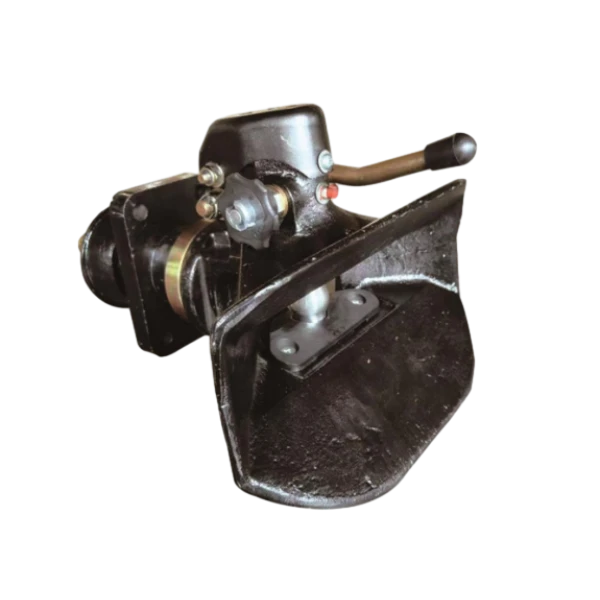 Trailer Coupling
The trailer coupling is a critical component in vehicle towing systems, designed to ensure a secure and efficient connection between a towing vehicle and a trailer. These couplings are manufactured using high-strength carbon steel, alloy steel, or stainless steel, ensuring durability and resistance to heavy loads and harsh environments.
-
 Drawbar Eyes
Drawbar eyes are essential components in towing and hauling applications, providing a strong and secure attachment point between the trailer and the towing vehicle. They are designed to endure extreme pulling forces, making them suitable for heavy-duty applications.
-
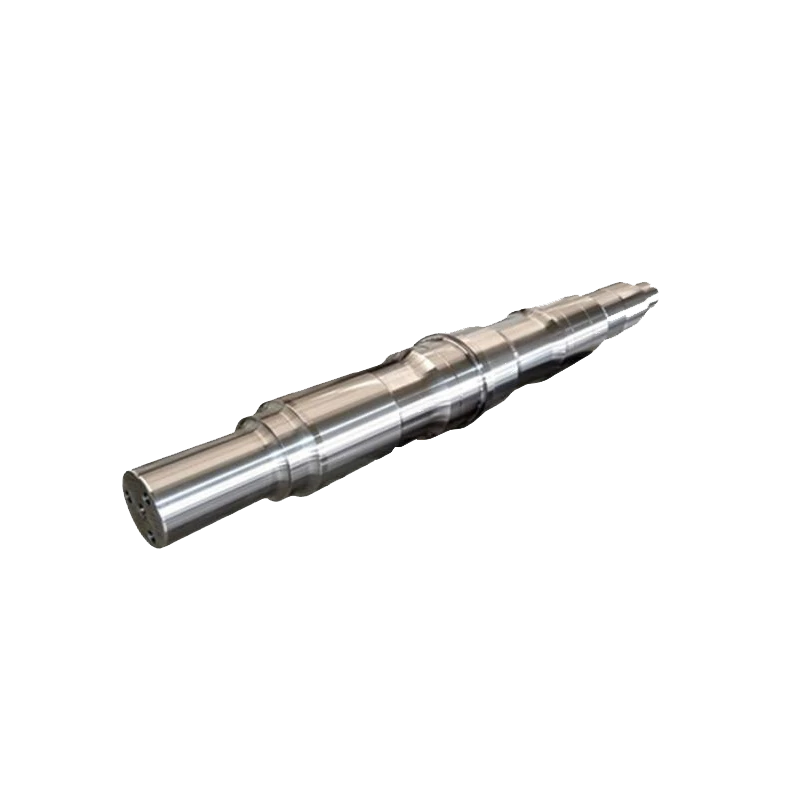 Axles
AxlesAxles are essential for vehicle load-bearing and power transmission, ensuring smooth movement and weight distribution. They must withstand high stress, torque, and impact, making material selection and precise manufacturing crucial.
-
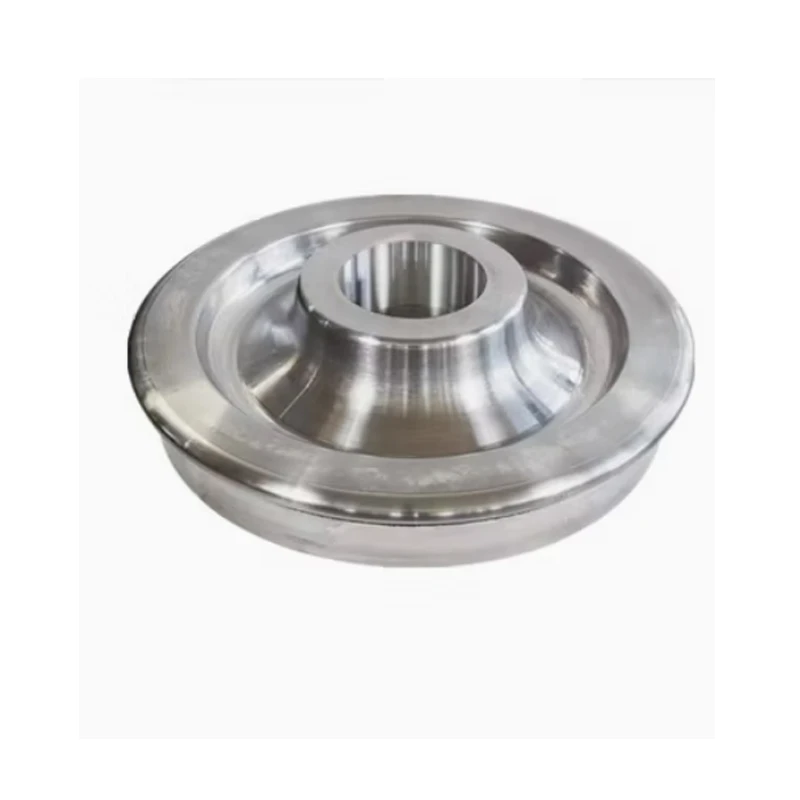 Profile S1002 Series Rail Wheels
The S1002 series rail wheels are designed for Rail-Road Vehicles (RRVs) that require seamless operation on both roads and railway tracks. Engineered with high precision and durability, these wheels conform to S1002 tread profiles, ensuring compatibility with standard railway systems.
A Comprehensive Guide to Axles Types for Industry Decision Makers | Manufacturing Base
Axles Types is a key solution in the industry, specifically within heavy machinery and transportation sectors. This article explores how https://www.manufacturing-base.com supports professionals with durable, high-performance products
>
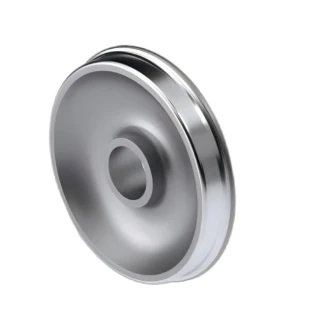
Reliable Rail Wheels: Optimize Your Rail Transport Solutions
For industries that rely on rail-based vehicles, choosing the right rail wheels is essential for smooth operations and safety.
>
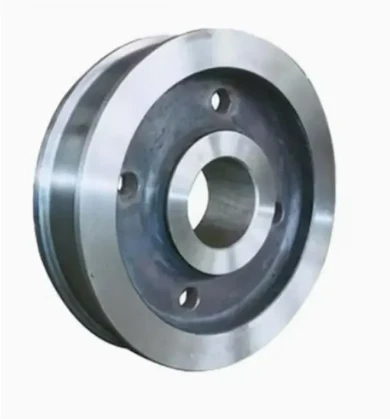
Premium Overhead Crane Wheels For Sale: Enhance Industrial Lifting Efficiency
In modern industrial operations, high-quality overhead crane wheels for sale are essential for safe, reliable, and efficient lifting.
>
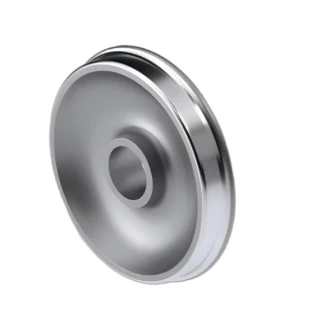
Premium Hi Rail Wheels For Sale: Boost Rail Vehicle Performance
In the modern industrial and railway sectors, having reliable hi rail wheels for sale is essential for operational efficiency and safety.
>
High-Quality Hi Rail Wheels For Sale: Enhance Your Rail Equipment Efficiency
When it comes to reliable rail maintenance and industrial operations, investing in hi rail wheels for sale is crucial.
>
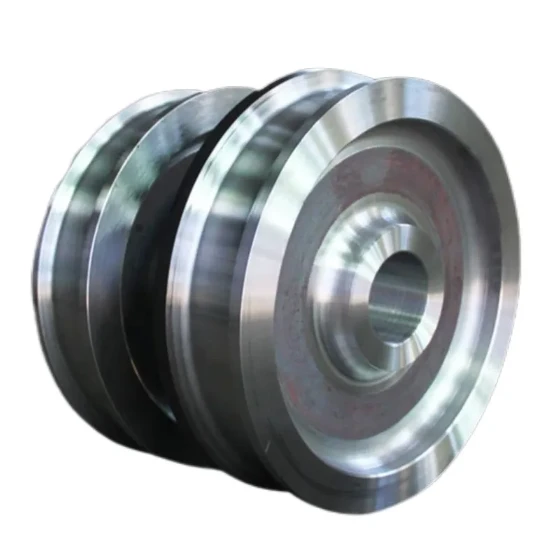
High-Quality Crane Wheels For Sale: Enhance Your Crane Operations
For industries relying on heavy lifting and material handling, investing in high-quality crane wheels for sale is crucial.
>
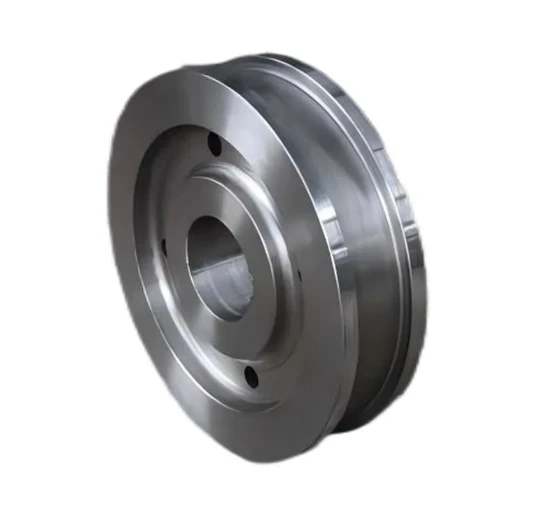
Durable Gantry Crane Wheels For Sale: Maximize Lifting Efficiency
For industries relying on heavy-duty lifting and material handling, selecting the right gantry crane wheels for sale is vital.
>
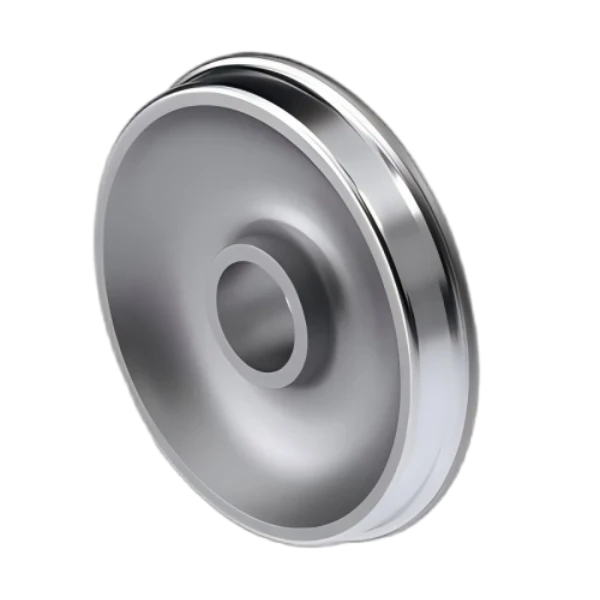
Reliable Tandem Drive Axles for Heavy-Duty Industrial Vehicles
Tandem Drive Axles: What I’ve Learned After Years in the Industrial Equipment Sector Ha
>

Reliable Semi Trailer Axles for Heavy-Duty Trailers | Expert Insight
Understanding semi trailer axles: The Backbone of Heavy Hauling Having spent more than a deca
>
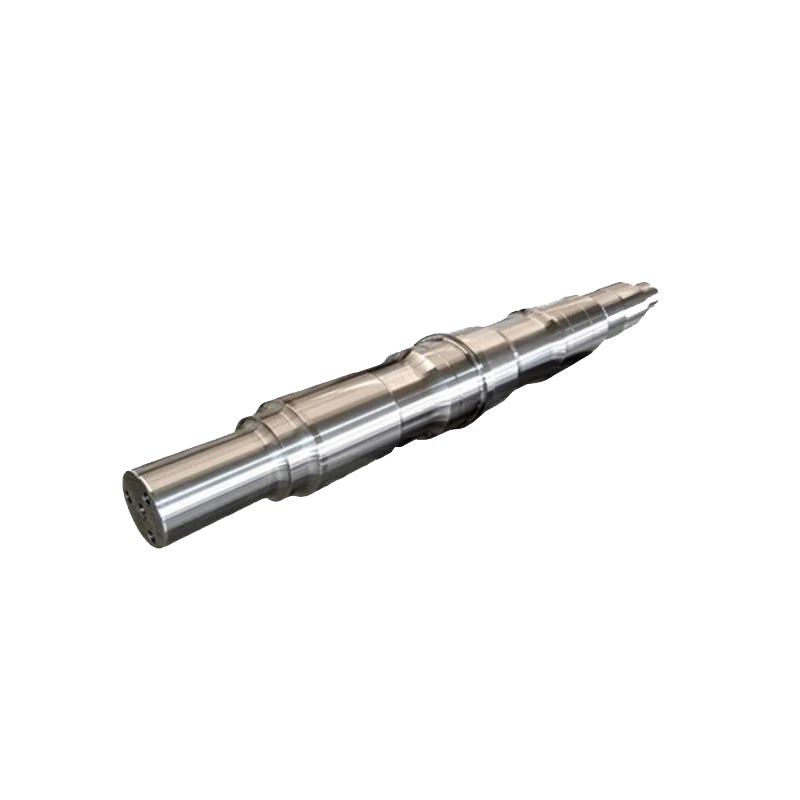
RC Portal Axles: Industrial Strength and Custom Performance
RC Portal Axles: A Veteran’s Take on Industrial-Grade Performance Having spent over a d
>
Engineered for Excellence
Our forged solutions deliver reliability and performance, powering demanding industries to keep operations running smoothly.

Sign up
for Newsletter
Subscribe to the weekly newsletter for all the latest updates