- Tel: +86 311 82620404
- Cell: 86 -13739710551
- Email: sales@potentia.cn

Comprehensive Guide to Cart Wheels and Axles: Applications, Benefits & Innovations
Understanding Cart Wheels and Axles: The Unsung Heroes of Modern Industry
Put simply, cart wheels and axles might feel like something from an old textbook, yet their significance couldn’t be more current — or crucial. Whether it’s moving goods in sprawling warehouses, facilitating disaster relief logistics, or even powering small industrial vehicles, these components underpin a surprisingly broad range of operations around the globe.
Their role goes beyond just spinning wheels. They represent a key interface between design, durability, economic viability, and sustainability in transportation and material handling. Understanding them gives stakeholders — from engineers to humanitarian agencies — a distinct edge in making better, cost-efficient, and long-lasting choices.
Global Context: Why Cart Wheels and Axles Still Matter
Remarkably, the global transportation and logistics sector moves over 80% of manufactured goods by land, relying heavily on simple but efficient mechanical components like cart wheels and axles (World Bank, 2023). With e-commerce growth surging and industries ramping up automation, these parts often form the backbone of conveyor carts, airport baggage trolleys, and factory handling systems.
But it’s not just industry and commerce. In humanitarian crises, especially in remote and infrastructure-poor areas, robust carts fitted with reliable wheels and axles become essential lifelines. For example, agencies delivering relief materials in rural Africa or Southeast Asia often rely on manually-operated trolleys that traverse rough terrains where vehicles can’t go.
Yet, challenges remain. Many wheels and axle assemblies fail prematurely due to improper materials, poor design, or inadequate maintenance — problems that ripple into costly delays or lost aid. Clearly, there’s a pressing need for deeper industry knowledge and smarter approaches.
What Exactly Are Cart Wheels and Axles?
In plain terms, cart wheels are circular components enabling rolling motion, while axles are the shafts that connect two wheels and enable turning. Think of a wheelbarrow, a pallet jack, or even a baby stroller. This assembly distributes weight efficiently and reduces friction so that a load can be moved easily and safely.
In modern industry, these parts may be made from steel, reinforced plastics, polyurethane, or rubber composites — each chosen for strength, wear resistance, or softness depending on the application. The quality of manufacturing and precise alignment of wheels and axles often defines the lifespan and reliability of the entire cart.
Core Components & Factors Affecting Performance
1. Durability
Because wheels and axles constantly bear heavy loads and abrasion, their material quality and surface treatment determine how long they last. Unsurprisingly, steel axles with polyurethane wheels are a popular combo.
2. Load Capacity
Every cart design specifies a max load; exceeding it risks deformation or axle breakage. Understanding these limits ensures safety and operational efficiency — especially in industrial environments.
3. Mobility & Terrain Adaptability
Wheel diameter, tread type, and axle suspension drastically affect how effectively the cart moves over rough, smooth, wet, or uneven surfaces.
4. Cost Efficiency
High initial cost can be justified by reduced maintenance and longer service life; conversely, cheap components might cost more in downtime and replacements.
5. Maintenance & Repairability
Modular wheel and axle components that can be quickly swapped reduce downtime, a big plus in fast-paced warehouse settings.
Product Specifications: Sample Cart Wheels and Axles Table
| Feature | Standard Steel Wheels | Polyurethane Tread Wheels | Rubber Pneumatic Wheels |
|---|---|---|---|
| Wheel Diameter | 200 mm | 150 mm | 300 mm |
| Load Capacity | 250 kg | 400 kg | 350 kg |
| Material | Steel Core with Metal Rim | Steel Core with Polyurethane Tread | Rubber Inflated Tube, Steel Hub |
| Terrain Suitability | Smooth, Hard Floors | Indoor/Outdoor Versatile | Uneven, Outdoor Rough Terrain |
| Average Lifespan | 5 years | 7 years | 4 years (dependent on inflation) |
Global Applications & Real-World Use Cases
Oddly enough, such a simple mechanical assembly underpins some very complex operations worldwide:
- Logistics hubs in North America and Europe: Automated carts with precision axles move thousands of parcels per hour, increasing efficiency.
- Rural transport in Sub-Saharan Africa: Strong, low-tech carts enable farmers to bring produce to market over challenging roads.
- Disaster relief organizations: Lightweight, durable wheel-axle sets help deliver water and medical supplies where trucks can’t reach.
- Mining & Construction sites: Heavy-duty axles and wheels withstand harsh terrains and chemical exposure, improving worker safety.
For instance, last year, a humanitarian NGO used specialized polyethylene wheels combined with stainless steel axles to deliver supplies after flooding disrupted vehicle access in Southeast Asia. It’s details like these that we rarely notice but are absolutely vital.
Comparing Vendors: Cart Wheels and Axles Providers
| Vendor | Product Range | Typical Lead Time | Price Level | Customization Options |
|---|---|---|---|---|
| WheelsCo | Steel, Polyurethane, Plastic | 2-3 weeks | Moderate | Size & load customization |
| AxleMasters | Steel, Alloy Steel | 4-6 weeks | High | Precision engineering, polishing |
| Global Cart Parts | Full wheel & axle kits | 1-2 weeks | Affordable | Standard products, limited customization |
Advantages and Long-Term Value of Quality Cart Wheels and Axles
Investing in well-made wheels and axles isn’t just about keeping carts moving. It’s about building operational trust. Reliable carts reduce injury risk, boost workforce morale, and cut downtime costs. On the environmental front, durable components mean fewer replacements and less waste — a subtle yet meaningful sustainability win.
Moreover, there’s an emotional value often overlooked: dignity and efficiency. For example, in relief work, robust carts mean aid reaches its recipients faster and more safely, preserving the dignity of vulnerable populations. It’s those small mechanical details that can ripple out into major human impact.
Future Trends & Innovations in Cart Wheels and Axles
Looking ahead, smart materials and IoT sensors are starting to enter the scene. You might soon find wheels that monitor wear in real-time or axles adjusting stiffness based on terrain conditions. There’s also a strong push towards sustainable materials with bio-based polymers replacing traditional plastics.
Digital transformation in supply chains calls for smarter, connected cart components that integrate with warehouse management systems — no doubt changing how maintenance and inventory are handled.
Challenges & Solutions in Deploying Cart Wheels and Axles
Despite all advances, some core challenges linger:
- Material degradation: Exposure to UV, chemicals, or extreme loads wears down components faster.
- Maintenance neglect: Often carts are overlooked until a failure occurs.
- Compatibility issues: Finding interchangeable parts that fit varied cart designs remains tricky.
Experts recommend proactive maintenance schedules, investing in modular components, and partnering with specialized manufacturers that offer tailored solutions — avoiding one-size-fits-all traps.
FAQ: Frequently Asked Questions About Cart Wheels and Axles
- What materials are best for cart wheels used outdoors on rough terrain?
- Rubber pneumatic wheels with steel hubs are ideal for outdoor rough terrain, as they absorb shocks and provide traction. However, they require more maintenance to check inflation levels regularly.
- How does wheel diameter affect cart performance?
- Larger wheels roll over obstacles more easily and reduce the force needed, while smaller wheels offer better maneuverability indoors. Choosing the right diameter depends on terrain and load requirements.
- Can I replace just the axle or wheel if one wears out?
- Yes, many carts are designed with modular components allowing separate replacement, which cuts costs and downtime significantly.
- Are polyurethane wheels eco-friendly?
- Polyurethane wheels last longer and generate less noise but are less biodegradable than natural rubber. Some manufacturers now produce bio-based polyurethanes, improving sustainability.
Conclusion
In real terms, cart wheels and axles are much more than basic parts: they’re enablers of efficiency, safety, and sustainability in industries and humanitarian efforts worldwide. Choosing the right components extends operational lifespan, reduces costs, and—let’s not forget—makes a difference where it really counts.
If you want to explore top-quality cart wheels and axles and discover how the right selection transforms your operations, please visit our website for expert advice and product options.
Remember, the wheels keep turning — but it’s the axle that holds it all together.
Quick Takeaways:
- Cart wheels and axles remain vital in diverse global settings.
- Material quality and design heavily influence durability and cost-efficiency.
- Modular and smart components are shaping the future.
- Understanding your operational context helps choose the best fit.
References:
1. World Bank, Transport Statistics (2023)
2. ISO 22878:2021 - Industrial trucks
3. Wikipedia contributors, "Wheel and axle," Wikipedia, The Free Encyclopedia
-
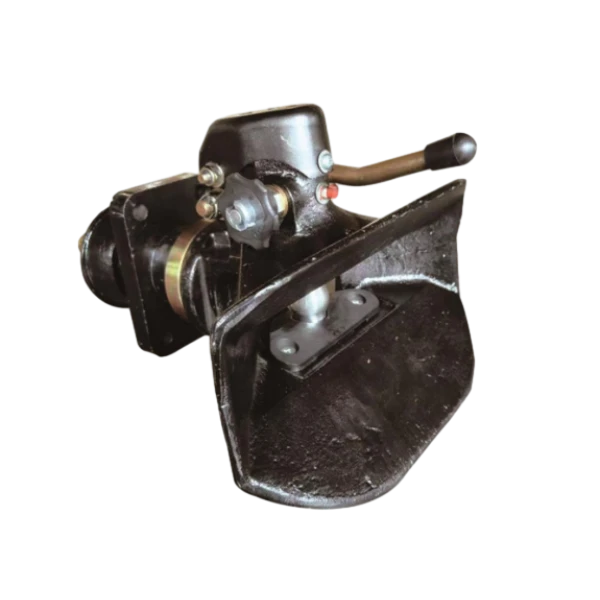 Trailer Coupling
The trailer coupling is a critical component in vehicle towing systems, designed to ensure a secure and efficient connection between a towing vehicle and a trailer. These couplings are manufactured using high-strength carbon steel, alloy steel, or stainless steel, ensuring durability and resistance to heavy loads and harsh environments.
-
 Drawbar Eyes
Drawbar eyes are essential components in towing and hauling applications, providing a strong and secure attachment point between the trailer and the towing vehicle. They are designed to endure extreme pulling forces, making them suitable for heavy-duty applications.
-
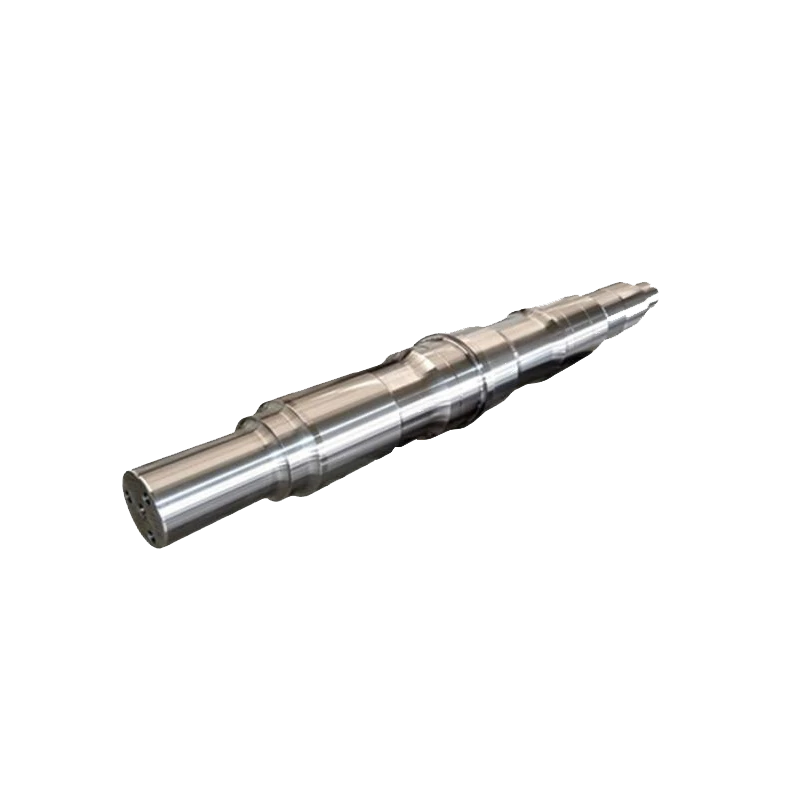 Axles
AxlesAxles are essential for vehicle load-bearing and power transmission, ensuring smooth movement and weight distribution. They must withstand high stress, torque, and impact, making material selection and precise manufacturing crucial.
-
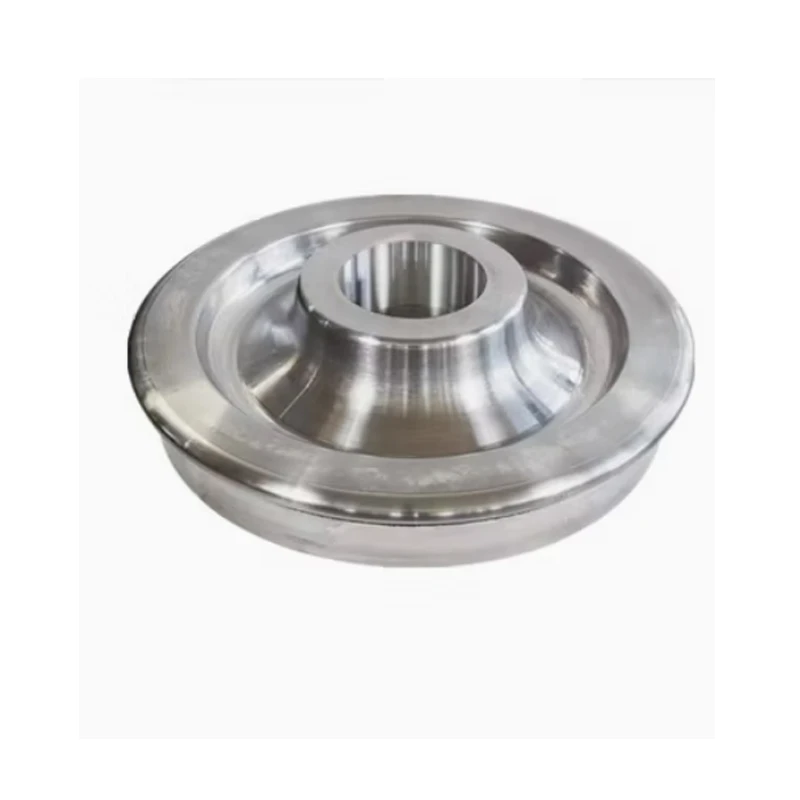 Profile S1002 Series Rail Wheels
The S1002 series rail wheels are designed for Rail-Road Vehicles (RRVs) that require seamless operation on both roads and railway tracks. Engineered with high precision and durability, these wheels conform to S1002 tread profiles, ensuring compatibility with standard railway systems.
A Comprehensive Guide to Axles Types for Industry Decision Makers | Manufacturing Base
Axles Types is a key solution in the industry, specifically within heavy machinery and transportation sectors. This article explores how https://www.manufacturing-base.com supports professionals with durable, high-performance products
>
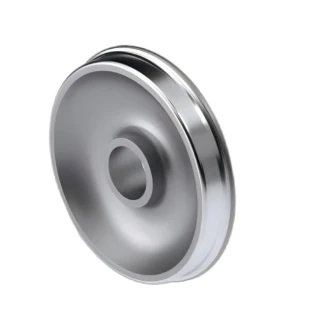
Reliable Rail Wheels: Optimize Your Rail Transport Solutions
For industries that rely on rail-based vehicles, choosing the right rail wheels is essential for smooth operations and safety.
>
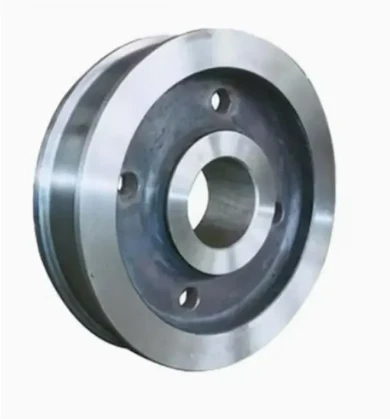
Premium Overhead Crane Wheels For Sale: Enhance Industrial Lifting Efficiency
In modern industrial operations, high-quality overhead crane wheels for sale are essential for safe, reliable, and efficient lifting.
>
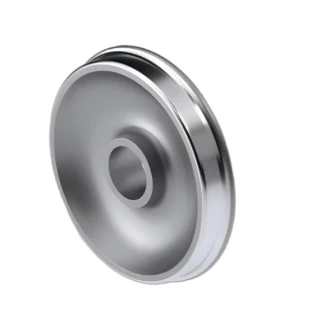
Premium Hi Rail Wheels For Sale: Boost Rail Vehicle Performance
In the modern industrial and railway sectors, having reliable hi rail wheels for sale is essential for operational efficiency and safety.
>
High-Quality Hi Rail Wheels For Sale: Enhance Your Rail Equipment Efficiency
When it comes to reliable rail maintenance and industrial operations, investing in hi rail wheels for sale is crucial.
>
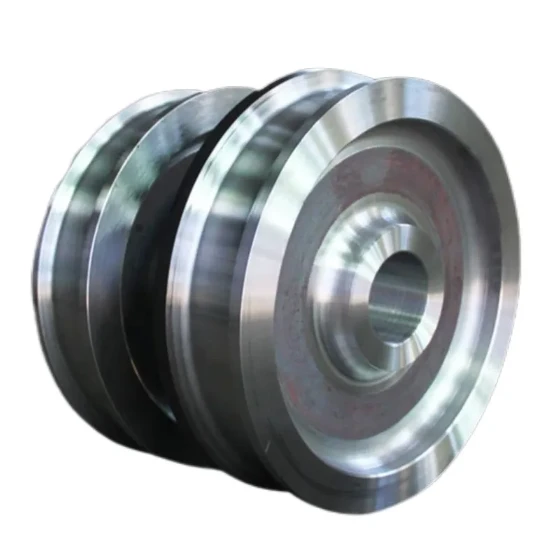
High-Quality Crane Wheels For Sale: Enhance Your Crane Operations
For industries relying on heavy lifting and material handling, investing in high-quality crane wheels for sale is crucial.
>
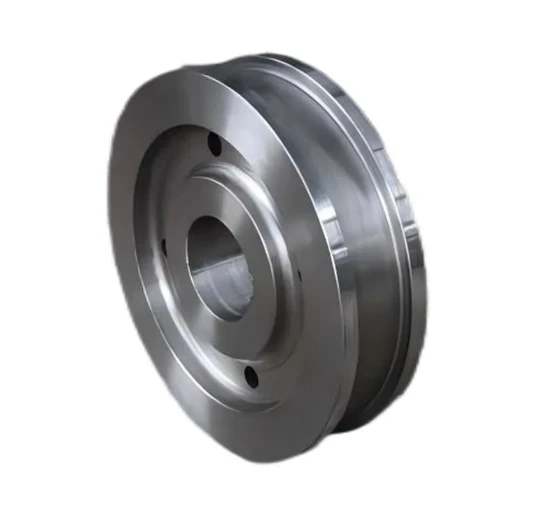
Durable Gantry Crane Wheels For Sale: Maximize Lifting Efficiency
For industries relying on heavy-duty lifting and material handling, selecting the right gantry crane wheels for sale is vital.
>
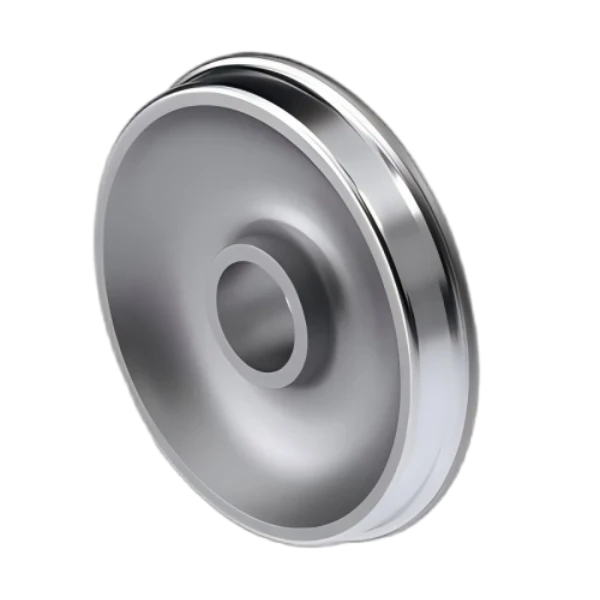
Reliable Tandem Drive Axles for Heavy-Duty Industrial Vehicles
Tandem Drive Axles: What I’ve Learned After Years in the Industrial Equipment Sector Ha
>

Reliable Semi Trailer Axles for Heavy-Duty Trailers | Expert Insight
Understanding semi trailer axles: The Backbone of Heavy Hauling Having spent more than a deca
>
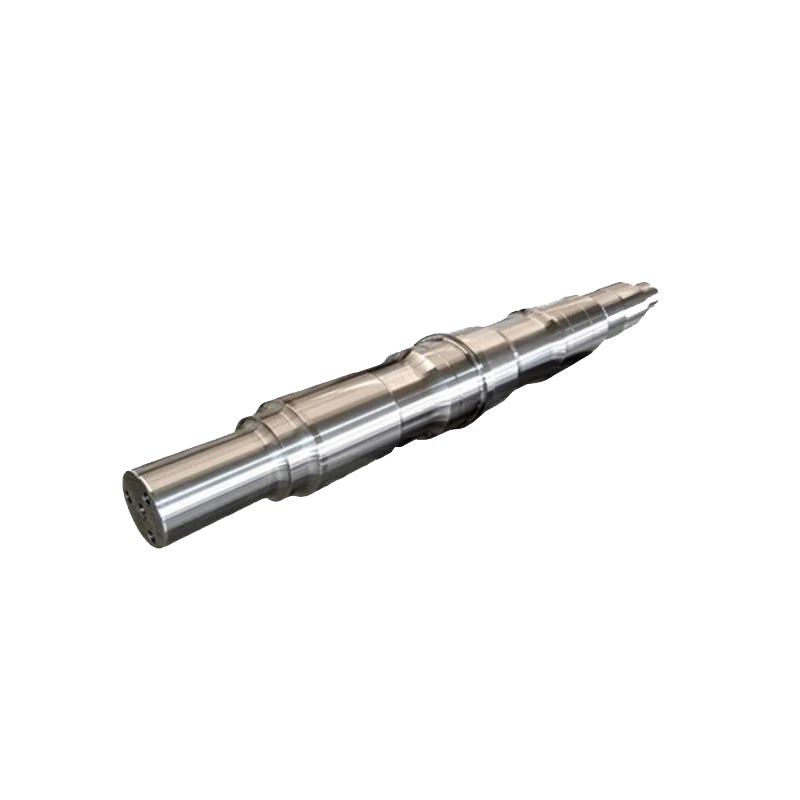
RC Portal Axles: Industrial Strength and Custom Performance
RC Portal Axles: A Veteran’s Take on Industrial-Grade Performance Having spent over a d
>
Engineered for Excellence
Our forged solutions deliver reliability and performance, powering demanding industries to keep operations running smoothly.

Sign up
for Newsletter
Subscribe to the weekly newsletter for all the latest updates