- Tel: +86 311 82620404
- Cell: 86 -13739710551
- Email: sales@potentia.cn

Agricultural Axles and Wheels: Essential Components for Modern Farming Machinery
Agricultural Axles and Wheels: The Backbone of Modern Farming Machinery
When we talk about agricultural axles and wheels, we’re really discussing some of the silent heroes behind the machinery that feeds millions globally. These components aren’t just metal rods and circular discs; they are crucial for mobility, durability, and efficiency in farming equipment — from tractors to harvesters. Understanding them better matters, because improving these parts means better crop yields, less downtime, and ultimately more sustainable food production worldwide.
Global Relevance of Agricultural Axles and Wheels
It’s fascinating how something as seemingly simple as an axle or wheel can have a worldwide ripple effect. The United Nations Food and Agriculture Organization estimates that more than 60% of the global population depends directly on agriculture, so machinery reliability is critical. According to the World Bank, mechanization growth is accelerating in developing countries, which means demand for reliable agricultural components is rising sharply. But here’s the rub: Many rural areas face maintenance challenges due to poor-quality parts or incompatibility issues — and that’s exactly what well-designed agricultural axles and wheels can help fix.
Mini Takeaway: Agricultural axles and wheels have a direct influence on productivity and sustainability in global agriculture, especially impacting developing regions.
What Exactly Are Agricultural Axles and Wheels?
At their core, agricultural axles are the central rods that connect wheels, allowing them to rotate and bear the weight of tractors or other farming machines. Wheels, on the other hand, transfer power to the ground, enable movement, and absorb shock from uneven terrains. Together, they transform raw engine force into controlled driving power. These components must withstand rough soil, variable loads, and long hours—so they are crafted with specific metals and engineering standards tailored to their demanding environment.
Beyond farming, sturdy axles and wheels are instrumental in humanitarian projects where vehicles help transport aid in difficult terrain — like in remote post-disaster zones where reliable transport saves lives.
Core Components and Key Factors
Durability
These parts deal with incredible stress from heavy loads and abrasive soil. Materials such as forged steel or manganese alloys are common, designed to endure corrosion, shocks, and wear over time.
Load Capacity
The axle’s strength directly correlates to the machine’s payload ability; a misfit axle risks failure and costly downtime. Customization is common, as different machines have vastly varying load profiles.
Compatibility and Scalability
One size rarely fits all. A good axle and wheel setup must integrate seamlessly with existing machinery and allow upgrades or replacements without extensive modifications.
Cost Efficiency
Farmers often face narrow margins, so cost-effective parts that do not sacrifice performance or lifespan are highly sought after. This balance is a real art in manufacturing.
Maintenance and Repairability
Easy-to-service axles and wheels reduce downtime. Many manufacturers now design modular parts to simplify field repairs.
Specifications Comparison Table: Popular Agricultural Axle Sets
| Model | Material | Max Load (kg) | Wheel Diameter (inches) | Weight (kg) |
|---|---|---|---|---|
| AgriDrive 5000 | Hardened Steel Alloy | 2500 | 24 | 48 |
| FieldMaster X3 | Manganese Steel | 3200 | 30 | 56 |
| RuralPower Pro | Ballistic Steel | 2800 | 28 | 52 |
Global Applications and Use Cases
Agricultural axles and wheels find their place worldwide in vastly different settings:
- Sub-Saharan Africa: Where mechanized farming is growing fast, reliable axles mean tractors can handle tough soil all year.
- European Union: Precision agriculture relies on durable and specialized wheels to reduce soil compaction and improve crop yields.
- Post-disaster reconstruction: NGOs use vehicles with rugged wheels and axles to deliver supplies in flood or earthquake zones.
- Remote industrial zones: Mining and forestry machinery depend on robust axle assemblies to keep operations going under harsh conditions.
For more details on other related farming equipment, check out our dedicated section on agricultural axles and wheels.
Mini Takeaway: Across continents and sectors, agricultural axles and wheels enable work under difficult conditions, proving their vital role beyond just farms.
Advantages and Long-Term Value
It’s not just about moving parts; it’s about what those parts enable:
- Cost Savings: Longer-lasting axles reduce replacement frequency and repair costs (always a relief for tight budgets).
- Sustainability: High-quality materials and designs lead to less waste and more efficient machinery operation.
- Safety: A sturdy axle reduces accident risk, giving operators peace of mind.
- Innovation: Improved components influence smarter farming technologies, embracing automation and precision agriculture.
Vendor Comparison Table
| Vendor | Product Range | Warranty (years) | Customization Support | Global Shipping |
|---|---|---|---|---|
| AgriTech Supplies | Wide (tractors, harvesters, carts) | 3 | Full | Yes |
| Rural Mechanics Corp | Medium (specialized wheels only) | 2 | Partial | Limited |
| HarvestPro Ltd. | Narrow (axles for heavy machines) | 5 | Full | Yes |
Future Trends and Innovations
Looking ahead, innovations are focusing on:
- Lightweight composite axles: Reducing weight without impairing strength.
- Smart wheels: Embedded sensors for real-time monitoring of wear and pressure.
- Eco-friendly materials: Using recycled or sustainable metals and polymers.
- Automation integration: Parts designed for autonomous tractors and precision farming machines.
Challenges and Solutions
Yet, all isn’t perfect. Supply chain disruptions can delay parts. In remote locations, access to quality replacements is limited. Corrosion and soil contamination wear down components faster than expected. But smart engineering and modular designs are helping — plus, digital platforms now allow better monitoring and predictive maintenance to catch issues before they become disasters.
FAQ: Frequently Asked Questions About Agricultural Axles and Wheels
- What factors should I consider when choosing axles for my tractor?
- Load capacity, compatibility with existing machinery, durability under local soil conditions, and cost are key. It's wise to consult manufacturer specs and consider warranty and service options.
- How often should agricultural wheels be replaced?
- Replacement depends on usage intensity and terrain, but typically every 3-5 years. Regular inspection for cracks and wear is essential to ensure safety and efficiency.
- Are there eco-friendly axle and wheel options available?
- Yes, manufacturers increasingly offer parts using recycled metals or biodegradable polymers, helping reduce environmental footprints without compromising strength.
- Can I upgrade the axle system on my old agricultural machine?
- Often yes. Many suppliers offer retrofit kits, but it requires checking compatibility and may need professional installation to maintain safety standards.
- Where can I find reliable suppliers for global shipping?
- Look for vendors with proven warranties, customization support, and global shipping capabilities, such as those listed in our vendor comparison table above.
Conclusion
To wrap it up, agricultural axles and wheels aren't just parts; they're foundational to farming efficiency, safety, and progress worldwide. Investing in quality, understanding specs, and keeping an eye on innovation opens new doors for sustainable agricultural mechanization. Curious to learn more or find the best equipment? Visit our website: manufacturing-base.com — your gateway to trusted agricultural solutions.
It’s funny how these often overlooked components quietly keep the world growing — and I suppose that’s the mark of truly essential engineering.
References
-
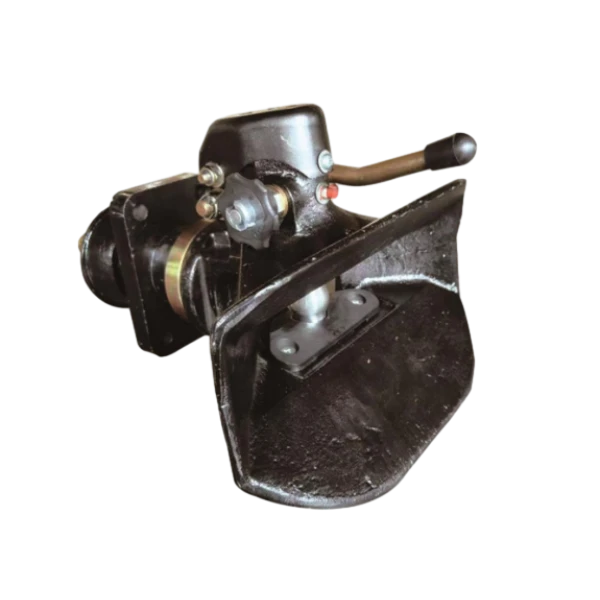 Trailer Coupling
The trailer coupling is a critical component in vehicle towing systems, designed to ensure a secure and efficient connection between a towing vehicle and a trailer. These couplings are manufactured using high-strength carbon steel, alloy steel, or stainless steel, ensuring durability and resistance to heavy loads and harsh environments.
-
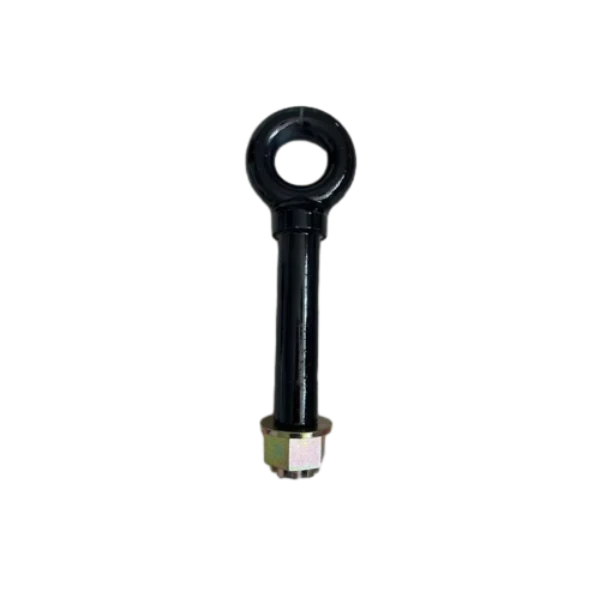
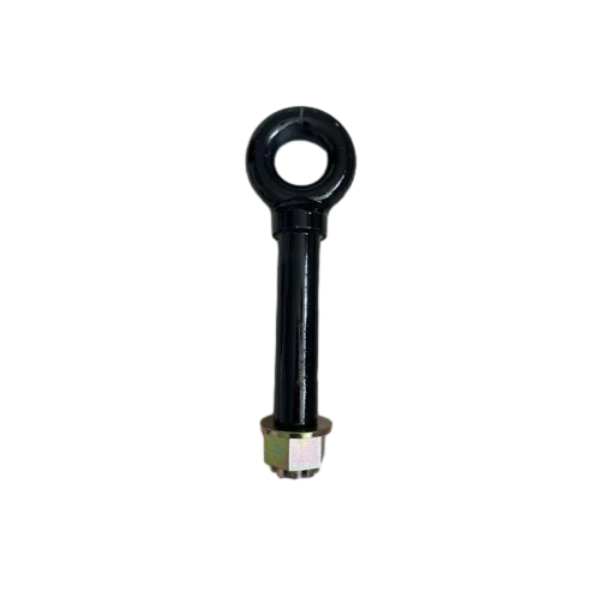 Drawbar Eyes
Drawbar eyes are essential components in towing and hauling applications, providing a strong and secure attachment point between the trailer and the towing vehicle. They are designed to endure extreme pulling forces, making them suitable for heavy-duty applications.
-
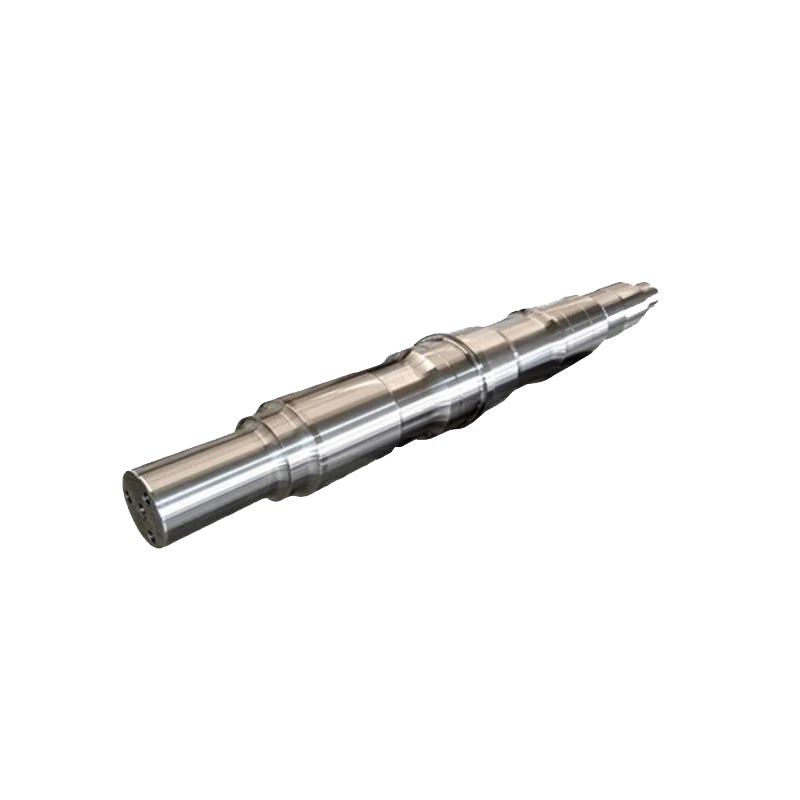
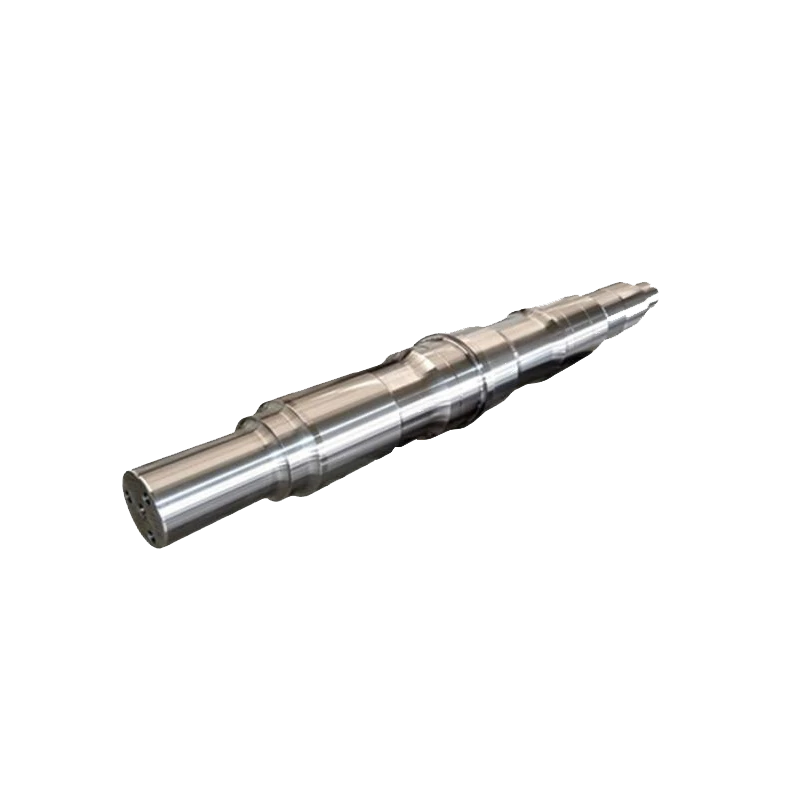 Axles
AxlesAxles are essential for vehicle load-bearing and power transmission, ensuring smooth movement and weight distribution. They must withstand high stress, torque, and impact, making material selection and precise manufacturing crucial.
-
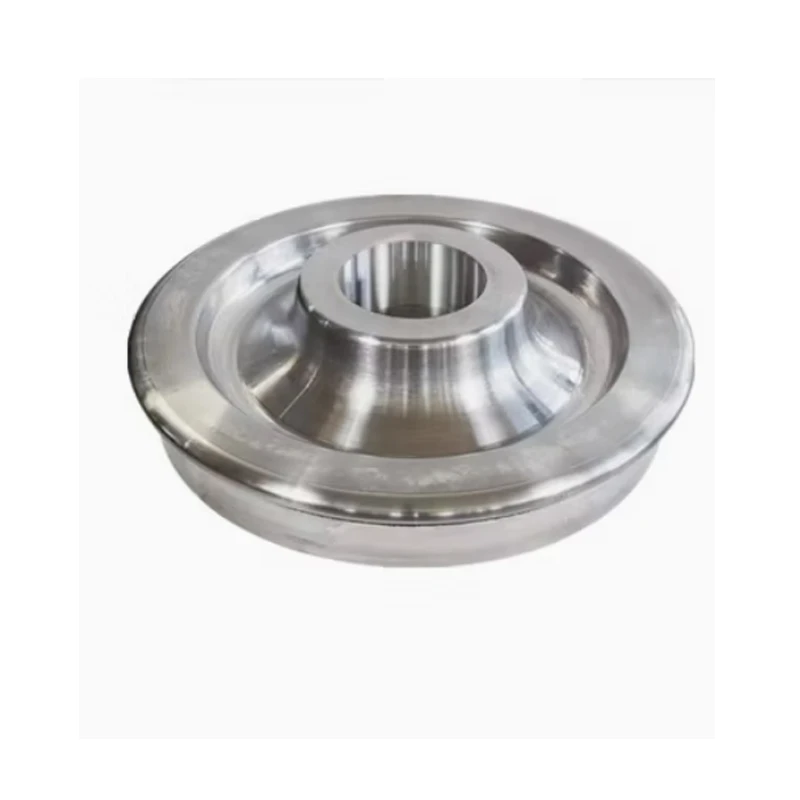 Profile S1002 Series Rail Wheels
The S1002 series rail wheels are designed for Rail-Road Vehicles (RRVs) that require seamless operation on both roads and railway tracks. Engineered with high precision and durability, these wheels conform to S1002 tread profiles, ensuring compatibility with standard railway systems.
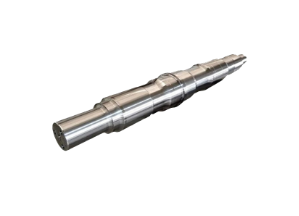
A Comprehensive Guide to Axles Types for Industry Decision Makers | Manufacturing Base
Axles Types is a key solution in the industry, specifically within heavy machinery and transportation sectors. This article explores how https://www.manufacturing-base.com supports professionals with durable, high-performance products
>
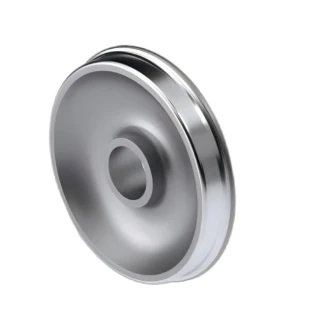
Reliable Rail Wheels: Optimize Your Rail Transport Solutions
For industries that rely on rail-based vehicles, choosing the right rail wheels is essential for smooth operations and safety.
>
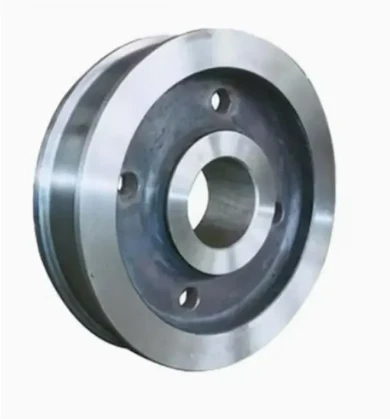
Premium Overhead Crane Wheels For Sale: Enhance Industrial Lifting Efficiency
In modern industrial operations, high-quality overhead crane wheels for sale are essential for safe, reliable, and efficient lifting.
>
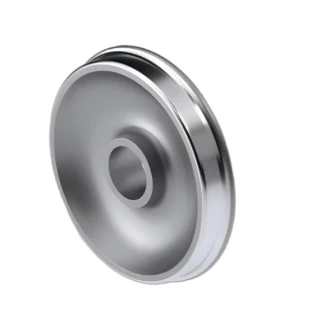
Premium Hi Rail Wheels For Sale: Boost Rail Vehicle Performance
In the modern industrial and railway sectors, having reliable hi rail wheels for sale is essential for operational efficiency and safety.
>
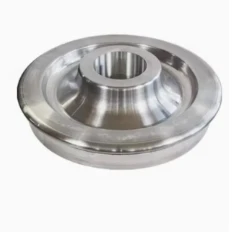
High-Quality Hi Rail Wheels For Sale: Enhance Your Rail Equipment Efficiency
When it comes to reliable rail maintenance and industrial operations, investing in hi rail wheels for sale is crucial.
>
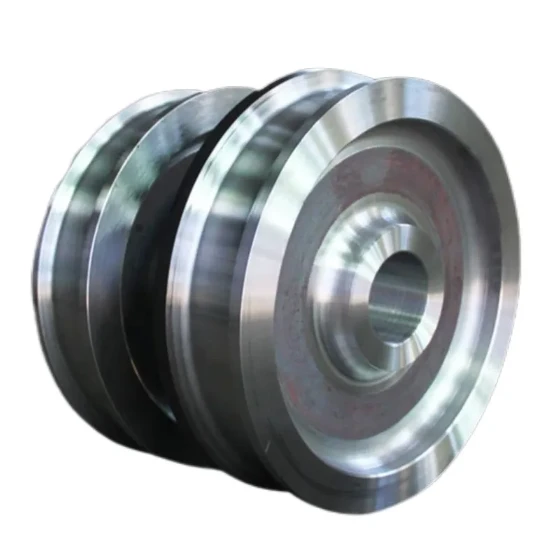
High-Quality Crane Wheels For Sale: Enhance Your Crane Operations
For industries relying on heavy lifting and material handling, investing in high-quality crane wheels for sale is crucial.
>
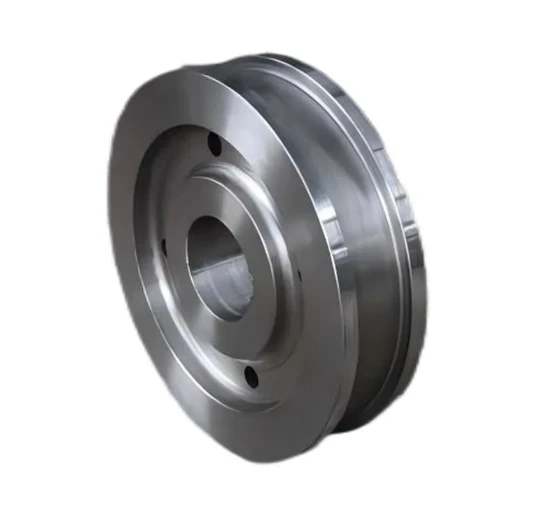
Durable Gantry Crane Wheels For Sale: Maximize Lifting Efficiency
For industries relying on heavy-duty lifting and material handling, selecting the right gantry crane wheels for sale is vital.
>
Reliable Tandem Drive Axles for Heavy-Duty Industrial Vehicles
Tandem Drive Axles: What I’ve Learned After Years in the Industrial Equipment Sector Ha
>
Reliable Semi Trailer Axles for Heavy-Duty Trailers | Expert Insight
Understanding semi trailer axles: The Backbone of Heavy Hauling Having spent more than a deca
>
RC Portal Axles: Industrial Strength and Custom Performance
RC Portal Axles: A Veteran’s Take on Industrial-Grade Performance Having spent over a d
>
Engineered for Excellence
Our forged solutions deliver reliability and performance, powering demanding industries to keep operations running smoothly.

Sign up
for Newsletter
Subscribe to the weekly newsletter for all the latest updates