Lars Johansson
Steel Mill Supervisor, Sweden

| Tipo de material: |
Liga de aço:4140, 4330, 4340, 42CrMo (outros disponíveis mediante solicitação) |
| Peso unitário: | 1 kg a 16.000 kg, adaptado às especificações do guindaste. |
| Diâmetro: | φ200mm to 1200mm, customizable for different crane designs. |
| Capacidade Máxima de Carga: | Varia de 5 a 50 toneladas por roda, dependendo do tamanho do guindaste. |
| Tipo de rolamento: | Rolamentos de rolos ou esferas para facilitar a rotação suave sob carga. |
| Design da banda de rodagem: | Banda de rodagem plana ou ranhurada, personalizada para sistemas de esteiras de guindastes específicos. |
| Largura da roda: | Varia para corresponder à largura da pista e garantir estabilidade. |
| Conformidade: | Atende aos padrões da indústria de guindastes (por exemplo, ISO, DIN). |
Why Are High-Quality Crane Wheels Essential for Industrial Lifting Systems?-H2
When it comes to heavy-duty industrial lifting, the performance of crane wheels often determines the overall efficiency of the crane itself. A wheel may look simple compared to the sophisticated crane structure, but in reality, it carries the most critical job—bearing enormous loads while ensuring smooth and reliable movement along tracks. Choosing crane wheels for sale that are engineered with precision and durability directly translates into higher productivity and lower maintenance costs for any industrial operation.
The crane wheel material plays a defining role in this reliability. For example, forged alloy steels such as 4140, 4330, 4340, or 42CrMo are widely used because of their excellent strength, wear resistance, and fatigue resistance. These properties help the crane pulley wheel withstand constant stress from heavy loads without cracking or deforming. Inferior wheels, on the other hand, can lead to uneven movement, track wear, and even system downtime—costing businesses both time and money. That is why procurement managers carefully evaluate crane wheel suppliers(https://www.manufacturing-base.com/) who can guarantee consistent metallurgy and precision forging.
Beyond strength, the functional practicality of crane wheels lies in their ability to reduce operational strain. A well-designed wheel ensures smooth rolling across crane rails, minimizing vibrations and prolonging the service life of the entire crane system. For industries like steel mills, shipyards, mining operations, and container terminals, where cranes operate continuously under harsh conditions, wheels with high fatigue resistance are not optional but absolutely necessary. Choosing the wrong wheels means more frequent replacements and maintenance interruptions—an expense that no competitive business can afford.
For buyers looking for crane wheels for sale, the decision should focus not only on cost but also on the balance of durability, precision, and supplier reliability. Reputable companies like Potentia Manufacturing Ltd., with decades of expertise in forged wheel production, provide assurance that every wheel is built to handle heavy industrial demands. Investing in the right wheels upfront safeguards operational efficiency, enhances worker safety, and ensures long-term savings—making high-quality crane wheels one of the smartest procurement decisions in heavy industry.
What Are the Main Signs That It’s Time to Replace Crane Wheels?-H2
Every piece of industrial equipment has a lifespan, and crane wheels are no exception. For procurement teams responsible for maintenance planning, recognizing the signs of wheel wear is essential to avoid unexpected breakdowns. Identifying these signs early allows businesses to source new crane wheels for sale before damage escalates into costly downtime.
The first and most visible indicator is surface wear. A crane pulley wheel that shows flattening, cracks, or pitting is a strong signal that the crane wheel material has reached its fatigue limit. Such surface damage not only reduces the wheel’s ability to carry heavy loads but also puts excessive stress on crane tracks, accelerating rail wear. If left unchecked, the entire lifting system can be compromised.
Another key sign is misalignment or uneven rolling. If a crane does not move smoothly along its rails, it often indicates that one or more crane wheels have developed dimensional inaccuracies due to wear. This can manifest as vibrations, noisy operation, or difficulty in maintaining straight travel paths. In such cases, replacing worn wheels quickly is vital to restoring crane performance. Procurement managers should maintain close partnerships with trusted crane wheel suppliers to ensure replacement parts are always available when needed.
Finally, frequent maintenance interventions are a red flag. If a crane system requires constant adjustments to keep wheels functioning, the cost of ongoing repairs may exceed the investment of purchasing new crane wheels for sale. Companies like Potentia Manufacturing Ltd. provide forged alloy steel wheels that last significantly longer, reducing replacement cycles and minimizing unplanned downtime. In short, proactive replacement based on wear signs ensures safety, efficiency, and cost control in heavy-duty crane operations.
What Advantages Do Forged Crane Wheels Offer over Cast Alternatives?-H2
One of the most important decisions procurement managers face when sourcing crane wheels is whether to choose forged or cast wheels. While cast wheels may appear cost-effective at first glance, forged crane wheels for sale offer superior functionality, durability, and long-term value. For industries that rely on cranes every day, the difference between forged and cast wheels is not minor—it’s the difference between predictable reliability and constant maintenance issues.
The primary advantage lies in the crane wheel material structure. Forged wheels, made from alloys such as 4340 or 42CrMo, are formed under high pressure, resulting in a dense and uniform grain structure. This enhances strength, toughness, and fatigue resistance, making forged crane wheels capable of handling extreme loads without cracking or deforming. Cast wheels, on the other hand, often contain internal voids or impurities that weaken their structure, leading to premature failure under stress.
Another functional advantage is wear resistance. Forged crane pulley wheels and running wheels are better able to resist rolling contact fatigue because their refined structure distributes stress evenly. This means fewer surface cracks, reduced pitting, and longer wheel lifespan. For buyers comparing crane wheels for sale, the extended service life of forged wheels translates into fewer replacements, less downtime, and lower total cost of ownership.
Reliable crane wheel suppliers like Potentia Manufacturing Ltd. specialize in forged wheels that meet strict industry standards. Their products demonstrate the clear superiority of forging in terms of functionality, safety, and lifecycle value. For procurement managers, the choice is clear: forged crane wheels are the smarter investment for high-demand industrial operations where reliability cannot be compromised.
How Can the Right Crane Wheel Design Improve Track Longevity?-H2
The relationship between crane wheels(https://www.manufacturing-base.com/application.html) and crane tracks is inseparable—one cannot perform well without the other. Poorly designed wheels can cause rail misalignment, surface damage, and accelerated wear. Conversely, well-engineered crane wheels for sale preserve track integrity, extending both the wheel’s and the track’s lifespan. For companies managing large crane fleets, this functionality is a major cost-saving factor.
The key lies in the geometry and crane wheel material. Forged wheels with precise tread profiles and proper hardness minimize rolling resistance and distribute loads evenly across the track surface. Alloy steels such as 4140 or 4340, when heat-treated correctly, resist wear and deformation even under heavy-duty usage. This prevents rail gouging, misalignment, and surface pitting—all common issues when substandard wheels are used. Procurement teams evaluating crane wheel suppliers should therefore demand detailed specifications on hardness and surface treatment.
In addition, the crane pulley wheel contributes to track longevity by ensuring smooth cable operation. When lifting loads is balanced and controlled, stress on the wheels and rails is minimized. Uneven lifting or jerky movement caused by poor-quality pulley wheels can create concentrated stress points, damaging tracks and shortening their service life. A fully integrated approach—selecting high-quality wheels and pulley wheels together—is the best strategy for maximizing track performance.
Companies like Potentia Manufacturing Ltd. provide engineered crane wheels for sale designed not only for load-bearing but also for compatibility with different track systems. By investing in reliable wheel designs, buyers ensure smoother crane operation, reduced rail replacement costs, and improved overall system longevity. For procurement managers, this is a clear example of how functionality-driven design leads to measurable savings.

Lars Johansson
Steel Mill Supervisor, Sweden

Michael Thompson
Mining Operations Manager, Australia

Fatima Khan
Industrial Facility Manager, Pakistan

Nina Andersson
Steel Industry Engineer, Norway
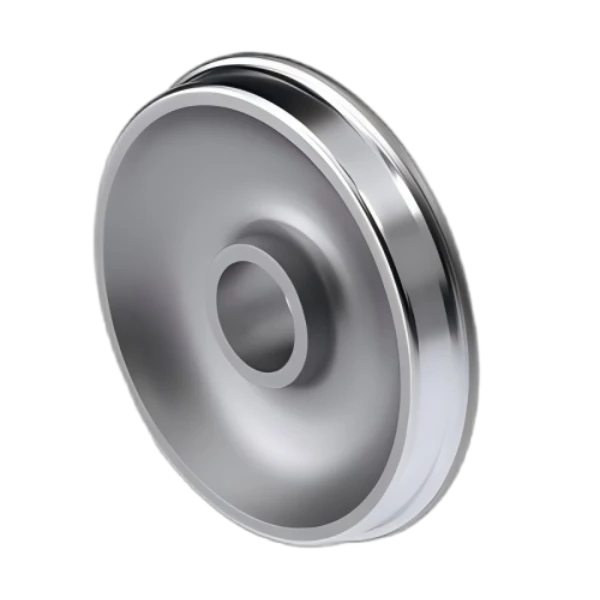
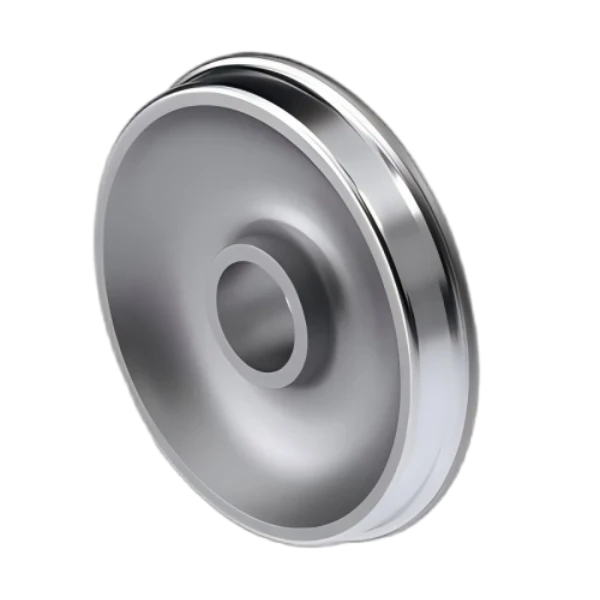
O P1 series rail wheels are specifically engineered for Veículos Ferroviários e Rodoviários (RRVs) requiring efficient operation on both railway tracks and roads. Designed to conform to the P1 tread profile, these wheels provide optimal track interaction, stability, and load-bearing performance.
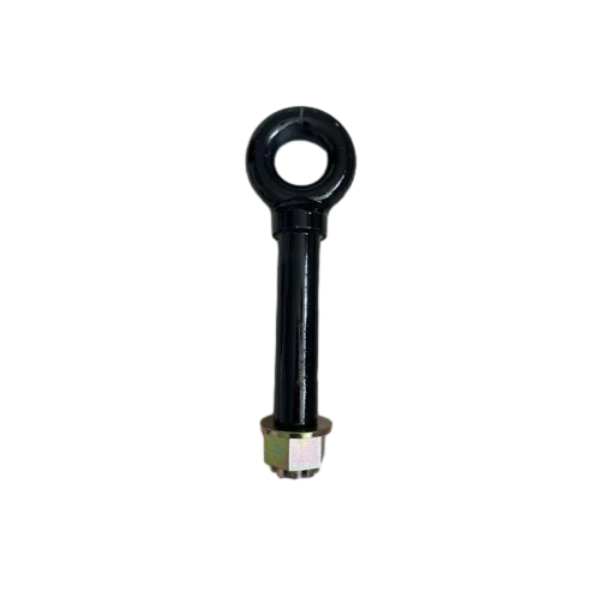
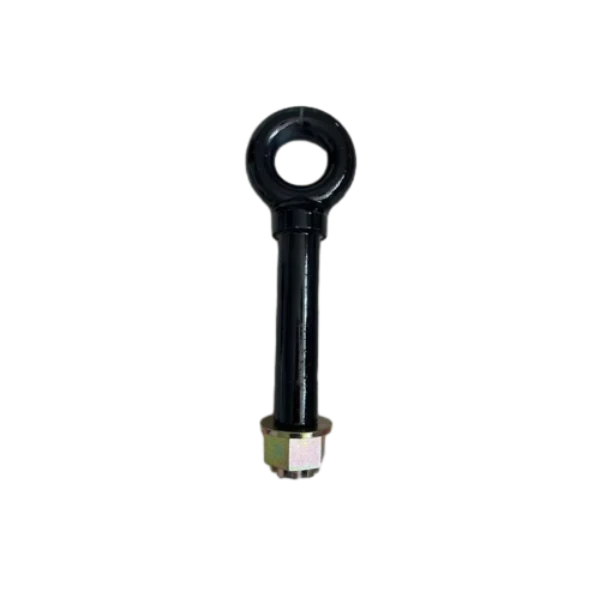
Olhais de barra de tração são componentes essenciais em aplicações de reboque e transporte, proporcionando uma ponto de fixação forte e seguro entre o reboque e o veículo de reboque. Eles são projetados para suportar forças de tração extremas, tornando-os adequados para aplicações pesadas.
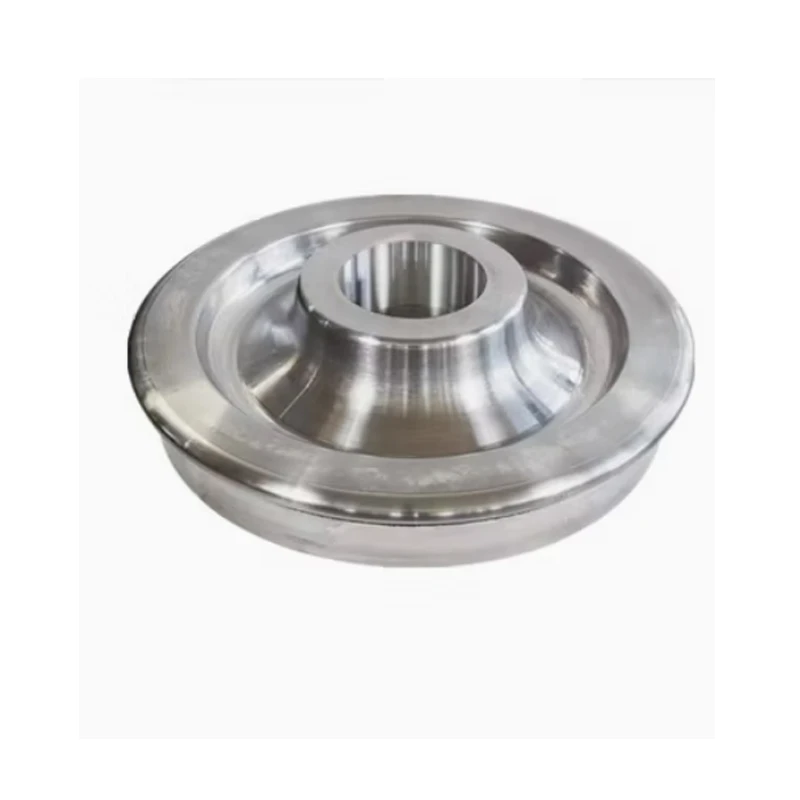
O Rodas ferroviárias série S1002 são projetados para Veículos Ferroviários e Rodoviários (RRVs) que exigem operação perfeita em estradas e trilhos ferroviários. Projetado com alta precisão e durabilidade, essas rodas estão em conformidade com Perfis de piso S1002, garantindo compatibilidade com sistemas ferroviários padrão.
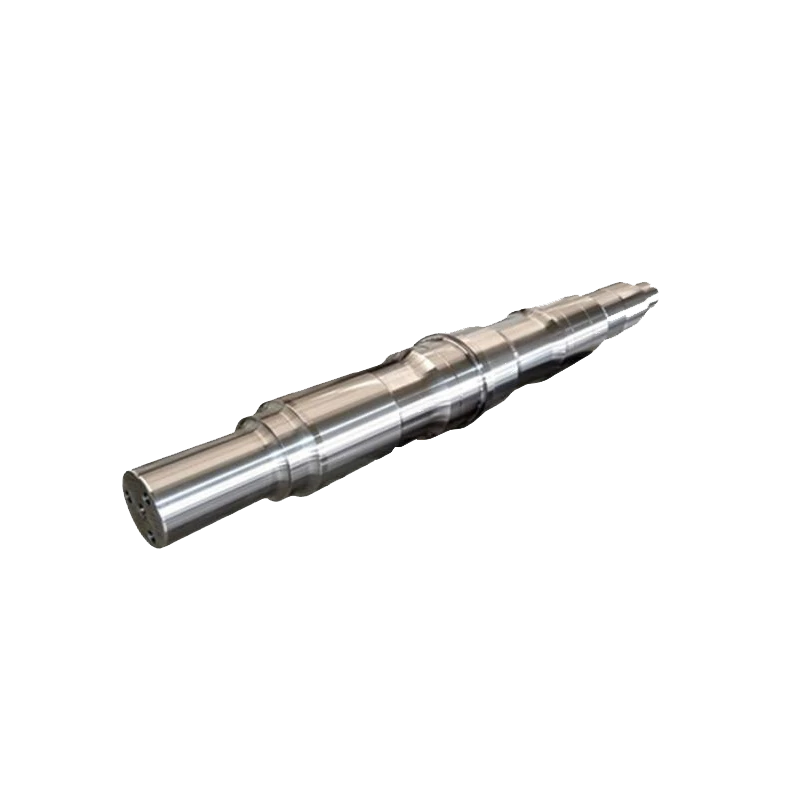
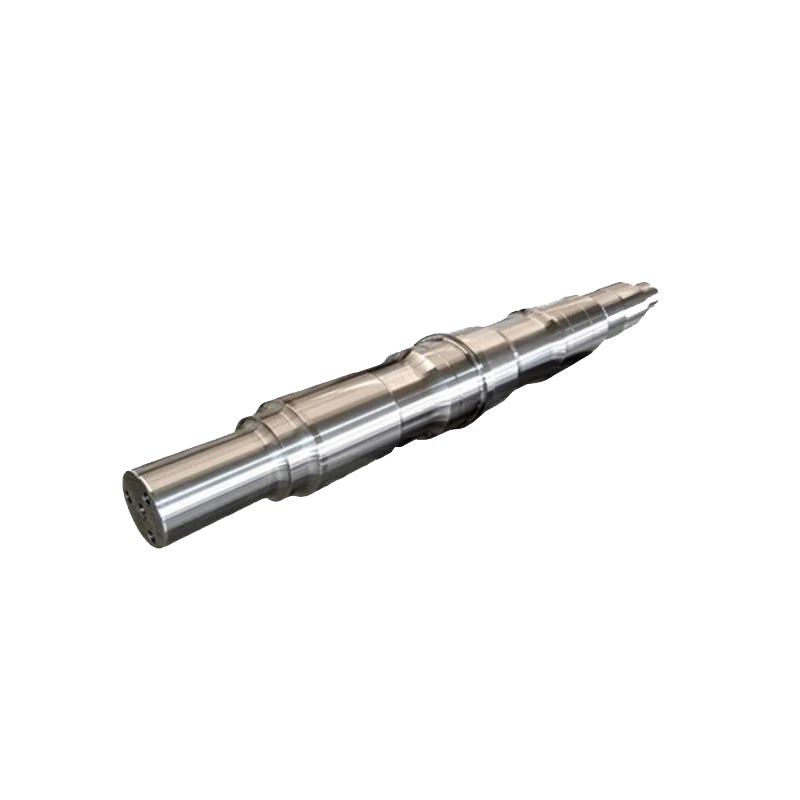
Eixos são essenciais para suporte de carga do veículo e transmissão de potência, garantindo movimento suave e distribuição de peso. Eles devem resistir alto estresse, torque e impacto, tornando a seleção de materiais e a fabricação precisa cruciais.
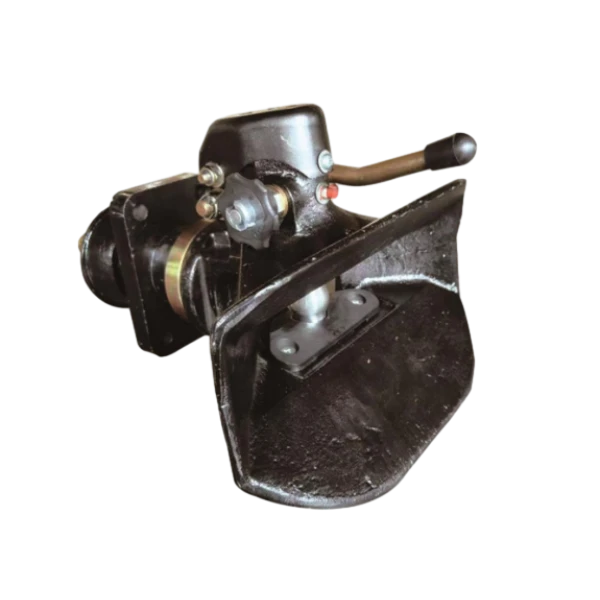
O engate de reboque é um componente crítico em sistemas de reboque de veículos, projetado para garantir uma conexão segura e eficiente entre um veículo de reboque e um reboque. Esses engates são fabricados com aço carbono de alta resistência, aço de liga ou aço inoxidável, garantindo durabilidade e resistência a cargas pesadas e ambientes agressivos.
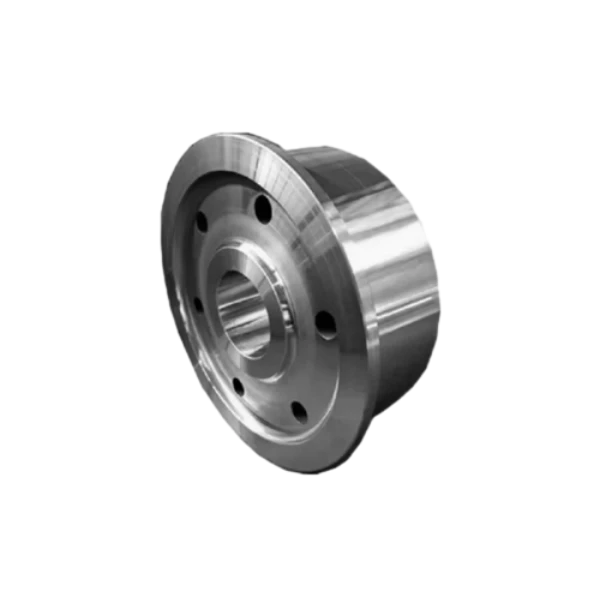
Essas rodas são projetadas para suportar as condições adversas dos ambientes de mineração, proporcionando desempenho confiável em superfícies abrasivas e cargas pesadas.
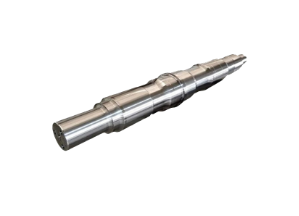
Axles Types is a key solution in the industry, specifically within heavy machinery and transportation sectors. This article explores how https://www.manufacturing-base.com supports professionals with durable, high-performance products
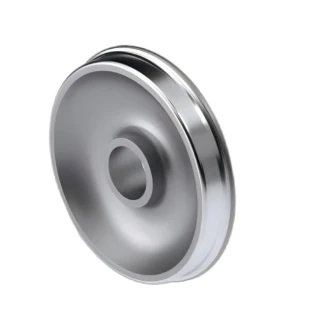
For industries that rely on rail-based vehicles, choosing the right rail wheels is essential for smooth operations and safety.
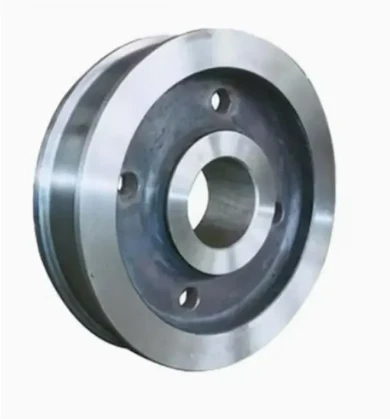
In modern industrial operations, high-quality overhead crane wheels for sale are essential for safe, reliable, and efficient lifting.
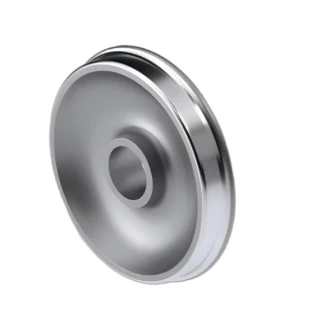
In the modern industrial and railway sectors, having reliable hi rail wheels for sale is essential for operational efficiency and safety.
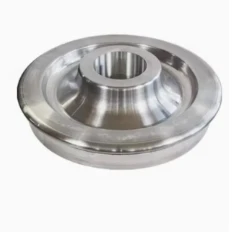
When it comes to reliable rail maintenance and industrial operations, investing in hi rail wheels for sale is crucial.
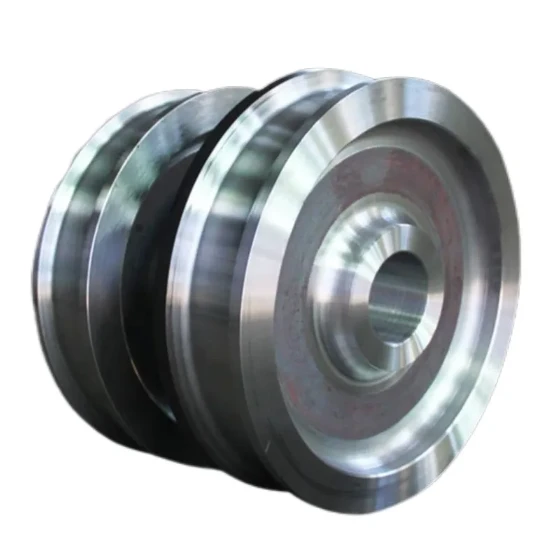
For industries relying on heavy lifting and material handling, investing in high-quality crane wheels for sale is crucial.
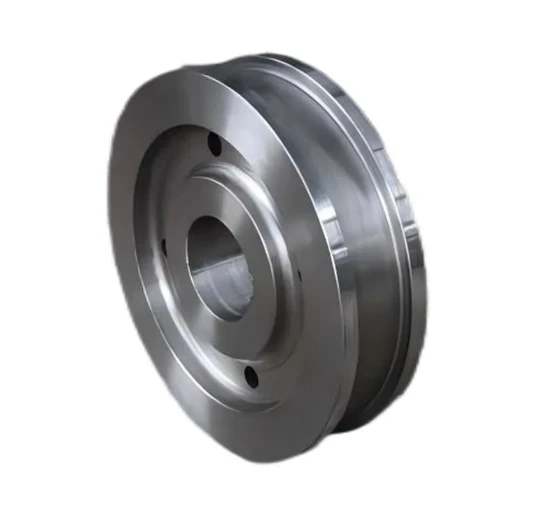
For industries relying on heavy-duty lifting and material handling, selecting the right gantry crane wheels for sale is vital.
Tandem Drive Axles: What I’ve Learned After Years in the Industrial Equipment Sector Ha
Understanding semi trailer axles: The Backbone of Heavy Hauling Having spent more than a deca
RC Portal Axles: A Veteran’s Take on Industrial-Grade Performance Having spent over a d
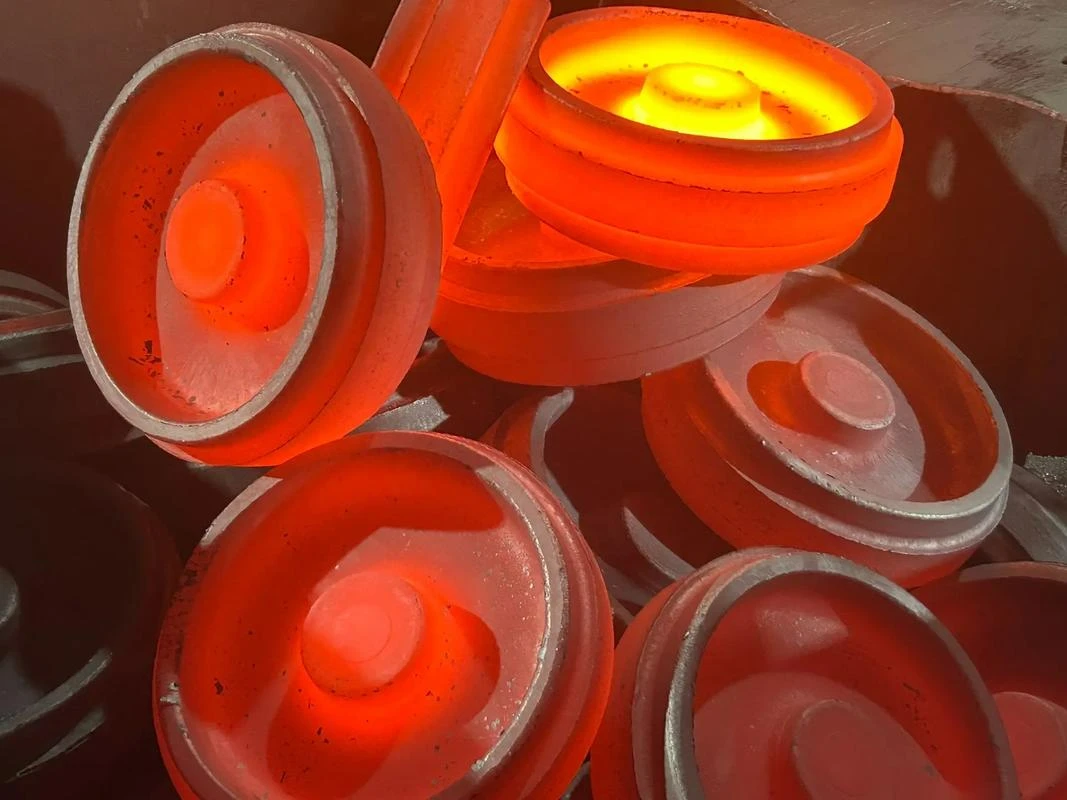
Fornecemos rodas de guindaste de alta resistência para precisão industrial
Melhore completamente as operações de elevação com a resistência das rodas forjadas por meio de soluções avançadas de aço tratado termicamente de forma profissional.
Projetado para Excelência

Inscrever-se
para Boletim Informativo
Assine o boletim informativo semanal para receber as últimas atualizações