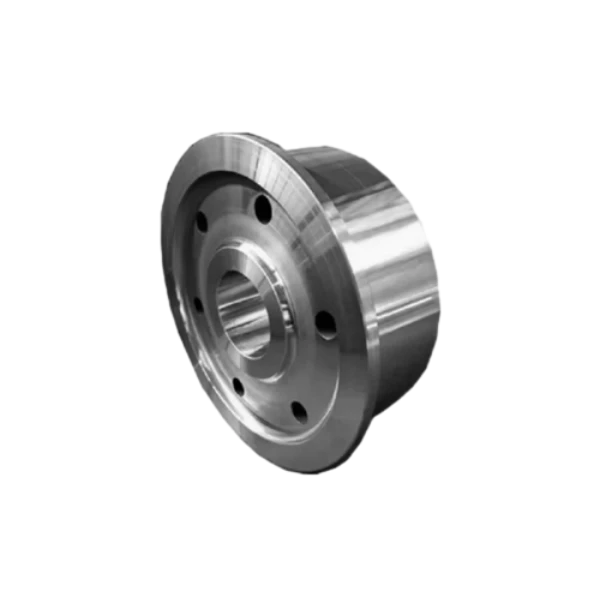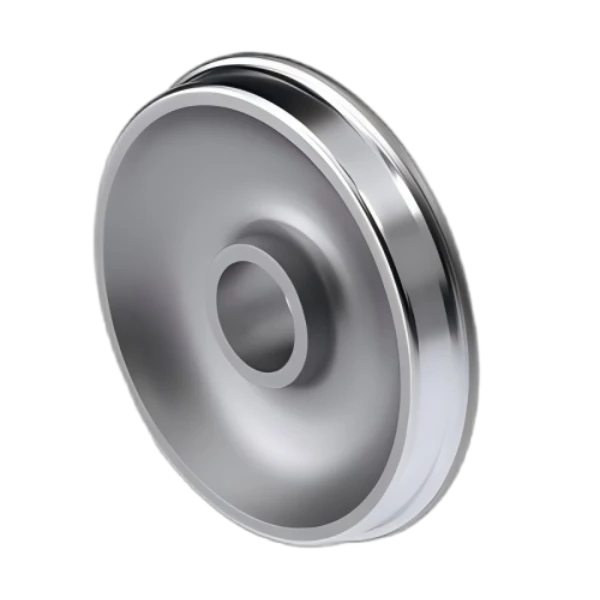
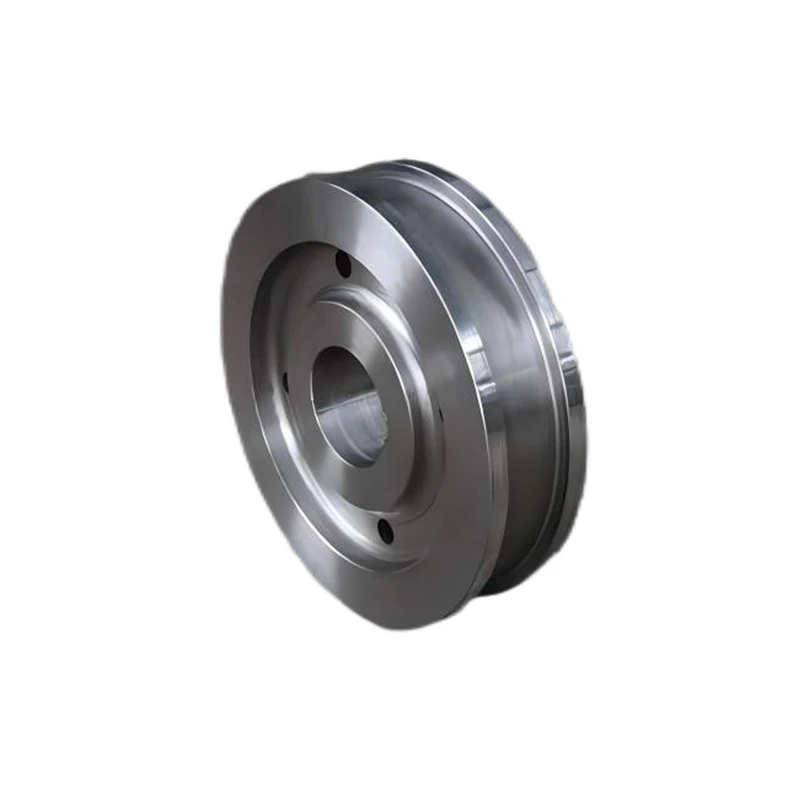
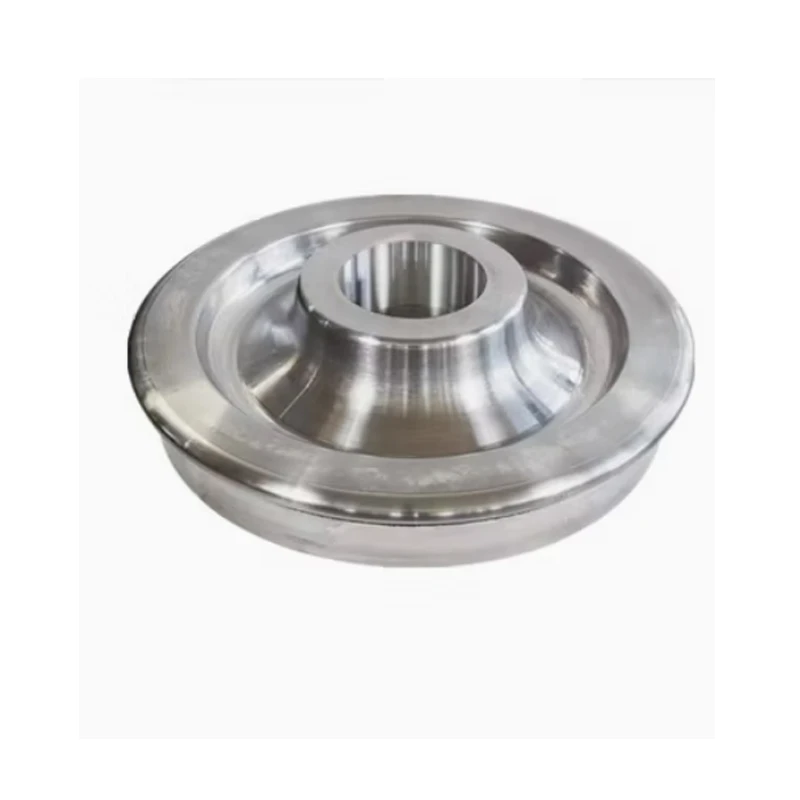
The industrial landscape in Nigeria is characterized by a rapid increase in logistics demand, yet it faces significant hurdles due to extreme humidity and dusty environments. Many facilities rely on aging infrastructure where linear rail wheels often suffer from premature wear due to lack of precision lubrication and high particulate infiltration.
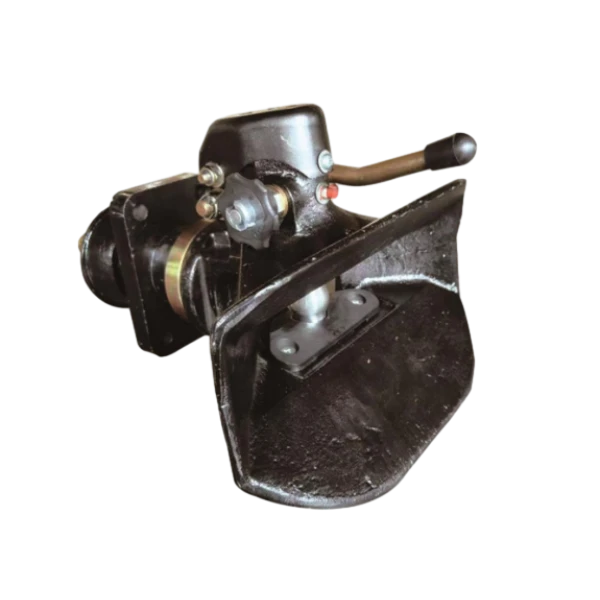
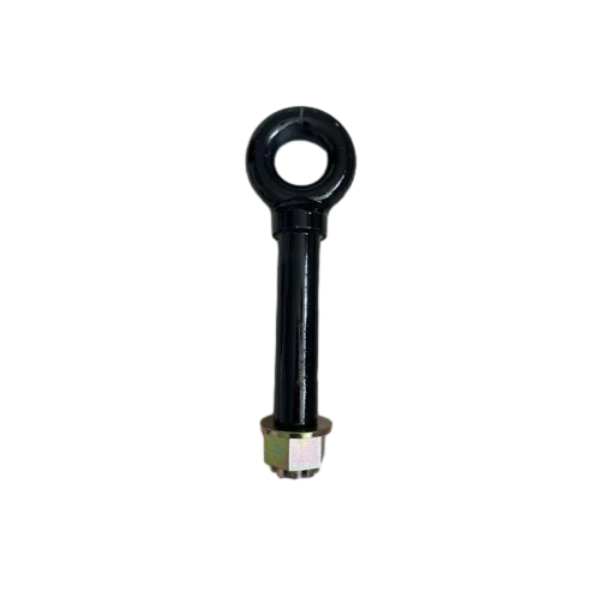
Economic volatility and reliance on imports have created a gap in the availability of standardized components. Local workshops frequently struggle with improper trailer coupling preparation, leading to safety risks and inefficiency in the transportation of raw materials across state lines.
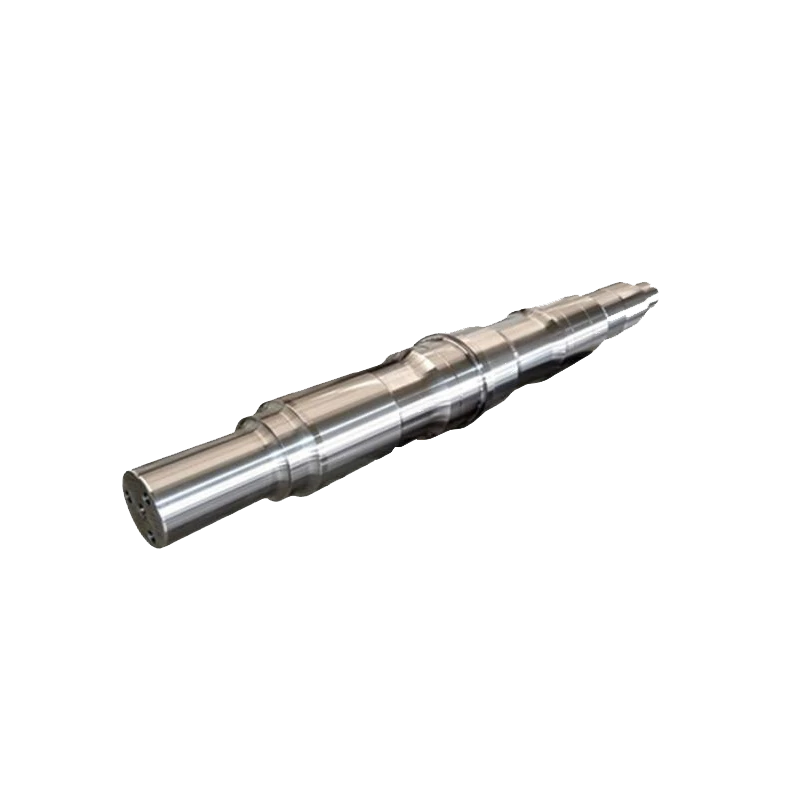
Despite these challenges, there is a growing trend toward upgrading to specialized 1 ton axles to support the burgeoning small-to-medium enterprise (SME) transport sector, moving away from improvised makeshift solutions to certified automotive engineering standards.