In the complex ecosystem of automotive logistics and heavy machinery, trailer coupling devices serve as the critical link that ensures the safe and efficient transfer of loads across diverse terrains. These components are far more than simple connectors; they are engineered precision tools designed to withstand immense shear forces, vibration, and environmental degradation, making them indispensable for global trade and industrial mobility.
The global reliance on heavy-duty transport means that the integrity of trailer coupling devices directly impacts road safety and operational uptime. From the haulage of oversized industrial equipment to the deployment of agricultural machinery, the reliability of the coupling mechanism prevents catastrophic failures, reducing the risk of accidents and minimizing costly downtime in supply chain operations.
Understanding the nuances of these devices—including material science, load-bearing capacities, and locking mechanisms—allows fleet managers and engineers to optimize their equipment for longevity. By focusing on high-performance trailer coupling devices, industries can achieve a balance between maximum payload efficiency and stringent safety compliance.
Global Relevance of Trailer Coupling Devices
On a global scale, the transportation of goods is governed by rigorous standards set by organizations such as ISO and the UNECE. The demand for high-grade trailer coupling devices has surged as emerging economies expand their infrastructure, requiring the movement of heavier loads over longer distances. In regions like Southeast Asia and Sub-Saharan Africa, the implementation of standardized coupling systems is vital for integrating local logistics with international shipping hubs.
The primary challenge facing the industry is the wear and tear caused by diverse climatic conditions and varying road qualities. When a coupling device fails, it is not merely a mechanical issue but a logistical bottleneck that can stall an entire supply chain. Therefore, the engineering of these devices has shifted toward "over-specification," where components are designed to handle loads significantly beyond their rated capacity to ensure a margin of safety in unpredictable environments.
Definition and Industrial Significance
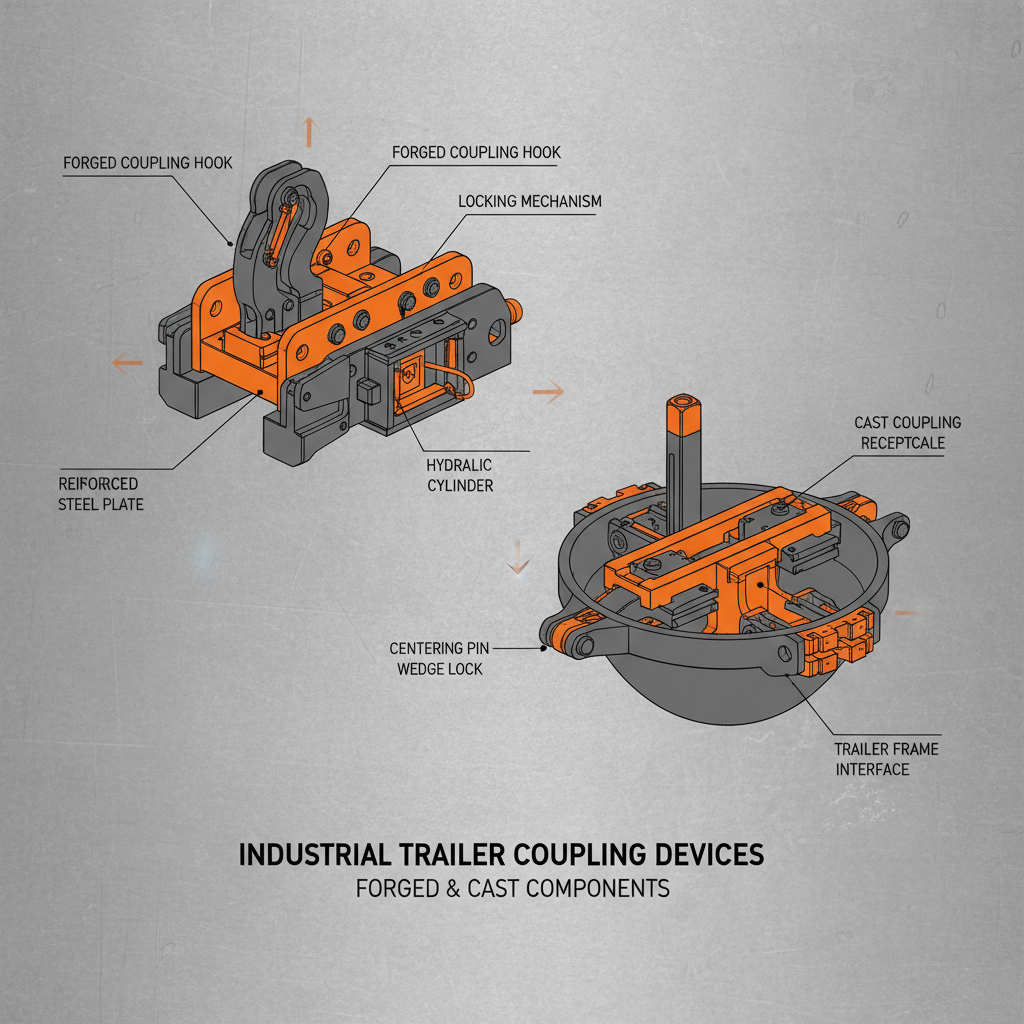
In simple technical terms, trailer coupling devices are the specialized mechanical interfaces used to connect a towed vehicle or trailer to a towing vehicle. This connection must facilitate not only the transmission of pulling forces (traction) but also the management of braking forces and the ability to pivot during turns. Whether it is a simple ball-and-socket joint or a complex fifth-wheel coupling for semi-trailers, the goal is to maintain a rigid yet flexible connection.
Within the broader context of automotive manufacturing, these devices are essential for the versatility of the vehicle. By utilizing standardized trailer coupling devices, a single prime mover can switch between different types of trailers—such as flatbeds, tankers, or specialized equipment carriers—within minutes. This interoperability is what allows the modern "just-in-time" delivery model to function efficiently across continents.
Beyond commercial logistics, these components serve critical humanitarian needs. In disaster relief operations, the ability to quickly hitch trailers carrying water, medical supplies, or mobile shelters to any available rugged vehicle is a life-saving capability. The simplicity and robustness of the coupling mechanism ensure that aid can reach remote areas where sophisticated infrastructure is non-existent, proving that the humble coupling is a cornerstone of global resilience.
Core Factors for Coupling Performance
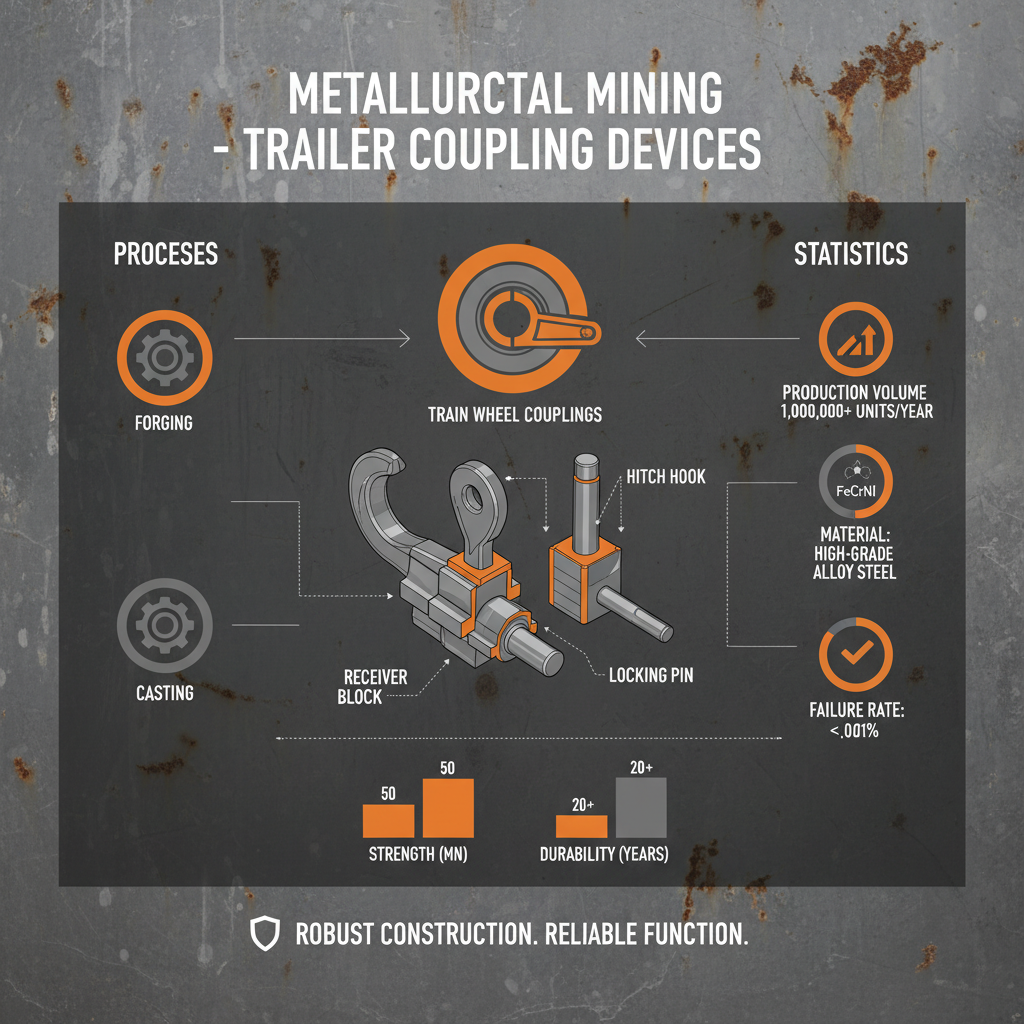
Durability is the foremost requirement for any professional-grade trailer coupling devices. This is achieved through the use of high-strength forged steel and advanced heat-treatment processes that prevent fatigue cracking. Because these parts are subjected to constant cyclic loading and road shocks, the metallurgical integrity of the forging is what determines whether a part lasts for five years or fifty thousand miles.
Load Distribution and Scalability are equally critical. An engineered coupling must distribute the vertical tongue weight and horizontal pulling force evenly across the chassis of the towing vehicle. By optimizing the geometry of the coupling head, manufacturers can increase the permissible Gross Combined Weight Rating (GCWR), allowing operators to scale their transport capacity without compromising the structural integrity of the vehicle.
Finally, Cost Efficiency and Maintenance ease play a major role in the total cost of ownership. A coupling device that requires daily lubrication or frequent part replacements becomes a liability. Modern designs incorporate self-lubricating bushings and corrosion-resistant coatings (such as galvanization or powder coating), ensuring that the trailer coupling devices remain operational even in salt-heavy coastal environments or muddy mining sites.
Global Applications and Use Cases
The application of trailer coupling devices spans across nearly every industrial sector. In the mining industry, oversized coupling systems are used to move massive ore carts and equipment trailers across rugged, unpaved terrain. These devices must handle extreme "shock loads" where the trailer may suddenly drop or jerk, requiring a level of toughness that far exceeds standard automotive requirements.
In the agricultural sector, couplings are designed for rapid attachment and detachment to accommodate the seasonal nature of farming. For instance, a tractor may move from pulling a seed drill to a grain trailer in a single day. These specialized couplings often incorporate "quick-release" mechanisms that allow operators to work efficiently without needing a full toolkit, thereby maximizing productivity during narrow planting or harvest windows.
Performance Comparison of Coupling System Types
Long-Term Value and Safety Advantages
Investing in premium trailer coupling devices yields tangible long-term financial benefits. While cheaper alternatives may seem attractive initially, they often suffer from premature deformation or "slop" in the connection, which leads to unstable towing and increased tire wear. A high-precision coupling maintains a tight tolerance, reducing the oscillation of the trailer and significantly lowering the fuel consumption of the towing vehicle.
From an emotional and ethical standpoint, the primary value of a superior coupling is the peace of mind it provides. For a driver hauling a 40-ton load down a mountain pass, the trust in the coupling mechanism is the difference between a routine trip and a disaster. This trust is built on the foundation of rigorous testing and quality certification, ensuring that the equipment provides not just a connection, but a guarantee of safety and dignity for the operator.
Future Trends in Coupling Technology
The digital transformation of the automotive industry is beginning to reach the realm of trailer coupling devices. We are seeing the emergence of "smart couplings" equipped with load sensors and connectivity modules. These systems can provide real-time data to the driver regarding the exact weight distribution on the hitch, alerting them to imbalances that could lead to trailer sway—a common cause of highway accidents.
Material science is also evolving, with the introduction of nano-coatings that provide near-total immunity to corrosion. These new materials are being paired with lightweight high-strength alloys to reduce the curb weight of the coupling without sacrificing load capacity. This shift supports the broader industry move toward "green logistics," where every kilogram saved in equipment weight translates to a reduction in carbon emissions.
Furthermore, automation is playing a role through the development of fully autonomous coupling systems. In the future, autonomous trucks will be able to back into trailers and lock the coupling without human intervention, using precision computer vision and robotic actuators. This will not only increase the speed of depot operations but will remove the human operator from the potentially dangerous "pinch zone" during the hitching process.
Challenges and Expert Solutions
Despite technological leaps, one of the most persistent challenges is the lack of universal standardization across different global markets. A coupling designed for the North American market may not be fully compatible with European specifications, leading to inefficiencies in international transport. The expert solution lies in the adoption of modular coupling designs that can be easily adapted with interchangeable inserts to meet various regional standards.
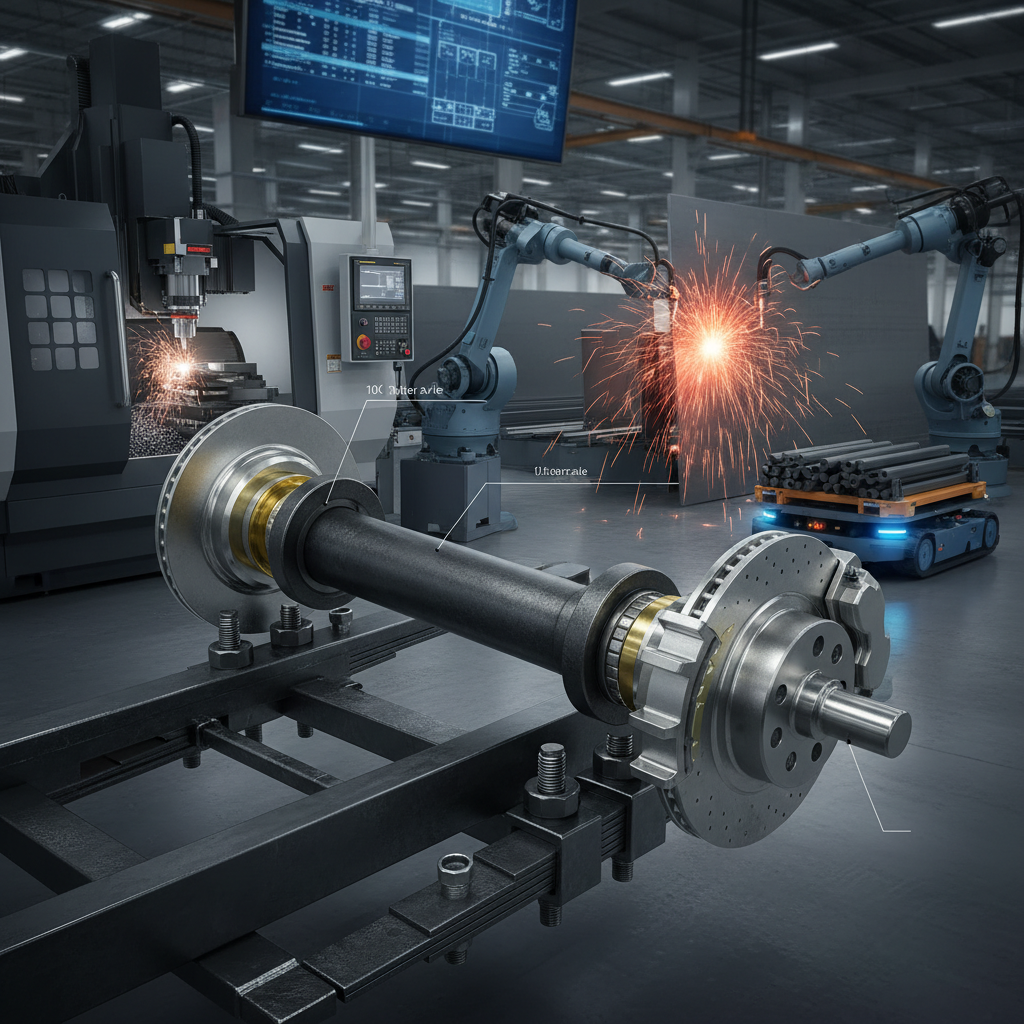
Another significant issue is "hidden fatigue," where internal microscopic cracks form within the metal due to stress, invisible to the naked eye. To combat this, industry leaders are implementing Non-Destructive Testing (NDT) protocols, such as ultrasonic and magnetic particle inspection, during the manufacturing of trailer coupling devices. This ensures that every unit leaving the factory is free of structural defects.
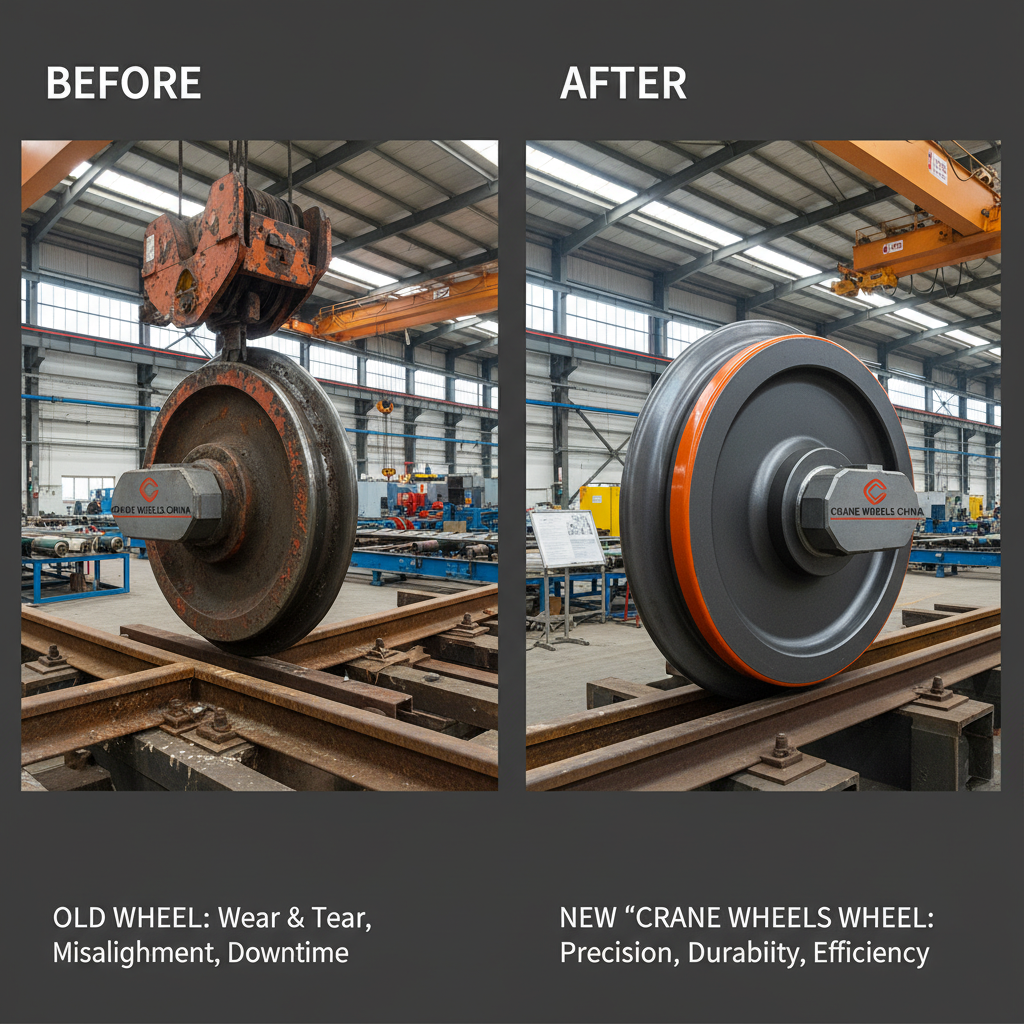
Lastly, the challenge of maintenance neglect often leads to premature failure. The solution is the integration of "wear indicators"—physical or digital markers that signal when a coupling has reached its wear limit and must be replaced. By moving from a reactive maintenance model to a predictive one, companies can avoid catastrophic failures and extend the operational life of their fleet.
Comparative Analysis of Coupling Material Performance and Lifecycle
|
Material Type
|
Tensile Strength (Score 1-10)
|
Corrosion Resistance
|
Avg. Lifespan (Years)
|
| Forged Alloy Steel |
10 |
Medium (w/ Coating) |
12-15 |
| Cast Ductile Iron |
7 |
High |
8-10 |
| Hardened Carbon Steel |
8 |
Low |
5-7 |
| Stainless Steel (316) |
6 |
Excellent |
20+ |
| Titanium Alloy (Custom) |
9 |
Excellent |
25+ |
| Standard Mild Steel |
5 |
Very Low |
3-5 |
FAQS
To determine the correct rating, you must calculate the Gross Trailer Weight (GTW) and the tongue weight (usually 10-15% of the GTW). Always select a coupling device that has a Working Load Limit (WLL) exceeding your maximum expected load by at least 20% to account for dynamic forces during braking and acceleration.
Key warning signs include visible cracks in the forging, excessive "play" or movement between the ball and the coupler, significant rust that has pitted the metal surface, or any deformation of the locking mechanism. If the locking pin no longer seats firmly, the device is unsafe and must be replaced immediately.
No, this is highly discouraged. Road conditions can create "dynamic loads" that momentarily exceed the static weight of the trailer. Using an under-rated coupling increases the risk of sudden structural failure. Always match the device to the trailer's maximum potential capacity, not the average load.
Yes, forged steel is generally superior for heavy-duty applications. Forging aligns the grain structure of the metal, which significantly increases impact resistance and fatigue strength compared to casting. While cast iron is excellent for corrosion resistance and certain static loads, forged steel is the industry standard for safety-critical towing.
For standard high-use fleets, lubrication should occur every 2,000 to 5,000 miles, or after every exposure to heavy rain, salt, or mud. Using a high-pressure lithium grease prevents metal-on-metal friction, which reduces wear on the coupling ball and extends the life of the assembly.
Look for certifications such as ISO 9001 for manufacturing quality, and specific regional standards like SAE (Society of Automotive Engineers) or DIN (German Institute for Standardization). For high-risk industrial use, ask for a Material Test Report (MTR) to verify the chemical composition and strength of the steel used.
Conclusion
In summary, trailer coupling devices are the unsung heroes of the global logistics network, providing the essential strength and flexibility required to move the world's goods. From the meticulous selection of forged materials to the integration of smart sensors and autonomous locking, these components are evolving to meet the demands of higher payloads and stricter safety standards. By prioritizing durability, precision engineering, and rigorous maintenance, operators can ensure maximum uptime and unparalleled road safety.
As we look toward a future of green energy and automated transport, the role of the coupling will only become more sophisticated. We suggest that fleet managers transition toward high-strength forged alloys and implement predictive maintenance schedules to avoid the hidden costs of equipment failure. For those seeking industrial-grade solutions that bridge the gap between efficiency and safety, exploring specialized forging capabilities is the first step toward a more resilient supply chain. Visit our website: www.manufacturing-base.com